‘24/7 automation’: Can AI robots really work without human intervention?

While AI robots run 24/7 in highly structured 'lights-out' factories, they cannot operate entirely without humans. Lacking tactile intelligence, they struggle with unpredictability, meaning humans are still required for complex decision-making.
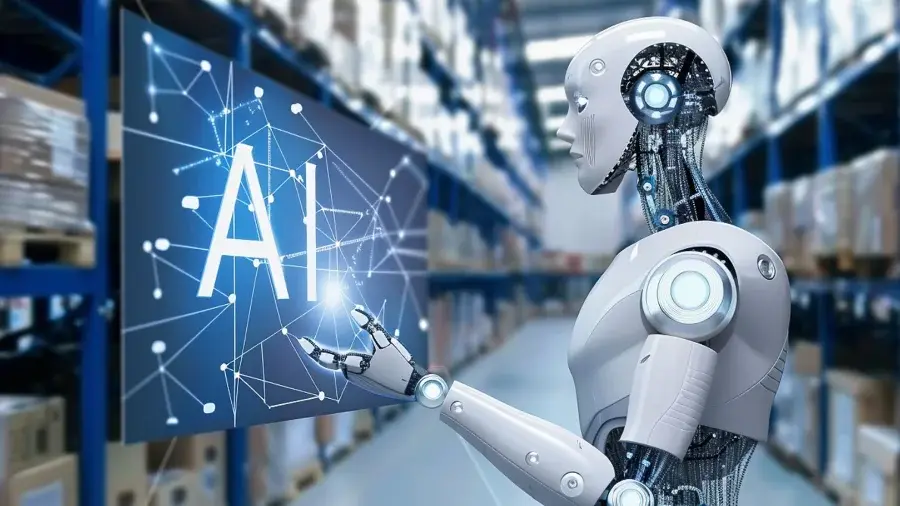
The reality of 'lights-out' factories
Many companies operate highly automated facilities where robots manufacture products around the clock. However, these systems are restricted to predictable environments and still require human engineers for software maintenance and critical system upgrades.
Thriving in structured environments
Autonomous robots excel in environments where very little is left to chance, such as ports and industrial warehouses. Massachusetts Institute of Technology experts note that massive robotic fleets can move shipping containers 24/7 because the operational parameters are strictly controlled.
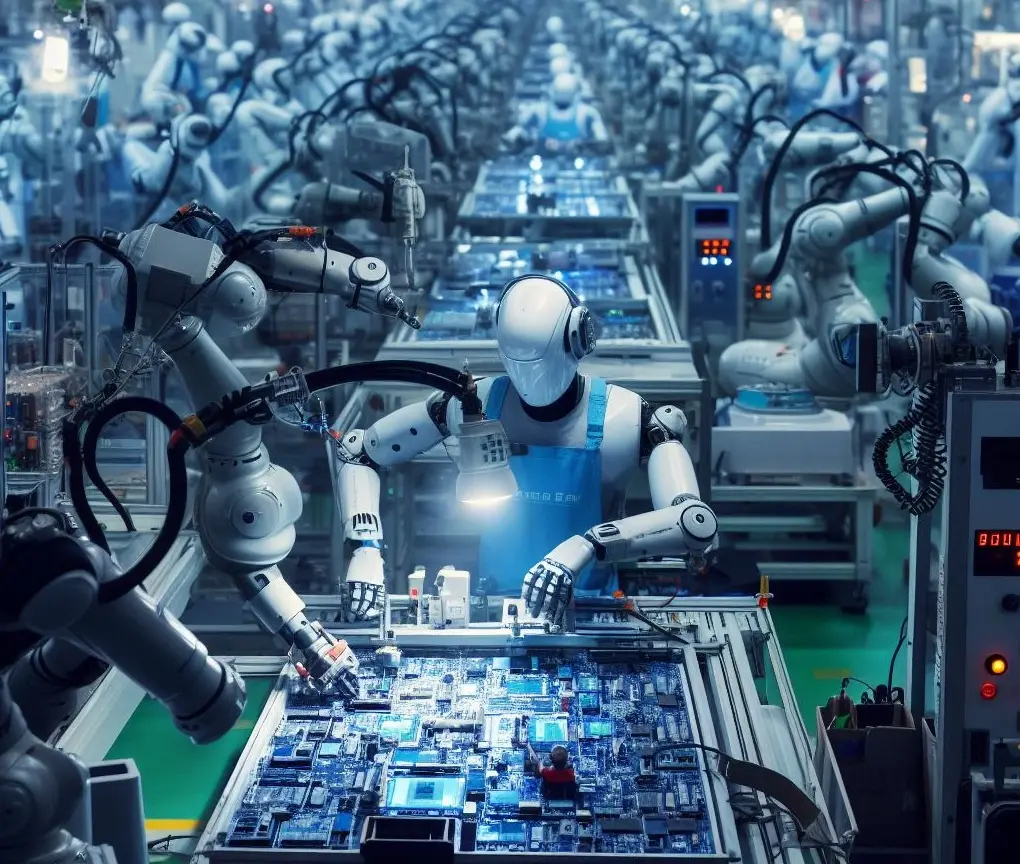
The tactile intelligence gap
Despite incredible advancements in visual perception, robots struggle to calculate risk or adapt to unfamiliar physical situations. They currently lack the skin-like sensory feedback required to manipulate soft materials or make the complex judgement calls that humans perform instinctively.
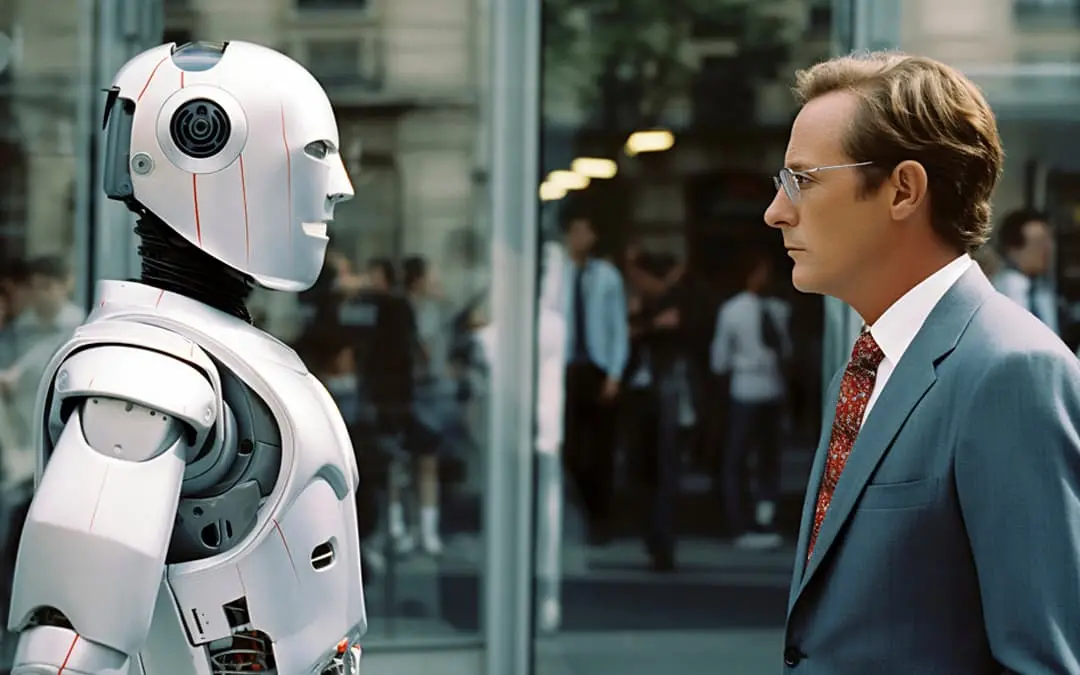
The 90-10 autonomation rule
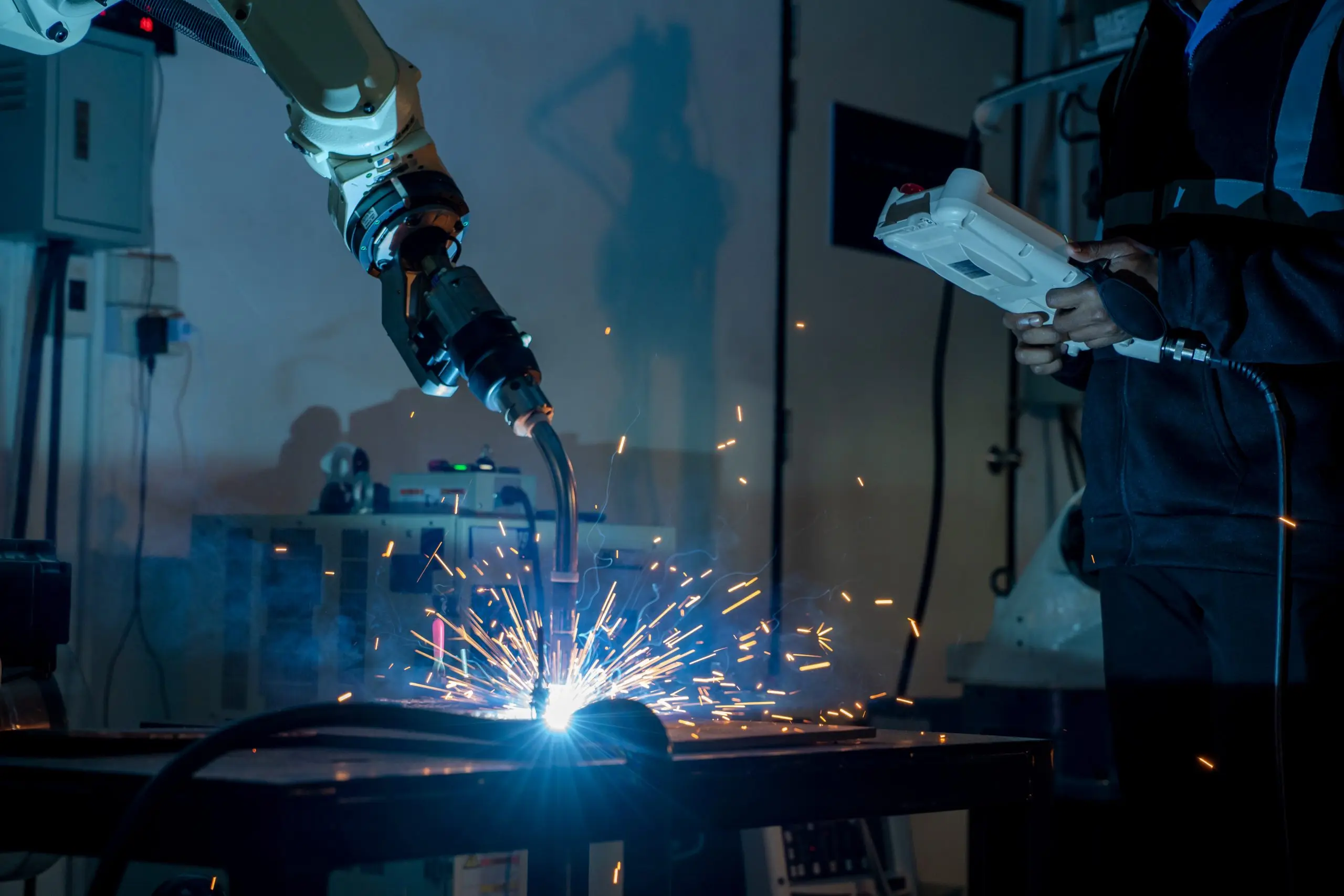
Instead of pursuing completely human-free factories, modern industries follow the concept of autonomation. This means AI robots handle 80 to 90 per cent of mundane physical work, leaving skilled human operators to manage the remaining tasks that require complex decision-making.
Teleoperation as a fail-safe
When an automated process breaks down, robots struggle to improvise and adapt to the failure. To bridge this gap, industries rely on teleoperation, where human workers remotely control the machines to provide the quick thinking and risk assessment that artificial intelligence lacks.
)
)

)
)