2019: A preview of Alaska's future?

Ice and Fire
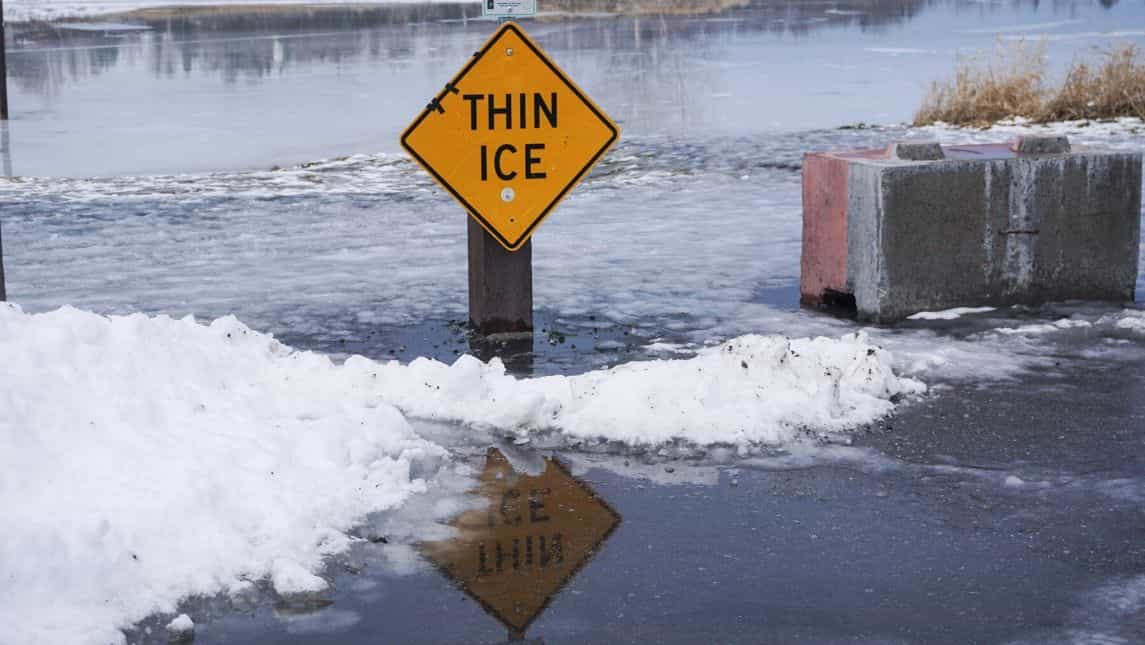
Winter rains atop of snow create a glaze on roads and parking lots and melt Westchester Lagoon, a popular ice-skating and pond-hockey site in Anchorage, Alaska, US, December 9, 2019.
Alaska is set to finish 2019 with a record average high temperature after a year of extremes ranging from a sweltering summer and rampant wildfires to vanishing sea ice and winter rains where heavy snows were once the norm.
Rapid warming
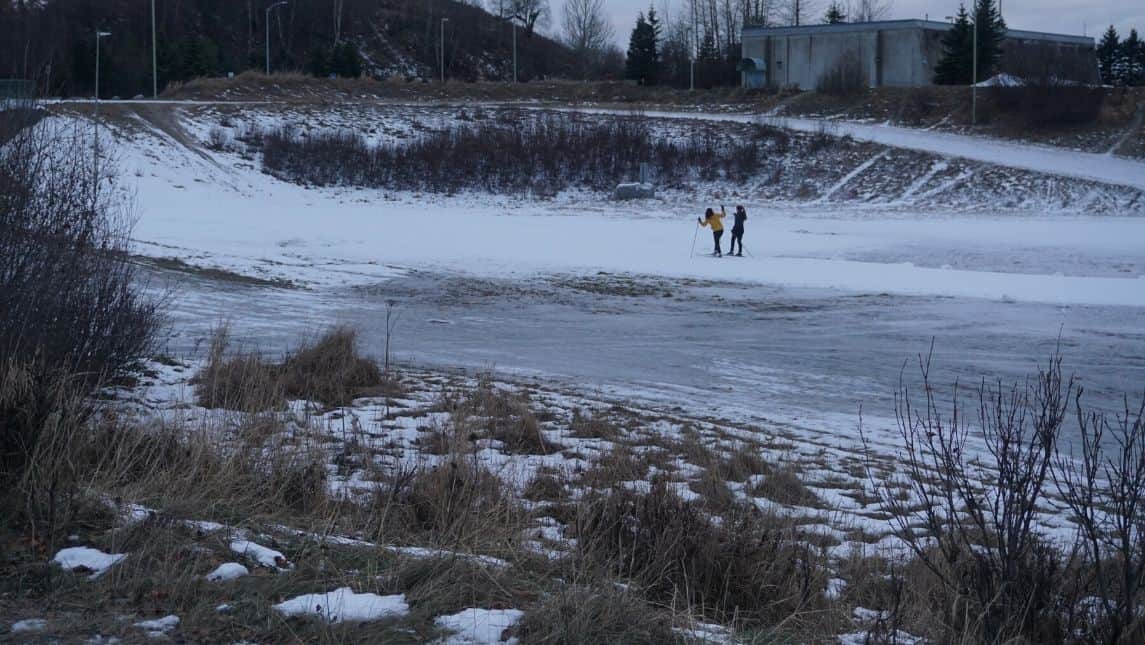
Anchorage high-school skiers pause during practice at Anchorage's Kincaid Park, after winter rains washed away the natural snow, limiting the skiers to an approximately 1.5-kilometer loop of man-made snow at the park, in Alaska, US, December 17, 2019.
The turmoil is part of a rapid warming pattern in which Alaska - at the leading edge of climate change due to its proximity to the Arctic - is heating at twice the rate of the planet as a whole, researchers say.
Cold yet warm
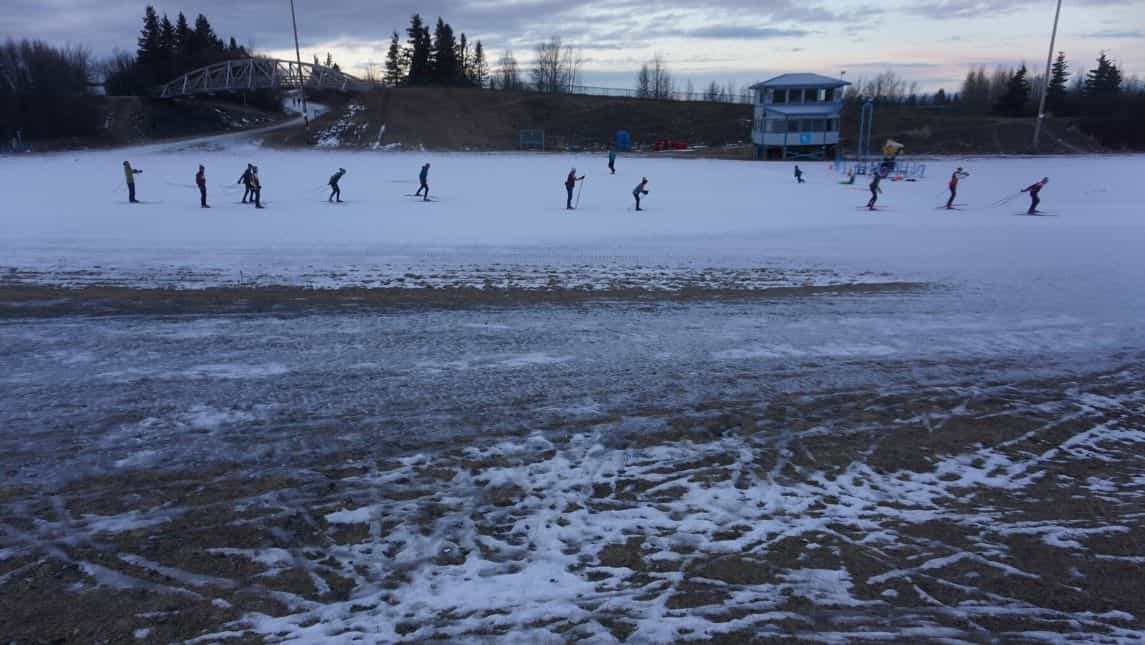
High-school cross-country ski team members practice on a small loop of man-made snow, after winter warmth and rains erased the natural snows at Kincaid Park, a venue that has hosted high-level races, including the 2018 US national championships, in Anchorage, Alaska, US December 17, 2019.
"Even with the current cold snap, I don't see any way that 2019 is not the warmest year on record," Brian Brettschneider, a climatologist with the University of Alaska at Fairbanks’ International Arctic Research Center, said in a tweet on Thursday.
"Will every year be as warm as this? No. But the escalator is going up," said Rick Thoman, a scientist with the university's Alaska Center for Climate Assessment and Policy.
Wee over zero
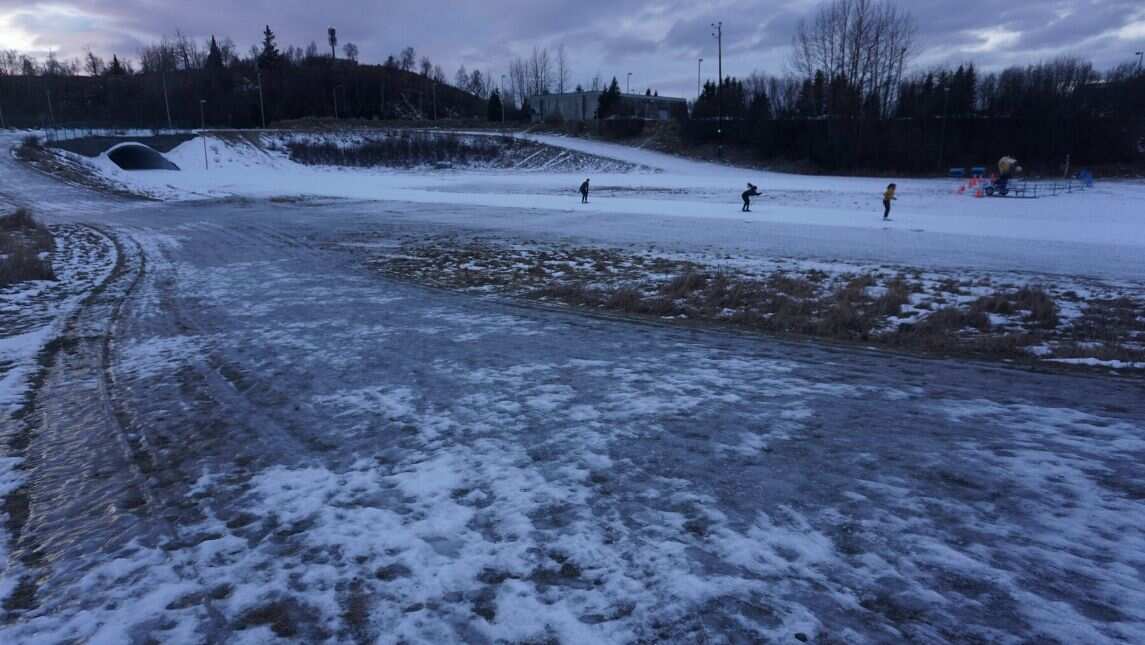
Winter rains atop of snow create a glaze on roads and parking lots and melt Westchester Lagoon, a popular ice-skating and pond-hockey site in Anchorage, Alaska, US, December 9, 2019.
Alaska's warmest year on record was 2016, when annual temperatures averaged 32.5 degrees Fahrenheit, or just over 0 Celsius. That was the first time the benchmark crept above freezing, according to the National Oceanic and Atmospheric Administration.
Frozen rivers thawed
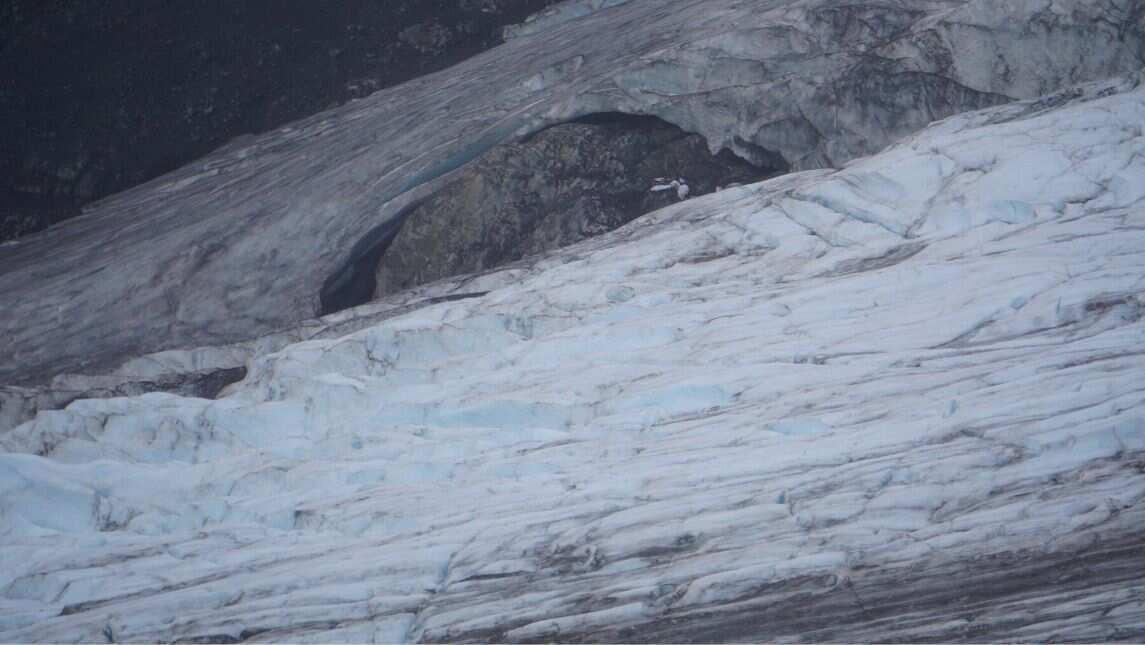
Boulder exposed by melt of Exit Glacier, in Kenai Fjords National Park, in Alaska, US, August 31, 2019.
The spring melt on major rivers came earlier than ever and the uppermost layer of permafrost across the Seward Peninsula was thawed the entire year.
Soaring temperatures
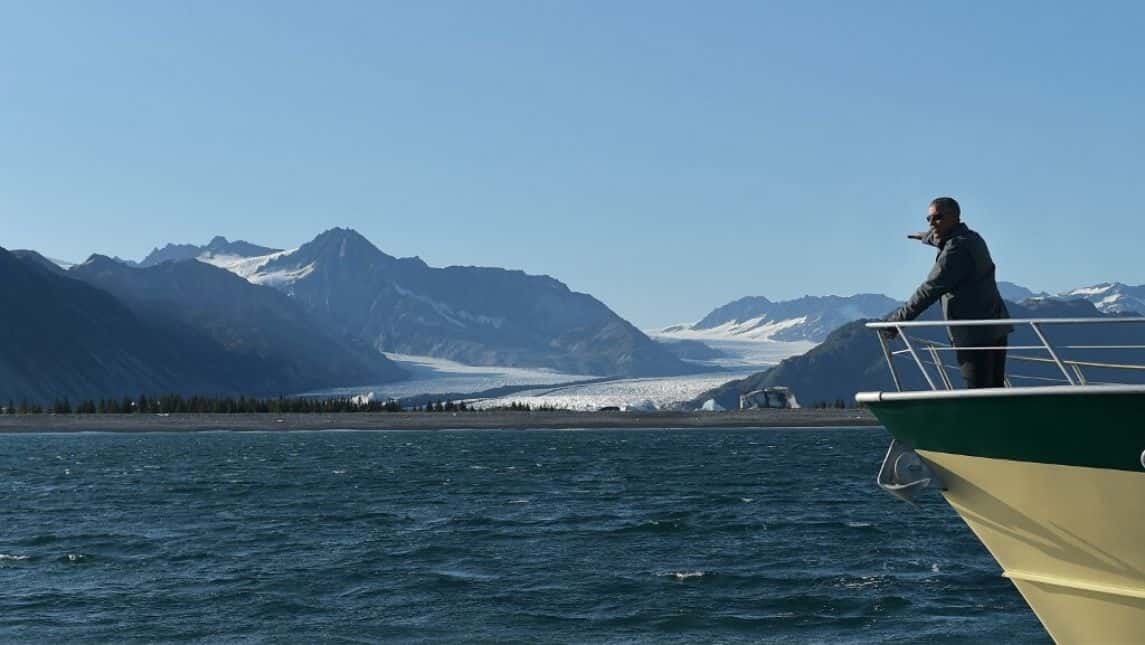
Then President Obama points to Bear Glacier during a boat tour of Alaska’s Kenai Fjords National Park on September 1, 2015.
Summer temperatures soared to 90 or higher in several areas, including Anchorage, in the midst of a severe drought. Wildfires destroyed homes, triggered evacuations and fouled the region's air quality for weeks.
Unusually high ocean temperatures spawned toxic algae blooms in the Arctic's Chukchi Sea.
A common sight?
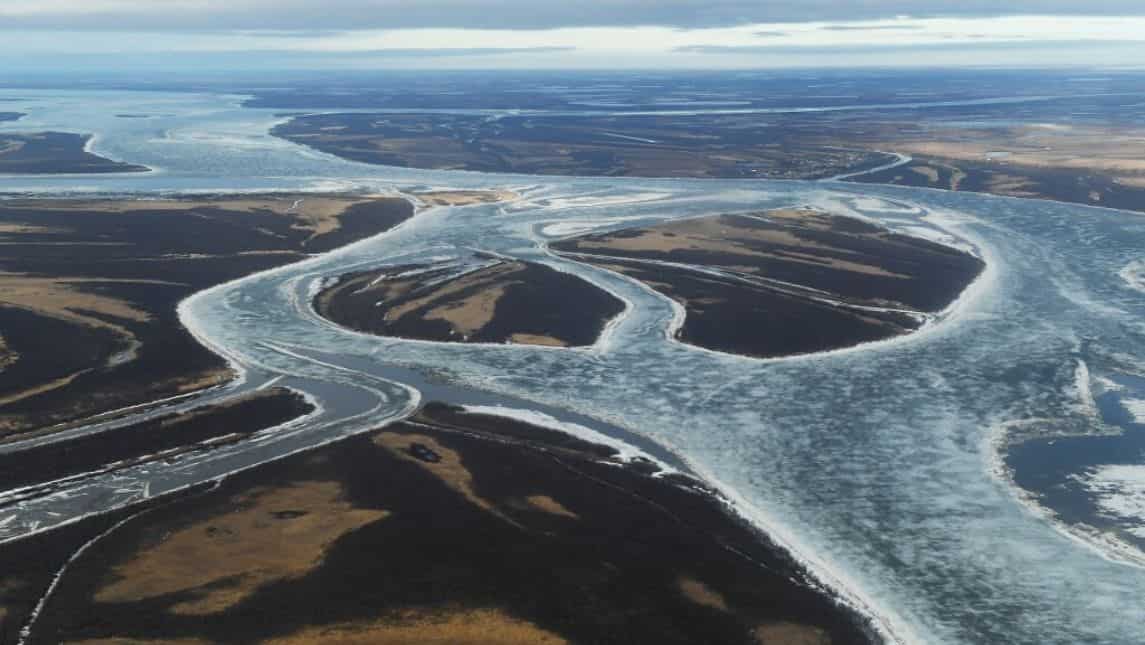
The Arctic coast city of Utqiagvik - the predominantly Alaska Native settlement formerly known as Barrow and the northernmost city in the United States - recorded its most extreme thaw conditions on record. Stretches of the sea coast, once frozen solid by October, had yet to ice over by mid-December.
“It's December 20, and we're finally getting some ice on the shore,” said Billy Adams, who posts climate observations to a community network managed by the Arctic Research Center. “Moving forward, these types of years will be more and more common,”
Bearing the consequence
Vanishing sea ice causes ocean waters to absorb more heat, creating a kind of thermodynamic feedback loop that triggers a cascade of wide-ranging climatic consequences that extend around the globe, Thoman said.
In the Bering Sea, where fish populations were dislocated and carcasses of seabirds and seals littered shorelines, the effects of warming are notably acute, Thoman said.
The extraordinary conditions of 2019 offer a preview of Alaska's future.
)
)
)
)
)