2.7 trillion cigarettes a year: China consumes nearly half the world’s cigarettes. Where is India on the list?

A new report reveals that China is the world’s largest tobacco consumer, with an alarming number of tobacco products used every day. Where does India rank on this list? Are there gender gaps among smokers as well? Scroll down to find out.

Chinese almost smoke half of the world’s cigarettes
China is the largest consumer of tobacco in the world, and it smokes most of it. The country accounts for nearly 50 per cent of global cigarette consumption, with 2.7 trillion cigarettes being sold every year, according to a report by a non-governmental organisation set up by former officials from the Chinese Center for Disease Control and Prevention.
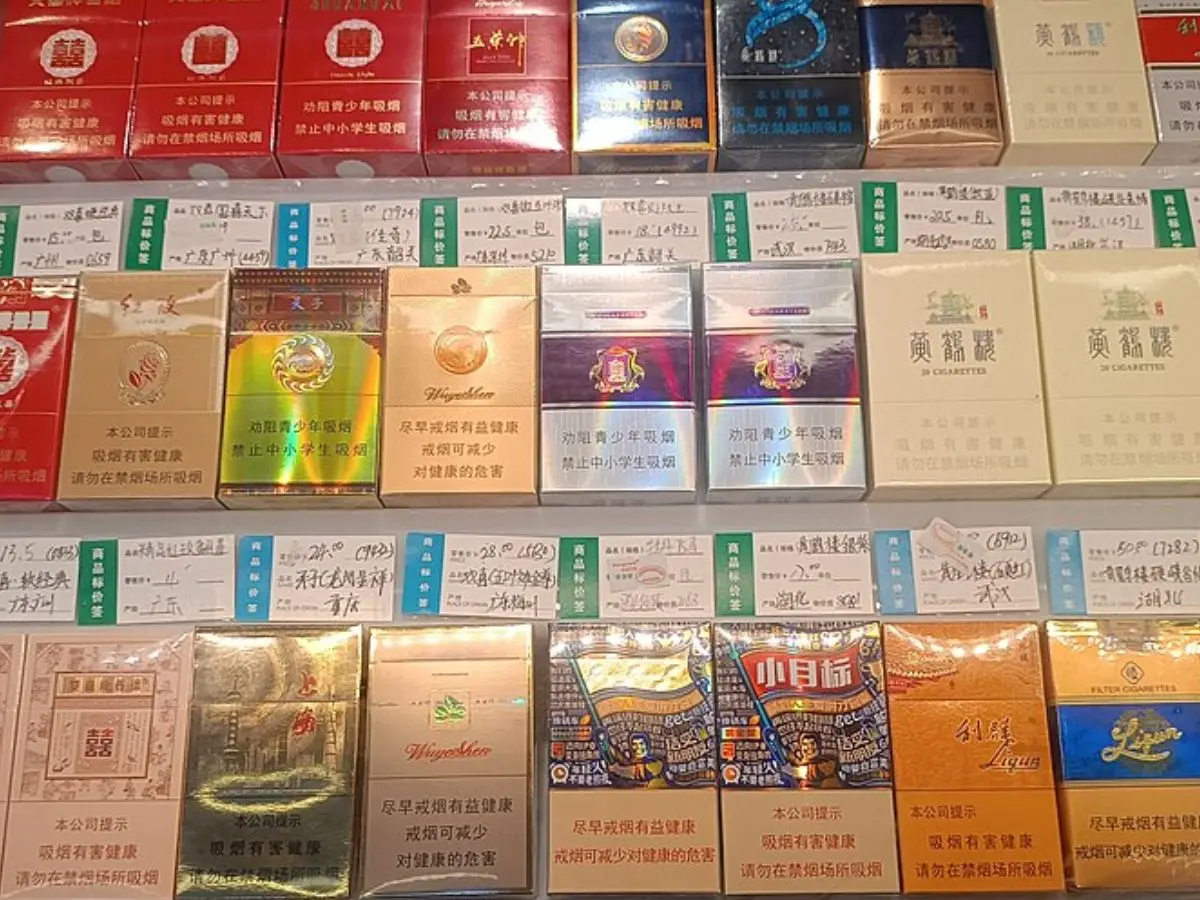
Strikingly different packaging
China’s cigarette packs stand out from the rest of the world, replacing graphic health warnings with bright colours and traditional motifs, alongside a single line of caution. The famously cheap packs and state monopoly have reportedly played a major role in the growing cigarette sales.
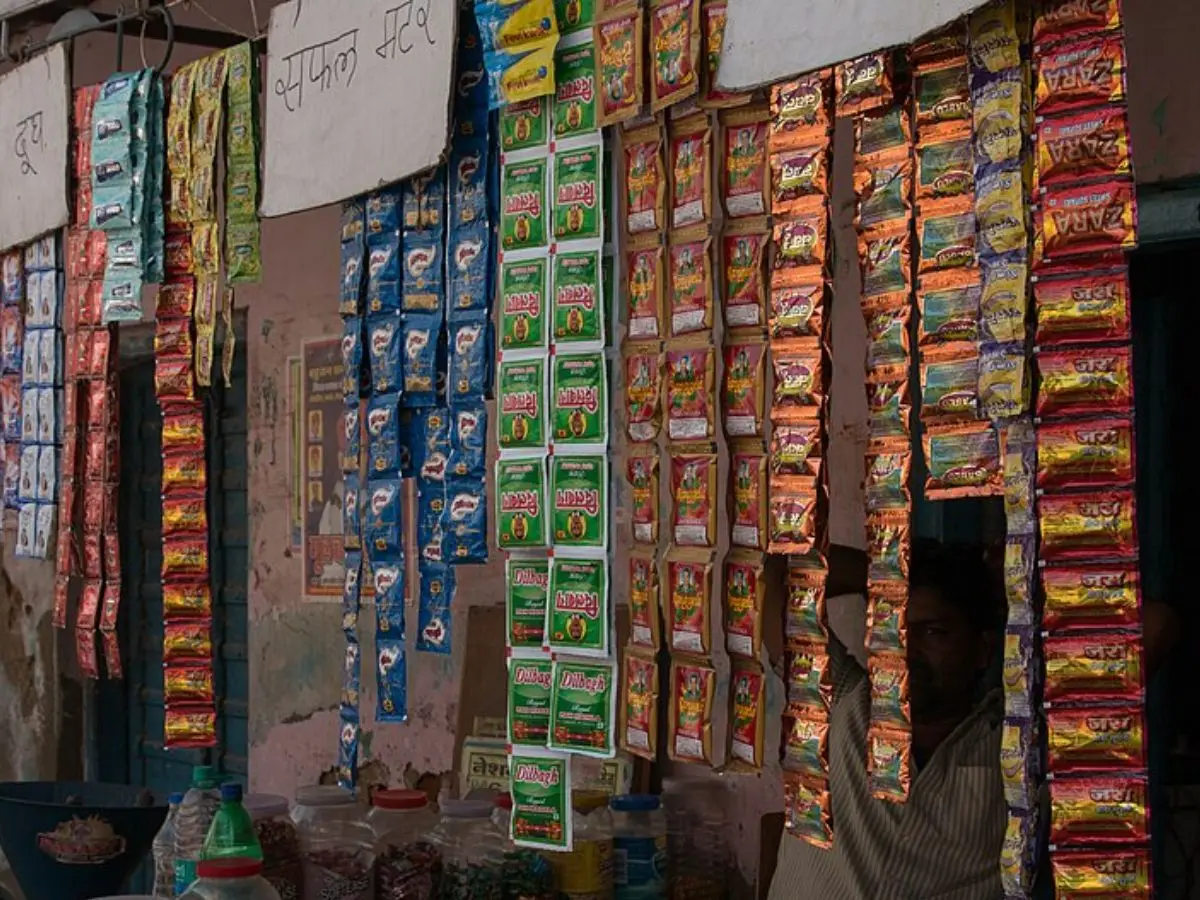
Where does India stand?
India isn’t very far down this list, being the second-largest consumer of tobacco in the world. However, unlike China, India doesn’t smoke most of its tobacco, with smokeless consumption being the most prevalent form in the country. Products like gutka, khaini and ‘supari’ or betel quid tobacco are commonly used.
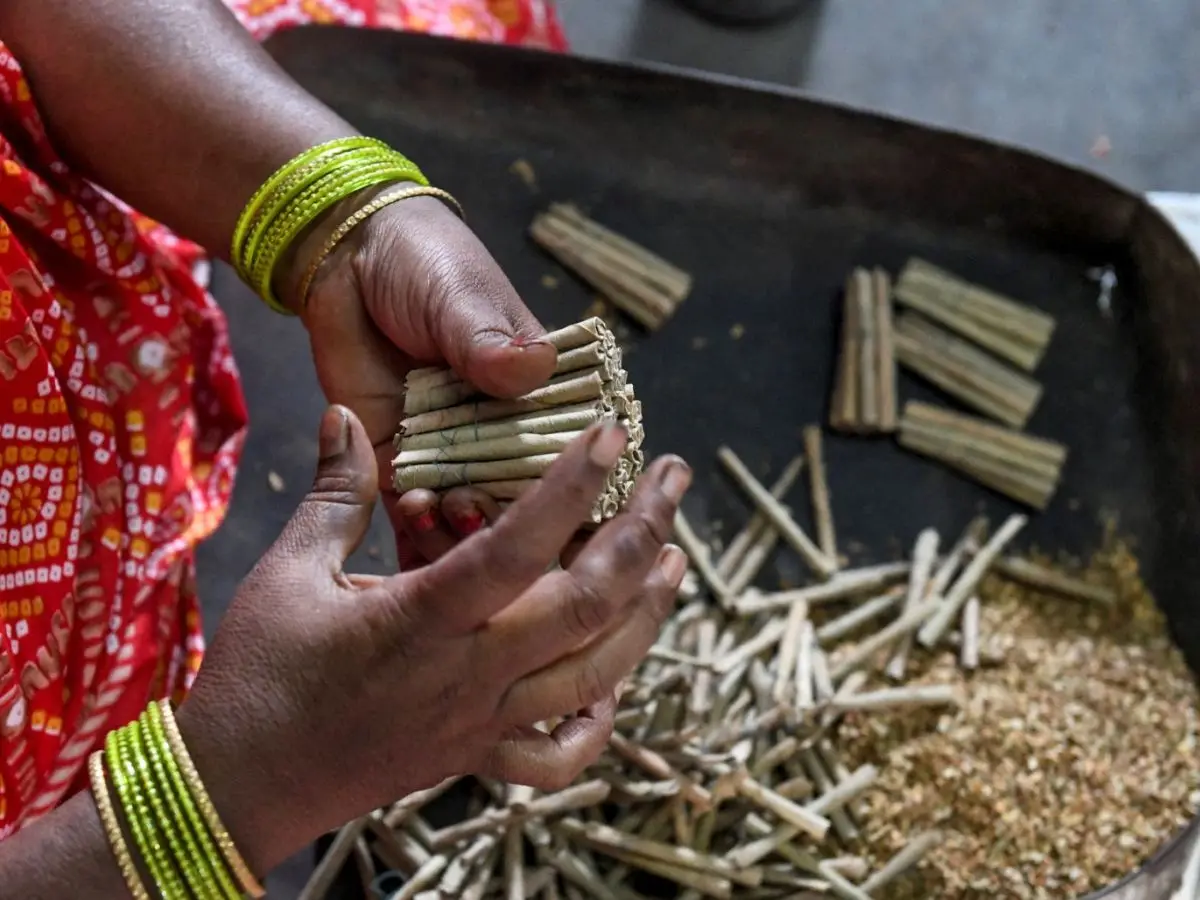
Beyond cigarettes
India’s long history of tobacco consumption leads to consumption beyond just cigarettes, with ‘bidis’, hookahs and cigars also playing major roles. While prices are typically lower than in Western countries, they are steadily rising as part of efforts to curb tobacco consumption in the country.

Countries where most people smoke
While the above countries top the list for total volume of tobacco consumption, the highest smoking rates are found in Pacific Island nations, Balkan states, and parts of Southeast Asia. Nauru, a small island in Oceania, has an alarming smoking rate of almost 45 per cent, the highest in the world.

Do females smoke less than males?
Most countries generally have higher male smoking rates than female smoking rates. However, in many European countries, the numbers become more equal. In Sweden and Iceland, more women smoke tobacco than men, with similar trends in Serbia occurring occasionally.

Global tobacco epidemic
The World Health Organisation (WHO) labels the large volume of tobacco consumption globally as the “tobacco epidemic”, stressing that consumption in all forms is harmful and there is no safe level of exposure. The “epidemic” is responsible for over 7 million deaths annually as of 2025, as well as disability and long-term suffering, according to WHO data.
)
)

)
)