18,000 gallons an hour?: How much fuel does an F-15IA fighter jet use per hour?

The F-15IA consumes roughly 1,000 gallons of fuel per hour at cruising speeds. However, when flying at Mach 2.5 with a maximum payload and full afterburners engaged, this rate spikes to nearly 18,000 gallons per hour.
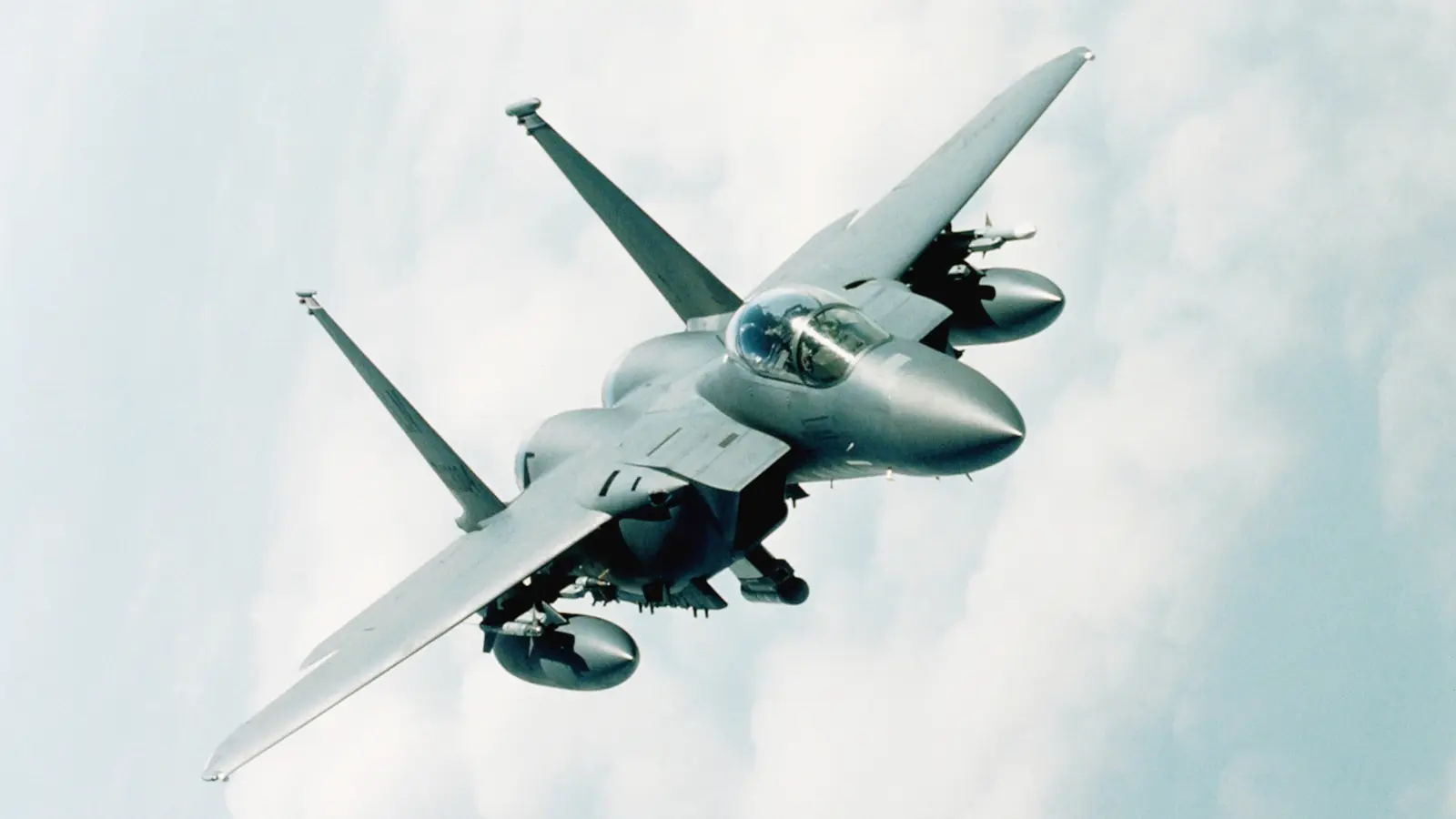
The twin-engine powerhouse
The F-15IA relies on two General Electric F110-GE-129 turbofan engines. These massive powerplants require a constant, heavy flow of jet fuel to maintain flight and support heavy weapon payloads.
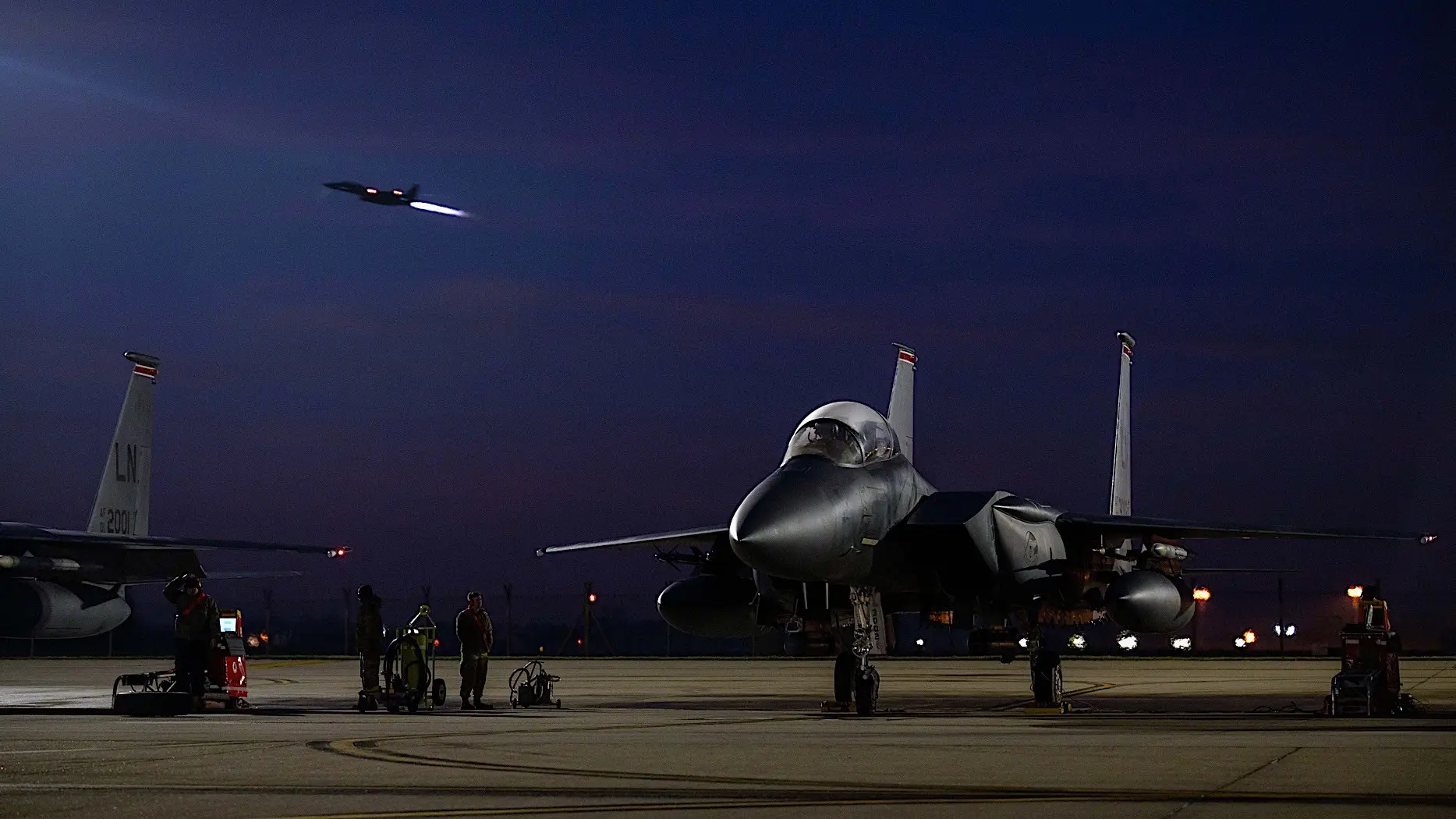
Subsonic cruising speeds
When flying cleanly at subsonic speeds, the F-15 operates at its most efficient rate. In this configuration, the aircraft consumes approximately 900 to 1,080 gallons of fuel per hour.
The supersonic leap
Pushing past the sound barrier drastically decreases fuel efficiency. Flying at supersonic speeds without full afterburners causes the jet's consumption to leap to roughly 7,200 gallons per hour.
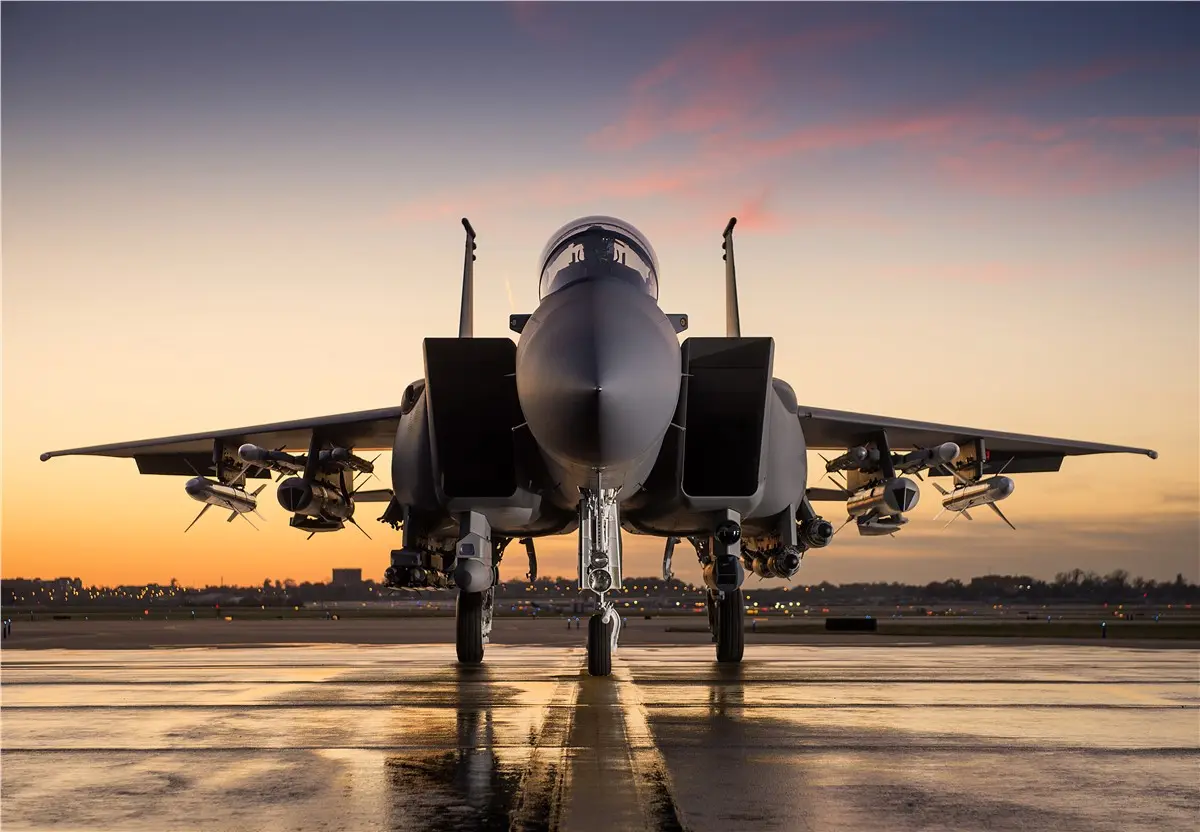
Engaging the afterburners
To reach its absolute top speed of Mach 2.5, pilots must engage maximum afterburners. This injects raw fuel directly into the exhaust stream, creating a massive spike in thrust and fuel consumption.
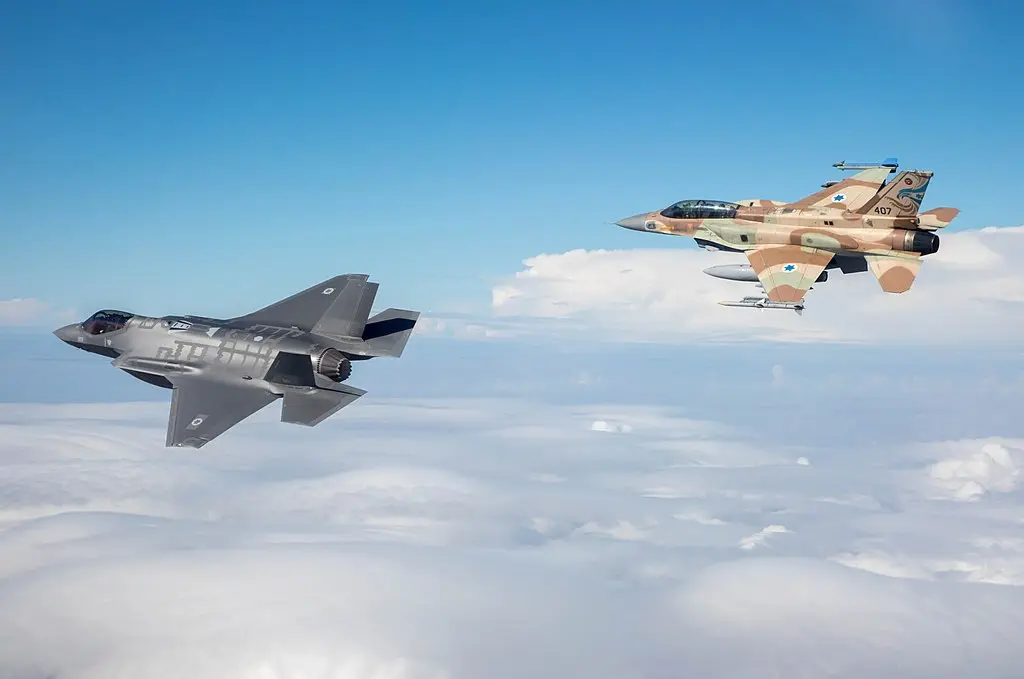
18,000 gallons an hour
At full throttle with a maximum weapons payload, the F-15IA burns fuel at an astonishing rate. In this extreme combat scenario, consumption can reach nearly 17,910 gallons per hour.
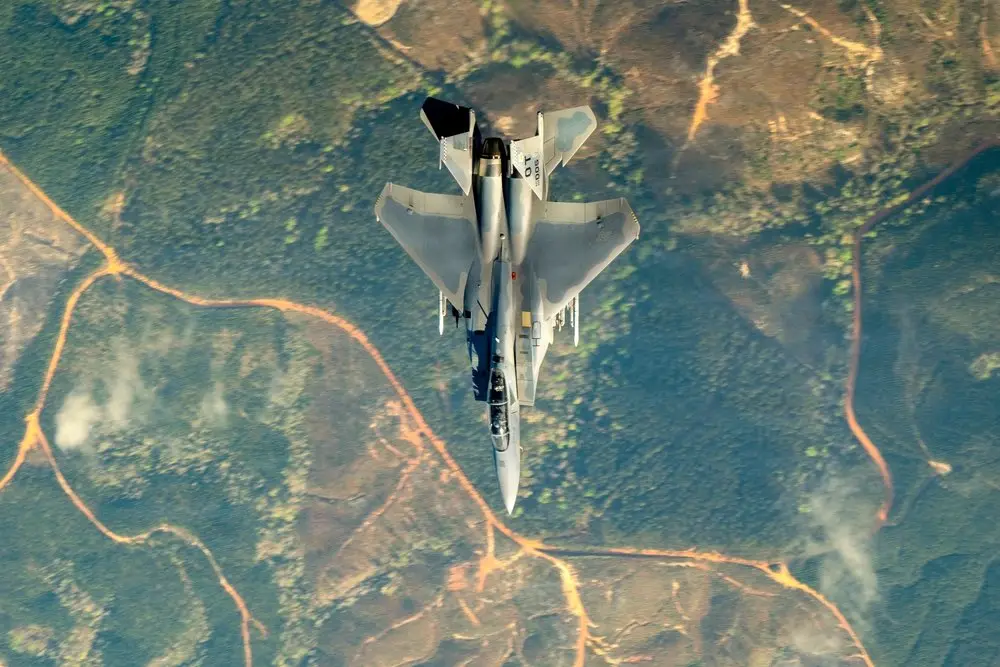
Draining the tanks in minutes
Because of this extreme burn rate, maximum afterburners are only used in short bursts. If a pilot maintained full afterburner at low altitudes, the jet would drain its entire internal fuel supply in roughly six minutes.
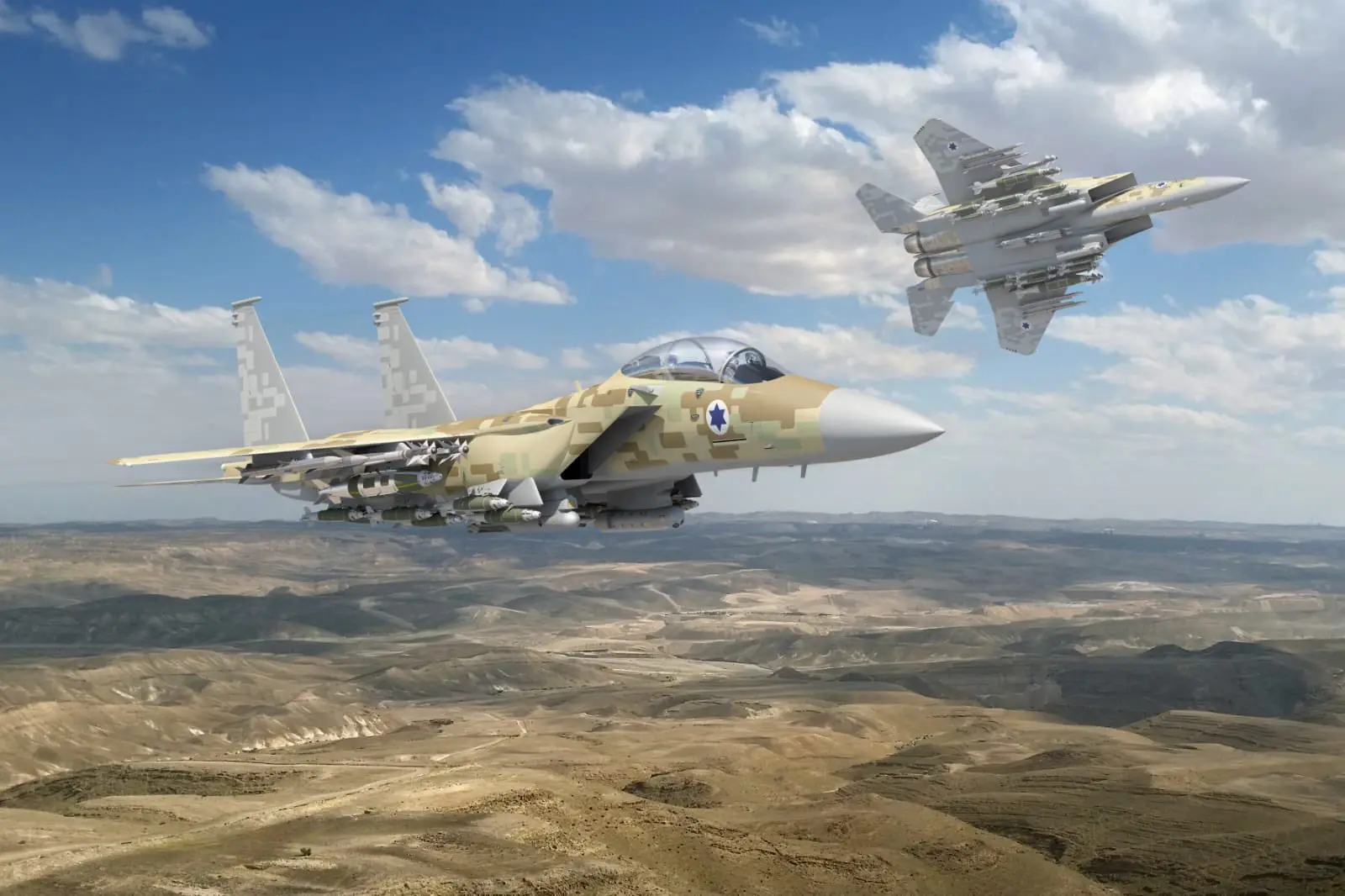
The need for external tanks
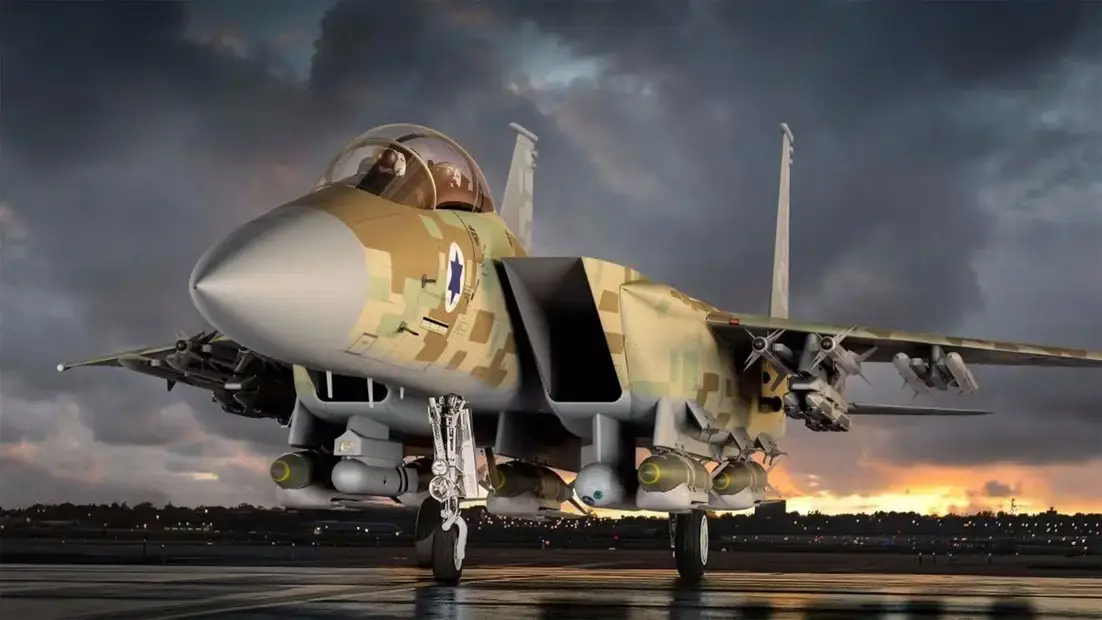
To counter this rapid fuel consumption during deep strikes, the Israeli Air Force uses conformal fuel tanks. Pilots also carry external drop tanks to ensure they have enough fuel to return home safely.
)
)
)
)
)