155 lives lost: Iran REVEALS heartbreaking breakdown of the Minab school strike victims | In Pics

What really happened in the deadliest attack of the Iran war? According to Iran's updated toll, the Minab school strike killed 155 people, most of them children.
Was it a targeting error or something more deliberate? Scroll down to find out.
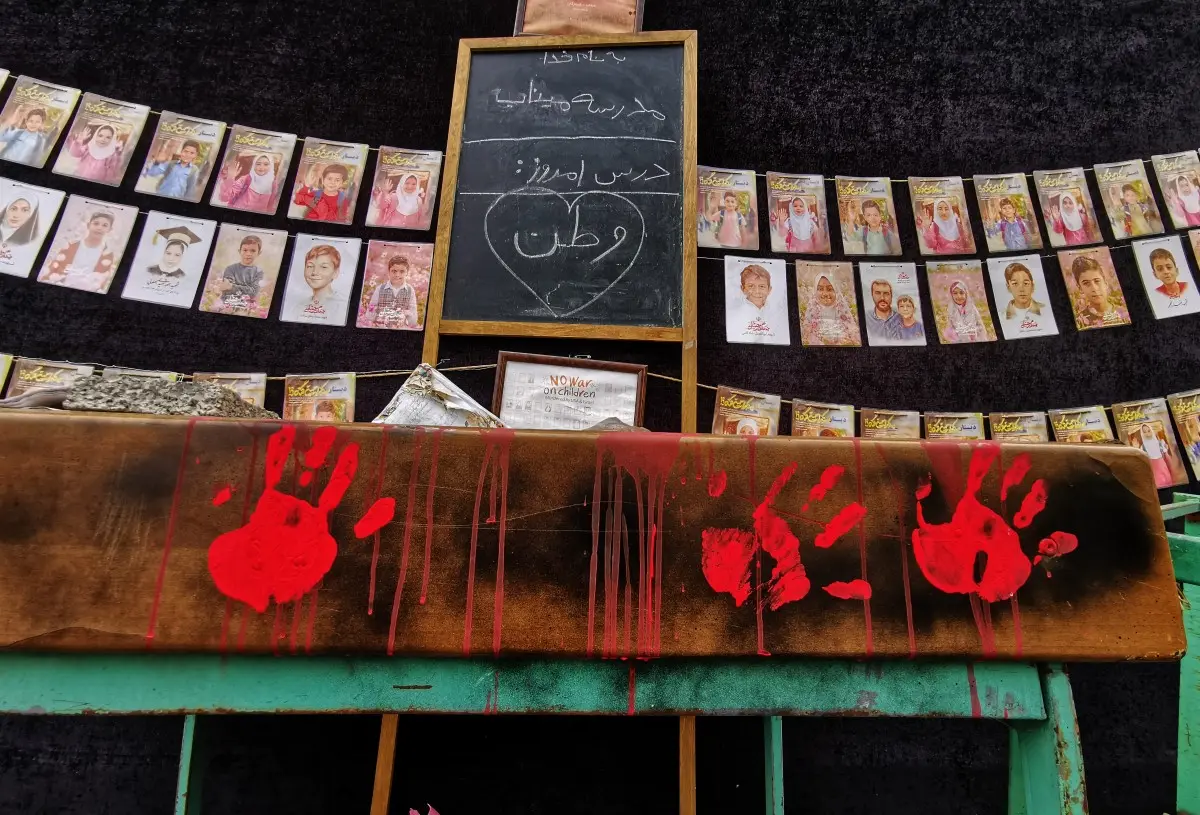
Iran Updates Minab School Strike Death Toll
Iran on Tuesday (Apr 28) released a breakdown of the death toll from the deadly strike on a Iranian girls' school in Minab. As per the latest update, the confirmed death toll of the tragic Minab school strike stands at 155. The figure is lower than the 175-plus reported in earlier accounts. Here's all you need to know.
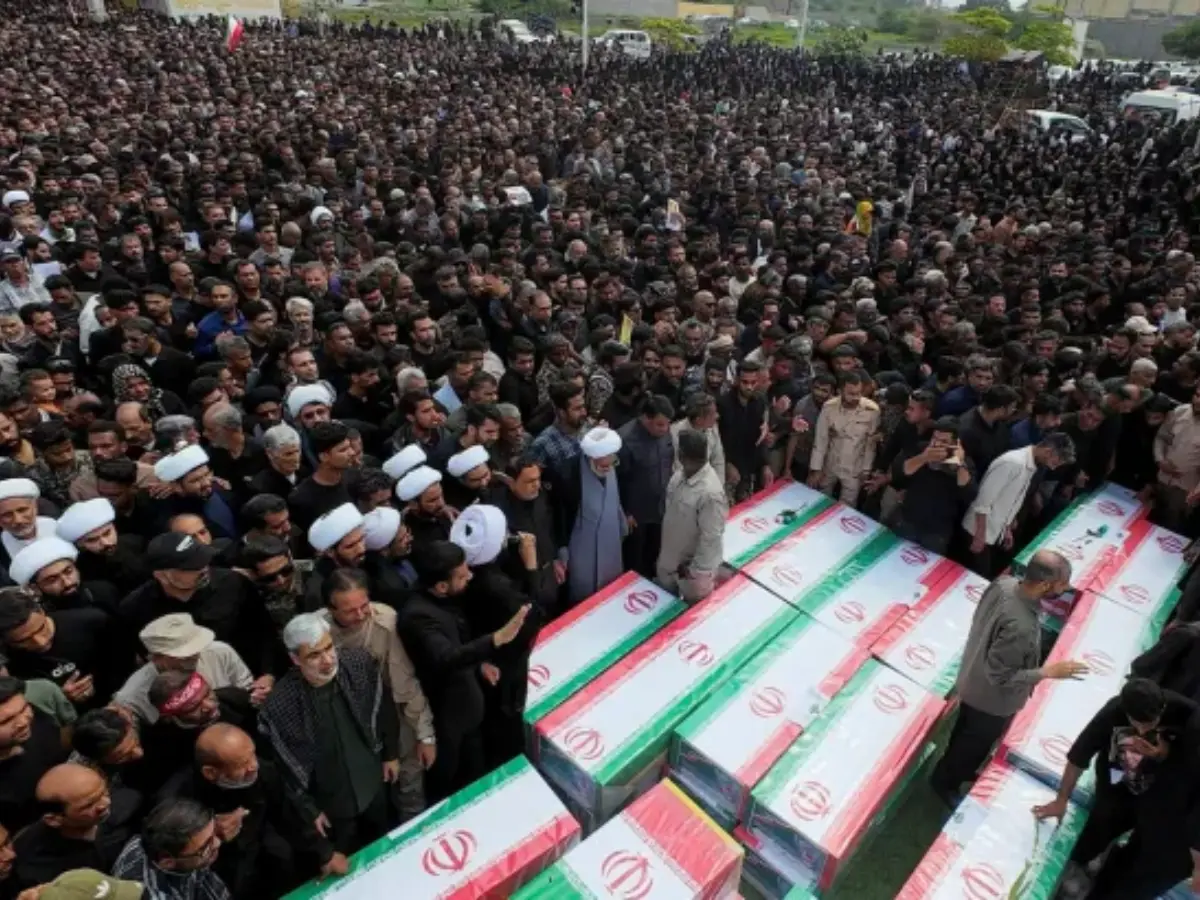
Minab school strike victims: Breakdown
Iran's state broadcaster IRIB reported that the victims included 73 boys, 47 girls, 26 teachers, seven parents, a school bus driver, and a pharmacy technician from a nearby clinic. This tally is lower than earlier reports of more than 175 deaths. Although Iranian officials have yet to explain the discrepancy, the Minab school strike is still the deadliest attack of the Iran war, now in its 59th day.
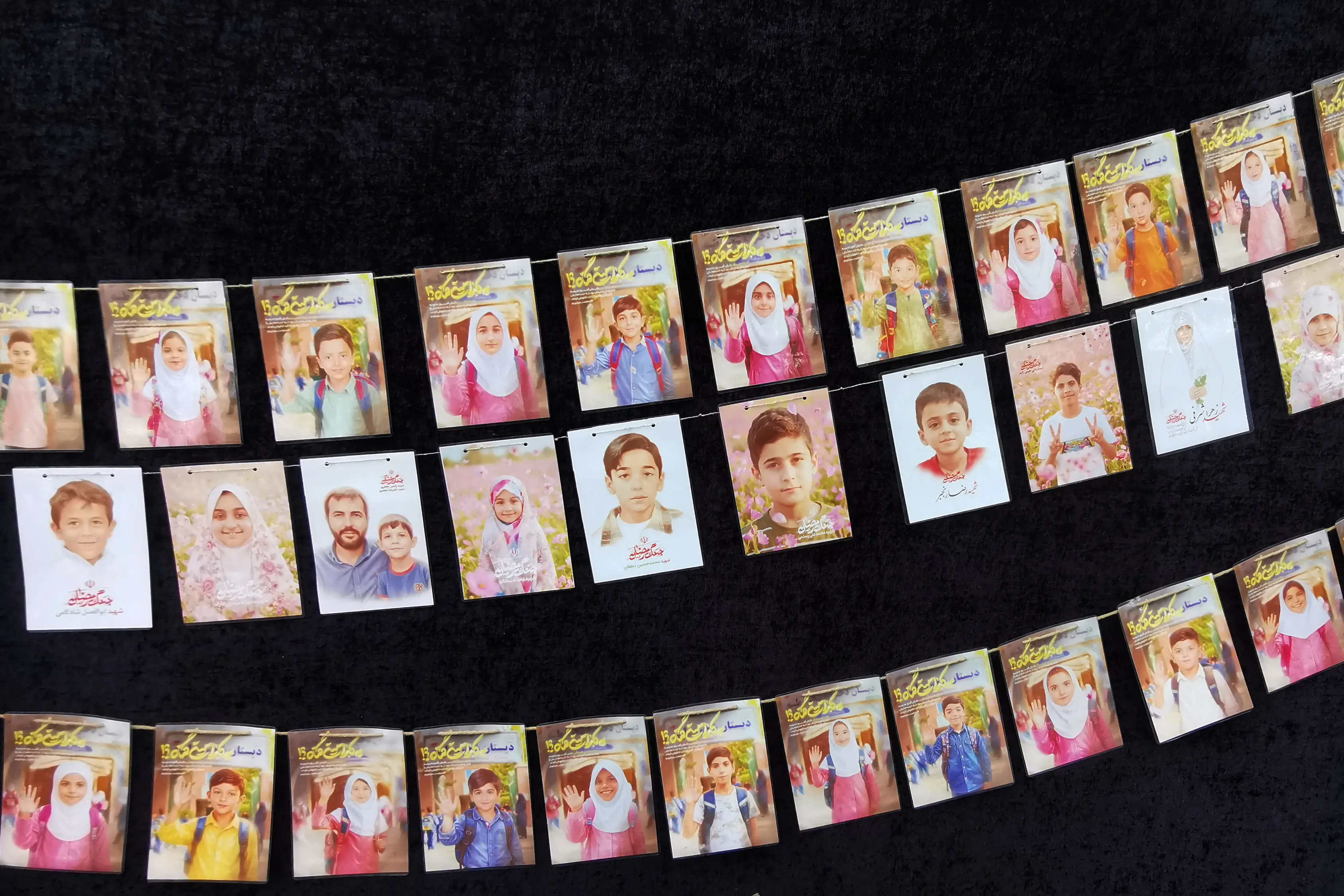
What Happened on February 28
On the first day of the US-Israel military campaign against Iran, a military strike hit the Shajareh Tayyebeh elementary school in Minab, a city in southern Iran. The attack was what in military lingo is known as a "double-tap" strike, meaning two separate hits happened within minutes of each other. Tragically, the strike happened when the school was in session. Most of the children killed in the attack were between seven and twelve years old.
What the US Military Found
A preliminary US military investigation, reported by the New York Times, concluded that a US Tomahawk cruise missile struck the school as a result of a targeting error. The findings have not been officially released in full. The Pentagon has confirmed an investigation is underway.
The incident was traced to the use of outdated intelligence by US Central Command (CENTCOM), which mistakenly identified the site as an active military target. The school, once part of a neighboring Revolutionary Guards (IRGC) naval base, had been separated and fenced off since 2016. However, the military database used for targeting did not reflect this update, leading to the error. Reports indicate that AI tools, including the Maven Smart System, may have processed this obsolete data, contributing to the failure to recognise the location as a school, though analysts emphasized the primary cause was the lack of updated intelligence.
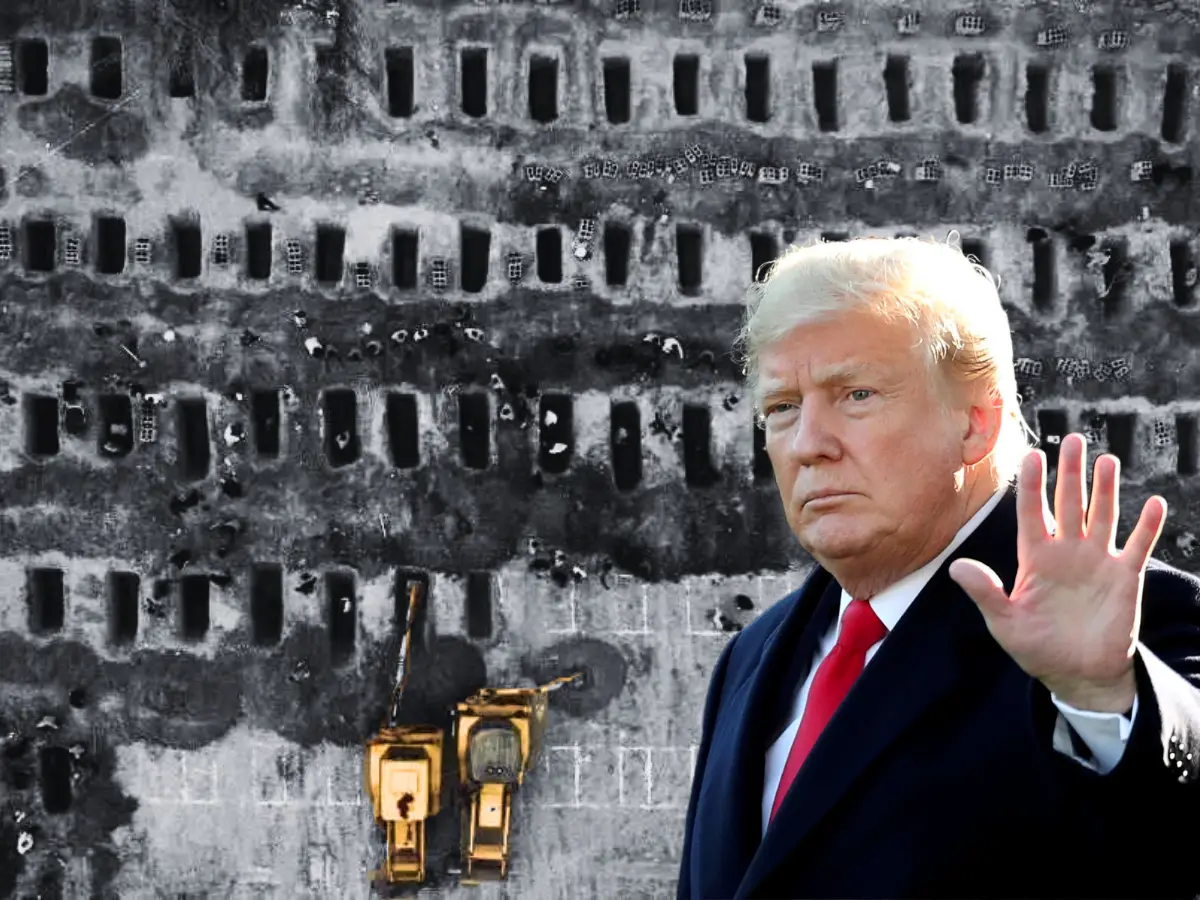
Trump's wild theory on Minab strike
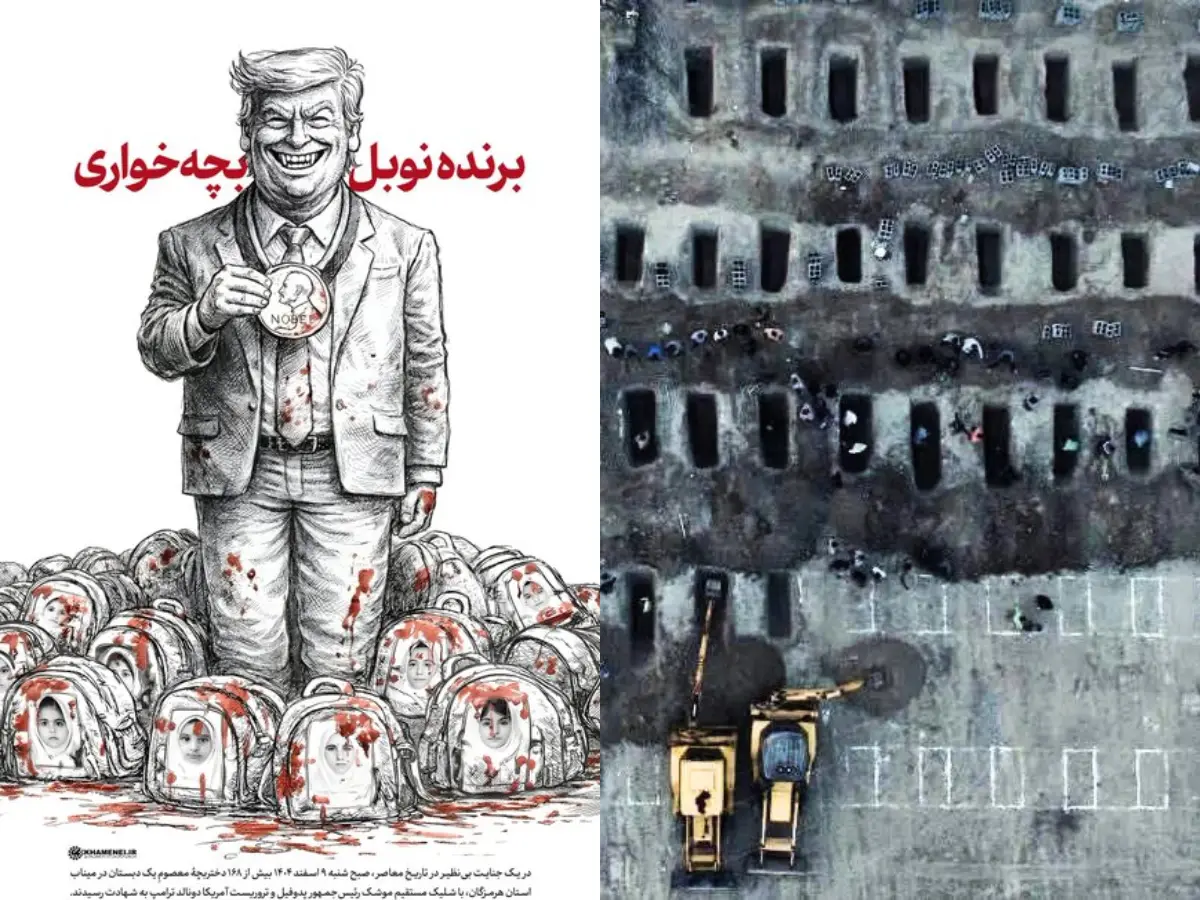
When asked about the strike at his Doral resort in early March, US President Donald Trump who was labelled 'Nobel Cannibal' by Iran in the aftermath of the school strike denied US responsibility. He instead floated the possibility that another country, including Iran itself, could have carried out the attack using a Tomahawk. "Tomahawk, which is one of the most powerful weapons around, is sold and used by other countries," he said. "Whether it's Iran, who also has some Tomahawks... that's being investigated right now." Notably, Iran does not have Tomahawk missiles.
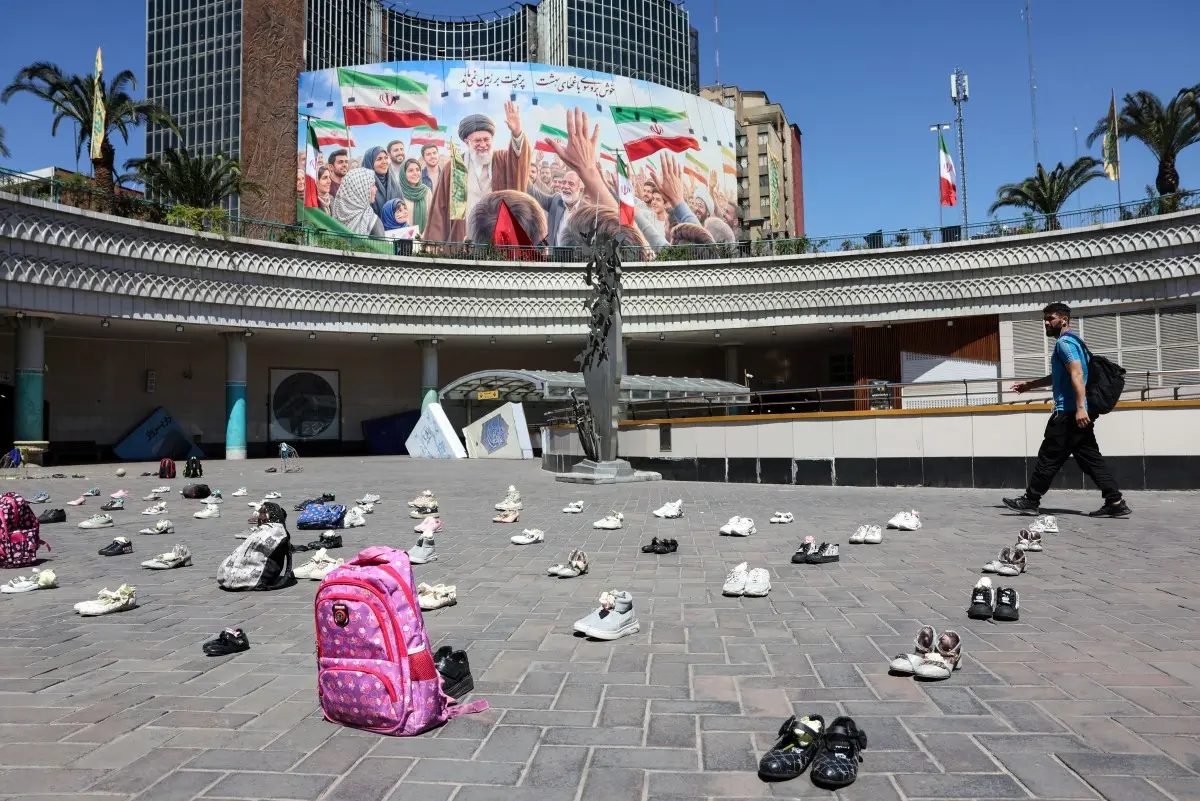
Iran's slams 'calculated, phased assault'
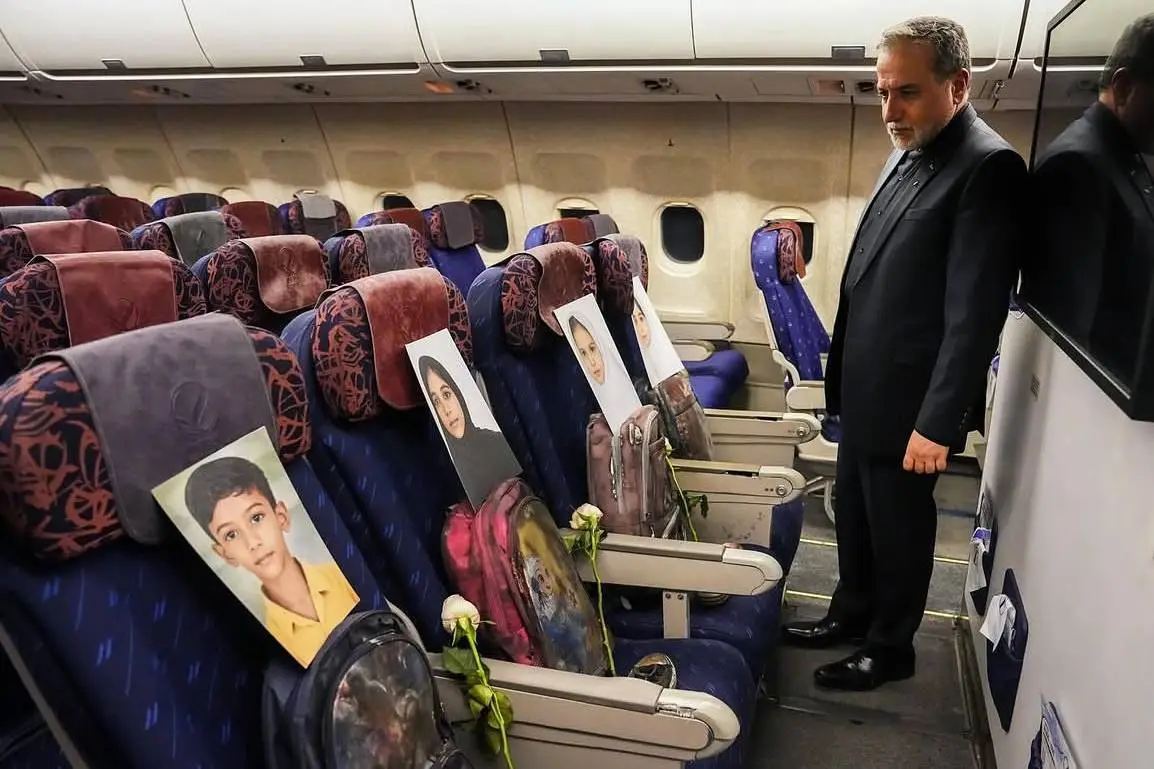
Iranian Foreign Minister Abbas Araghchi addressed the United Nations Human Rights Council by video, describing the attack as a "calculated, phased assault." He rejected the targeting error explanation outright. "At a time when the American-Israeli aggressors, in their own assertions, possess the most advanced technologies and the highest-precision military and data systems, no one can believe that the attack on the school was anything other than deliberate and intentional," he said. Iran has used the strike as a central moral reference point throughout ceasefire negotiations, naming the delegation's aircraft "Minab-168" when flying to peace talks in Islamabad.
What Weapon was used in the Minab school strike?
Early reporting blamed Israel for the strike. However, later investigators identified that the weapon used in the tragic school strike was a Tomahawk cruise missile, a long-range precision munition operated by a small number of countries. Currently, only the United States, United Kingdom and Australia have field Tomahawks. Japan and the Netherlands are awaiting delivery. Notably, Iran does not possess them.
)
)
)
)
)