15 most advanced weapons in the world compared by range, speed, and accuracy

Russia's Sarmat reaches 35,000km with 16 warheads. Avangard hypersonic reaches Mach 27 speed. Kinzhal reaches Mach 10 aeroballistic. BrahMos reaches Mach 2.8 supersonic. Tomahawk achieves 10m accuracy at 1,500km. China DF-17 operational hypersonic.
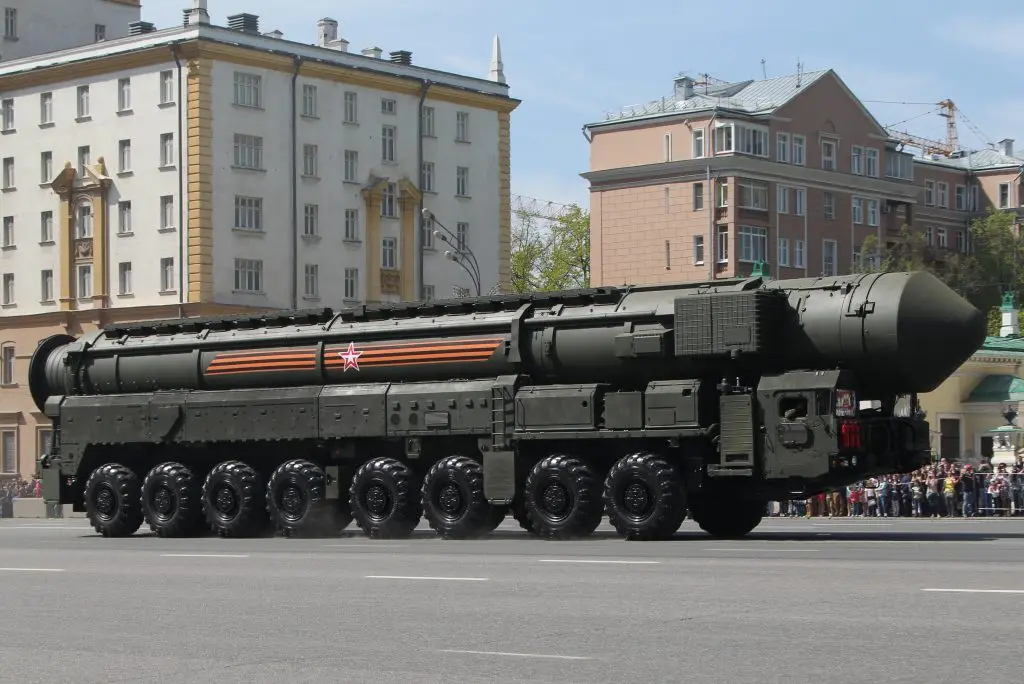
RS-28 Sarmat - 35,000 km Range With 16 Warheads
Russia's RS-28 Sarmat represents the world's longest-range ICBM, capable of travelling 35,000 kilometres in sub-orbital flight. Weighing over 200 tonnes, it carries 10 tonnes payload including 16 nuclear warheads. Sarmat entered operational service in September 2023, replacing the older R-36M2 system.
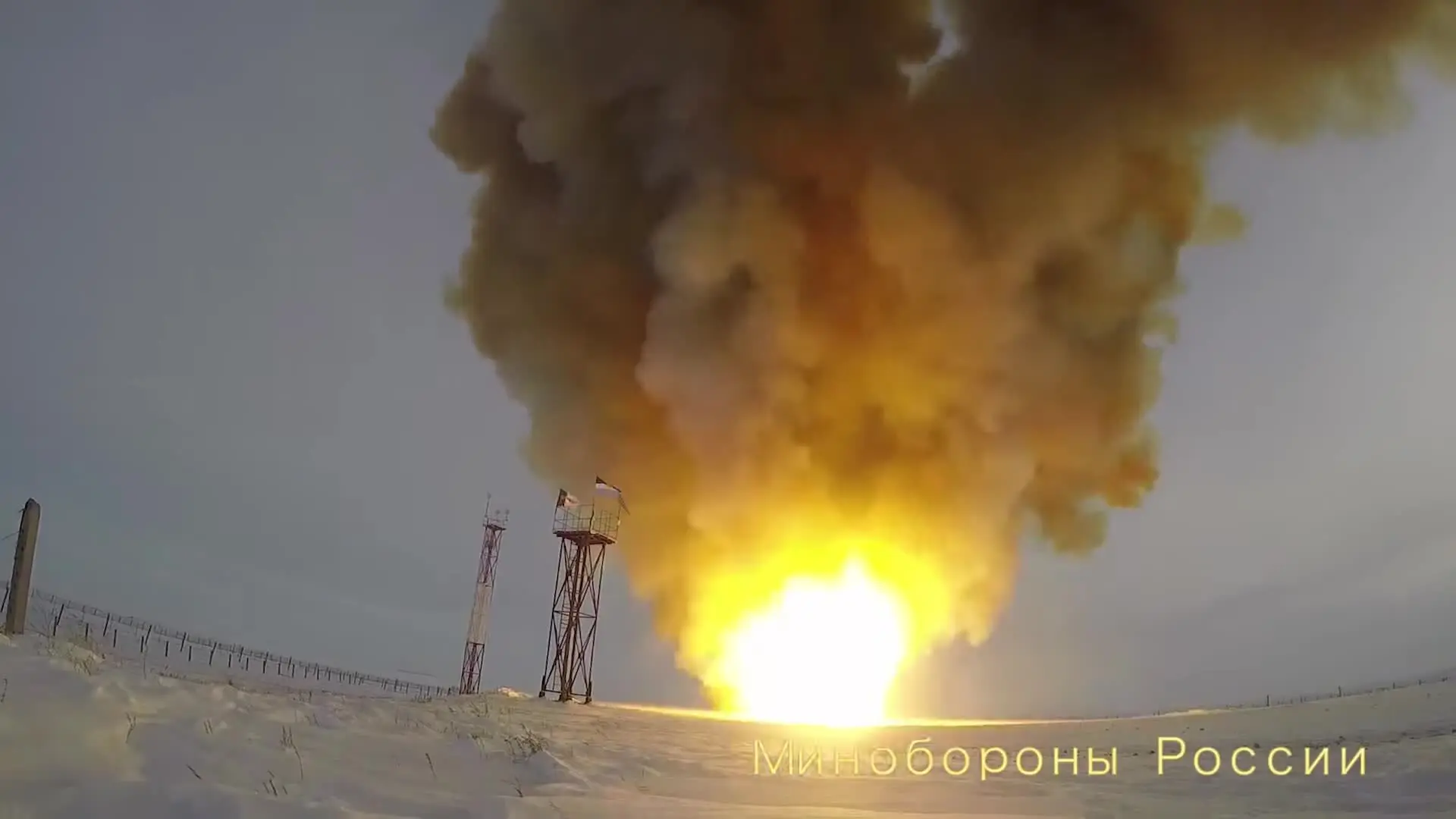
Avangard Hypersonic Glide Vehicle - Mach 27 Speed
Russia's Avangard hypersonic glide vehicle reaches speeds exceeding Mach 27, approximately 20,700 miles per hour. Launched from intercontinental ballistic missiles, it performs sharp evasive manouevres whilst re-entering the atmosphere, making interception virtually impossible. Avangard generates 21 tonnes of TNT equivalent kinetic energy impact.
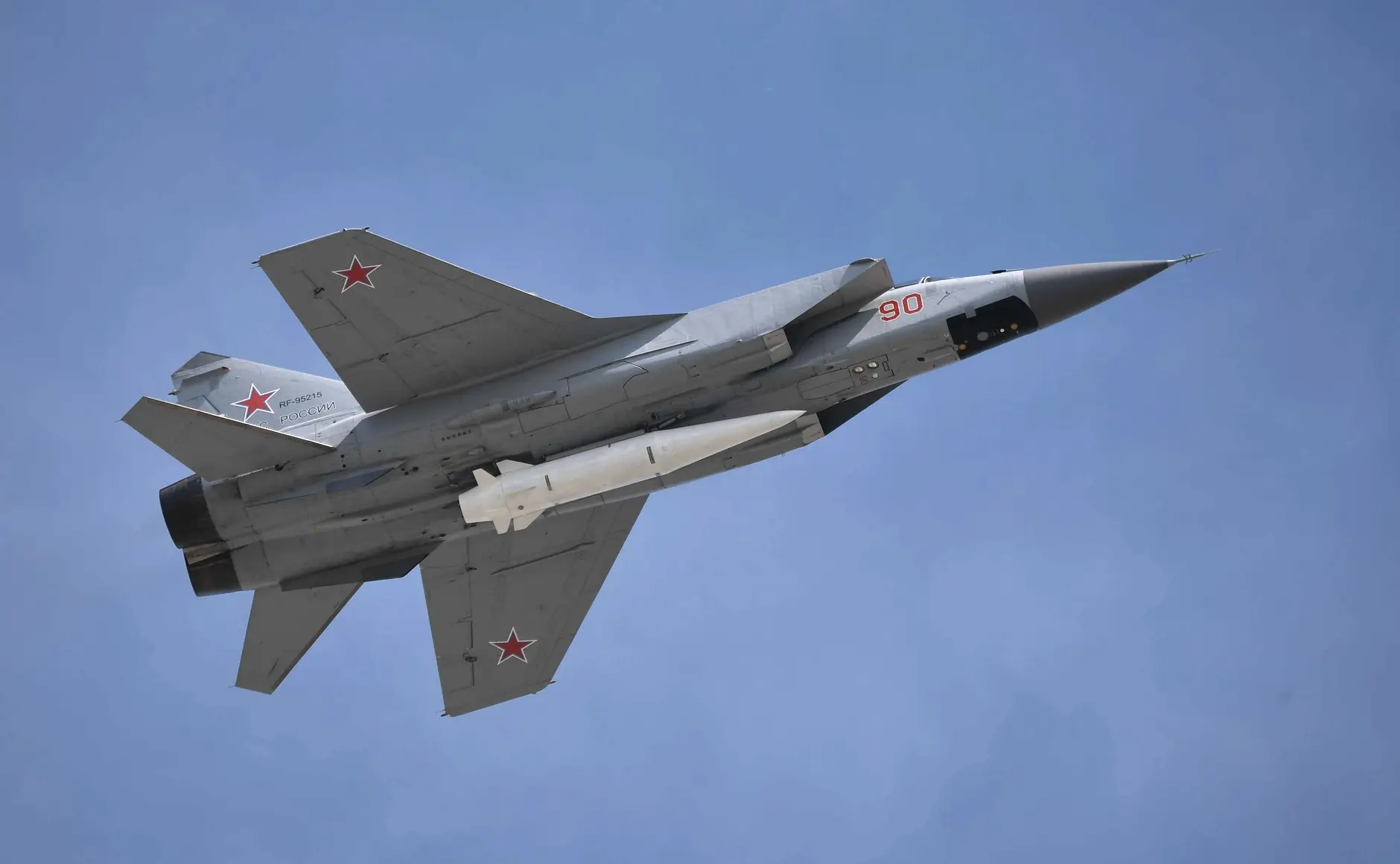
Kinzhal Hypersonic Missile - Mach 10 Aeroballistic Weapon
Russia's Kh-47M2 Kinzhal hypersonic missile reaches Mach 10 speed (approximately 7,600 miles per hour) with aeroballistic flight capability. Unlike ballistic missiles, Kinzhal performs mid-flight manouevres in the upper atmosphere, evading missile defence systems. It carries nuclear warheads with range exceeding 2,000 kilometres.
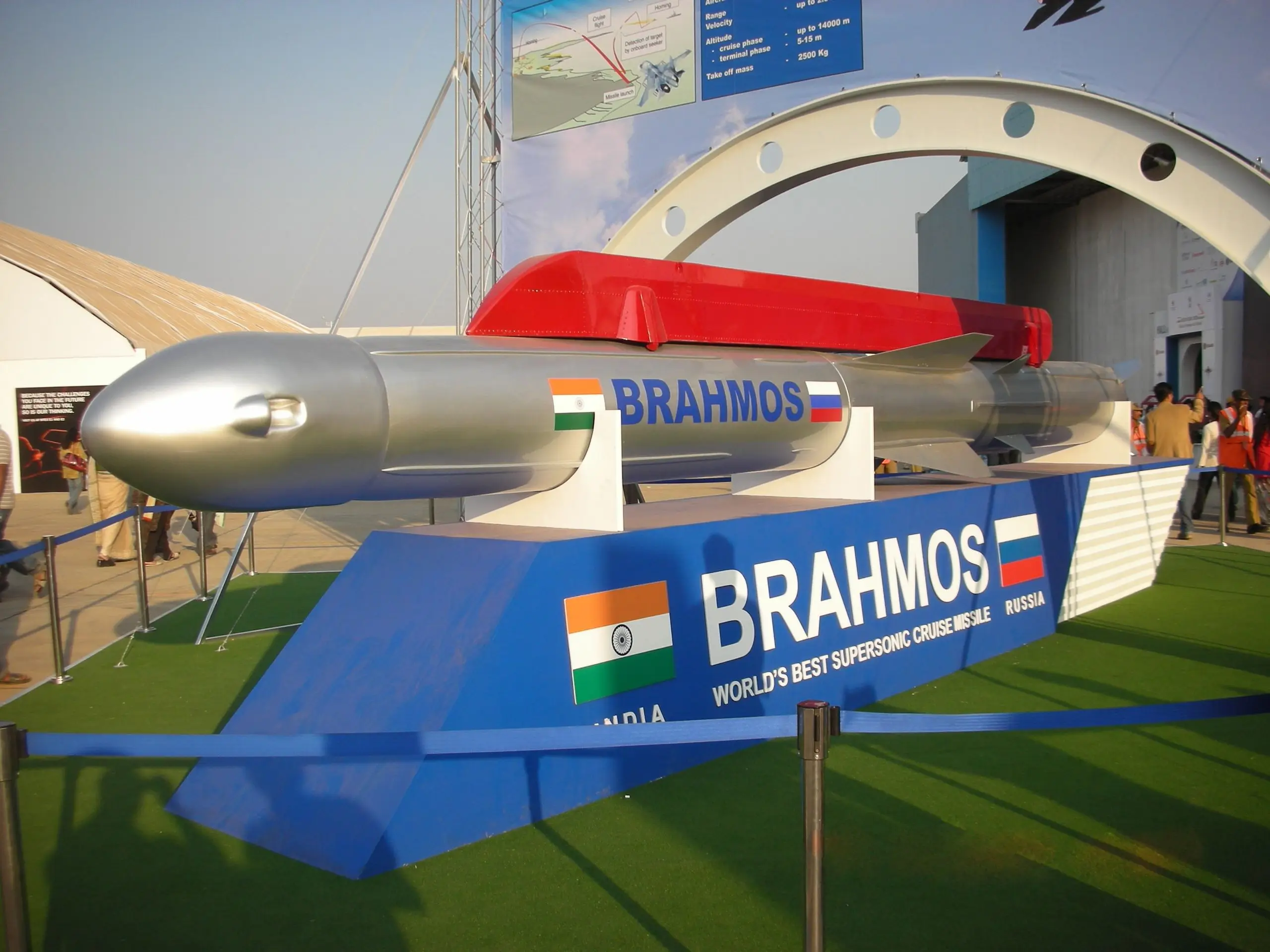
BrahMos Supersonic Cruise Missile - Mach 2.8-3.0 Speed
India-Russia's BrahMos cruise missile reaches Mach 2.8-3.0 speed (approximately 2,100-2,300 miles per hour) as the fastest cruise missile in operational service. With range up to 500 kilometres and 300-kilogramme warhead, BrahMos drains enemy air defence resources through sheer speed. Deployment on ships, submarines, and aircraft provides operational flexibility.
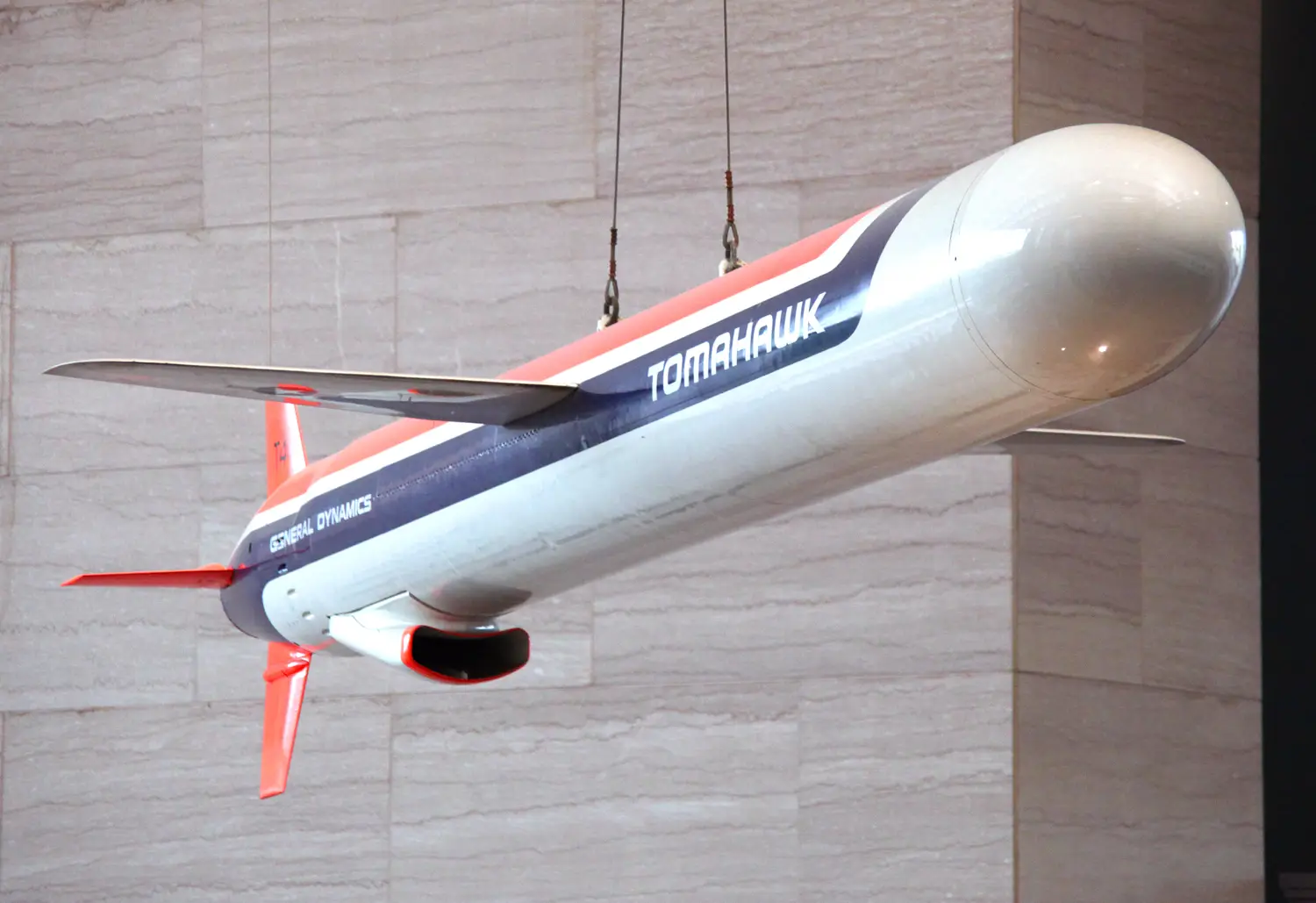
Tomahawk Cruise Missile - 1,500 km Range With Stealth
America's Tomahawk cruise missile cruises at subsonic speeds (approximately 550 miles per hour) but achieves pinpoint accuracy through multi-layer guidance systems. Operating at extremely low altitudes just above terrain, Tomahawk evades radar detection. Range extends to 1,500 kilometres with circular error probable accuracy of 10 metres.
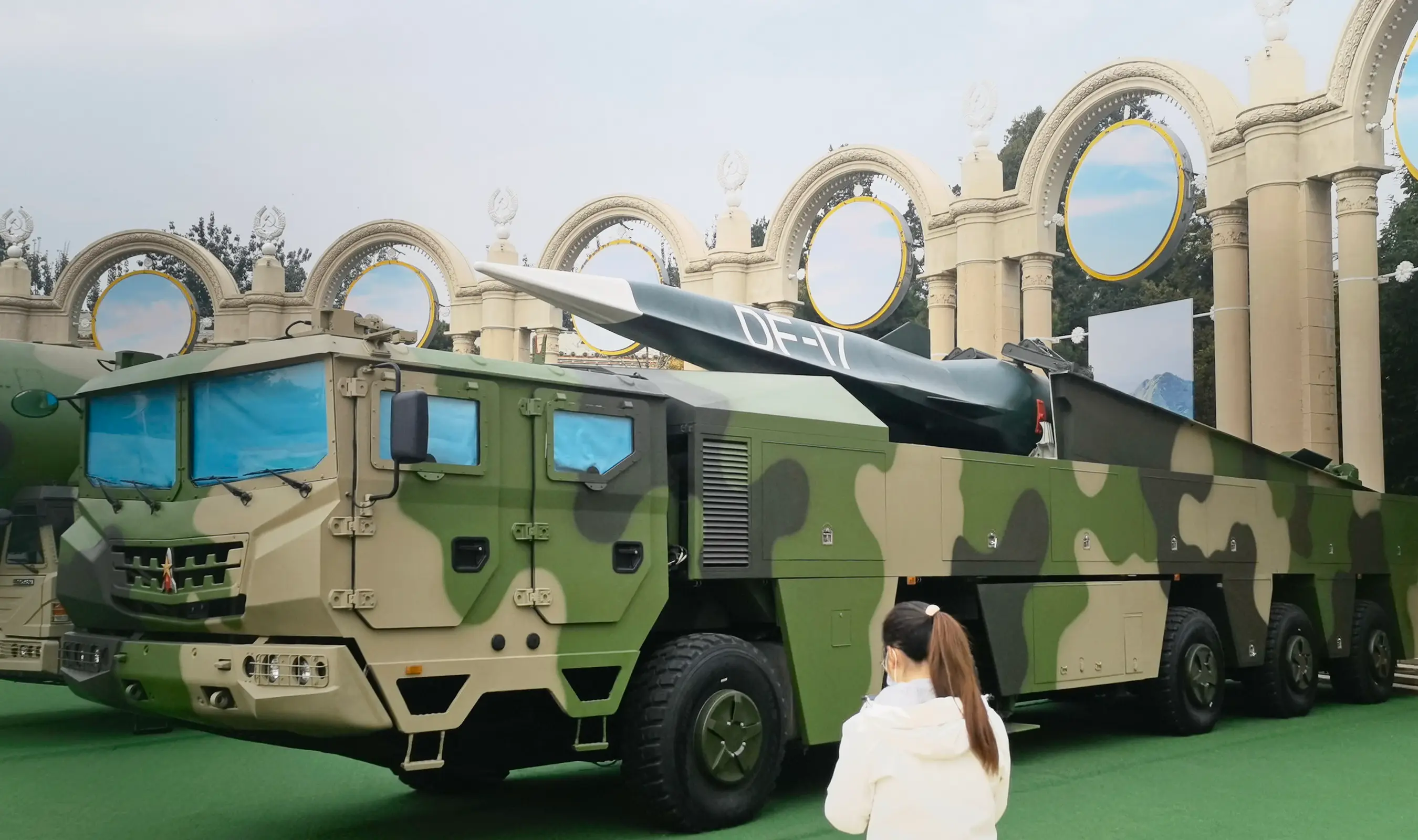
DF-17 Hypersonic Glide Vehicle - Medium-Range Carrier
China's DF-17 medium-range ballistic missile deploys hypersonic glide vehicles achieving Mach 5+ speeds with extreme manoeuvrability. Operational since 2020, it optimises strikes against US military bases and aircraft carrier groups across the Indo-Pacific region. Range approximately 2,000 kilometres covers multiple theatre scenarios.
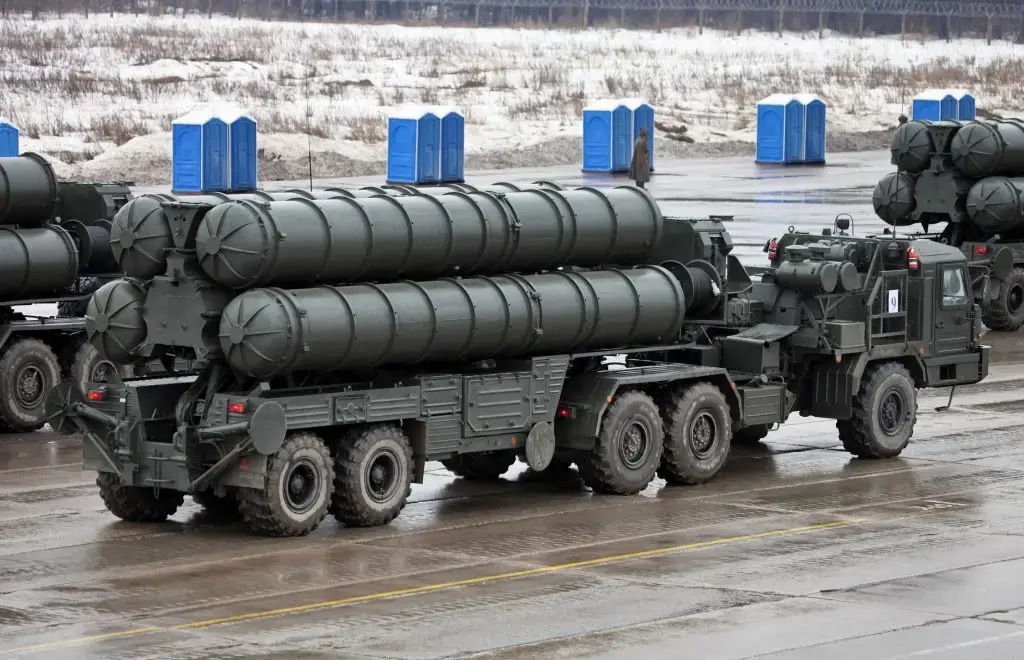
S-500 Air Defence - 180 km Intercept Range
Russia's S-500 Prometheus air defence system detects and intercepts targets at 180 kilometres range, making it one of the most sophisticated systems globally. With ability to track 300 targets simultaneously whilst engaging 36 threats at once, S-500 provides layered strategic protection. Against hypersonic targets, interception success remains contested.
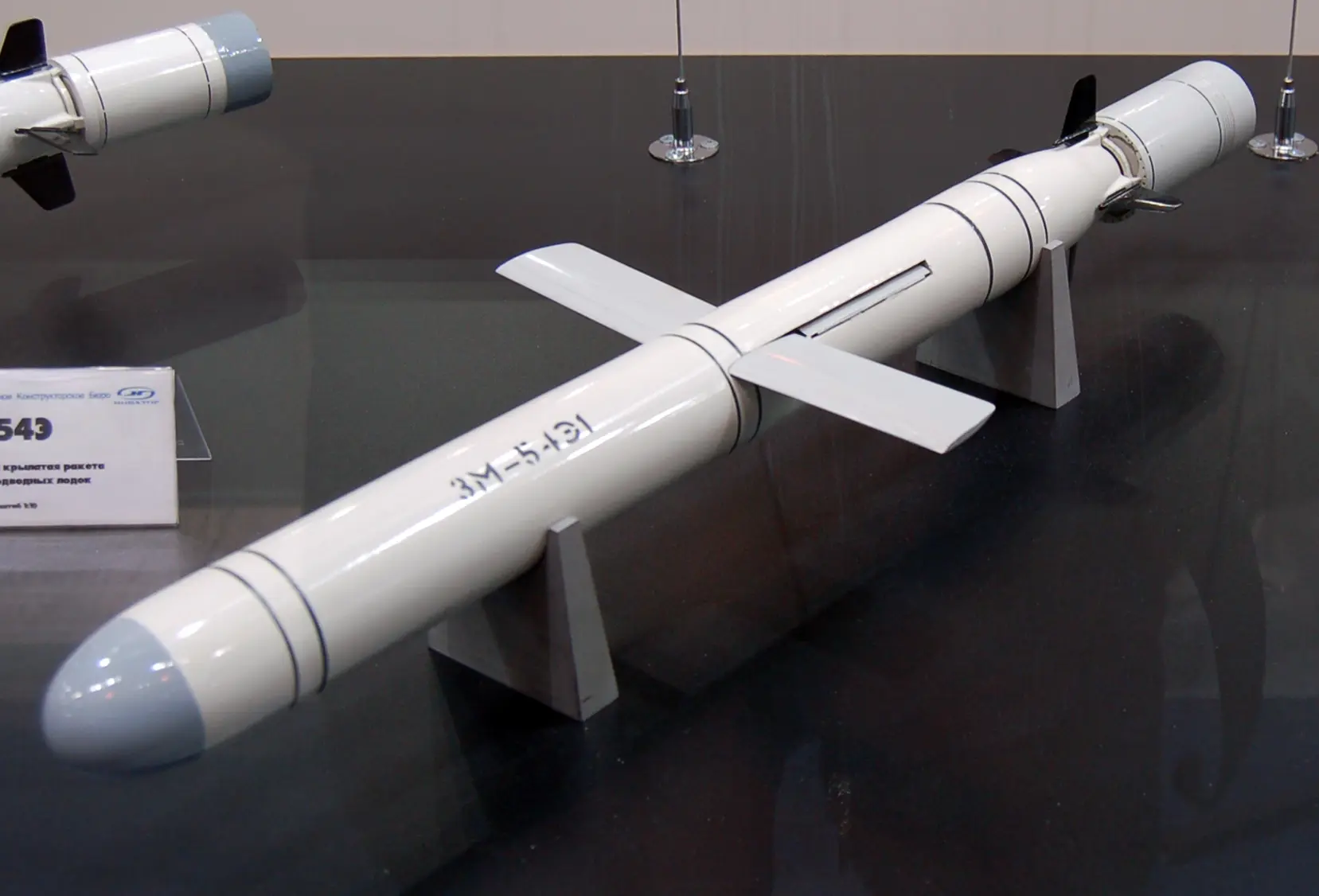
Kalibr Cruise Missile - 2,600 km Extended Range
Russia's Kalibr cruise missile family operates at subsonic speeds with range extending to 2,600 kilometres. Employing terrain contour matching guidance combined with GPS correction, Kalibr achieves accuracy similar to Tomahawk. Kalibr-M submarine-launched variants carry 2,000-kilogramme warheads for strategic targets.
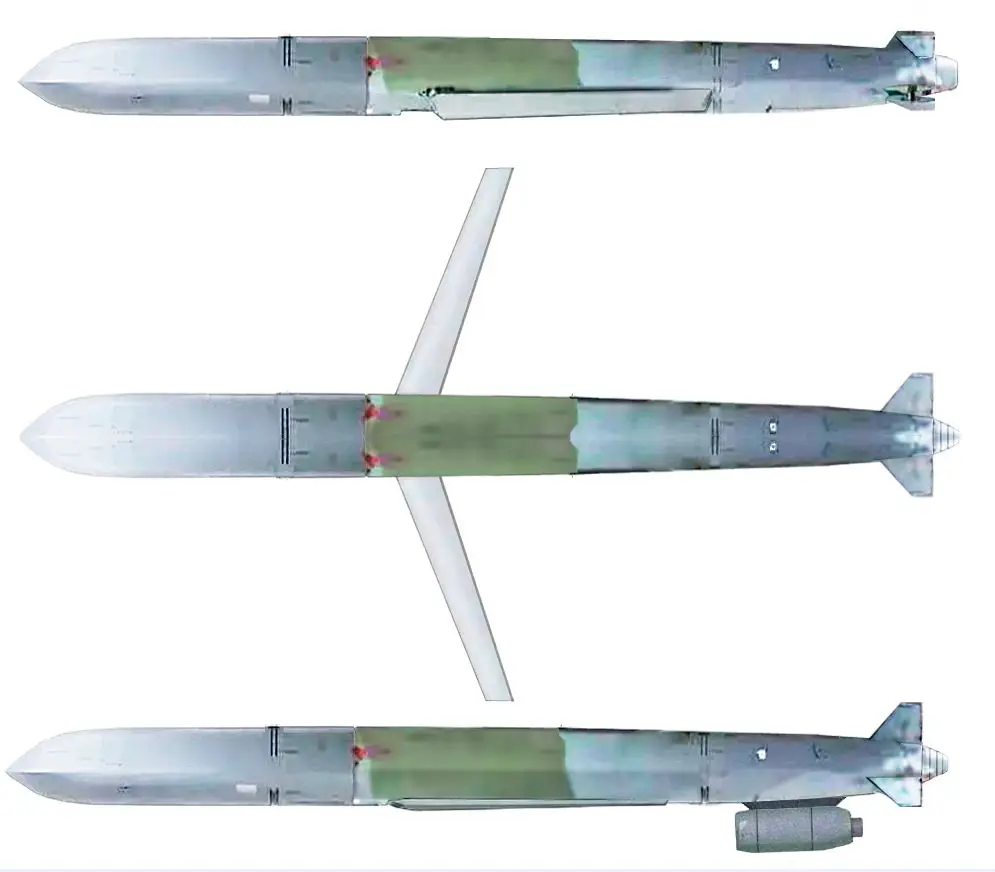
Kh-101 Strategic Cruise Missile - 4,500 km Unconfirmed Range
Russia's Kh-101 strategic cruise missile confirms range of 2,500-2,800 kilometres with unconfirmed claims reaching 4,500 kilometres. Powered by turbofan engines, it carries either conventional or nuclear warheads. Deployed on Tu-160 strategic bombers, Kh-101 provides long-range strike capability deep within enemy territory.
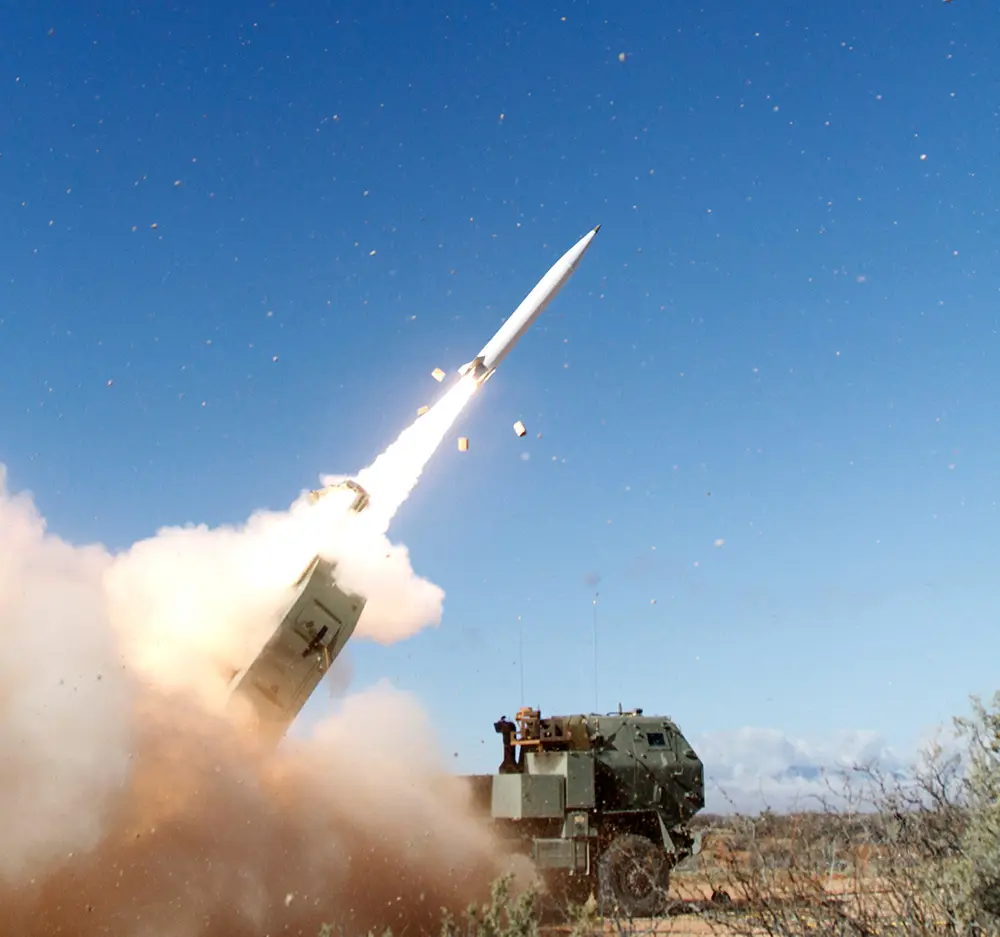
PrSM Extended Range - 500 km Ground-Based Precision
America's Precision Strike Missile (PrSM) achieves 500 kilometres range from ground launchers with accuracy under 10 metres. GPS/INS guidance combined with terrain reference navigation ensures precision strikes. Modular design enables varying warhead types including cluster munitions or bunker-busters.
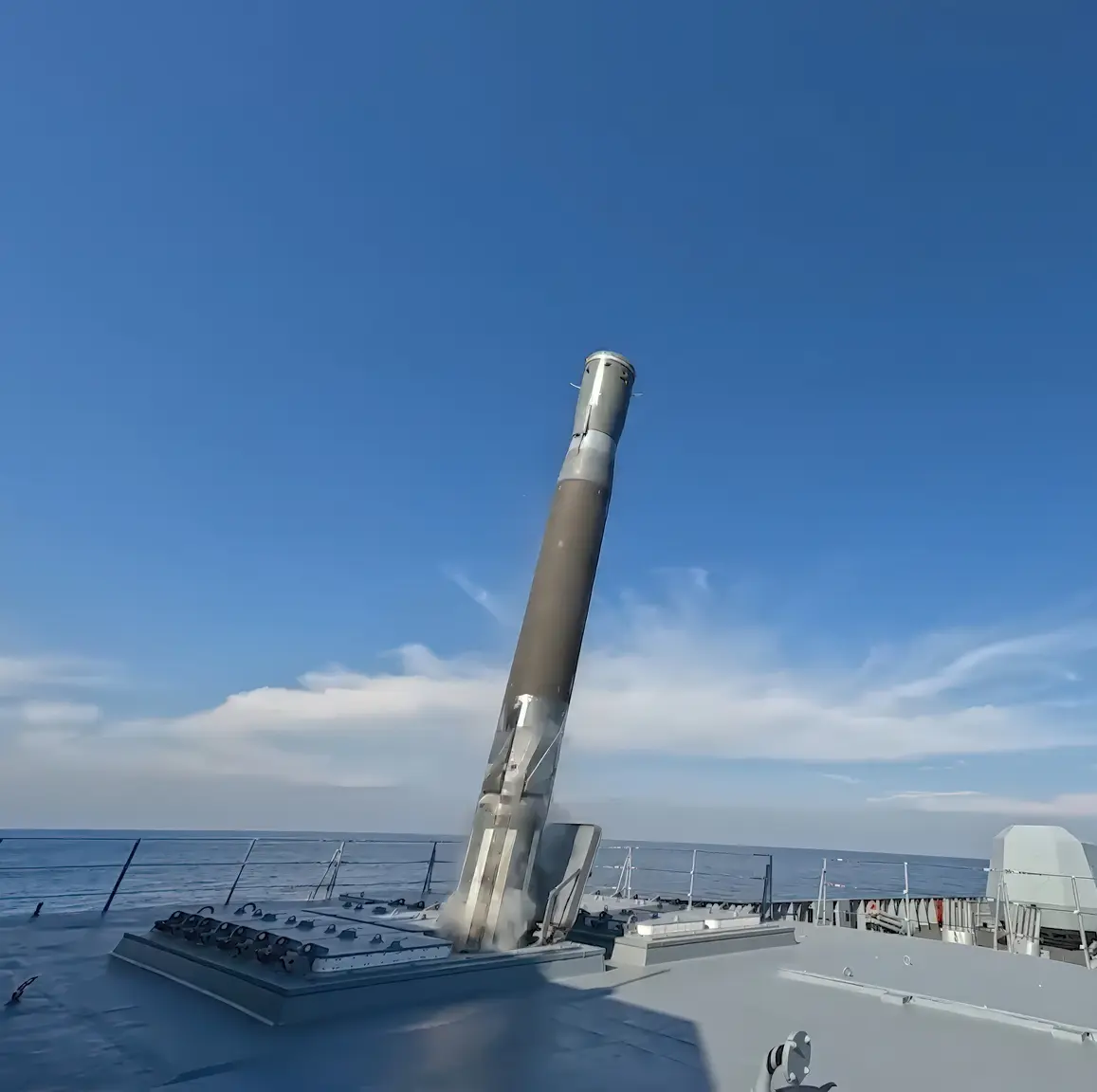
Zircon Hypersonic Cruise Missile - Mach 9 Naval Strike
Russia's 3M22 Zircon hypersonic cruise missile reaches Mach 9 speed (approximately 6,900 miles per hour) for naval anti-ship strikes. Deployed on frigates and submarines, it combines hypersonic speed with low-altitude flight profile, overwhelming naval air defences. Range approximately 1,000 kilometres covers multi-theatre scenarios.
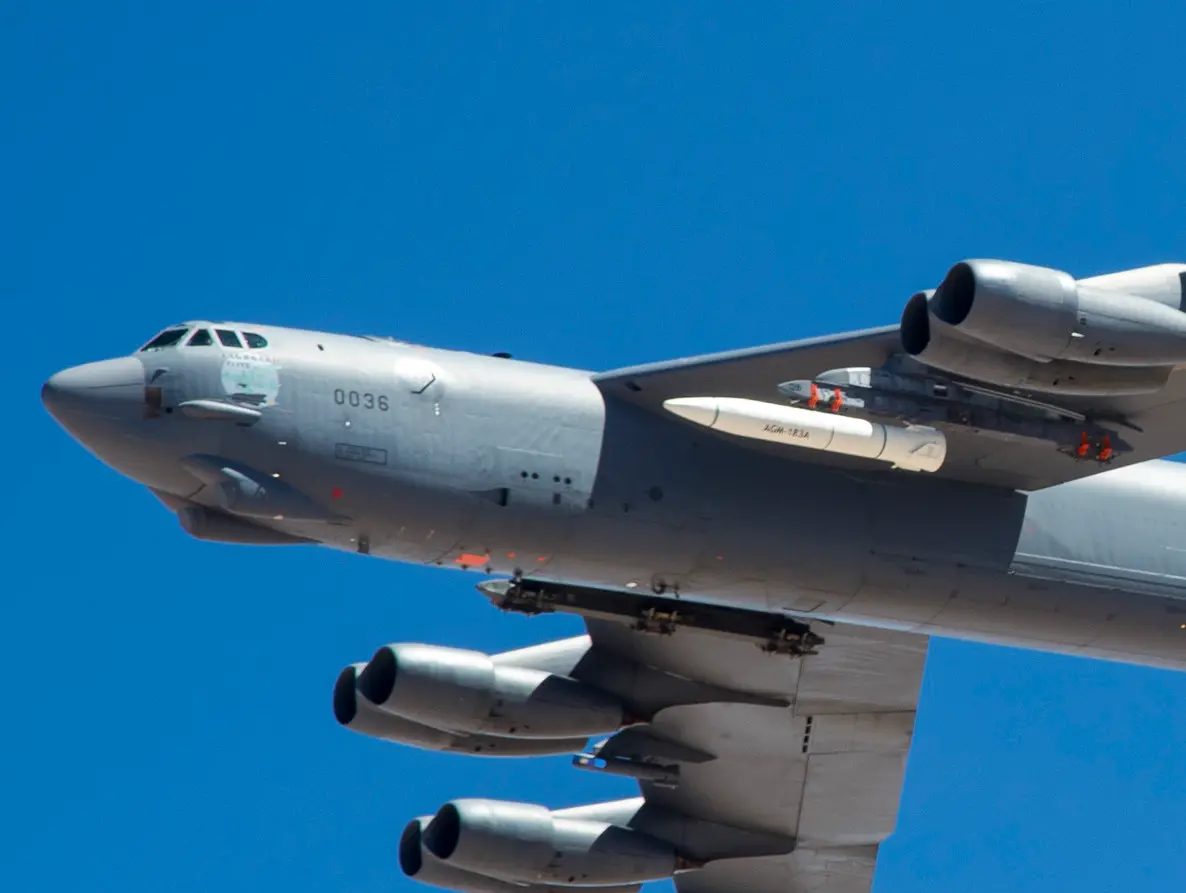
AGM-183 ARRW Hypersonic - US Air-Launched Development
America's AGM-183 Air-Launched Rapid Response Weapon (ARRW) remains in development, targeting hypersonic speeds exceeding Mach 5. Air-launched from bombers, ARRW aims to penetrate Chinese maritime defences across Pacific regions. US officials emphasise conventional warheads requiring superior accuracy.
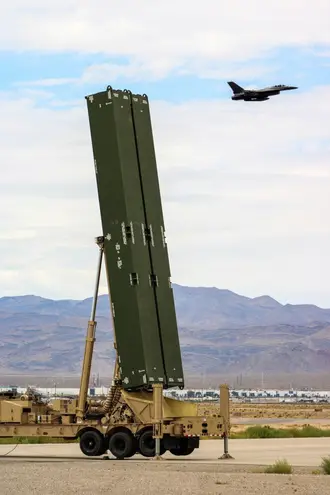
LR-HW Land-Based Hypersonic - Ground-Launched Development
America's Long-Range Hypersonic Weapon (LR-HW) remains in testing phases, targeting speeds exceeding Mach 5 from ground platforms. Designed to threaten Russian anti-access bubbles in European theatre, LR-HW would complement air-launched ARRW systems. Fielding anticipated within next 3-5 years.
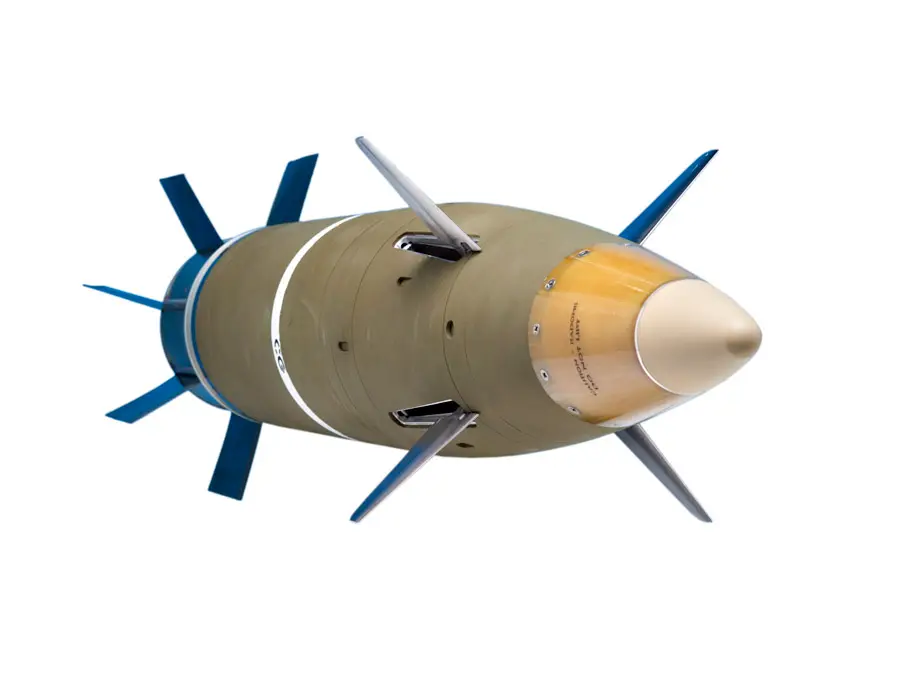
Excalibur Precision Artillery - 40-100 km Guided Range
America's M982 Excalibur precision-guided artillery shell reaches 40 kilometres standard range, extending to 100 kilometres with rocket-assisted versions. GPS/INS guidance provides metre-level accuracy from standard 155-millimetre howitzers. Deployed globally across allied forces for precision strikes.
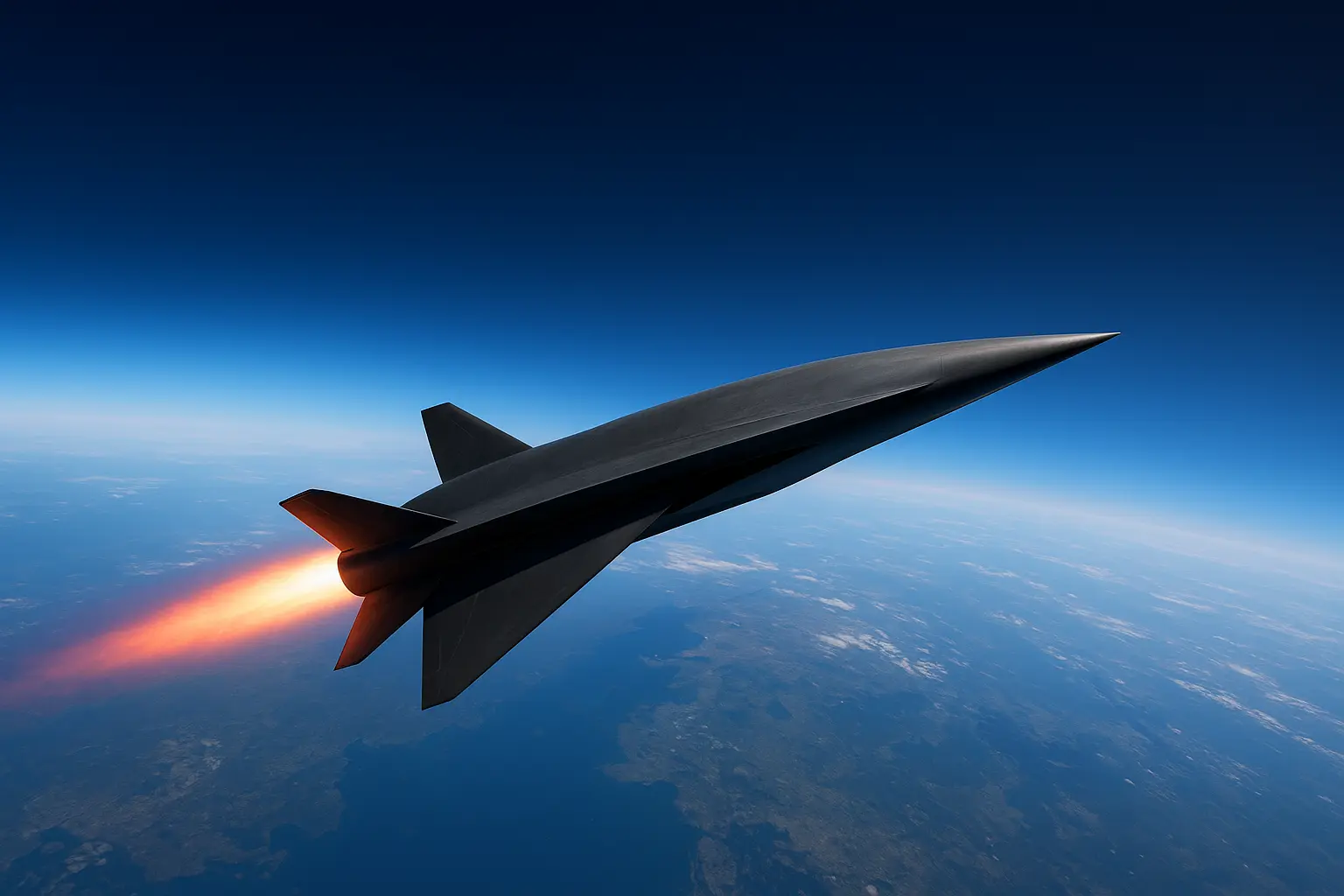
Future Hypersonic Integration - Beyond Mach 5 Convergence
Global militaries develop hypersonic systems converging toward Mach 5-27 speeds across air-launched, ground-launched, and sea-launched variants. Russia leads deployed hypersonic systems, China leads development infrastructure, whilst America emphasises precision guidance without nuclear warheads. Future integration into existing platforms accelerates strategic capabilities evolution.
)
)
)
)
)