‘130 light years away’: NASA's Hubble Telescope discovers rare ‘Zombie Star’ formed from a violent cosmic collision

Astronomers at the University of Warwick have uncovered evidence that a seemingly ordinary star is actually a ghostly remnant of a dramatic stellar collision.
Hubble reveals a rare stellar remnant
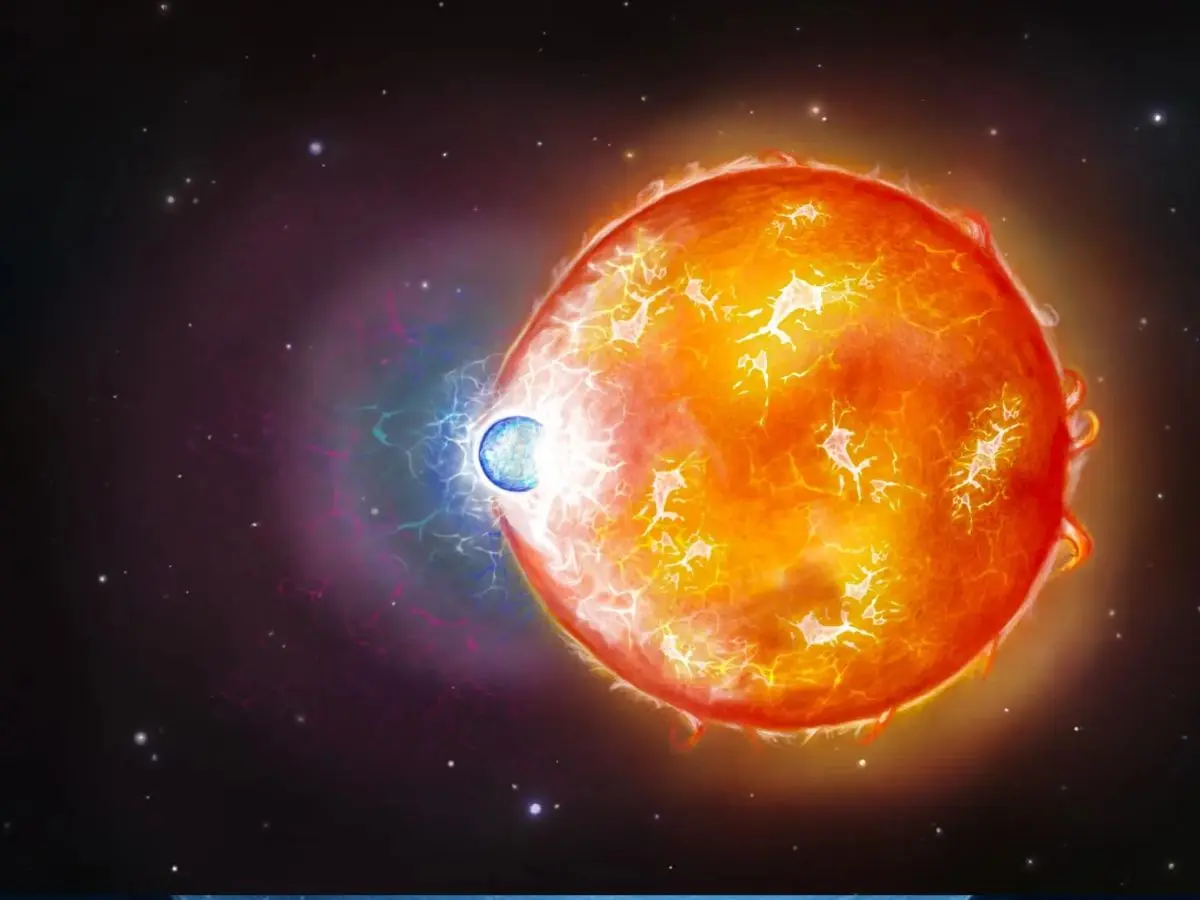
Astronomers using the Hubble Space Telescope have identified a rare ultra-massive white dwarf, designated WD 0525+526, located about 130 light-years from Earth. Nicknamed a 'zombie star', it was formed through the violent merger of two white dwarfs, stellar remnants of Sun-like stars, in a cataclysmic event. Despite being roughly the size of Earth, WD 0525+526 contains 20 per cent more mass than the Sun, making it one of the most massive white dwarfs ever recorded. The discovery, led by researchers from the University of Warwick, was published in the Nature Astronomy.
Evidence of a stellar merger
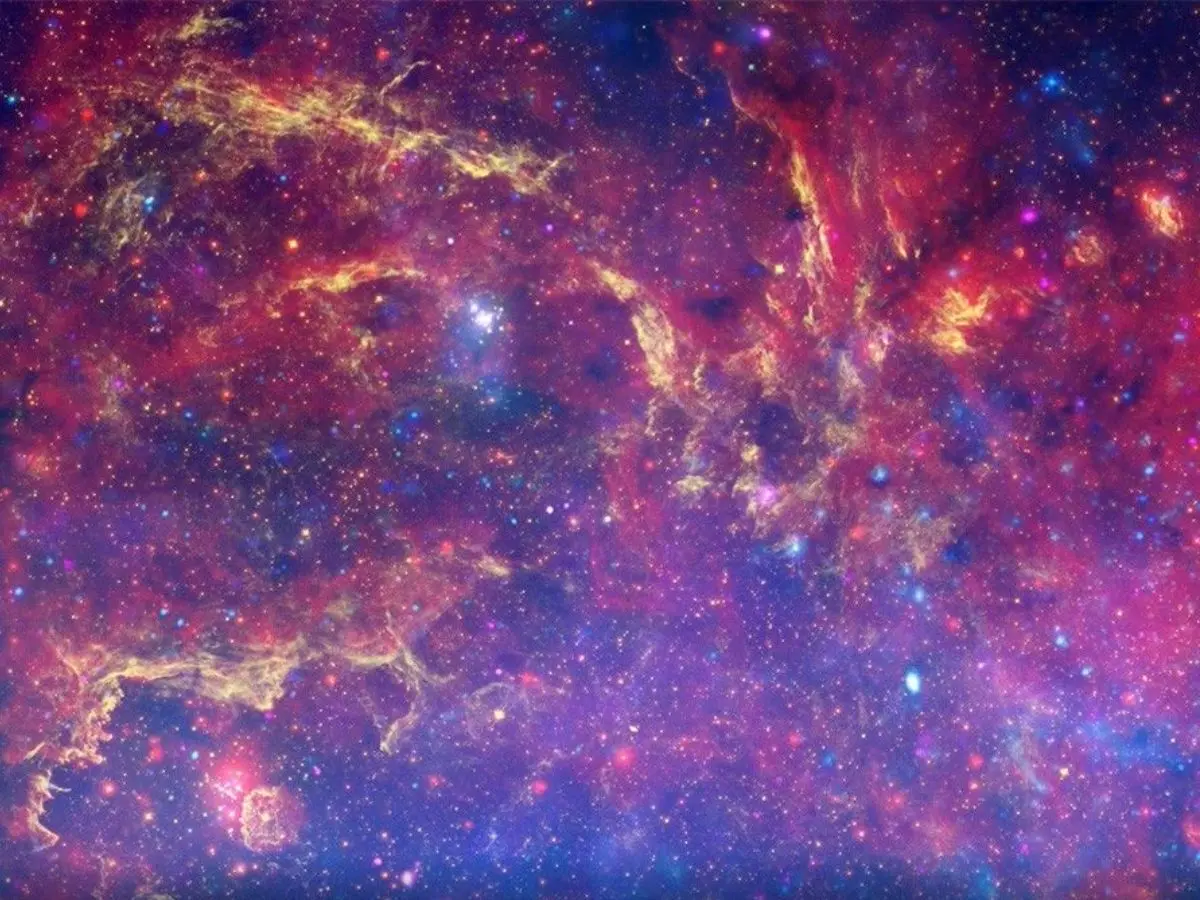
In visible light, WD 0525+526 resembles a heavy but otherwise ordinary white dwarf. However, ultraviolet observations with Hubble revealed faint carbon signatures in its hydrogen-rich atmosphere – an indicator of its merger origin. Normally, hydrogen and helium form a thick insulating envelope around a white dwarf, preventing elements like carbon from surfacing. In a merger, these outer layers can be almost entirely burned away, leaving a much thinner envelope that allows carbon to rise to the surface. Dr Snehalata Sahu, first author of the study, said only ultraviolet data can reveal such hidden merger remnants, which may be far more common than previously thought.
An unusually thin stellar envelope
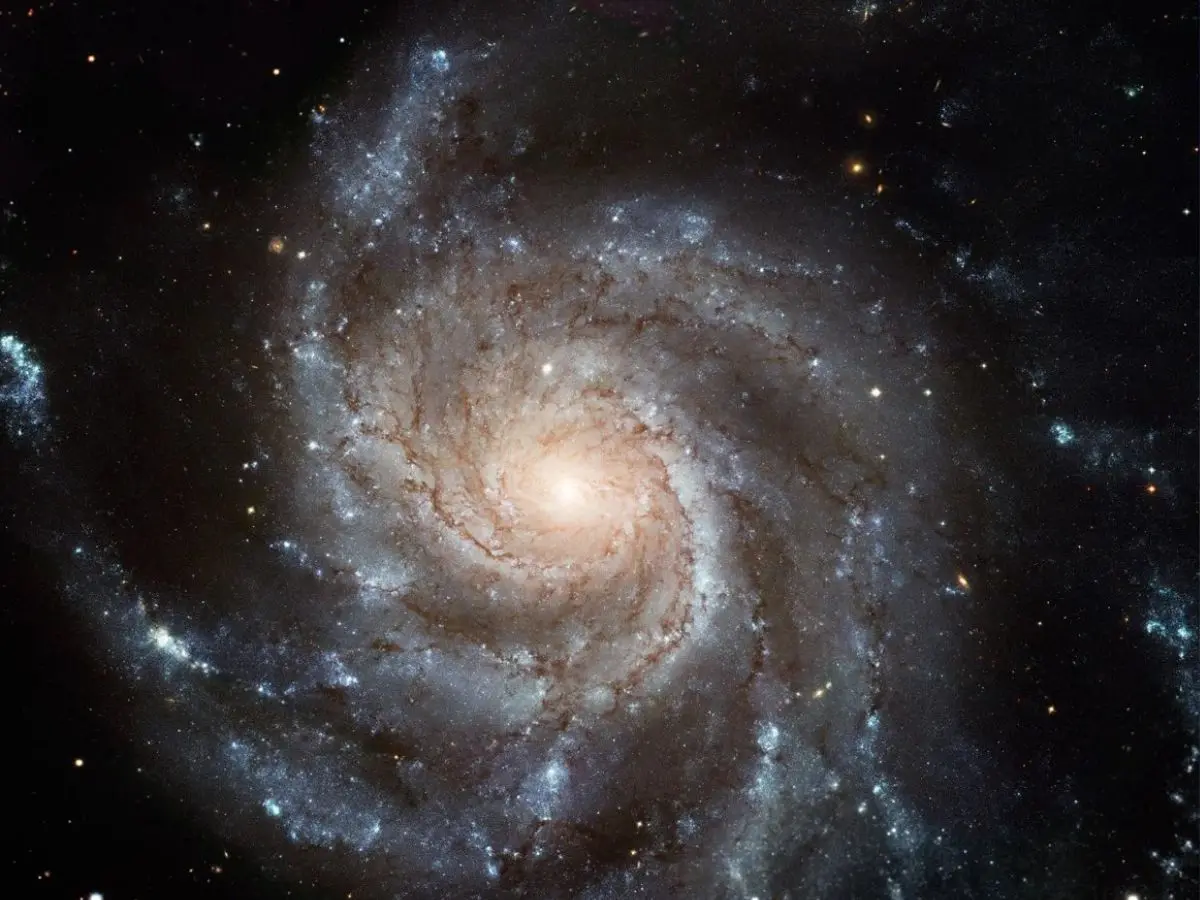
Measurements showed WD 0525+526’s hydrogen and helium layers to be ten-billion times thinner than in typical white dwarfs. Co-first author Antoine Bédard explained that this extreme thinness likely resulted from the stripping away of these layers during the merger. This structure also explains the visible carbon, despite the star’s high surface temperature, nearly four times hotter than the Sun, which rules out convection as the cause. Instead, the team identified a subtler process called semi-convection, seen here for the first time in a white dwarf, allowing small amounts of carbon to slowly mix into the atmosphere.
A star in its early post-merger phase
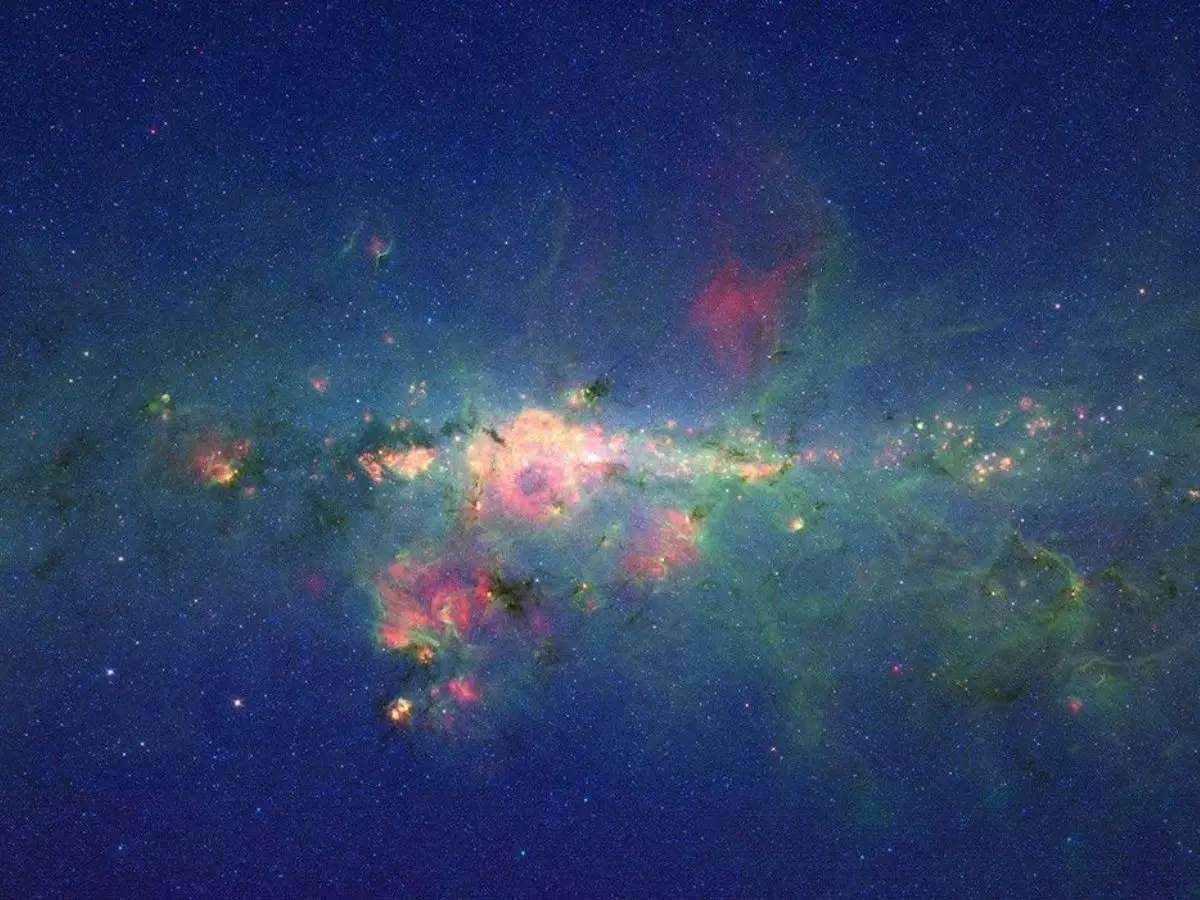
WD 0525+526 contains about 100,000 times less carbon on its surface than older merger remnants, indicating it is in a much earlier stage of post-merger evolution. Over time, as it cools, more carbon is expected to emerge. Studying such an early example provides a crucial benchmark for understanding how binary stars end their lives and for refining models of stellar evolution, especially the processes that can lead to neutron stars or gamma-ray bursts.
Why ultraviolet observations are key
Hydrogen-rich white dwarfs can appear deceptively ordinary in optical light, making their true origin difficult to determine. Ultraviolet data is crucial because it can detect the faint carbon signatures that betray a merger history. Without Hubble’s ultraviolet capability, WD 0525+526 would likely have been classified as a typical white dwarf, masking the fact that it is the product of a violent stellar collision.
WD 0525+526, zombie star, ultra-massive white dwarf, Hubble Space Telescope, NASA, James Webb Space Telescope, star merger, binary star evolution, stellar collision, ultraviolet astronomy, carbon signature, hydrogen-rich atmosphere, semi-convection, University of Warwick, Nature Astronomy, stellar remnant, neutron star, gamma-ray burst, post-merger evolution, massive white dwarf, stellar death
Implications for binary star evolution
The discovery sheds light on the end stages of binary star systems, where two stellar remnants can spiral together and merge rather than explode. Such mergers may create ultra-massive white dwarfs like WD 0525+526, or in some cases collapse into neutron stars. These processes can also play a role in producing powerful cosmic events such as gamma-ray bursts. Understanding them helps astronomers refine models of galaxy evolution and the life cycles of stars.

A glimpse into a star’s second life
The 'zombie star' moniker reflects the fact that WD 0525+526 has effectively been reborn after its initial stellar death. For now, it remains stable, but its future could be dramatic: as it continues to cool and evolve, it might eventually collapse into a neutron star or explode in a supernova. In the meantime, its ultraviolet glow offers an unprecedented view of the earliest stages of a stellar merger’s aftermath, and a new benchmark for studying the fate of dead stars brought back to life.
)
)
)
)
)