'13.4 billion light years away': Did you know the most distant galaxy discovered?

This extraordinary find pushes the limits of how far back in cosmic history human instruments can look, offering a direct glimpse into the earliest stages of galaxy formation.
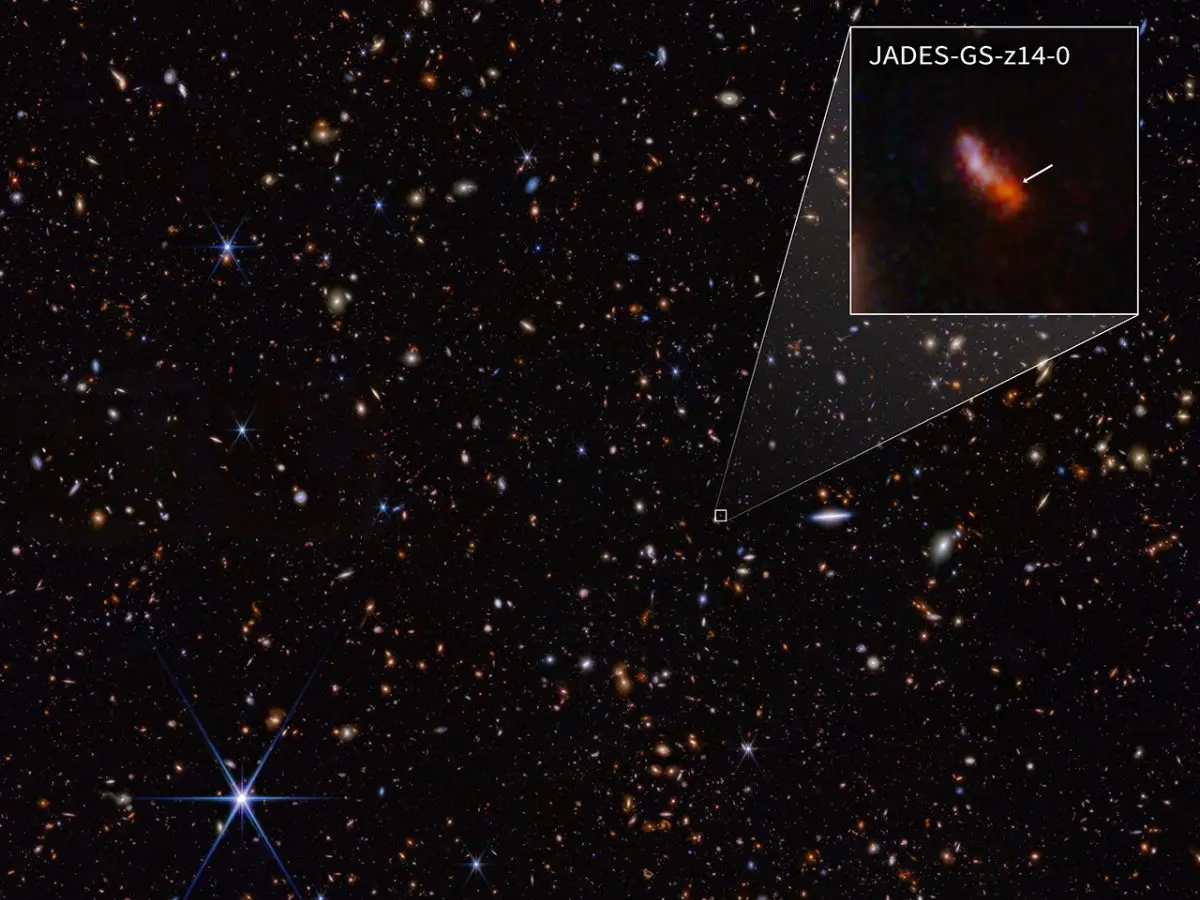
the discovery of a record-breaking galaxy
Astronomers using the James Webb Space Telescope (JWST) have confirmed the existence of JADES-GS-z14-0, the most distant galaxy ever observed. Its light has travelled for about 13.4 billion years, meaning we are seeing it as it was just 290 million years after the Big Bang. This extraordinary find pushes the limits of how far back in cosmic history human instruments can look, offering a direct glimpse into the earliest stages of galaxy formation.
how far is 13.4 billion light-years?
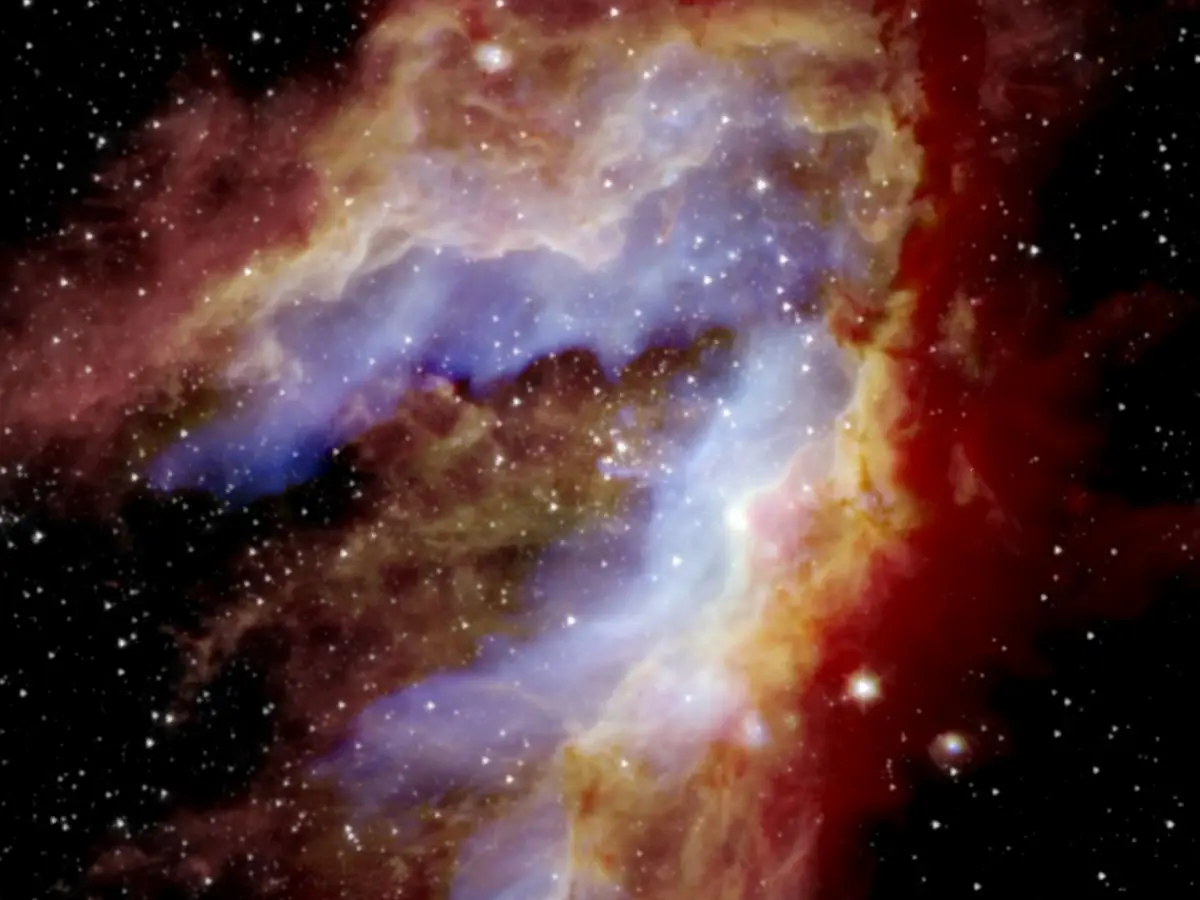
The distance to JADES-GS-z14-0 is measured not simply by light-years travelled but by its redshift value, calculated at z = 14.32. This indicates that the universe has expanded more than 15 times since the light left the galaxy. While the light has been travelling for 13.4 billion years, the galaxy’s present-day location would be much farther away, over 33 billion light-years from Earth, because of cosmic expansion.
what the james webb telescope revealed
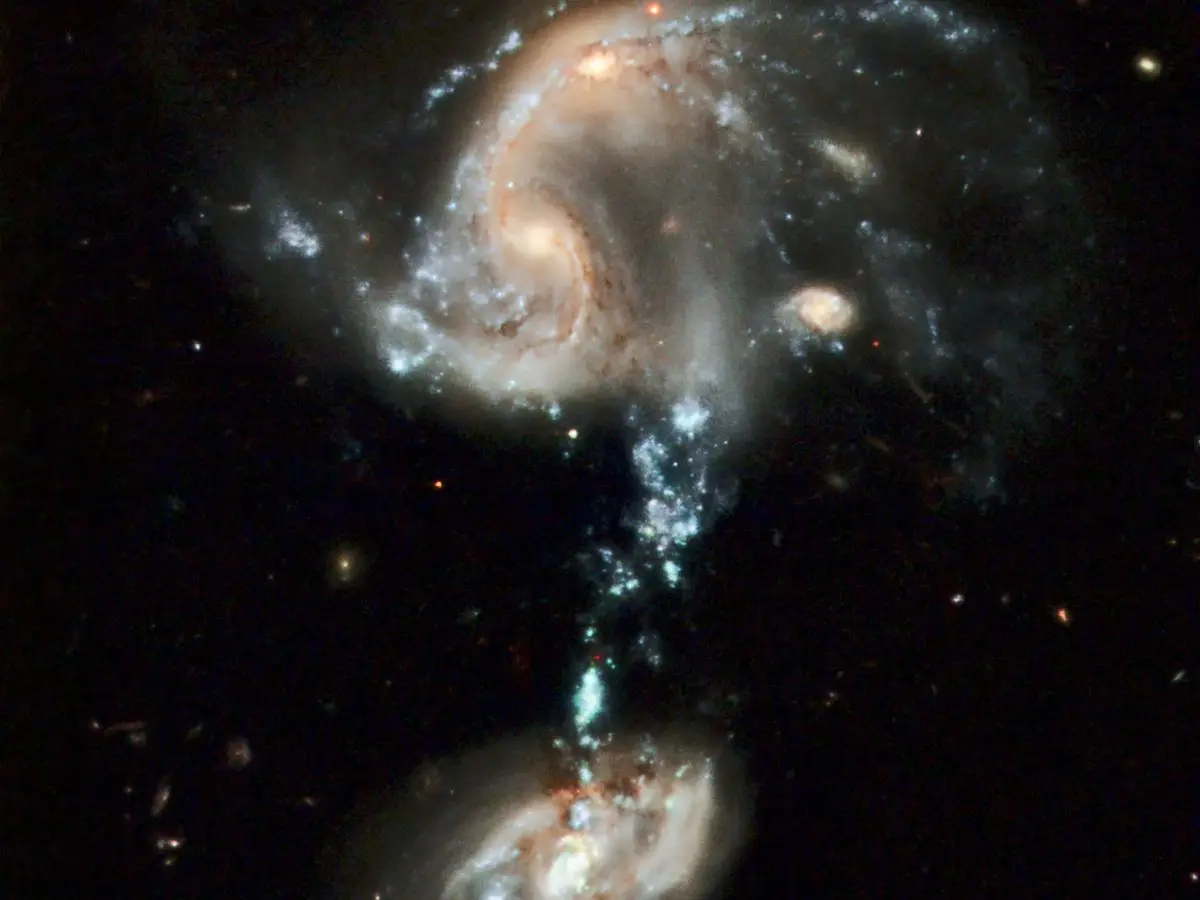
JWST’s Near-Infrared Camera (NIRCam) and spectroscopic instruments allowed astronomers to capture the faint signals of JADES-GS-z14-0. Unlike earlier candidates for distant galaxies, this observation has been spectroscopically confirmed, making it the most reliable measurement to date. The galaxy appears surprisingly bright for its age, suggesting rapid star formation was already under way in the first few hundred million years of the universe.
why this discovery is surprising
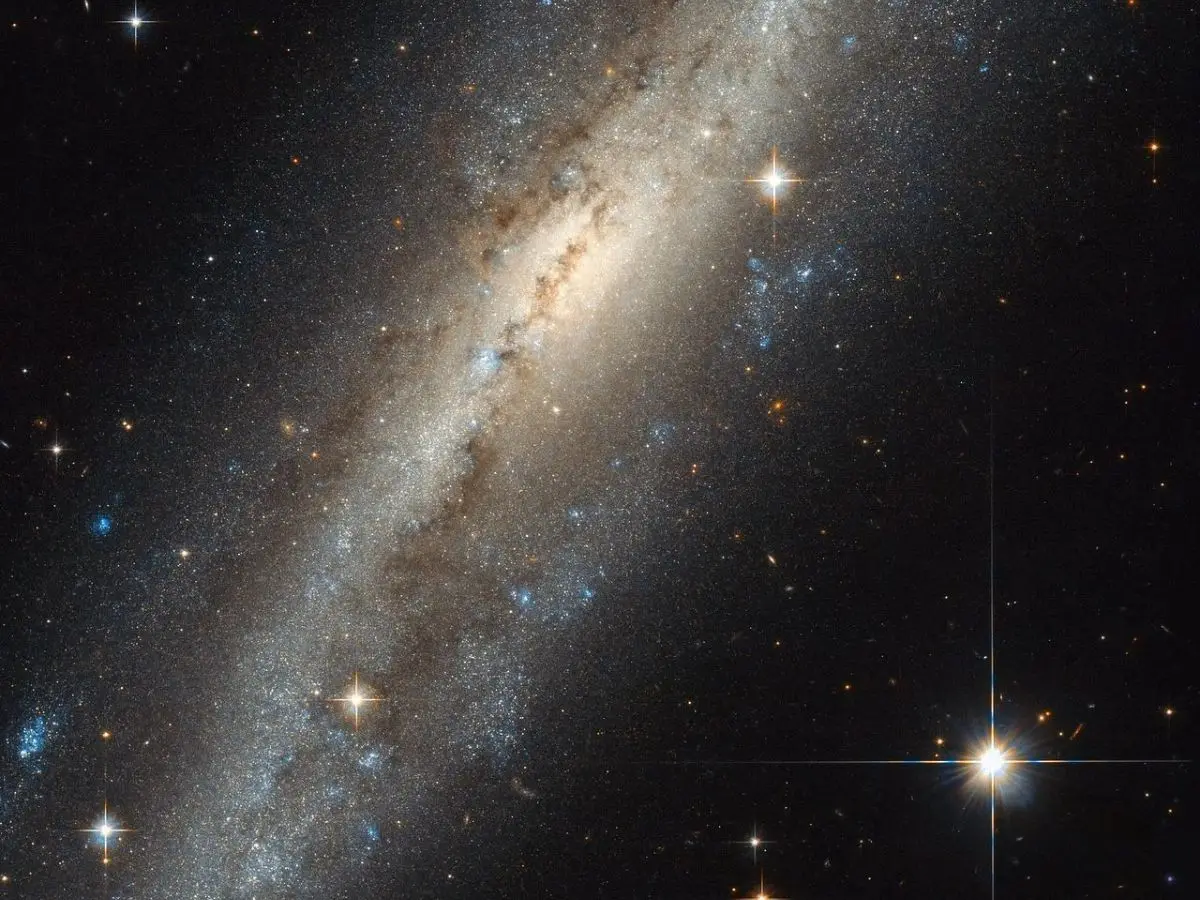
Finding such a luminous and massive galaxy so early challenges existing models of cosmic evolution. Standard theories suggest galaxies at that epoch should have been small and relatively dim. Yet JADES-GS-z14-0 shows evidence of a substantial population of young stars. This implies that galaxy assembly began earlier and faster than astronomers once believed, forcing a rethink of how structure emerged in the infant cosmos.
placing it in cosmic history
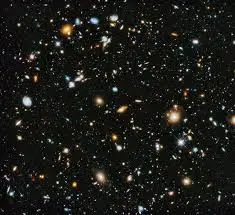
To put this in perspective, the Milky Way is around 13.6 billion years old, but our oldest stars formed hundreds of millions of years after the time we now see JADES-GS-z14-0. Observing this galaxy effectively takes us back to the "cosmic dawn," the period when the first stars and galaxies lit up the universe, ending the dark ages that followed the Big Bang.
the search beyond the horizon
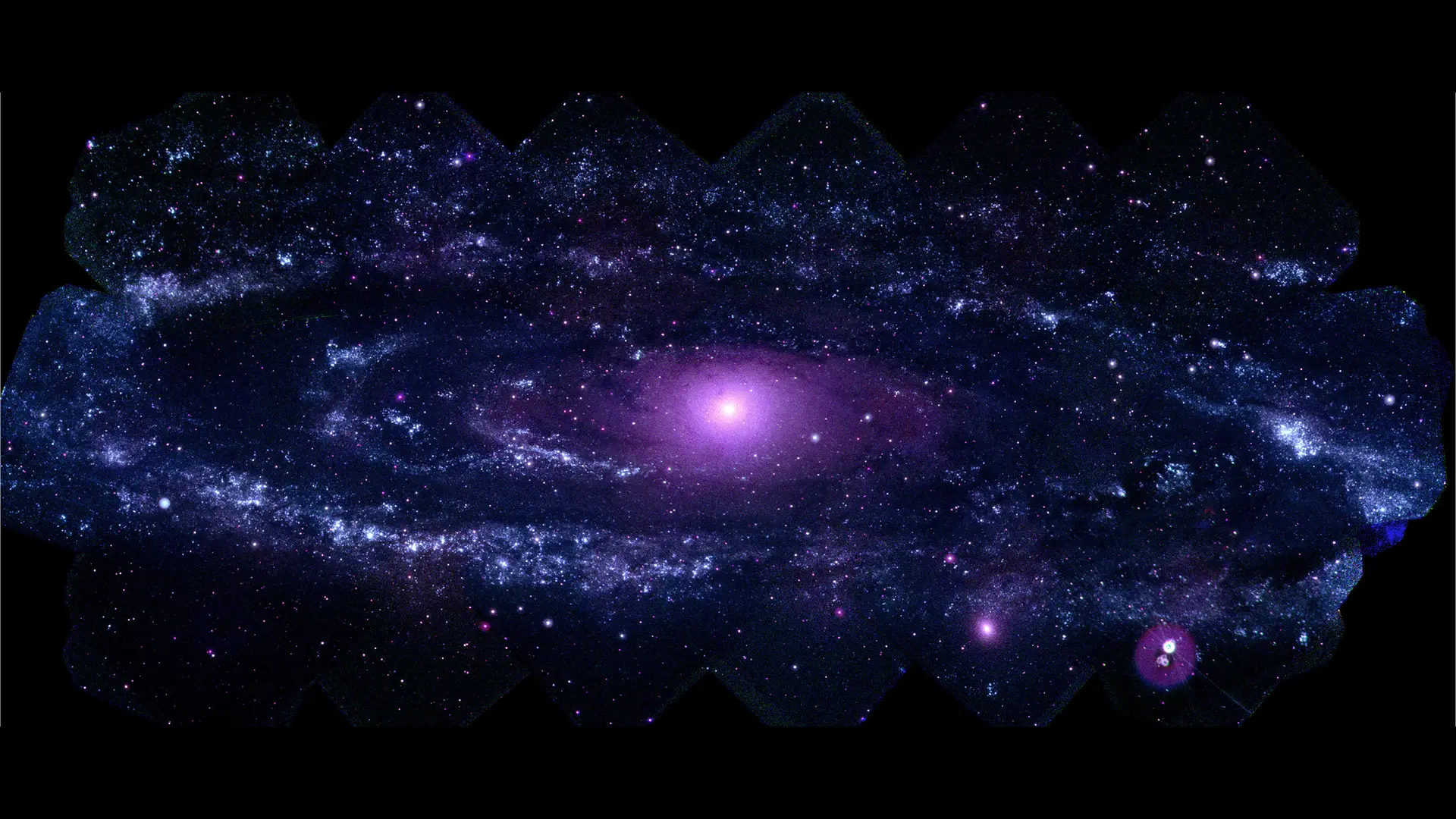
Although JADES-GS-z14-0 now holds the record, astronomers expect JWST and future observatories to uncover even earlier galaxies. Some may date back to only 200 million years after the Big Bang. Each new discovery extends our cosmic timeline and raises deeper questions about how quickly matter organised into stars, galaxies, and ultimately the structures we see today.
why this matters
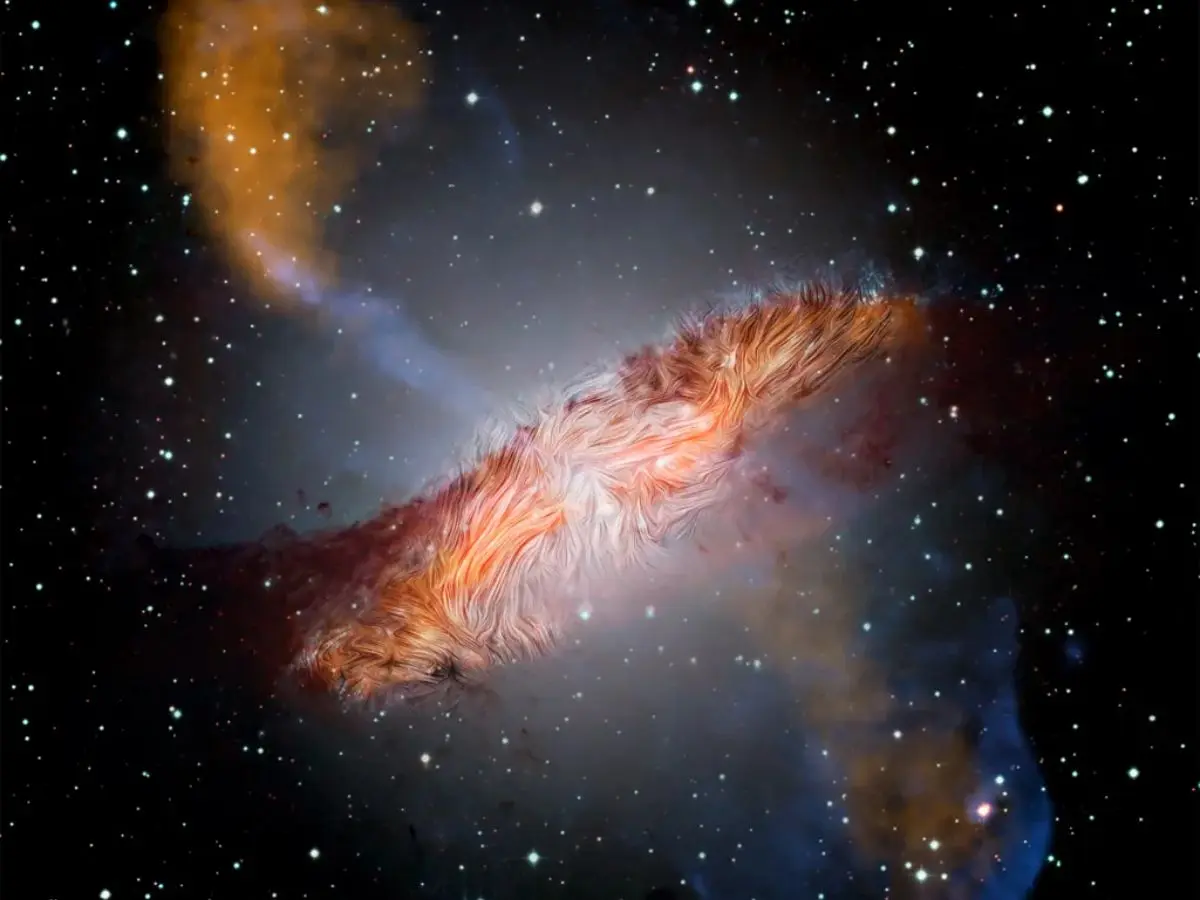
The detection of JADES-GS-z14-0 is more than just a record-breaker; it is a crucial step in understanding our origins.
)
)
)
)
)