12th volcano eruption in 4 years: Reykjanes peninsula of Iceland covered in molten lava

Visuals shared on social media showed the volcano from the Reykjanes peninsula of Iceland belching smoke and glowing hot lava flows with a massive fissure between 700 m and 1,000 m in length.
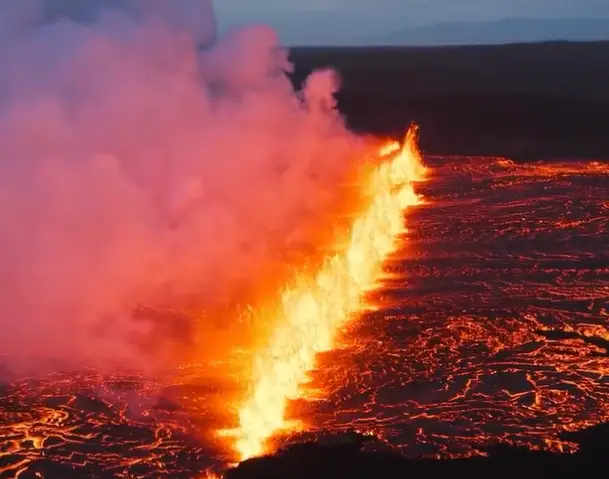
Volcano erupts in Reykjanes peninsula
A volcano erupted in the Reykjanes peninsula of Iceland on Wednesday (July 16, 2025), the country's meteorological office said. The eruption has been marked as the latest in a series of outbreaks near the capital in the recent past.
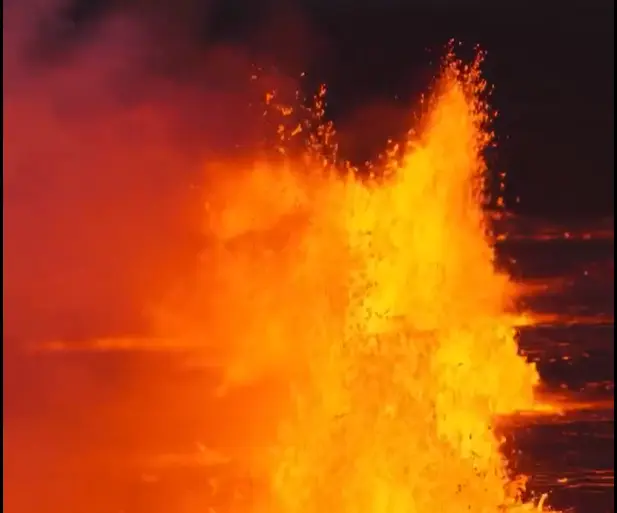
Dozen eruptions since geological systems
The North Atlantic island nation with its many glaciers and volcanoes, which is often referred to as a land of ice and fire, has now seen a dozen eruptions since geological systems on its Reykjanes peninsula reactivated in 2021.
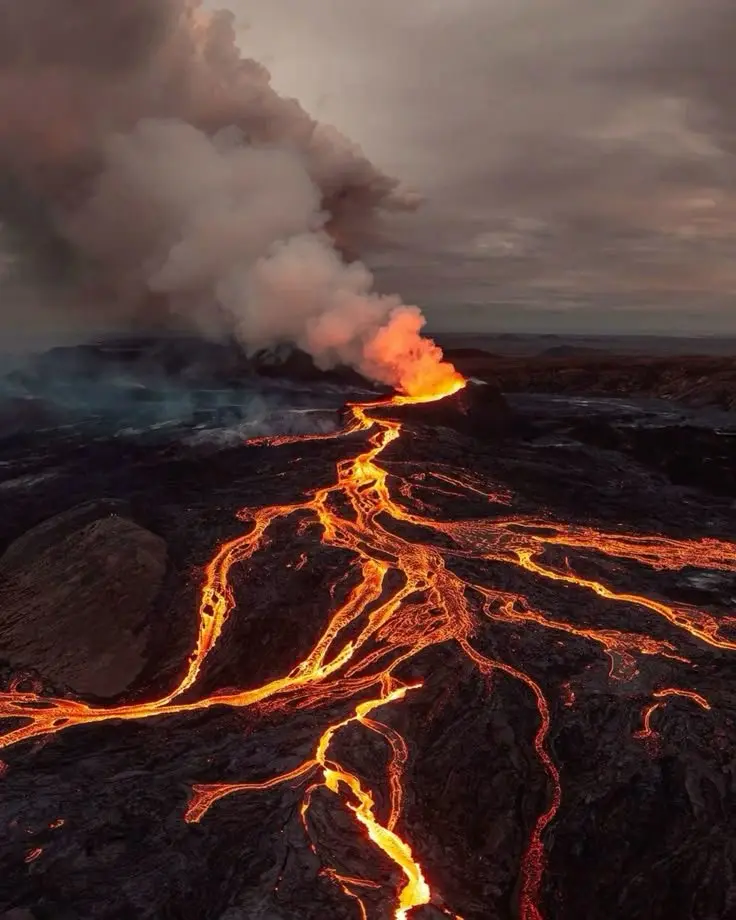
The 12th volcanic eruption
The Icelandic Meteorological Office confirmed that this is the 12th volcanic eruption in the North Atlantic island nation since 2021, according to a report in Al Jazeera.
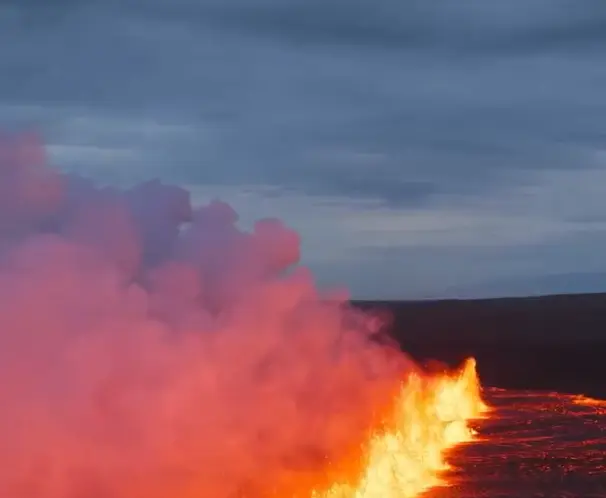
Massive fissure
The meteorological department of Iceland said that magma made its way through the Earth's crust and opened a massive fissure between 700 m and 1,000 m in length.
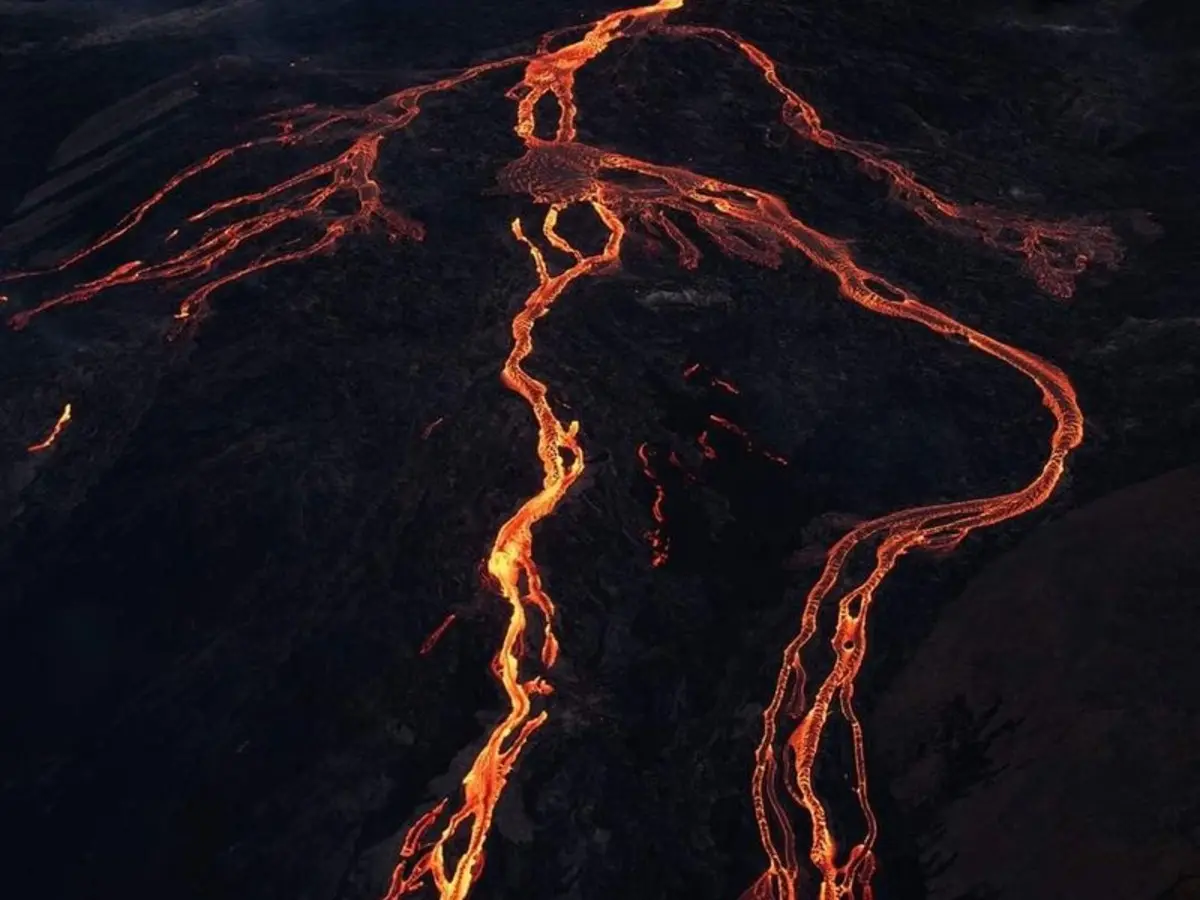
Lava flows from long cracks
The outbreaks, known as fissure eruptions, are characterised by lava flows emerging from long cracks in the Earth's crust, rather than from a central crater.
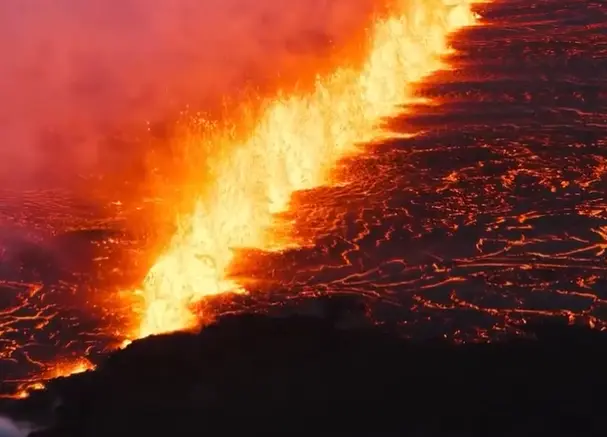
Reykjanes volcanic eruptions
The Reykjanes volcanic eruptions have, so far, not threatened Iceland's capital, Reykjavik, or released substantial ash into the stratosphere, thereby preventing disruptions to air travel.
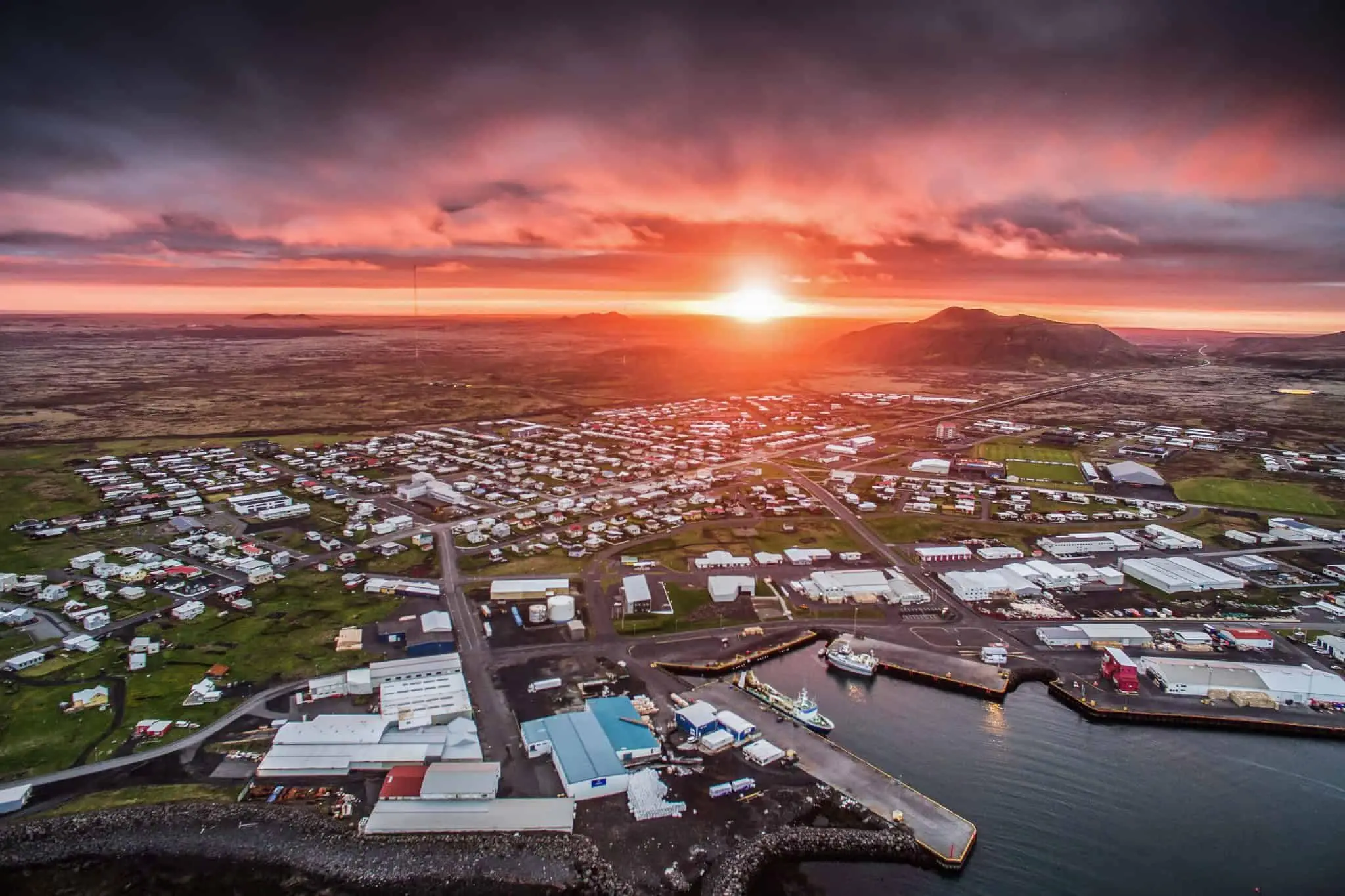
Fishing town of Grindavik
The nearby fishing town of Grindavik, which had around 4,000 residents before a 2023 evacuation, remains largely abandoned due to ongoing risks from lava flows and frequent earthquakes.
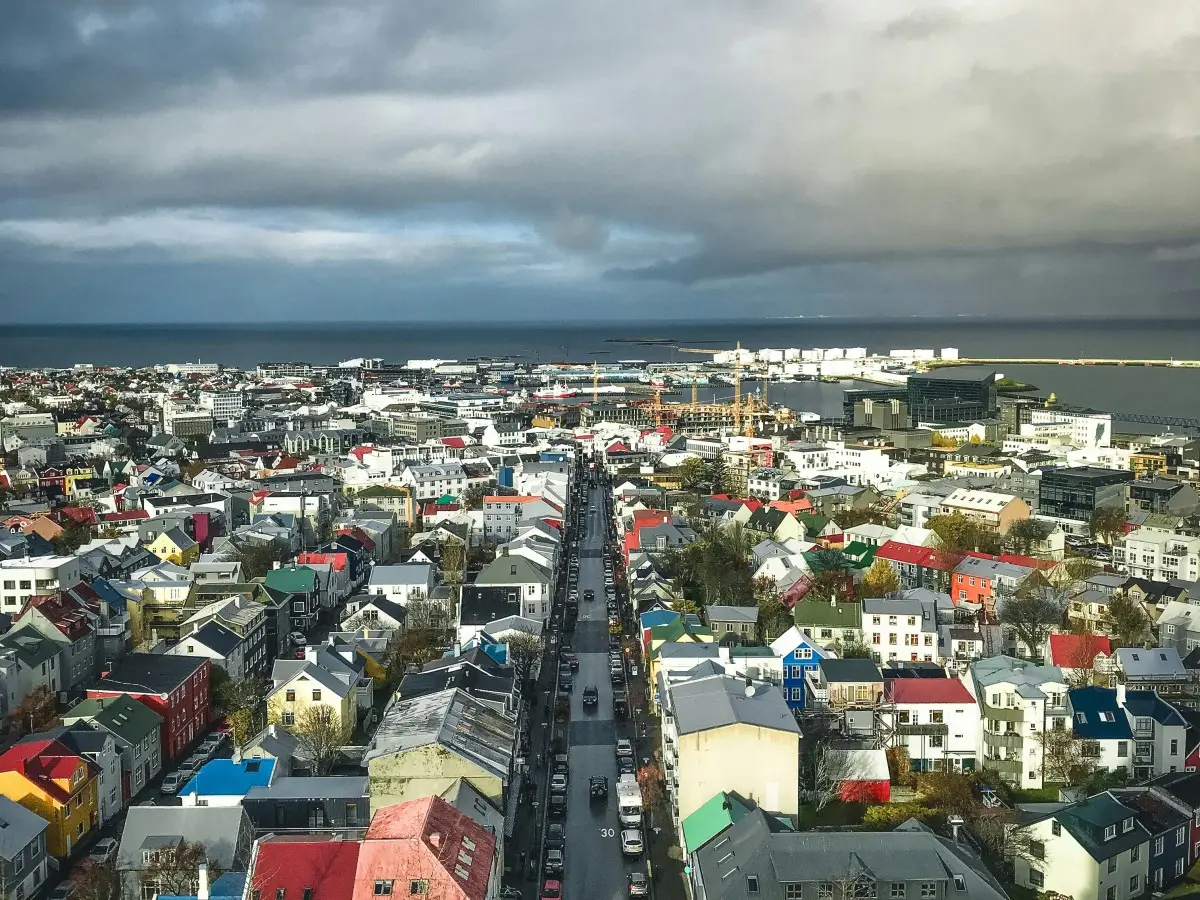
Over 30 active volcanos
Iceland, about the size of Kentucky in the United States and home to under 400,000 people, is known for having over 30 active volcanoes.
)
)
)
)
)