112 nations signed a UN resolution on Hormuz, Iran ignored it! What happens next?

A Bahrain-led UN resolution demanding freedom of navigation through the Strait of Hormuz has won backing from 112 countries — but Iran has dismissed it. With global oil supplies at stake and US-Iran tensions still simmering, the world is watching what comes next.
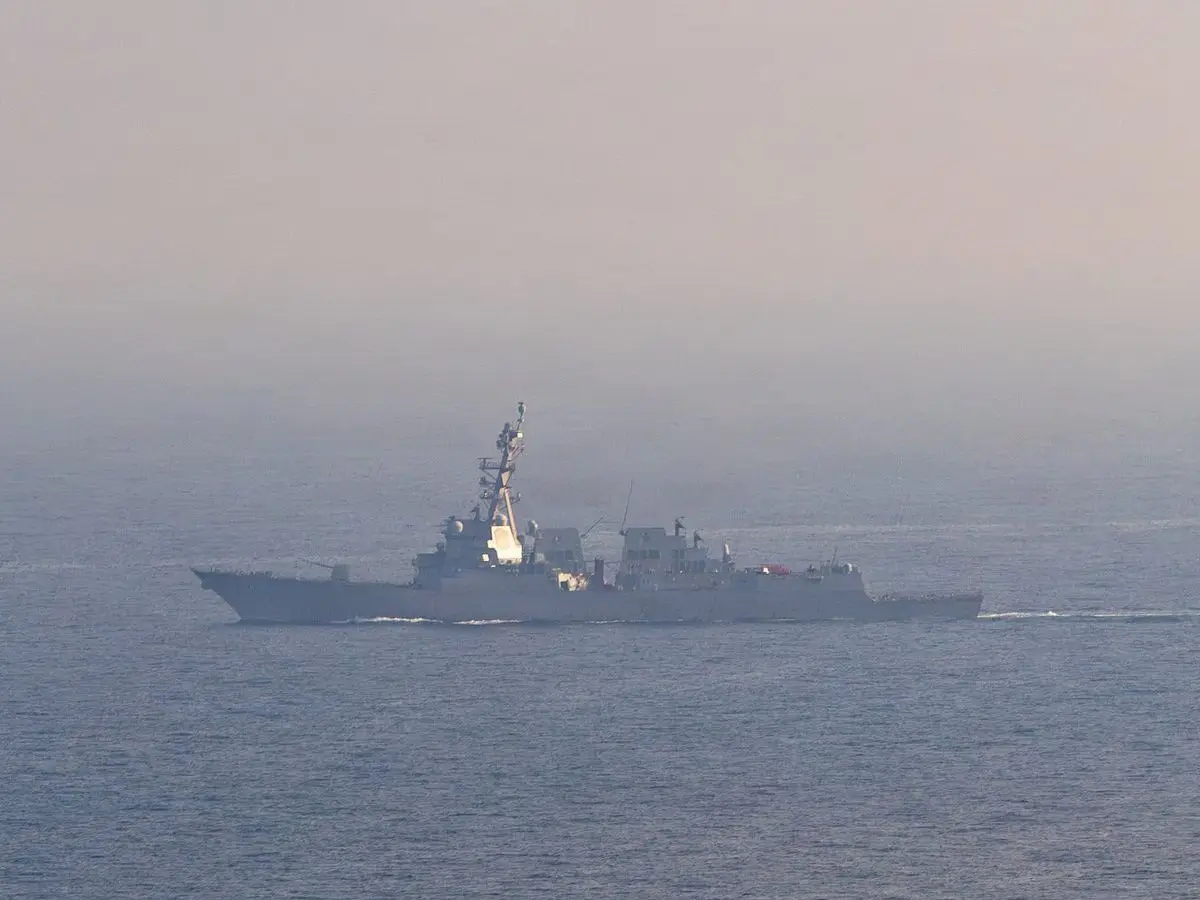
The Resolution That Shook the UN
A Bahrain-led draft United Nations Security Council resolution calling for freedom of navigation through the Strait of Hormuz has secured co-sponsorship from 112 nations, a rare show of near-universal diplomatic consensus. The resolution demands that Iran immediately cease its blockade of commercial shipping through the critical waterway, which carries roughly 20% of the world's traded oil and liquefied natural gas.
Iran's Flat Rejection
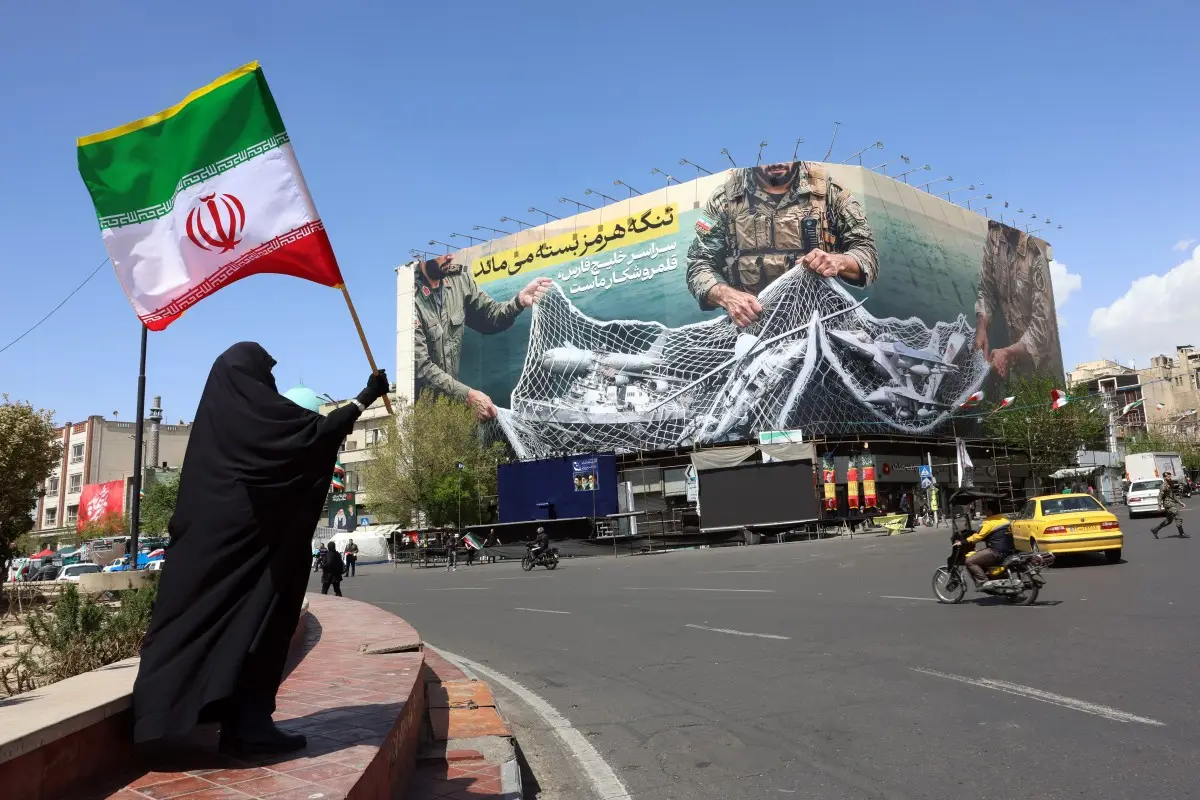
Tehran has dismissed the resolution as a ‘political instrument of Western aggression,’ with Iran's foreign ministry stating the Strait falls under its sovereign security jurisdiction. The Islamic Revolutionary Guard Corps Navy has doubled down by imposing new transit rules — all vessels must now file a Vessel Information Declaration with Iran's newly created Persian Gulf Strait Authority (PGSA) before being granted passage, effectively turning the Strait into a toll gate controlled by Tehran.
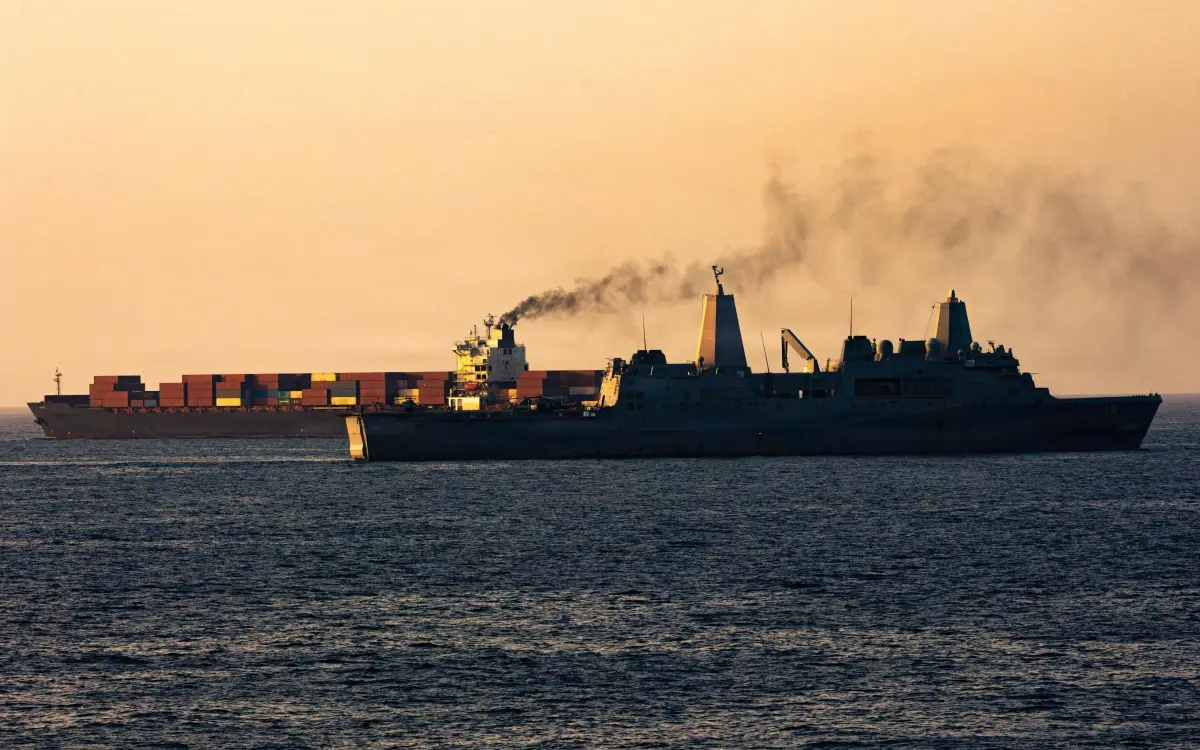
Why 112 Nations Isn't Enough
Despite its broad symbolic weight, the UN resolution faces a fundamental obstacle: Iran holds a de facto veto through geography. Its forces physically control the narrow 33-km chokepoint, and no resolution changes that on-the-ground reality without military enforcement. The resolution has no binding Chapter VII enforcement mechanism, meaning it cannot legally compel Iran to comply — it is a political statement, not a military order.

The Trump-Xi Hormuz Consensus
In a rare moment of alignment, US President Donald Trump and China's President Xi Jinping discussed the Strait of Hormuz directly, both agreeing that it ‘must remain open to support the free flow of energy.’ China — which imports the majority of its crude oil through Hormuz — has a massive economic stake in resolution. This bilateral agreement could signal behind-the-scenes pressure on Tehran from Beijing, which remains Iran's most important economic partner.
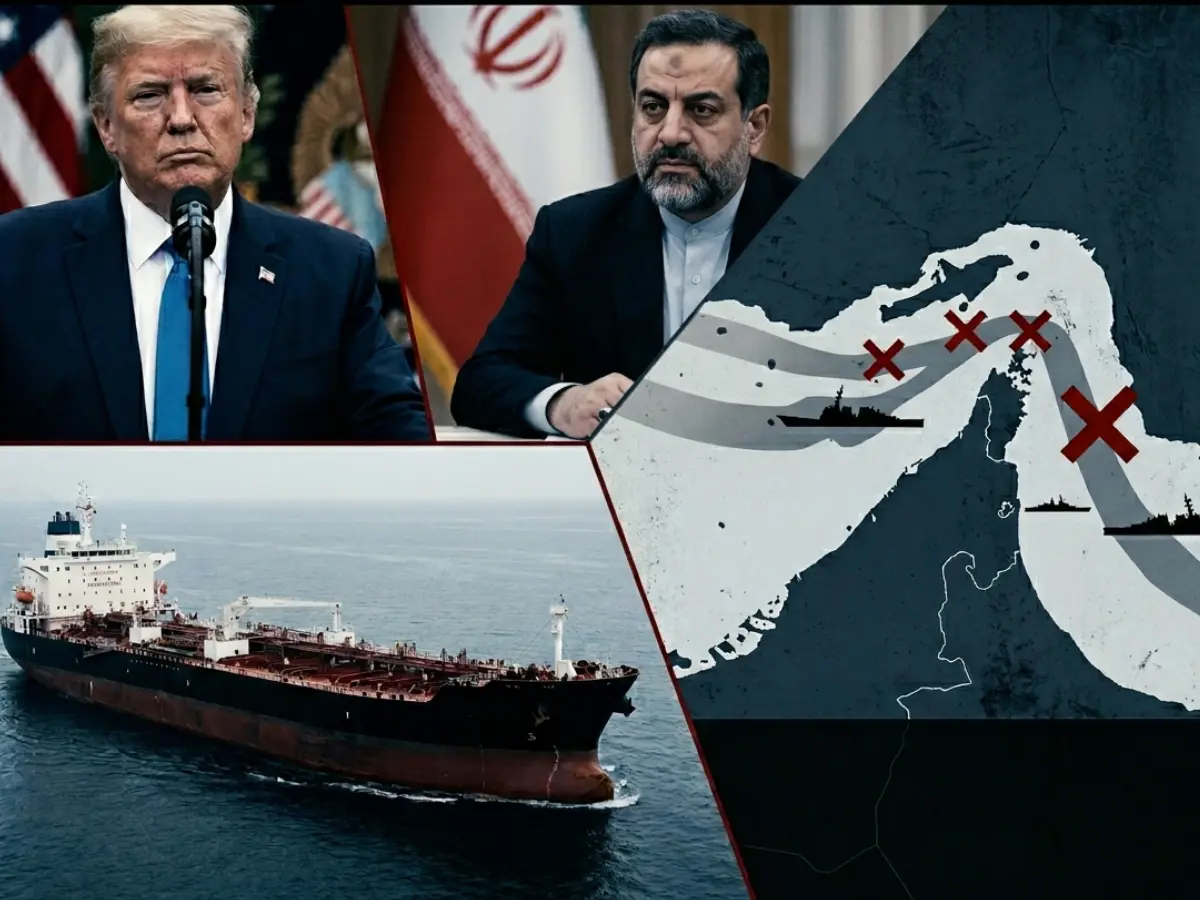
Military Build-Up Around the Strait
The United Kingdom has deployed drones, fighter aircraft, and a Royal Navy warship to join an international defensive coalition mission aimed at protecting commercial shipping in the Gulf. The United States Navy is already operating in the waterway, having already clashed with Iranian forces in a dangerous exchange of fire that briefly threatened to collapse the fragile ceasefire. European nations are simultaneously in diplomatic talks with Tehran over negotiated transit access.
The Economic Fallout Is Already Here
Global shipping data shows Hormuz traffic has shrunk to a fraction of its pre-conflict levels since the US-Israel air campaign against Iran began in February 2026. Oil tanker insurance premiums have surged to war-risk levels. Energy markets remain volatile, with disruptions rippling through economies from Europe to Asia. Pakistan, which depends on Gulf energy imports, has said it is ‘hopeful’ a US-Iran deal can be reached soon — reflecting the economic desperation spreading across the region.
What Happens Next: Three Scenarios
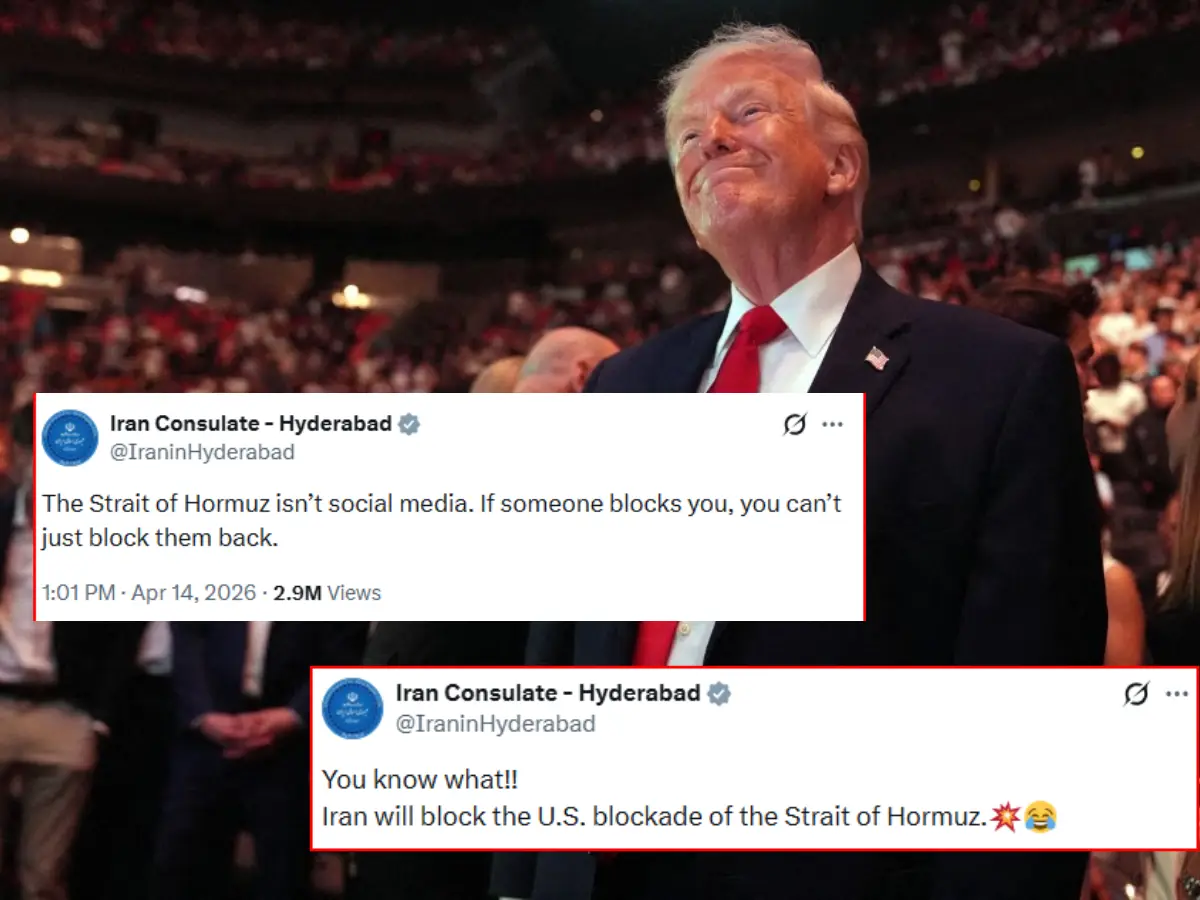
Analysts see three plausible paths: First, a negotiated transit deal where Iran grants passage in exchange for sanctions relief — the most likely near-term outcome given back-channel European and Chinese diplomacy. Second, a military enforcement operation led by the US and UK naval coalition — high-risk and potentially reigniting full-scale war. Third, prolonged stalemate where Iran uses the Strait as leverage in broader nuclear and ceasefire negotiations, keeping the world's energy markets on edge for months. The next 30 days of diplomacy will be decisive.
)
)
)
)
)