11 major differences between the 4th-gen fighter jets and 5th-gen fighter jets

Fifth-generation fighters surpass fourth-generation jets through stealth design sensor fusion AESA radar supercruise internal weapons bays AI assistance network connectivity relaxed stability 3D thrust vectoring helmet displays and 200-kilometre detection range advantage.
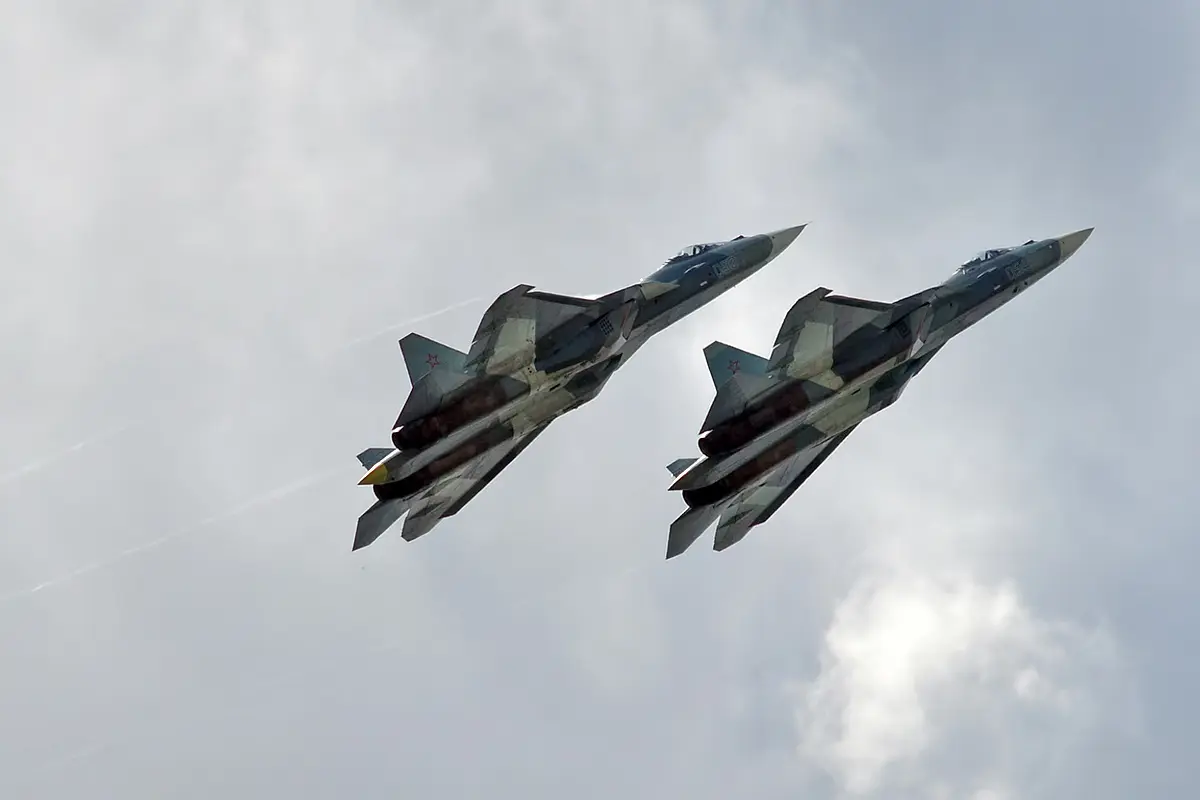
Stealth Design - Radar Cross-Section Reduction
Fifth-generation fighters feature internal weapons bays and shaped fuselages reducing radar cross-section (RCS) to less than 0.1 square metres compared to fourth-generation RCS of 5-10 square metres. Stealth shaping reflects radar waves away rather than absorbing energy. Internal carriage eliminates external stores increasing radar reflectivity. Fourth-generation fighters rely on large radar profiles making detection easier. Su-57 and F-22 remain invisible to conventional radar until within visual range.
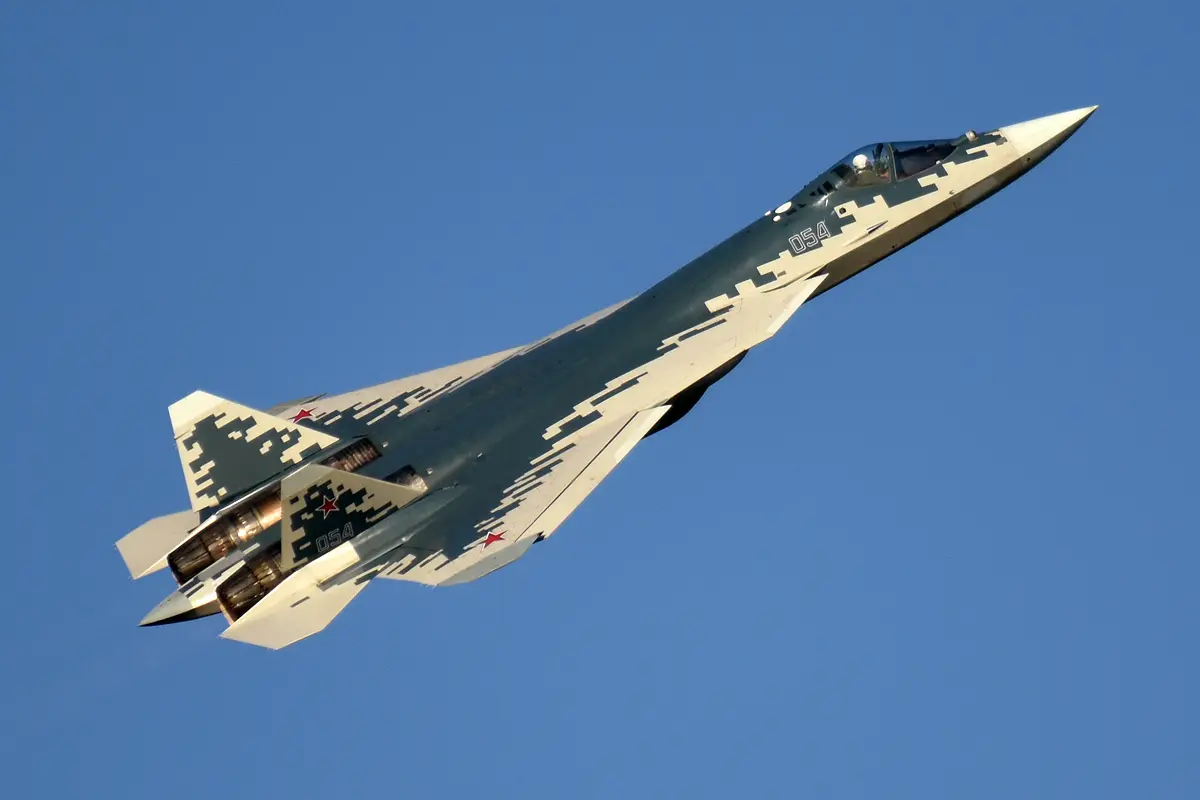
Sensor Fusion Architecture - Unified Information DisplaySensor Fusion Architecture - Unified Information Display
Fifth-generation fighters fuse data from multiple sensors creating single tactical picture displayed to pilots instantaneously. Radar electronic warfare IRST and communications merge into consolidated information reducing pilot workload. Fourth-generation fighters require pilots sequentially monitoring separate instruments causing information gaps. Data fusion enables threat identification in milliseconds versus minutes for older fighters. Integrated architecture provides decisive tactical advantage during engagements.
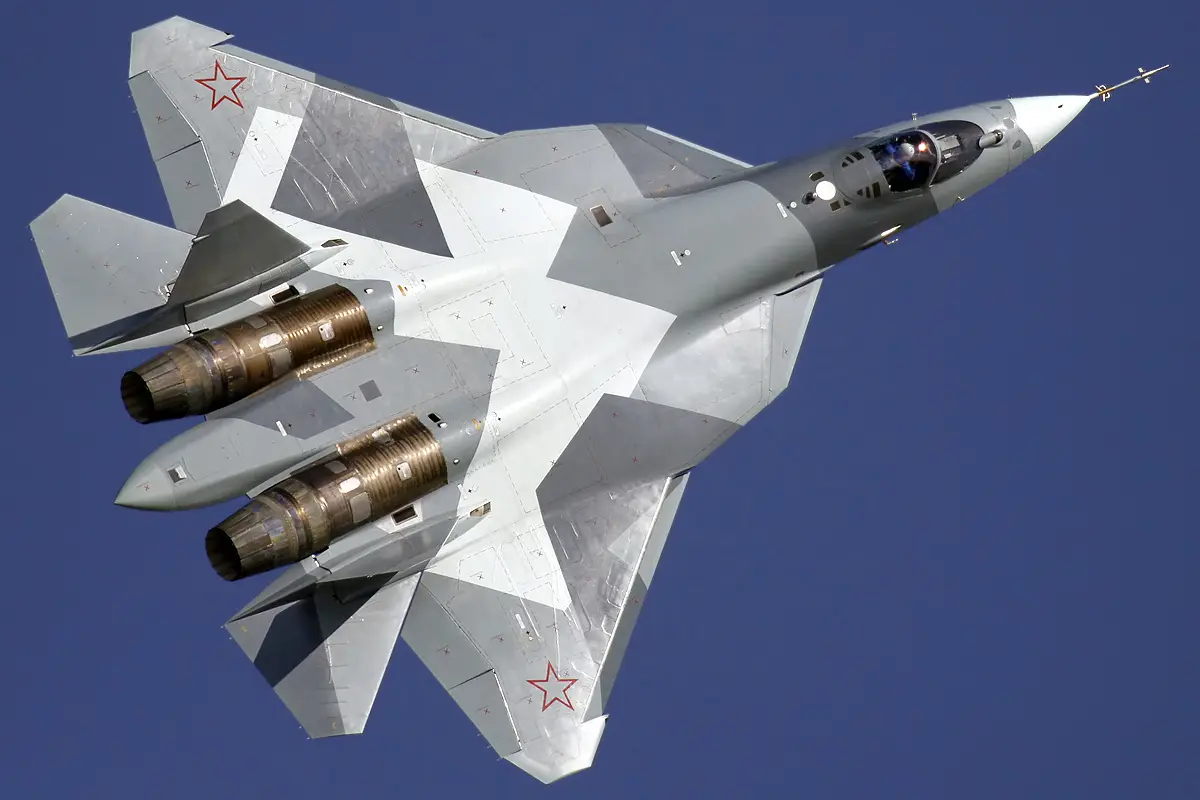
AESA Radar Technology - Active Electronic Scanning
Fifth-generation jets employ Active Electronically Scanned Array (AESA) radar providing simultaneous multi-target tracking while maintaining stealth through low-emission operation. AESA radar scans 60 degree arc tracking 30+ targets instantaneously. Fourth-generation mechanical radar arrays detect fewer targets sequentially emitting continuous waves revealing position. Su-57 AESA radar operates in LPI (Low Probability of Intercept) mode avoiding detection. Scanning speed exceeds mechanical systems by factor of ten.
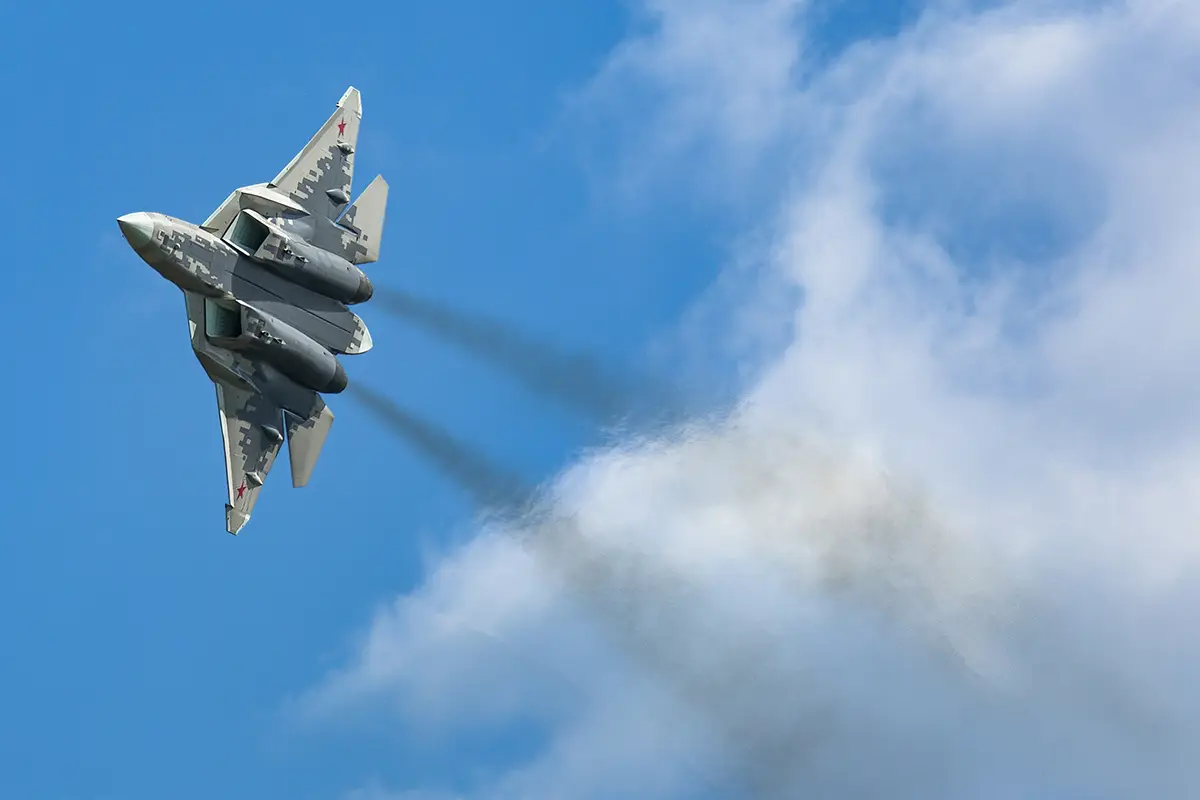
Supercruise Capability - Sustained Supersonic Flight
Fifth-generation fighters sustain supersonic speeds (Mach 1.5+) without afterburner reducing fuel consumption and heat signature. Su-57 supercruises at Mach 1.3-1.5 without burner; F-22 maintains Mach 1.5 continuously. Fourth-generation fighters require full afterburner for supersonic flight consuming fuel rapidly and creating massive heat signature visible to infrared sensors. Supercruise enables surprise penetration of defended airspace. Extended range missions become feasible without refuelling.
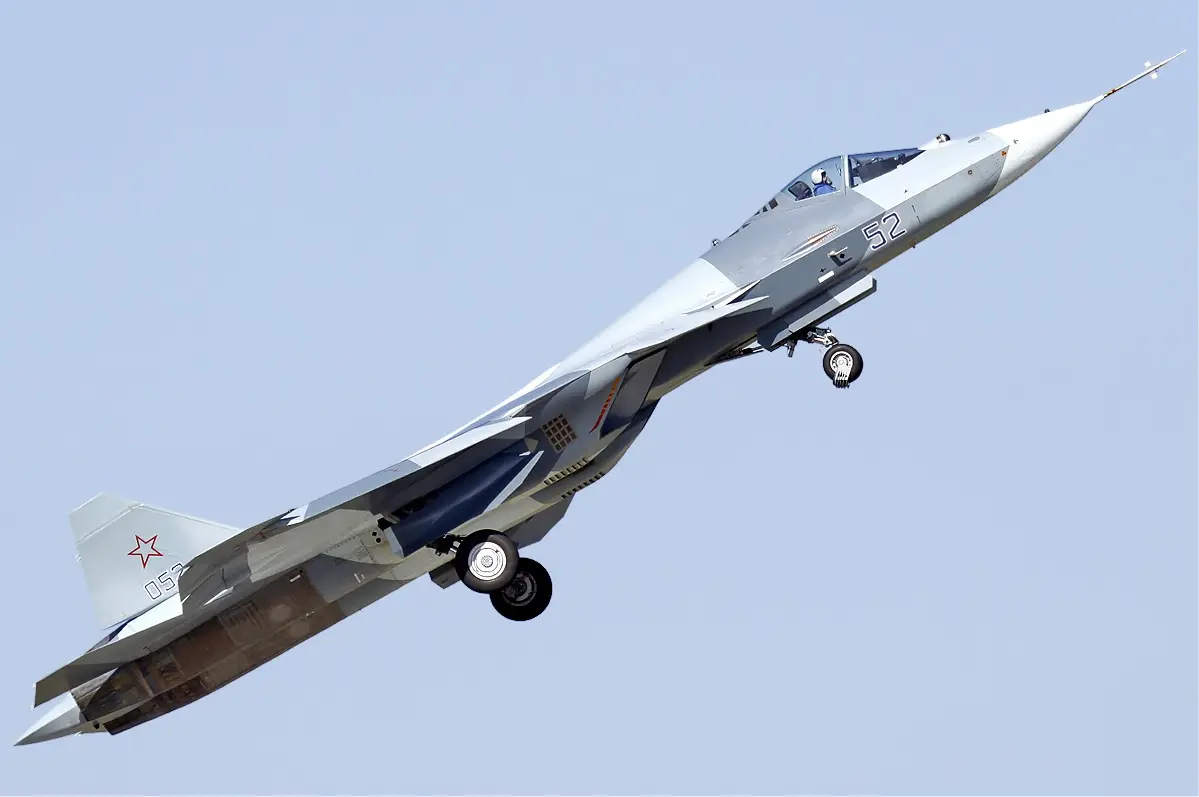
Internal Weapons Bays - Stealth Payload Carriage
Fifth-generation jets carry missiles and bombs internally eliminating external drag and radar reflections. Su-57 internal bays hold 10,000 kilograms payload maintaining stealth profile. Fourth-generation fighters mount missiles on external pylons increasing drag by 20-30 percent and RCS by factor of five. Internal carriage enables rapid manoeuvre without aerodynamic penalties. Concealed loadout provides tactical surprise in combat.
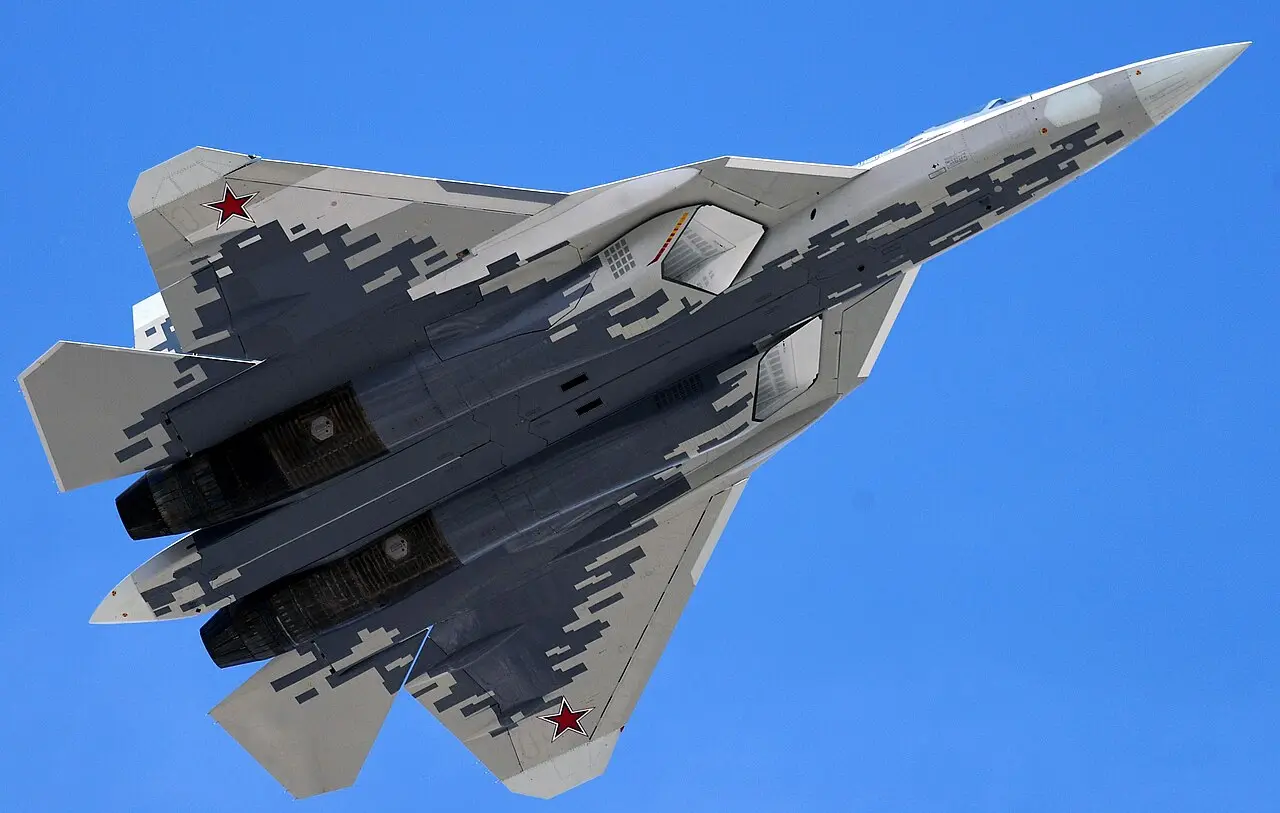
Artificial Intelligence Assistance - AI Co-Pilot System
Fifth-generation fighters integrate AI systems providing real-time tactical suggestions threat analysis and automated threat response. Su-57 AI co-pilot identifies targets manages navigation and handles routine operations reducing pilot workload significantly. Fourth-generation fighters require pilots manually processing all information making decisions slower. AI acceleration compresses decision-making cycles from minutes to seconds. Pilots focus on strategy whilst AI manages execution.
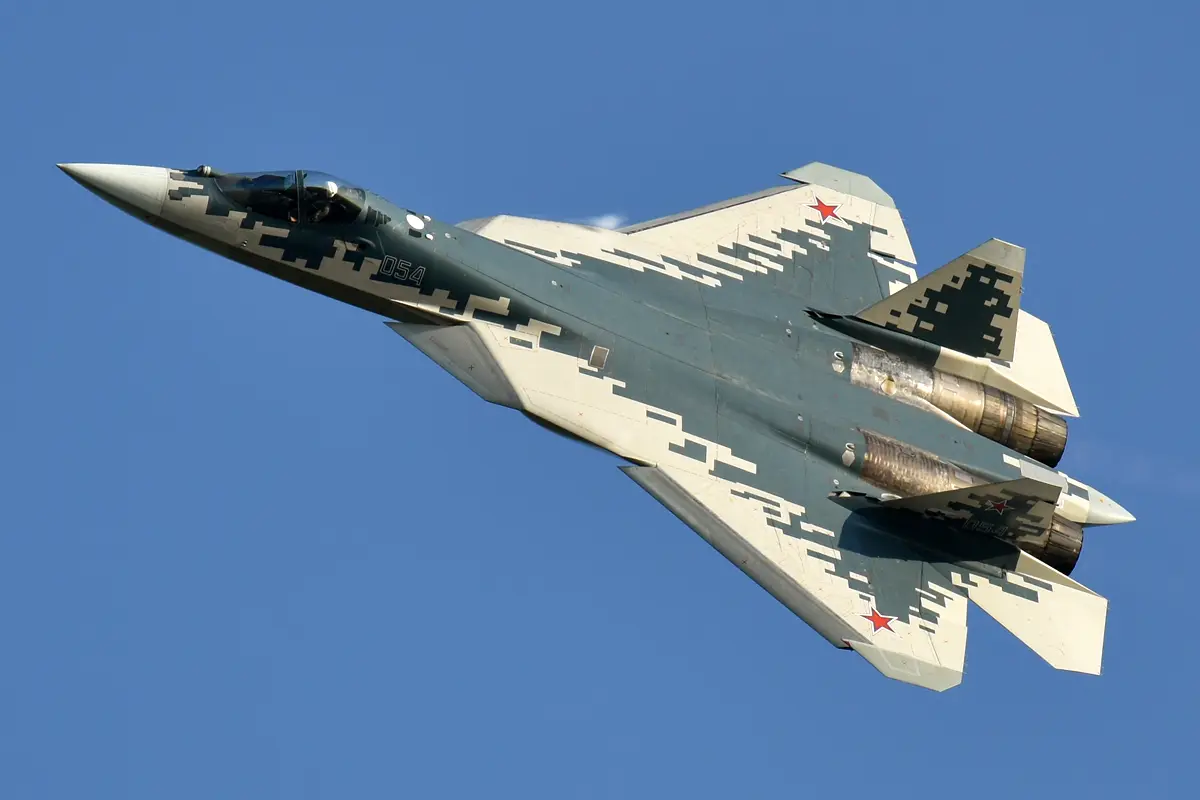
Network-Centric Warfare - Real-Time Data Sharing
Fifth-generation jets exchange tactical information with allied aircraft ships and ground stations creating unified battlespace awareness. Su-57 participates in multi-platform networks sharing sensor data with other fighters enhancing collective situational awareness. Fourth-generation fighters operate independently with limited external information sharing. Network connectivity provides advantage of seeing threats detected by other platforms simultaneously. Shared information accelerates threat response.
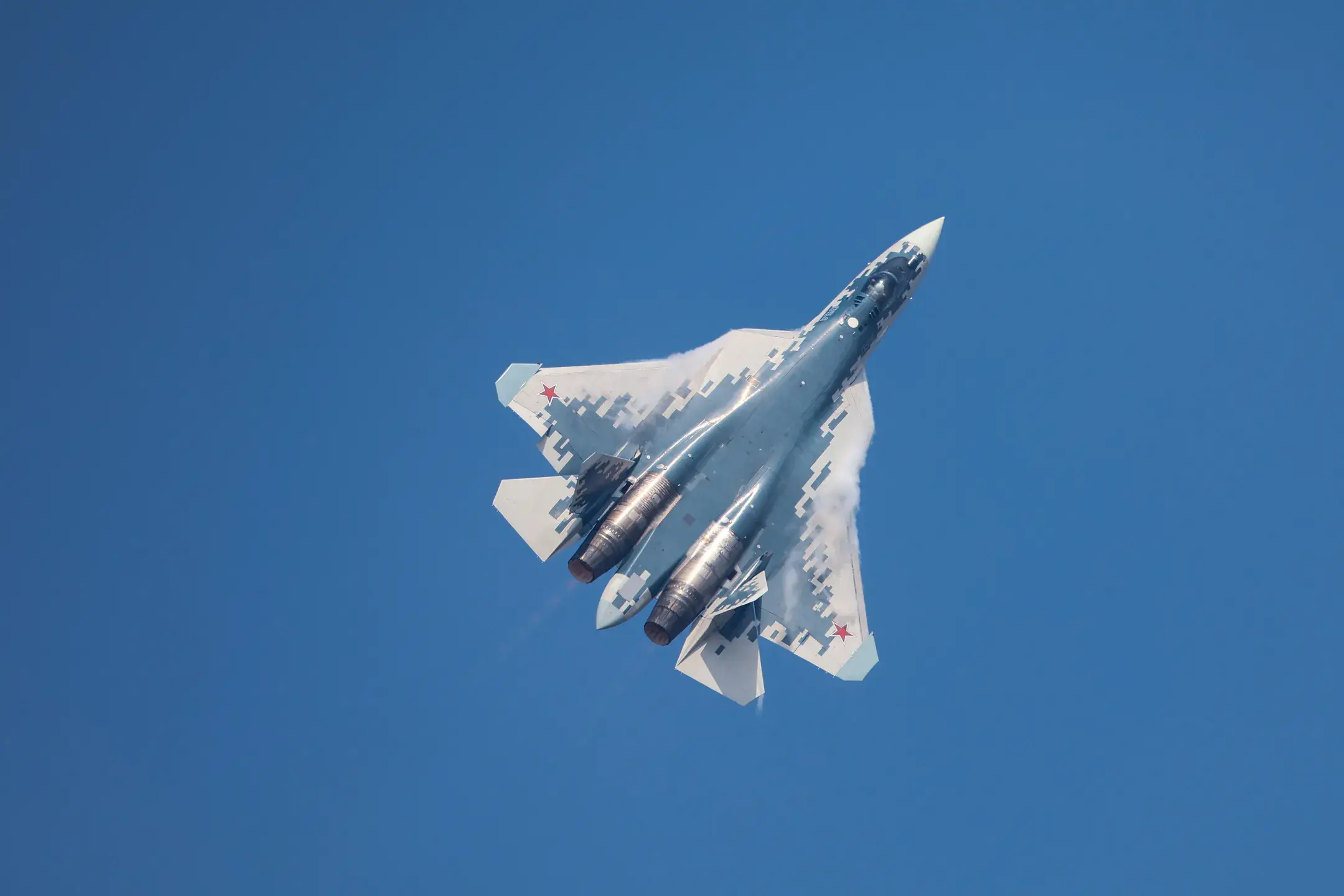
Advanced Flight Control Systems - Relaxed Stability Design
Fifth-generation fighters employ relaxed stability design managed by digital fly-by-wire enabling unprecedented agility at high angles of attack. Su-57 KSU-50 system maintains artificial stability supporting 30 degrees-per-second sustained turns. Fourth-generation aircraft maintain inherent stability limiting extreme manoeuvrability. Relaxed design allows rapid attitude changes impossible for conventional aircraft. Superior turning rate provides close-combat advantage.
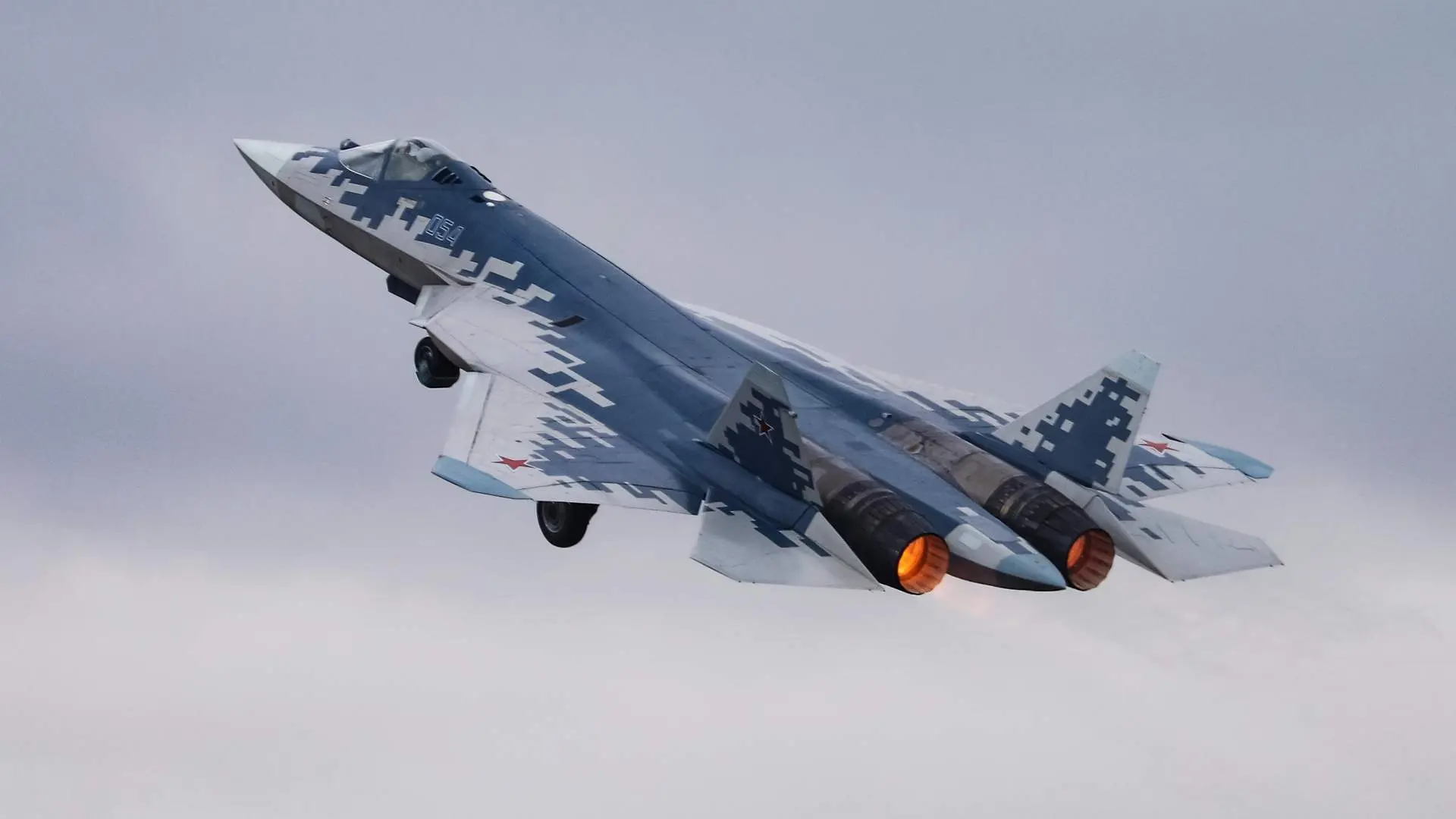
3D Thrust Vectoring - Multi-Axis Control Authority
Fifth-generation engines feature 3D thrust vectoring nozzles deflecting ±16 degrees across all axes. Su-57 differential engine control creates asymmetric thrust providing roll moments independent of control surfaces. Fourth-generation fighters lack thrust vectoring capability relying entirely on aerodynamic control surfaces. Vectored thrust maintains authority at low speeds where aerodynamic surfaces lose effectiveness. Control retention at stall speeds provides tactical surprise.
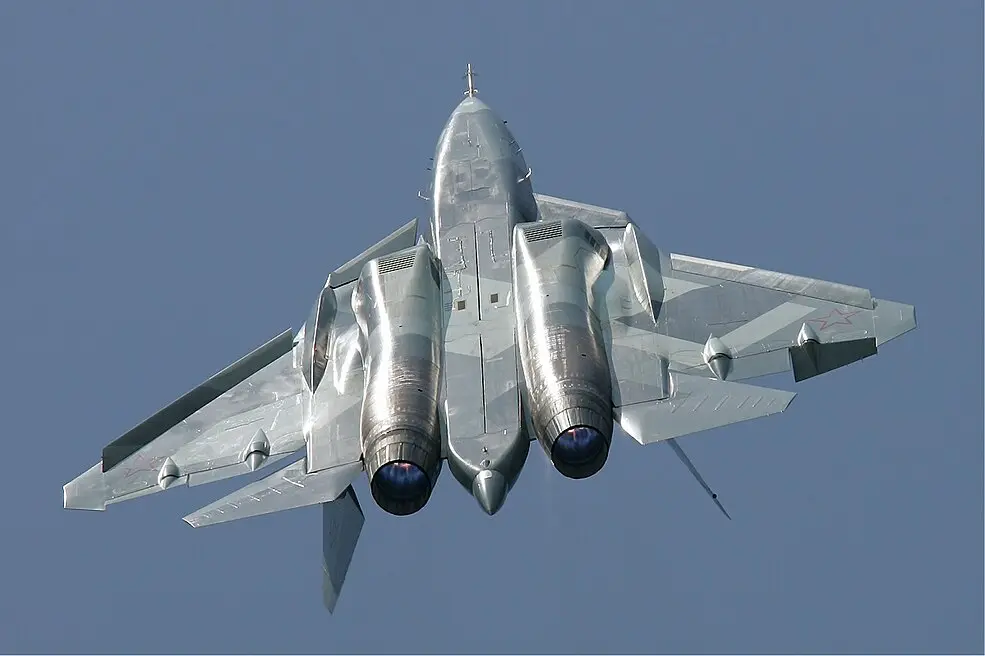
Integrated Avionics - Helmet-Mounted Displays
Fifth-generation cockpits feature helmet-mounted displays projecting flight and targeting data directly on pilot visor providing 360-degree awareness. Su-57 helmet system displays information as pilot looks around maintaining visual contact simultaneously. Fourth-generation fighters require head-down instrument scanning creating awareness gaps during combat. Head-mounted technology eliminates distraction enabling focus on threats. Situational awareness improvements translate to combat effectiveness.
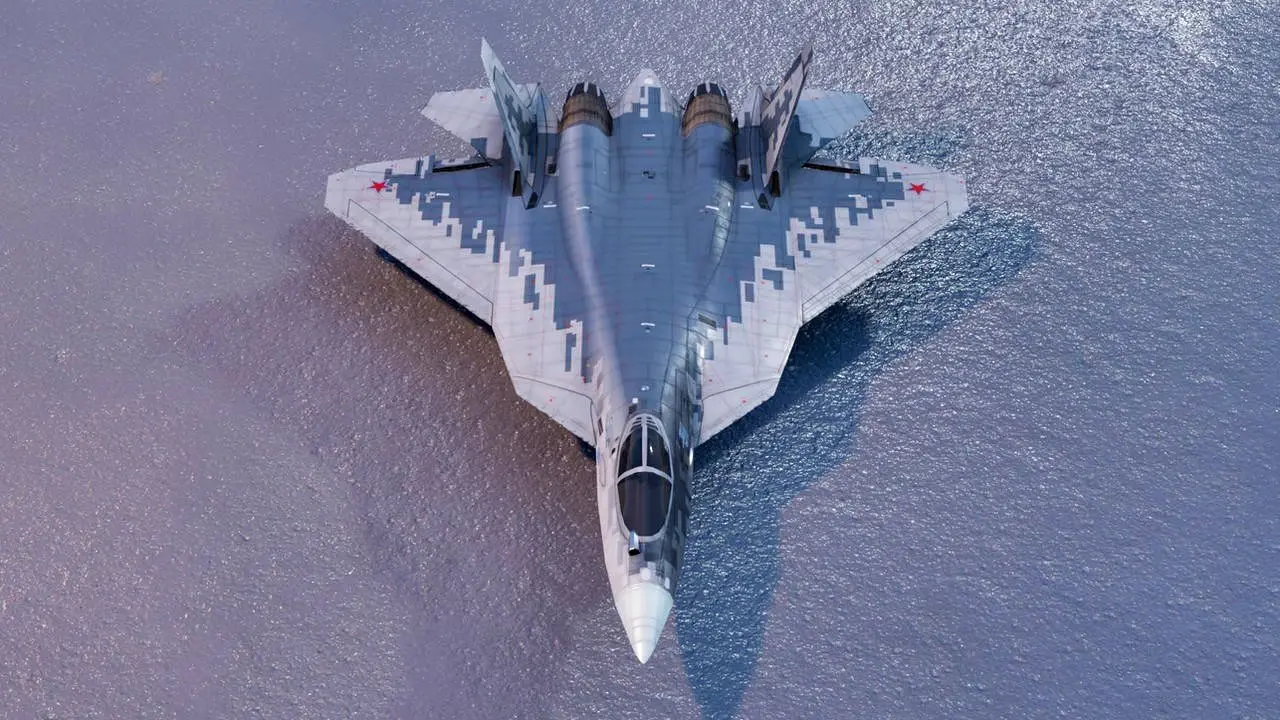
Detection Range Advantage - 200-Kilometre Early Warning
Fifth-generation fighters detect fourth-generation aircraft at 200 kilometres whilst remaining invisible until visual range. Superior radar and processing enables long-range missile shots before conventional fighters know they are targeted. Mach 2+ interception speed enables rapid engagement after detection. Fourth-generation fighters cannot perceive fifth-generation threats until within visual range creating asymmetric advantage. First-look first-shot capability overwhelmingly favours fifth-generation aircraft.
)
)
)
)
)