100 years of Essel Group: Marking an ‘impression of a century’ through innovation and entrepreneurial spirit

Over the course of a century, the company has expanded through multiple phases of Indian economic history, from the pre-liberalisation era to the rise of satellite television and the digital economy.
From Adampur to a Global Conglomerate
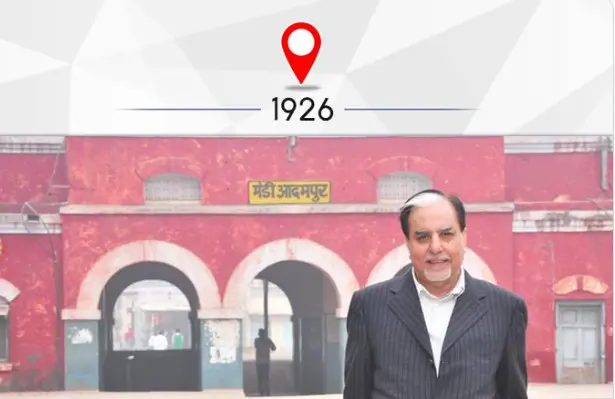
Essel Group’s 100-year journey mirrors the evolution of modern Indian enterprise itself. Founded in 1926 in the small town of Adampur, the group grew from a traditional trading business into one of India’s most recognisable conglomerates, with operations spanning media, packaging, entertainment, infrastructure, education, finance, real-estate, lifestyle, technology and more, across more than 190 countries. Over the course of a century, the company has expanded through multiple phases of Indian economic history, from the pre-liberalisation era to the rise of satellite television and the digital economy. The group says its businesses have generated employment opportunities for more than 10 million people nationwide.

Reinventing the Business Model
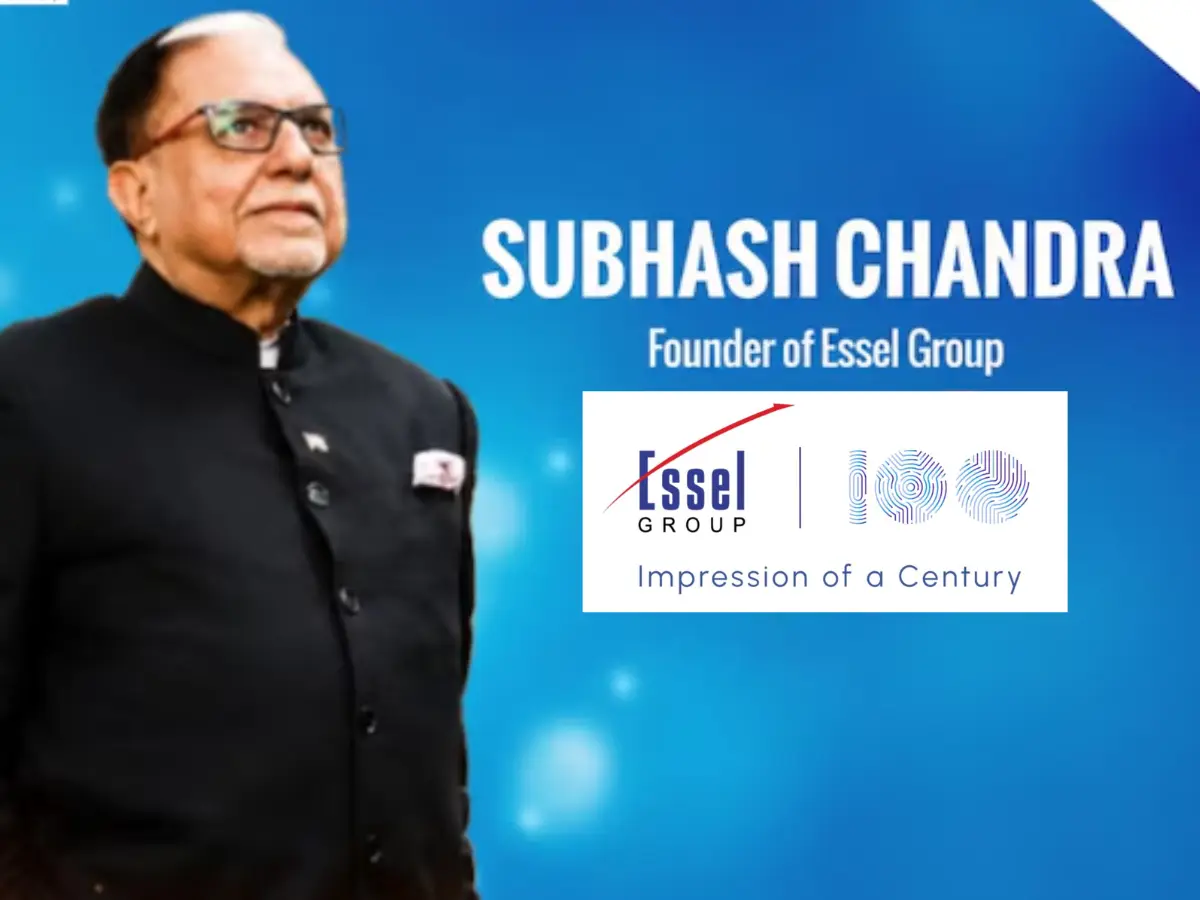
The defining shift in Essel Group’s history came after 1967, when it moved beyond commodity trading into army supplies and cross-border trade. Over time, the conglomerate adopted what it describes as a “start-up culture”, regularly entering emerging sectors while also shutting businesses that did not meet profitability or growth expectations. The business was founded by Late Ram Gopal Ji and later expanded by Jagannath Ji Goenka, with support from Nand Kishore Ji. In later decades, the group was led by the visionary Dr. Subhash Chandra alongside his brothers Jawahar Goel, Laxmi Narain Goel and Ashok Goel. Today, Essel Group remains one of the few Indian family-run conglomerates transitioning across six generations while maintaining active involvement from the fourth and fifth generations.

The Packaging Breakthrough
One of Essel Group’s earliest industrial successes came through Essel Propack, which introduced laminated plastic tube technology to India. The company went on to establish manufacturing plants across all five continents and became one of the world’s largest laminated tube manufacturers. At one stage, the group stated that tubes produced by the company were used by ‘one-third of humanity’ while brushing their teeth, a reflection of its global scale in consumer packaging. The expansion also marked an important milestone in Indian business history, with Essel Propack becoming one of India’s first multinational manufacturing companies.
The Rise of Essel World
Long before India’s organised leisure industry developed at scale, Essel Group entered the amusement and tourism sector with Essel World, described by the company as Asia’s largest amusement park at the time of its launch. The venture helped formalise large-scale leisure entertainment in India and contributed to tourism, hospitality and urban infrastructure growth. The park became one of Mumbai’s most recognisable entertainment destinations and reflected the group’s strategy of building industries that had limited organised presence in the country.
How Zee Changed Indian Television
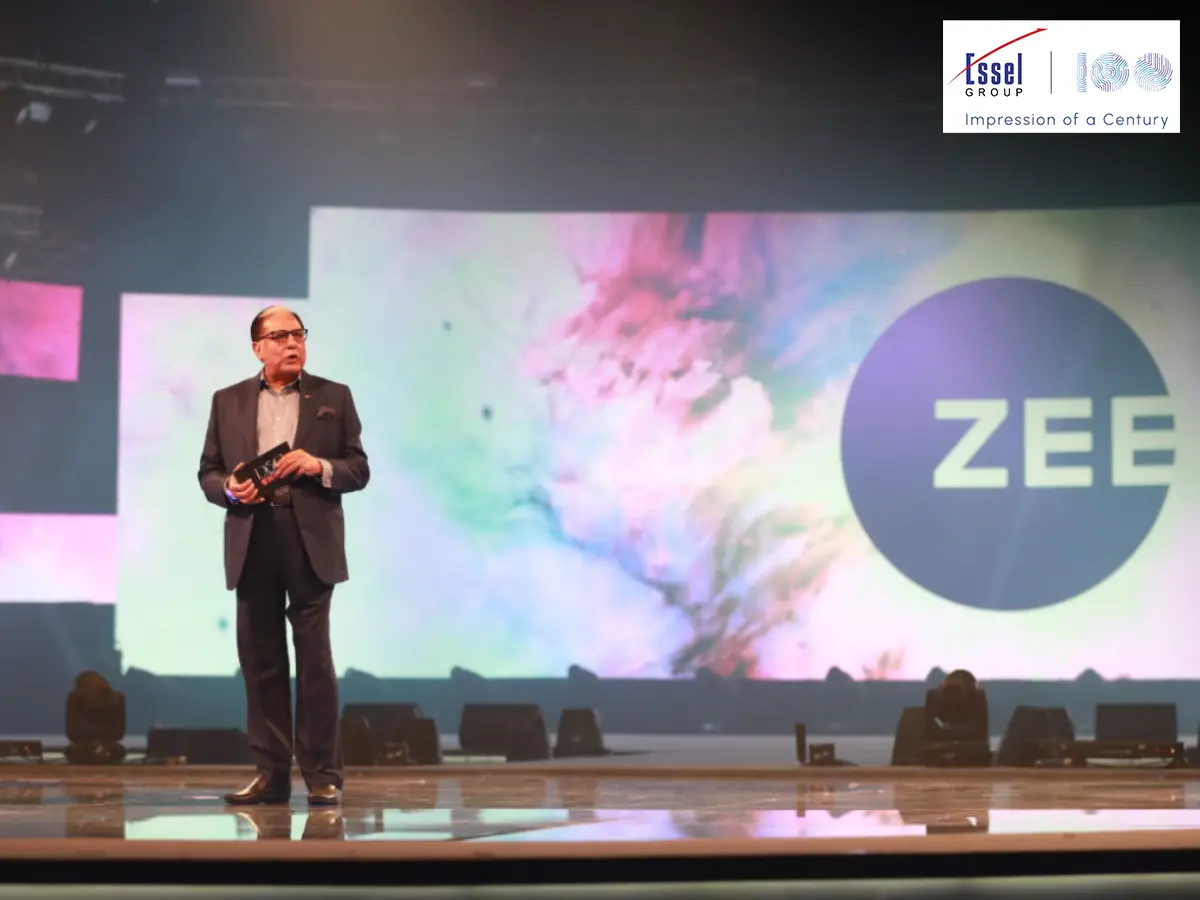
Essel Group’s biggest impact arguably came through broadcasting. In 1992, the conglomerate launched Zee TV, India’s first private satellite television channel, fundamentally altering the country’s media landscape. Three years later, it launched Zee News, India’s first private news channel. At a time when state-run broadcasters dominated television, the entry of private satellite channels changed how Indians consumed news and entertainment. The group also expanded into cable and direct-to-home distribution through Siti Cable and Dish TV, helping accelerate the growth of subscription television across Indian households. Essel Group argues that these ventures helped transform media and entertainment into one of India’s largest employment-generating sectors after information technology, while also increasing foreign investment into the industry.
Expansion Beyond Media
Beyond entertainment, the conglomerate diversified aggressively into education, infrastructure and finance. Through Zee Learn, the group expanded into the education sector with schools, higher education institutions and more than 2,500 KidZee pre-schools, which it describes as Asia’s largest preschool chain. Its infrastructure business contributed to highways, urban water systems and power distribution projects in multiple states, while Essel Finance focused on lending and financial services for small and medium enterprises. These businesses reflected Essel Group’s broader strategy of building integrated operations across sectors tied to consumer growth and urban development.

Social Initiatives and Community Outreach
The group has also invested in social and educational initiatives through organisations including Ekal Vidyalaya, Global Vipassana Foundation and the Subhash Chandra Foundation. According to the company, these initiatives focus on rural empowerment, women’s welfare and educational outreach in villages across India. The foundation also plans to expand motivational and youth-focused programmes in the coming years.
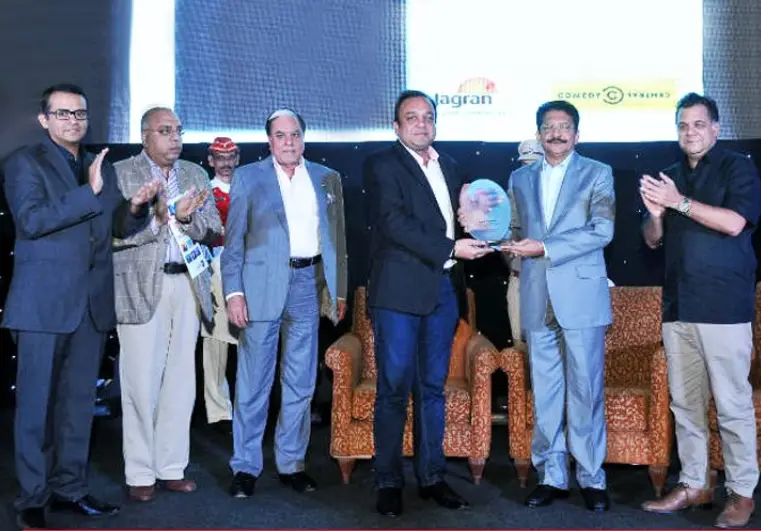
Subhash Chandra on the Group’s Legacy
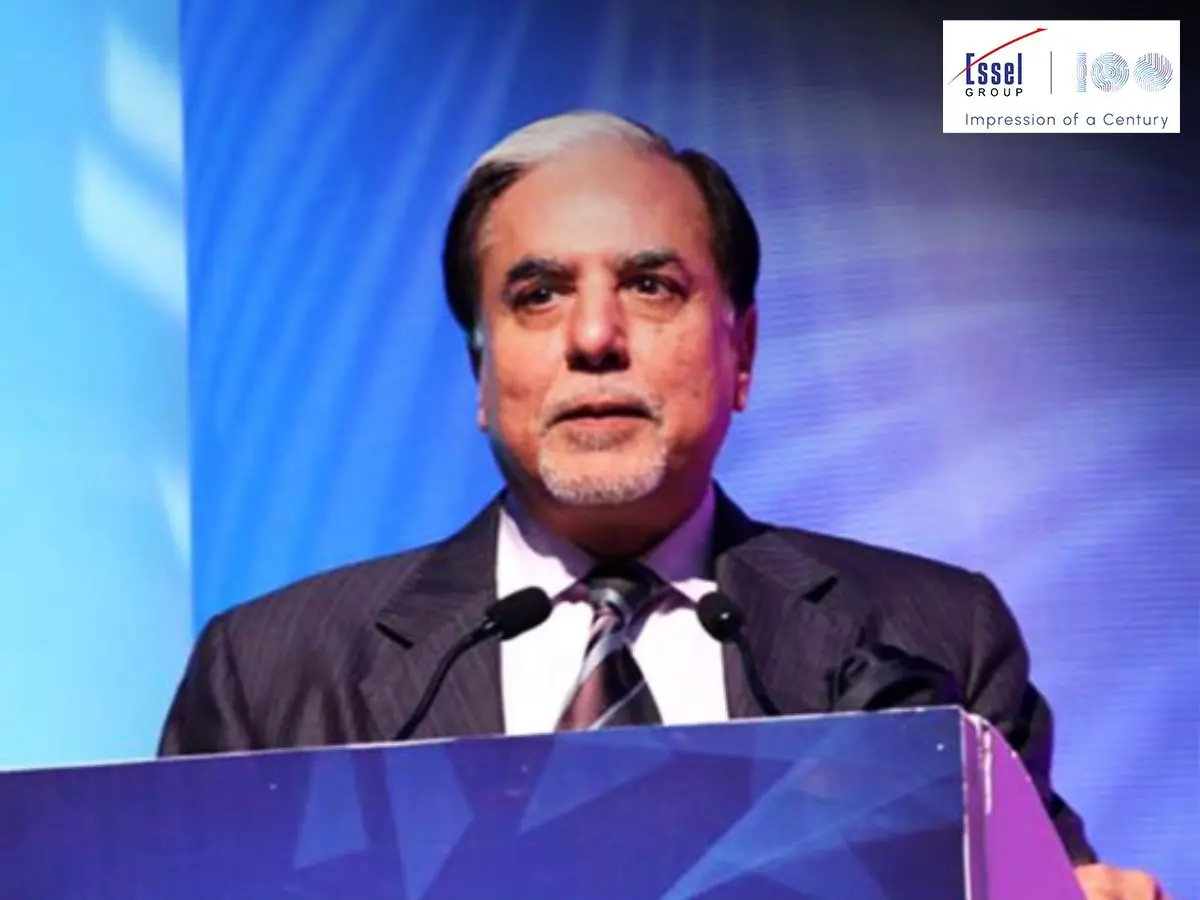
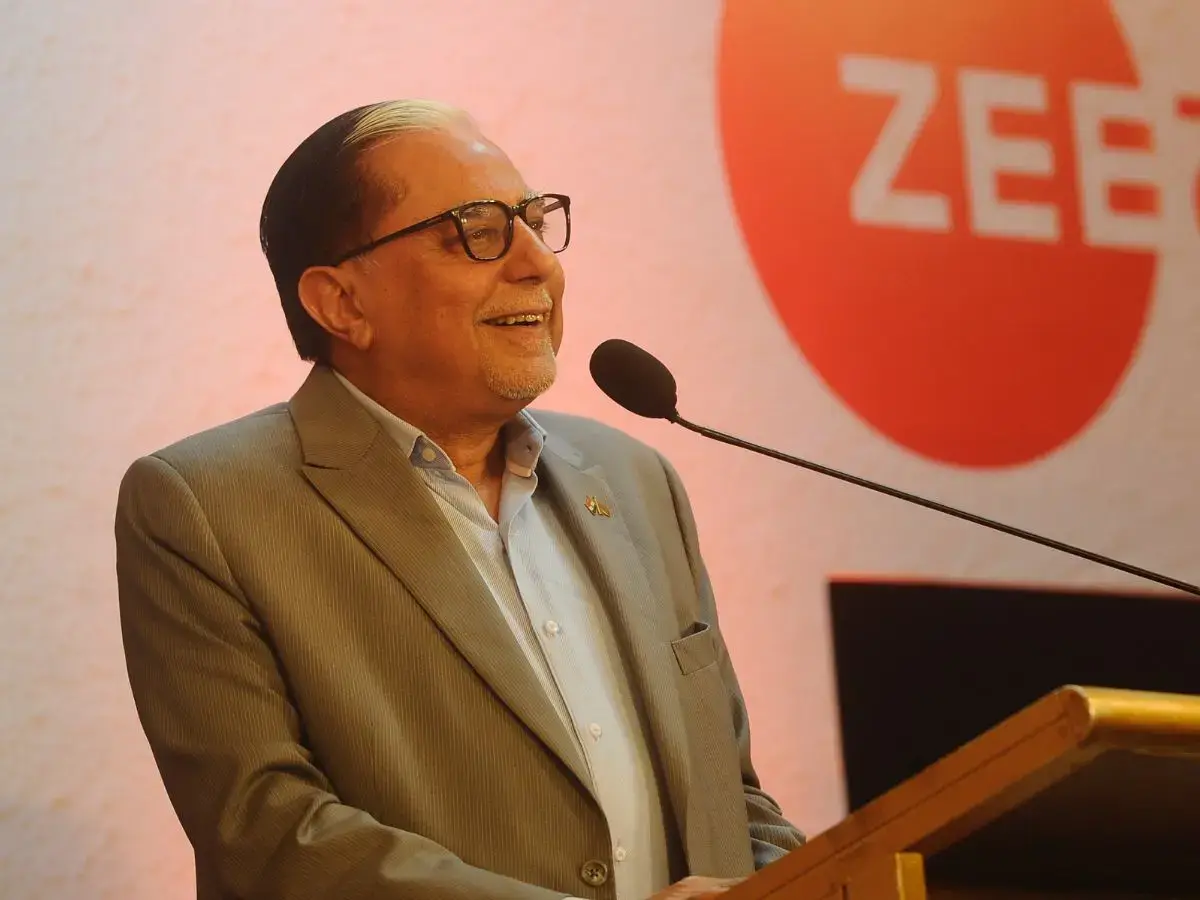
Marking the centenary, Dr. Subhash Chandra addressed more than 10,000 employees globally during a special townhall meeting. Reflecting on the group’s journey, he said: “Essel Group’s journey has been one of persistence, resilience, innovation and growth.” “Our belief that progress must create value for the society and Nation at large has guided the pioneering steps undertaken by the Group across every business dimension,” he added. Dr. Chandra also described the milestone as “100 years that has been built by generations of vision and courage to venture into the unknown”.
The Next Phase
As it enters its second century, Essel Group says technology and digital platforms will remain central to its future strategy. The company plans to focus on integrated digital ecosystems and what it describes as the growing “attention economy”. The shift reflects the changing priorities of Indian conglomerates as traditional businesses increasingly intersect with streaming, digital media, technology and platform-driven engagement. After a century of expansion across industries, Essel Group’s legacy remains most closely tied to its role in reshaping Indian television and private broadcasting, a transformation that permanently changed how the country consumed entertainment and information.
)
)
)
)
)