100 things you didn’t know about Tyler Robinson, Lance Twiggs & Charlie Kirk case

Robinson’s family background is still under investigation, but early reports suggest a middle-class upbringing. Relatives have not made public statements, adding layers of mystery around his motivations.
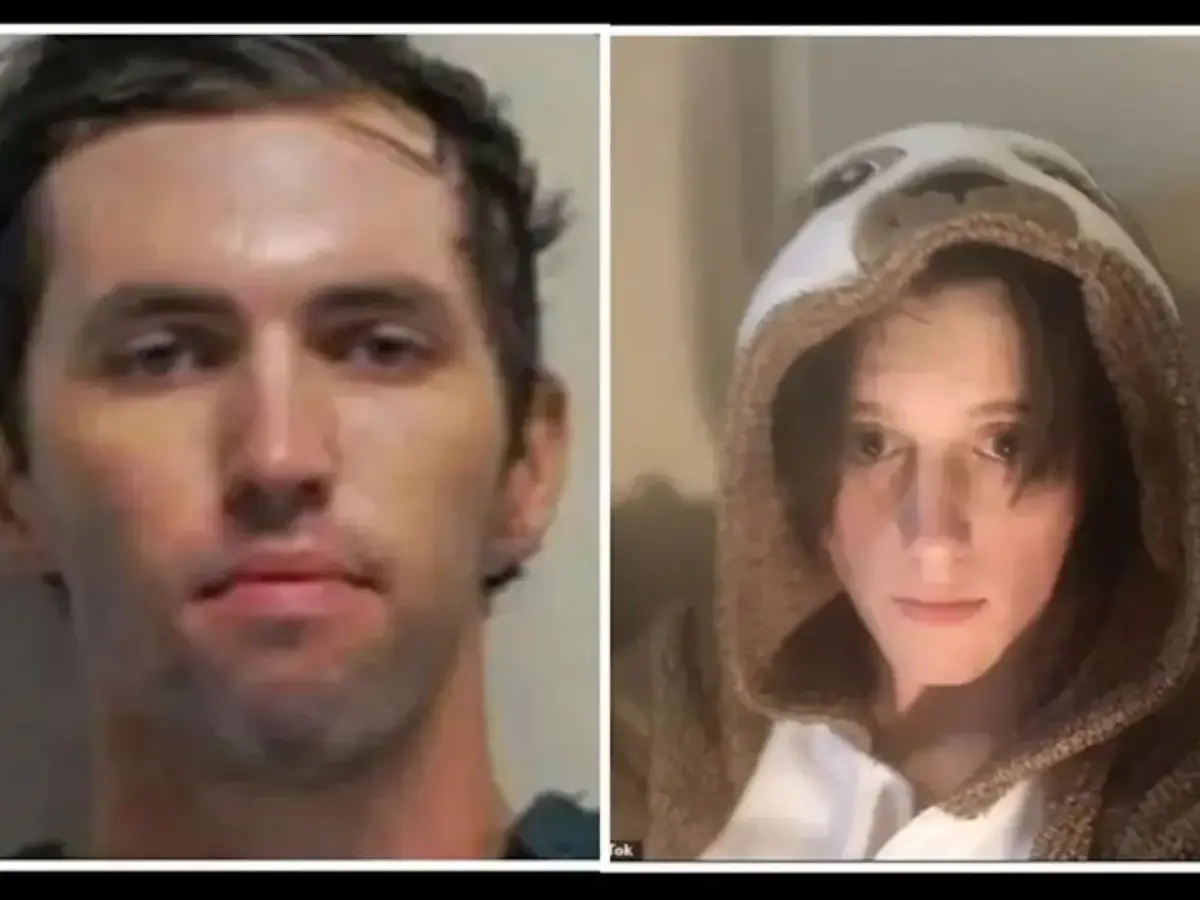
The Small-Town Beginning
Tyler Robinson grew up in a quiet town in Utah, a background that contrasts starkly with the violent act he’s accused of. Neighbors describe his early years as ordinary, making the alleged crime all the more shocking.
Family Roots
Robinson’s family background is still under investigation, but early reports suggest a middle-class upbringing. Relatives have not made public statements, adding layers of mystery around his motivations.
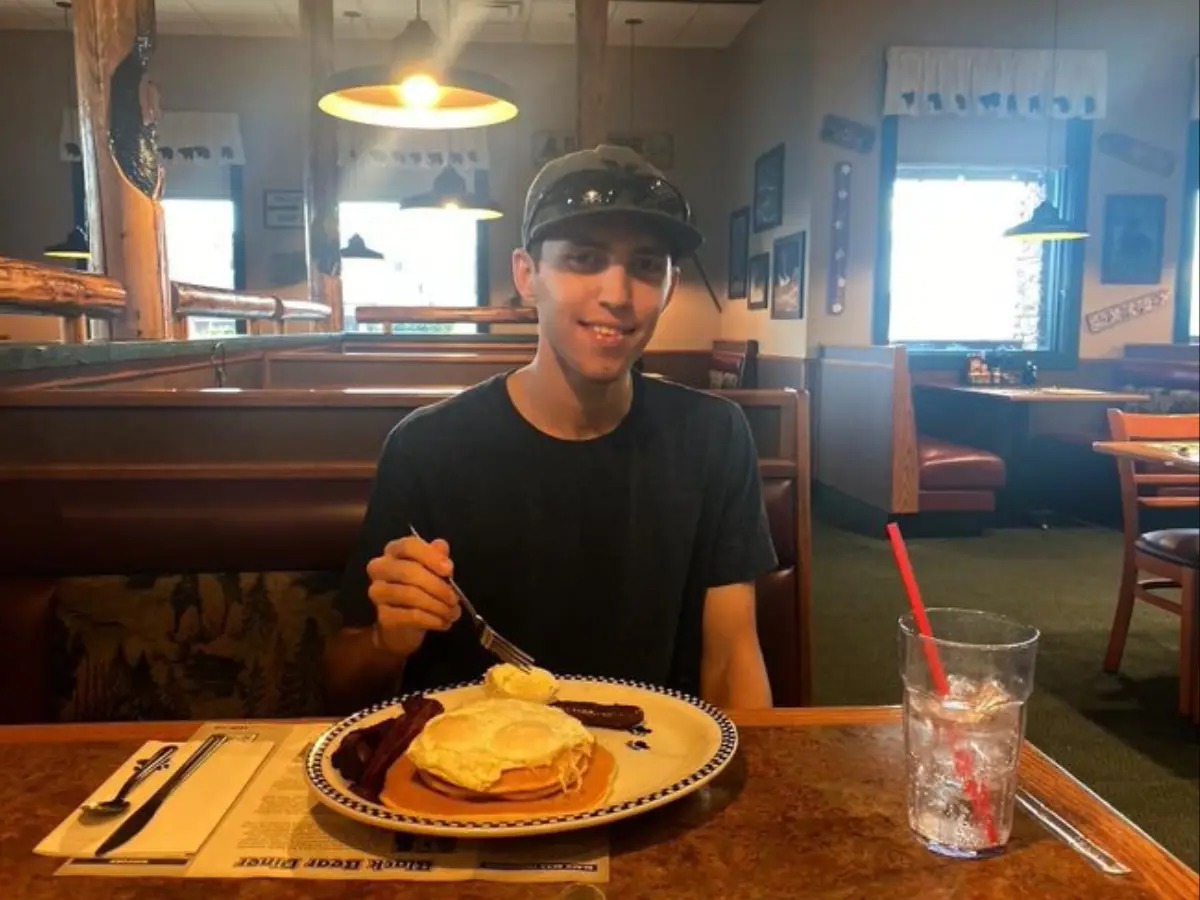
School Life
Teachers and classmates recall him as quiet and reserved. While he wasn’t considered a troublemaker, his lack of close friendships is being reexamined in light of recent events.
First Signs of Isolation
Investigators believe Robinson began showing signs of social withdrawal in his teenage years, spending more time online than in physical social circles.
Digital Footprint Emerges
His online presence is now under intense scrutiny. Law enforcement is combing through years of posts, comments, and forum activity that may hint at radicalization.
A Love for Internet Forums
Robinson reportedly spent hours on niche online communities. Some of these spaces are now being probed for possible extremist content.
Obsession with Politics
Though not a household name in politics, Robinson allegedly developed an unusual fixation with conservative figures, including Charlie Kirk.
Shifting Ideologies
At different times, Robinson expressed conflicting beliefs online. Investigators suggest this instability might point to a deeper psychological struggle.
No Clear Employment Path
Records indicate Robinson had patchy employment history. This inconsistency is being examined as part of his financial and psychological profile.
Online Gaming and Escapism
Friends recall him using online games as both an escape and a social outlet, but some communities he joined are now linked to fringe ideologies.
A Heavy Social Media Footprint
Investigators are piecing together Robinson’s years of posts, some of which reportedly include angry rants about politics and culture wars.
Reddit Communities of Interest
He reportedly frequented certain Reddit groups that mix humour, memes, and politics. Some of these forums are now under FBI review.
Twitter Arguments
Robinson often argued with strangers on Twitter/X. Screenshots reveal heated exchanges with conservatives, sometimes tagging Charlie Kirk directly.
TikTok Activity
Though not a creator, Robinson followed political creators on TikTok, liking videos critical of conservative influencers.
Discord Channels
Investigators are looking at Discord servers Robinson participated in, some reportedly connected to activist networks.
Memes as Propaganda
Friends noted his obsession with memes. What started as humor sometimes turned into politically charged or extremist content.
Adoption of Internet Slang
Robinson often used slang and coded language from online communities, which made his posts difficult for outsiders to interpret.
The Digital Echo Chamber
Analysts believe Robinson was trapped in an online echo chamber, where his views were reinforced instead of challenged.
Warning Signs in Posts
Some of his older posts are now being flagged as potential red flags, dark humour, veiled threats, and violent metaphors.
Anonymity and Pseudonyms
Robinson sometimes used multiple online identities, making it harder to track his complete digital activity.
The Turning Point
Somewhere in late 2023, Robinson’s posts shifted from general commentary to obsessive focus on conservative leaders.
Charlie Kirk as a Target
Investigators suggest Robinson singled out Kirk months before the assassination. His fixation included repeated mentions online.
Frustrations With Politics
Robinson’s writings often revealed anger at the state of politics, particularly conservative influence in youth spaces.
Connection to Activist Groups
The FBI is probing whether Robinson had direct ties to pro-trans or leftist groups online or offline in Utah.
Echoes of Radicalization
Experts say Robinson’s trajectory resembles other cases of online radicalization, where personal issues mix with ideology.
Religion and Belief Systems
Though unconfirmed, Robinson reportedly engaged in discussions about religion and morality online, sometimes mocking conservatives’ faith.
Potential Mental Health Struggles
Family friends have hinted at possible mental health issues, which the defense may later highlight in court.
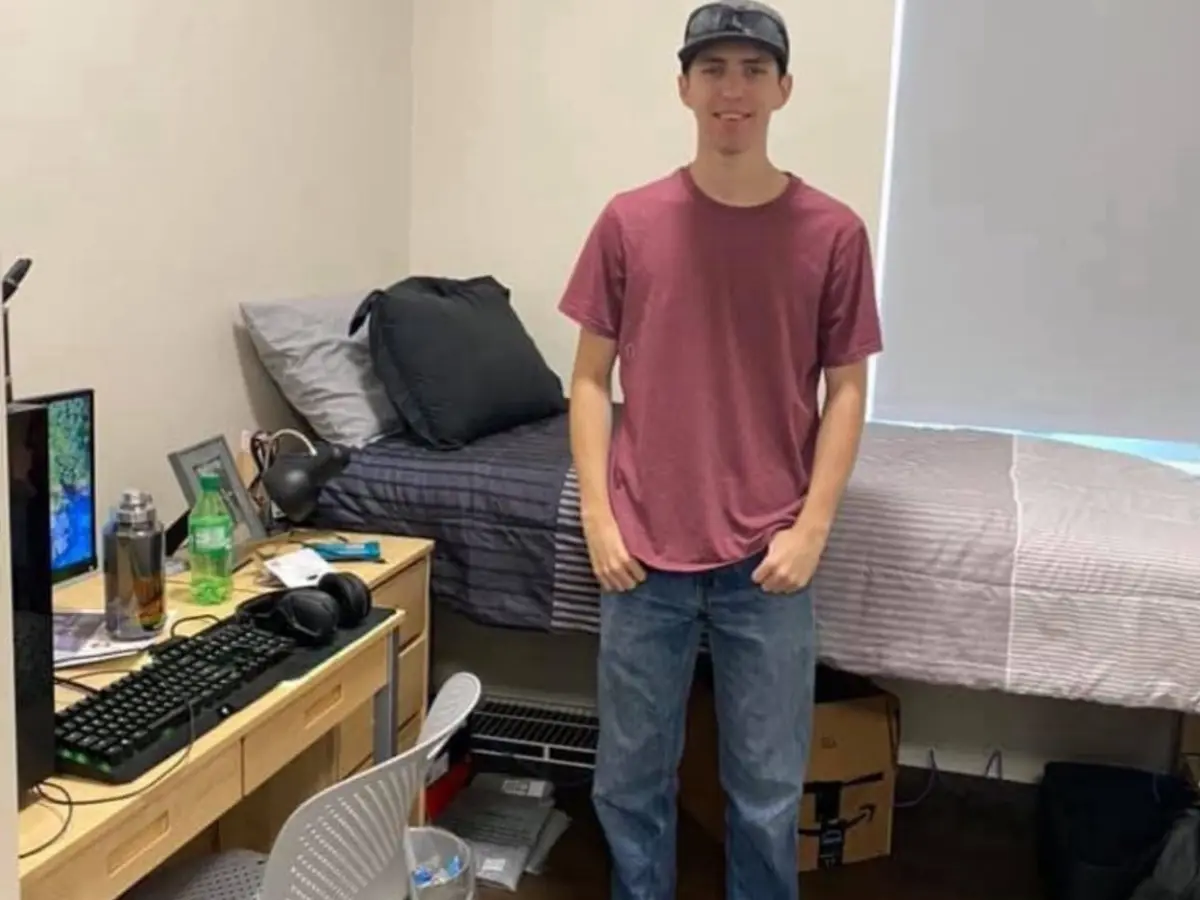
Pattern of Obsession
Robinson’s behavior fits a psychological pattern where fixation on a public figure escalates into violent intent.
Offline vs Online Persona
Neighbours described him as polite but distant in person, very different from the fiery tone of his online activity.
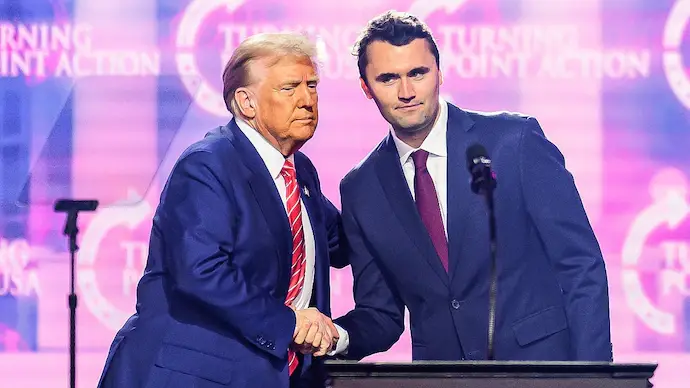
Anti-MAGA Sentiments
A recurring theme in his online life was disdain for MAGA figures, with Charlie Kirk being a consistent target.
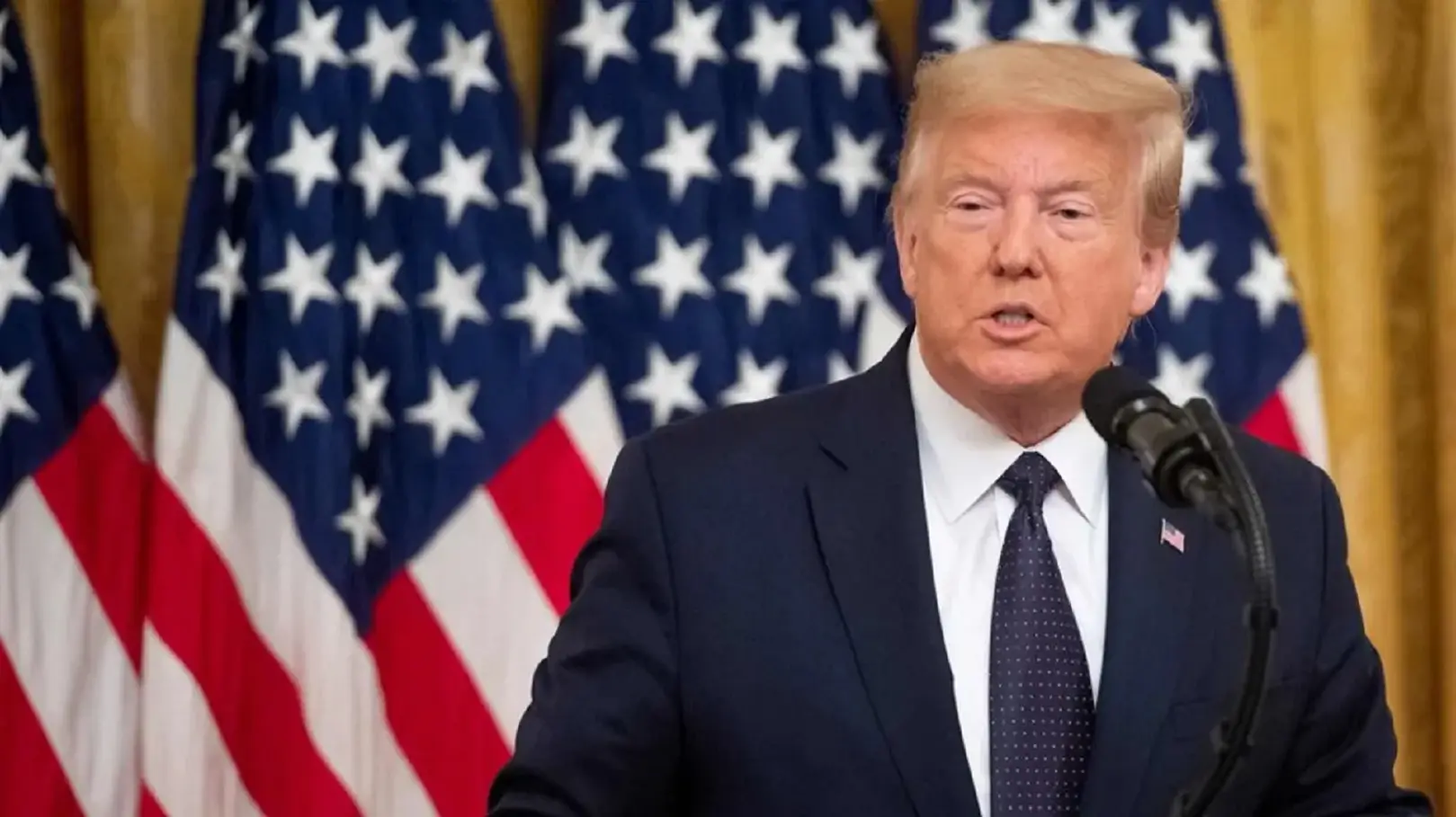
Surveillance of Conservative EventsSurveillance of Conservative Events
Investigators believe Robinson may have followed conservative rallies online, noting locations and schedules where Kirk was a speaker.
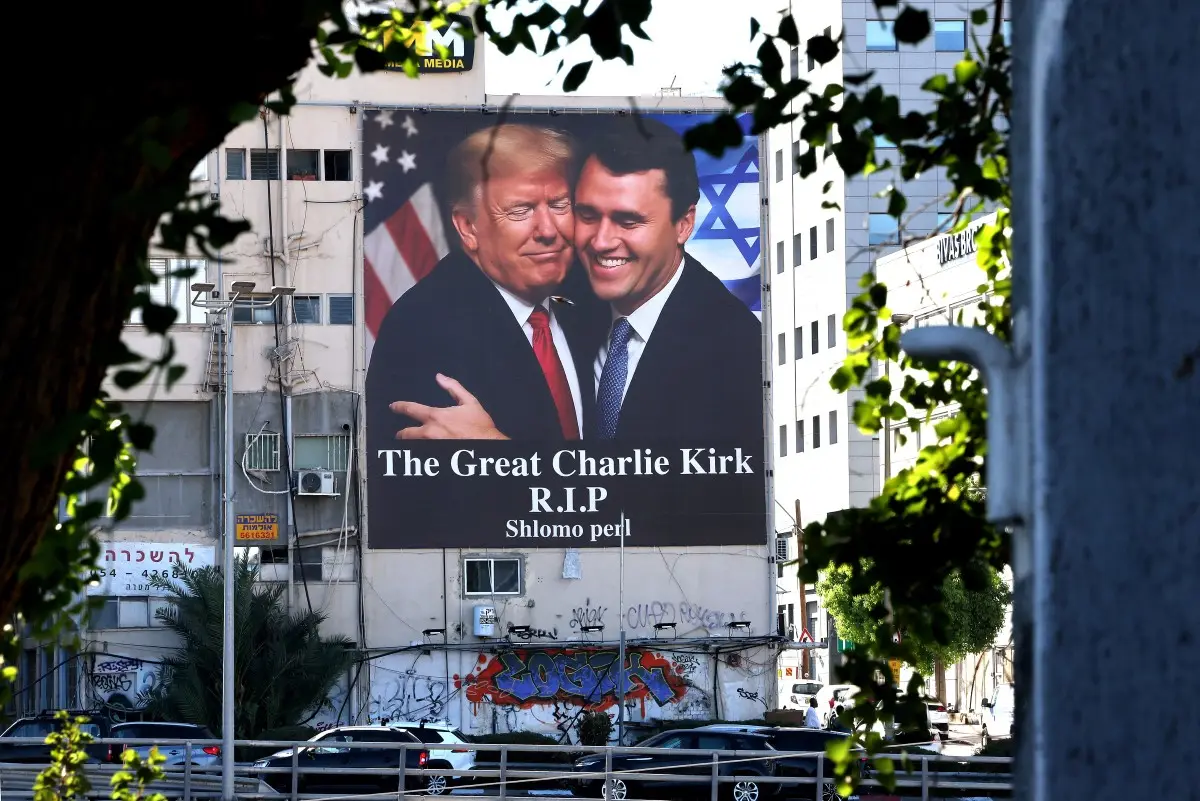
Researching Targets
Court filings suggest Robinson conducted online searches about Charlie Kirk’s events, including travel and security details.
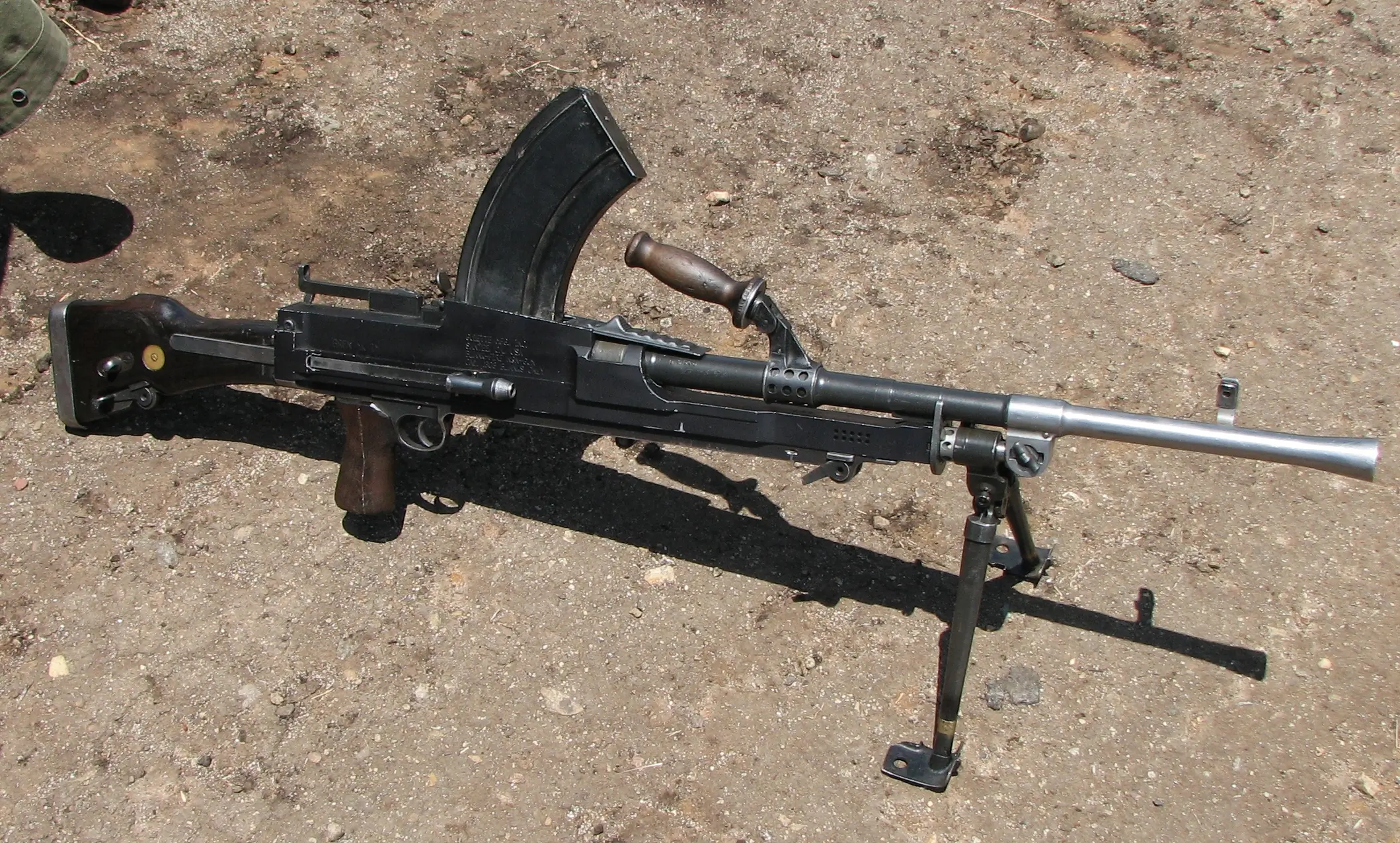
The Weapon Purchase
One of the biggest mysteries is how Robinson obtained his firearm. Law enforcement is tracing the origin and legality of the purchase.
Practice at Shooting Ranges
There are reports that Robinson visited local ranges. Detectives are investigating whether he practiced with the same weapon used in the attack.
Travel Logs Scrutinised
Investigators are piecing together his travel movements weeks before the shooting to check for surveillance or planning.
Financing His Plans
Despite irregular employment, Robinson somehow managed to cover travel and weapon expenses. Authorities suspect online crowdfunding or small payments from networks.
Digital Search History
Court records reveal he searched terms related to assassinations, political security, and police response times.
Cryptic Posts Before the Attack
In the days leading up to the assassination, Robinson’s social media included vague, ominous lines about “making history.”
Conversations With Online Friends
Some Discord users claimed Robinson hinted at “a big move” weeks before. Whether they knew specifics is still under investigation.
Warning Signs Missed
Family and friends may have missed subtle red flags in Robinson’s behavior—quiet isolation, dark jokes, sudden mood changes.
Day of the Attack
On the day of the shooting, Robinson traveled alone. CCTV footage is being reviewed to reconstruct his every move.
The Weapon Used
Investigators confirmed he used a semi-automatic firearm. Details about caliber and purchase history are key evidence.
Location of the Shooting
Charlie Kirk was targeted at a public event in Utah, where hundreds were present. Panic spread instantly.
Witness Chaos
Eyewitnesses describe chaos and screaming as shots rang out. Many initially thought it was a prank or fireworks.
Immediate Victim Response
Paramedics rushed Kirk to emergency care, but his injuries proved fatal within minutes.
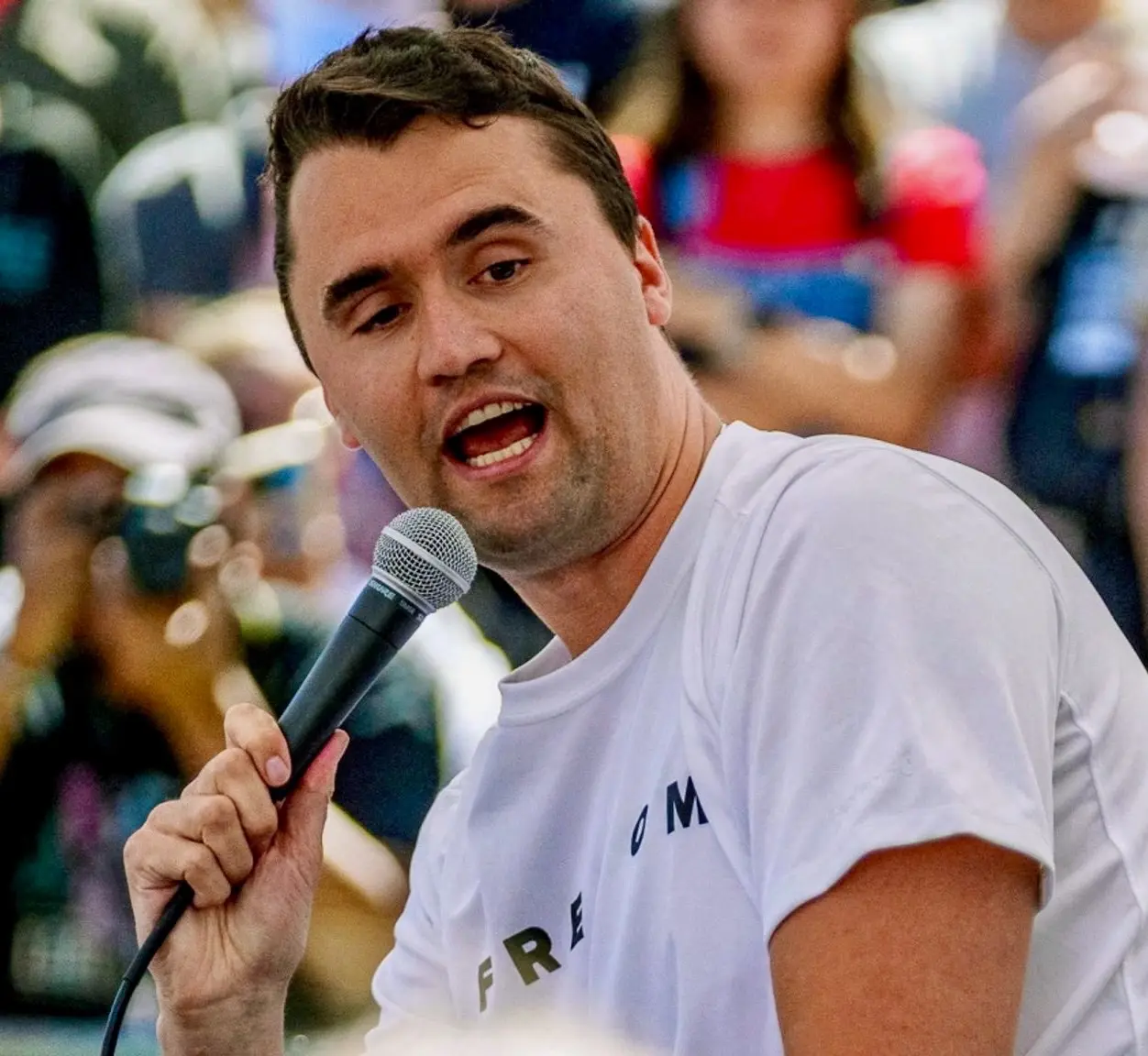
Public Panic Captured on Video
Multiple angles of the shooting surfaced online, spreading across social platforms before news outlets confirmed details.
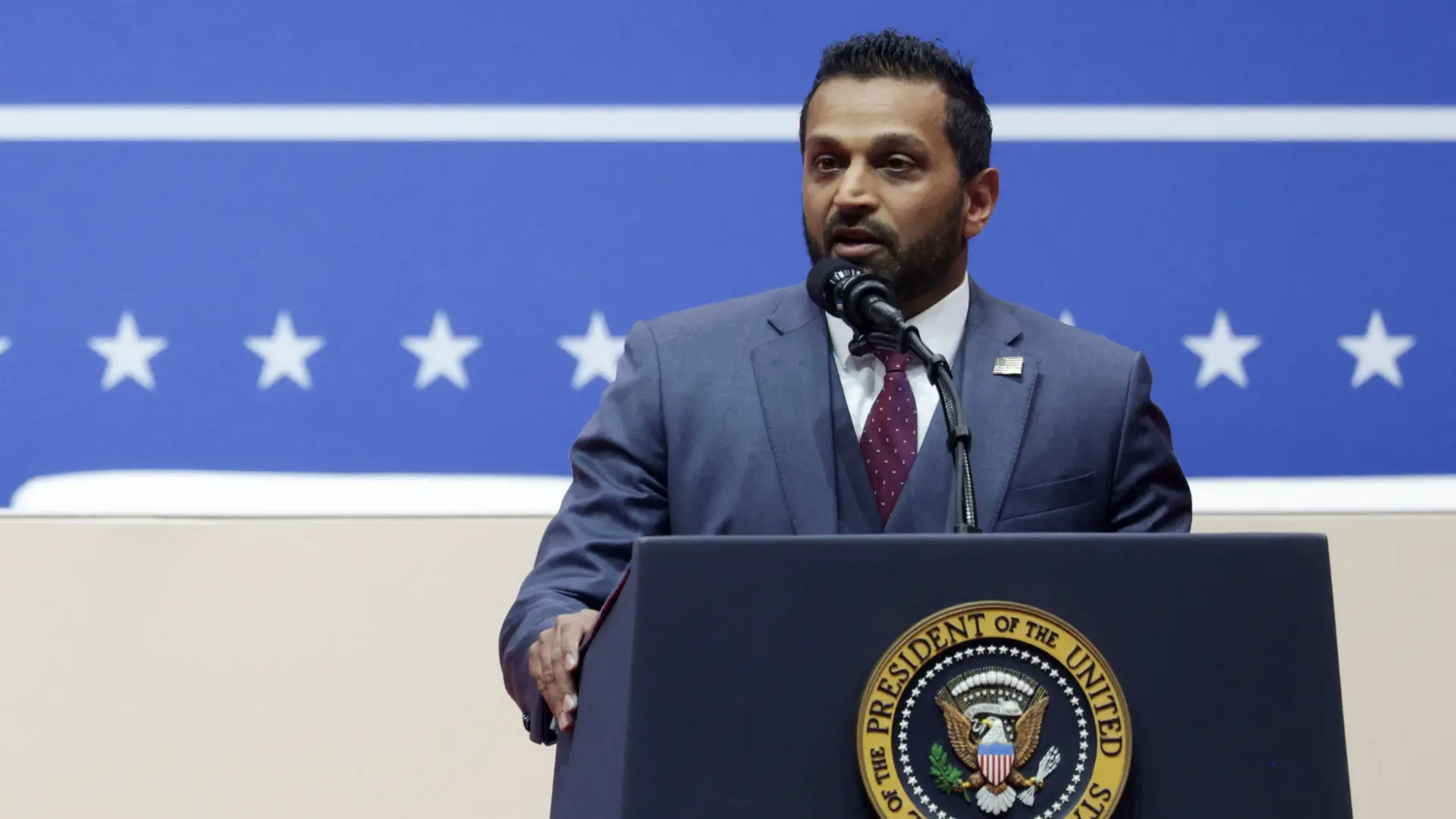
Law Enforcement’s Rapid Arrival
Police arrived within minutes, securing the scene and pushing civilians away from the danger zone.
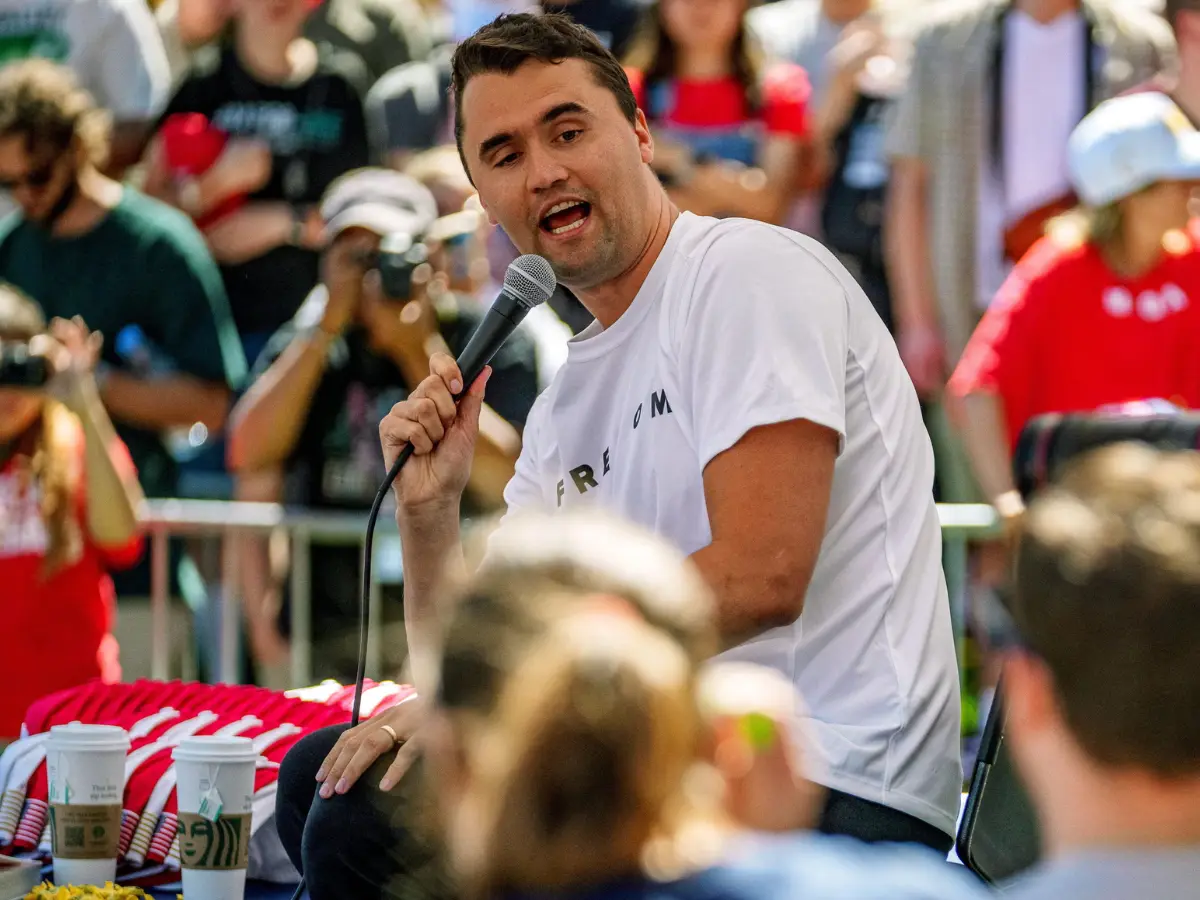
Hashtags That Exploded
Within hours, hashtags like #CharlieKirk and #TylerRobinson trended globally on X/Twitter and TikTok.
First Media Reports
Conservative outlets broke the story first, framing it as an attack on free speech. Mainstream networks followed within an hour.
Global Coverage
From BBC to Al Jazeera, the assassination dominated international headlines as a politically motivated killing.
The Getaway Attempt
Robinson reportedly fled the scene but was captured hours later in the same county.
His Arrest Location
Police cornered him in a rental property he had been using, surrounded by tactical units.
First Words at Arrest
Leaked reports suggest Robinson muttered, “It had to be done,” though this remains unverified.
Evidence Collected
Officers recovered his weapon, laptop, and journals during the arrest. Digital data is now key evidence.
Initial Police Statement
Police confirmed his identity and charges within 24 hours, framing it as a politically motivated assassination.
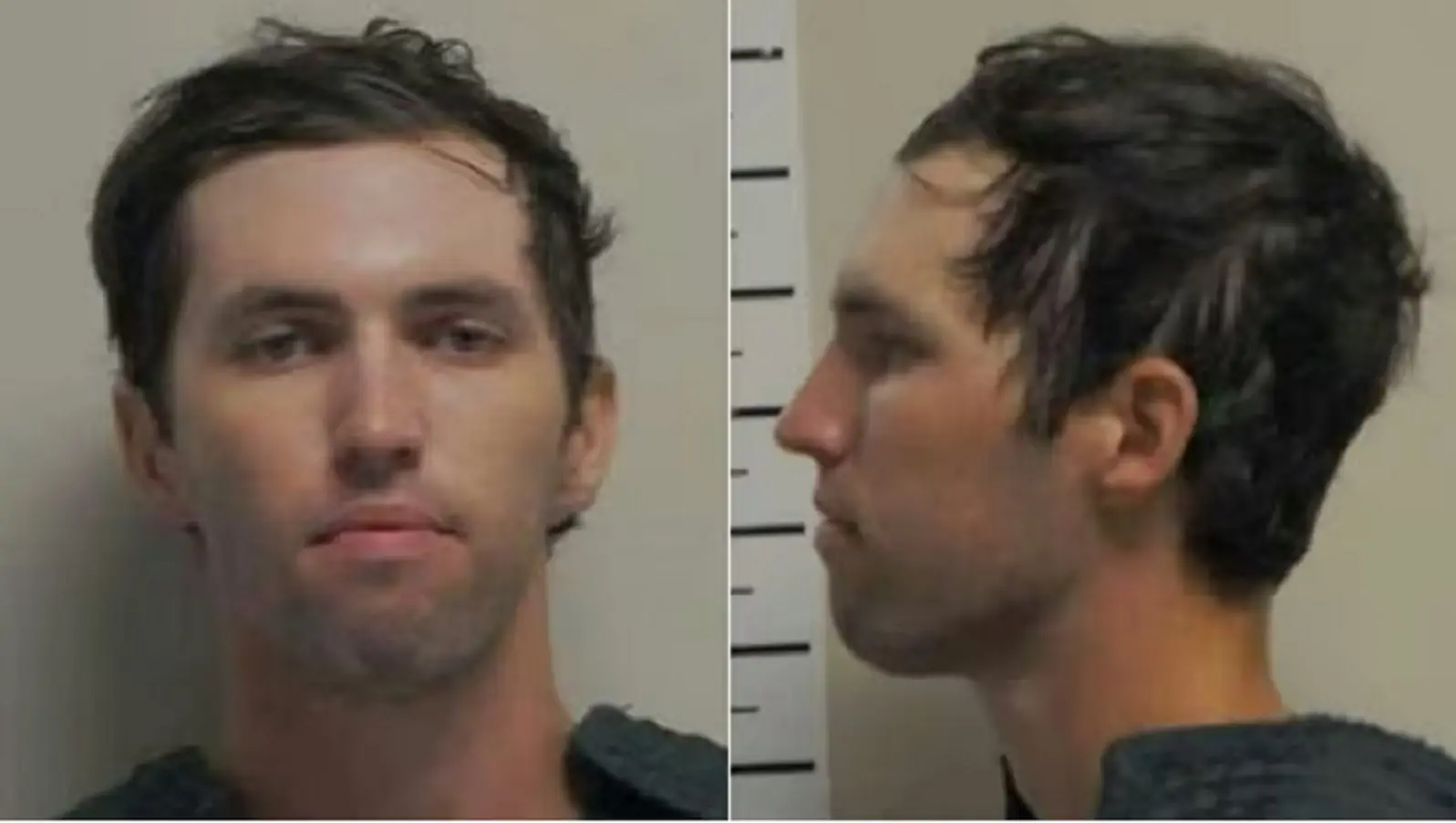
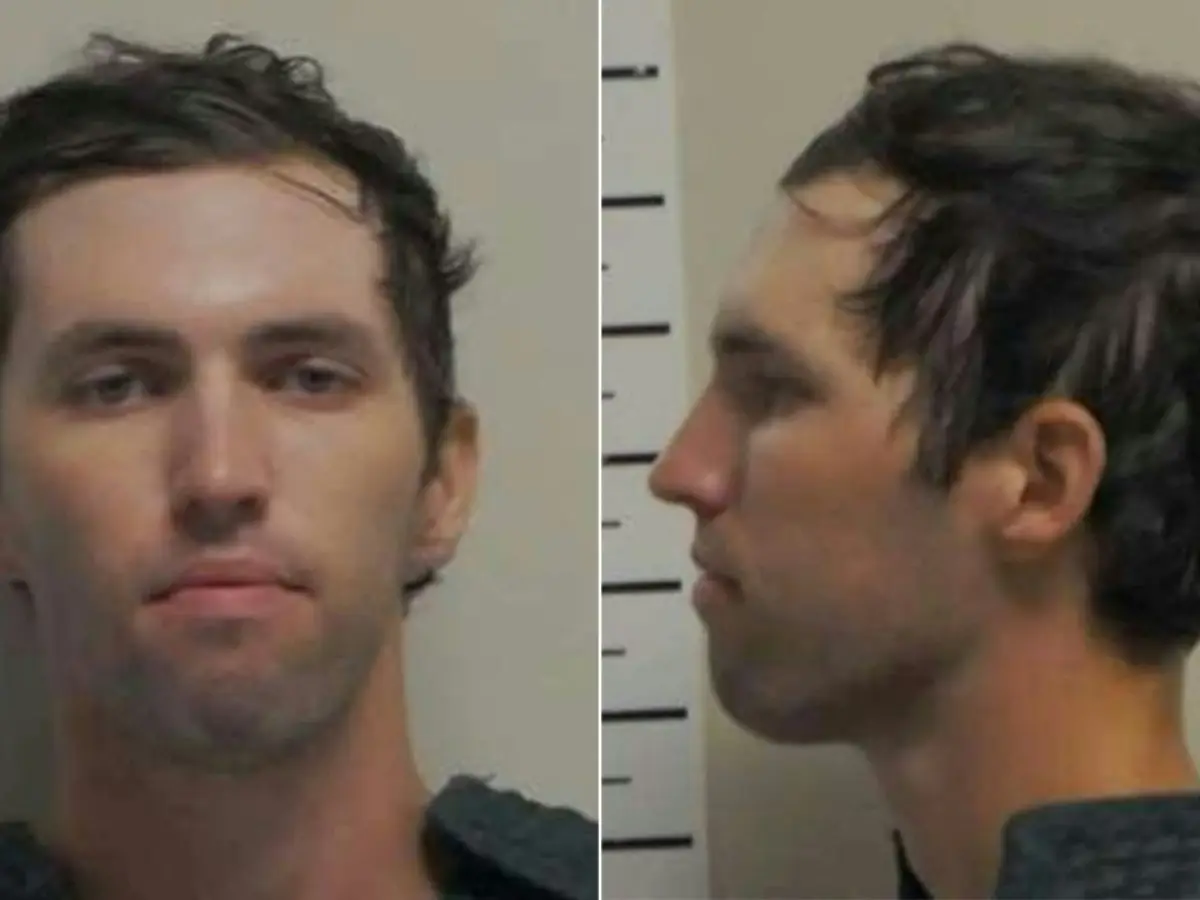
Mugshot Goes Viral
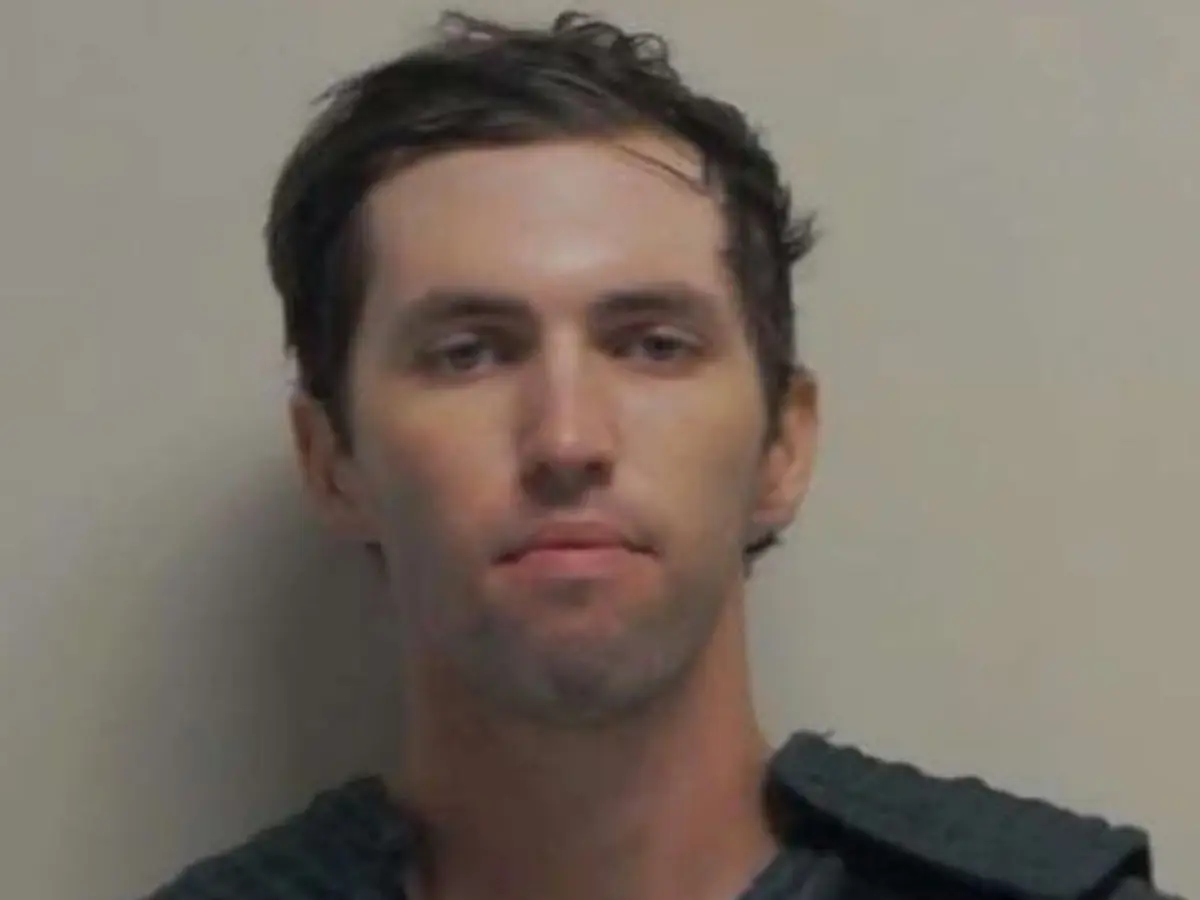
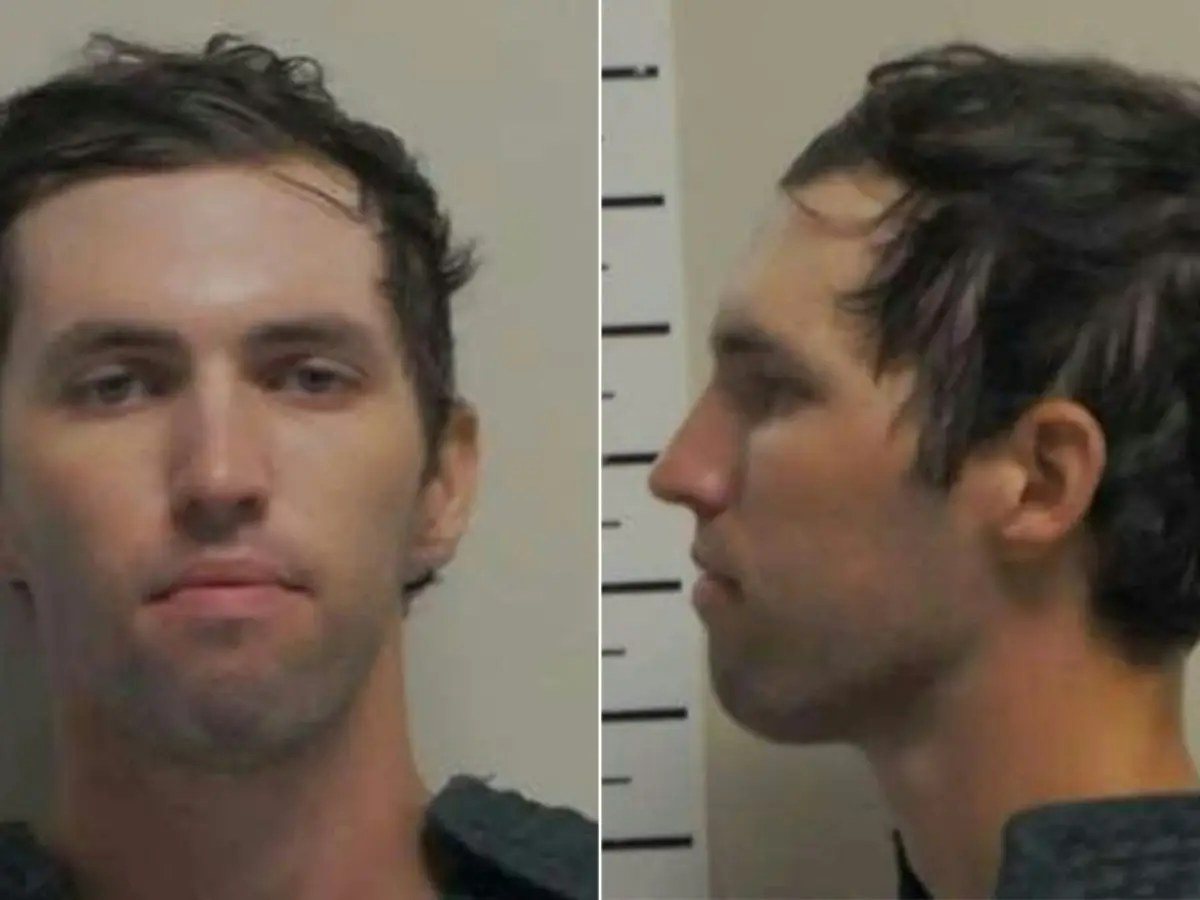
Robinson’s mugshot became one of the most shared images online, symbolizing the face of a political killing.
First Court Appearance
At his arraignment, Robinson appeared calm and expressionless, sparking debates on his mental state.
Charges Filed
He faces multiple charges: first-degree murder, use of a firearm in a violent crime, and possible federal terrorism enhancements.
Legal Defense Team
Robinson’s court-appointed lawyers are expected to argue mental instability as part of his defense.
Prosecutors’ Stance
The state prosecution insists this was premeditated, politically motivated, and therefore aggravated murder.
Media Frenzy Around the Trial
Courtrooms filled with reporters, while conservative commentators compared it to “an attack on democracy.”
Family Silence
Robinson’s family has largely stayed silent, possibly on legal advice. Their absence only fuels speculation.
Friends Speak Out
A few friends described him as “angry but quiet,” confirming his growing political obsession.
Mental Health Debates
The trial is expected to hinge partly on whether Robinson’s mental health reduced his culpability.
Public Protests
Both supporters and critics of Charlie Kirk staged protests outside courthouses during Robinson’s hearings.
Memes and Internet Culture
Robinson’s case instantly became meme fodder online, reflecting the internet’s tendency to satirize tragedy.
GoFundMe Campaigns
Crowdfunding campaigns emerged both for Kirk’s family and, controversially, for Robinson’s legal defense.
Political Weaponization
Republicans framed the attack as proof of left-wing radical violence; Democrats warned against generalizing.
Security Debates
The assassination raised urgent questions about security for influencers and politicians alike.
Social Media’s Role Under Fire
Platforms like Discord, Reddit, and TikTok face criticism for enabling radicalization through unchecked communities.
The Role of FBI Investigators
Federal agents are deeply involved, especially in tracking Robinson’s digital trail and possible group affiliations.
Was He a Lone Wolf?
Authorities are still debating whether Robinson acted entirely alone or had support.
Leftist Group Probes
The FBI is actively investigating online pro-trans and leftist groups for potential prior knowledge.
International Monitoring
Other countries, particularly in Europe, are studying the case as part of broader online extremism patterns.
Comparisons to Past Assassinations
Pundits have compared this attack to the 2011 shooting of Gabrielle Giffords and other political killings.
Conservative Fundraising Boost
Ironically, Kirk’s death led to massive donations for conservative PACs, who used it as a rallying cry.
The Blame Game
Right-wing figures blamed progressive rhetoric; progressives argued about the dangers of polarization.
Free Speech Concerns
Debates emerged about whether online criticism of figures like Kirk could be considered incitement.
Conspiracy Theories
Some corners of the internet falsely claimed Robinson was a government plant to spark division.
Polarization Peaks
The case has become a flashpoint in America’s already fractured political landscape.
Courtroom Testimonies
Witnesses, including event attendees, gave emotional testimonies of the chaos and trauma they endured.
Digital Evidence Pile
Prosecutors presented thousands of pages of Robinson’s online messages as evidence of intent.
Defence Strategy
The defence is expected to argue diminished capacity and mental instability rather than deny involvement.
Public Sympathy Divide
While most condemn the act, a small fraction of online communities openly celebrated Kirk’s death, fueling outrage.
Expert Witnesses
Psychologists, digital analysts, and political scientists are being called to testify.
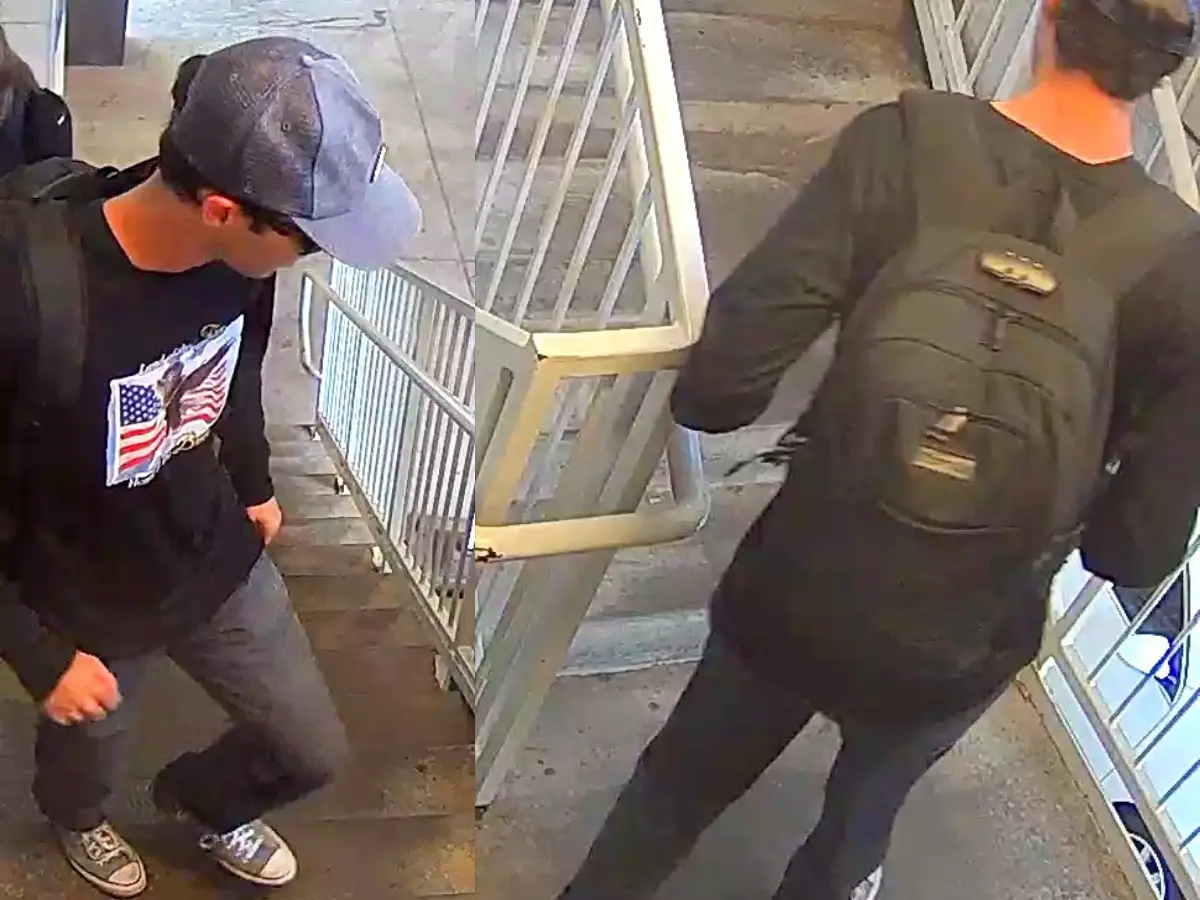
Security Footage
CCTV video of Robinson near the venue is being used as evidence of premeditation.
Handwritten Notes
Recovered journals reportedly contain anti-Kirk scribbles, though the defense disputes their interpretation.
Social Media Shutdown
Robinson’s accounts were quickly suspended, but screenshots ensured his posts live on as evidence.
Emotional Testimonies from Kirk’s Allies
Kirk’s colleagues and supporters testified about the chilling effect on free speech events.
Expected Length of Trial
Legal experts predict the trial could last months, given the volume of digital evidence.
Impact on US Politics
The murder has become a rallying cry for conservatives, who use it to highlight “left-wing violence.”
Impact on Democrats
Democrats have been forced to distance themselves from fringe activists accused of influencing Robinson.
Impact on Media
The event pushed political talk shows, podcasts, and YouTubers into weeks of content debates.
Impact on Social Platforms
Meta, X, and TikTok are under congressional pressure to address extremist radicalisation online.
Lessons for Security
Private security for influencers is expected to rise sharply after Kirk’s death.
Global Reactions
International outlets framed the event as proof of America’s deep political fractures.
The Symbolism of the Case
Robinson’s name now symbolises a generation radicalised online, much like earlier infamous attackers.
The Long Legal Road Ahead
Even after sentencing, appeals and federal charges are expected to keep the case alive for years.
Robinson’s Place in History
Historians will likely study Robinson as a case of digital radicalisation gone lethal.
The Lasting Question
The biggest question remains: could this assassination have been prevented if warning signs online were acted upon sooner?
)
)
)
)
)