10 years of missile development: How India’s defence tech has evolved

Over the past decade, India's missile technology has transformed dramatically from cruise missiles to hypersonic weapons. With Agni-5 MIRV, BrahMos-800 km variant, and Dhvani hypersonic capabilities, DRDO has positioned India among elite nations in defence innovation.
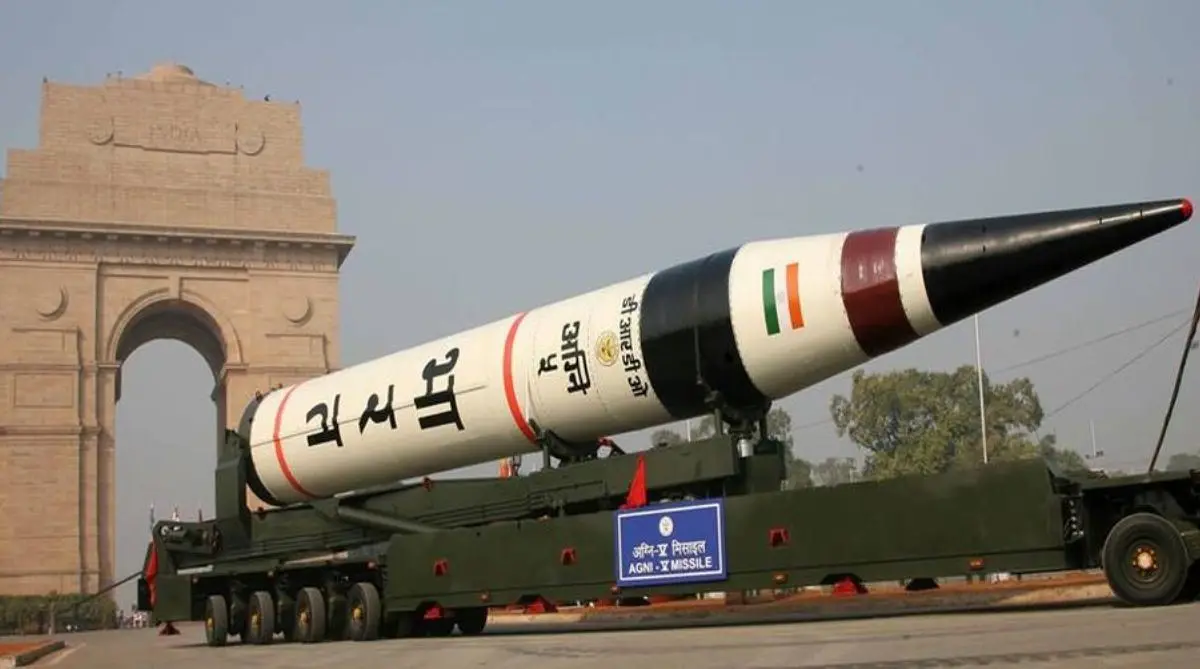
IGMDP Foundation Laid Ground for 10-Year Evolution
The Integrated Guided Missile Development Programme started in 1983 by Dr. A.P.J. Abdul Kalam created five missile systems including Prithvi, Agni, Trishul, Akash and Nag. IGMDP ended in 2012 after 29 years of development. The programme gave India indigenous ballistic and cruise missile capabilities. Since 2008, DRDO has continued developing advanced missile variants independently. Today DRDO operates 41 laboratories across India working on missile technologies and defence systems.
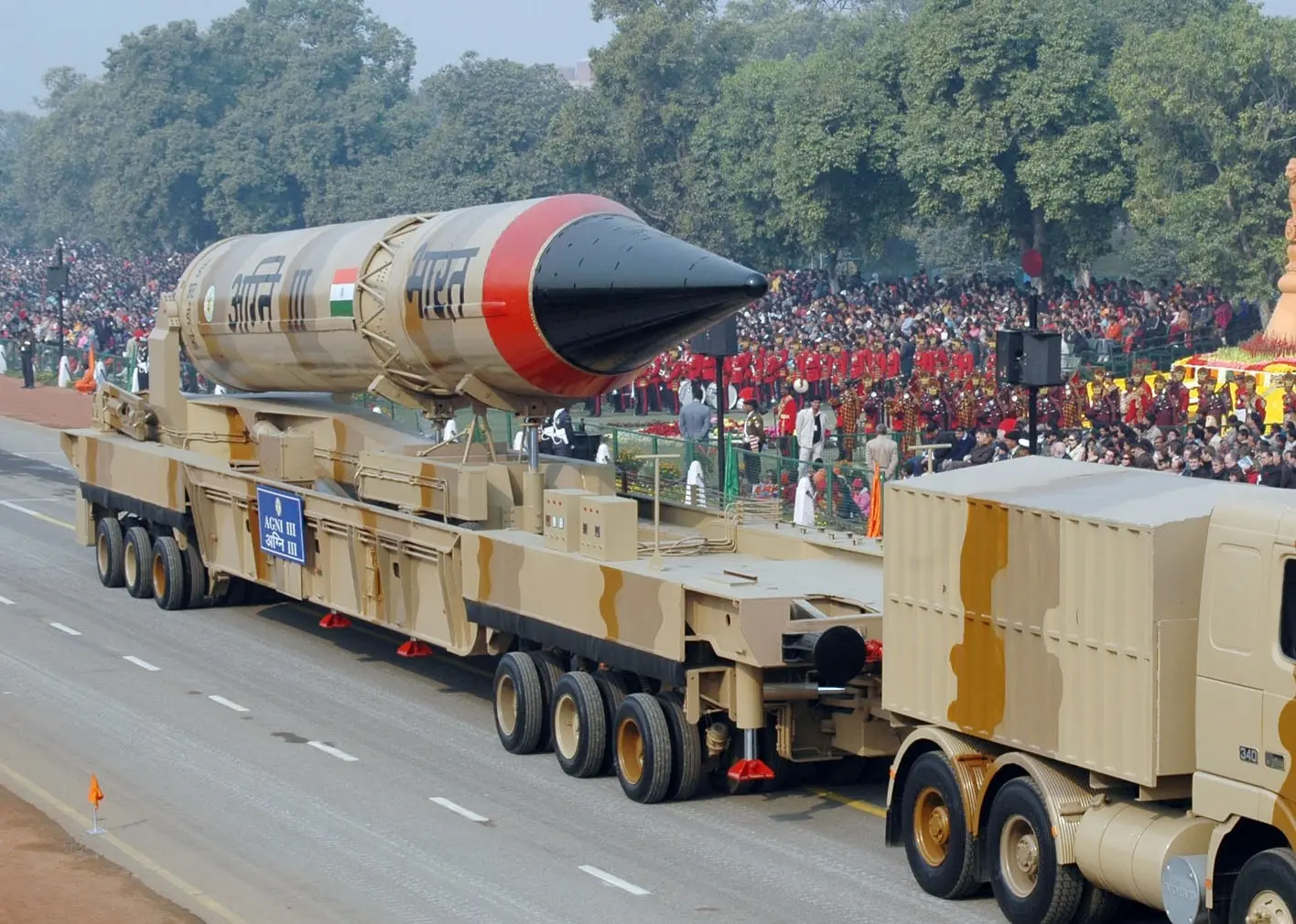
Agni-5 MIRV Test
India successfully tested Agni-5 with Multiple Independently Targetable Reentry Vehicle (MIRV) technology in March 2024 under Operation Divyastra. This test placed India in an exclusive club including USA, Russia, China and France with multiple warhead capability. On August 20, 2025, India conducted routine operational test of Agni-5 validating all parameters. Agni-5 carries 1.5 tonne payload with strike range exceeding 5,000 kilometres.
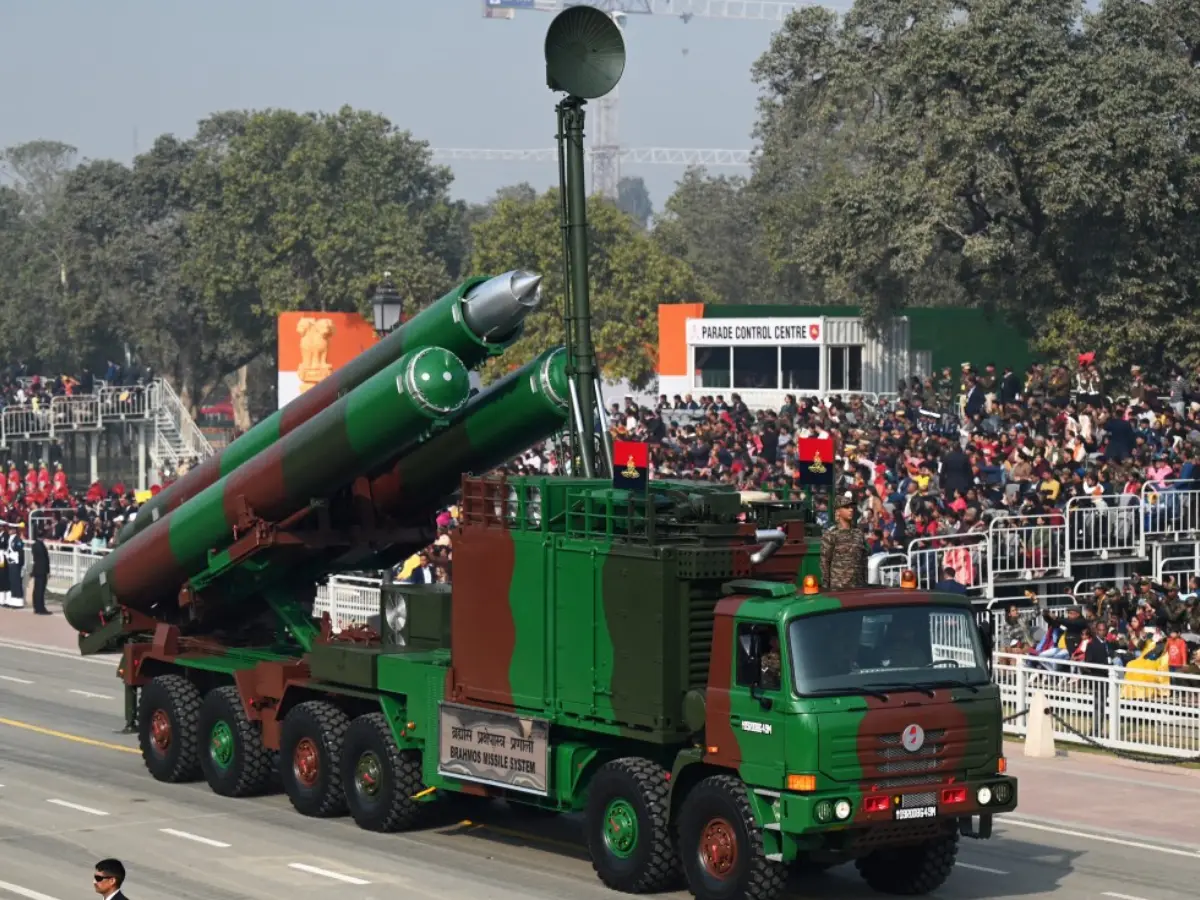
BrahMos Evolved from 290 km to 900 km Range
BrahMos cruise missile started with 290 kilometre range in 2015. By 2017, extended range version reached 450 kilometres. Current development aims for 900 kilometre range expected operational within two years by late 2027. The missile maintains Mach 2.8 to Mach 3 speed capabilities. BrahMos is jointly developed by DRDO and Russia's NPO Mashinostroyeniya. Indian Navy inducted BrahMos in 2007 and Indian Air Force in 2020.
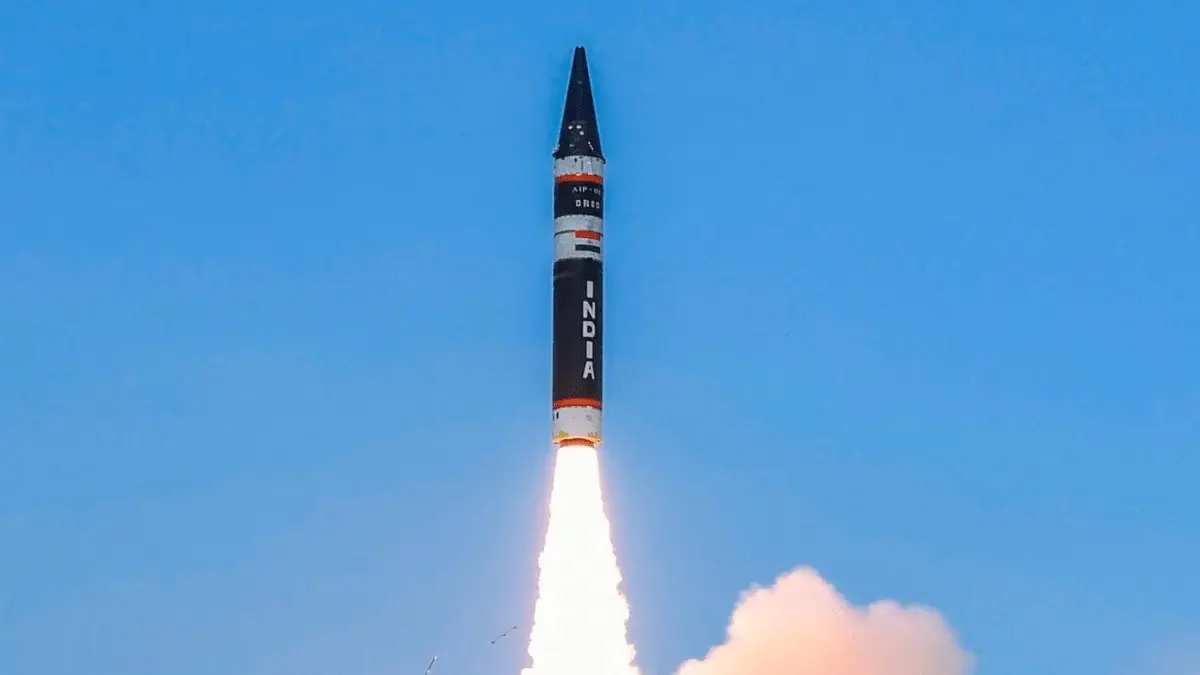
Agni-P Rail-Launched First Test Marks Mobility Evolution
India test-fired Agni-P intermediate ballistic missile from rail-based mobile launcher in September 2025. This was the first-of-its-kind launch showcasing cross-country rail mobility and reduced visibility. Agni-P has 1,000 to 2,000 kilometre range with canisterised solid propellant design. The missile uses dual redundant navigation and guidance system. Defence Minister Rajnath Singh praised DRDO's achievement in demonstrating short reaction time launch capability.
Dhvani Hypersonic Missile Set for December 2025 Test
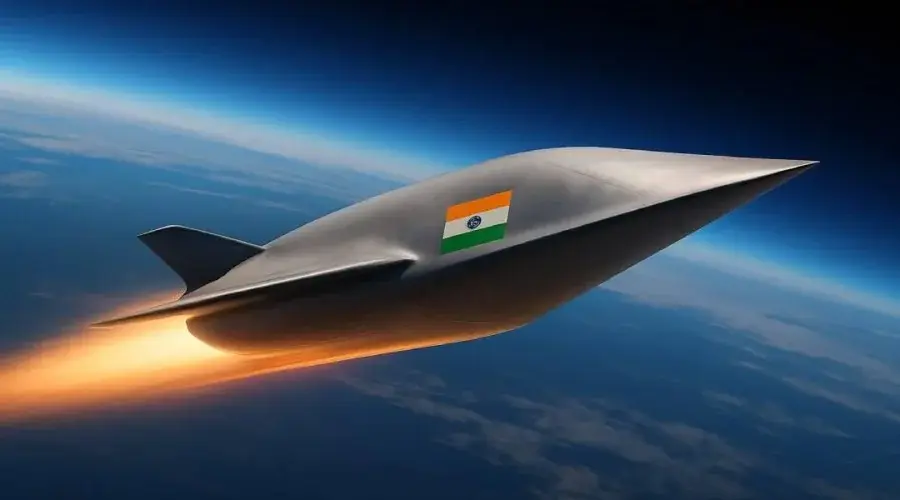
DRDO is scheduled to test Dhvani hypersonic glide vehicle by end of December 2025. The missile achieves speeds exceeding Mach 6 reaching approximately 7,400 kilometres per hour. Dhvani has estimated range of 6,000 to 10,000 kilometres with payload capacity of 300 to 500 kilograms. The missile uses two-stage propulsion with rocket booster and scramjet glide. Thermal protection handles temperatures up to 2,000 to 3,000 degrees Celsius during hypersonic flight.
Hypersonic Technology Demonstrator HSTDV Led Dhvani Development
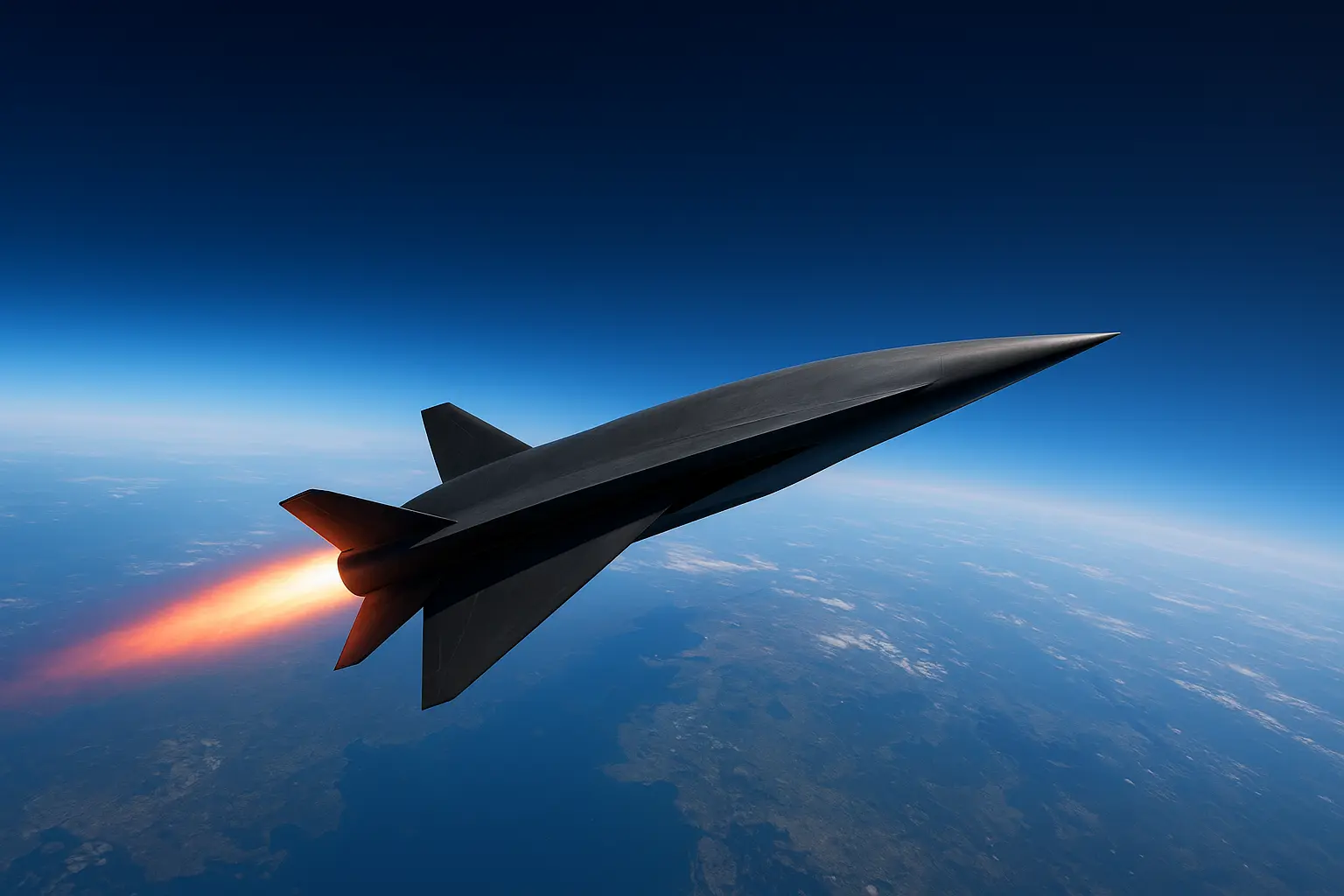
DRDO's Hypersonic Technology Demonstrator Vehicle (HSTDV) tested in November 2024 proved 1,000-second ground test of scramjet engine. This technology became foundation for Dhvani hypersonic missile development. HSTDV validated scramjet propulsion, heat shields and high-speed aerodynamics. Successful HSTDV tests demonstrated India's capability in hypersonic technology. Dhvani builds on HSTDV achievements for operational hypersonic strike capability.
Future Vision Includes Indigenous Air Defence and Next-Gen Missiles
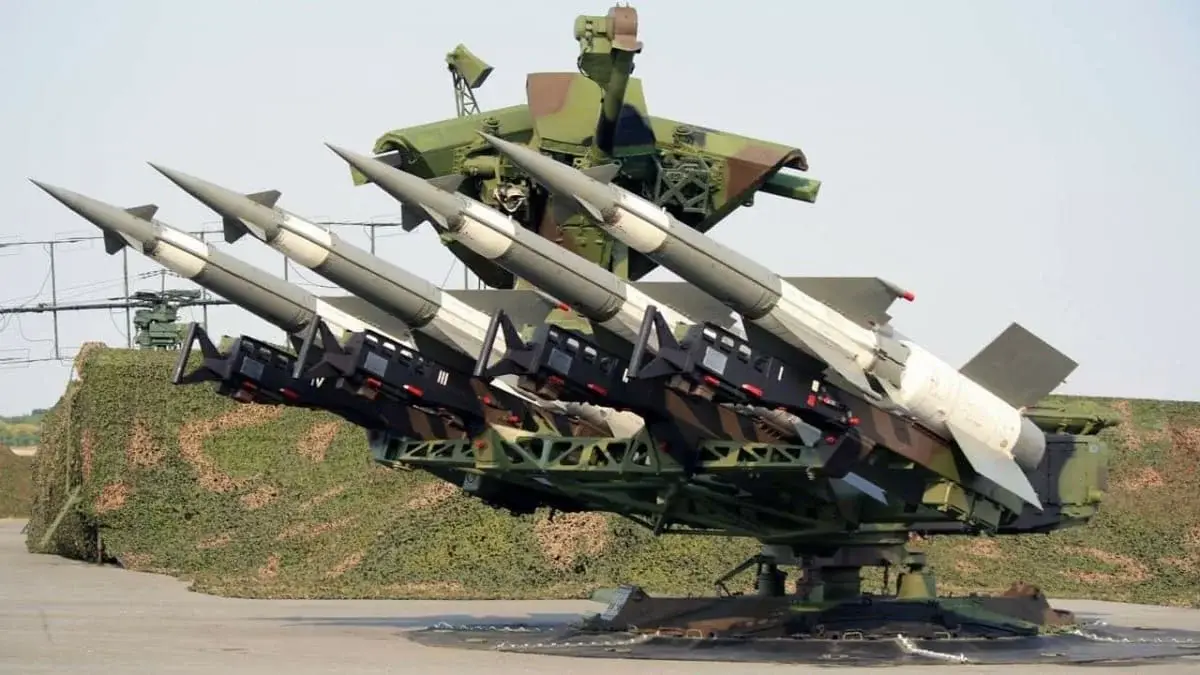
DRDO tested Integrated Air Defence Weapon System in August 2025 combining indigenous QRSAM, VSHORADS and directed energy weapon. Ministry of Defence cleared 28 DRDO-designed weapon systems for emergency procurement. Government announced Rs 1 lakh crore defence fund to support deep-tech projects in missile and aerospace sectors. BrahMos-NG next-generation missile enters autonomous flight testing phase by 2026. India's defence autonomy vision targets complete indigenous capability by 2030.
)
)
)
)
)