10 worst genocides in modern world acknowledged by international community: Crimes that shocked human conscience

Genocides in the modern world include the Holocaust, Rwanda, Armenia, Cambodia, Bosnia, Yazidis, Guatemala and East Timor. While the perpetrators often deny it, these are the ones widely recognised by UN, courts, and global bodies.
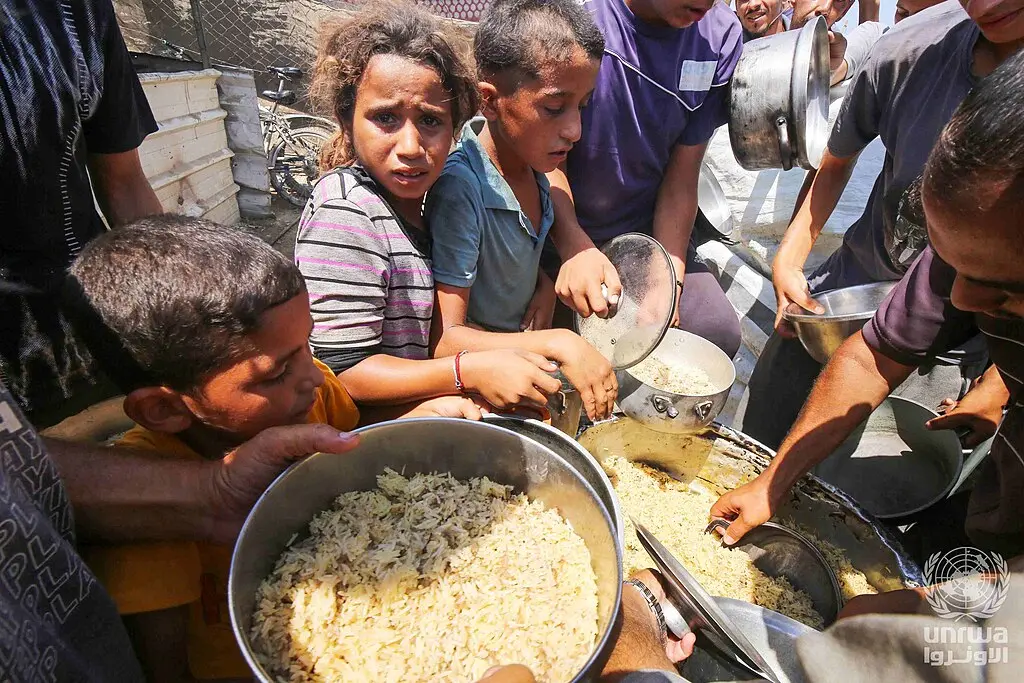
Genocides: The ultimate war crime
A UN probe has concluded that Israel is committing genocide against Palestinians in Gaza amid its war with Hamas, though formal international recognition is debated. Genocides—systematic, state-enabled attempts to erase groups based on ethnicity, religion, race, or nationality—are among the most extreme forms of political violence. The following 10 genocides are formally recognised or widely accepted by the international community through courts, UN reports, or official acknowledgements
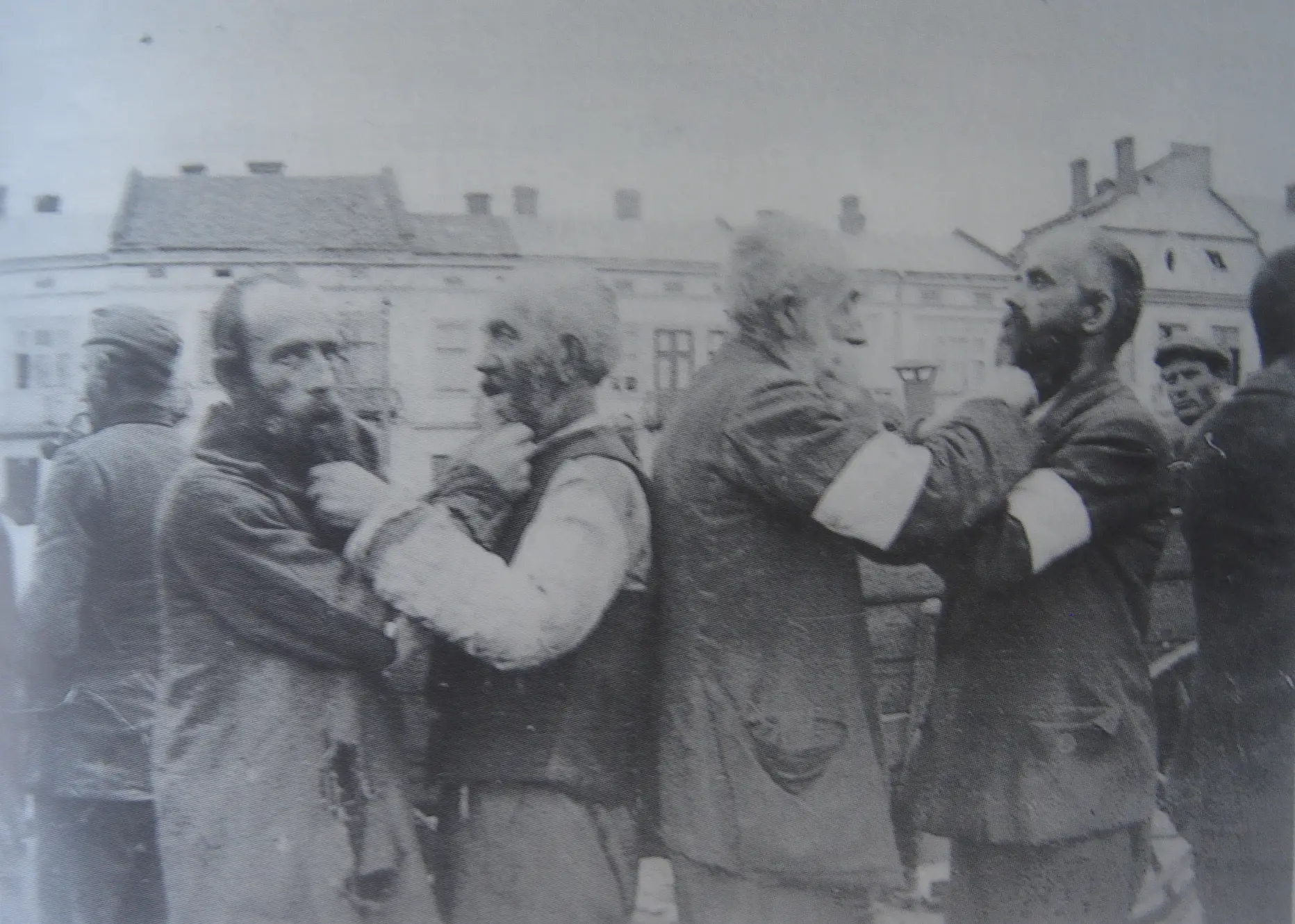
The Holocaust (Germany and Europe, 1941–1945)
Nazi Germany under Hitler exterminated around six million Jews, along with the Roma community, disabled people, Poles, and others using industrial killing methods like gas chambers. The Nuremberg Trials first legally defined and prosecuted genocide.
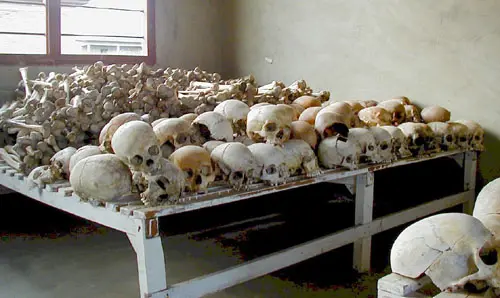
Rwandan Genocide (Rwanda, 1994)
About 800,000 Tutsis and moderate Hutus were killed in 100 days by Hutu extremists, aided by the government and militias. The UN and Western powers failed to intervene. The ICTR, or the International Criminal Tribunal for Rwanda set up by the United Nations, prosecuted the genocide.
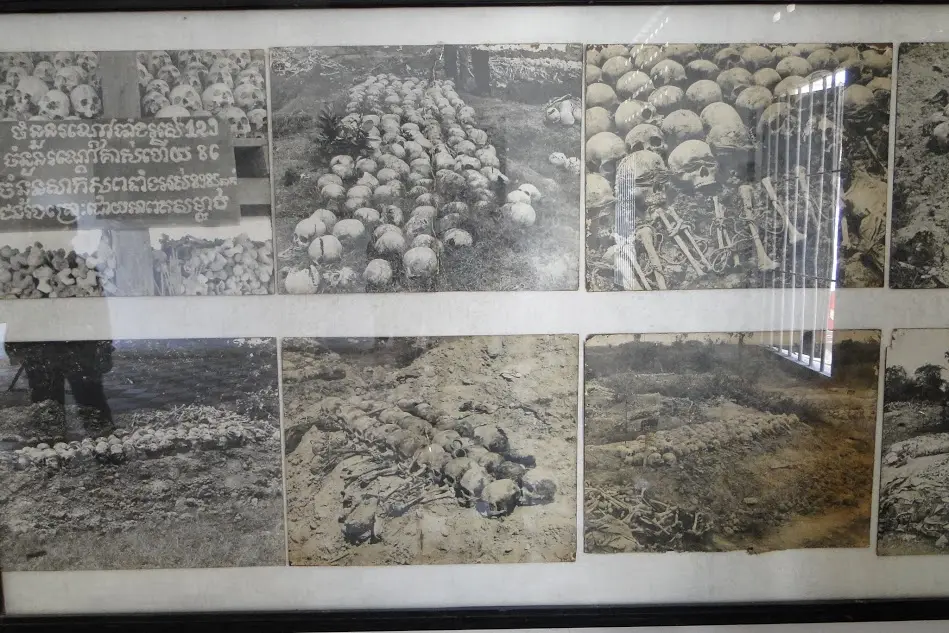
The Cambodian Genocide (Cambodia, 1975–1979)
The Khmer Rouge regime under Pol Pot killed an estimated 1.5–2 million people, targeting intellectuals, minorities, and religious groups to create a Maoist utopia. International tribunals later prosecuted its leaders.
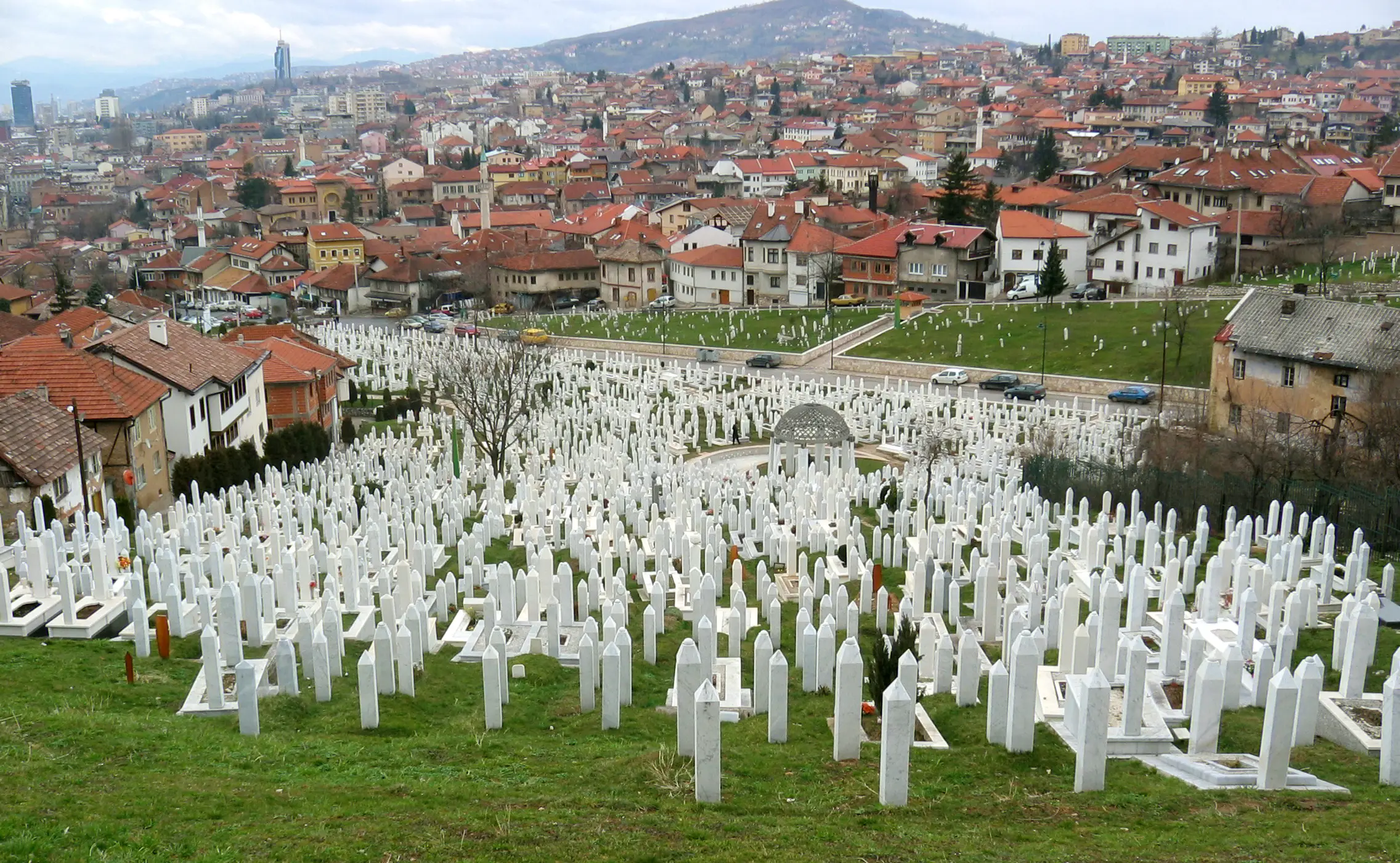
The Bosnian Genocide (Bosnia and Herzegovina, 1992–1995)
Bosnian Serb forces committed genocide against Bosniak Muslims, killing an estimated 8,000 men and boys in Srebrenica. The ICTY, the International Criminal Tribunal for the Former Yugoslavia, set up by the UN Security Council, convicted leaders like Radovan Karadžić and Ratko Mladić.
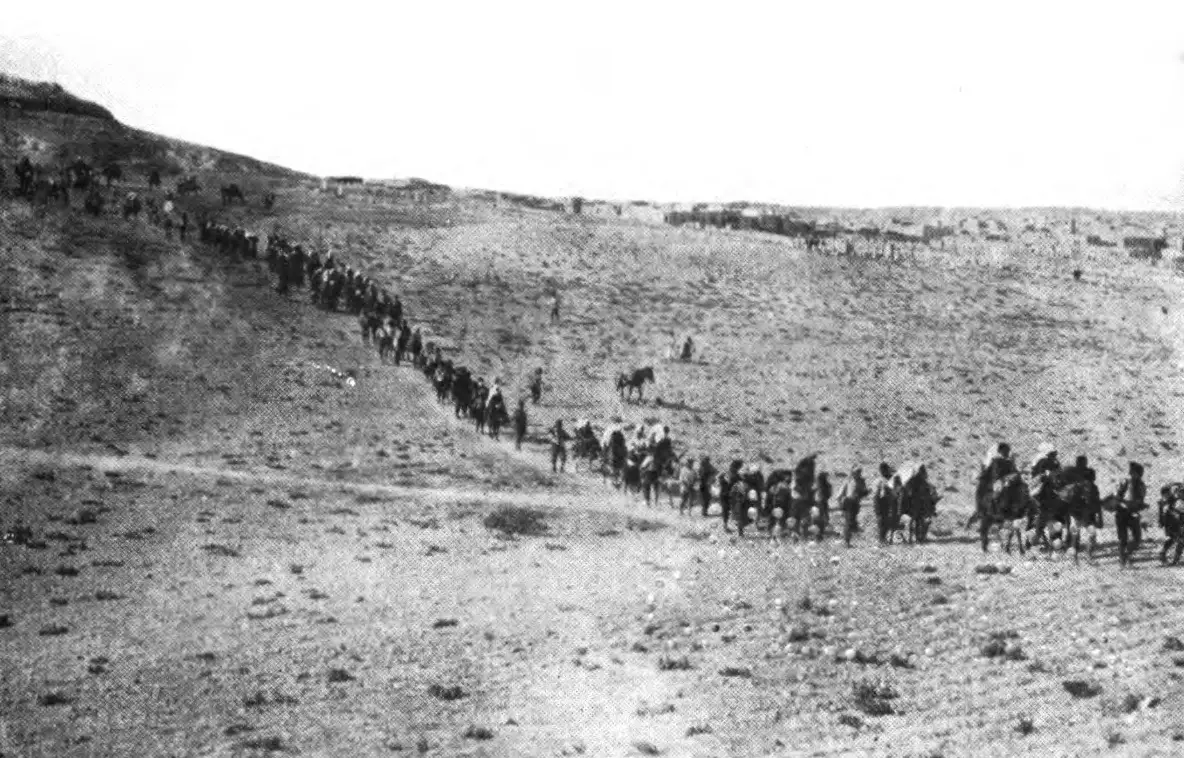
Armenian Genocide (Ottoman Empire, 1915–1923)
Up to an estimated 1.5 million Armenians were killed or deported by the Ottoman Empire via death marches, executions, starvation, and forced conversions. Many countries officially recognise it as genocide; Turkey denies it, causing tensions that continue to this day.
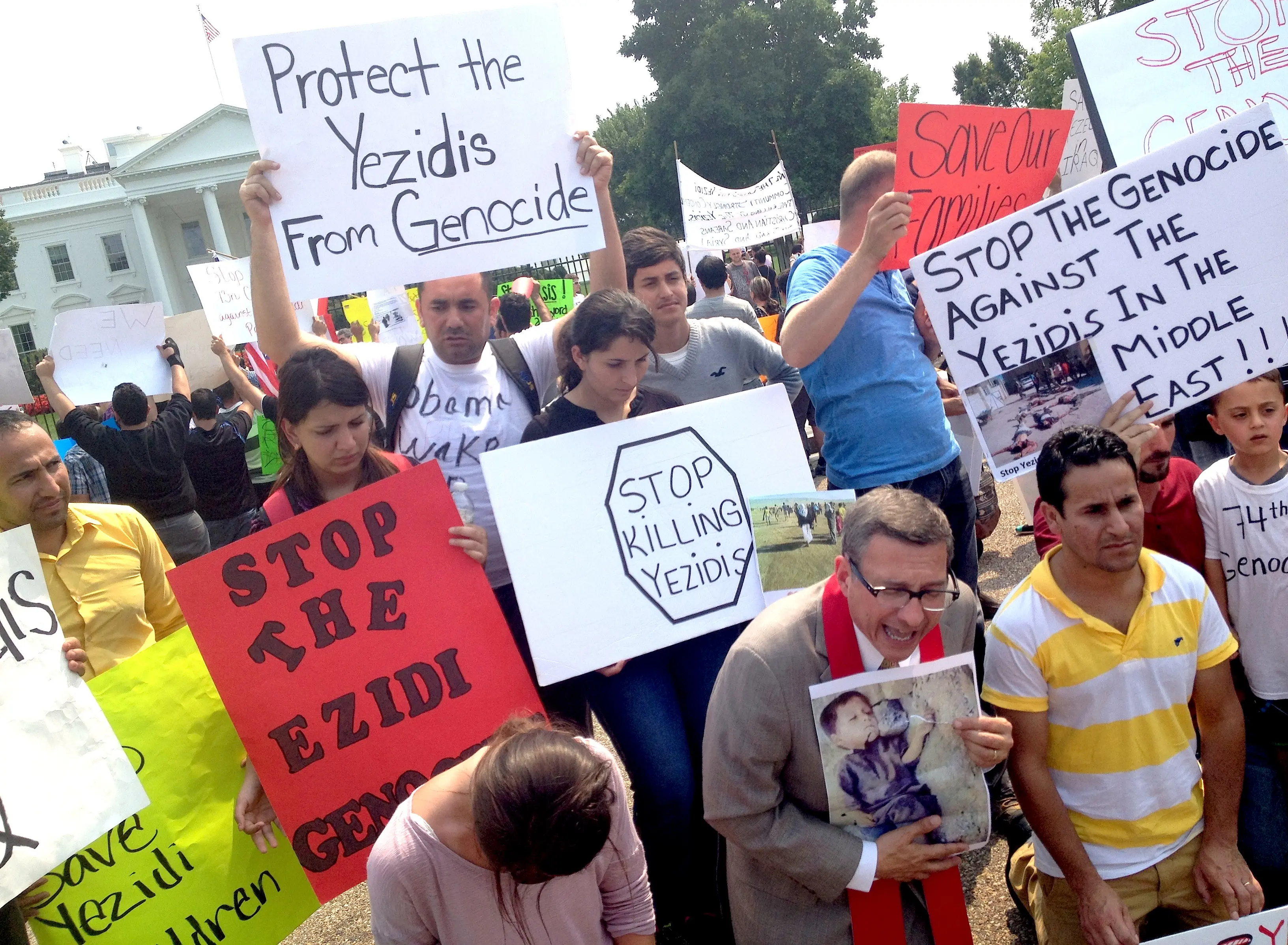
The Genocide of Yazidis by ISIS (Iraq, 2014)
The terrog organisation Islamic State, or ISIS, executed thousands of Yazidi men and enslaved women and children. A UN investigation confirmed genocide. Many perpetrators remain unpunished.
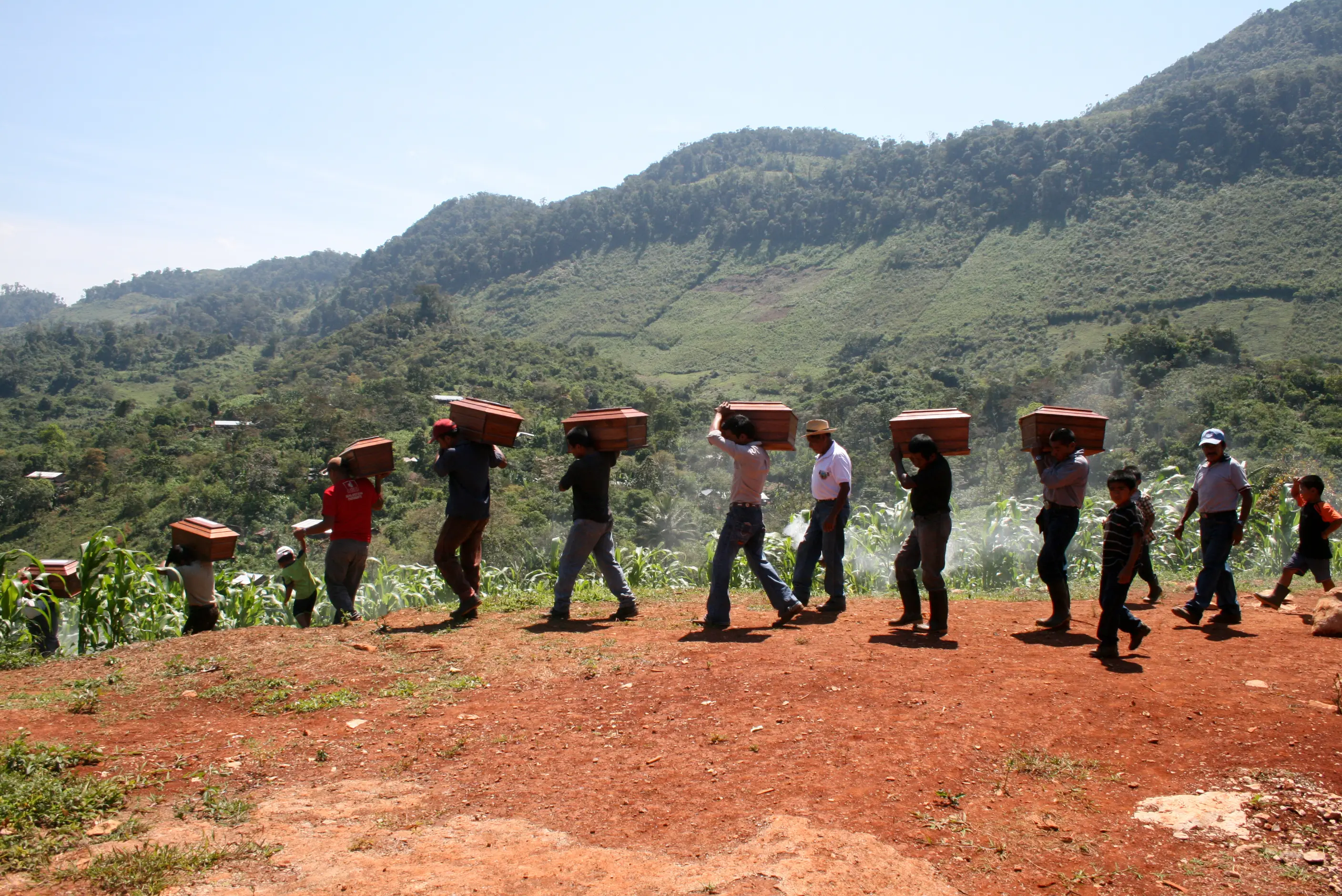
The Guatemalan Genocide (Guatemala, 1981–1983)
The military regime in Guatemala targeted the Maya Ixil population, killing tens of thousands during the civil war. The leader Ríos Montt was convicted of genocide in 2013, though the verdict was later annulled.
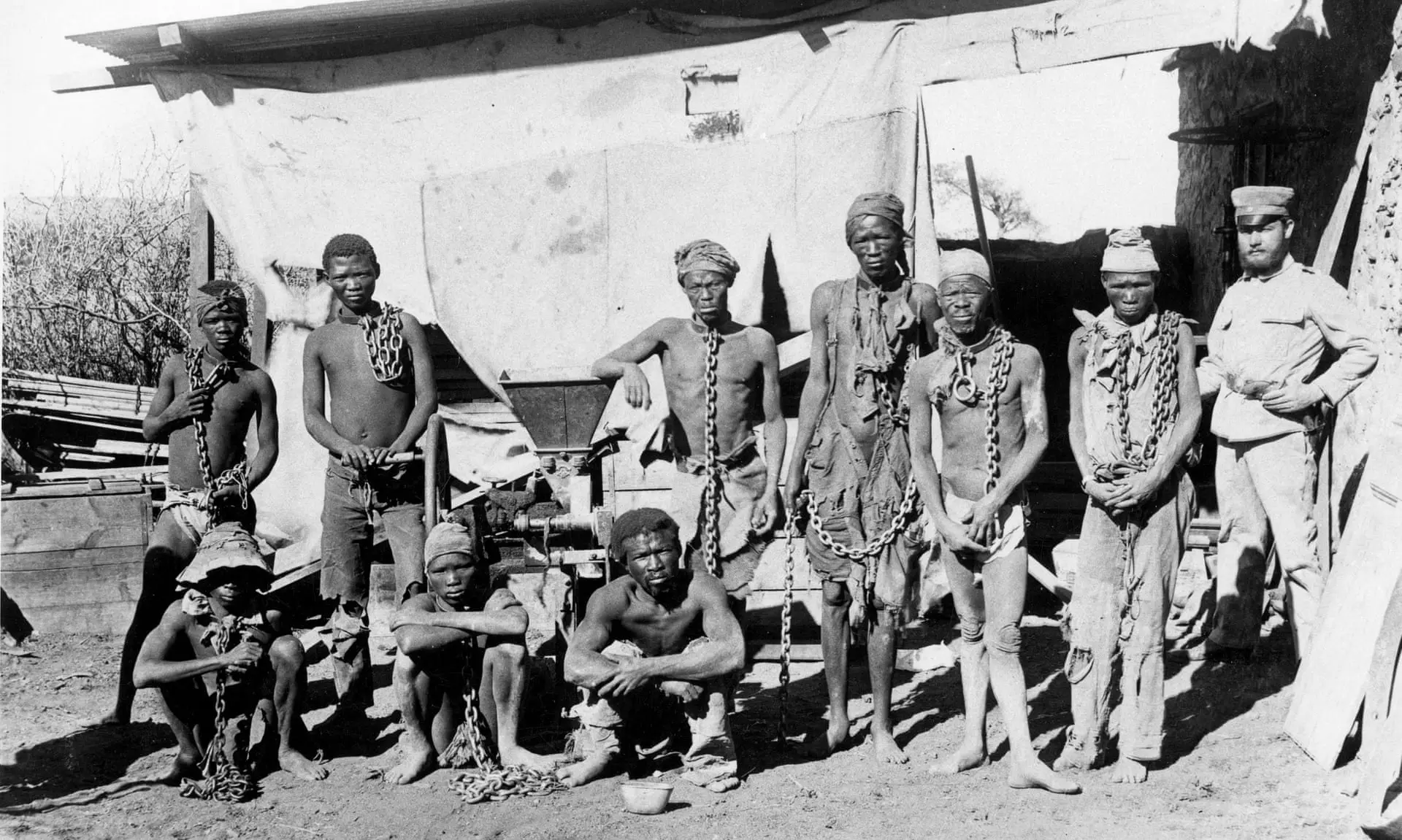
The Herero and Nama Genocide (German South-West Africa, 1904–1908)
In the modern world's first acknowledged genocide, German colonial forces killed tens of thousands of Herero and Nama tribal people after a revolt. Survivors were forced into the desert or labour camps. Germany recognised the genocide and offered reparations in 2021.
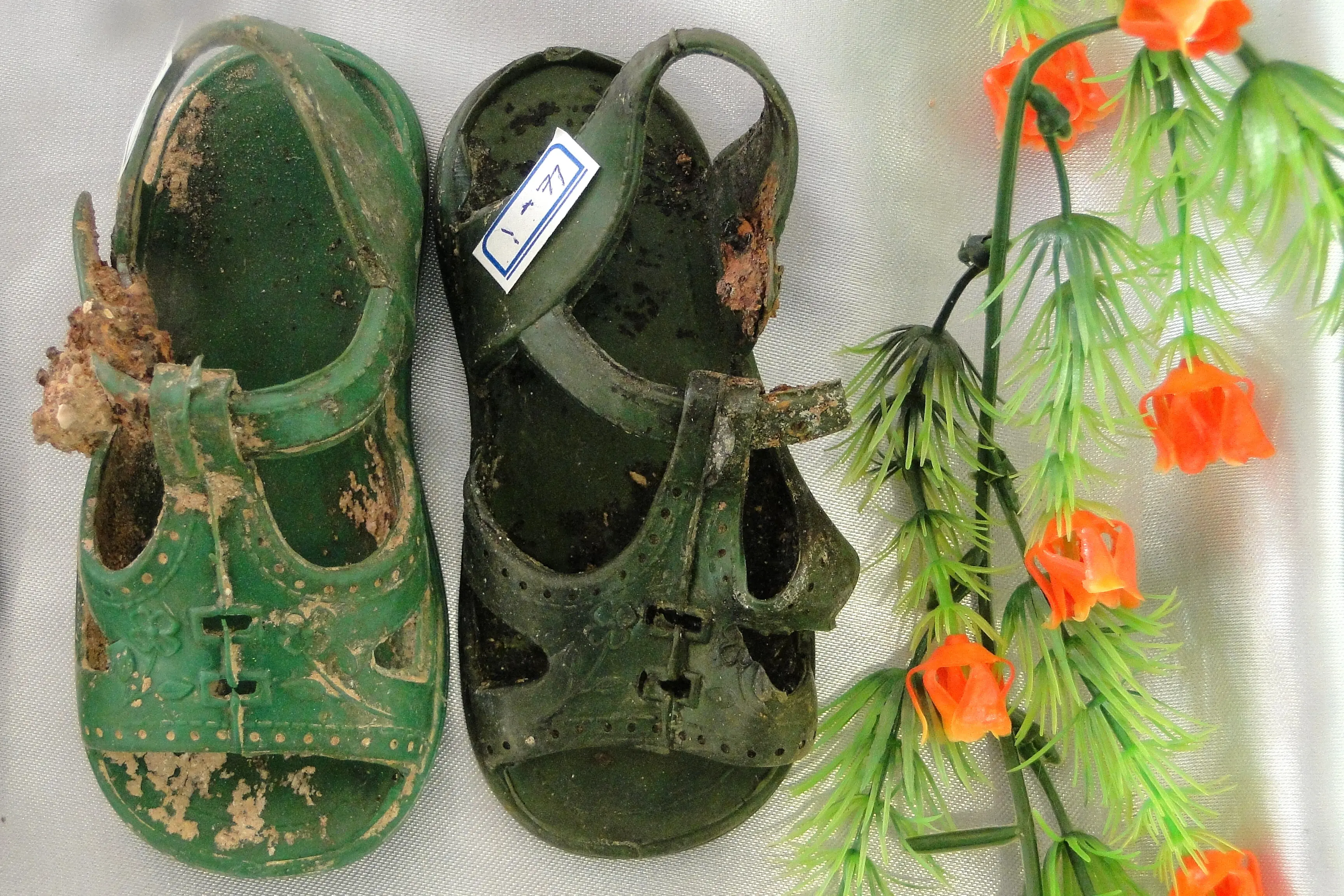
The Anfal Campaign (Iraq, 1986–1989)
Saddam Hussein’s regime in Iraq killed up to 180,000 Kurds using chemical weapons and executions. The Iraqi High Tribunal declared it a genocide in 2010. Ali Hassan al-Majid was executed for his role.
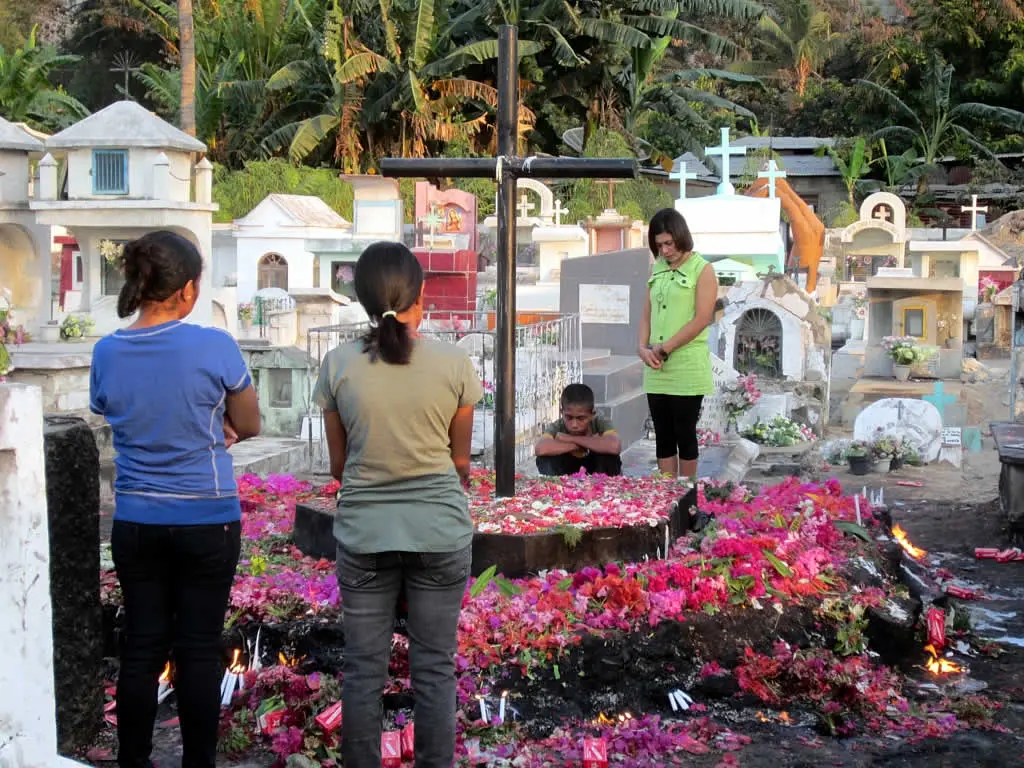
The East Timor Atrocities (Indonesia/East Timor, 1975–1999)
Indonesia’s invasion of East Timor led to an estimated 100,000–250,000 deaths from violence, starvation, and disease. While Indonesia denies genocide, international bodies acknowledge large-scale crimes against humanity. East Timor gained independence in 2002.
)
)
)
)
)