10 ways pollution is secretly shortening human lifespans

Air, water, chemical and noise pollution are quietly cutting years from human life, raising risks of heart disease, cancer and infections. New findings reveal how tiny particles and toxins enter the body and harm organs, stressing the need for cleaner environments.

Air Pollution Reduces Average Global Life Expectancy by 3.5 Years
According to the Air Quality Life Index (AQLI) 2025 report from the University of Chicago's Energy Policy Institute, air pollution has emerged as humanity's single largest environmental health threat. The average Indian loses 3.5 years of life expectancy due to air pollution alone, which is nearly double the impact of malnutrition. Delhi-NCR residents face even more severe consequences, losing 8.2 years if compared to WHO guidelines.

PM2.5 Particulates Penetrate Deep Into Lungs and Bloodstream
Particulate matter (PM) smaller than 2.5 micrometres called PM2.5 bypasses the body's natural filtering systems, reaching deep into the lungs and entering the bloodstream directly. Once in circulation, these invisible particles trigger inflammation across organ systems. Studies show that even short-term exposure to PM2.5 can reduce blood oxygen levels and increase blood pressure within hours.

Air Pollution Causes Cardiovascular Disease and Heart Attacks
Air pollution exposure significantly increases atherosclerosis development, where plaque builds up inside arteries narrowing blood flow. Oxidative stress from pollution particles triggers inflammatory responses promoting plaque progression and rupture. Research indicates that for every 10 microgram increase in PM2.5 exposure, cardiovascular mortality risk increases by approximately 10 per cent annually.
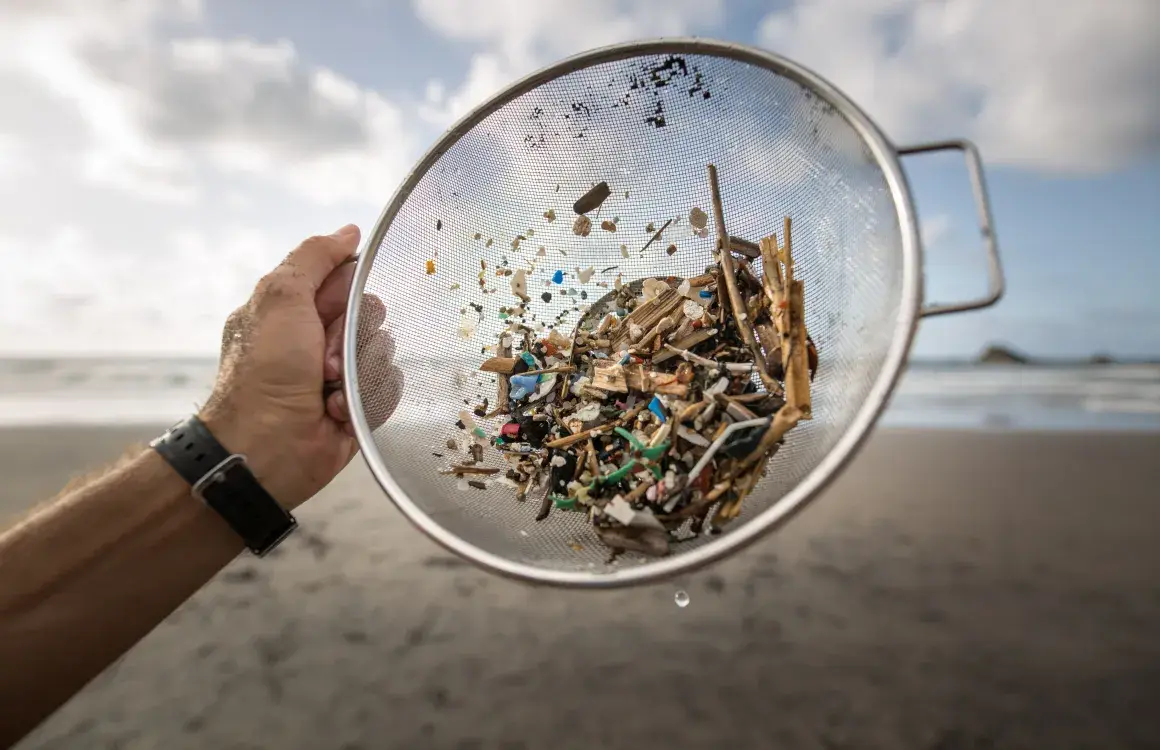
Microplastics Accumulate in Human Organs and Tissues
Humans ingest microplastics through food, water, and air inhalation, with recent studies confirming microplastic particles in arterial plaques, lungs, and digestive organs. Animal studies indicate microplastics cause inflammation, DNA damage, and oxidative stress. A Stanford University review suggests microplastic exposure links to cancer development, heart attacks, and reproductive health problems.

Noise Pollution Increases Cardiovascular Death Risk by 44 Percent
Transportation noise exposure particularly aircraft and road traffic increases cardiovascular mortality risk significantly. Studies show nighttime aircraft noise above 50 decibels increases odds of cardiovascular death by 44 per cent. For every 10-decibel increase in noise exposure, heart disease mortality increases by 1 to 3 per cent, with effects remaining linear across exposure ranges.

Chemical Pollution From Industrial Sources Causes 10 Percent of Cancer Cases
The European Environment Agency reports that environmental chemical exposure causes approximately 10 per cent of all cancers in Europe. Carcinogenic substances including lead, arsenic, chromium, cadmium, pesticides, and per- and polyfluorinated alkyl substances (PFAS) accumulate in human tissues. Long-term occupational and environmental exposure substantially increases cancer mortality across multiple organ systems.
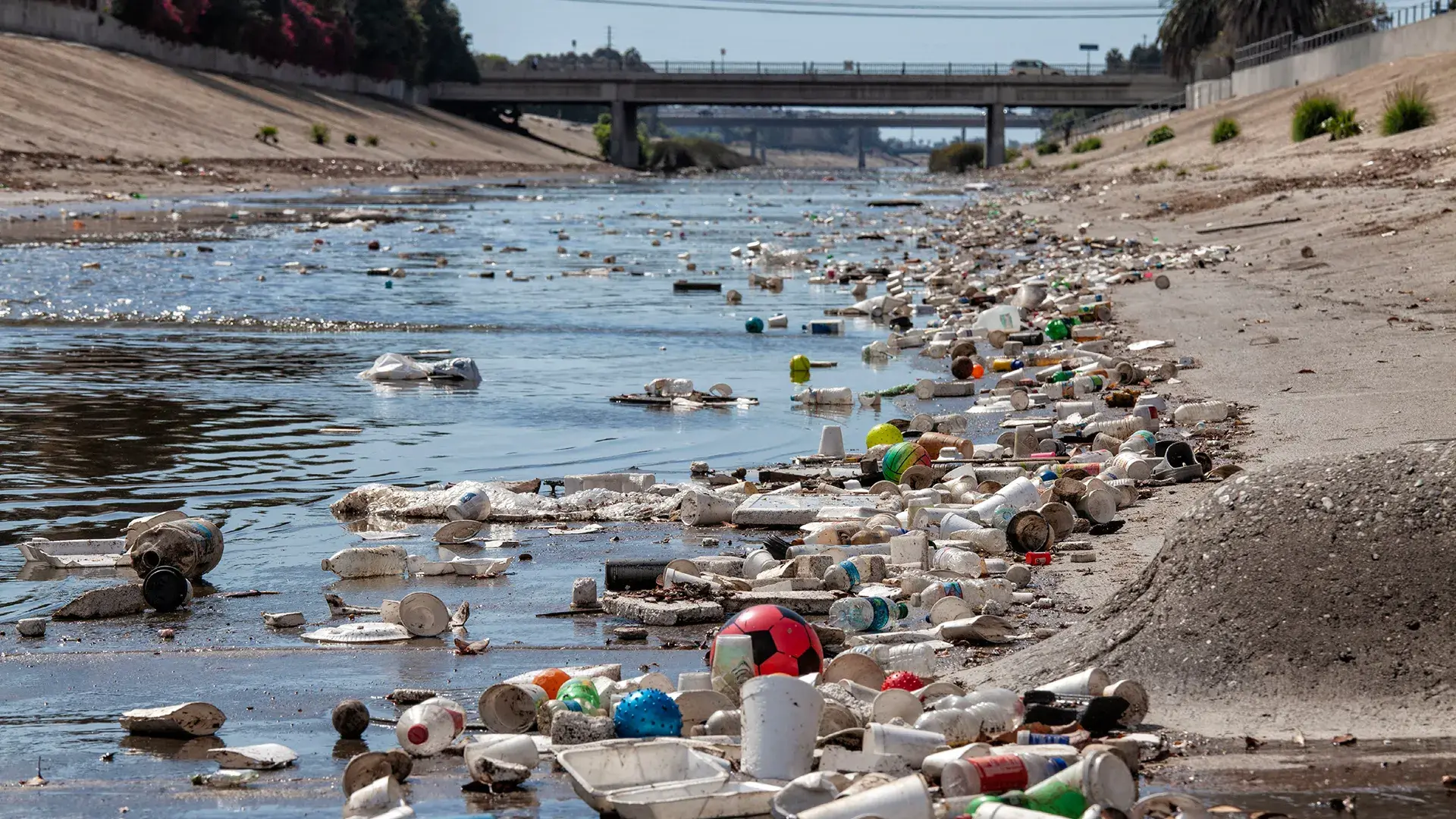
Water Pollution Reduces Life Expectancy Through Disease Transmission
Unsafe water and sanitation systems represent major pollution sources affecting approximately 2 billion people globally. Contaminated drinking water exposes humans to heavy metals, bacteria, viruses, and industrial chemicals. According to WHO reports, unsafe water causes approximately 8.4 months of life expectancy reduction and drives intestinal infections, hepatitis, and dysentery epidemics.
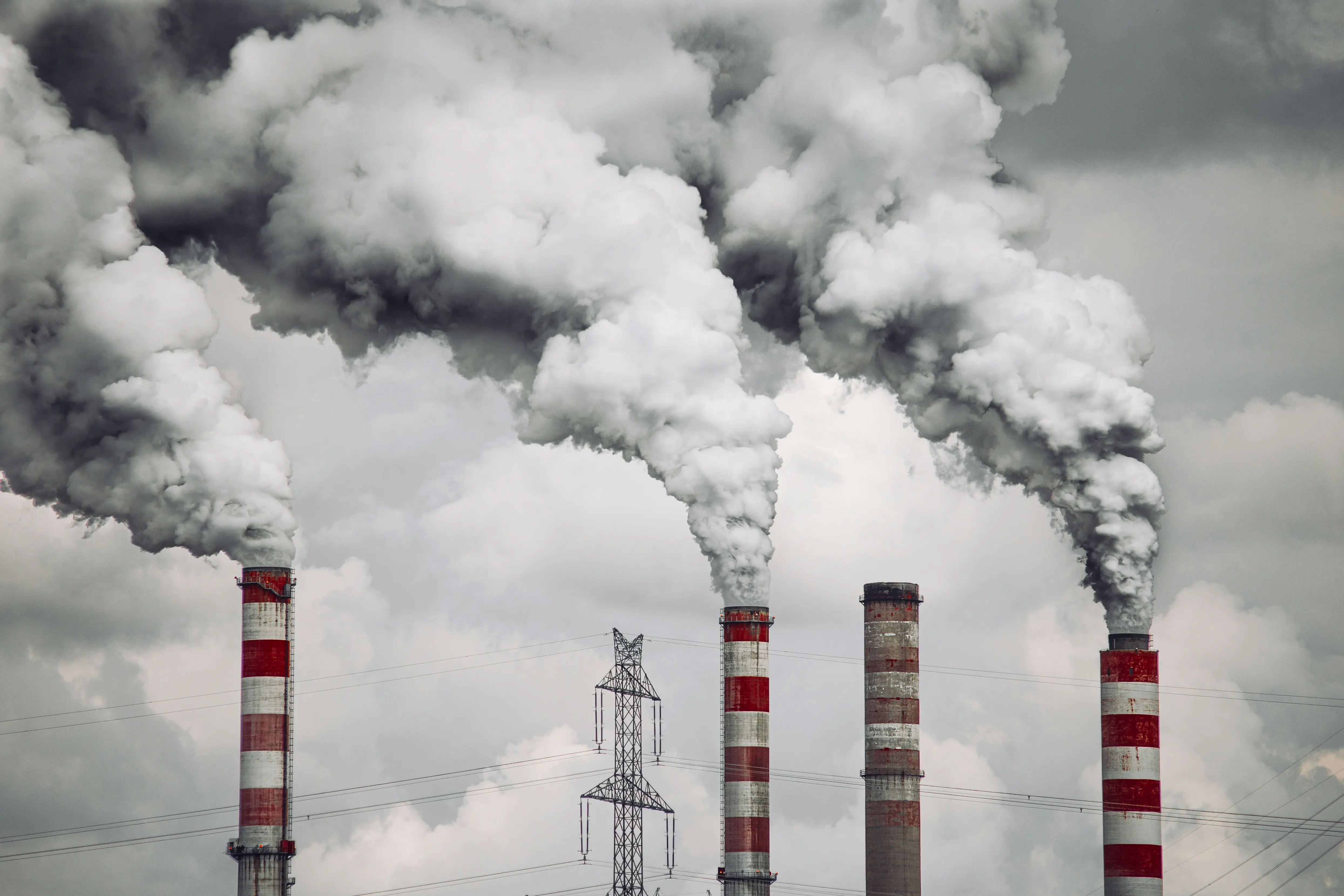
Lead Exposure from Historical Pollution Causes Neurotoxicity and Reduced IQ
Lead pollution from industrial sources, vehicle emissions, and paint contamination remains a significant global health threat. Childhood lead exposure reduces IQ by 5-10 points and causes permanent neurotoxicity. Long-term lead exposure in adults increases hypertension, kidney disease, and cognitive decline. Approximately 900 million children globally suffer from elevated lead exposure affecting developmental trajectories.

Indoor Air Pollution From Cooking Stoves Kills 3.2 Million Annually
Indoor air pollution from solid fuel burning, biomass stoves, and household chemical use affects over 2.7 billion people globally. Women and children face disproportionate exposure through cooking activities, with indoor PM2.5 levels reaching 10 times WHO guideline levels. Indoor air pollution causes chronic obstructive pulmonary disease, lower respiratory infections, and lung cancer at rates exceeding outdoor pollution impacts.

Future Reductions to National Pollution Standards Could Add 1.5 Years Lifespan
If India reduced air pollution to meet national PM2.5 standards of 40 microgrammes per cubic metre, average life expectancy would increase by 1.5 years across high-pollution regions. Meeting WHO guidelines of 5 microgrammes per cubic metre could add 8.2 additional years in Delhi-NCR alone. Global pollution control policies focusing on industrial emissions, vehicle standards, and fuel transitions offer substantial public health benefits.
)
)
)
)
)