10 trains that travel through the harshest terrains

From India’s Darjeeling Himalayan Railway to Argentina’s Tren a las Nubes, these trains navigate the world’s harshest terrains. Facing mountains, jungles, and seas, they offer challenging but unforgettable journeys. Know more below.
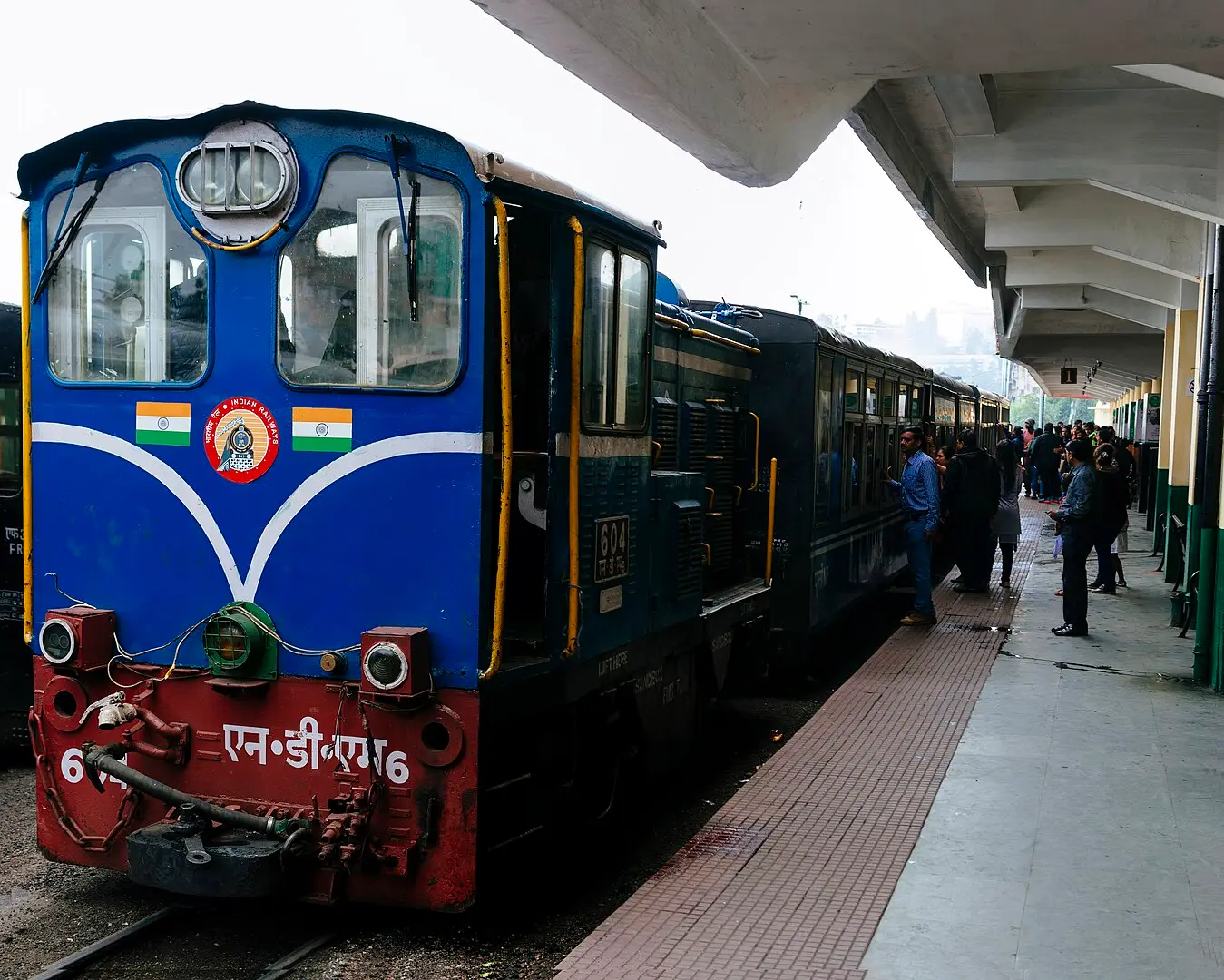
Darjeeling Himalayan Railway, India
This UNESCO World Heritage narrow-gauge railway travels through the Himalayas, crossing 102 tunnels and 864 bridges. It climbs steep slopes offering incredible scenic views, famous for its engineering overcoming tough mountainous terrain.
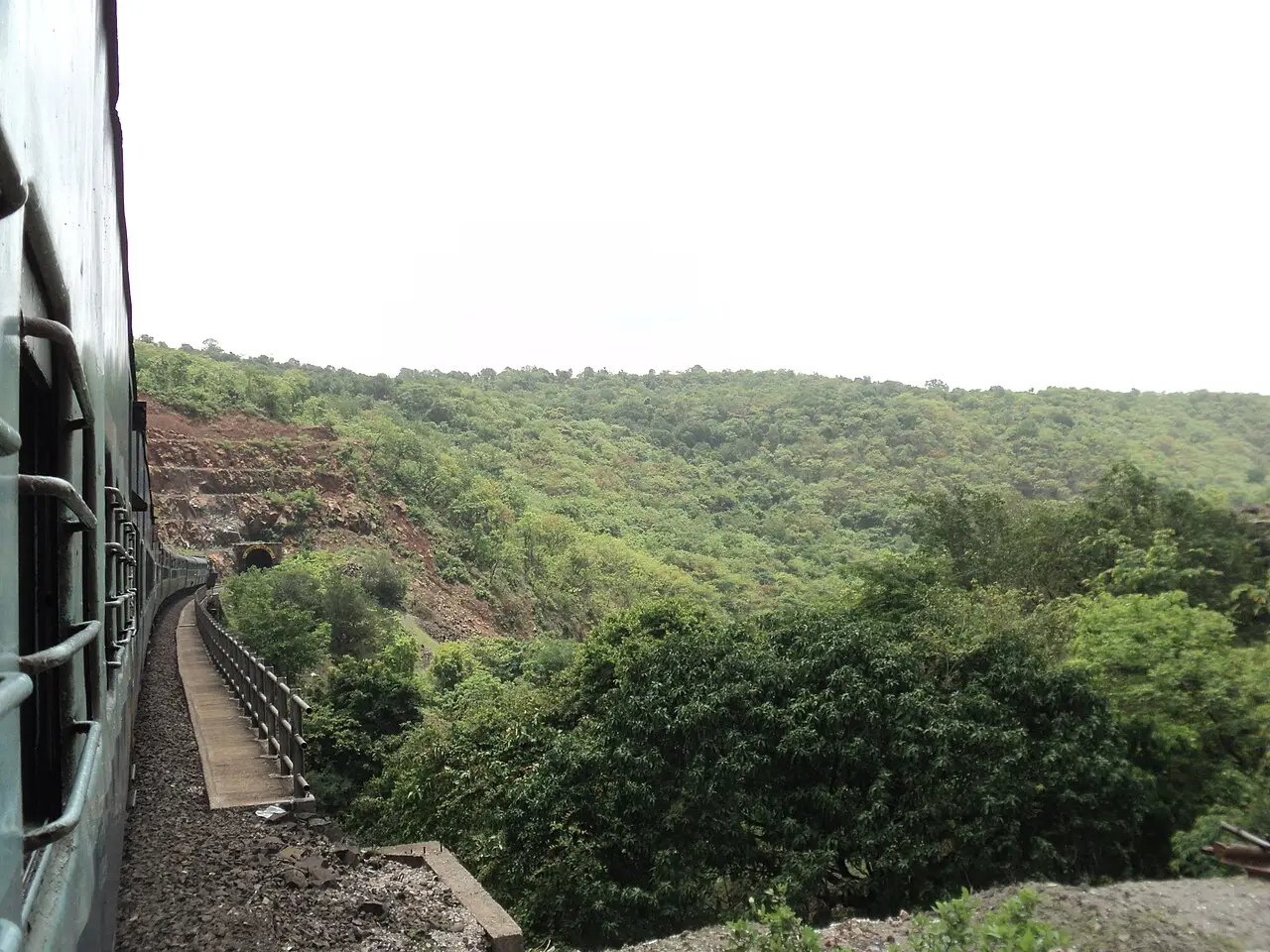
Konkan Railway, India
Running along India's western coast, this railway travels 760 km crossing over 2,000 bridges and 90 tunnels. It faces monsoon rains and landslides, making it one of India’s most challenging routes with stunning views of the Arabian Sea.
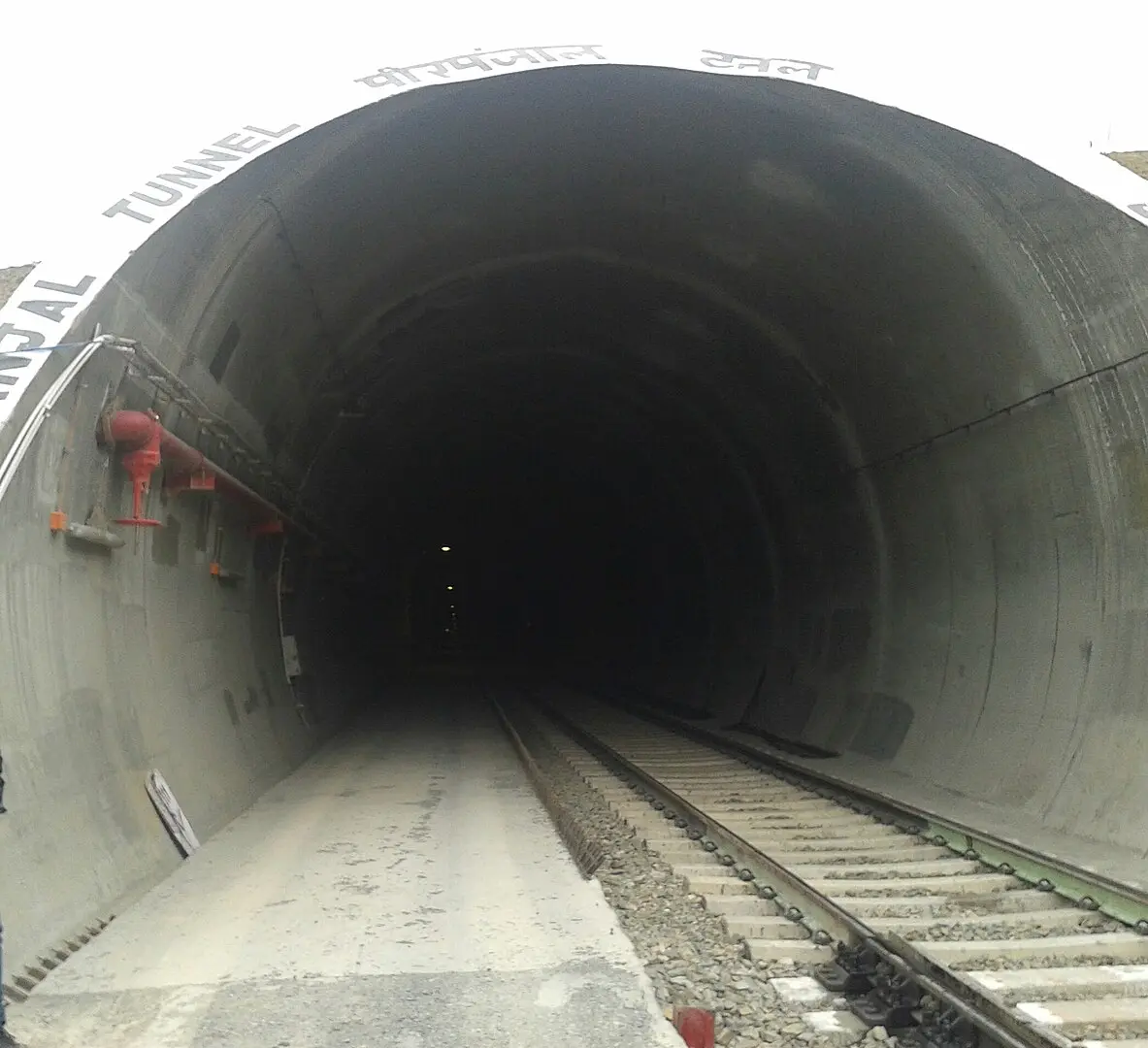
Jammu–Baramulla Railway (Banihal-Qazigund Tunnel), India
This line passes rugged Himalayas, with the Banihal-Qazigund Tunnel being one of India’s longest railway tunnels. It ensures all-weather connectivity despite heavy snow and landslides, providing stunning mountain vistas.
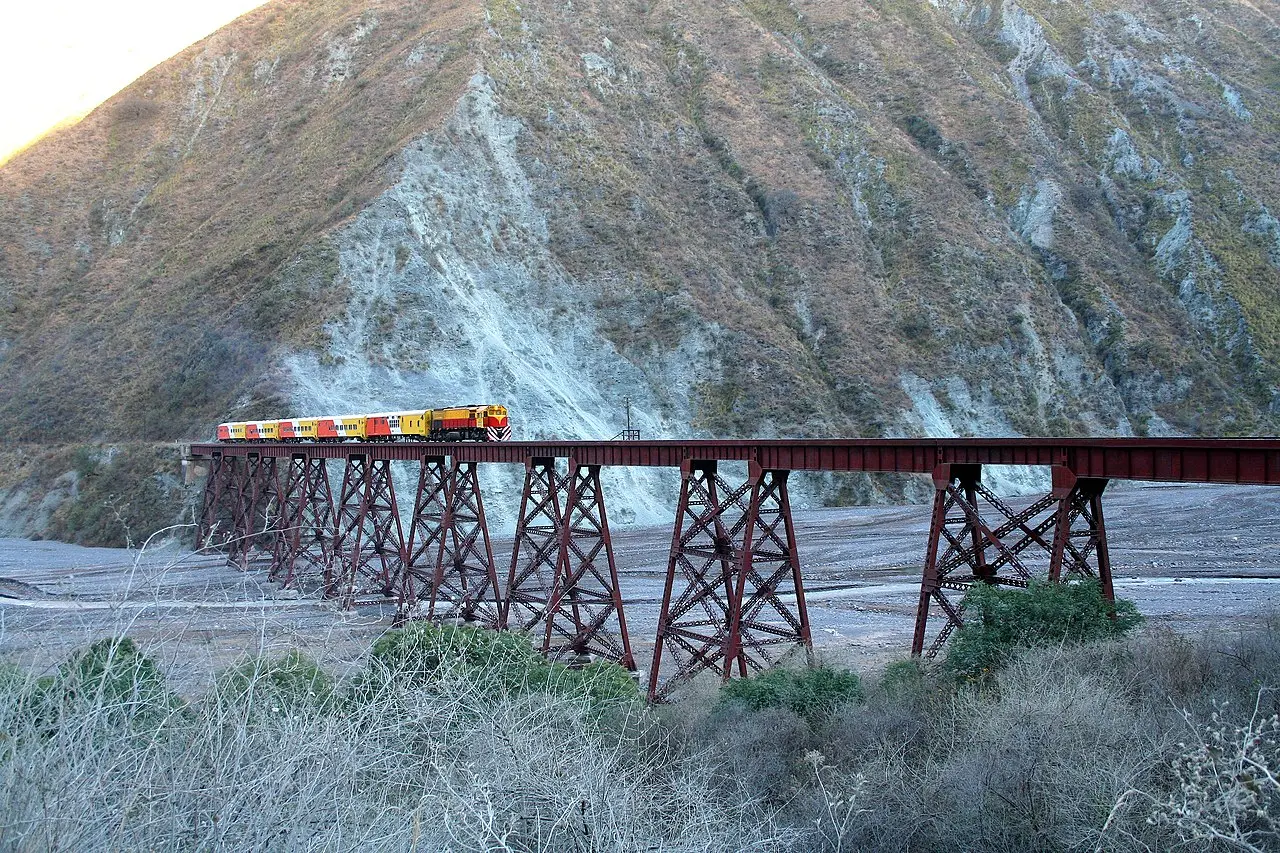
Tren a las Nubes, Argentina
The "Train to the Clouds" operates at altitudes above 4,200 m in the Andes. It crosses 29 bridges and 21 tunnels through deep canyons and winding slopes, offering breathtaking views in extreme mountainous conditions.
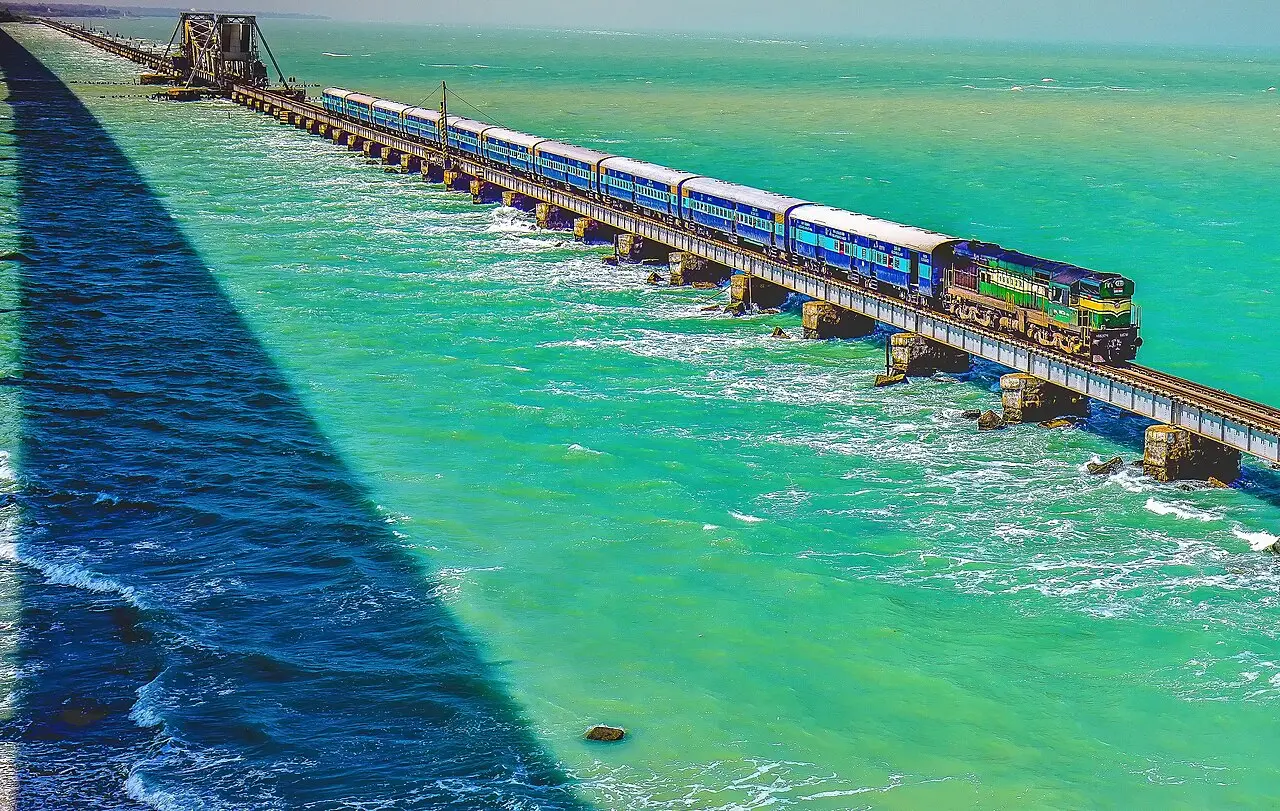
Pamban Railway, India
This railway crosses the sea from mainland India to Rameswaram Island via the Pamban Bridge. Built in 1914, it faces severe weather and strong sea winds, making it a vulnerable yet vital route.
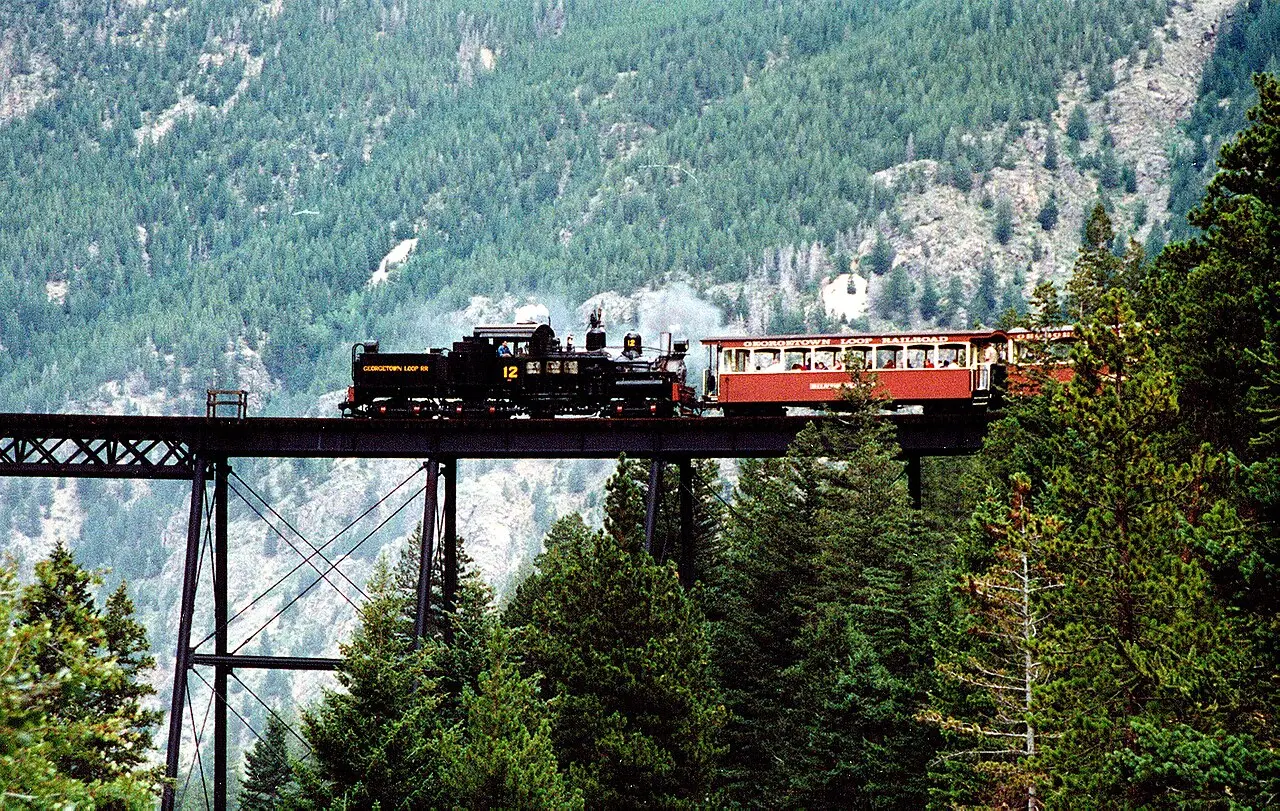
Georgetown Loop Railroad, USA
Built in the Rocky Mountains, this narrow-gauge railway crosses high bridges like the Devil’s Gate and passes steep cliffs. Weather conditions and altitudes make it a thrilling but challenging ride.
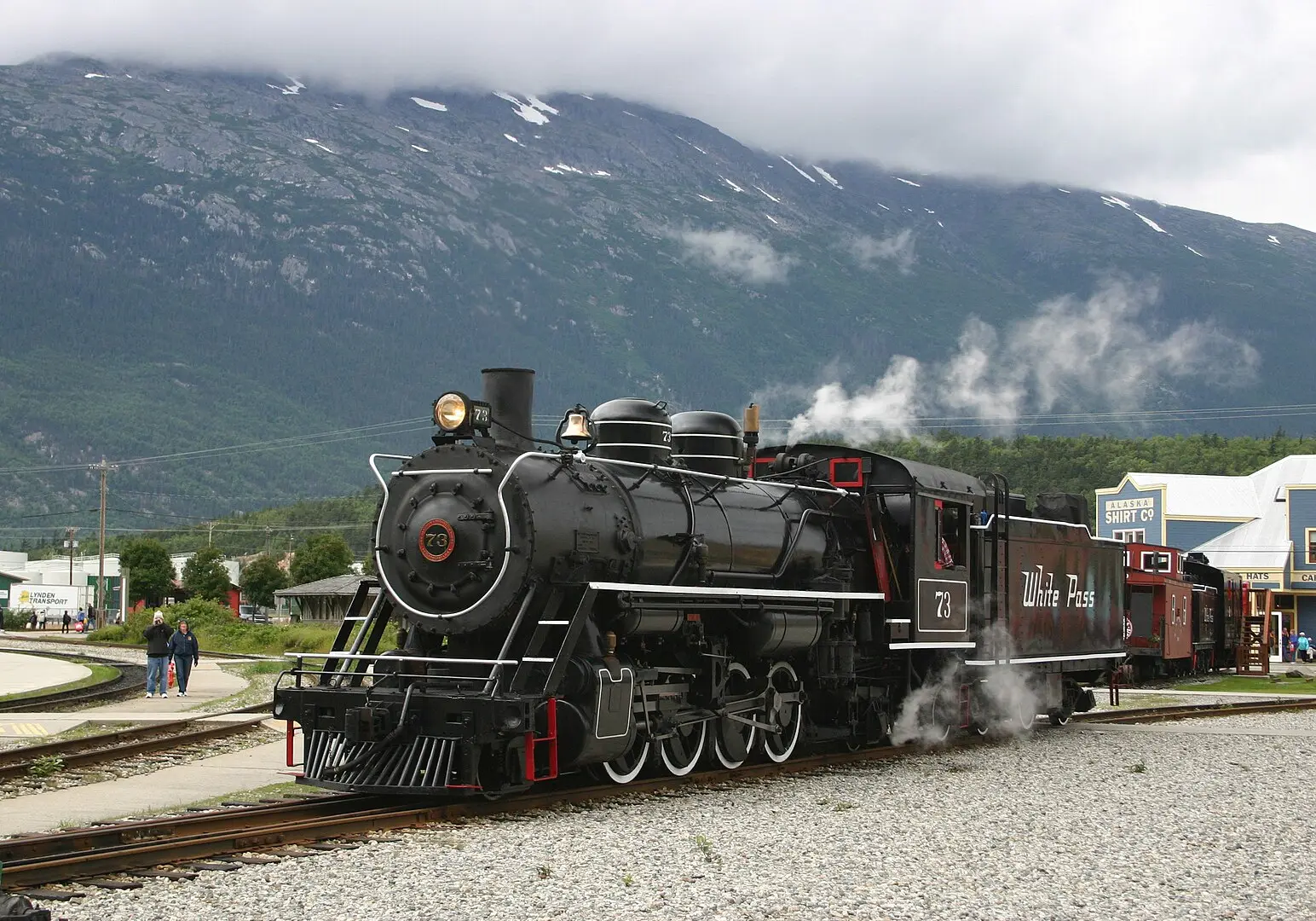
White Pass and Yukon Route, Alaska, USA
This narrow-gauge railway ascends steep grades and winding mountain passes close to the Alaskan wilderness. It is historically significant and operates in harsh weather and rugged landscapes.
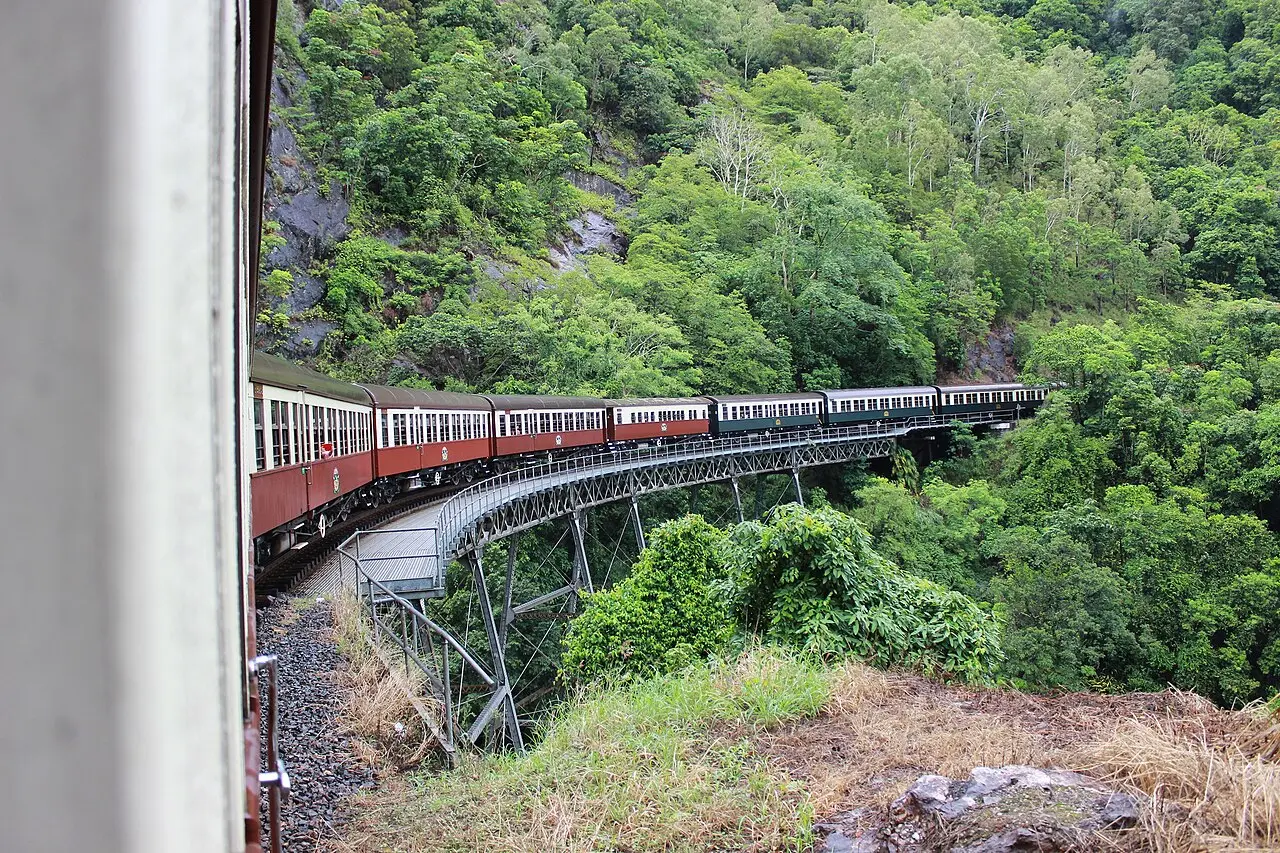
Kuranda Scenic Railway, Australia
Traveling through rainforests and steep valleys in Queensland, Australia, this railway navigates tough terrain with waterfalls and dense vegetation, popular among tourists for its natural beauty.
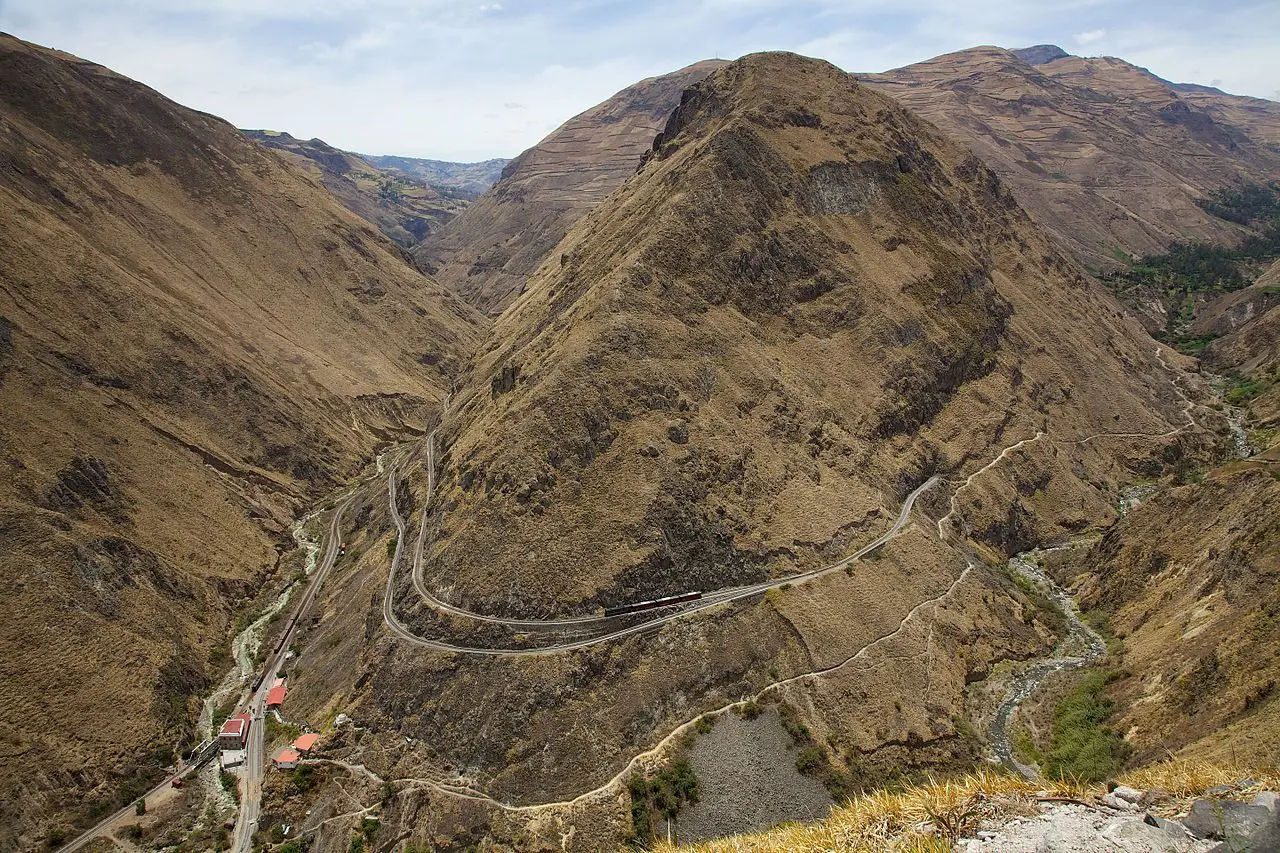
Devil’s Nose Railway, Ecuador
This route is famed for a near-vertical ascent with switchbacks, scaling up 500 metres of height quickly. Built in the early 1900s, it remains one of the most remarkable engineering challenges for rail.
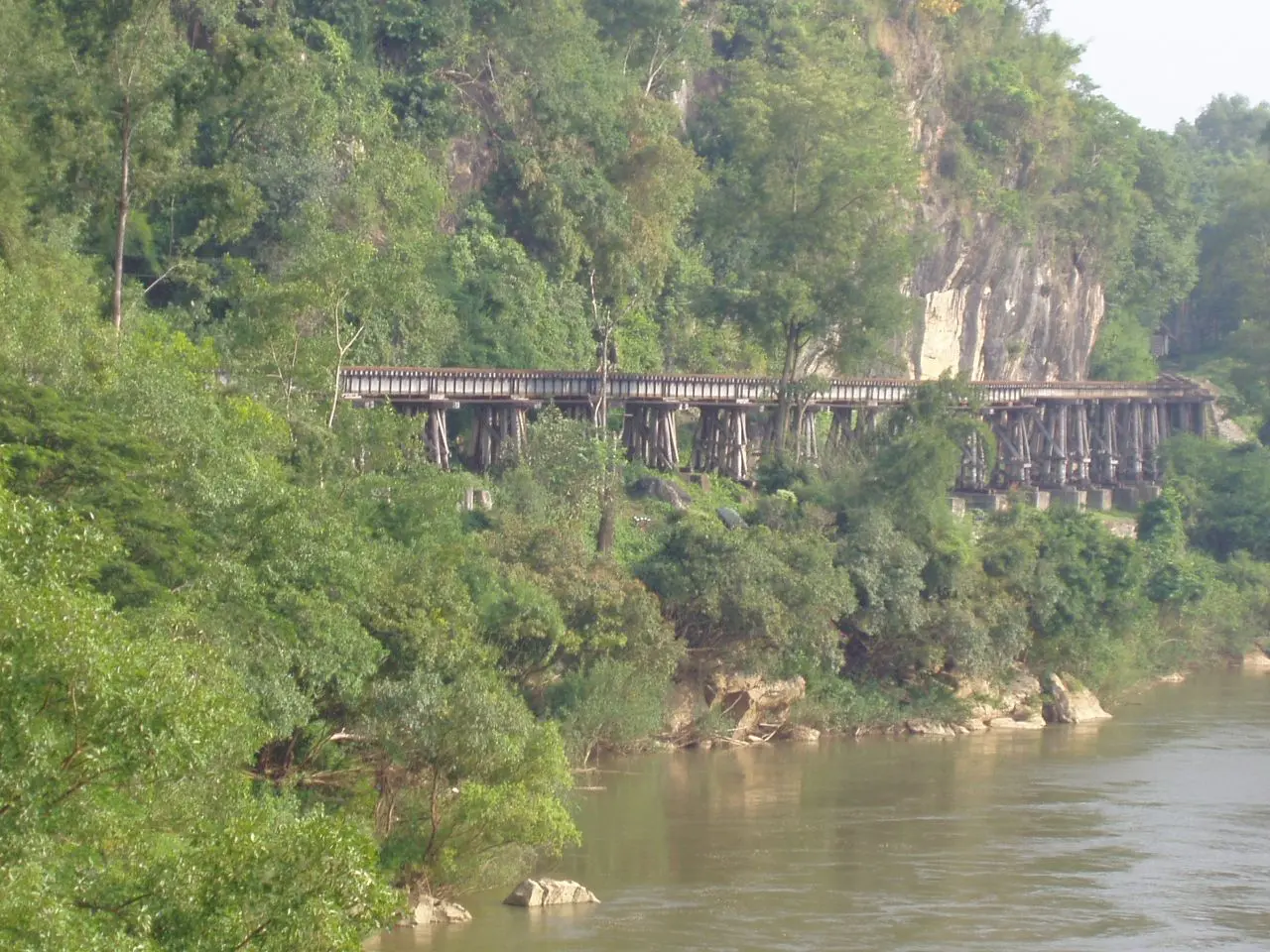
Thailand’s Death Railway
Built during WWII, this railway crosses dense jungle, mountainous terrain and numerous bridges. Its history and difficult landscape make it notorious among rail enthusiasts.
)
)
)
)
)