10 Stunning Photos of Comet Vistas


Comet Lovejoy
This image of comet Lovejoy was taken by scientists from NASA’s Goddard Center for Astrobiology in Maryland on February 4, 2015, just after the comet passed its perihelion, the closest point to the sun.
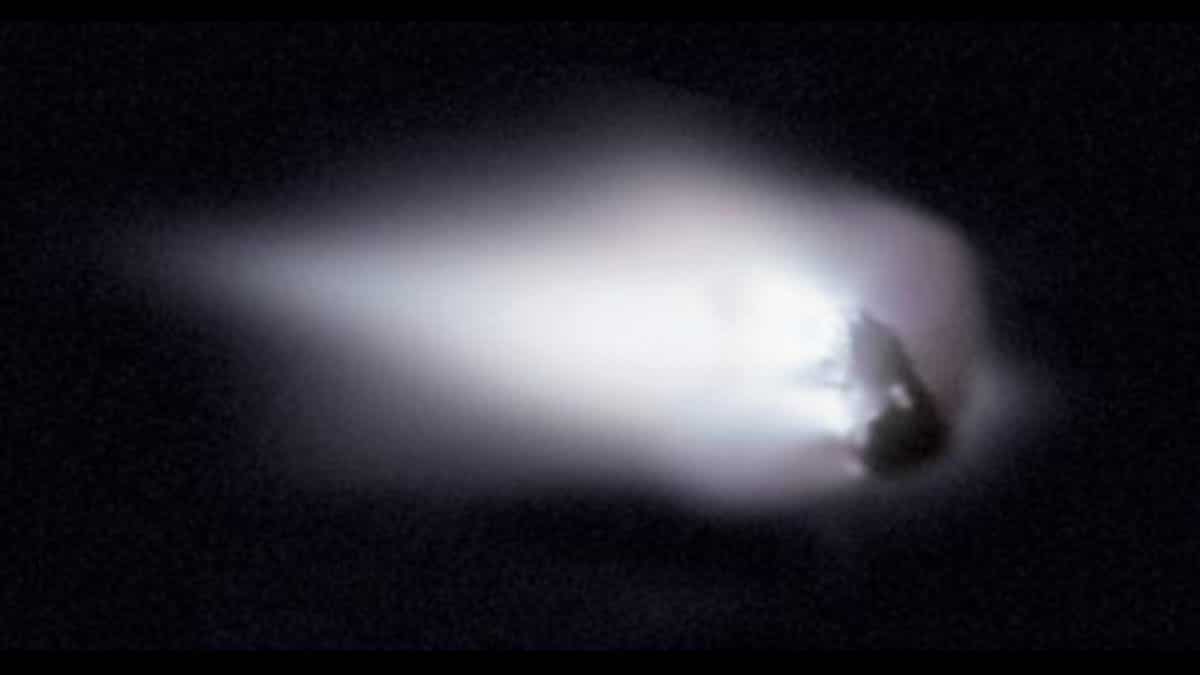
Comet Halley
One of the most popular comets, Halley appears after every 72-80 years. This image of its nucleus was taken in 1986, the last time it was seen near Earth, by the European spacecraft Giotto.
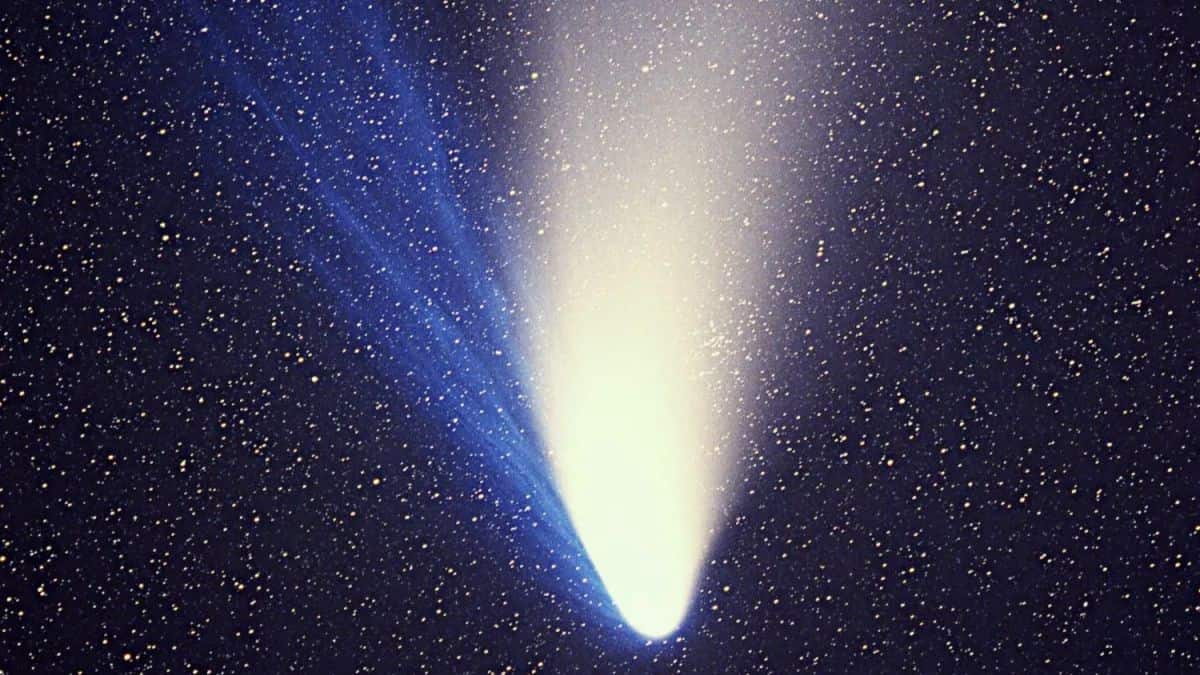
Comet Hale–Bopp
Comet Hale–Bopp is one of the brightest comets and can be seen with the naked eye. This image was taken in April 1997, just after it passed the perihelion, the closest point to the sun in orbit.
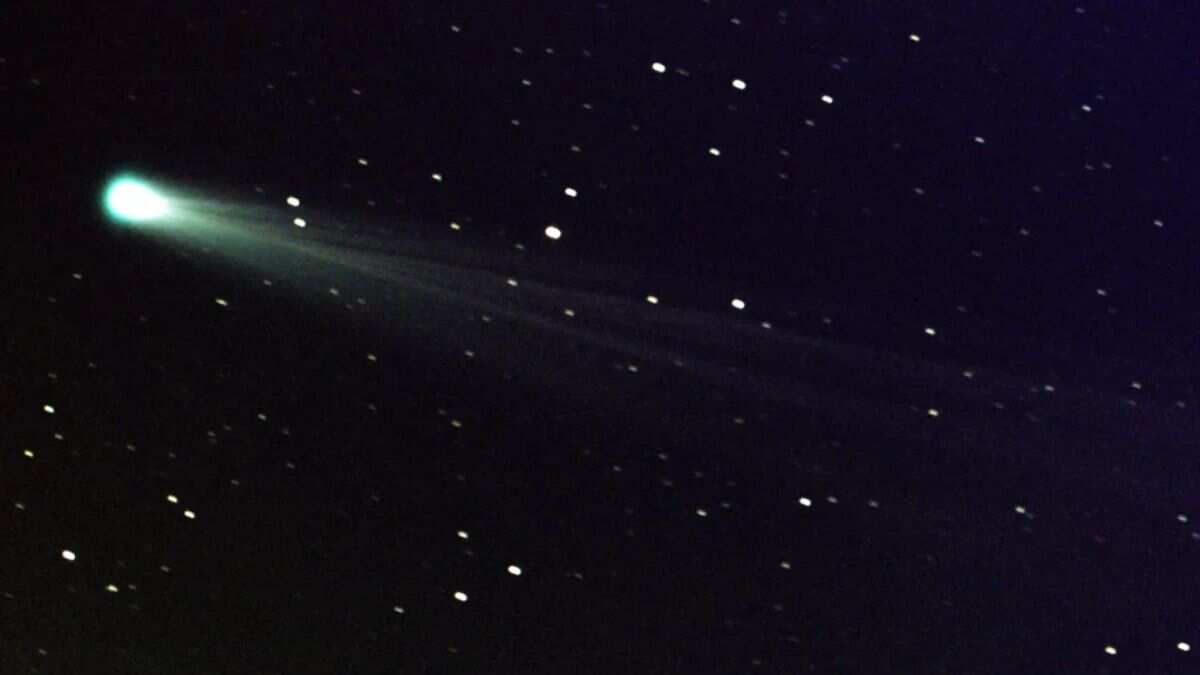
Comet ISON
Discovered in September 2012, this picture of comet ISON was taken in November 2013, days before its close approach to the sun. This comet is famous for its bright glow and is speculated to be one of the greatest comets by some enthusiasts.
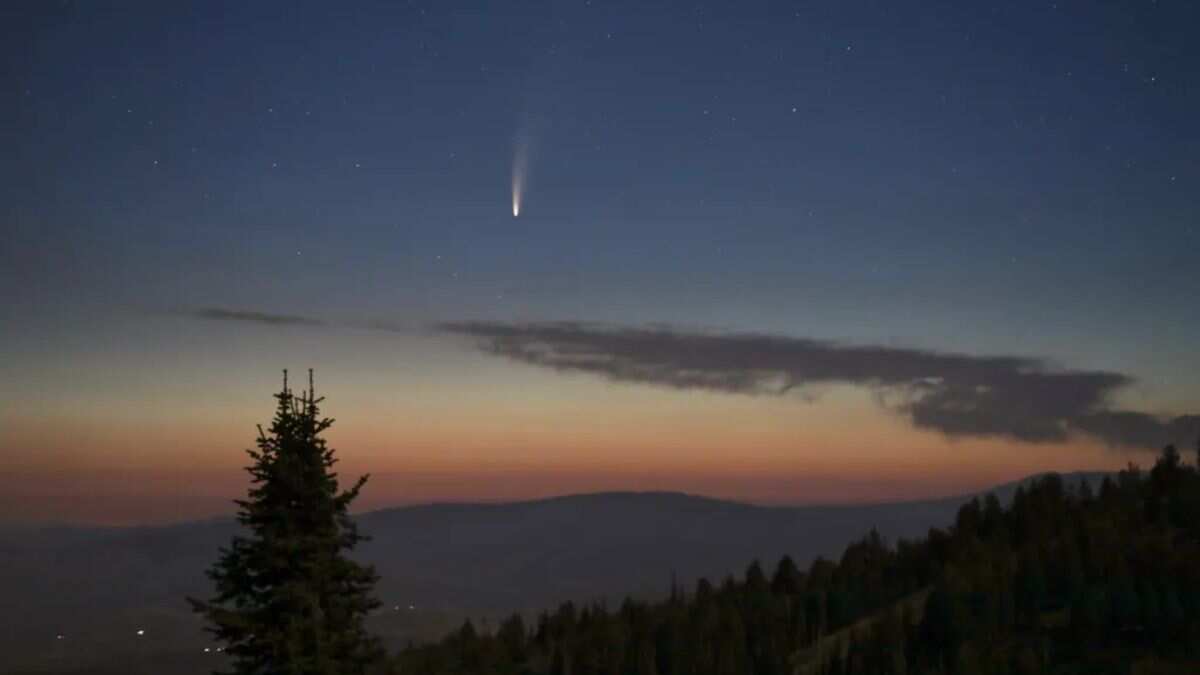
Comet NEOWISE
Comet NEOWISE was captured by NASA on July 9, 2020. This stunning image shows a pre-dawn sky over Utah with the comet making its appearance, visible to the naked eye.
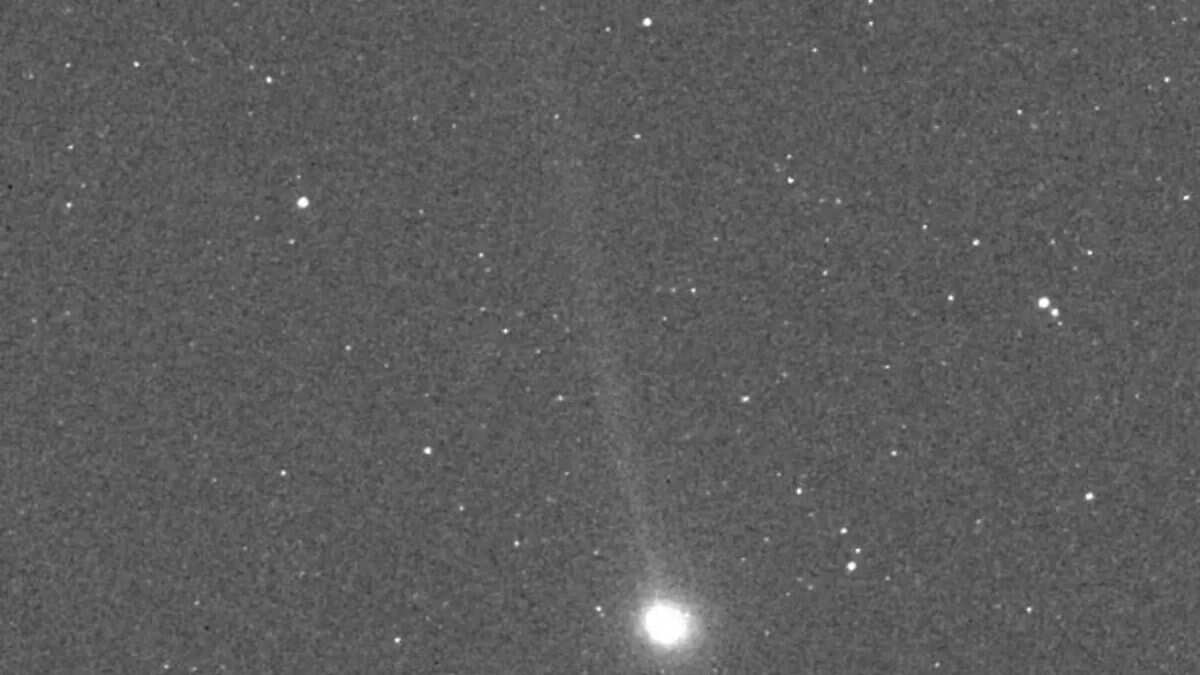
Comet Encke
Captured during its closest approach to Mercury, Comet Encke is a periodic comet. It completes its orbit around the sun in 3.3 years and was first discovered in January 1786.
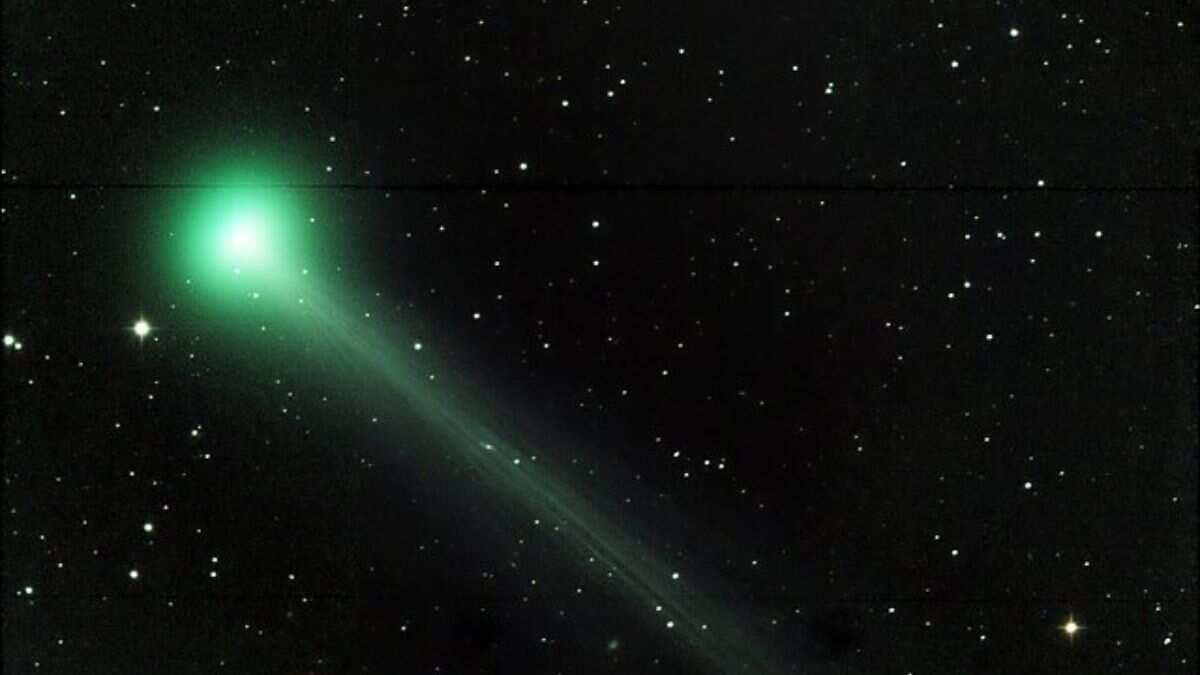
Comet SWAN
This comet was discovered in March 2020 by the Solar and Heliospheric Observatory (SOHO). While it is near the visibility range of the naked eye, it is difficult to spot as it is not as bright.
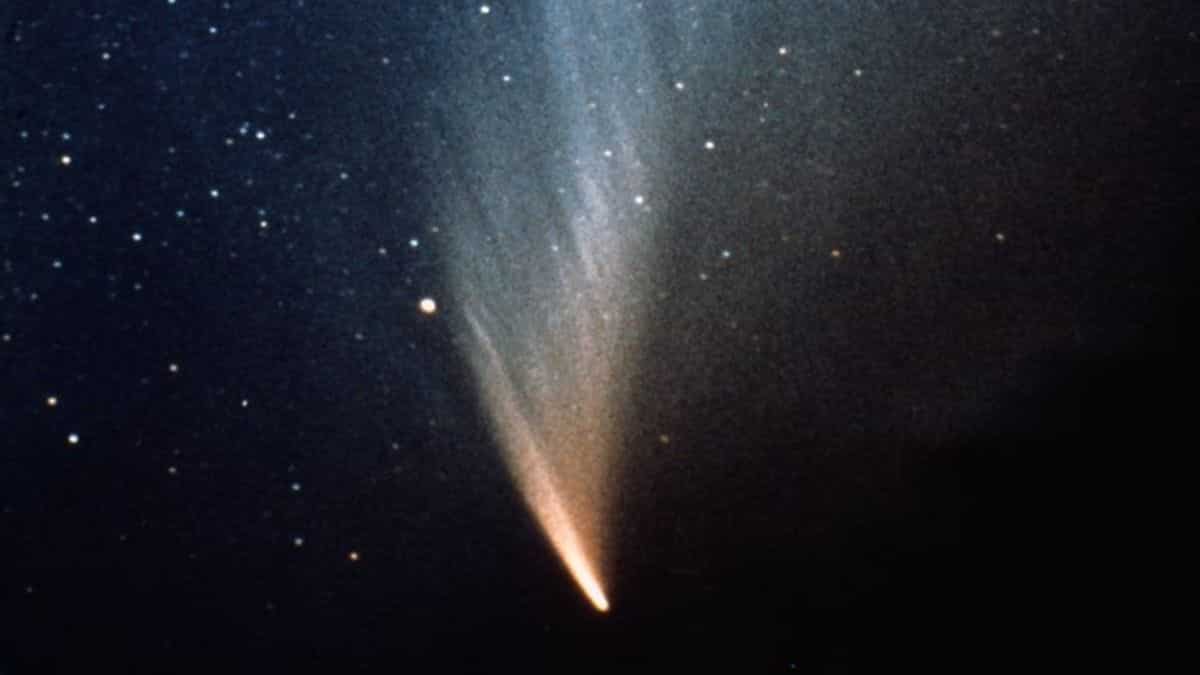
Comet West
Captured by ESO, Comet West was discovered in August 1975. During its peak brightness in March 1976, it was bright enough to observe in daylight.
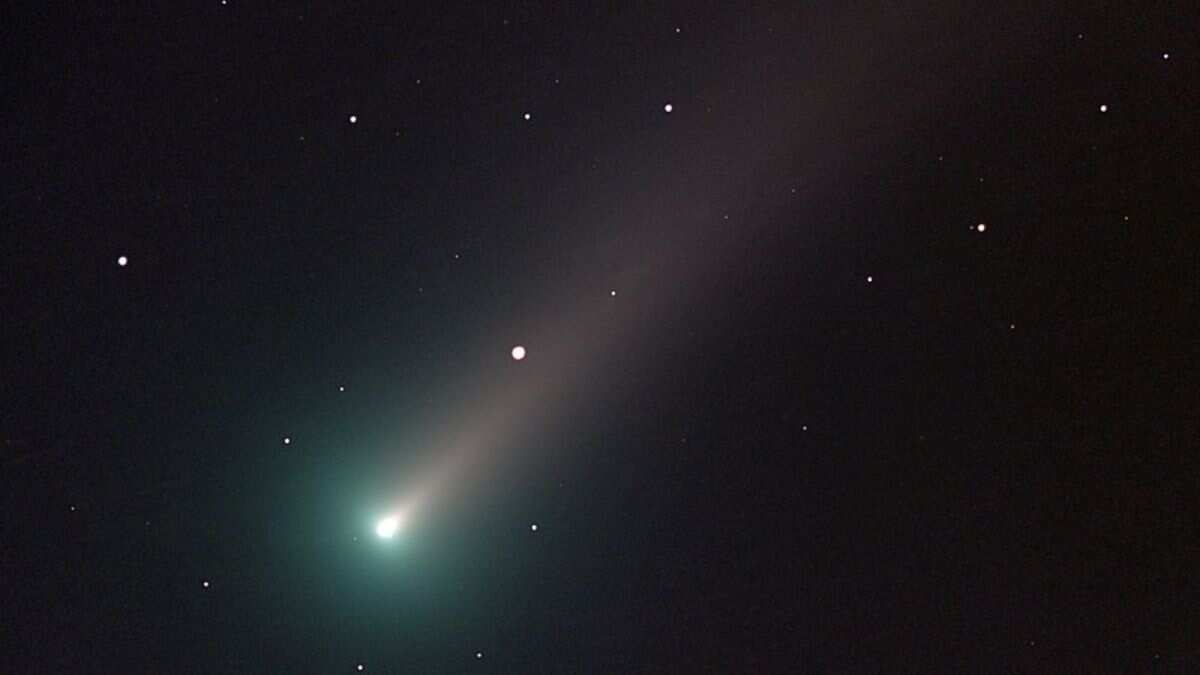
Comet Leonard
This beautiful image of Comet Leonard was captured by the University of Hertfordshire Observatory. It was discovered in January 2021 at the Mount Lemmon Observatory.
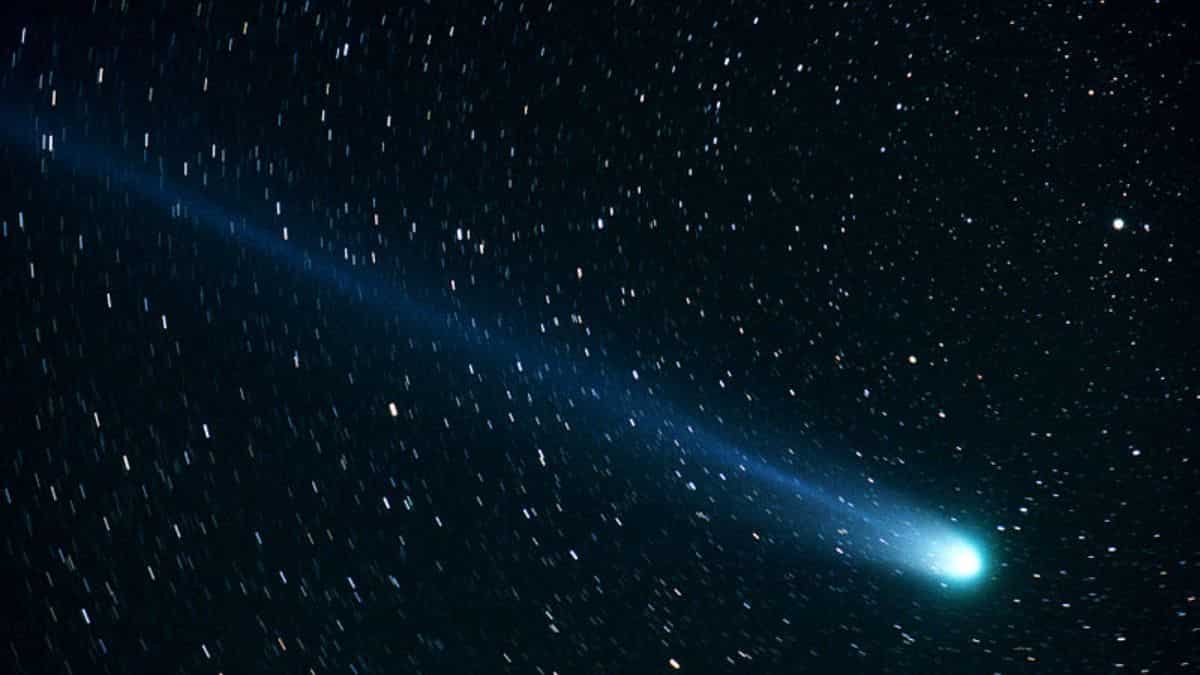
Comet Hyakutake
This photograph of Comet Hyakutake was first discovered in January 1996. It is often called the Great Comet of 1996 due to its brightness. This comet is one of the closest to pass the Earth in past 200 years.
)
)
)
)
)