‘10-second rule’: Does turning off your engine at red lights save fuel?

Idling over 10 seconds uses more fuel than restarting your car. Switching off the engine at red lights boosts mileage, saves money, and instantly stops harmful carbon emissions.
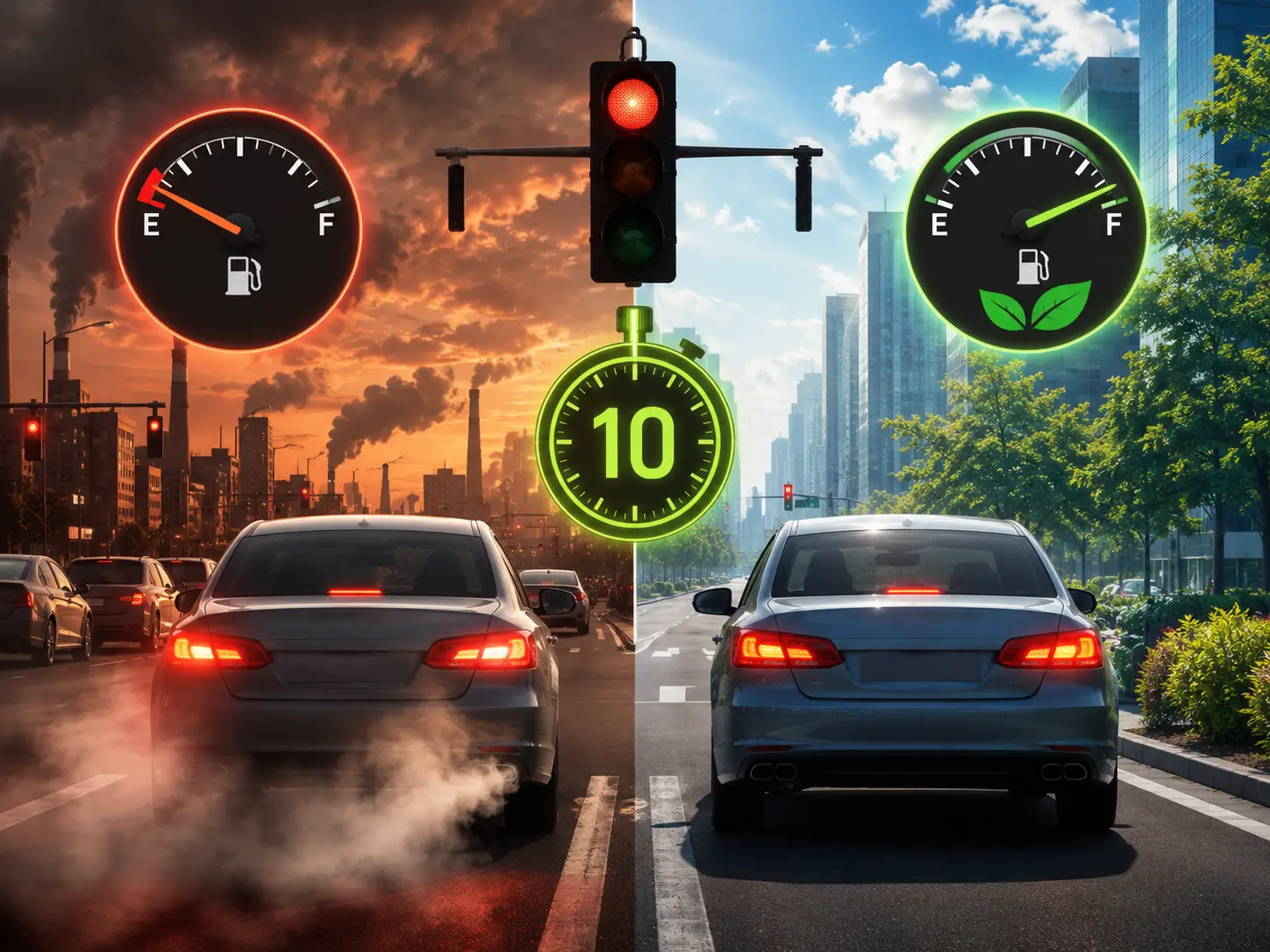
10 Seconds Wastes Fuel
If your wait at a red light stretches beyond 10 seconds, leaving the engine running wastes more fuel than turning it off. Modern fuel-injected engines are highly efficient and require very little petrol to restart compared to continuous idling.
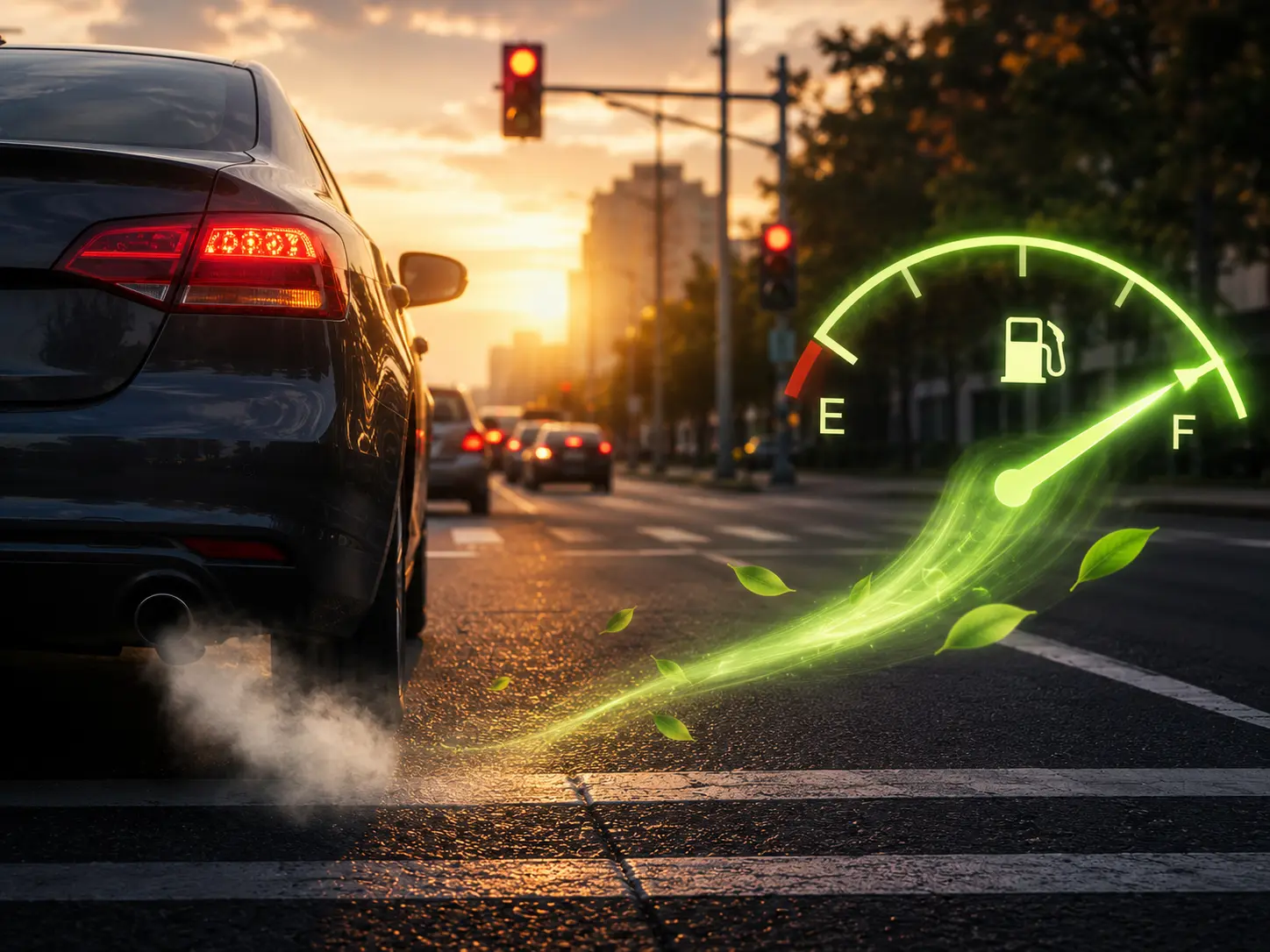
0.5 Litres Lost Hourly
An idling car engine can easily consume up to half a litre of fuel every hour while going absolutely nowhere. By switching off your ignition at long traffic stops, you significantly cut down on this unnecessary and expensive daily fuel consumption.
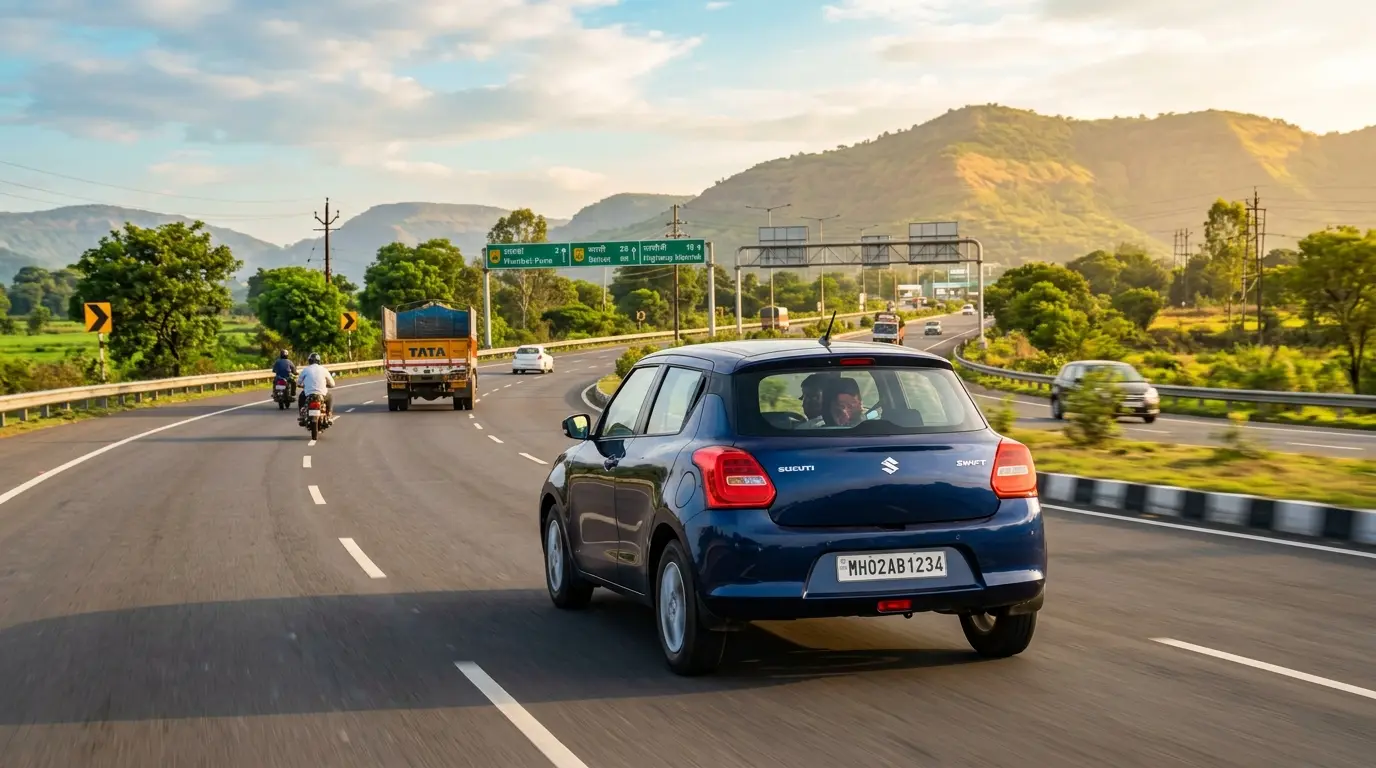
Savings Outweigh Wear
The idea that restarting your car drains the battery or ruins the starter is outdated. Any minimal wear is heavily offset by your daily fuel savings. Furthermore, modern cars equipped with stop-start systems feature heavy-duty components engineered to handle constant restarts without mechanical failure.

Zero Seconds For Warm-Up
Today's electronic engines require almost zero idling time to properly warm up before driving, even during cold mornings. The most effective and fuel-efficient way to warm up your vehicle's engine is to simply start driving at a gentle, steady pace.
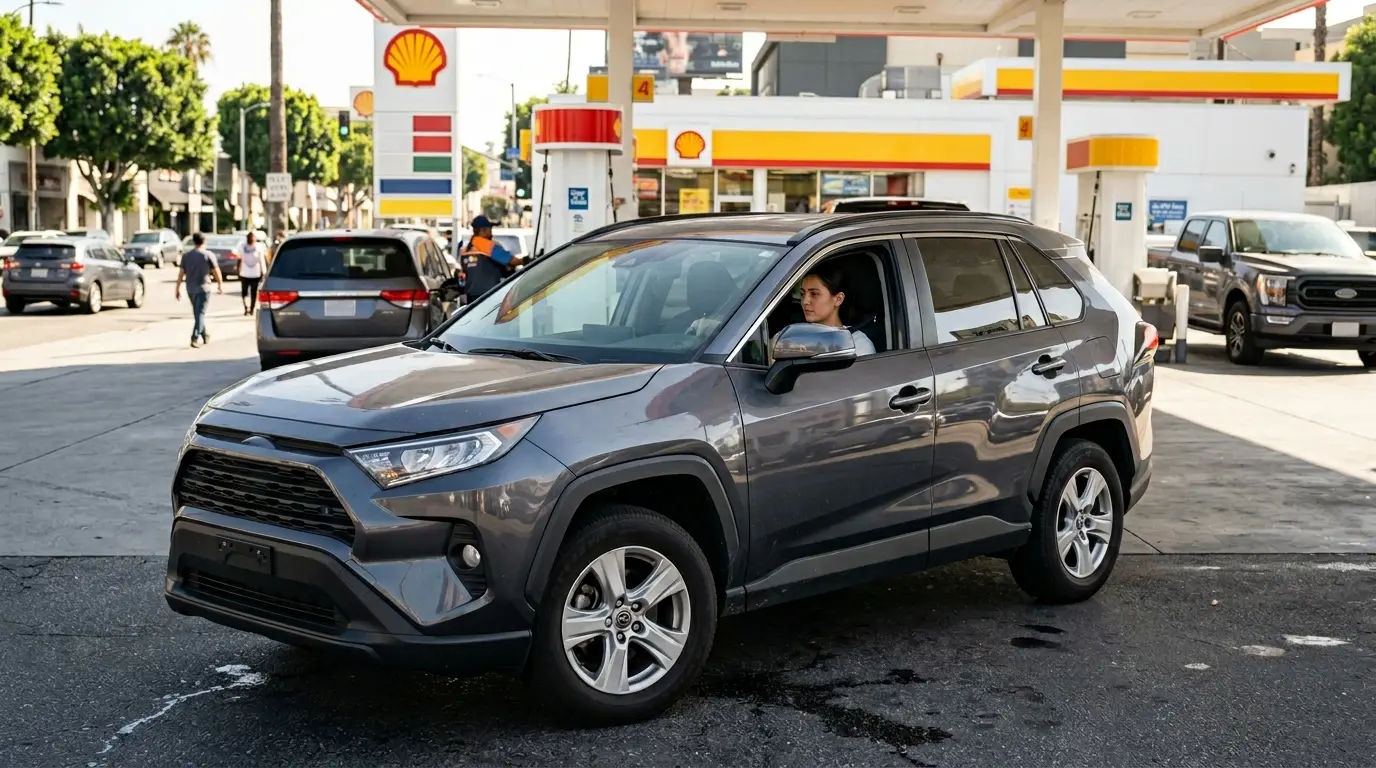
10 Minutes Emits CO2
Idling for just 10 minutes every day adds up to a massive release of harmful carbon dioxide over a year. Turning off the engine at prolonged red lights instantly halts these emissions, giving you better mileage while protecting your city's air quality.
)
)

)
)