10 reasons why India should buy a B-2 Bomber

Long-range strike aircraft would enable India to participate more effectively in coalition war-planning, joint deterrence, sea surveillance, and anti-carrier missions.
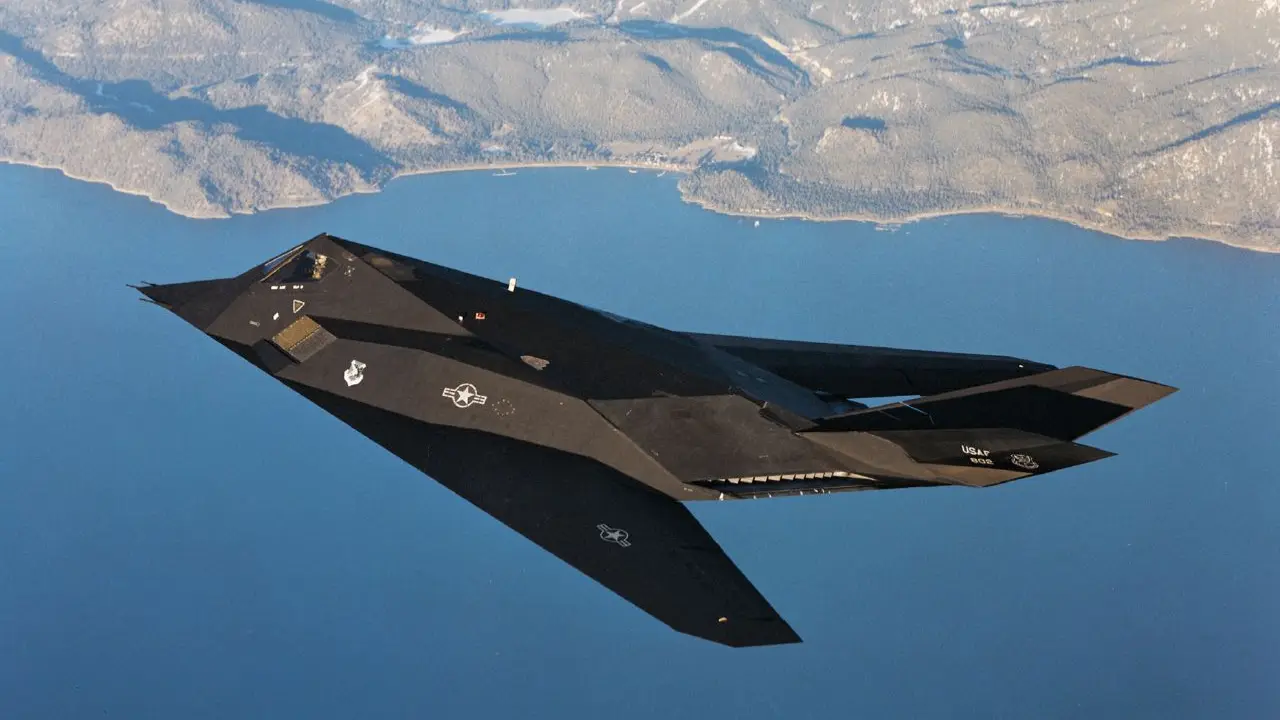
Deep-Strike Capability Beyond Asia
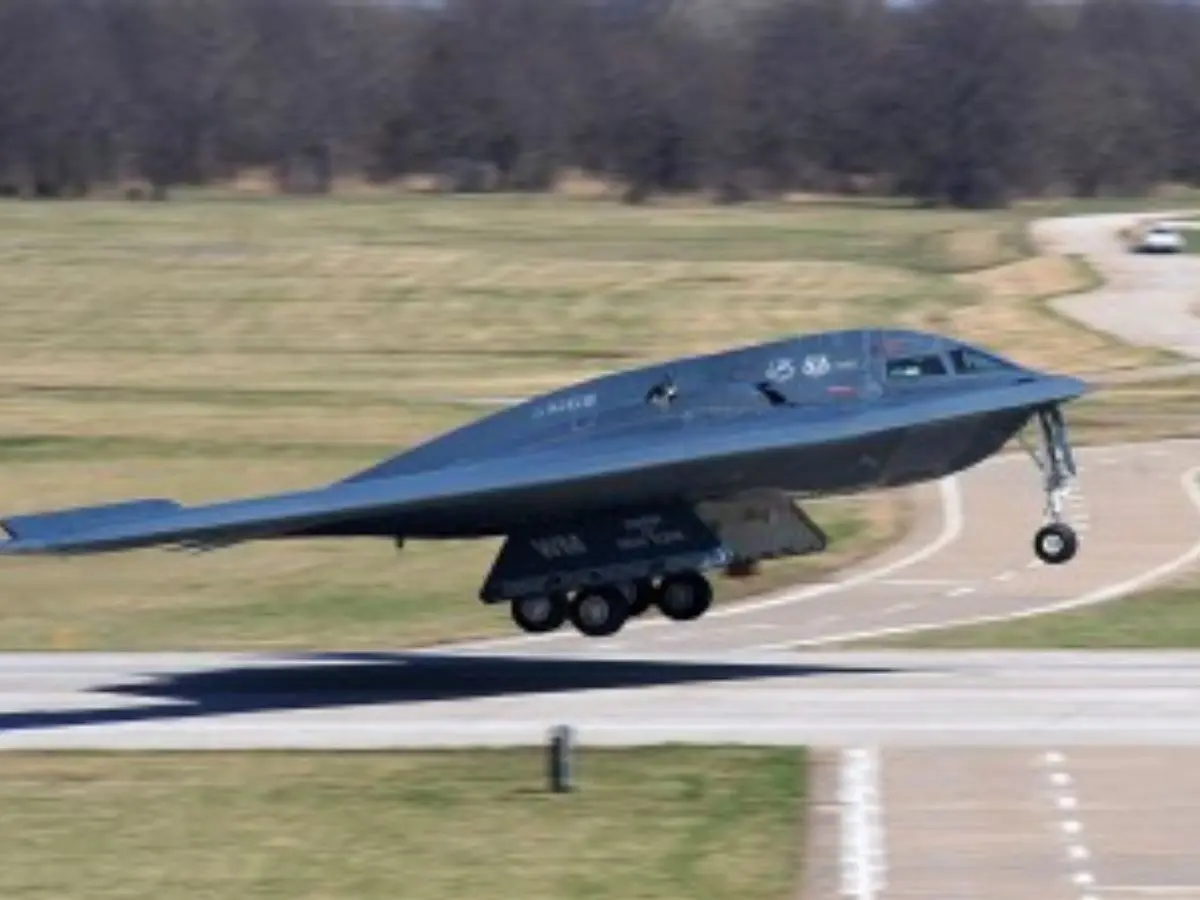
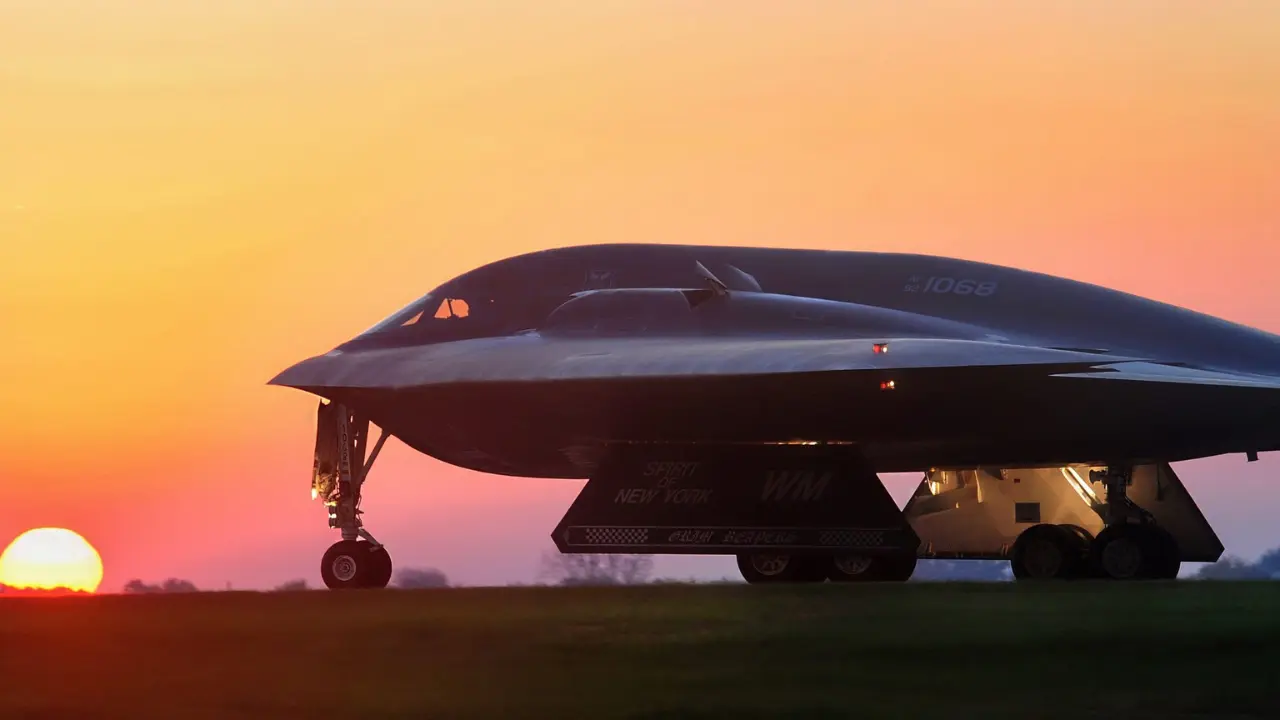
A stealth bomber like the B-2 Spirit can travel over 10,000 km without refuelling, giving India the ability to strike deep inside adversary territory, including mainland China far beyond Tibet, or hostile bases in the Indian Ocean, Africa, and West Asia. This level of reach means India would no longer rely only on regional airbases and refuelling support, making it capable of defending far-flung national interests and projecting power like a true global military force.
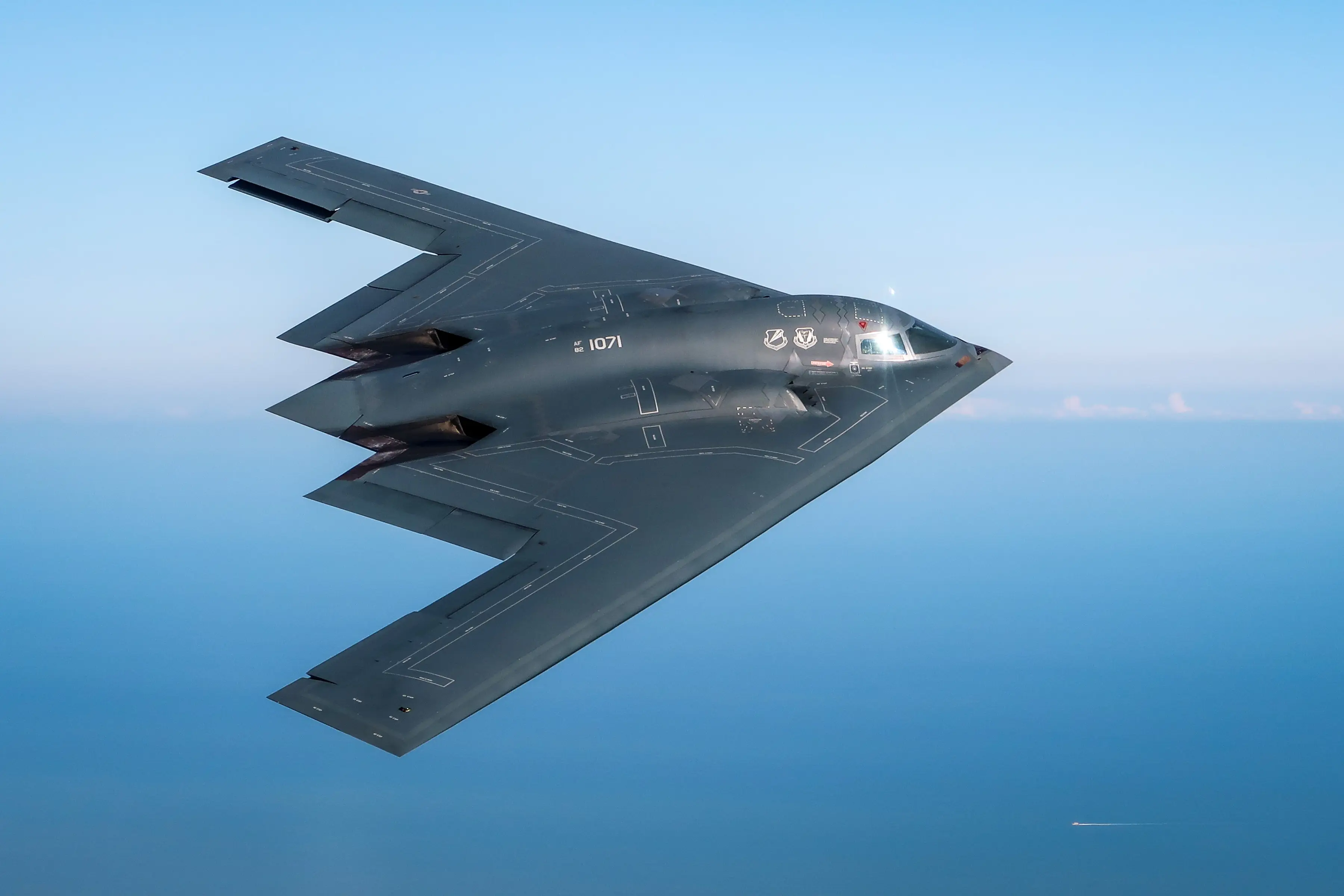
The Ability to Penetrate Advanced Air Defence Networks
China’s border regions and Pakistan’s strategic zones are increasingly covered by powerful radar-linked Integrated Air Defence Systems (IADS). These systems are specifically built to detect and destroy intruding aircraft. A stealth bomber is designed to evade such defences through radar-absorbing materials and low-observable design, making it far more survivable during the most dangerous phase of a strike mission, entering heavily protected enemy airspace. This ensures India can hit high-value targets with minimal risk of detection or escalation triggered by visible aircraft losses.
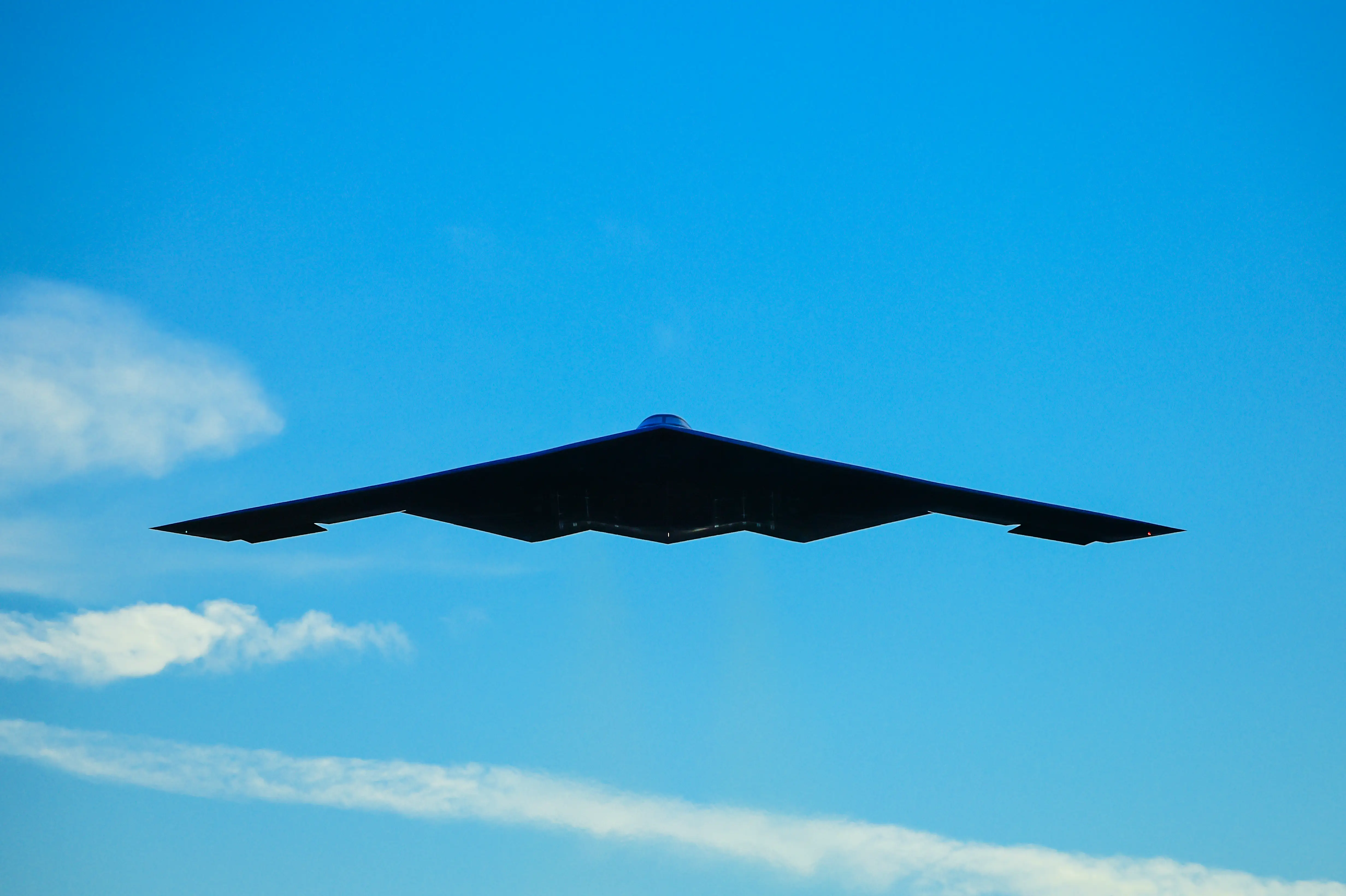
Strengthening India’s Nuclear Triad
India relies on land-based missiles and submarines to ensure nuclear deterrence, but those systems cannot be recalled once launched. A stealth bomber adds a flexible, air-based nuclear delivery platform that can be deployed, repositioned, and even withdrawn mid-mission depending on diplomatic or tactical situations. This strengthens India’s second-strike credibility and provides more nuanced strategic signalling without immediate escalation into full-scale conflict.
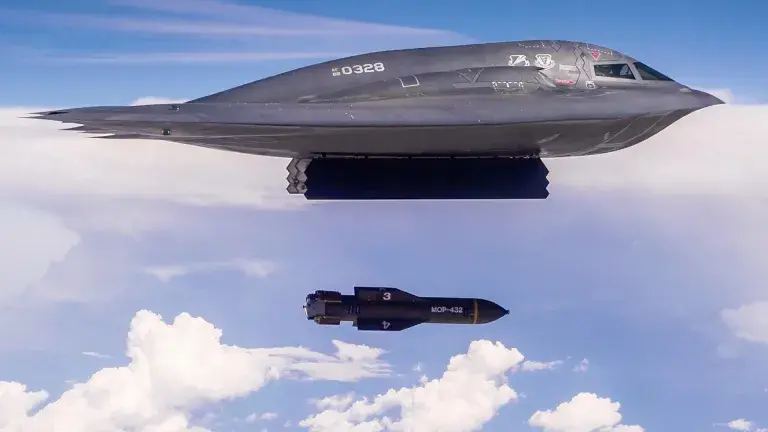
Increased Power Projection in the Indo-Pacific Region
China’s naval expansion into the Indian Ocean, including access to Pakistan’s Gwadar port and a full-scale base in Djibouti, requires India to extend its military reach deep into the maritime theatre. A long-range bomber can support naval operations by targeting aircraft carriers, destroyers, submarine bases, logistics hubs, and fuel depots located thousands of kilometres from the mainland. This allows India to maintain dominance in the Indian Ocean Region and push back against encirclement strategies like China’s “String of Pearls.”
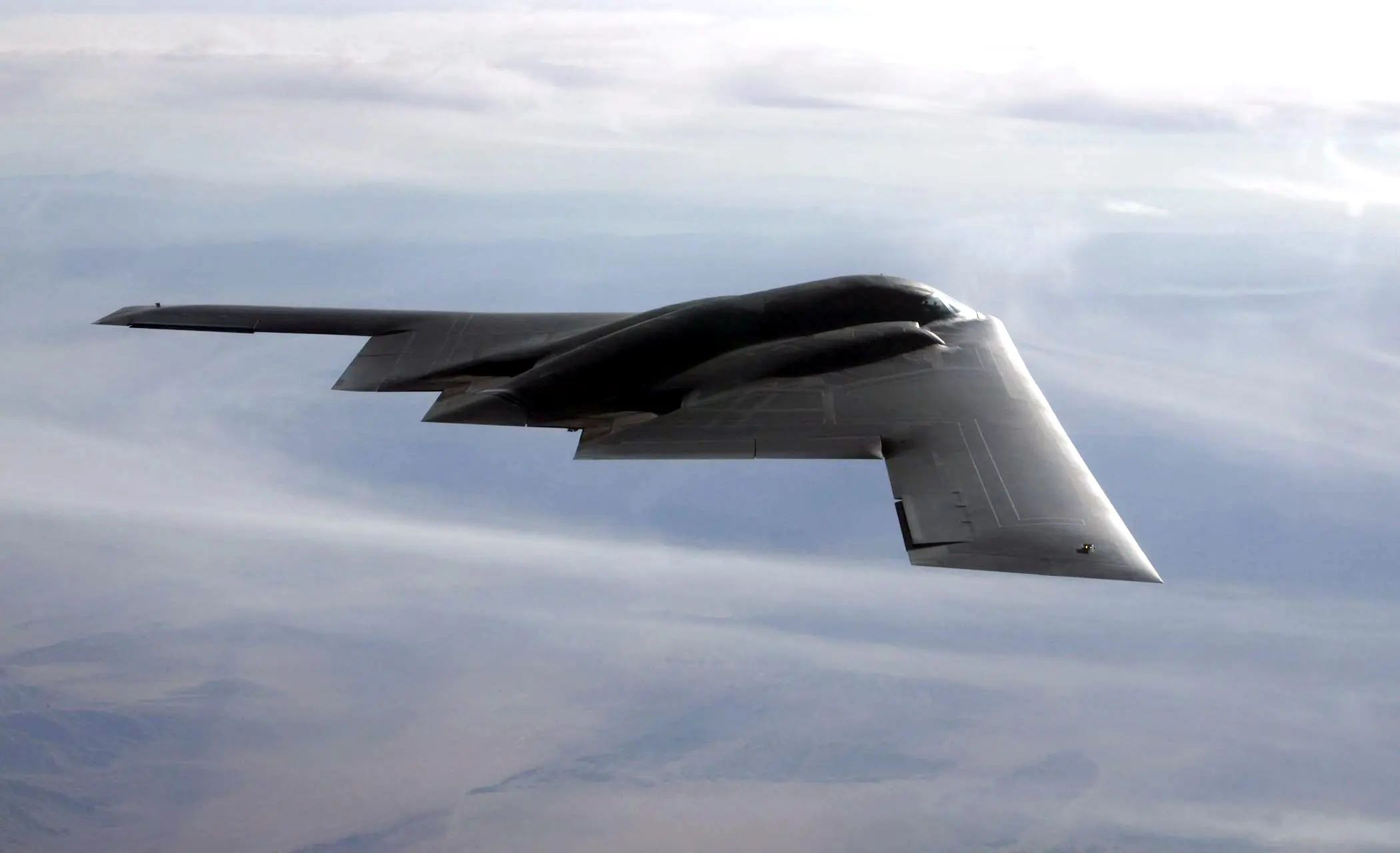
Rapid Response in Crisis and High-Intensity Conflict
During emergencies, India needs credible first-strike and contingency options that can be launched instantly without requiring forward deployment. Stealth bombers can take off from central India and reach conflict zones within hours, whether the mission is a pre-emptive strike on terror launchpads, destroying enemy missile sites, or crippling military infrastructure early in a war. Speed and surprise become psychological and tactical advantages that reduce the enemy’s reaction time.
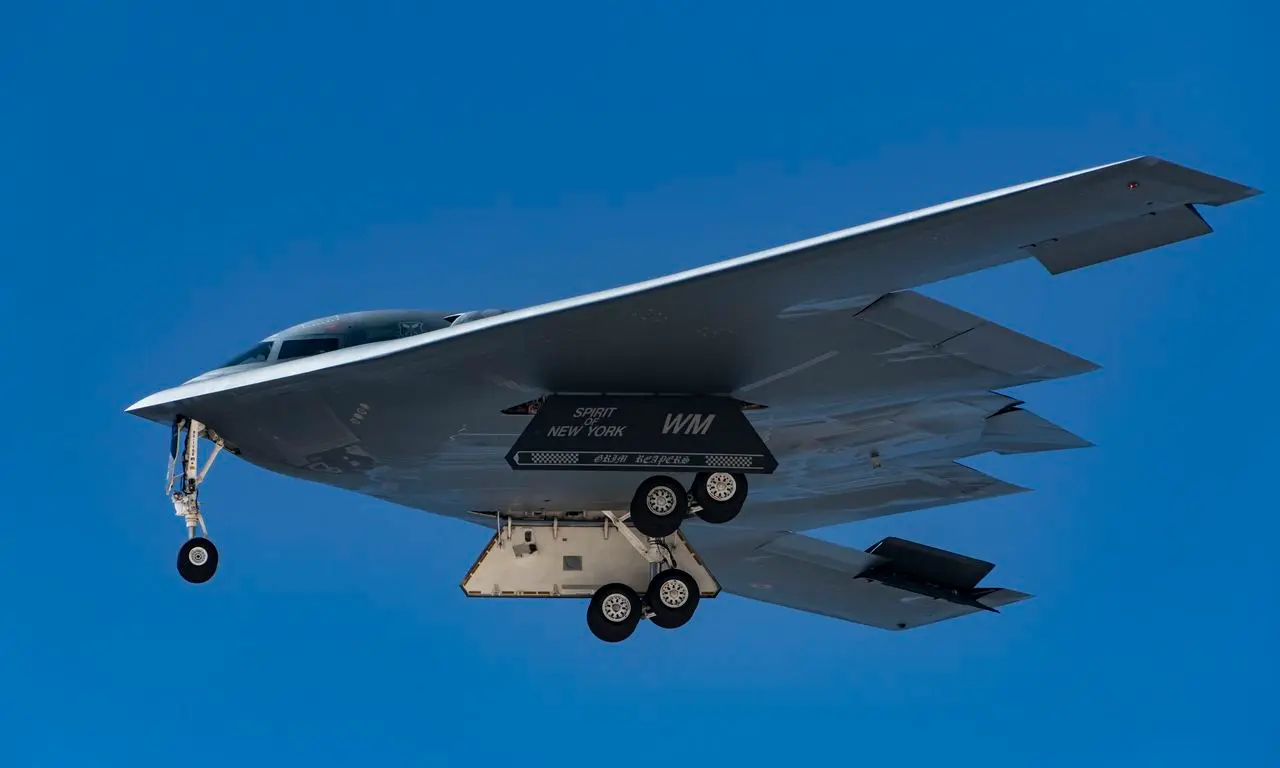
Heavy Payload for Maximum Damage in a Single Mission
Unlike fighter jets, which are limited by size and fuel, stealth bombers are engineered to carry massive payloads of precision-guided bombs, long-range cruise missiles, bunker-busters, and in future even hypersonic weapons. This allows India to destroy deeply buried storage depots, hardened command bunkers, and strategic bridges in mountainous terrains like Aksai Chin in a single sortie — a capability that multiplies strike efficiency while keeping aircraft numbers low.
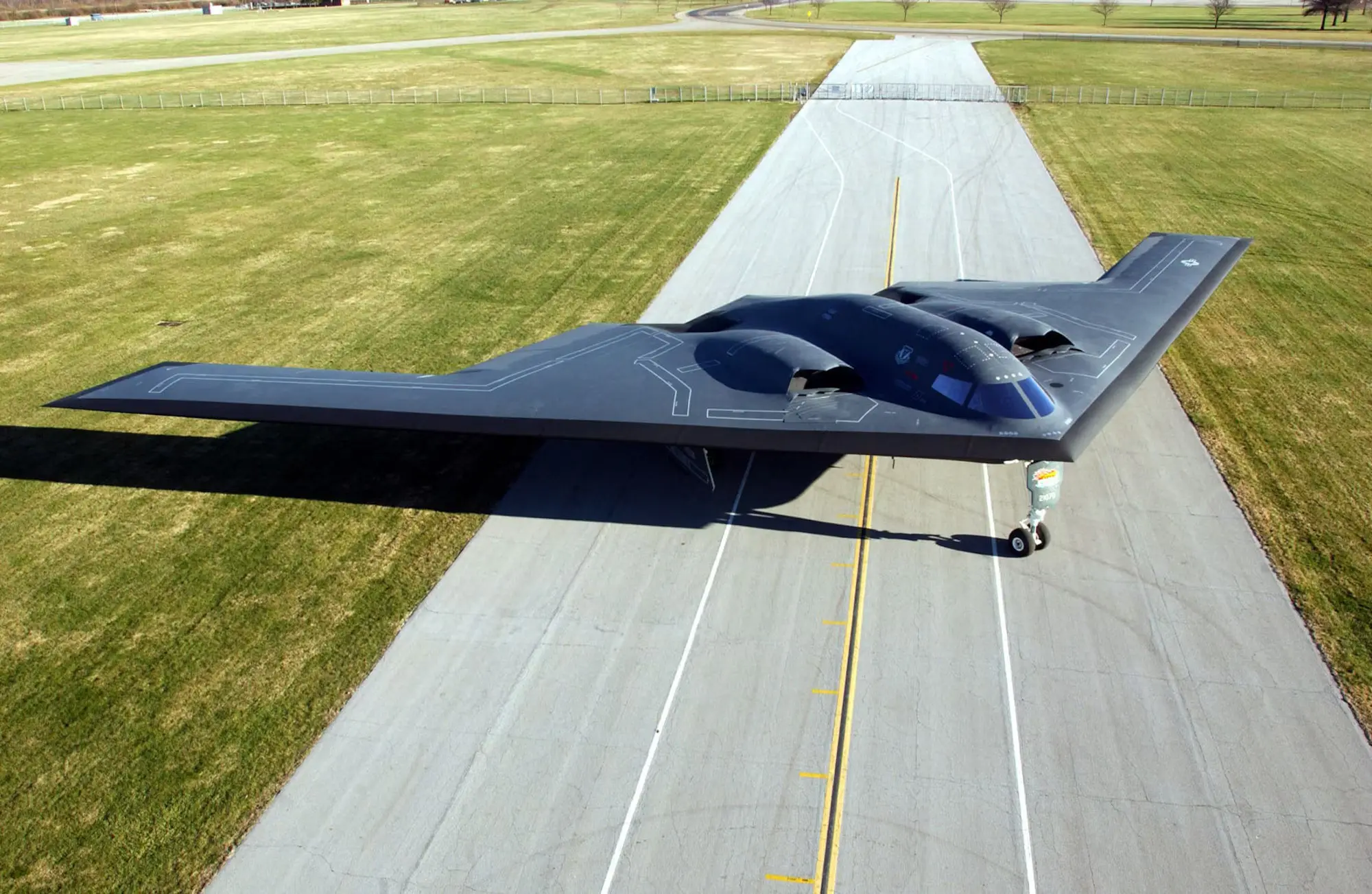
Overcoming Limitations of High-Altitude Mountain Warfare
Operations in the Himalayas are challenging because airbases in high altitudes restrict fuel and weapons loads for fighters. A stealth bomber launched from sea-level airbases can fly directly over these mountains with full payload and strike well-defended targets behind enemy lines. This provides India a major operational edge when conflicts emerge at the world’s highest battlefield zones, where China currently enjoys deep-back logistics through Tibet.
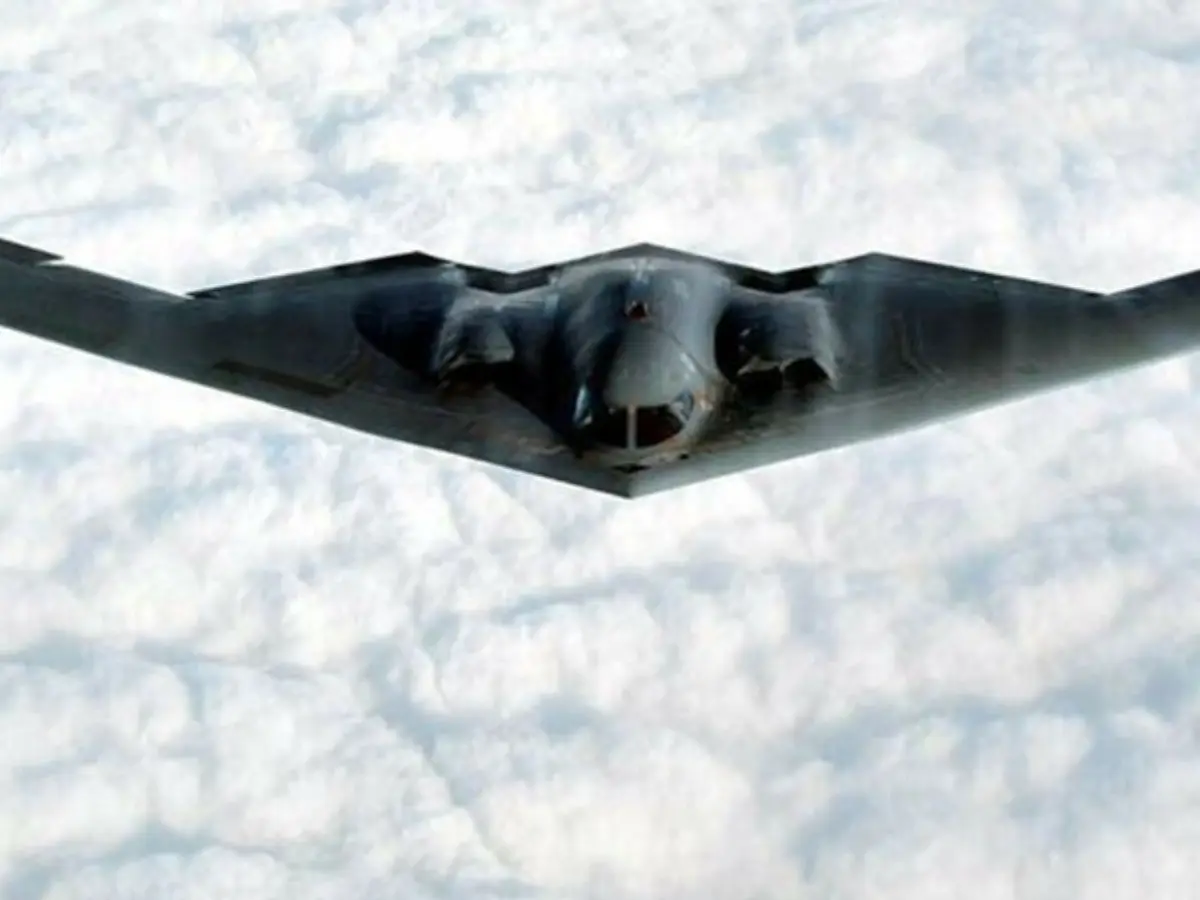
Psychological and Strategic Deterrence Value
Only three nations, the United States, Russia, and China, operate stealth bombers. Possessing a similar capability signals entry into the uppermost tier of global military powers. The visibility of such advanced long-range assets during crises creates deterrence without active combat because adversaries know that strategic targets are always within striking distance. The symbolic power of a stealth bomber becomes as impactful as the weapon itself.
Better Interoperability with Allies in the Indo-Pacific
India’s growing cooperation with QUAD partners, including the US, Japan, and Australia, is centered around maintaining a rules-based Indo-Pacific maritime environment. Long-range strike aircraft would enable India to participate more effectively in coalition war-planning, joint deterrence, sea surveillance, and anti-carrier missions. This further cements India’s leadership as a stabilising force in the Indo-Pacific region while balancing China’s military assertiveness.
Accelerating India’s Indigenous Stealth Technology Development
Operating a stealth bomber accelerates domestic advancements in stealth coatings, advanced avionics, electronic warfare, and engine signature reduction, technologies that India needs for future platforms such as AMCA and classified strategic bomber programs. Even limited acquisition or technology cooperation would boost India’s aerospace ecosystem, enabling the country to eventually build a homegrown bomber that meets long-term national security needs.
)
)
)
)
)