10 most powerful telescopes ever made

From NASA’s $10 billion James Webb Space Telescope to China’s giant FAST radio dish, the world’s most advanced telescopes are unlocking the universe’s deepest secrets. These incredible instruments capture light from the first galaxies and search for signs of life beyond Earth.
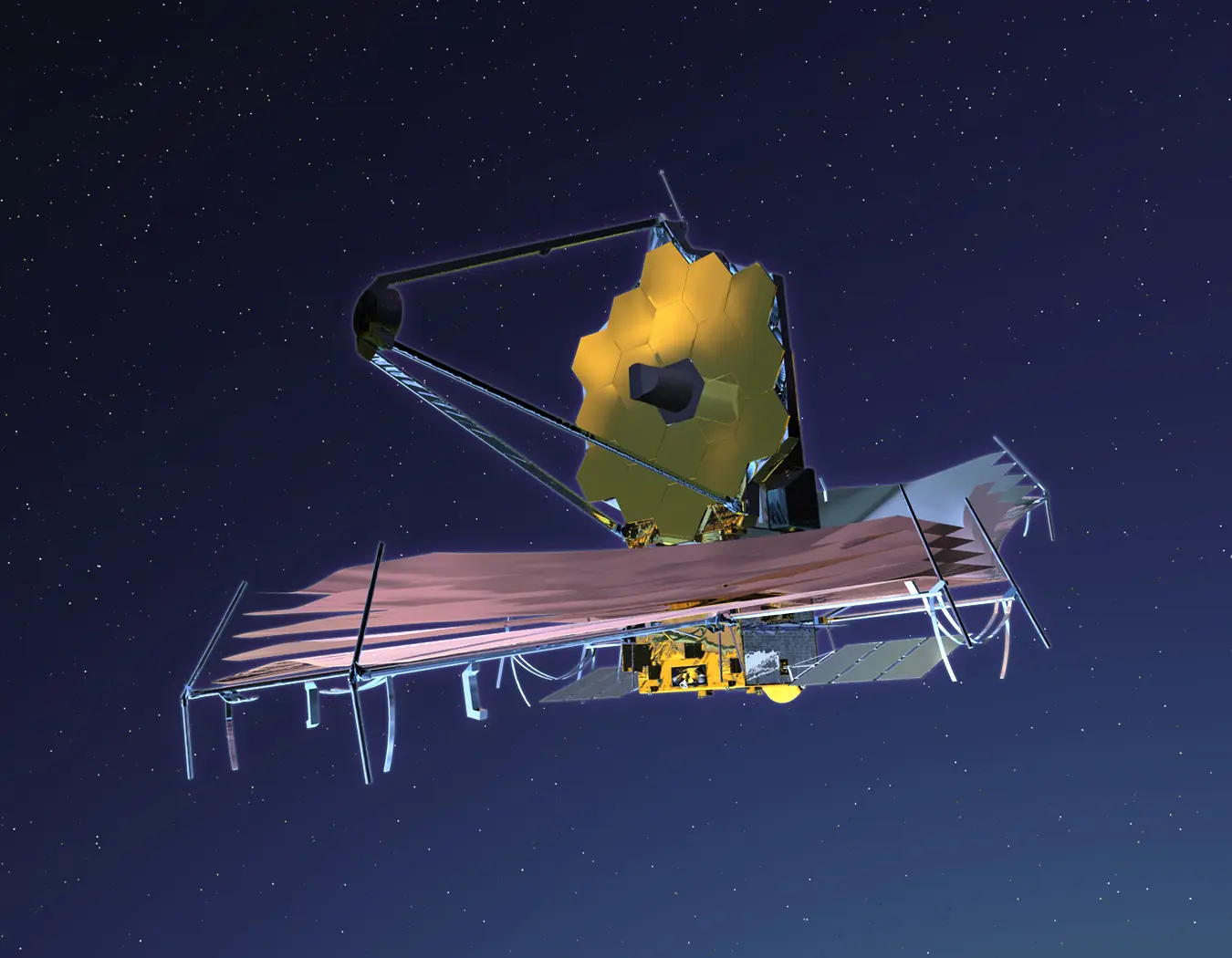
James Webb Space Telescope (JWST) - The Cutting-Edge Eye in Space
Launched in 2021, JWST is the most powerful space telescope ever built. Orbiting about 1.5 million kilometres from Earth, it observes infrared light, allowing it to see beyond clouds of cosmic dust. It captures images of the first galaxies formed after the Big Bang. Its $10 billion cost and huge sunshield provide details no previous telescope could.
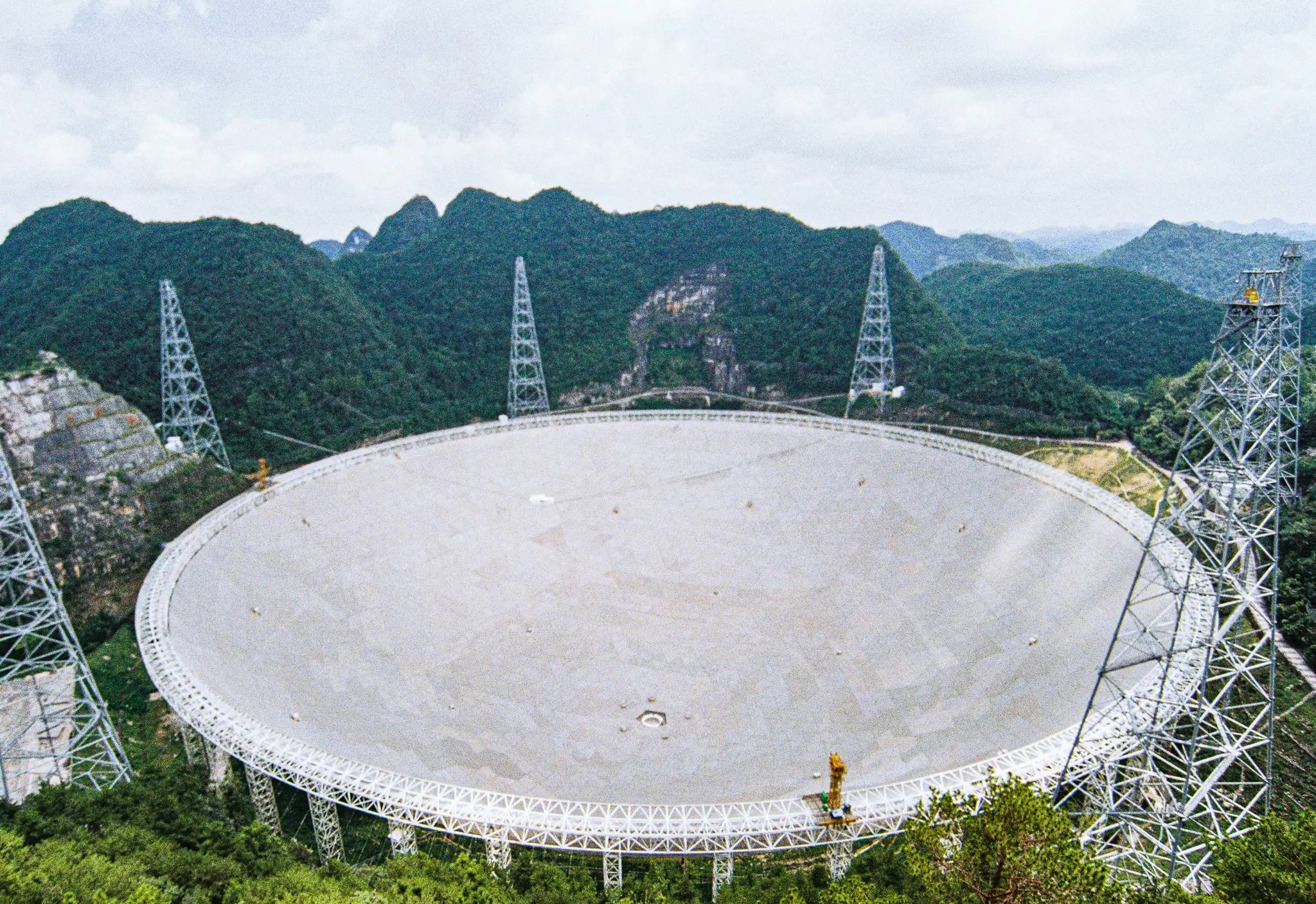
Five-hundred-meter Aperture Spherical Telescope (FAST), China - The Radio Giant
Located in Guizhou province, FAST has a 500-meter wide dish, making it the largest single dish radio telescope. FAST listens for faint radio waves from cosmic sources, including pulsars and possible alien signals. It is key in mapping hydrogen gas and understanding our galaxy.
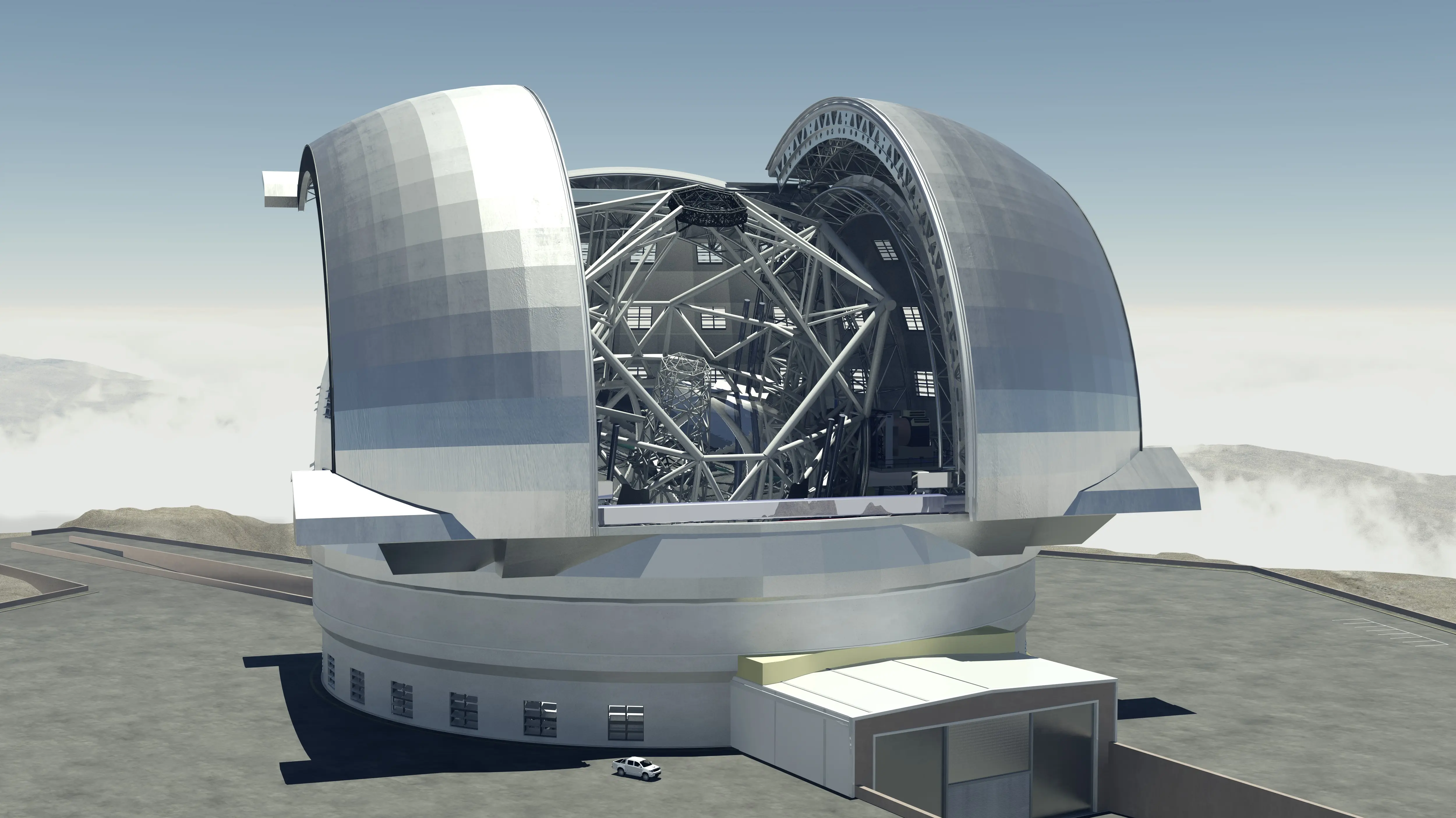
Extremely Large Telescope (ELT), Chile - The Future of Optical Astronomy
Under construction atop Cerro Armazones, ELT will feature a 39-meter mirror made of 798 hexagonal segments. It will collect 250 times more light than the Hubble, offering 15 times sharper images. These capabilities will help us study black holes, the early universe, and habitable planets.

Giant Magellan Telescope (GMT), Chile - The Seven Mirror Marvel
Also in Chile's Atacama Desert, GMT will use seven 8.4-meter mirrors working in unison to form a 24.5-meter telescope. When operational by 2029, it will provide images ten times clearer than Hubble's, allowing detailed study of distant galaxies and the universe's expansion.
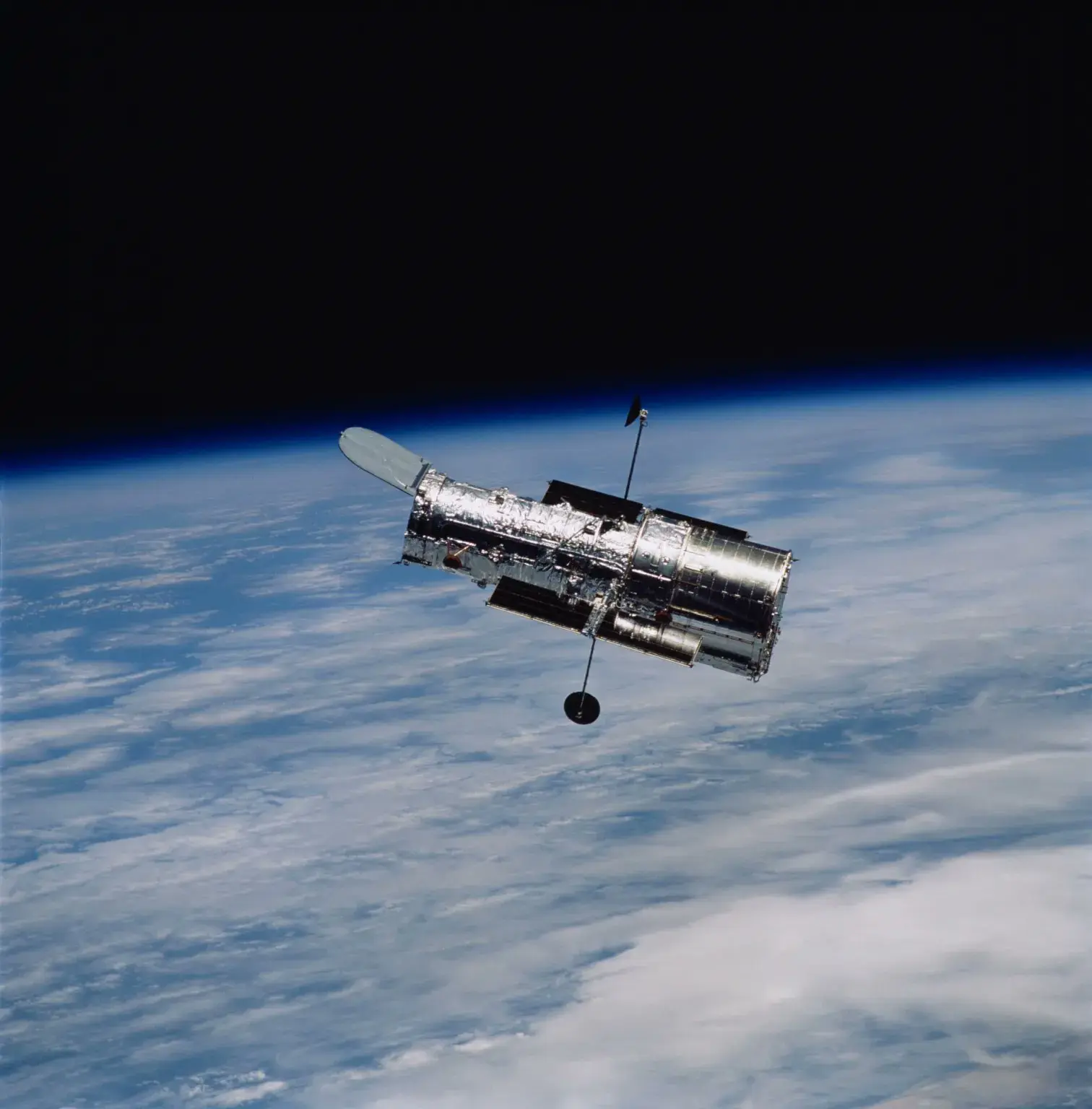
Hubble Space Telescope - The Legacy Giant
Launched in 1990, Hubble continues to provide breathtaking images and scientific data. Operating mainly in visible and ultraviolet light, it helped discover the rate of expansion of the universe. Hubble’s discoveries set the stage for telescopes like JWST.
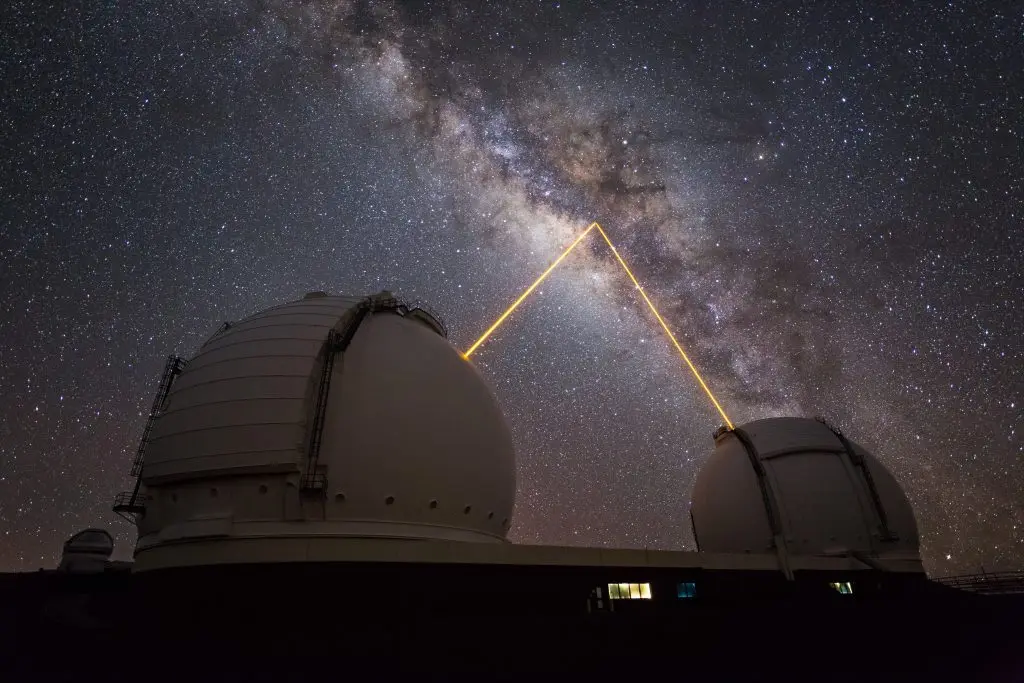
Keck Telescopes, Hawaii - Twin Optical Powerhouses
Located on Mauna Kea, the twin Keck telescopes each have 10-meter mirrors made of 36 hexagonal segments. These telescopes have been key to exoplanet studies and galactic surveys, among other discoveries.
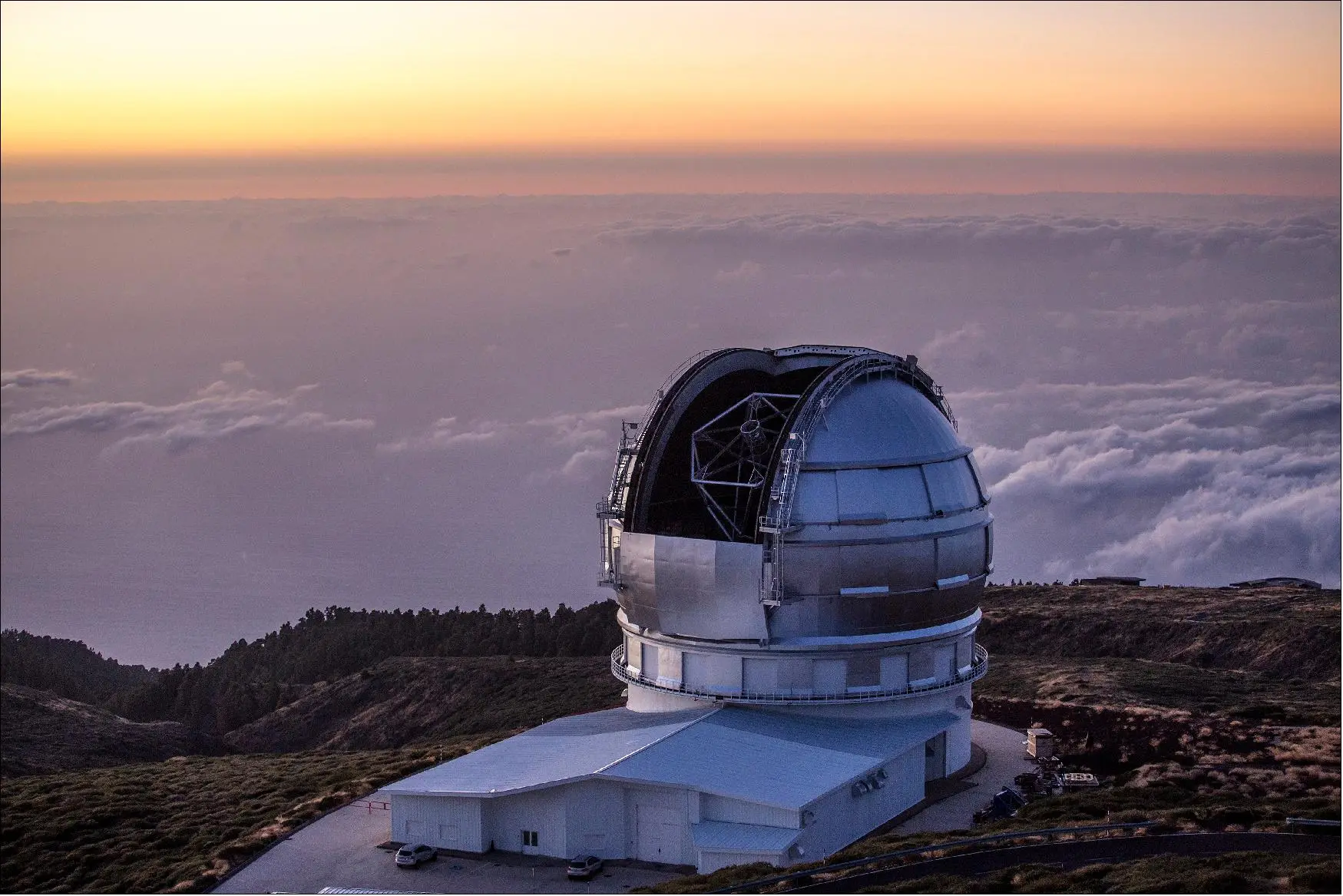
Gran Telescopio Canarias (GTC), Spain - Europe’s Largest Optical Telescope
With a 10.4-meter mirror made of 36 segments, GTC is the biggest single-aperture optical telescope in Europe. It studies star formation, dark matter, and planetary systems, contributing significantly to astronomy.
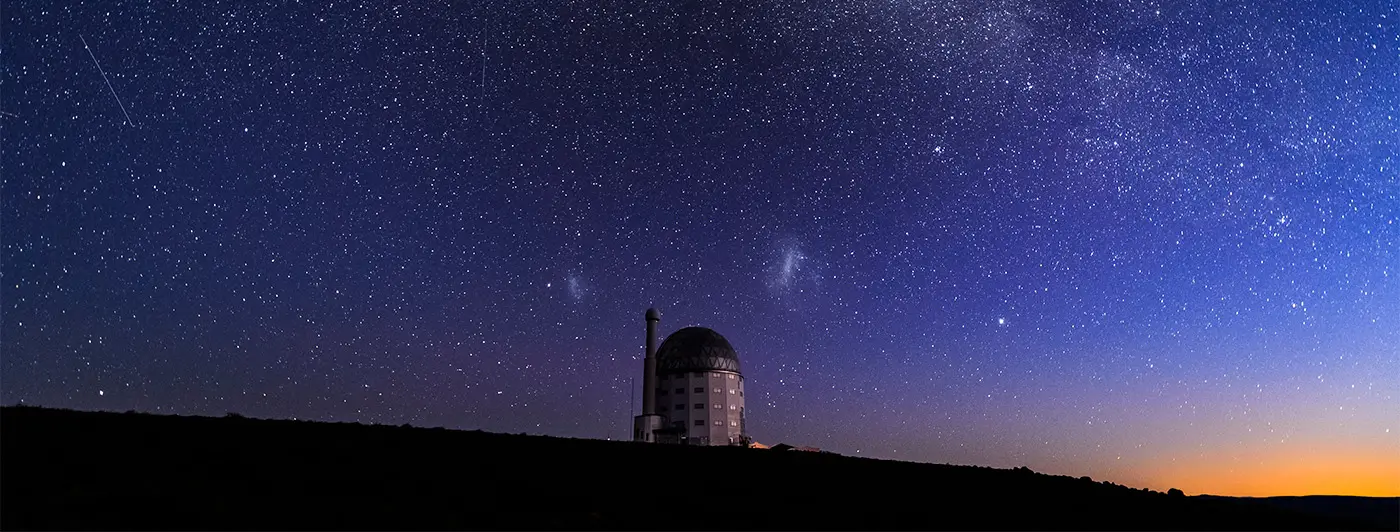
South African Large Telescope (SALT) - Africa’s Optical Giant
SALT, with an 11.1-meter mirror, is the largest single optical telescope in the southern hemisphere. It is dedicated to spectroscopy, which analyses the light from stars to reveal their chemical composition.
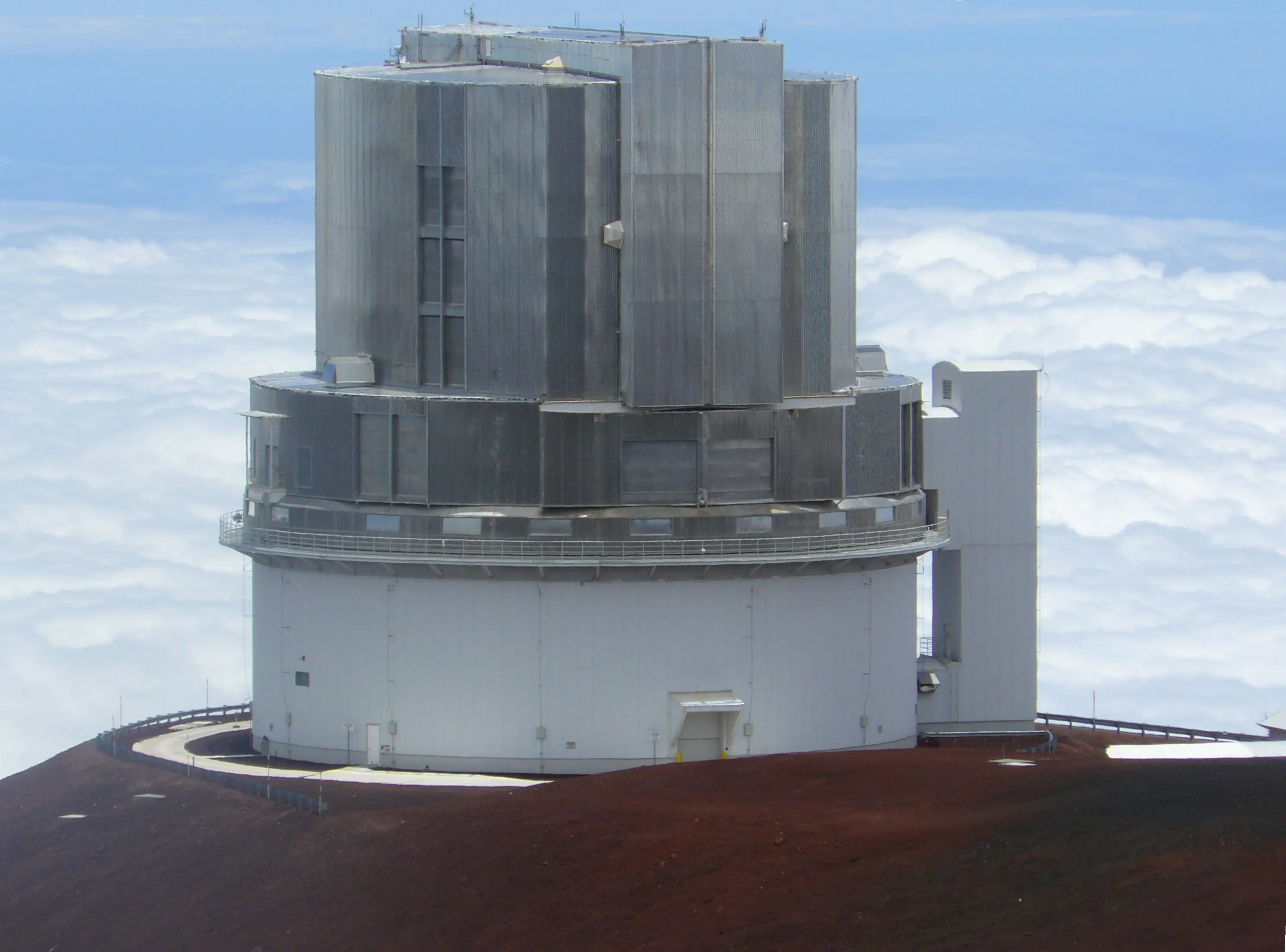
Subaru Telescope, Hawaii - The Precision Scope
The Subaru Telescope has an 8.2-meter mirror known for its excellent image quality and wide field of view. It benefits from adaptive optics technology to correct atmospheric distortion, making it a favourite for deep-sky astronomy.
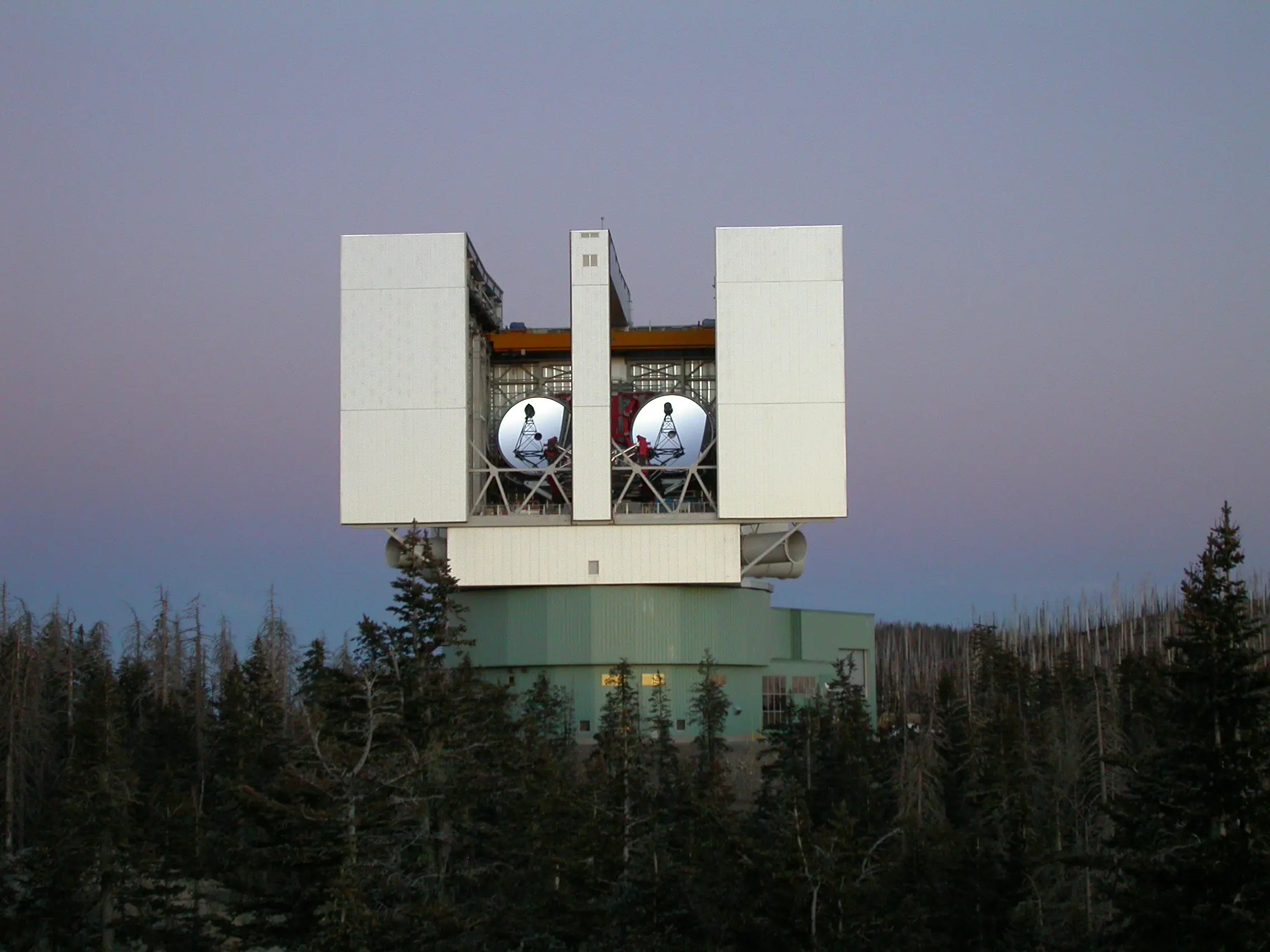
Large Binocular Telescope (LBT), Arizona - Dual Mirrors for Sharpness
LBT uses two 8.4-meter mirrors side by side, providing light-gathering power comparable to a single 11.8-meter mirror. This unique design allows incredibly sharp and detailed imaging of celestial objects.
)
)
)
)
)