10 most polluted beaches in the world

Venice Beach 60.6% complaints, Waikiki 100/100 overcrowding, La Jolla Cove 57.9%, Padre Island 55.7% plastic, Freedom Beach Thailand 52.1%, Bentota Sri Lanka 48.2%, Kuta Bali plastic, Juhu Mumbai sewage, Guanabara Brazil bacteria, Kamilo Hawaii microplastics pollution.
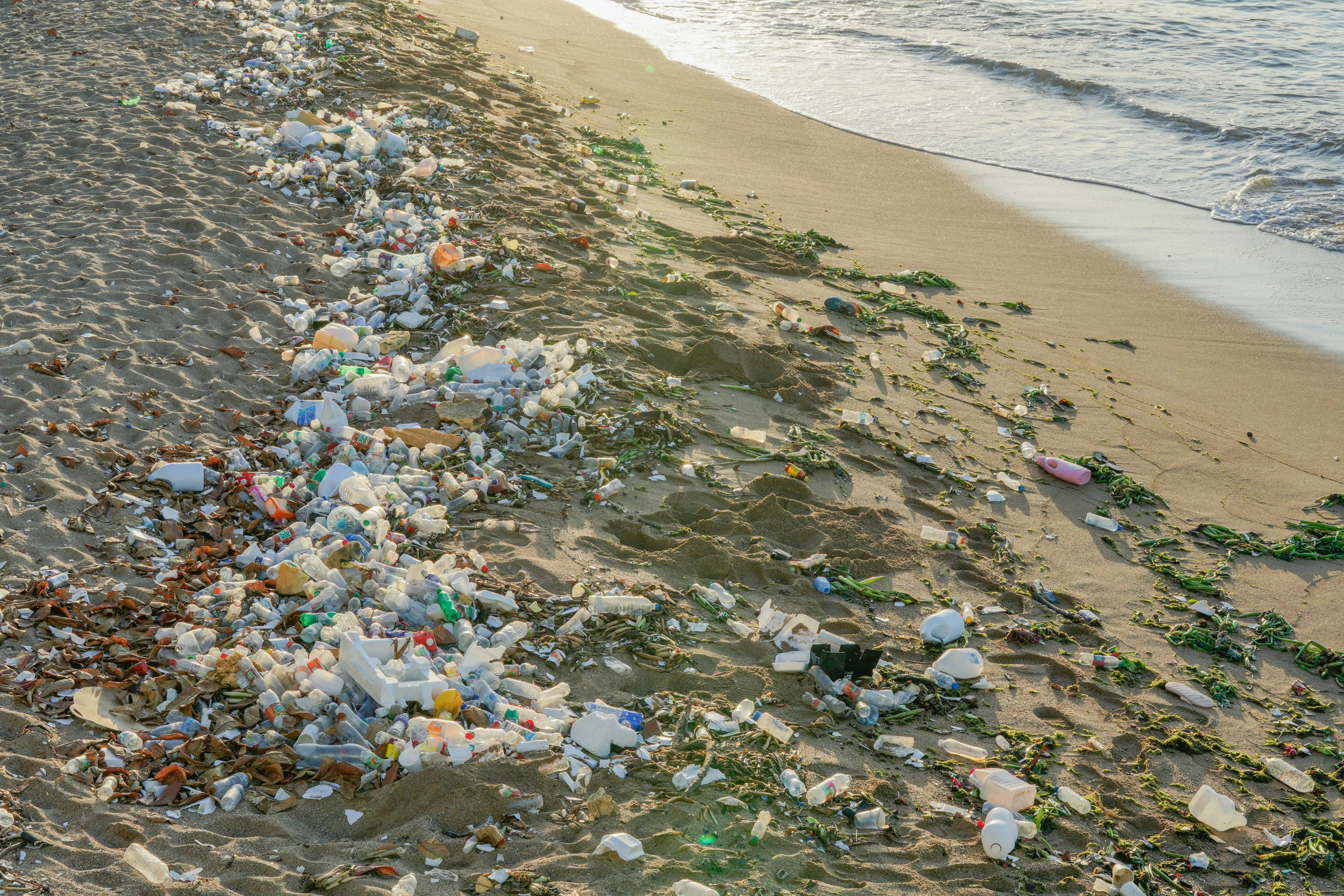
Venice Beach California - 60.6% Complaints
Venice Beach California tops the world's dirtiest beaches list with 60.6% visitor complaints about poor cleanliness. Visitors report excessive litter, unpleasant odours, and inadequate waste management across the 2-mile sandy stretch. The beach receives approximately 10 million visitors annually creating massive waste accumulation daily. Plastic bottles, food wrappers, and broken glass scatter the shore regularly. Urban runoff from Los Angeles drains into the ocean during rainy seasons. Local authorities struggle to maintain cleanliness with limited staff and resources. Beach rated world's dirtiest in Cloudwards 2025 analysis ranking 200 beaches globally.
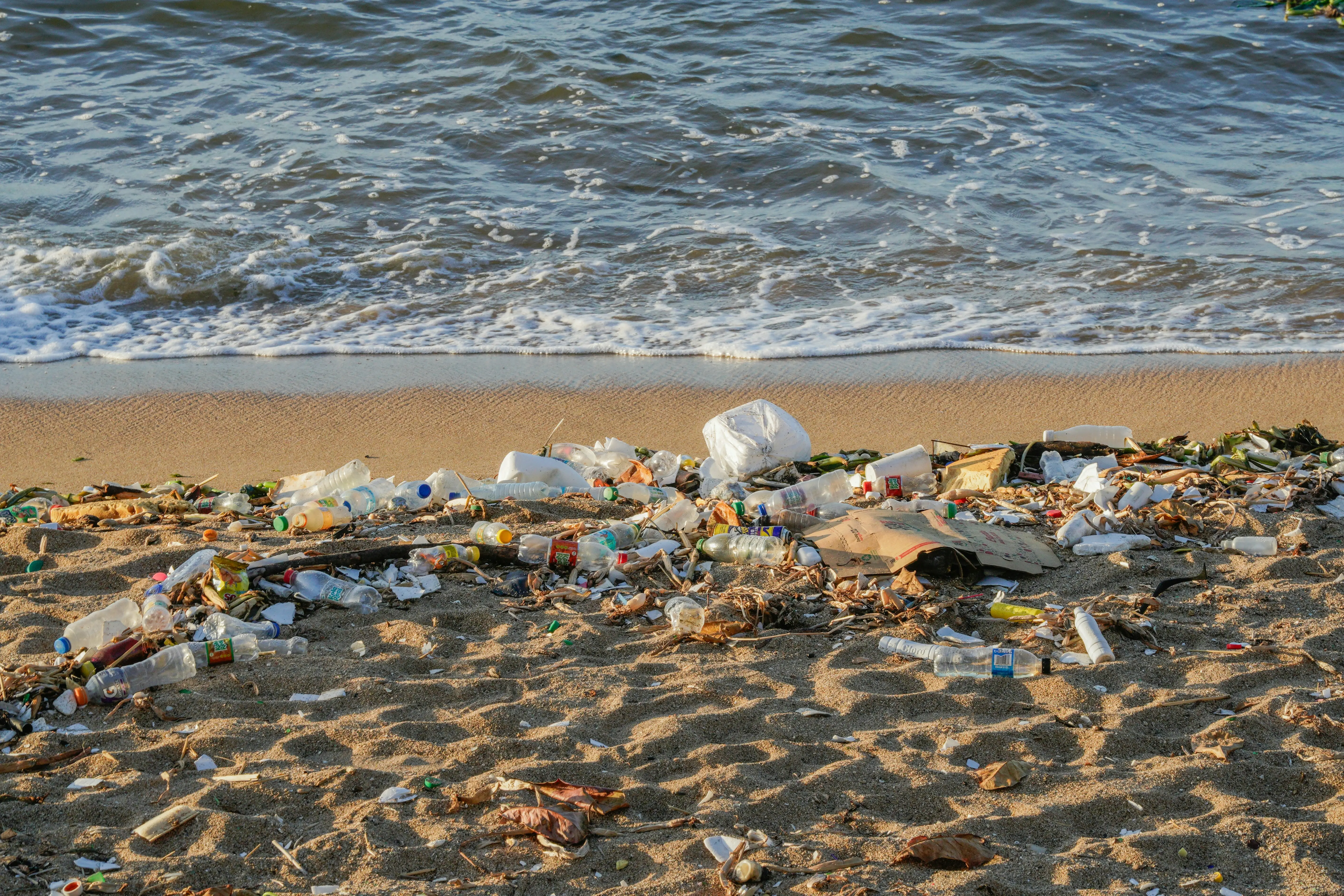
Waikiki Beach Hawaii - 100/100 Overcrowding Score
Waikiki Beach Hawaii scores maximum 100/100 rating for overcrowding problems making it extremely polluted. Four million visitors yearly create severe congestion across just 2 kilometres of beach frontage. Limited facilities cannot handle visitor volumes during peak tourism seasons. Cleanliness complaints focus on inadequate bin facilities and poor maintenance throughout the day. Crowded conditions prevent proper waste collection and beach sanitation operations. Sand appears covered with discarded items from packed daily crowds. The beach remains popular tourist destination despite consistent negative reviews about pollution and filth.
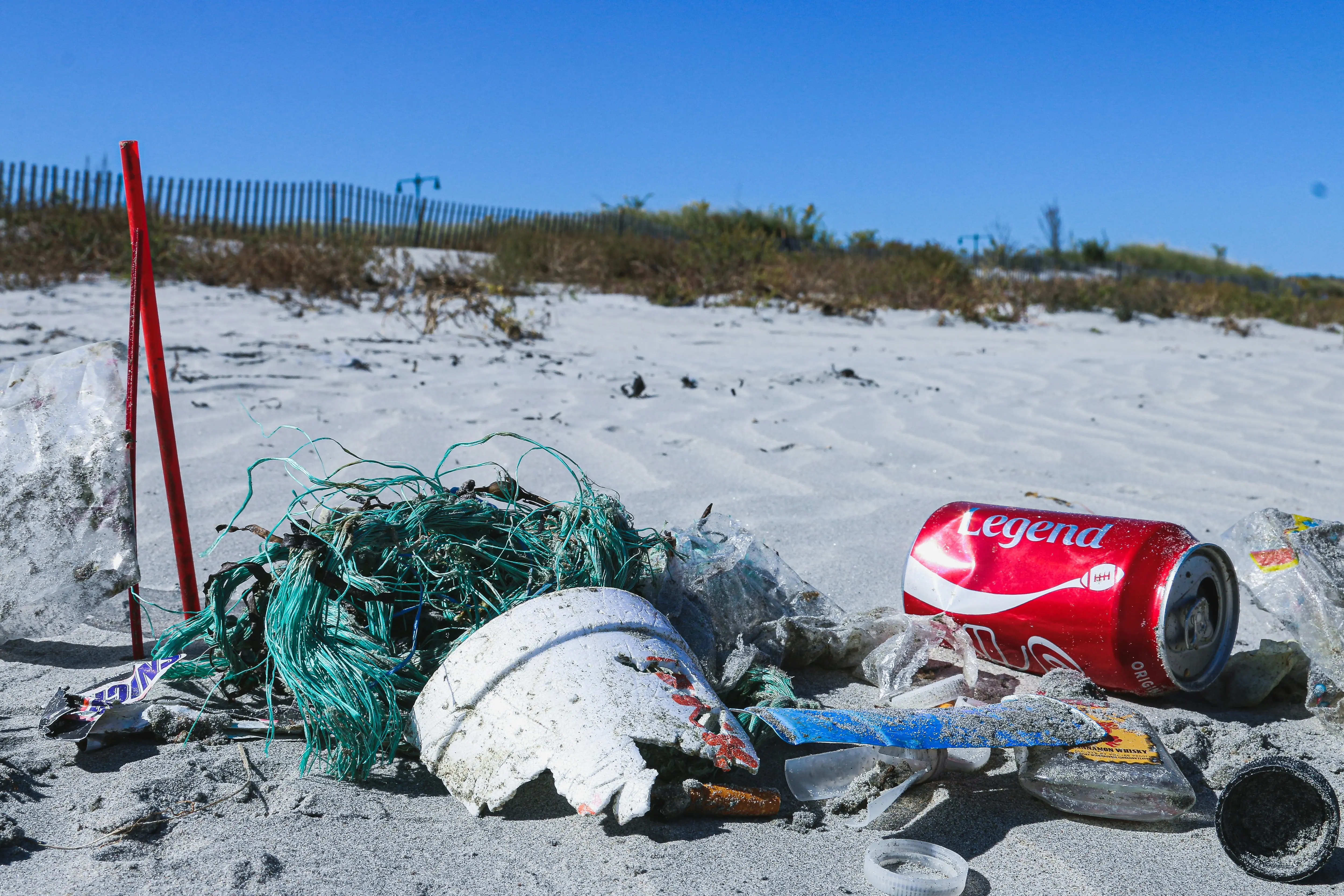
La Jolla Cove California - 57.9% Cleanliness Issues
La Jolla Cove California ranks second dirtiest beach globally with 57.9% visitor complaints about cleanliness problems. Popular snorkelling destination attracts thousands daily creating excessive waste accumulation. Sea lions inhabit the cove attracting tourists but also contributing to sanitation challenges. Visitors report finding trash floating in water and poor bin emptying schedules throughout day. Urban runoff from nearby neighbourhoods affects water quality especially after rain. Seasonal pollution spikes occur during summer months with increased foot traffic. Beach maintenance crews struggle keeping pace with visitor-generated waste and debris.
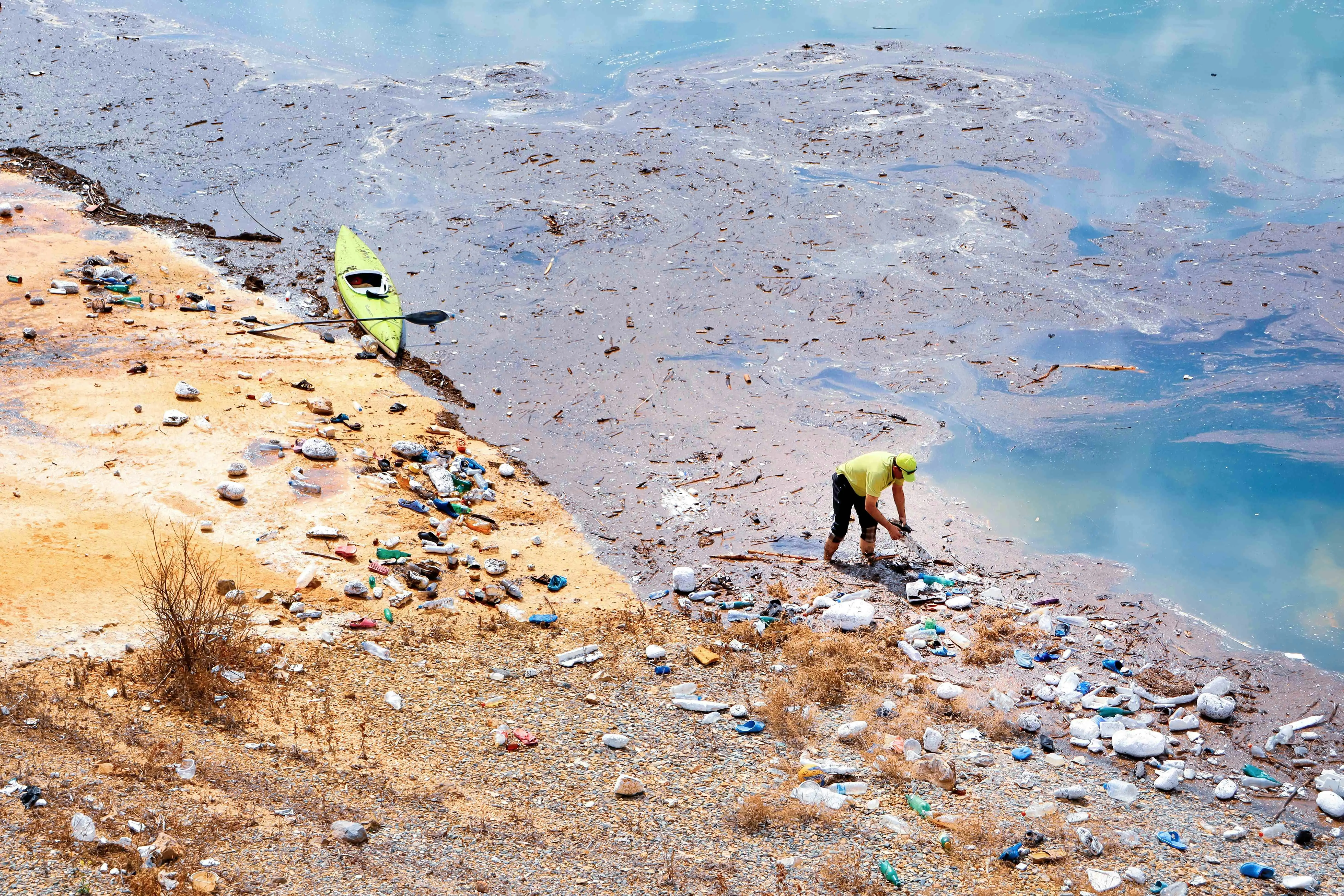
Padre Island Texas - 55.7% Plastic Waste Complaints
Padre Island National Seashore Texas ranks third dirtiest with 55.7% complaints mentioning plastic litter accumulation. Visitors describe shocking quantities of plastic waste covering the expansive 113-mile sandy stretch. Gulf currents transport debris from shipping activities and distant ocean sources. Microplastics embedded in sand create health concerns for beachgoers and marine life. Limited waste facilities across the massive protected area worsen the situation. Volunteer cleanup efforts collect thousands of kilograms of plastic monthly but problem persists. Beach represents critical nesting habitat threatened by pollution from human activities offshore.
Freedom Beach Thailand - 52.1% Cleanliness Problems
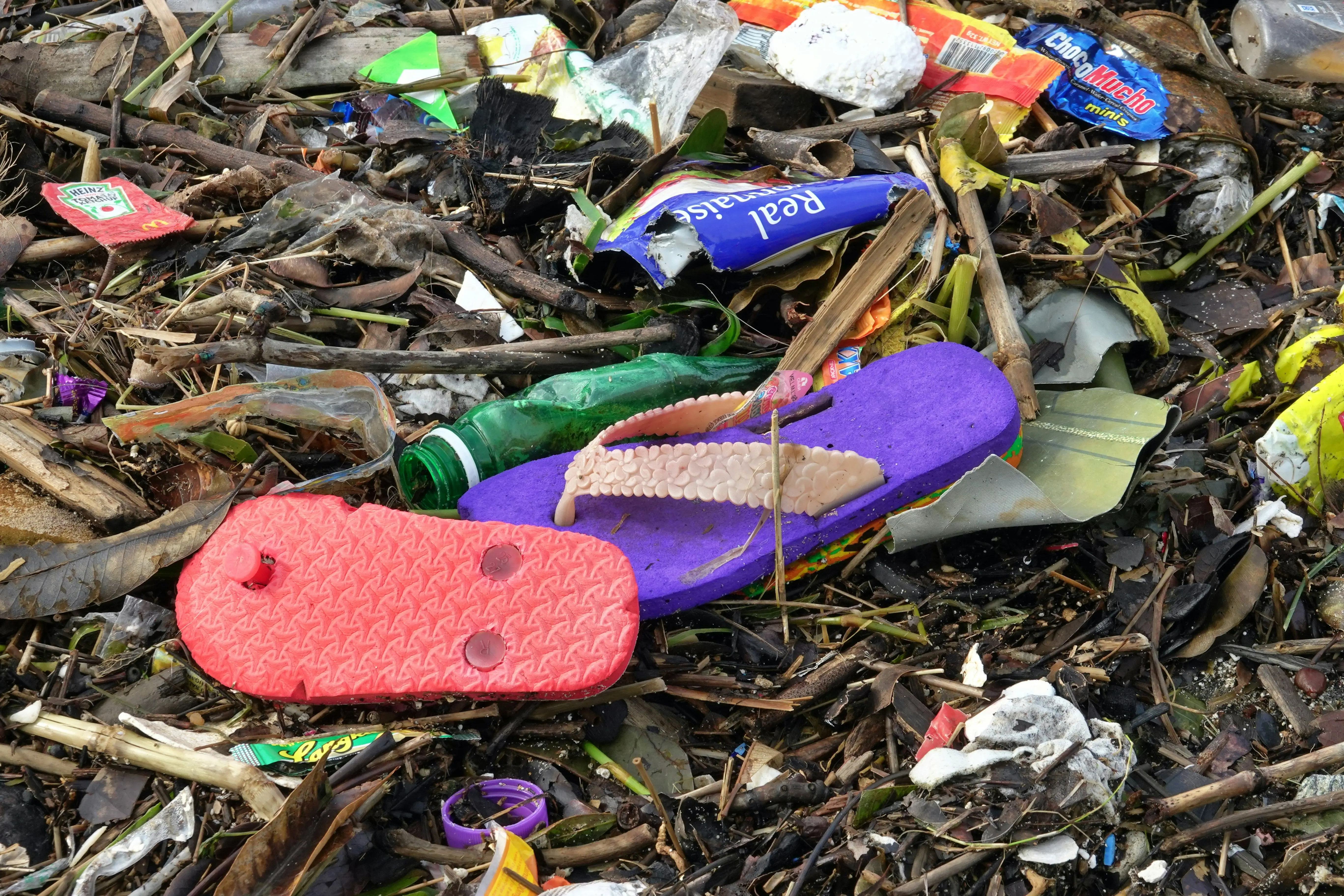
Freedom Beach Thailand ranks fifth dirtiest beach worldwide with 52.1% visitor complaints about cleanliness. Phuket's popular tourist hotspot suffers severe plastic pollution from nearby boat activities. Monsoon season washes additional ocean waste onshore creating visible accumulation zones. Water quality concerns deter swimming during peak pollution periods affecting tourism. Limited waste management infrastructure struggles handling thousands daily visitors. Nearby restaurants and resorts contribute disposable packaging waste reaching the shore. Beach cleanup volunteers report increasing plastic quantities annually from regional ocean currents.
Bentota Beach Sri Lanka - 48.2% Waste Complaints
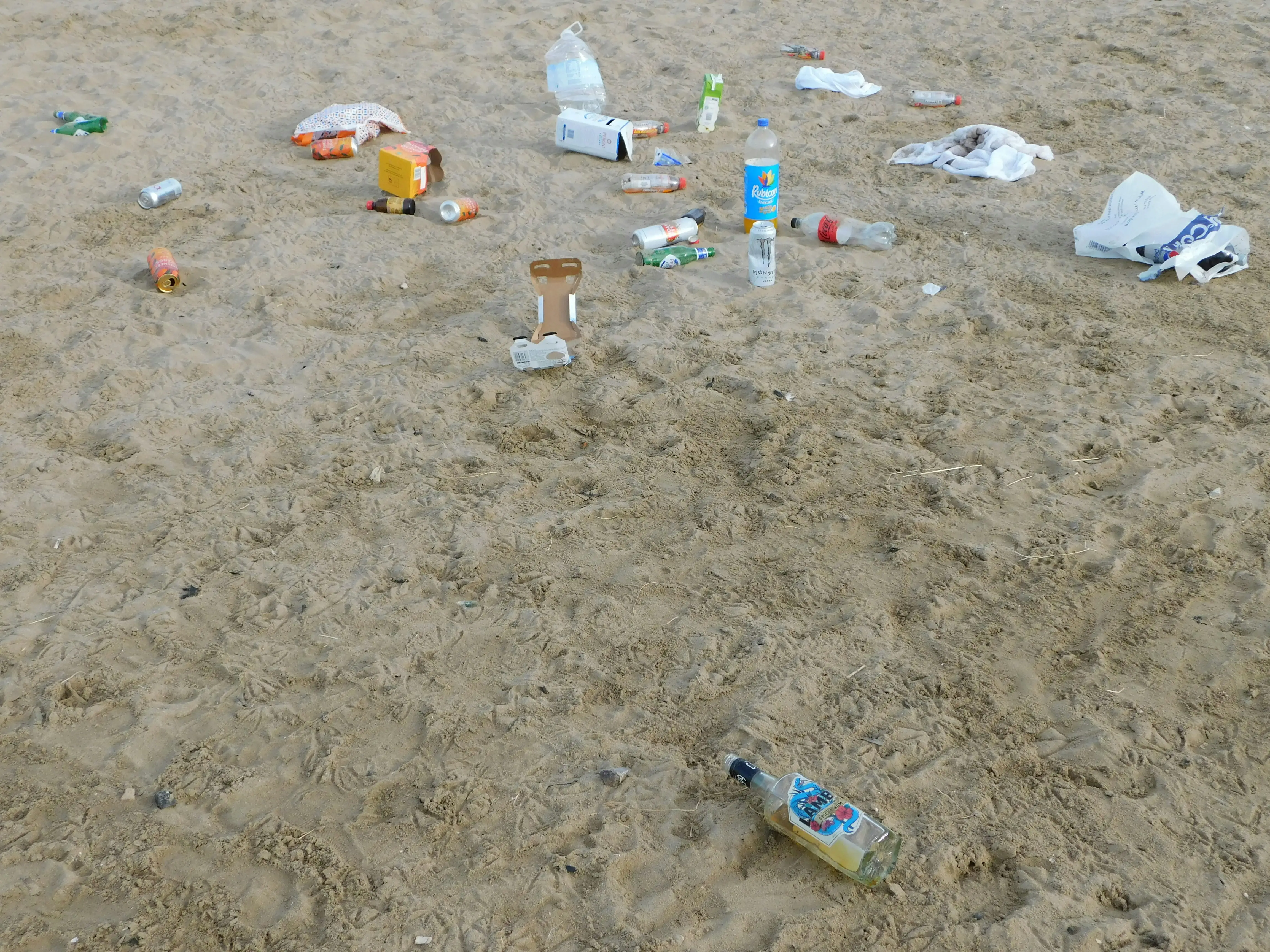
Bentota Beach Sri Lanka ranks seventh dirtiest global beach with 48.2% complaints about litter and waste. Popular resort destination receives significant pollution from nearby rivers carrying urban waste. Plastic bags bottles and broken materials accumulate across the 7-kilometre sandy shoreline regularly. Tourist season increases pollution dramatically from disposable items and resort-generated packaging. Local cleanup efforts struggle to manage the volume of waste appearing daily. Water quality deteriorates during monsoon periods when river runoff increases significantly. Beach represents important tourism income source but environmental conditions continue declining annually.
Kuta Beach Bali Indonesia - Plastic Pollution Crisis
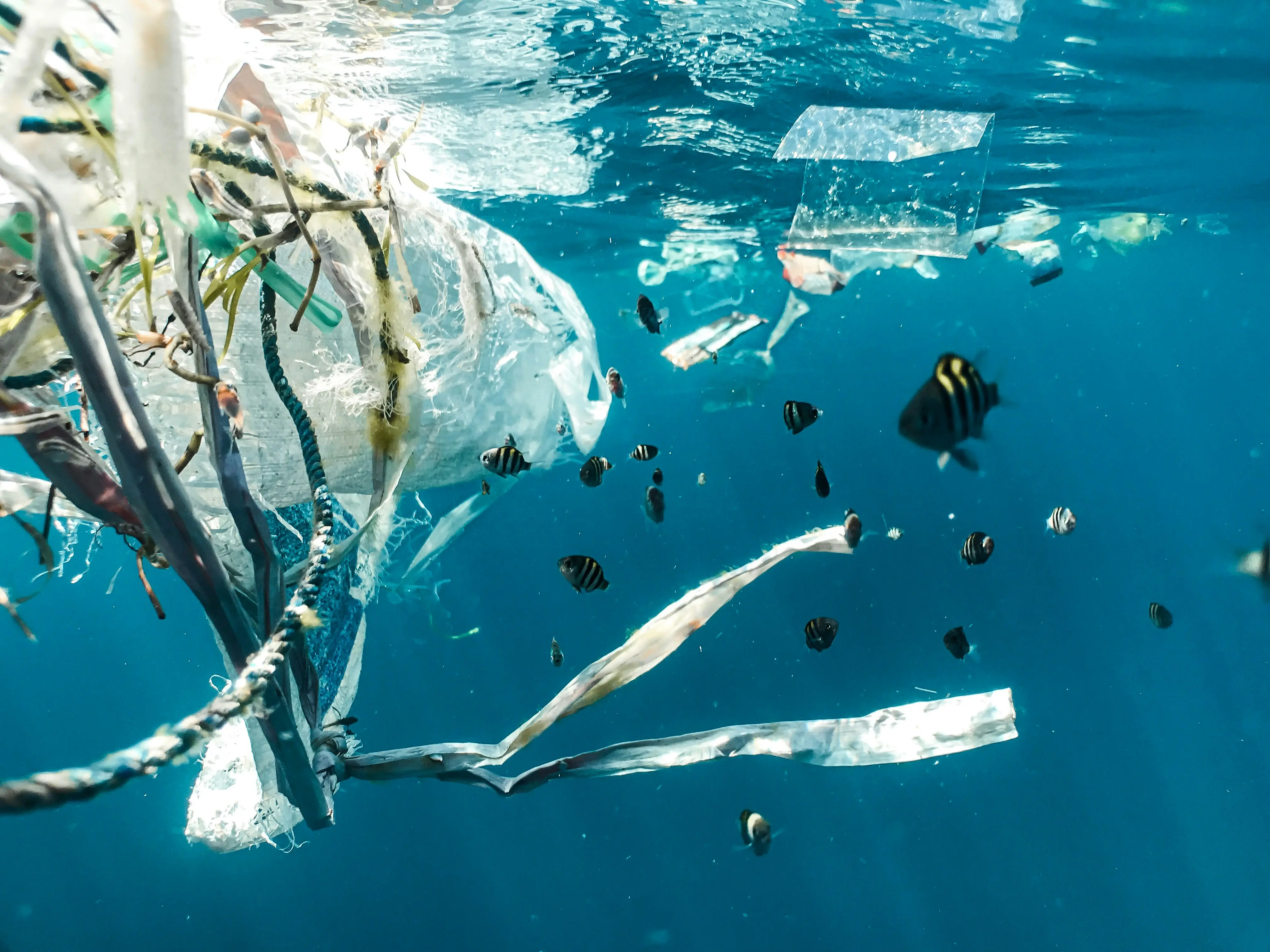
Kuta Beach Bali suffers severe plastic pollution from massive tourism and nearby river discharge. Monsoon season washes tonnes of plastic waste onto the famous surfer paradise shores regularly. Cleanup efforts recover thousands of kilograms of plastic debris weekly but remains insufficient addressing scale. Visitors report waves carrying visible plastic quantities mixed with water creating safety concerns. Local fishing communities and marine life experience significant toxic exposure from accumulated plastics. Beach remains extremely crowded despite visible contamination visible everywhere on sand. Environmental damage accelerates annually without major intervention and waste management improvements implemented.
Juhu Beach Mumbai India - Sewage Litter Crisis
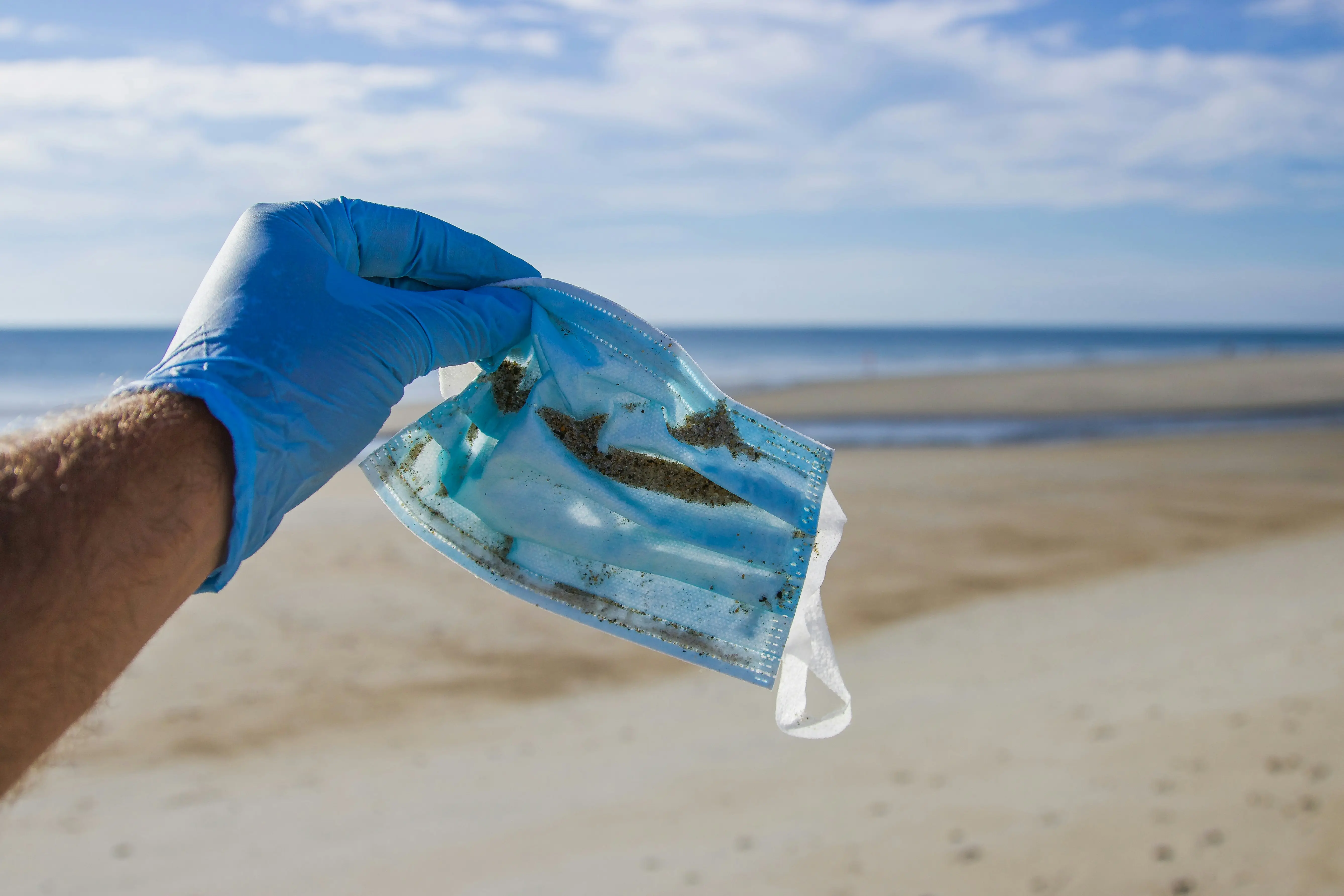
Juhu Beach Mumbai receives untreated sewage and industrial waste discharge flowing directly into ocean. Popular evening destination littered with plastic bottles food wrappers and hazardous materials daily. Swimming conditions remain unsafe due to high bacteria levels from sewage contamination. Monsoon flooding worsens contamination by overwhelming city drainage systems releasing raw sewage. Local food vendors contribute significant disposable packaging waste scattered across beach. Nearby slums lack proper sanitation facilities contributing to pollution of adjacent coastal areas. Public health warnings periodically issued during peak pollution season affecting tourism and local livelihoods.
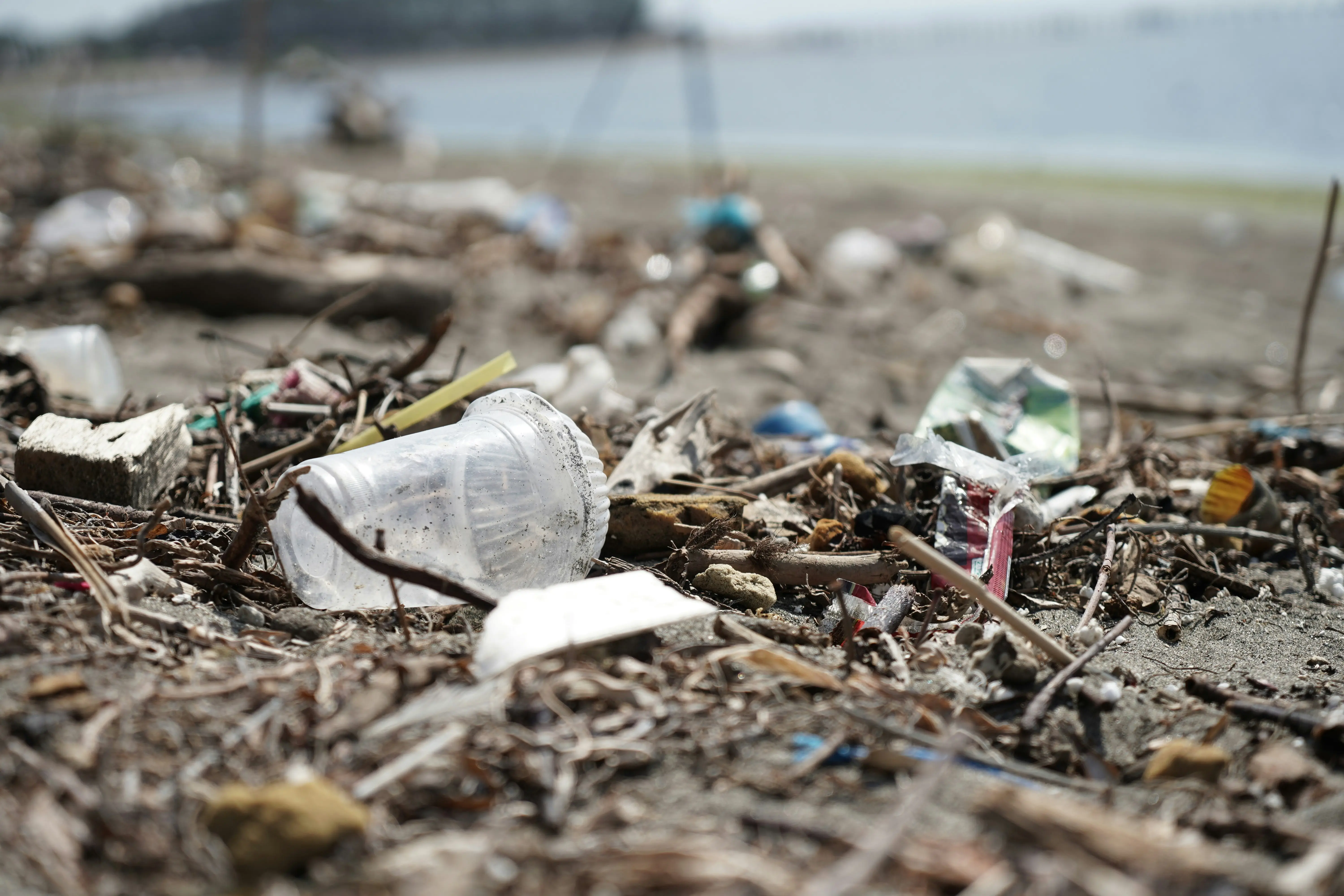
Guanabara Bay Beaches Brazil - Sewage Bacteria High
Guanabara Bay Rio de Janeiro beaches suffer dangerous sewage contamination and elevated fecal bacteria levels. Water remains unsafe for human contact during most seasons despite 2016 Olympics cleanup promises. Untreated waste from 12 million city residents flows directly into bay waters daily. Beaches near Copacabana and Ipanema affected by urban runoff carrying industrial pollutants. Cleanup promises made years ago remain largely unfulfilled with conditions deteriorating annually. Marine life displays disease symptoms from toxic exposure and bacterial contamination. Environmental health crisis continues affecting both tourism and local fishing community survival.

Kamilo Beach Hawaii - Plastic Waste Accumulation
Kamilo Beach Hawaii known locally as Plastic Beach due to extreme ocean debris accumulation. Pacific Garbage Patch deposits microplastics across black sand shores creating bizarre landscape appearance. Remote location receives waste from thousands of kilometres away through ocean currents. Cleanup teams remove tonnes of plastic monthly but supply continues flowing from distant sources. Marine life ingests plastic particles creating food chain contamination affecting ecosystems. Beach serves as research site for studying ocean pollution impacts on Hawaiian islands. International cooperation required addressing root causes of massive Pacific plastic pollution sources.
)
)
)
)
)