10 most energy-efficient trains in the world

From Germany’s hydrogen-powered Coradia iLint to Japan’s N700S Shinkansen and India’s Vande Bharat, these trains showcase cutting-edge energy efficiency. Advances like regenerative braking and battery tech reduce rail transport emissions. Know more below.
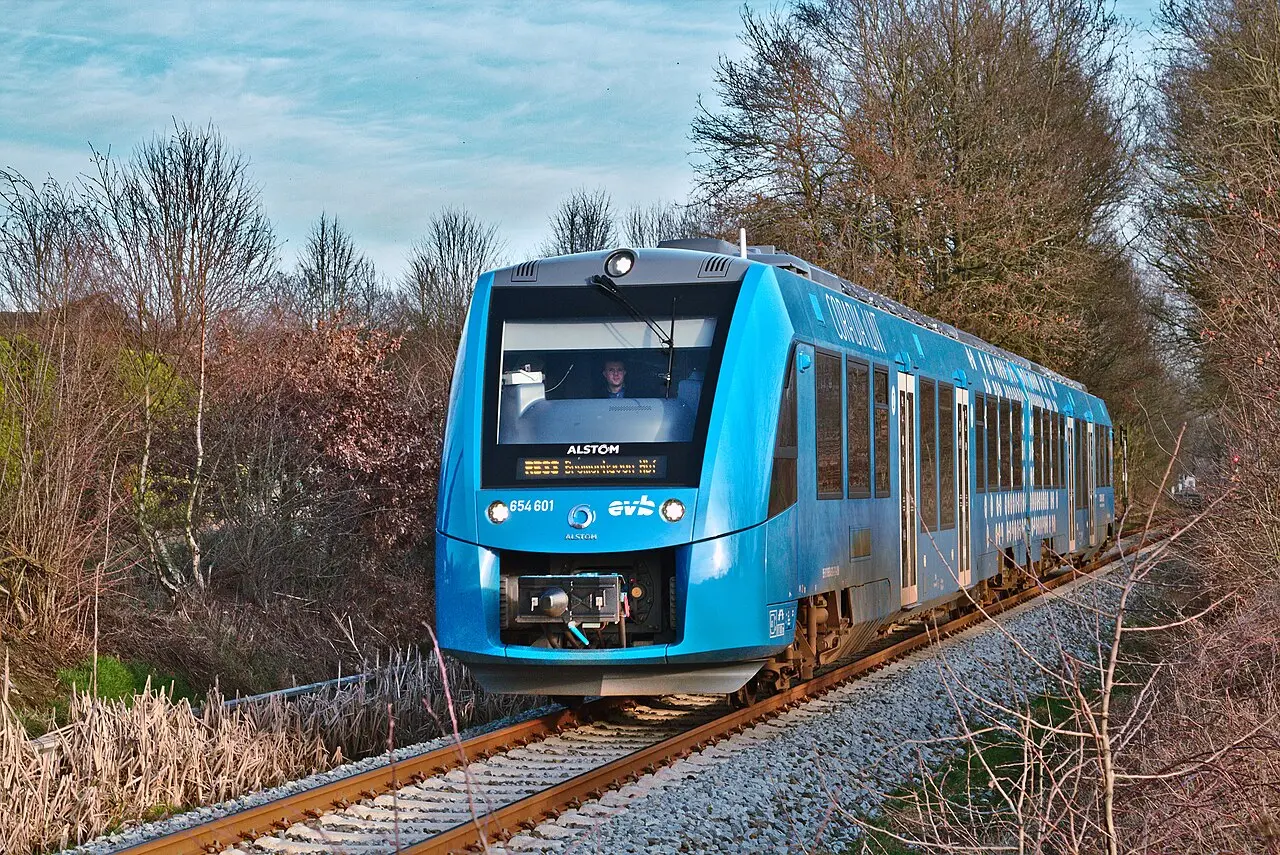
Alstom Coradia iLint, Germany - Hydrogen-Powered
The Coradia iLint is the world’s first hydrogen fuel cell passenger train. It emits only water vapour, offering zero direct carbon emissions. It reaches speeds up to 140 km/h and is currently in service in Germany, promoting clean energy in rail transport.
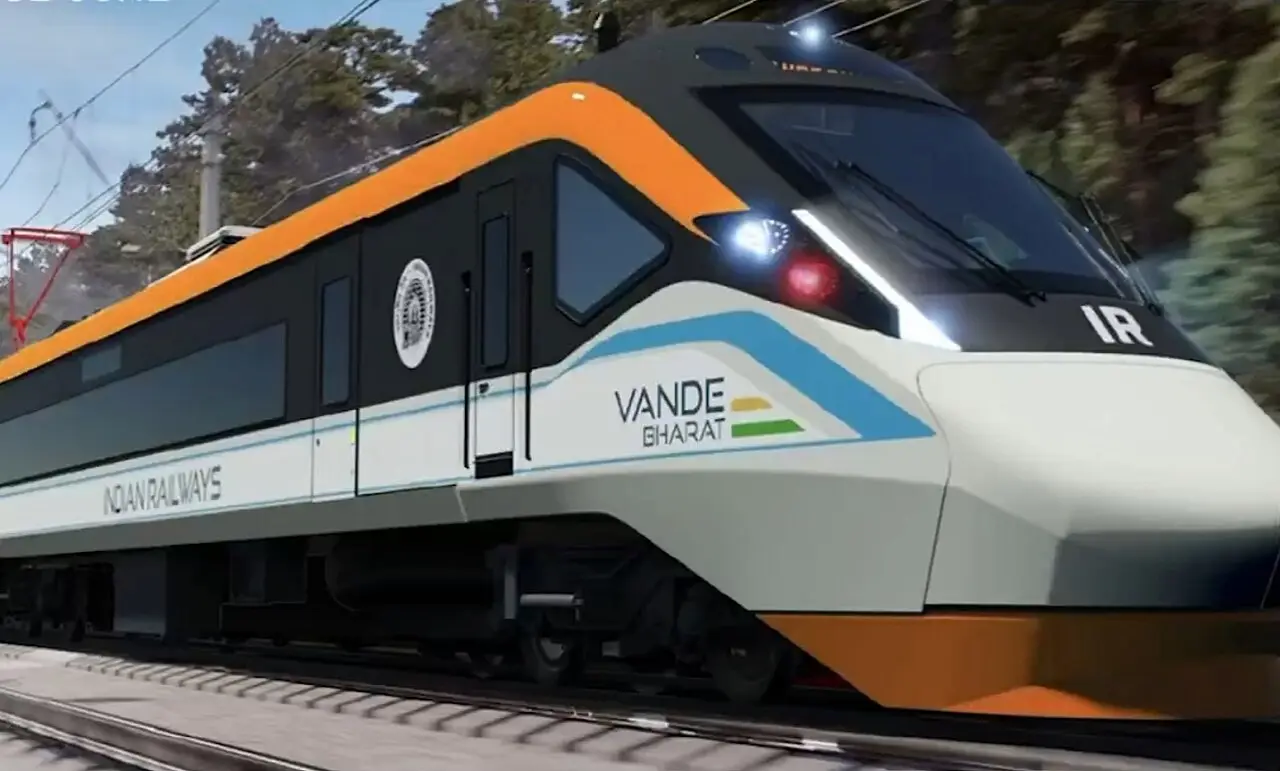
Indian Railways Vande Bharat 4.0 - Energy Efficient and Safe
This modern semi-high-speed train uses the indigenous Kavach automatic train protection system. It targets speeds of up to 200 km/h with improved energy use, comfort and safety. Indian Railways plans to run many such trains on its largely electrified network by 2027.
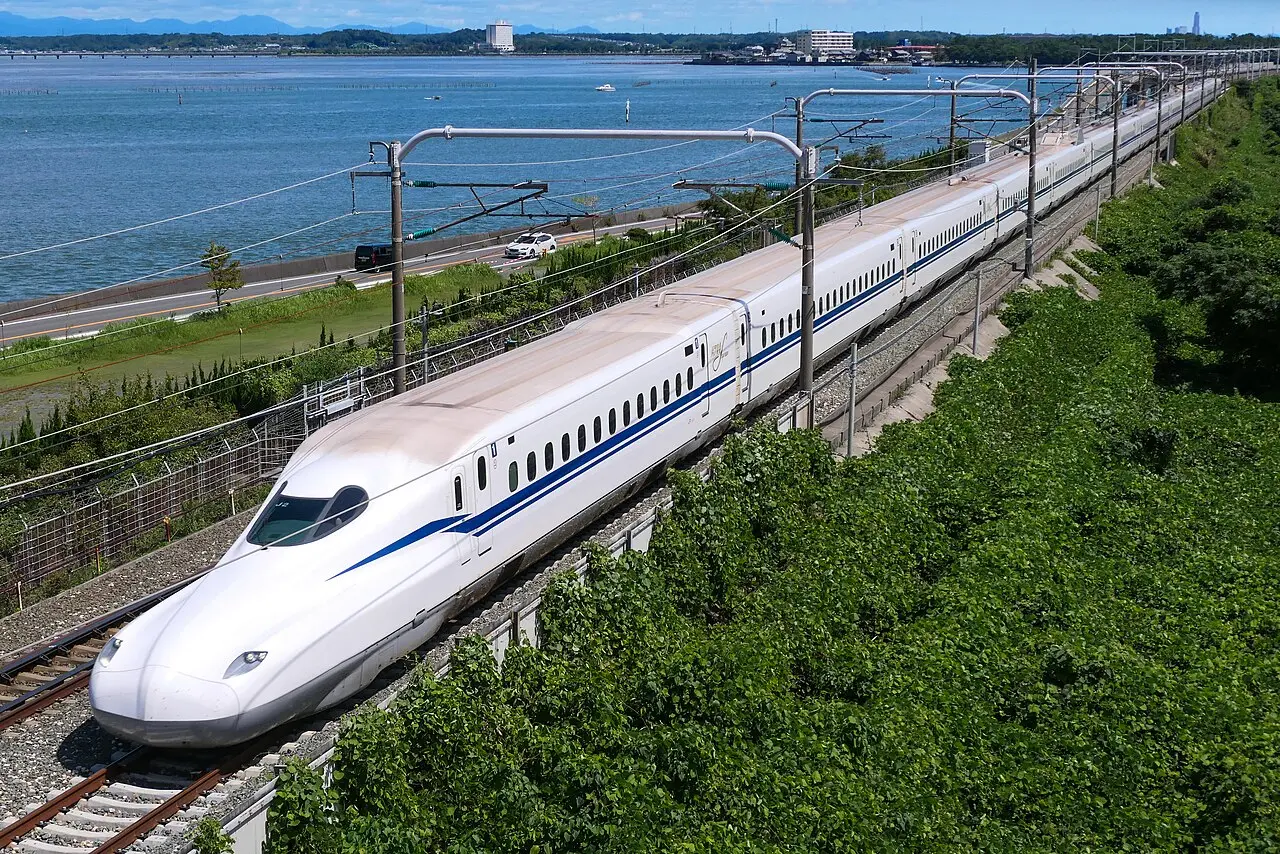
Shinkansen N700S, Japan - Advanced Energy Management
The N700S Shinkansen employs lightweight body design and regenerative braking. It uses less energy per passenger kilometer while maintaining safety and speed. It offers a seat capacity of 1,323 and operates at up to 300 km/h.
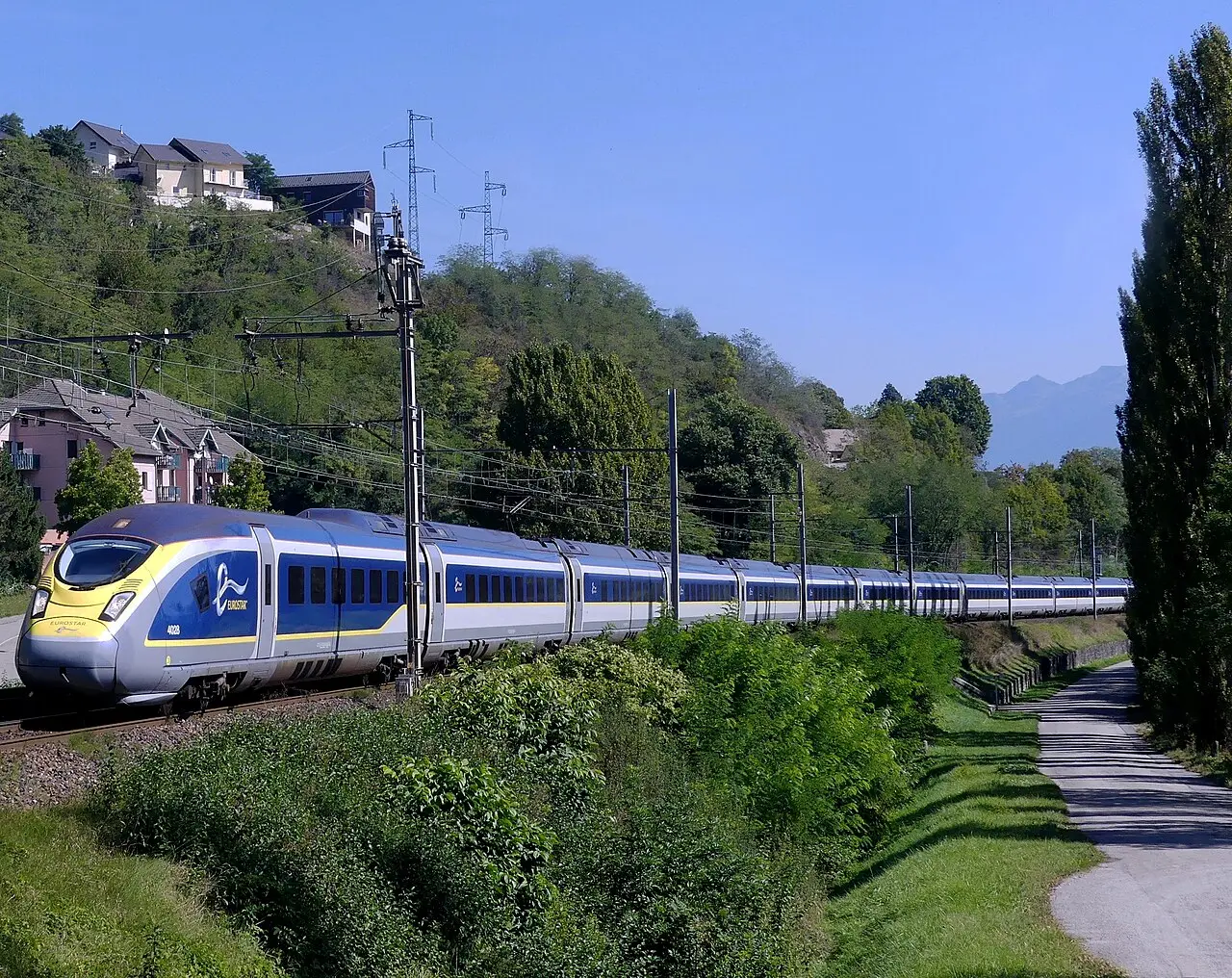
Eurostar e320, Europe - Low Carbon Emission
Eurostar’s high-speed trains have low carbon footprints, producing just 4 grams CO2 per passenger km, far lower than cars or planes. It connects London to Paris, Brussels, and Amsterdam with efficient energy use and high passenger volumes.
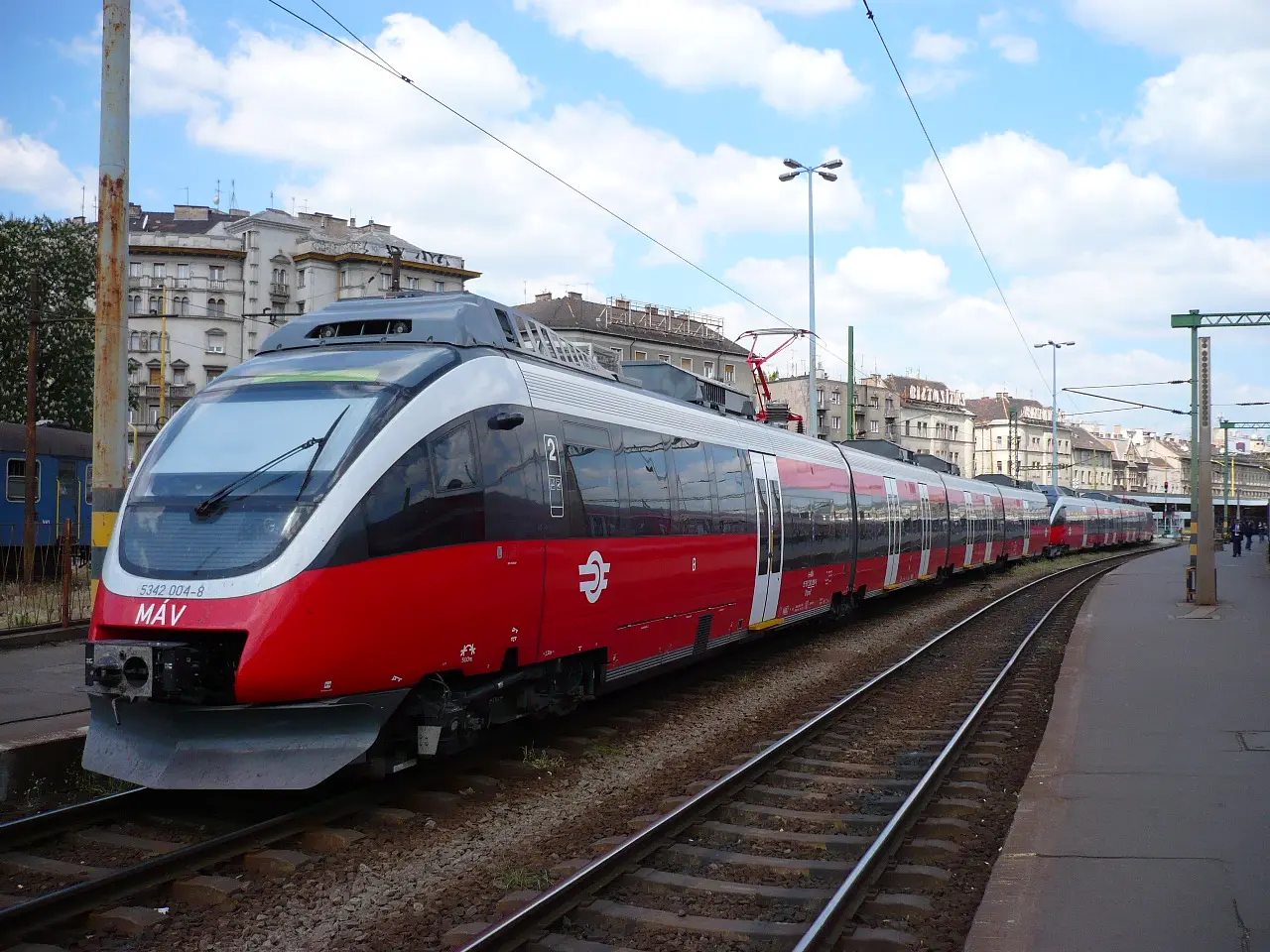
Bombardier Talent 3, Europe - Battery Electric
Talent 3 is a battery-electric regional train operating on shorter lines without electrification. It enables clean, silent operation and reduces fossil fuel dependency. The train incorporates smart power management to extend range and optimise consumption.
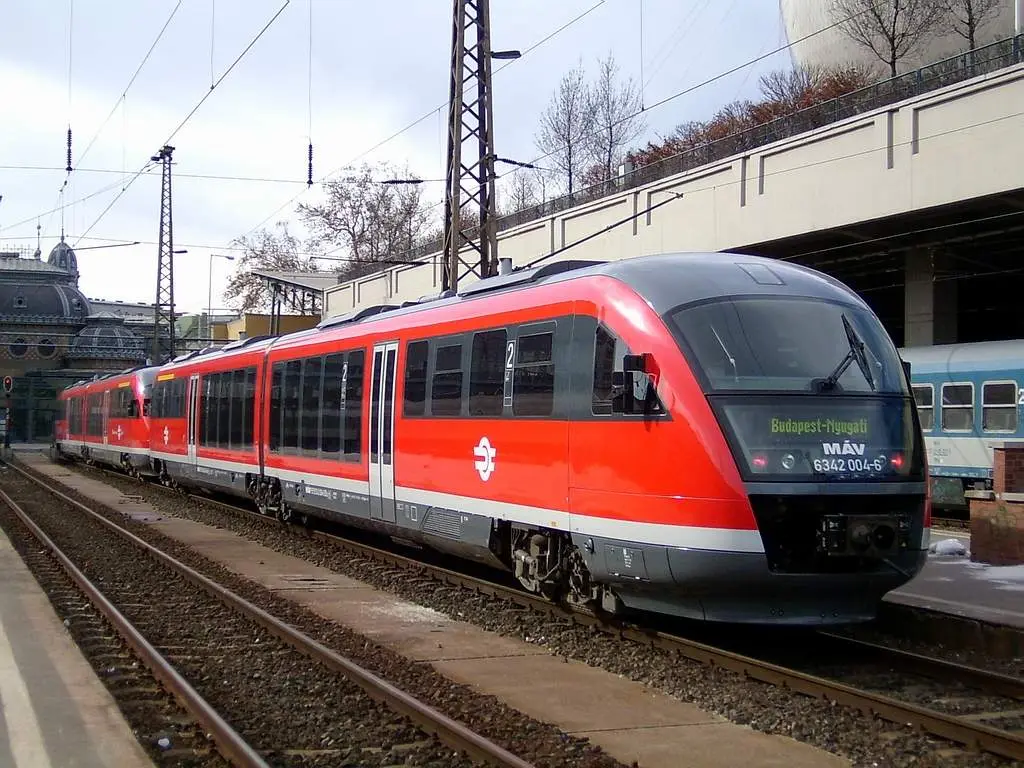
Siemens Desiro City, UK - Energy Optimisation
This commuter train includes lightweight components, energy-efficient traction, and regenerative braking. It helps reduce energy costs while improving service frequency and reliability in busy urban routes.
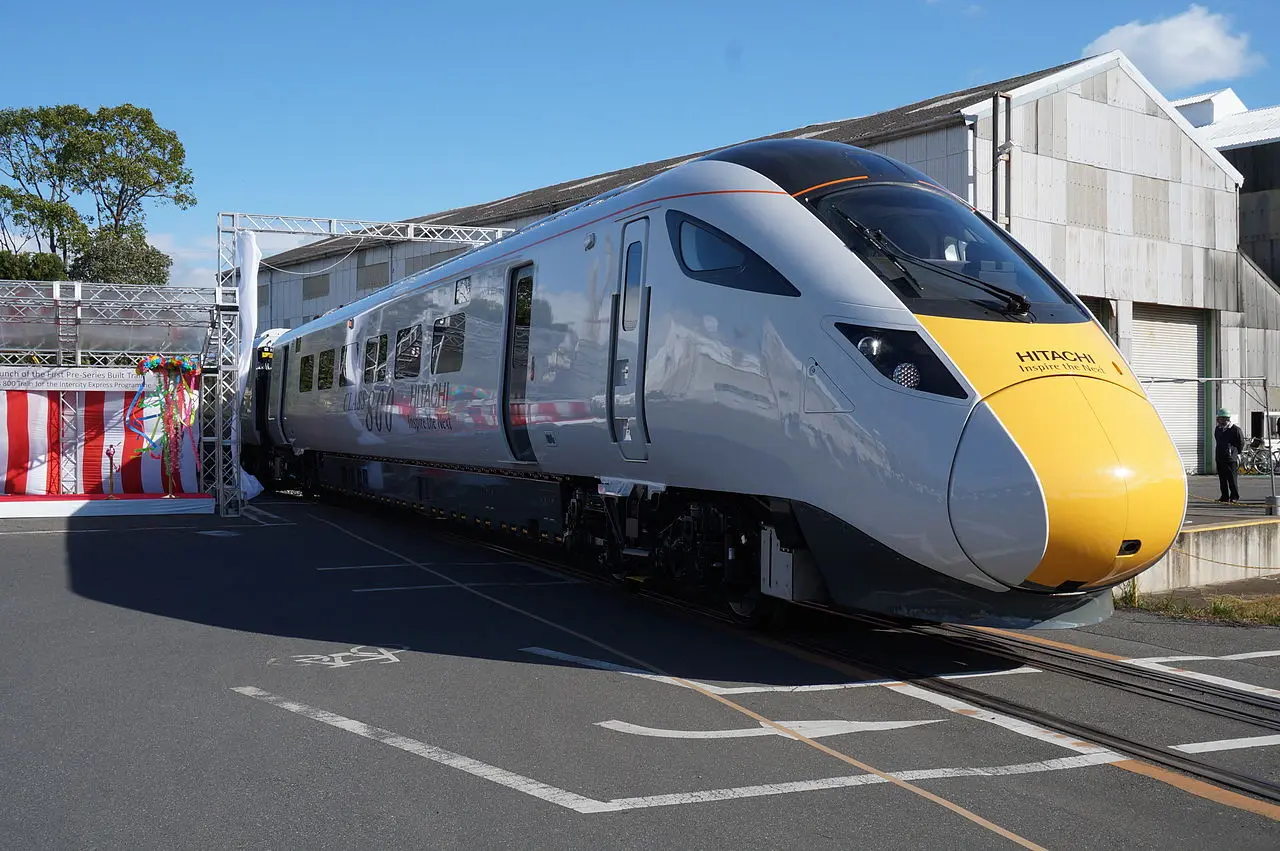
Hitachi Class 800, UK - Hybrid Tech for Efficiency
Hitachi Class 800 trains run on a mix of electric power and diesel, switching automatically to optimise fuel use. This hybrid technology reduces emissions on partially electrified lines.
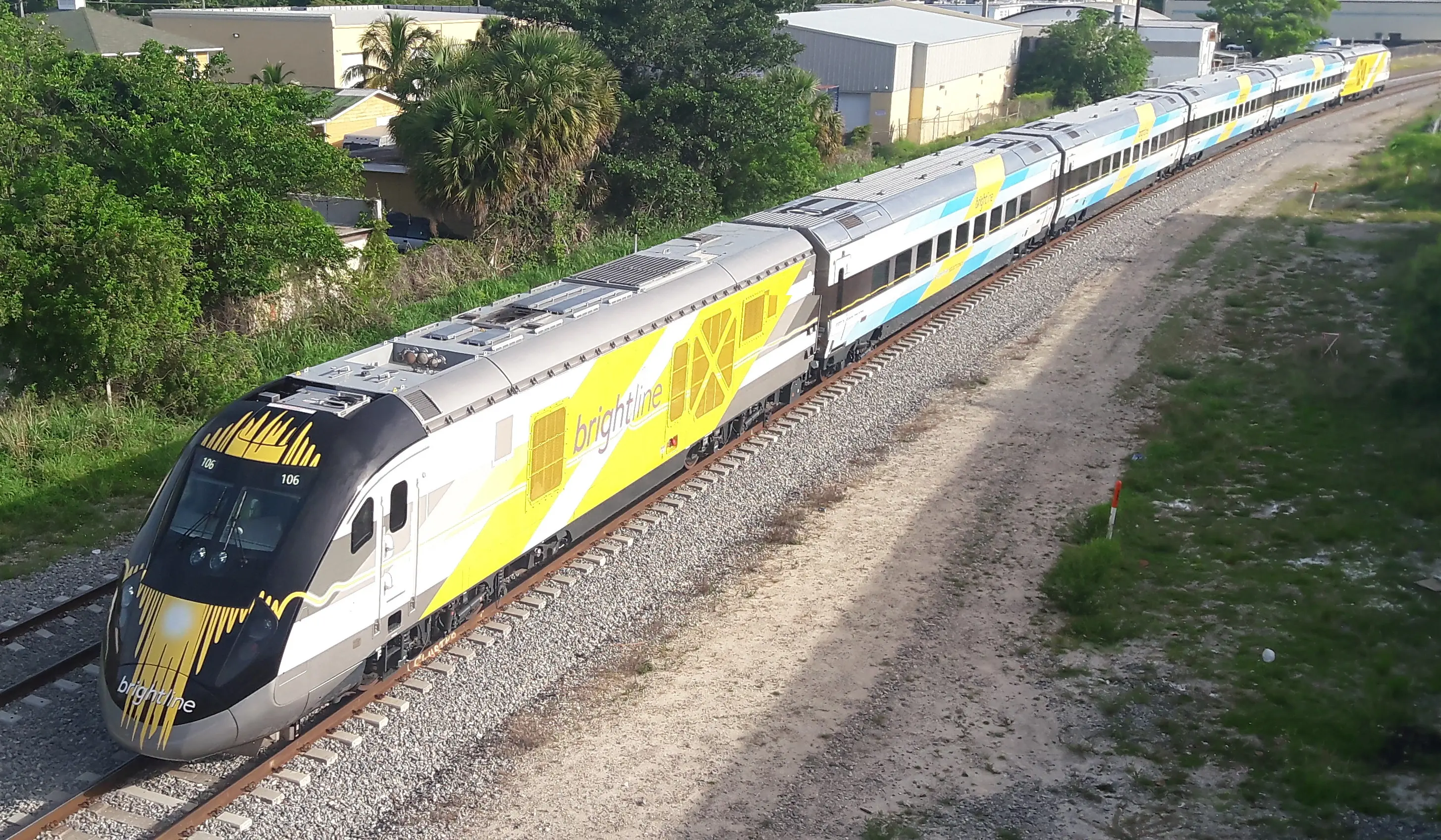
California High-Speed Rail, USA - Long-Term Energy Goals
Energy efficiency is a core goal of California’s high-speed rail, incorporating aerodynamic trains and renewable energy-powered infrastructure to reduce carbon emissions over long-distance routes.
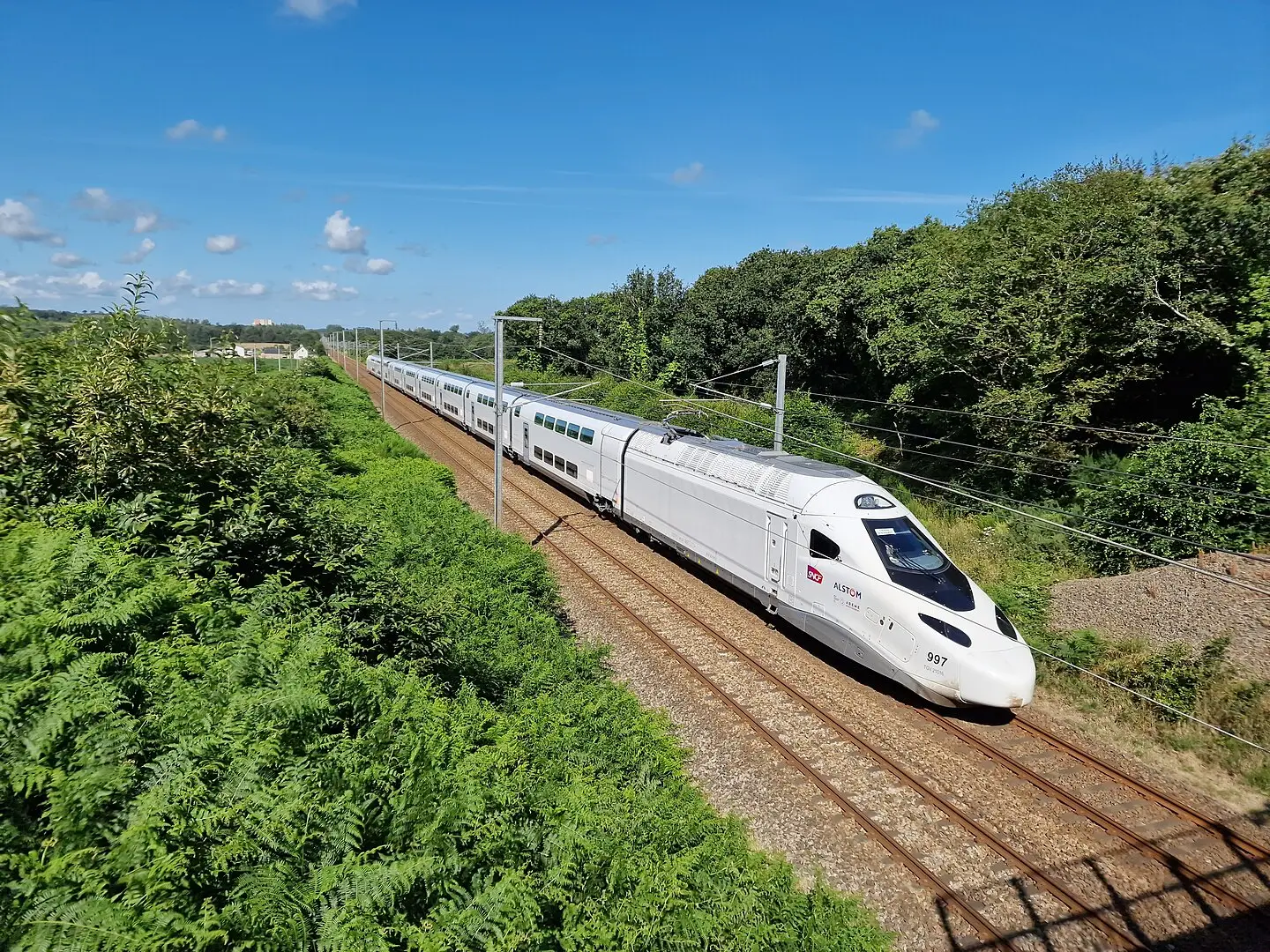
Alstom Avelia Horizon, Europe - Double Decker and Eco-Friendly
This new double-decker high-speed train will consume up to 20 per cent less energy than previous models. It uses lightweight materials, enhanced aerodynamics, and smart power management to lower environmental impact.
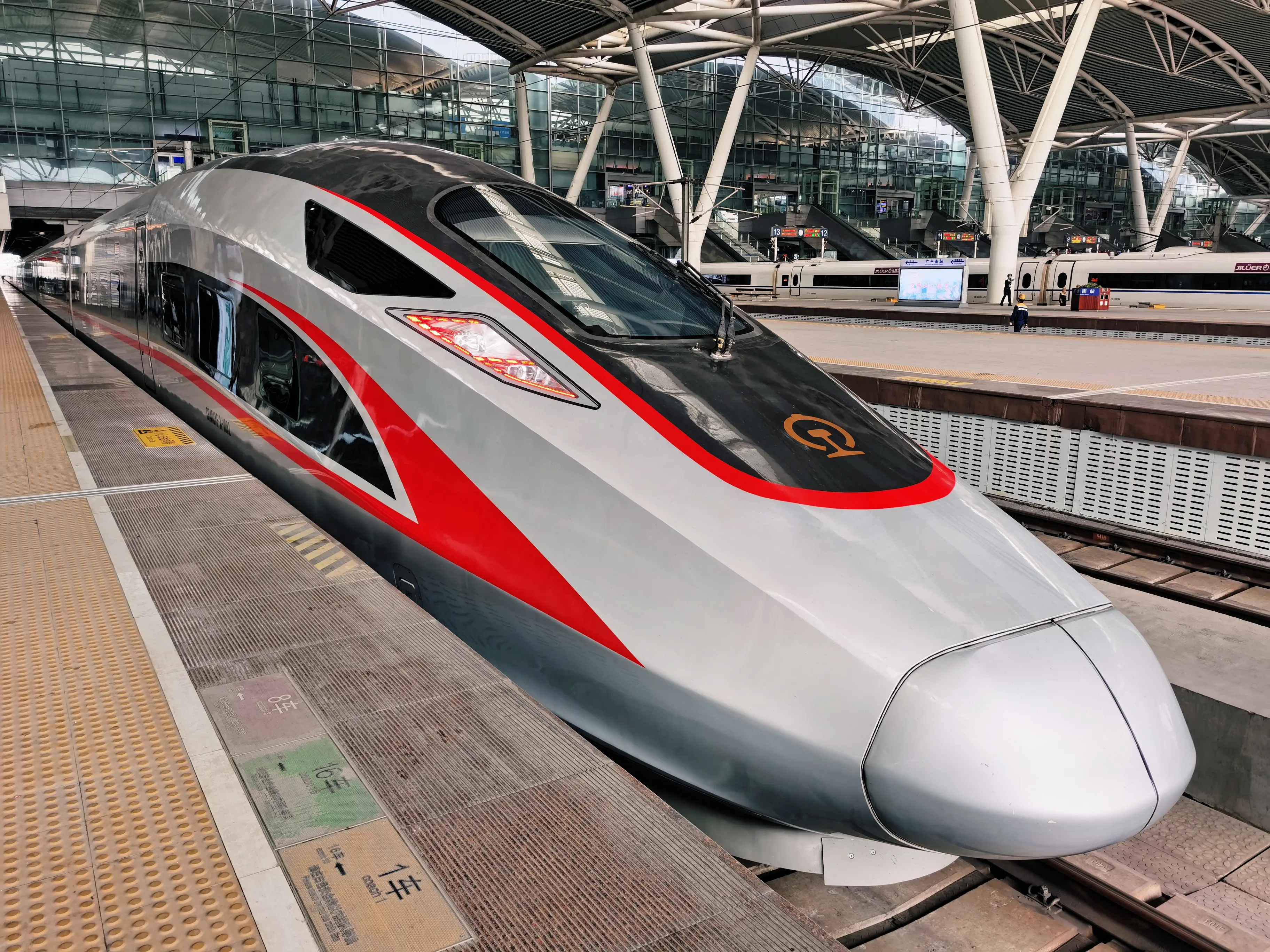
China’s Fuxing Hao - Eco-Friendly Design
Fuxing Hao high-speed trains focus on reducing noise and energy consumption. The trains combine aerodynamic shape and efficient propulsion systems, improving performance while saving energy.
)
)
)
)
)