10 most advanced Russian tanks ranked by armor, firepower, and tech

Russia’s new T-14 Armata and T-90M upgrades bring stronger armour, smarter targeting and long-range firepower. These changes signal a major shift in modern warfare, but the full scale of Russia’s tank leap becomes clear only when you read the complete story.
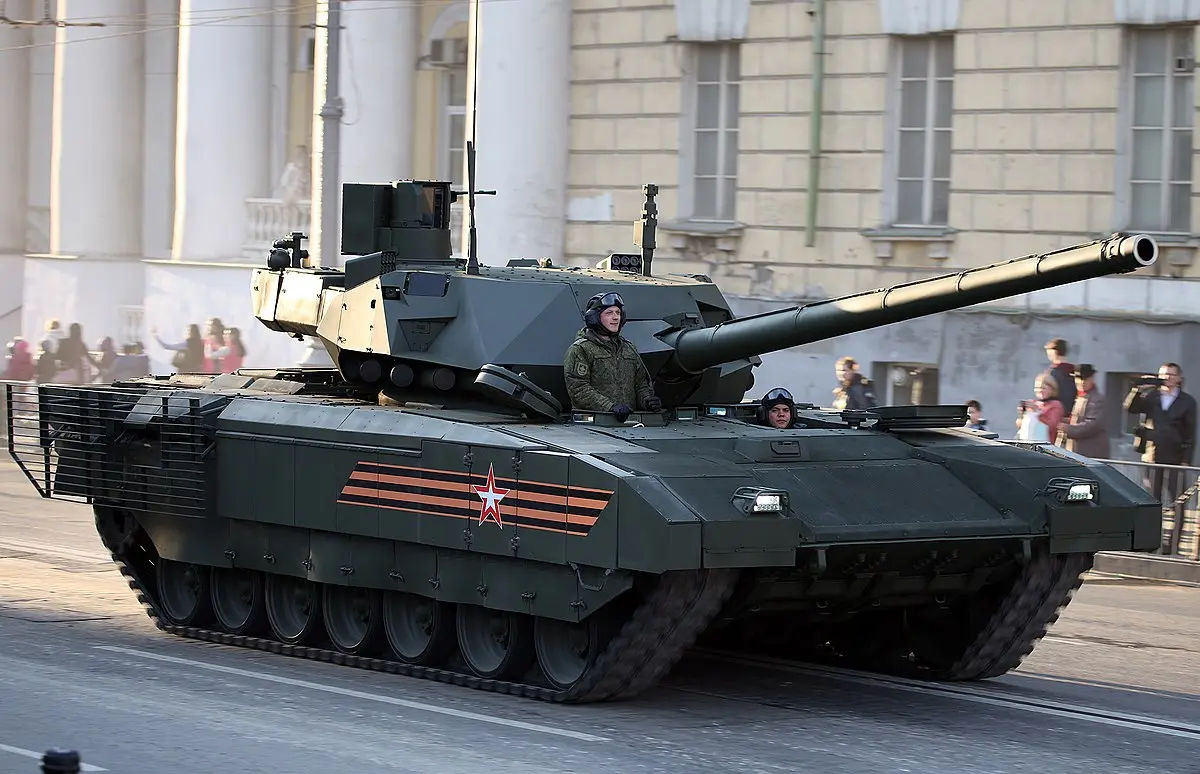
T-14 Armata - Russia's Third-Generation Breakthrough Tank
Russia's T-14 Armata represents the most technologically advanced main battle tank, featuring an unmanned turret with fully automated systems. Armed with a 125mm 2A82-1M smoothbore gun firing guided missiles with 12-kilometre range, it incorporates the Afganit active protection system intercepting targets at speeds exceeding Mach 5. Composite armour combined with explosive reactive armour provides protection against all known anti-tank weapons.
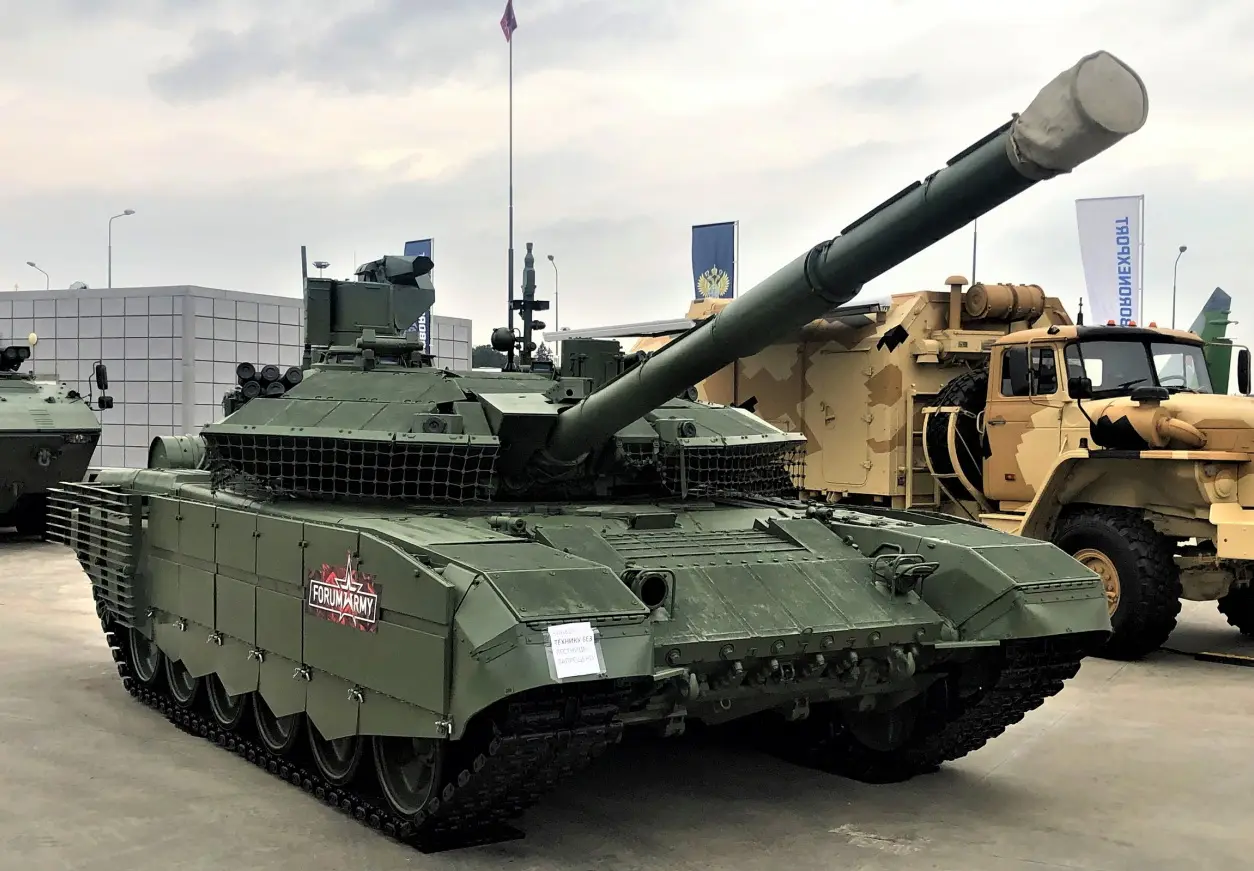
T-90M Proryv-3 - 1,130 Horsepower Rapid Deployment
Russia's T-90M Proryv-3 represents the most operational advanced tank in service, powered by a V-92S2F diesel engine generating 1,130 horsepower. Reaching maximum speeds of 70 kilometres per hour with 550-kilometre range, the T-90M fires 125mm rounds penetrating over 1 metre of tank armour. Production increased to 300 tanks annually as of November 2025.
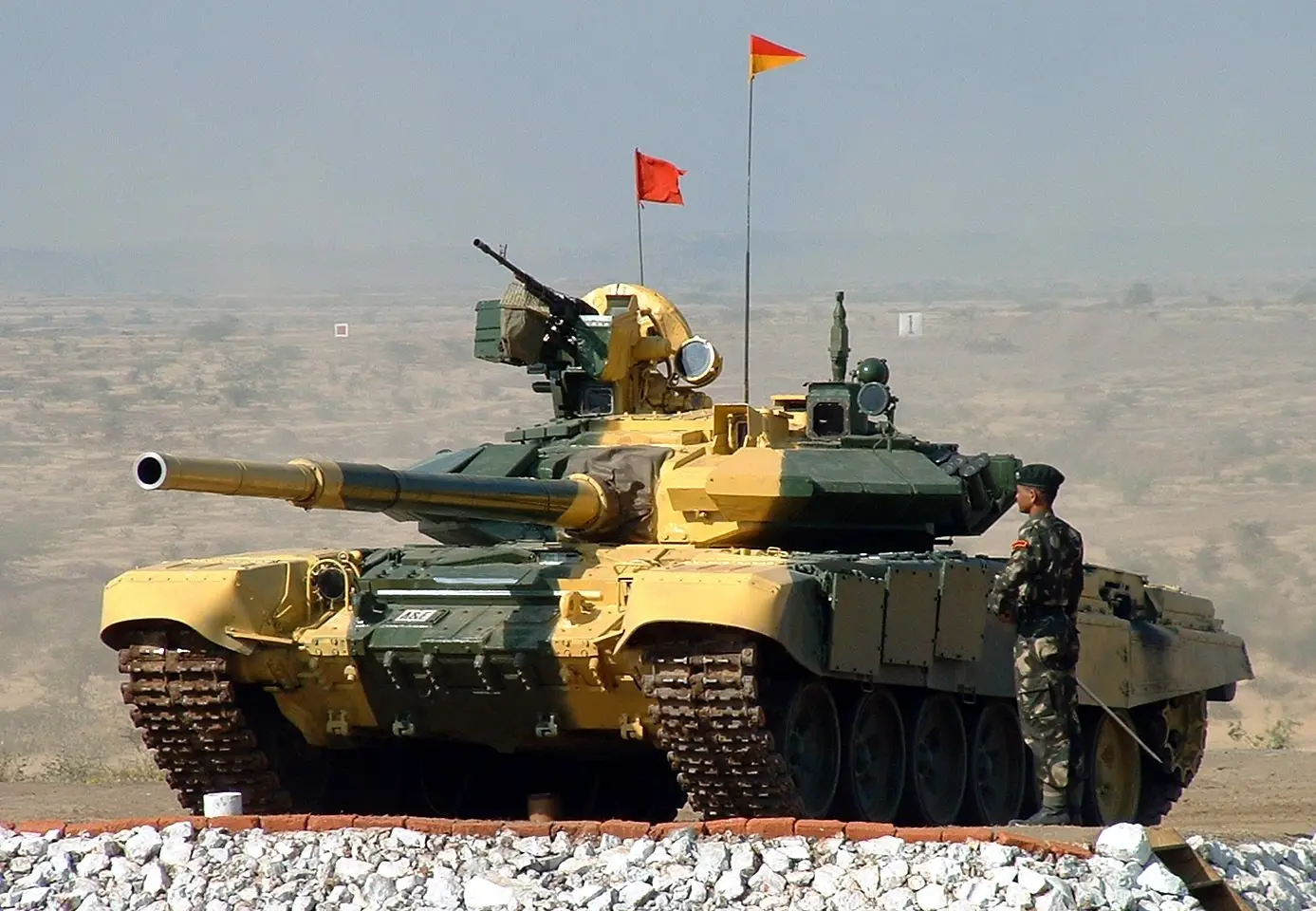
T-90M Relikt Explosive Reactive Armour - One Metre Deflection
T-90M's Relikt explosive reactive armour system deflects enemy projectiles up to one metre away from the tank body. Unlike older Kontakt-5 ERA blocks, Relikt uses sensitive explosives with heavy metal plates detonating in opposite directions, providing enhanced protection against tandem HEAT charges and kinetic munitions. Additional slat armour protects against RPGs and drone attacks.
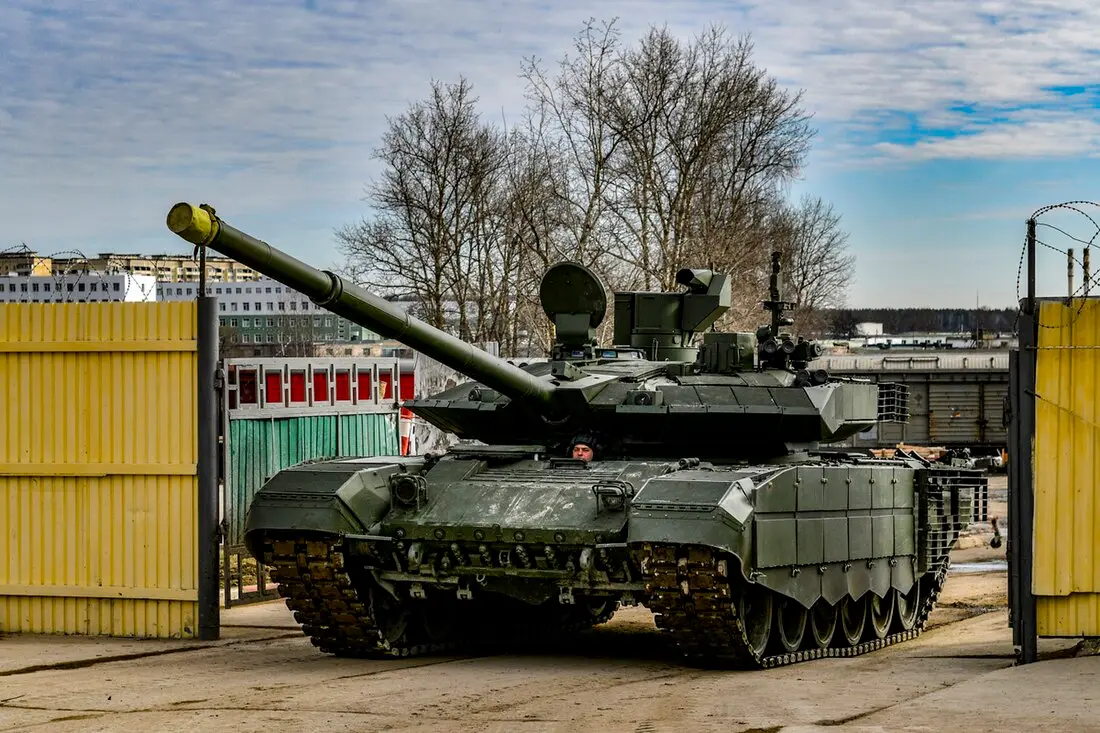
T-90M Fire Control - Five-Kilometre Target Acquisition
T-90M's integrated fire control system automatically tracks and locks the main gun onto targets based from various sensors. The commander's panoramic sight with thermal imaging combined with a ballistic computer allows target detection and engagement at ranges exceeding five kilometres. Wind sensors and muzzle reference systems automate firing solution formulation.
T-14 Armata Automatic Protection System - Mach 8.8 Intercept Capability
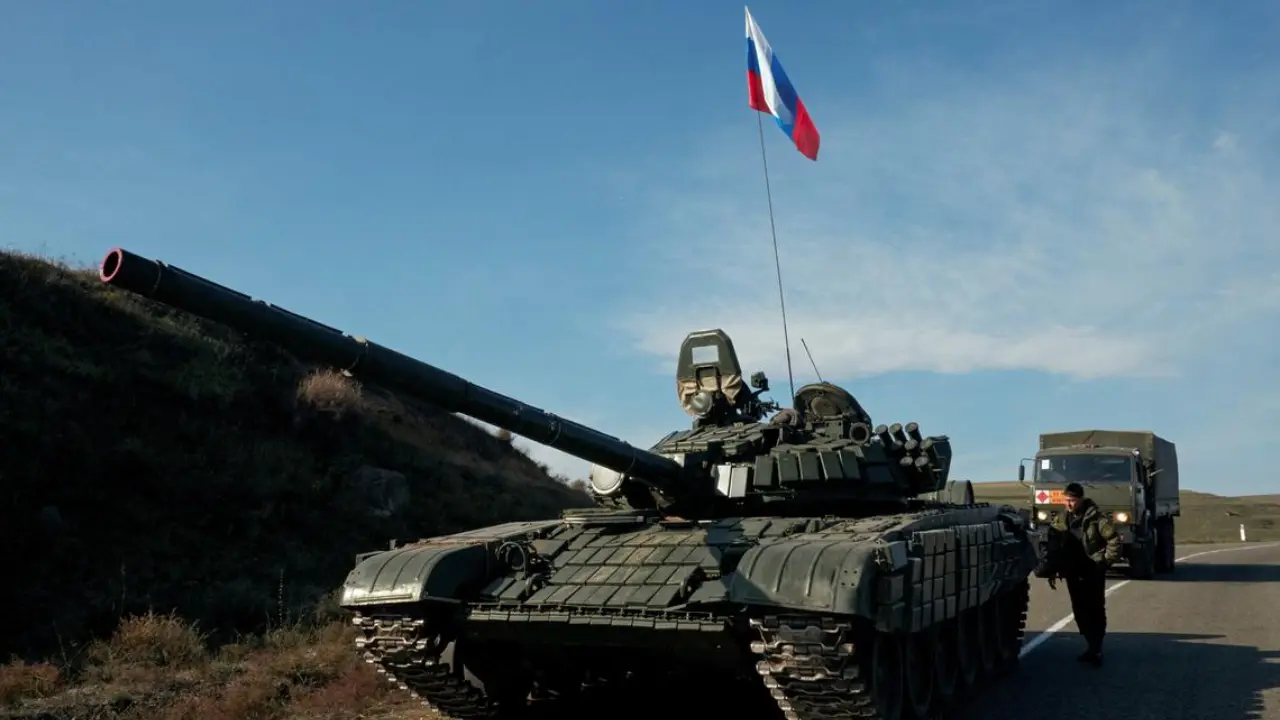
T-14's Afganit active protection system employs millimetre-wave radar detecting incoming threats, capable of intercepting projectiles at speeds up to Mach 8.8 (3,000 metres per second). The system provides both soft kill electronic countermeasures confusing guided missiles and hard kill kinetic interception destroying incoming projectiles. All-around protection covers lateral and rear approaches.
T-72B3M Advanced Fire Control - Sosna-U Thermal Sight
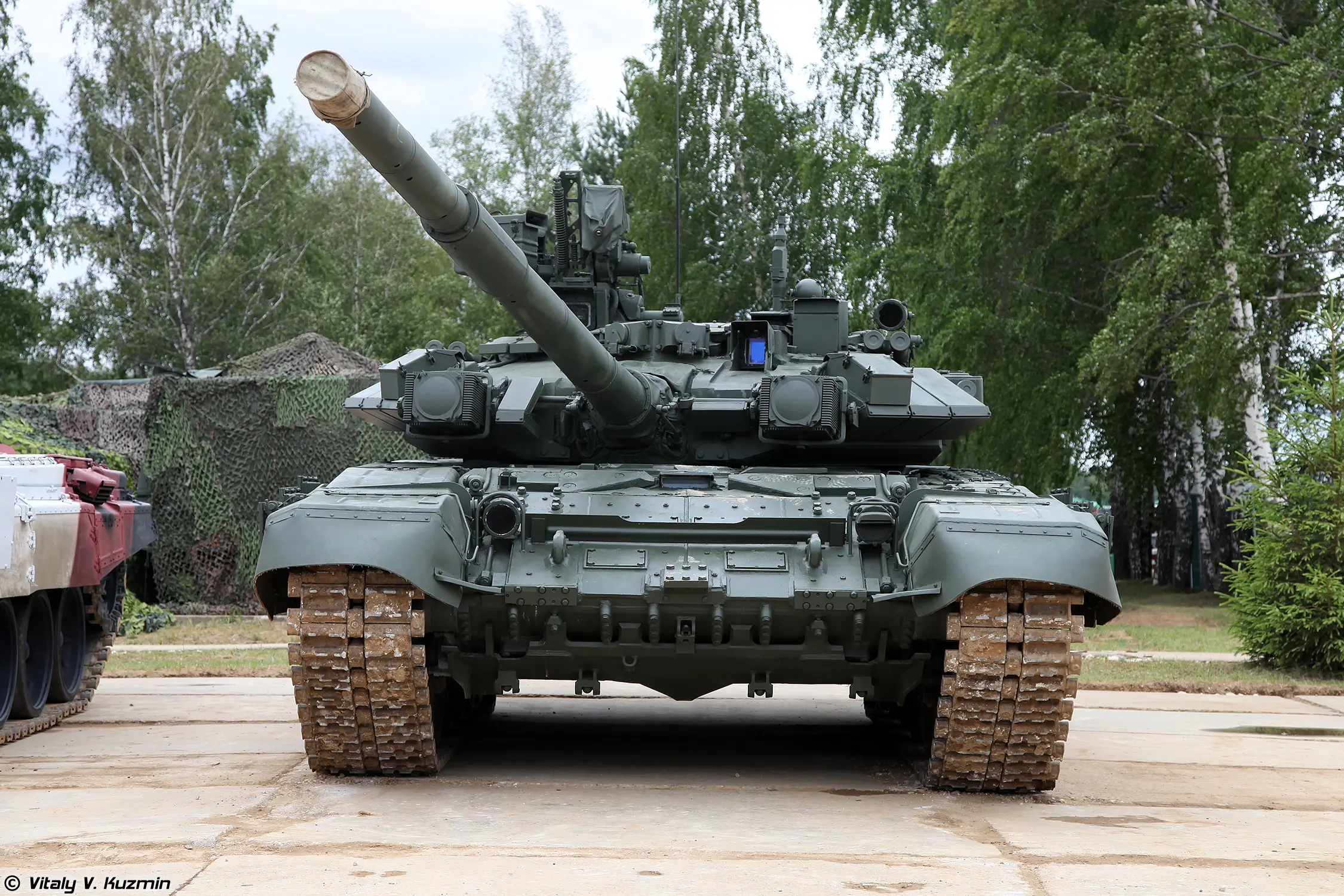
Russia's T-72B3M tank incorporates the Sosna-U targeting system with second-generation thermal imaging, laser rangefinder, and missile guidance capability. The digital ballistic computer automates shot preparation, significantly improving firing accuracy. Approximately 300 T-72B3 variants operate with planned upgrades to the latest Kalina fire control system.
T-14 Guided Missile Arsenal - 5 km Refleks Range
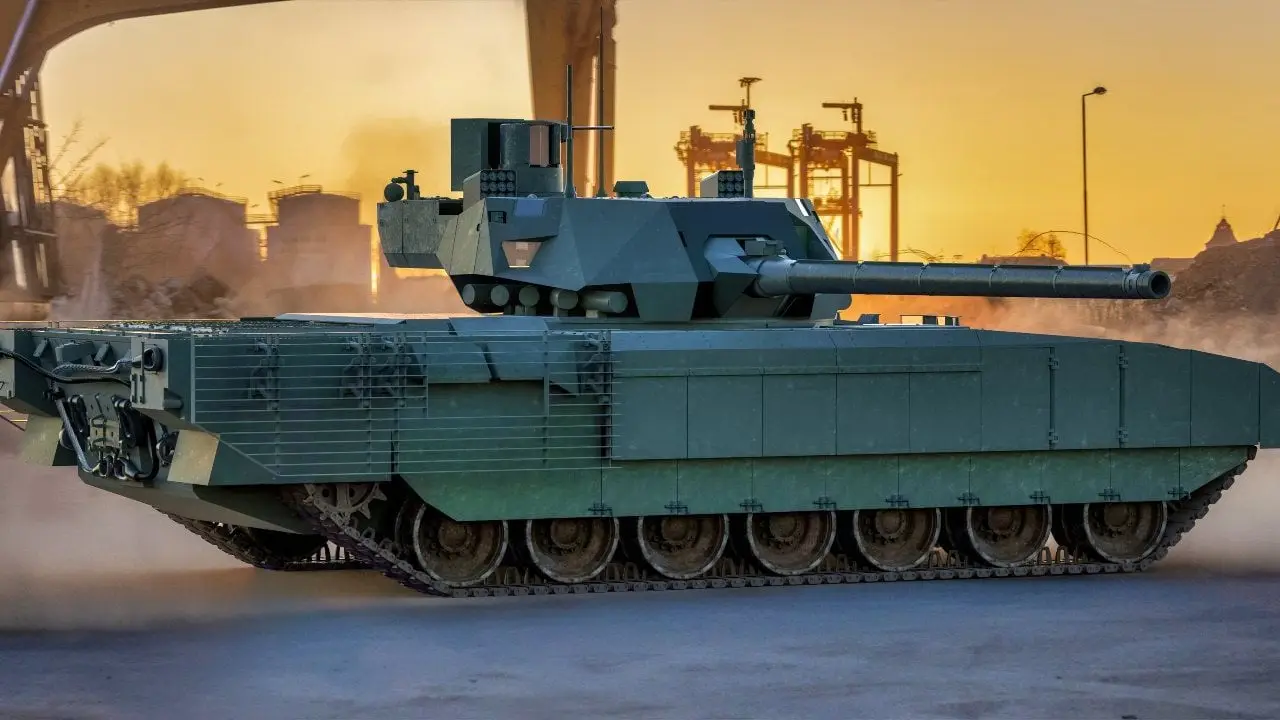
T-14 Armata fires 9M119M1 Invar-M guided missiles with effective range from 100 metres to 5 kilometres, engaging both ground targets and low-flying helicopters. The 3UBK21 Sprinter anti-tank guided missile extends range to 12 kilometres, providing standoff engagement capability beyond conventional 125mm kinetic rounds. Automatic loading enables rapid fire rates.
T-80 Gas Turbine Engines - Mobility and Firepower
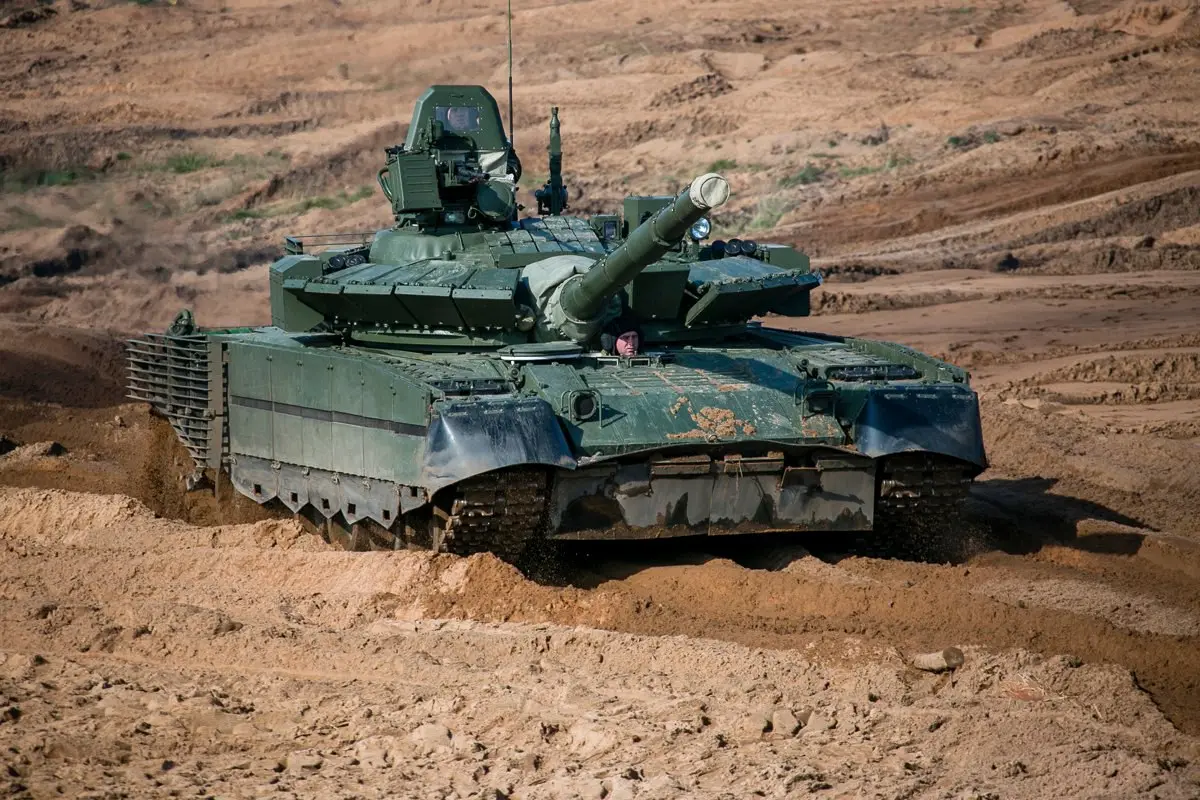
Russia's T-80 main battle tank features gas turbine engines generating 1,100 horsepower, reaching speeds of 70 kilometres per hour across various terrains. Armed with 125mm smoothbore guns comparable to T-90M systems, T-80's enhanced mobility compensates for slightly older fire control systems. Approximately 3,000 T-80 tanks remain in service across Russian forces.
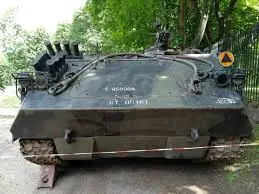
Kalina Fire Control System - Automatic Target Tracking Network
Russia's Kalina computerised fire control system provides automatic target tracker and fire control computer enabling continuous weapon lock on moving targets. All latest T-72B3, T-90SM, and T-14 variants receive Kalina integration connecting tanks into network-centric warfare systems. Real-time sensor data sharing increases tactical coordination and engagement accuracy.
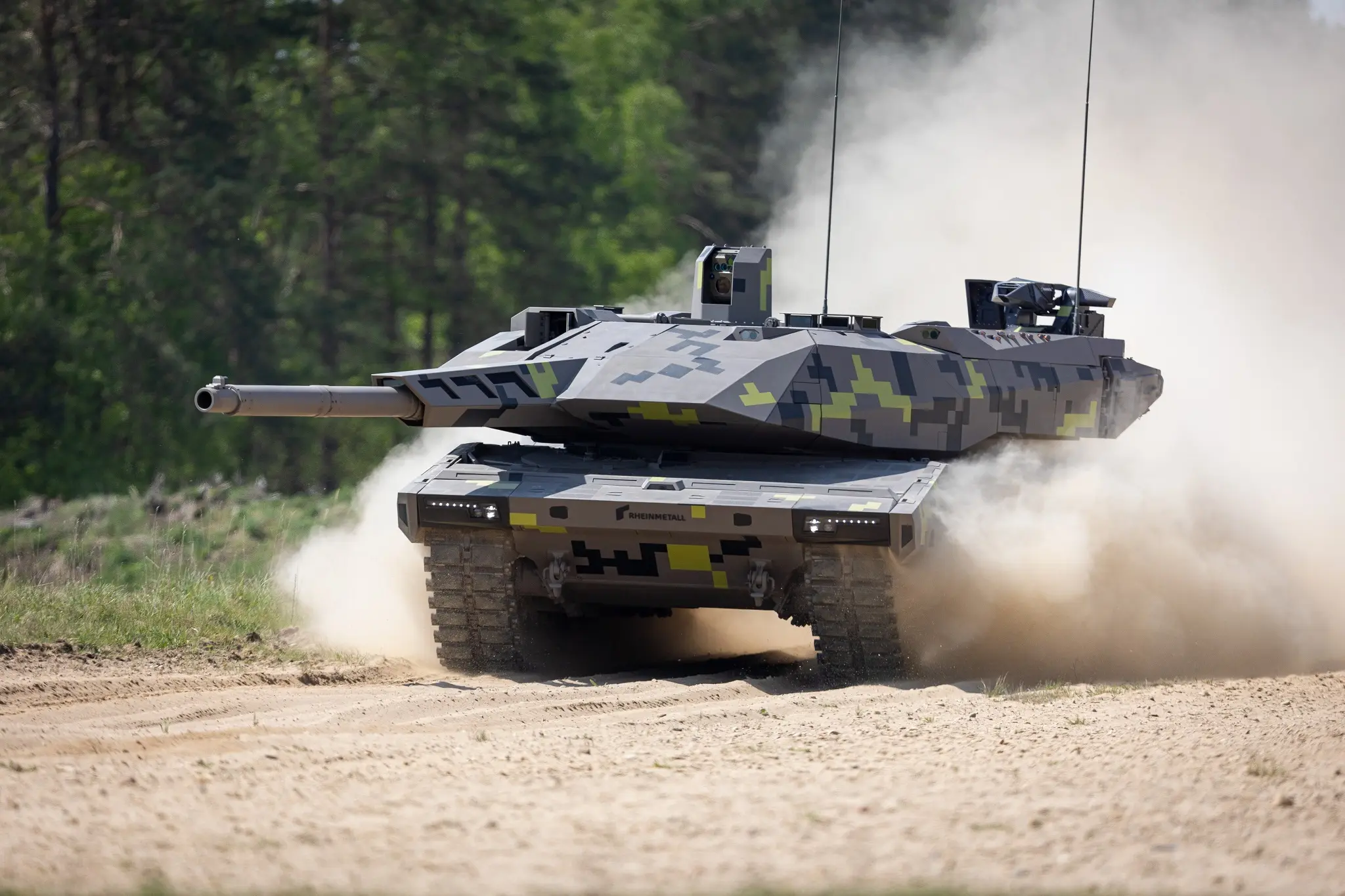
Future Tank Development - Combined Protection Systems
Russian military planners develop next-generation combined protection systems integrating passive composite armour, active protection systems, and artificial intelligence-based targeting. Future variants will incorporate adaptive reactive armour responding to threat type, solid-state thermal imaging with extended range, and autonomous fire control systems. Production timelines target operational deployment within 3-5 years.
)
)
)
)
)