10 isolated train routes connecting the remotest places on Earth

From Tibet's Qinghai-Tibet Railway to Africa's Tazara and Canada’s Rocky Mountaineer, these trains connect some of the remotest and most rugged areas on Earth.
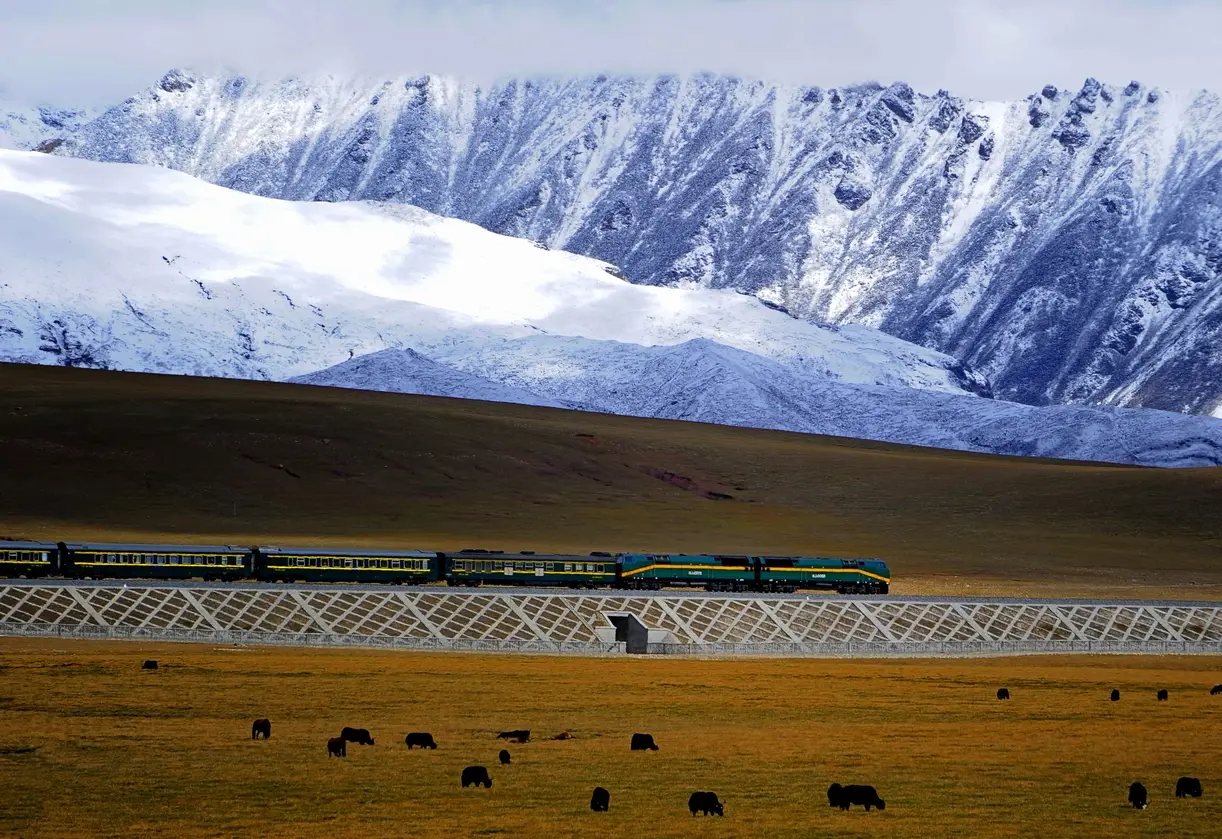
Qinghai-Tibet Railway, China
This railway connects Tibet to mainland China over 1,956 km, crossing the world’s highest railway station at Tanggula (5,068 m). It passes through permafrost areas and remote plateaus, helping isolated communities access cities.
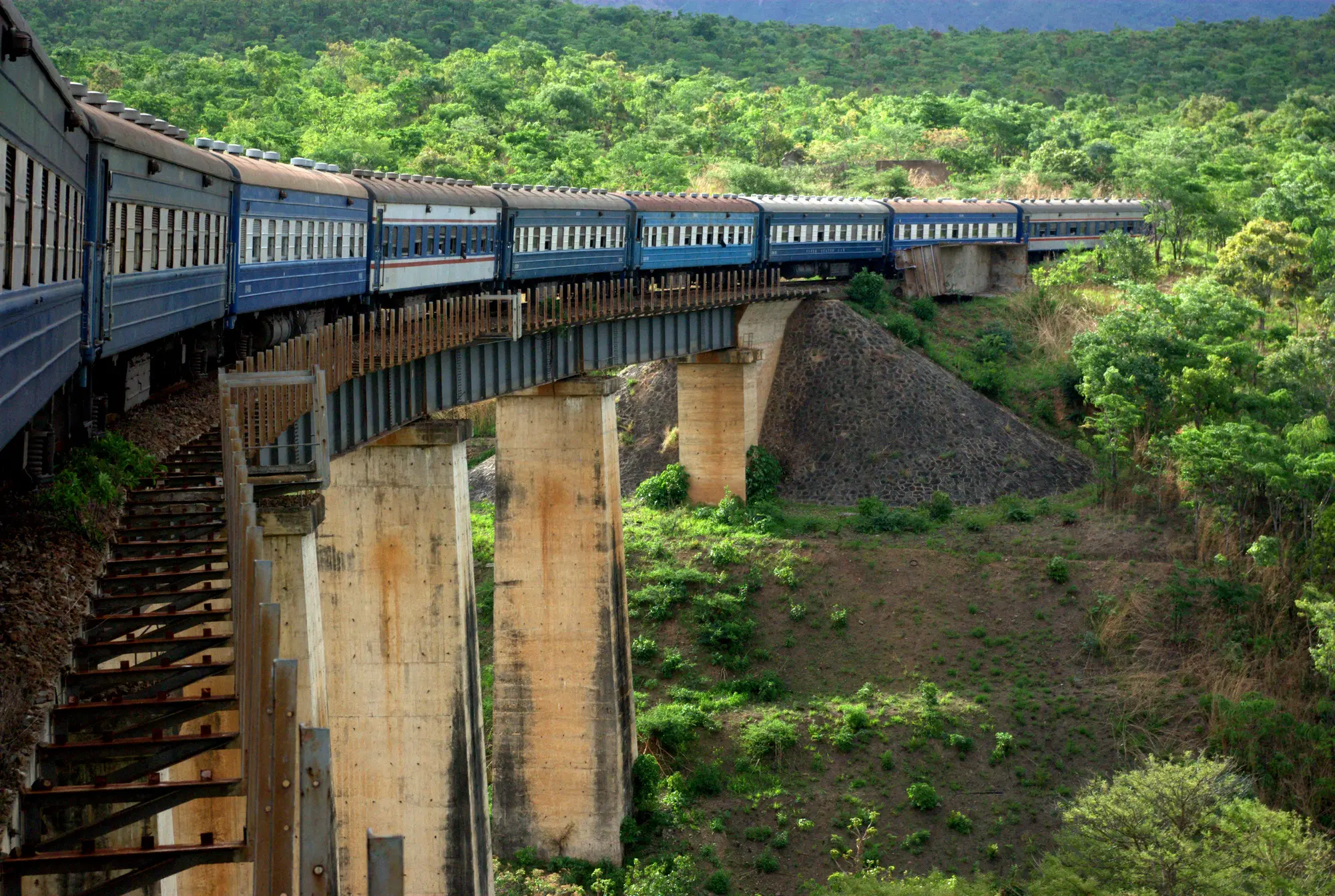
Tazara Railway, Tanzania and Zambia
Stretching 1,860 km, the Tazara connects Dar es Salaam with Zambia’s interior. It traverses remote African wilderness with rivers, mountains and savannahs, supporting freight and passenger transport far from urban centres.
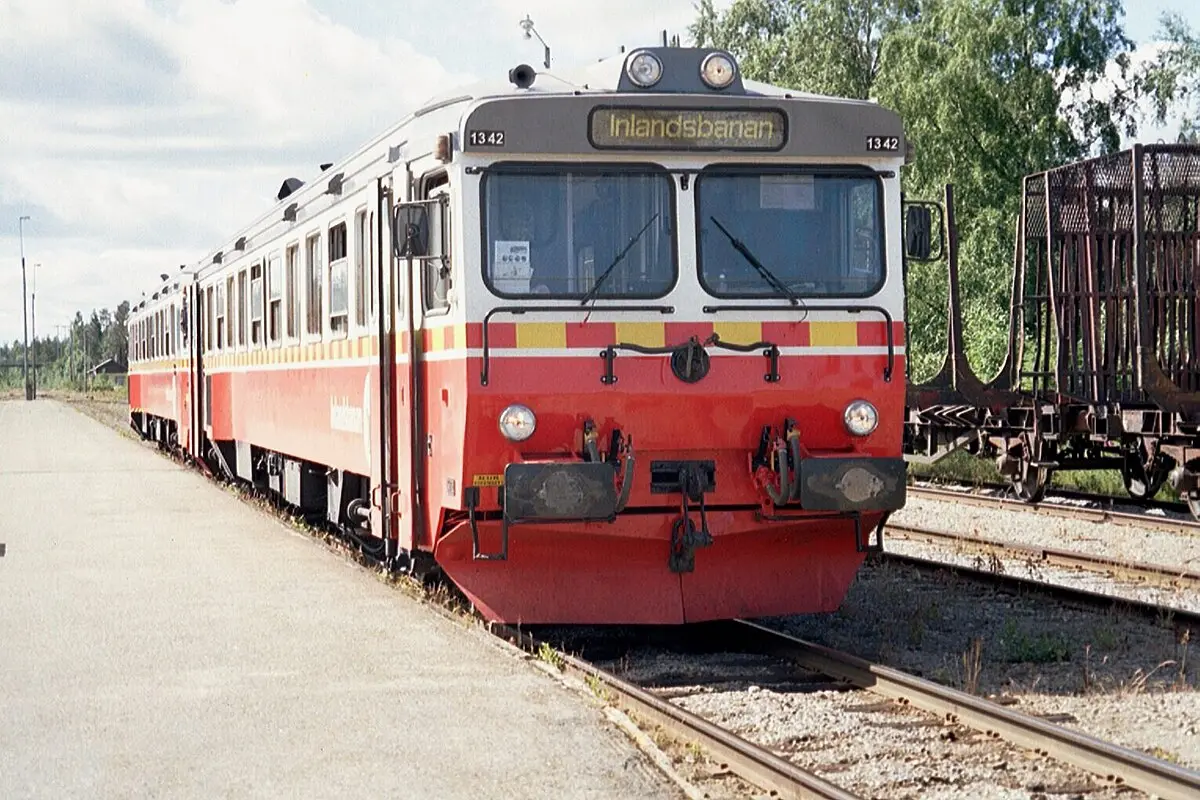
Inlandsbanan, Sweden
Going 1,288 km from Kristinehamn to Gällivare, Inlandsbanan passes through sparse forests and small towns in northern Sweden. It is vital for local mobility in sparsely populated and cold regions.
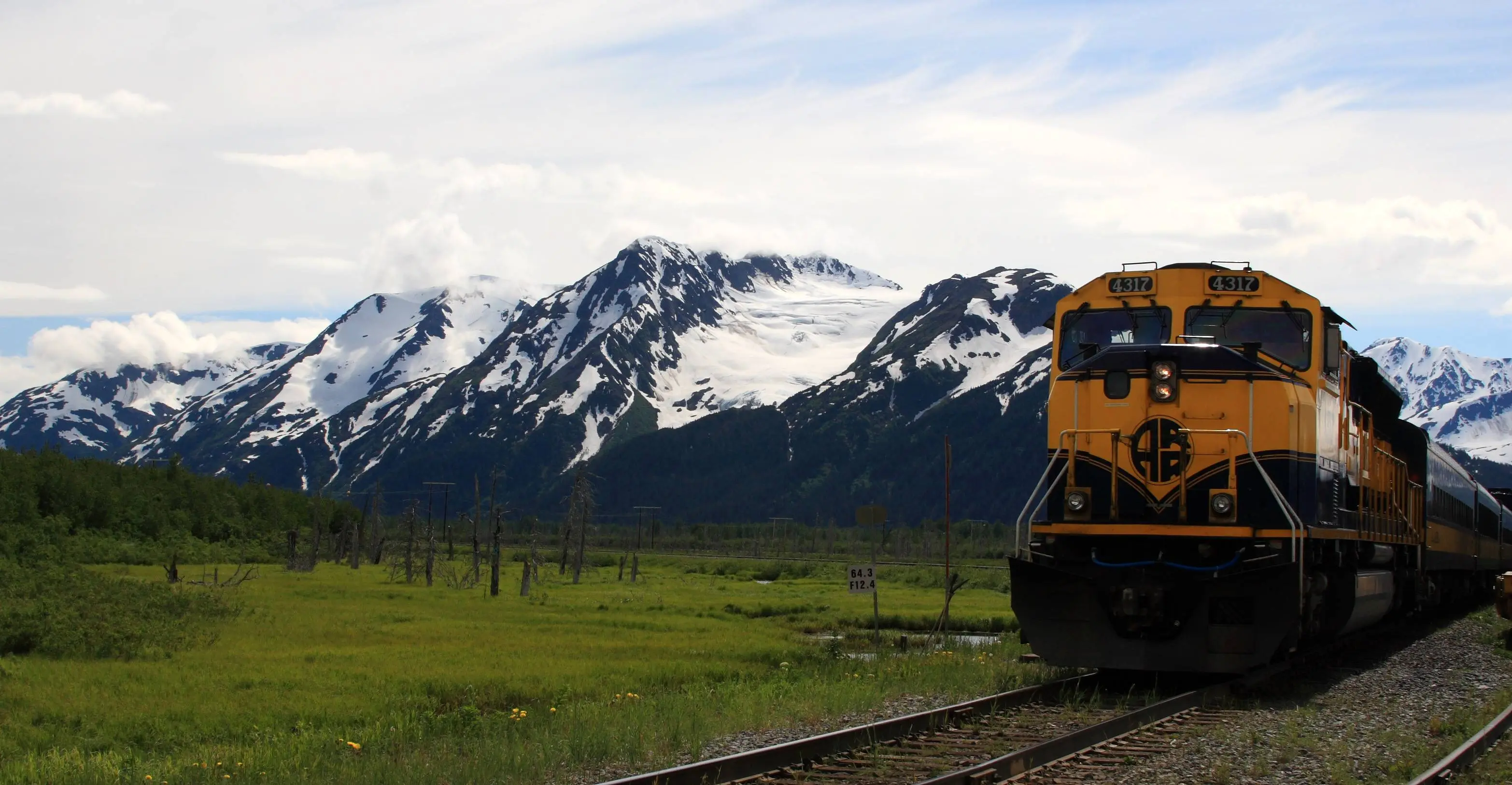
Alaska Railroad, USA
This remote rail line crosses rugged wilderness from Seward to Fairbanks, serving isolated communities in Alaska. It travels over 660 km through mountains, forests, and frozen landscapes without nearby road access.
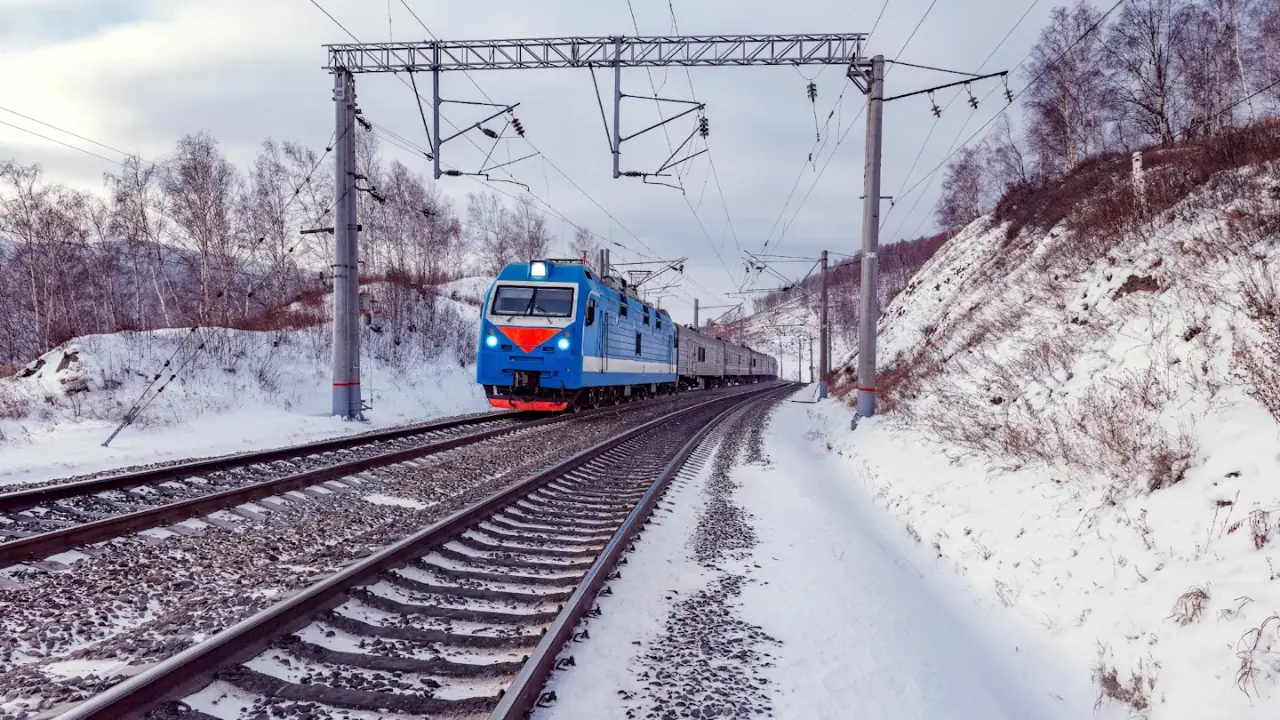
Trans-Siberian Railway, Russia
Running 9,289 km from Moscow to Vladivostok, this iconic railway crosses remote forests, mountains, and steppe. It connects isolated Siberian settlements with major cities and is the longest continuous train route globally.
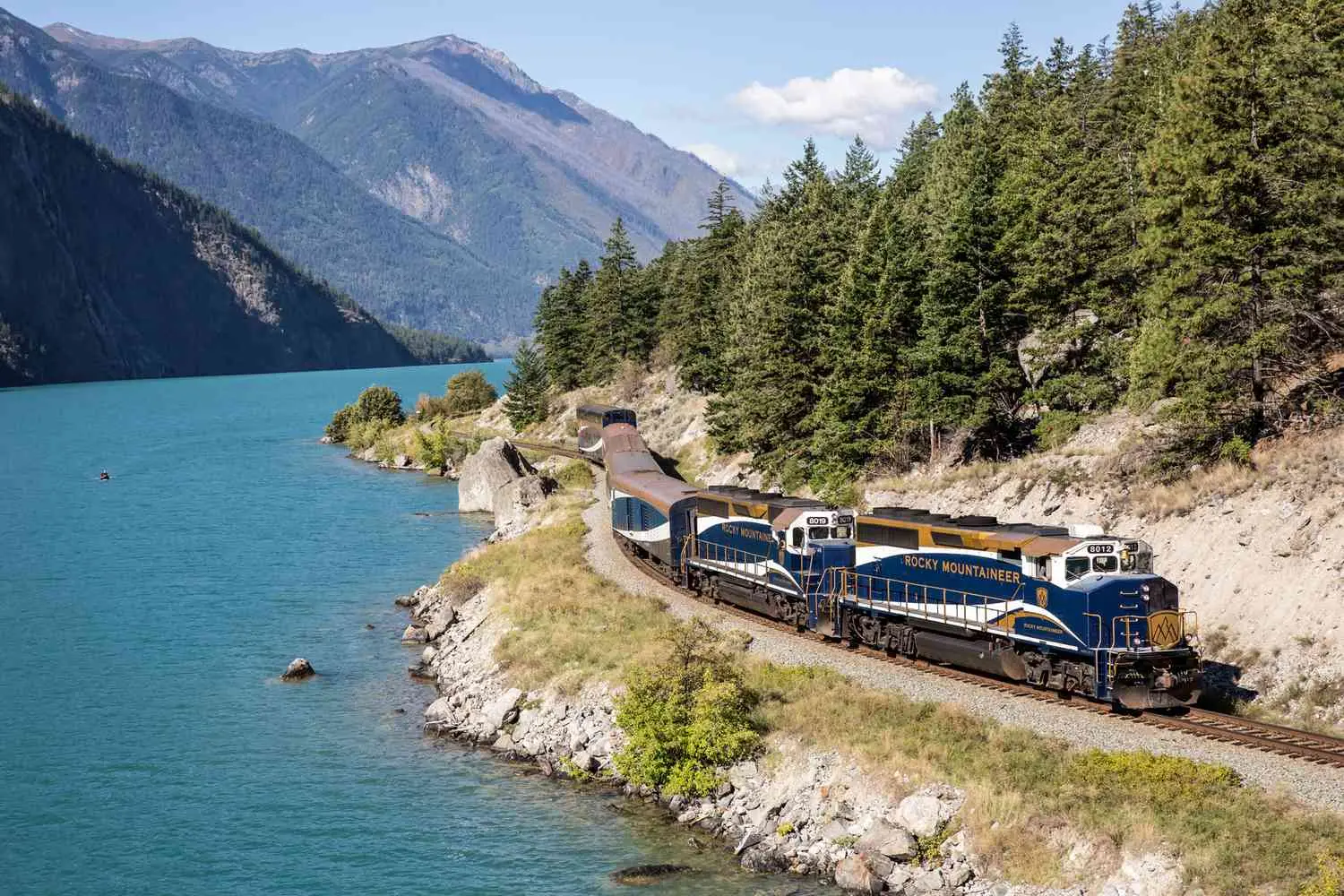
Rocky Mountaineer, Canada
Canada’s Rocky Mountaineer travels scenic routes through remote mountainous wilderness of British Columbia and Alberta. It offers access to isolated national parks and small towns away from main highways.
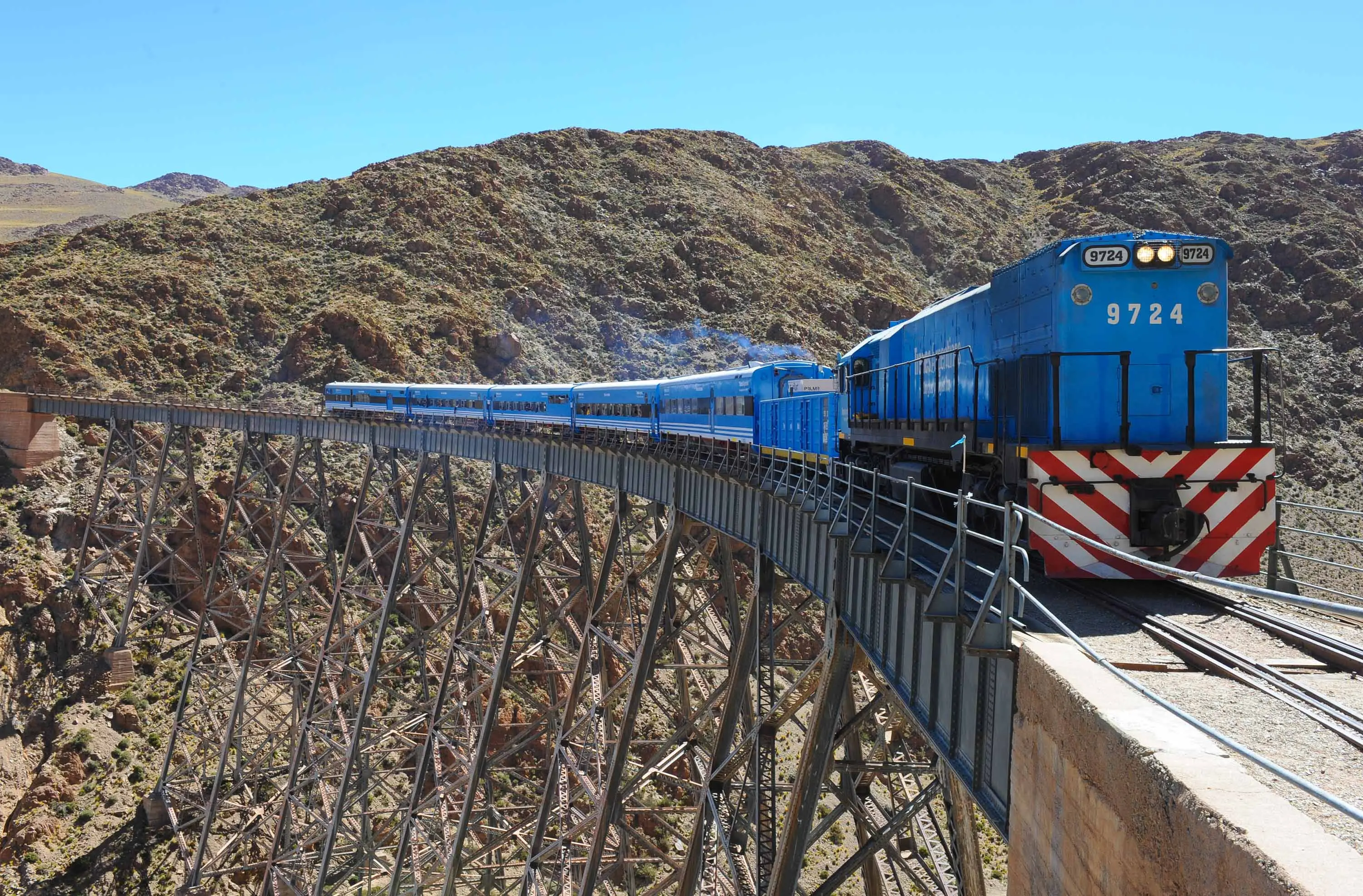
Ruta de las Nubes, Argentina
This train traverses harsh desert and mountainous terrain of the Andes over 425 km. It serves remote towns while carrying passengers through some of South America’s most dramatic landscapes.
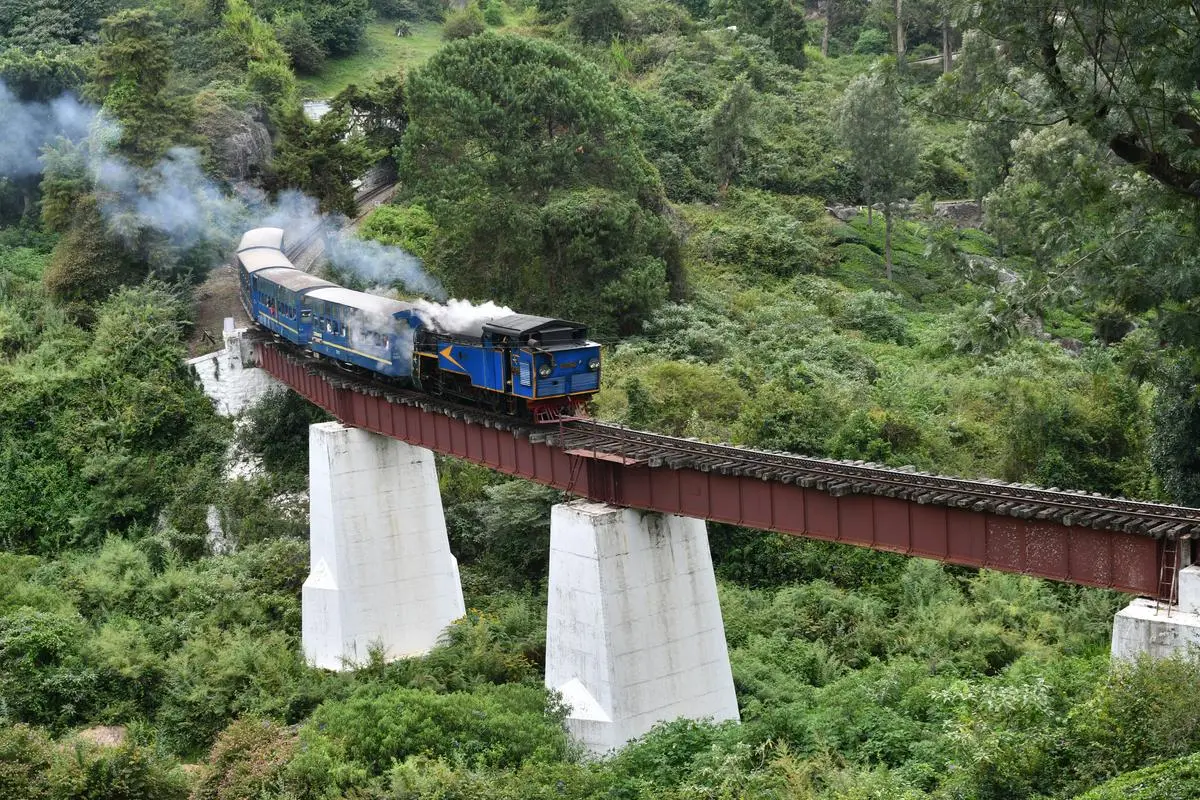
Indian Railways Nilgiri Mountain Railway, India
Known as "Toy Train," it connects the remote hill station of Ooty through steep terrain and isolated villages. The metre-gauge line is a vital transport link for this elevated region.
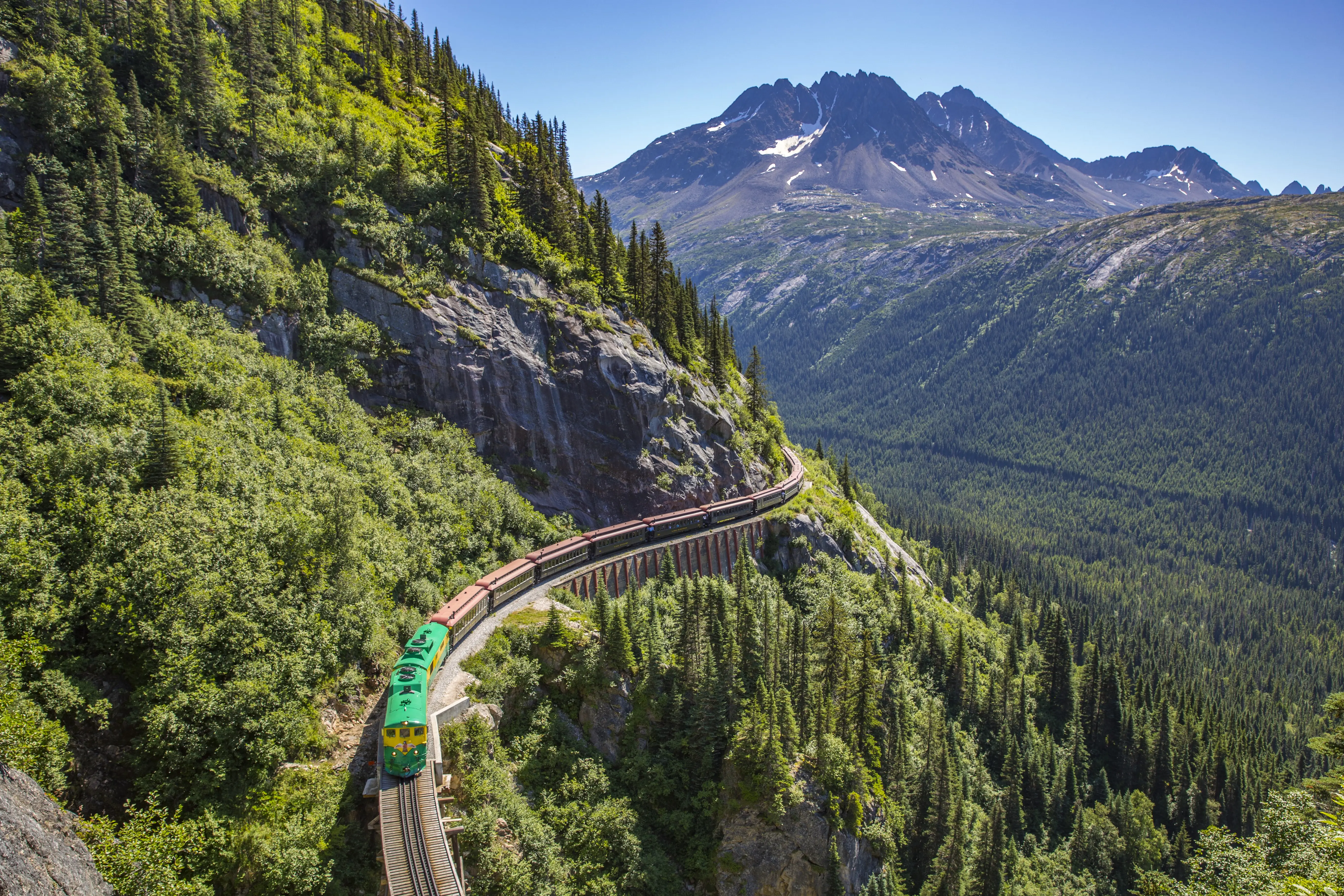
White Pass & Yukon Route, Alaska and Canada
Covering rugged, isolated terrain through steep mountain passes and wilderness areas, this railway is an engineering marvel enabling travel and trade in harsh remote environments.
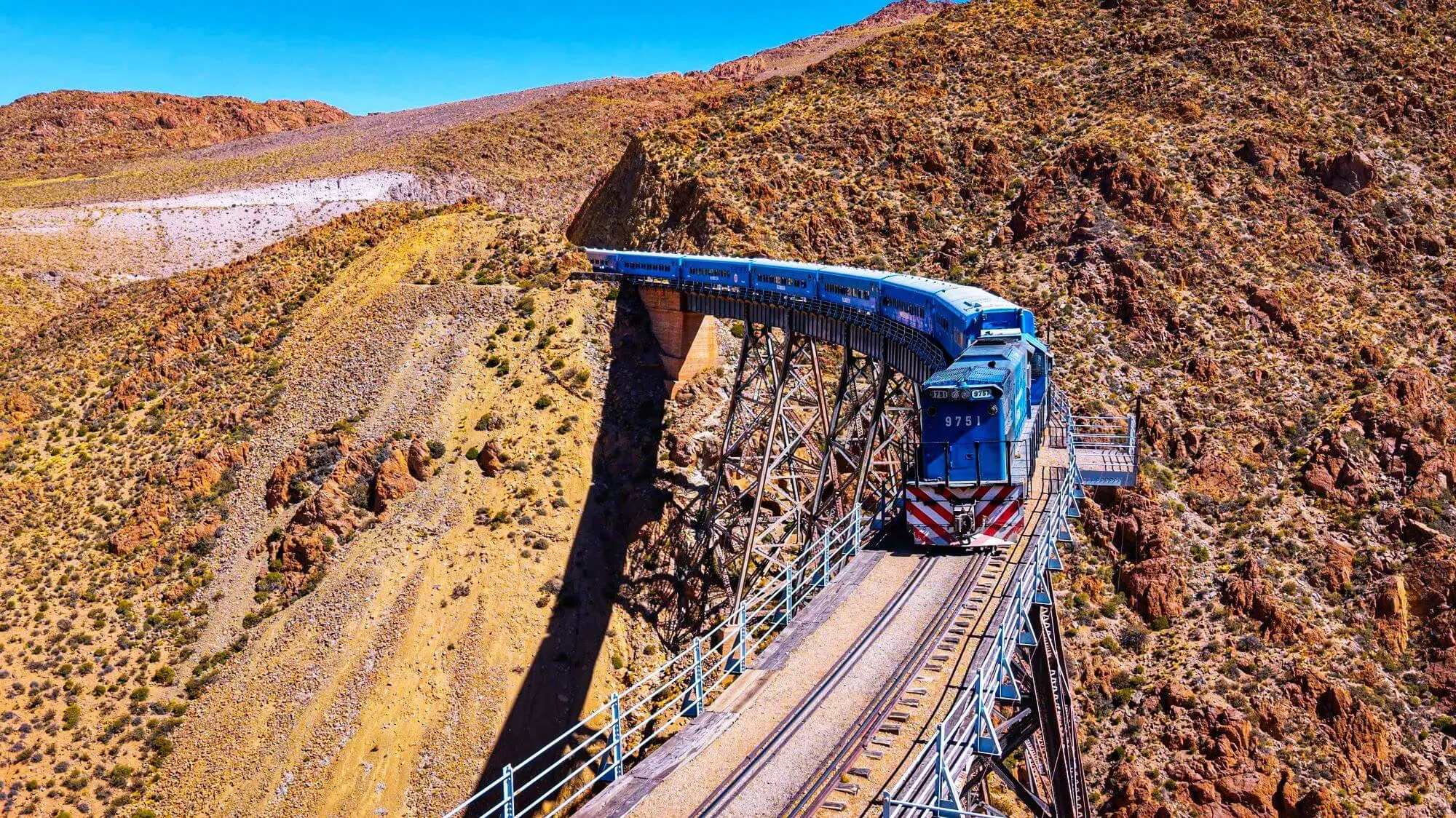
Trans-Andean Railway, Chile-Argentina
This railway crosses the Andes mountains, connecting remote high altitude passes and small towns on both sides. It is crucial for trade and transport in a difficult mountainous region.
)
)
)
)
)