10 features of the Su-57 fighter jet that boost agility at low speeds

The Su-57’s low-speed agility relies on thrust vectoring, vortex controllers, integrated canards, advanced flight controls, and powerful engines. These features enable precise control and rapid recovery during slow-speed manoeuvres, enhancing dogfight performance.
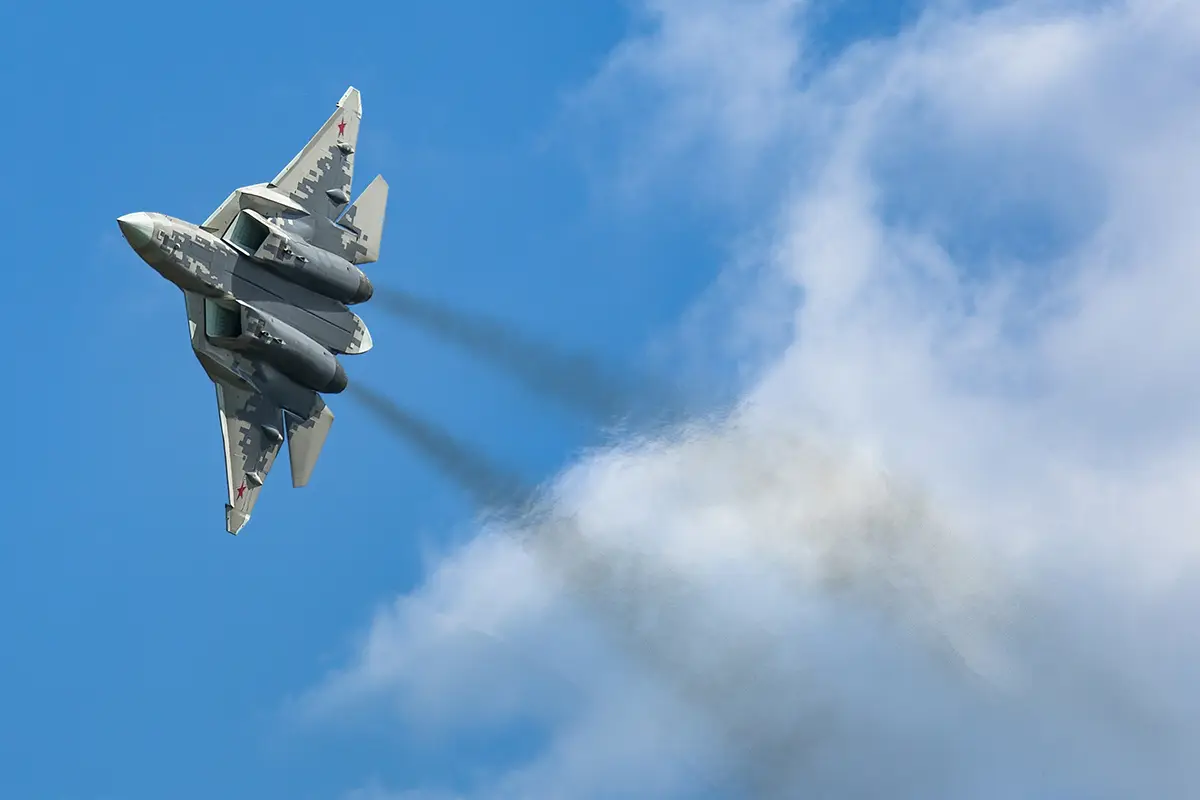
3D Thrust Vectoring Nozzles - ±16-Degree Deflection
The Su-57 features Saturn AL-41F1 engines with three-dimensional thrust vectoring nozzles capable of deflecting ±16 degrees in all flight axes. Unlike the F-22 Raptor limited to vertical-axis vectoring, the Su-57's asymmetrically steerable nozzles create pitch, yaw, and roll moments independently. This allows immediate response to pilot commands even at near-zero airspeed, providing super-agility advantages during low-speed engagement phases. The nozzles can deflect differentially, meaning one can vector differently from the other, creating roll moments without traditional control surface input.
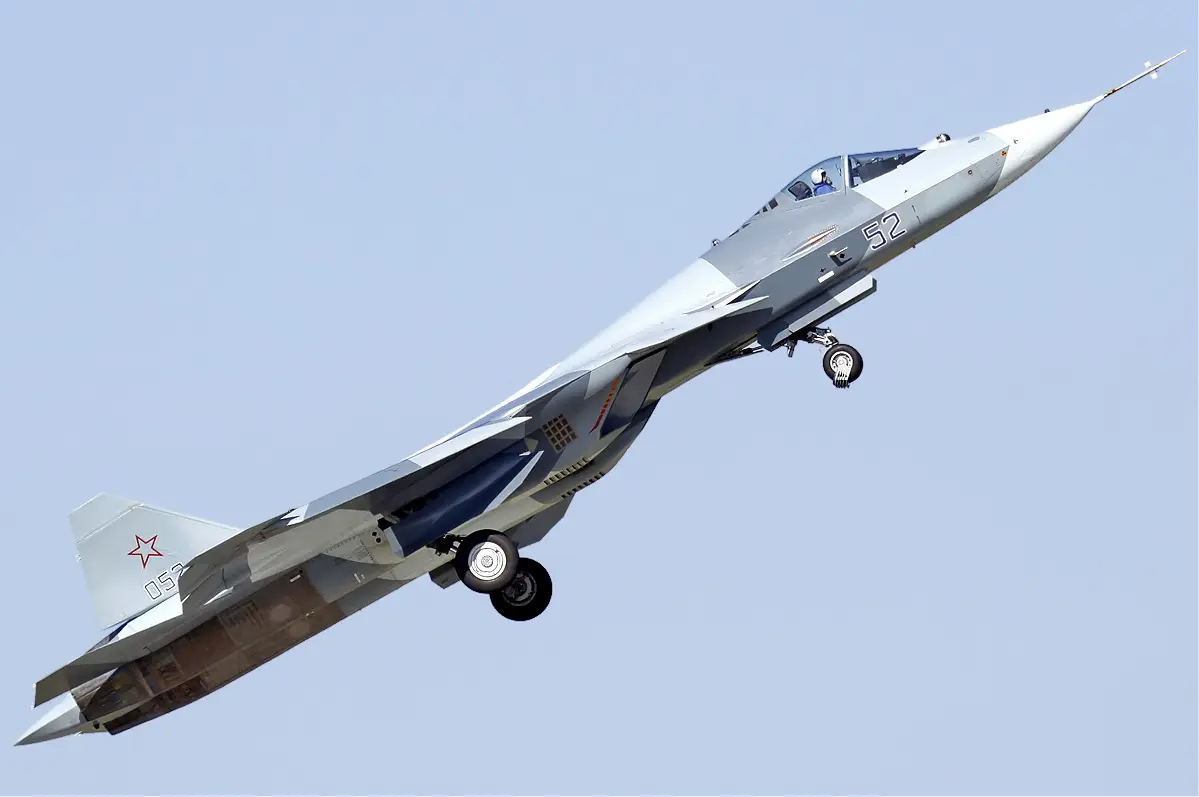
Adjustable LEVCONs - Controlled Vortex Generation
Leading-Edge Vortex Controllers (LEVCONs) are electrically controlled surfaces at wing roots directly ahead of air intakes. These movable surfaces generate stable vortices at extremely high angles of attack, up to 60 degrees. Adjusted based on speed and attack angle, LEVCONs control the aerodynamic centre position during slow-speed flight. They stabilise the aircraft nose at extreme angles whilst preventing main-wing stall, enabling controlled flight beyond conventional envelope limits. This design provides stealth advantages over conventional canards seen on Su-30 and Su-35 variants.
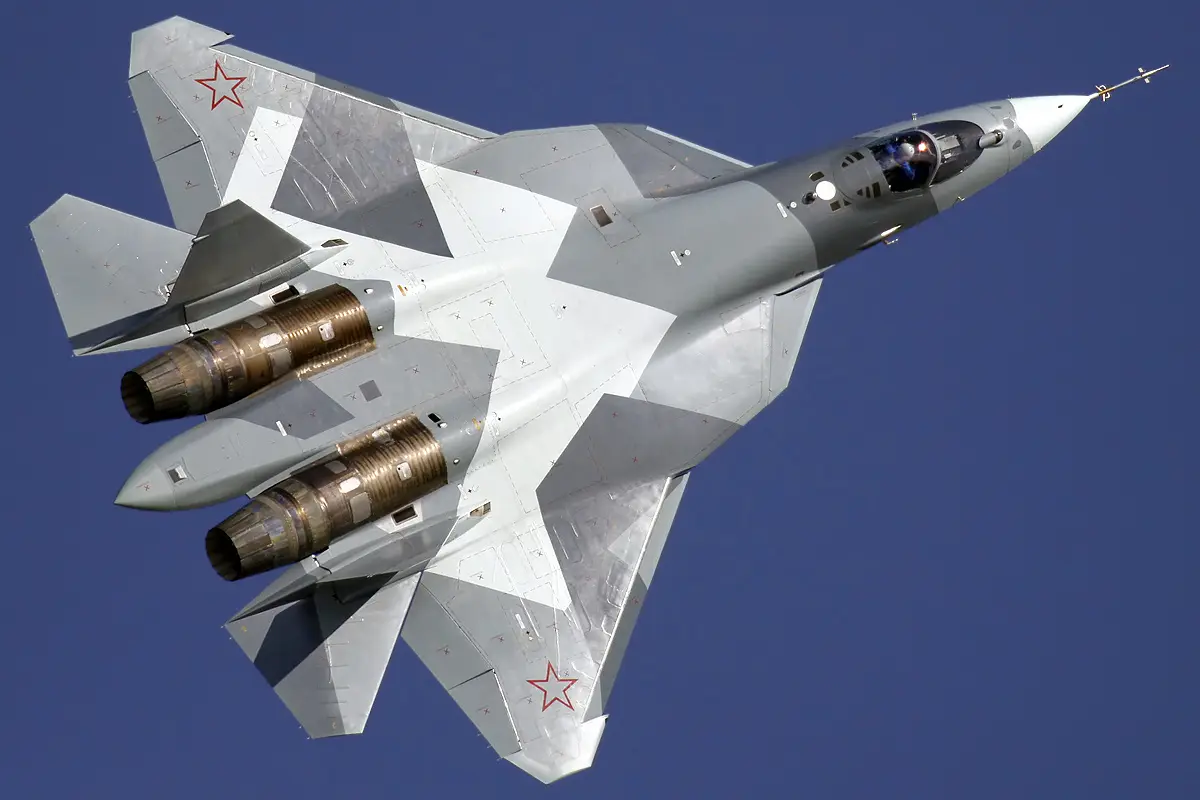
Integrated Canards - Compact High-Angle Control
Su-57 integrated canards provide pitch control surfaces operating alongside thrust vectoring and LEVCONs. Unlike conventional external canards, these are integrated into the fuselage design maintaining stealth profile. Canards improve manoeuvrability at high angles of attack and prevent masked airflow issues that reduce control authority. The canard-delta wing configuration balances speed, manoeuvrability, and range efficiently. Test pilots report superior high-angle-of-attack handling compared to conventional tailed aircraft designs.
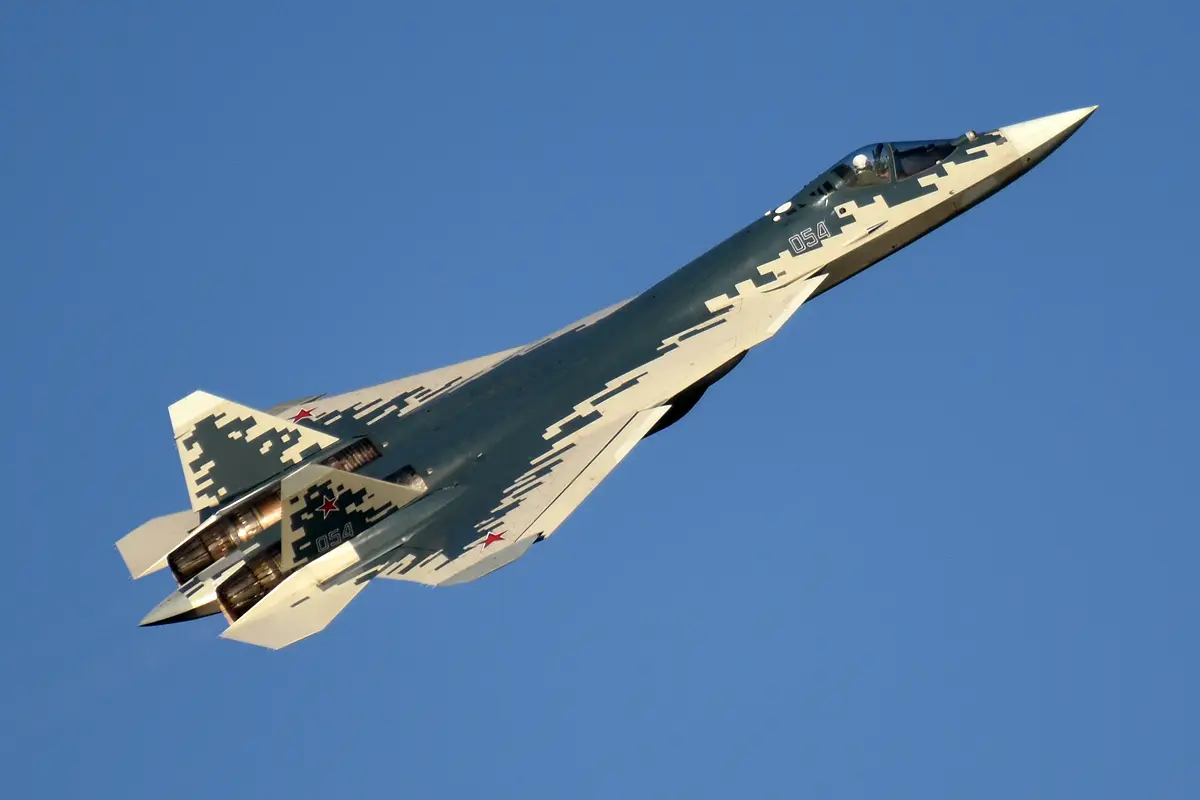
Relaxed Stability Design - Departure-Resistant Flight
The Su-57 employs high-degree static instability in both pitch and yaw, creating a naturally unstable platform that enables extraordinary manoeuvrability. Combined with advanced flight control systems, this relaxed stability makes the aircraft departure-resistant during extreme manoeuvres. Pilots can command radical attitude changes that would force stalls on conventional designs. Recovery after post-stall manoeuvres like Pugachev's Cobra or the Bell maneuver occurs quickly with minimal altitude loss. This design philosophy prioritises agility over inherent stability.
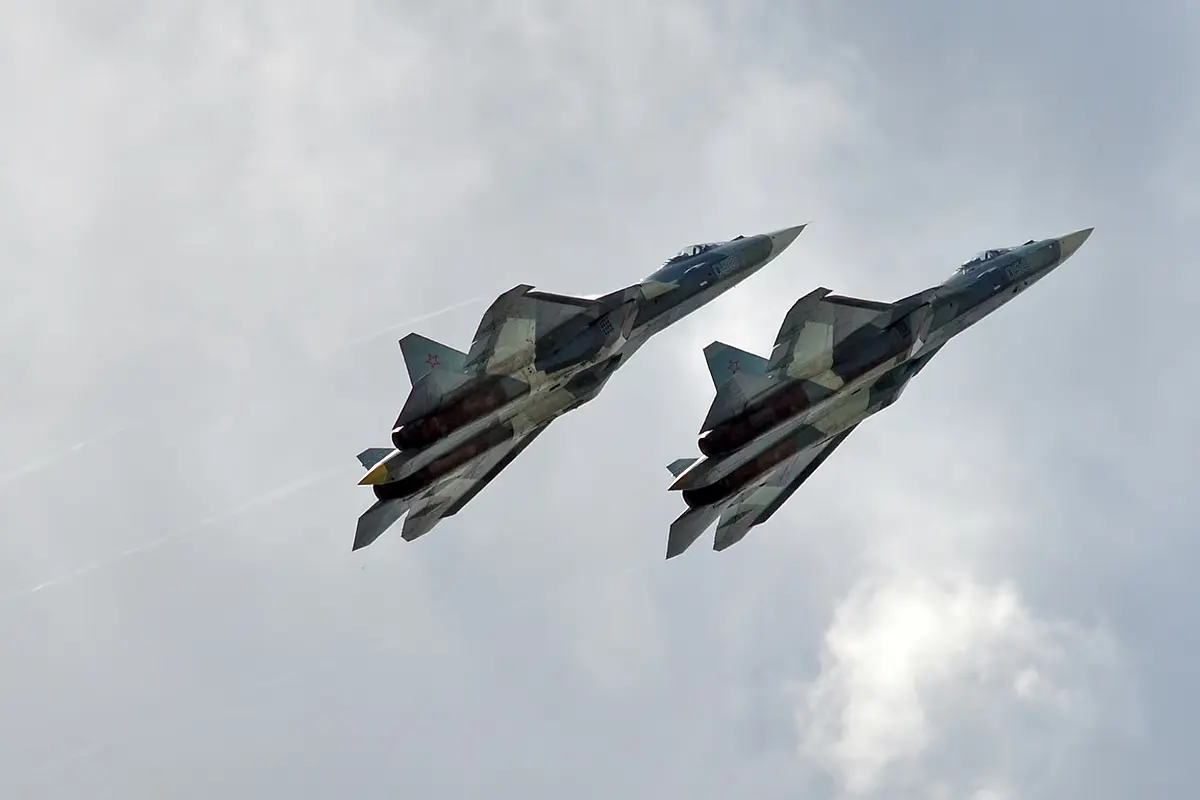
KSU-50 Flight Control System - Coordinated Response
The KSU-50 advanced flight control system manages simultaneous coordination between engines and aerodynamic surfaces. Full integration ensures optimal coupling of thrust vectoring with control surfaces, creating immediate response to pilot commands across all flight regimes. The system couples FADEC (Full Authority Digital Engine Control) with flight control inputs, allowing the aircraft to coordinate engine thrust with aerodynamic deflections instantaneously. This eliminates delays between control input and aircraft response during low-speed engagements.
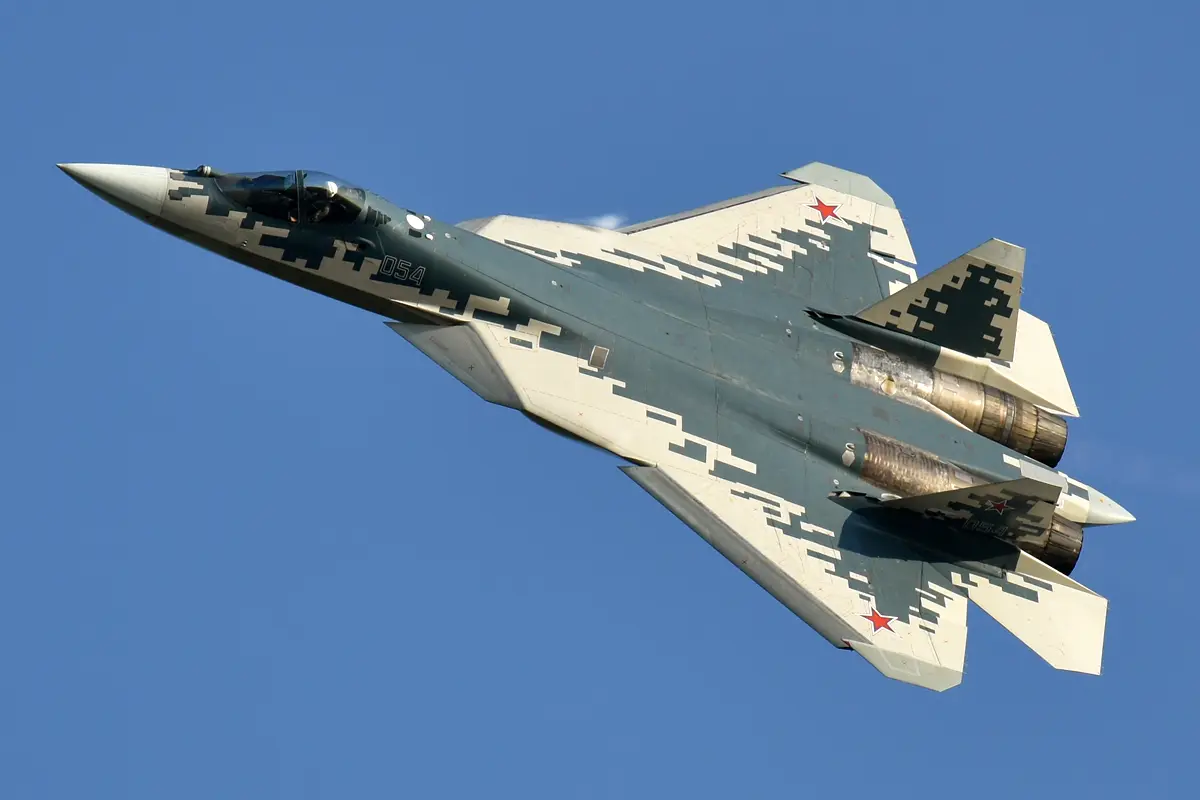
All-Moving Horizontal and Vertical Stabilizers
Su-57 horizontal and vertical stabilizers move independently rather than relying on fixed surfaces with control surfaces. All-moving stabilizers provide maximum control authority at low speeds where conventional surfaces lose effectiveness. This configuration maintains pitch and yaw control authority throughout the flight envelope, including near-zero airspeed conditions. The design enables precise nose-pointing capabilities essential for weapons targeting during low-speed dogfights.
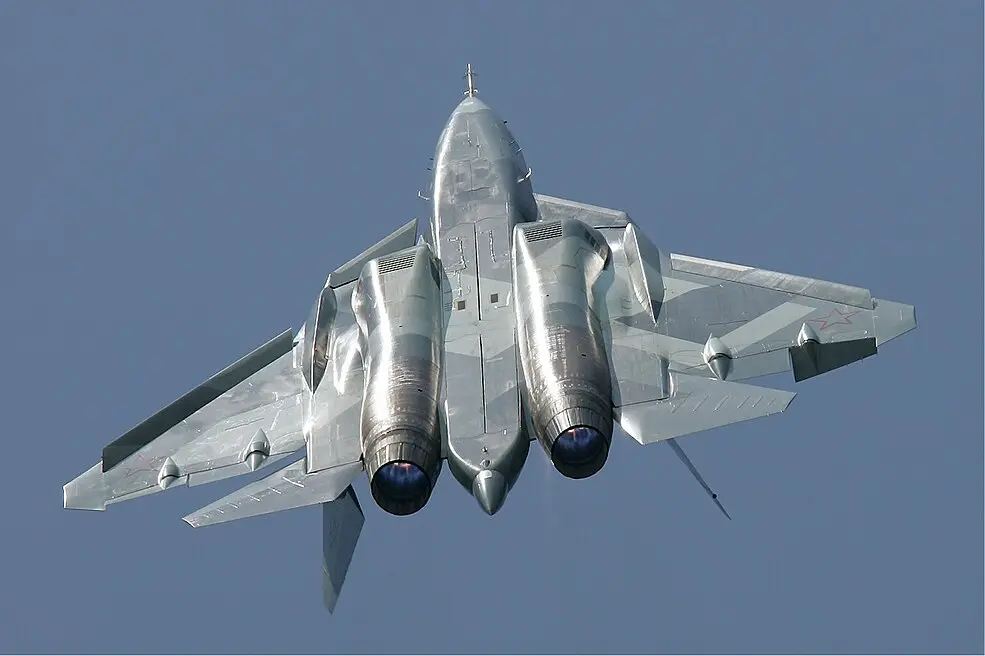
Blended Wing-Body Fuselage - Smooth Airflow Integration
The Su-57's blended wing-body design smoothly integrates fuselage, canards, and wings into unified aerodynamic shape. This integration generates additional lift surfaces that conventional designs cannot utilise, increasing turning rates at low speed. The blended approach reduces turbulence and flow separation at extreme angles of attack. Combined with LEVCONs and canards, the fuselage design contributes to overall manoeuvrability. Test pilot feedback confirms superior handling characteristics compared to conventional configurations.
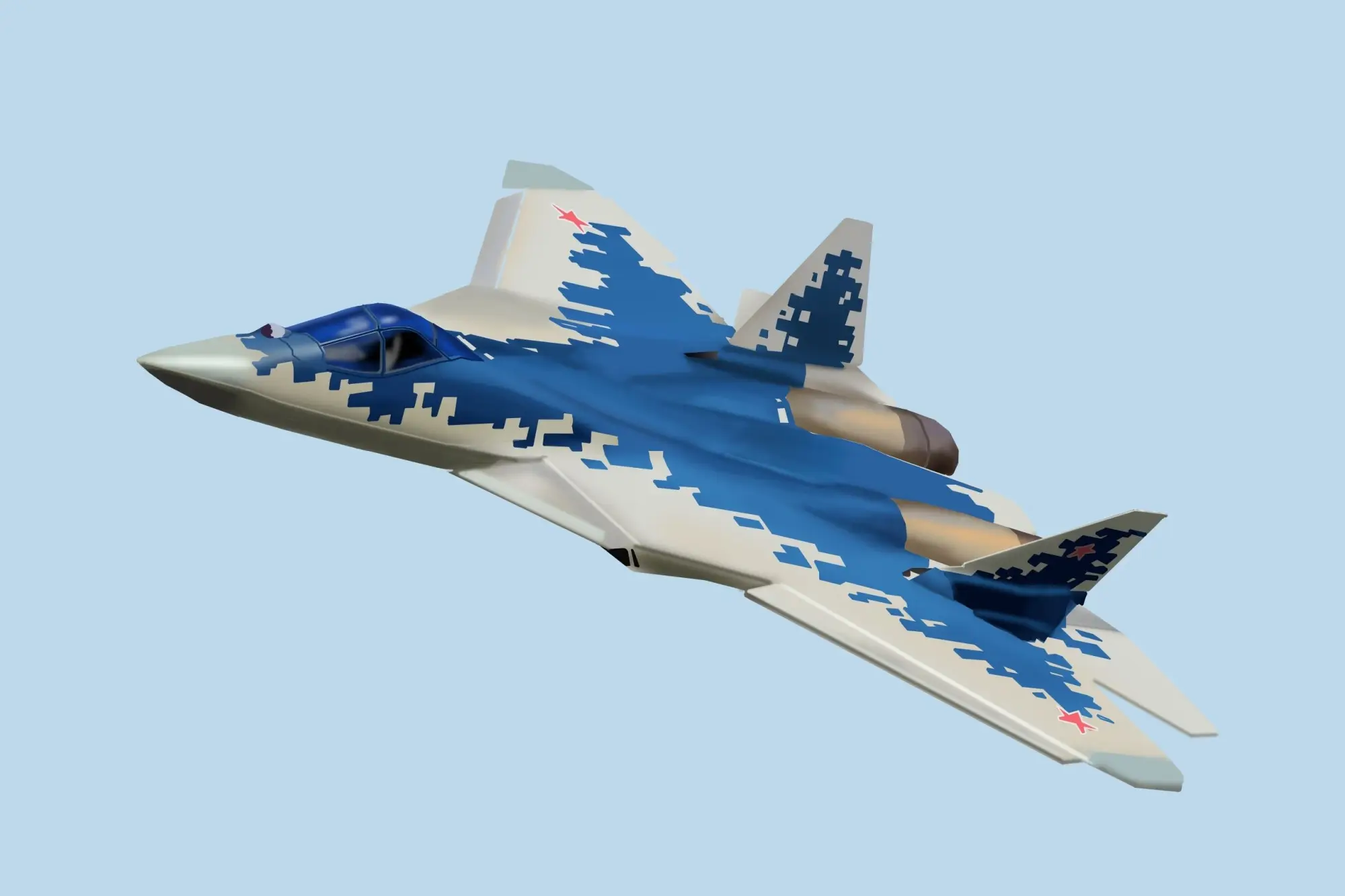
High Thrust-to-Weight Ratio - Acceleration Authority
Su-57 thrust-to-weight ratio exceeds 1.3, enabling sustained vertical acceleration and rapid speed transitions during tactical manoeuvres. This high power-to-mass ratio allows pilots to recover from low-speed engagements quickly or maintain altitude during extreme pitch attitudes. At low speeds, excess thrust enables acceleration even during maximum-deflection manoeuvres. The dual Saturn AL-41F1 engines together produce approximately 117.7 kilonewtons dry thrust and up to 176 kilonewtons with afterburners.
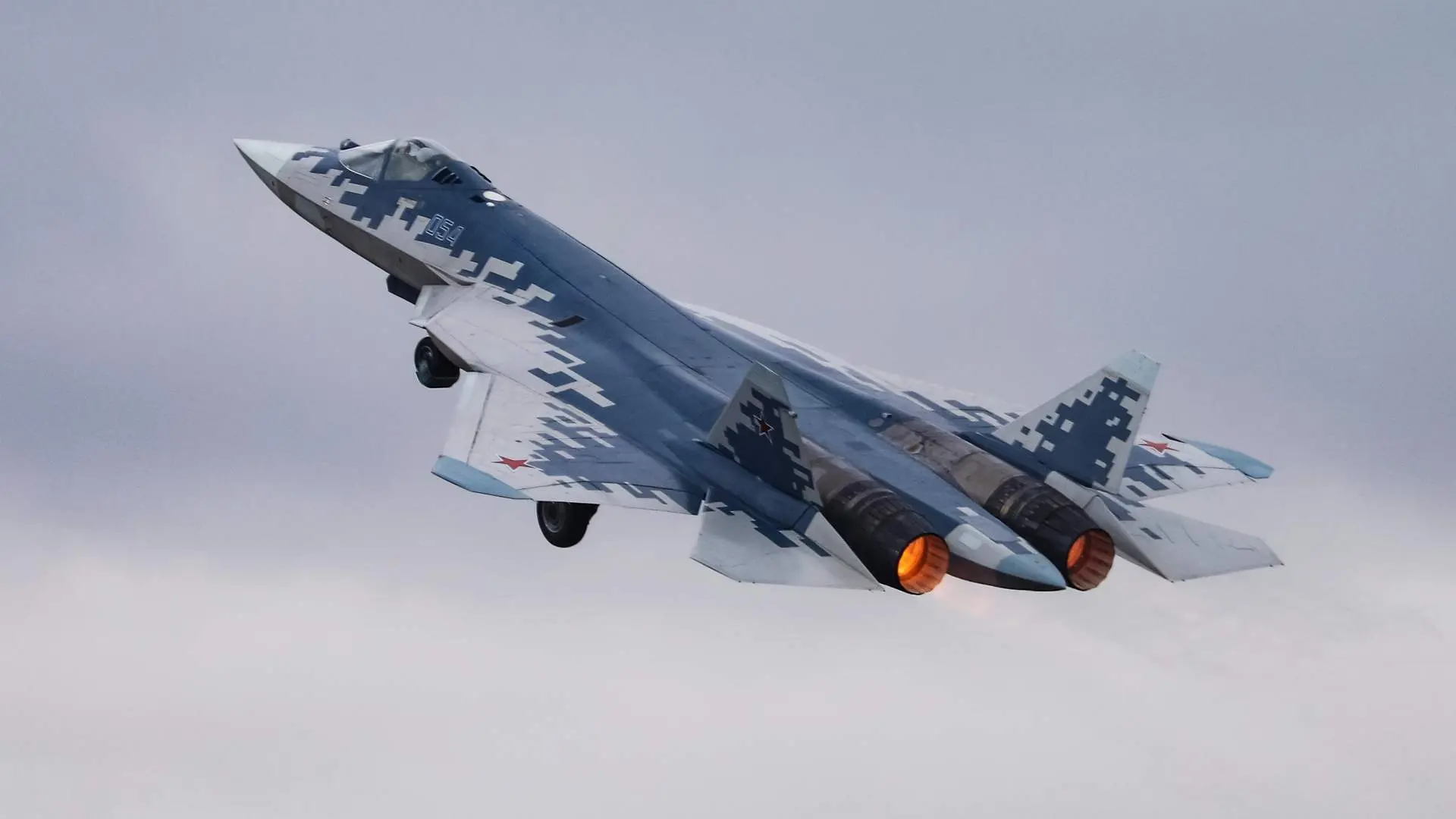
Differential Engine Thrust - Asymmetric Control Authority
The Su-57 can operate engines independently, allowing differential thrust between left and right motors. This asymmetric capability creates additional yaw and roll control authority beyond traditional control surfaces. Pilots can command one engine at full throttle whilst reducing the other, creating roll moments instantly. Combined with vectored nozzles, this provides unprecedented control authority during slow-speed tactical engagements where conventional controls lose effectiveness.
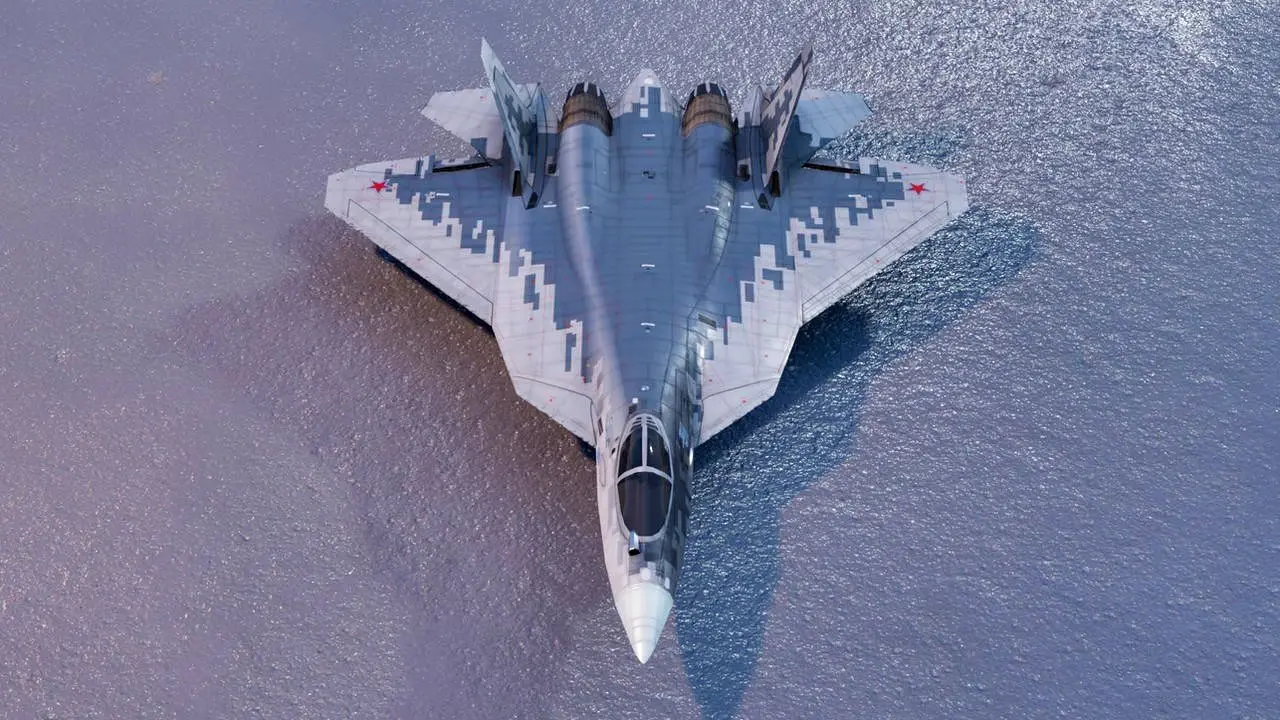
Flat Spin Recovery with Minimal Altitude Loss
The Su-57 can perform flat spins and the "Falling Leaf" manoeuvre whilst maintaining controlled trajectory and recovering rapidly. Even if thrust vectoring fails, the combined lift control surfaces, canards, and stabilizers enable controlled flight and quick recovery. Test pilots confirmed superior flat-spin characteristics compared to conventional fighters. The aircraft recovers from post-stall manoeuvres with significantly less altitude loss than fourth-generation fighters. This resilience during extreme manoeuvres enhances low-speed combat survivability.
)
)
)
)
)