10 crimes Jeffrey Epstein was officially accused or convicted of before his death

In their 2019 bail memorandum, prosecutors stated that Epstein transferred money to individuals identified as potential witnesses or co-conspirators shortly before his arrest.
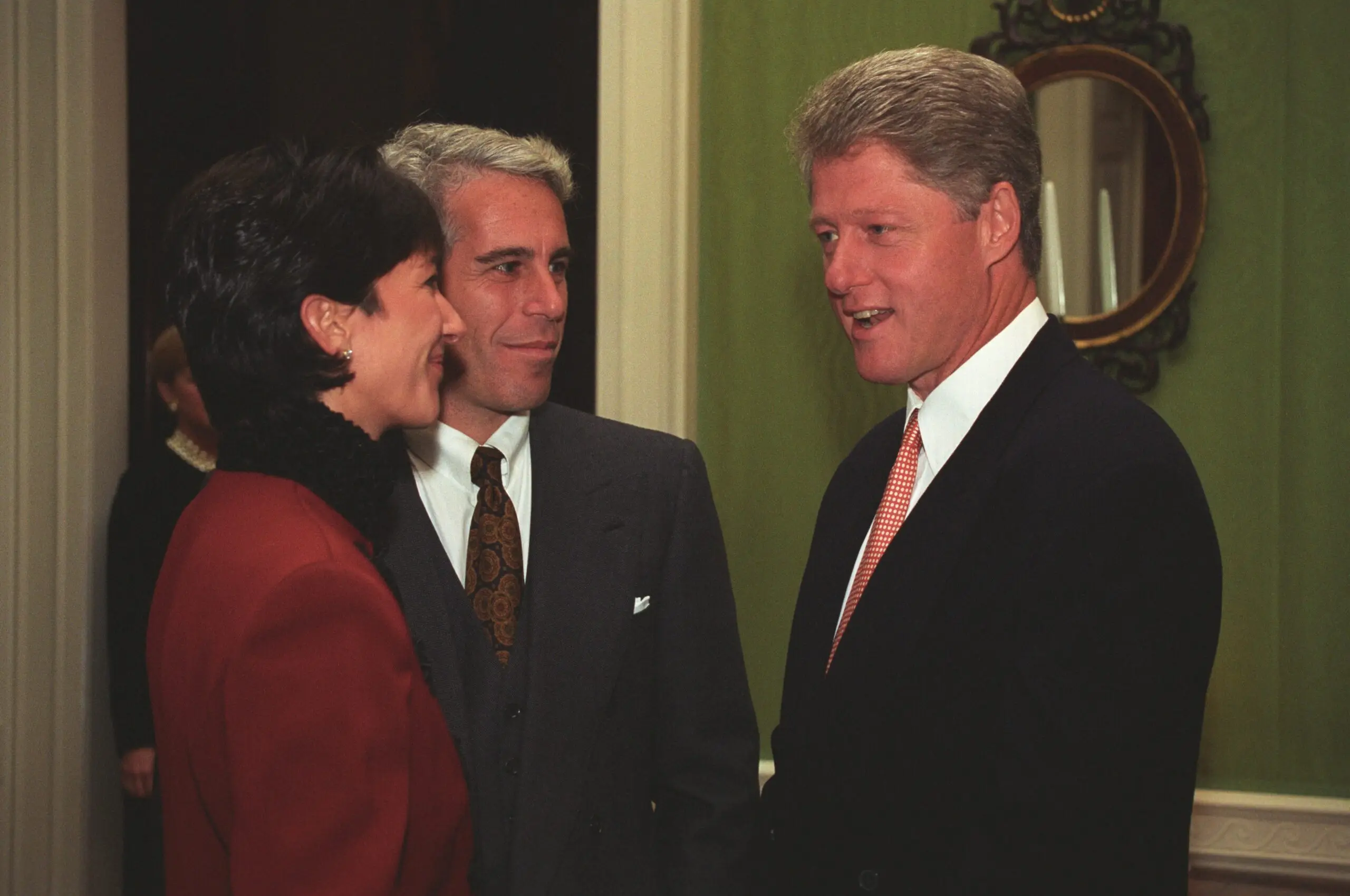
1. Soliciting Prostitution From a Minor (2008 Conviction)
In 2008, Epstein pleaded guilty in a Florida state court to two felony charges: soliciting prostitution and soliciting prostitution from a minor. This conviction stemmed from a Palm Beach investigation that identified multiple underage victims, and Epstein ultimately served 13 months in a county jail under a controversial work-release arrangement. This remains the only criminal conviction he received during his lifetime.
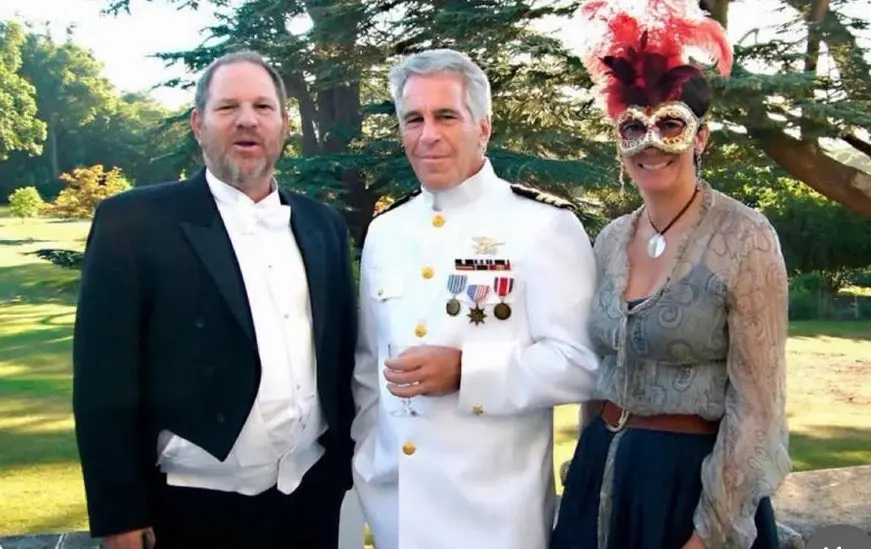
2. Procuring Minors for Prostitution (State Allegation, 2008)
Although Epstein pleaded guilty to reduced charges, the underlying state case involved detailed allegations that he procured minors for prostitution over several years. The Palm Beach Police Department had gathered statements from victims, evidence from search warrants, and interviews with household staff describing a pattern of recruitment. These allegations were formally included in the investigative files and prosecutorial documents but did not result in separate convictions due to the plea deal.

3. Federal Sex Trafficking of Minors (2019 Indictment)
In July 2019, federal prosecutors in the Southern District of New York charged Epstein with sex trafficking of minors, alleging that he recruited and paid underage girls for sexual acts in both New York and Florida. The indictment described a structured operation in which victims were allegedly brought to his residences and paid after the encounters. Epstein pleaded not guilty, and the case did not proceed to trial due to his death.

4. Conspiracy to Commit Sex Trafficking (2019 Indictment)
Alongside the main trafficking charge, Epstein was also accused of conspiring with employees and associates to identify, recruit, and transport minors for illegal activity. According to the indictment, multiple staff members scheduled appointments, arranged travel, and coordinated logistics that allegedly supported the wider operation. These accusations were formal federal charges but were never resolved in court.
5. Transporting Minors for Illegal Sexual Activity (Federal Allegation)
Federal prosecutors alleged that Epstein transported minors between his properties in New York, Florida, and the US Virgin Islands for the purpose of engaging in illegal sexual acts. The indictment cited travel records, flight logs, and statements from pilots and victims to support these claims. Although the charges were filed as part of the 2019 federal case, they were never adjudicated.

6. Maintaining Properties Used for Criminal Activity (Documented in Court Filings)
Court filings and FBI warrant applications described Epstein’s multiple residences, particularly in Palm Beach, Manhattan, New Mexico, Paris, and the Virgin Islands, as locations where illegal sexual encounters with minors allegedly occurred. These documents included victim statements, physical evidence seized from searches, and descriptions of the layout and operations within each property. While these allegations were extensively documented, they were not tested in court due to the case ending prematurely.
7. Possession of Illicit Images Found During the 2019 FBI Search
When FBI agents searched Epstein’s Manhattan townhouse in 2019, they reported finding thousands of photographs stored in safes and cabinets, including images that prosecutors said depicted minors. These materials were listed in the search warrant returns and referenced in pre-trial filings as evidence supporting the federal trafficking charges. The images formed part of the prosecution’s argument for holding Epstein without bail.

8. Attempts to Influence Witnesses (Alleged in 2019 Bail Memo)
In their 2019 bail memorandum, prosecutors stated that Epstein transferred money to individuals identified as potential witnesses or co-conspirators shortly before his arrest. The government argued that these payments indicated an attempt to influence or discourage testimony, framing it as behavior consistent with obstruction. This was not charged as a separate crime but was formally included in the court filings as part of the argument against granting bail.
9. Failing to Comply With Sex Offender Registration Requirements
After his 2008 conviction, Epstein was required to register as a level-3 sex offender and update authorities about his travel and residential status. Investigations and filings from New York and the US Virgin Islands documented instances where he failed to report travel, did not provide required check-ins, or offered incomplete information. These compliance issues were noted in official records but did not result in new criminal charges.
10. Using Shell Companies to Pay Victims and Recruiters (Documented in 2005–2008 Investigation)
During the original Palm Beach investigation, detectives reported that Epstein used a network of shell companies and cash payments to compensate victims and individuals who helped arrange appointments. Financial documents, interviews, and seized materials showed a system of payments that investigators believed supported illegal activity. These findings appeared in police files and Justice Department reviews, though they were never pursued in court due to the 2008 non-prosecution agreement.
)
)

)
)