10 countries testing the next generation of hyper-speed trains

Countries worldwide are racing to test the next generation of hyper-speed transport, from hyperloop systems to ultra-fast maglev trains. These trials explore cleaner, quicker and more efficient travel, shaping the future of high-speed mobility across the globe.
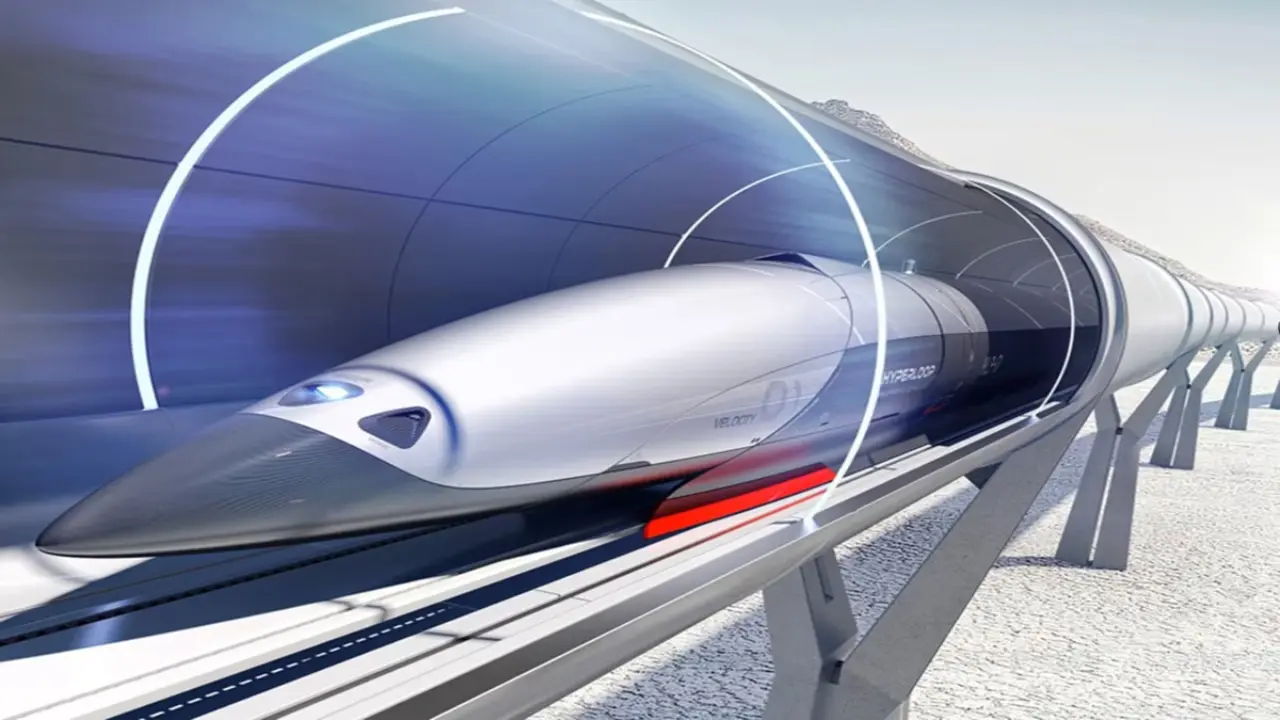
India - World's Longest Hyperloop Test Track
India completed a 422-metre hyperloop test track in December 2024 and now plans the world's longest facility at nearly 50 km. The project aims for speeds up to 1,100 km/h, making India a global leader in hyperloop technology development.

China - 650 km/h Maglev in 7 Seconds
China achieved a record by accelerating a maglev train to 650 km/h in just 7 seconds on a 1,000-metre test track. This breakthrough uses ultra-precise positioning and shows China's advanced capabilities in magnetic levitation technology.
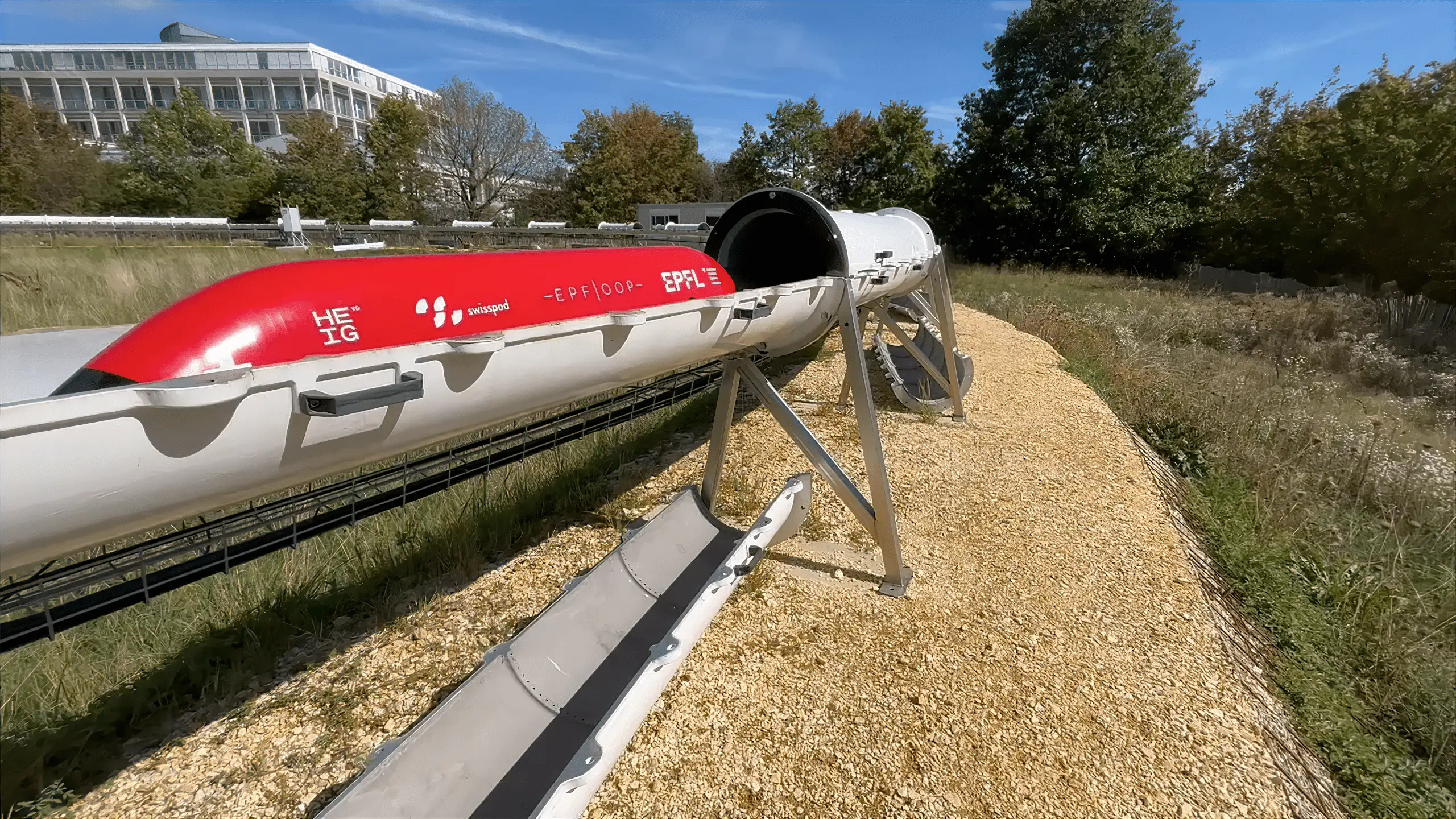
Switzerland - 141.6 km Hyperloop Journey
The LIMITLESS project at EPFL completed a full-scale equivalent of 141.6 km hyperloop journey in a controlled low-pressure environment. The team conducted 82 tests, achieving speeds of 40.7 km/h on a reduced-scale track.

Japan - SCMaglev at 600+ km/h
Japan continues testing its SCMaglev technology that reached 603 km/h in trials. The system uses superconducting magnets and aims to connect Tokyo and Nagoya, cutting travel time significantly by 2030.
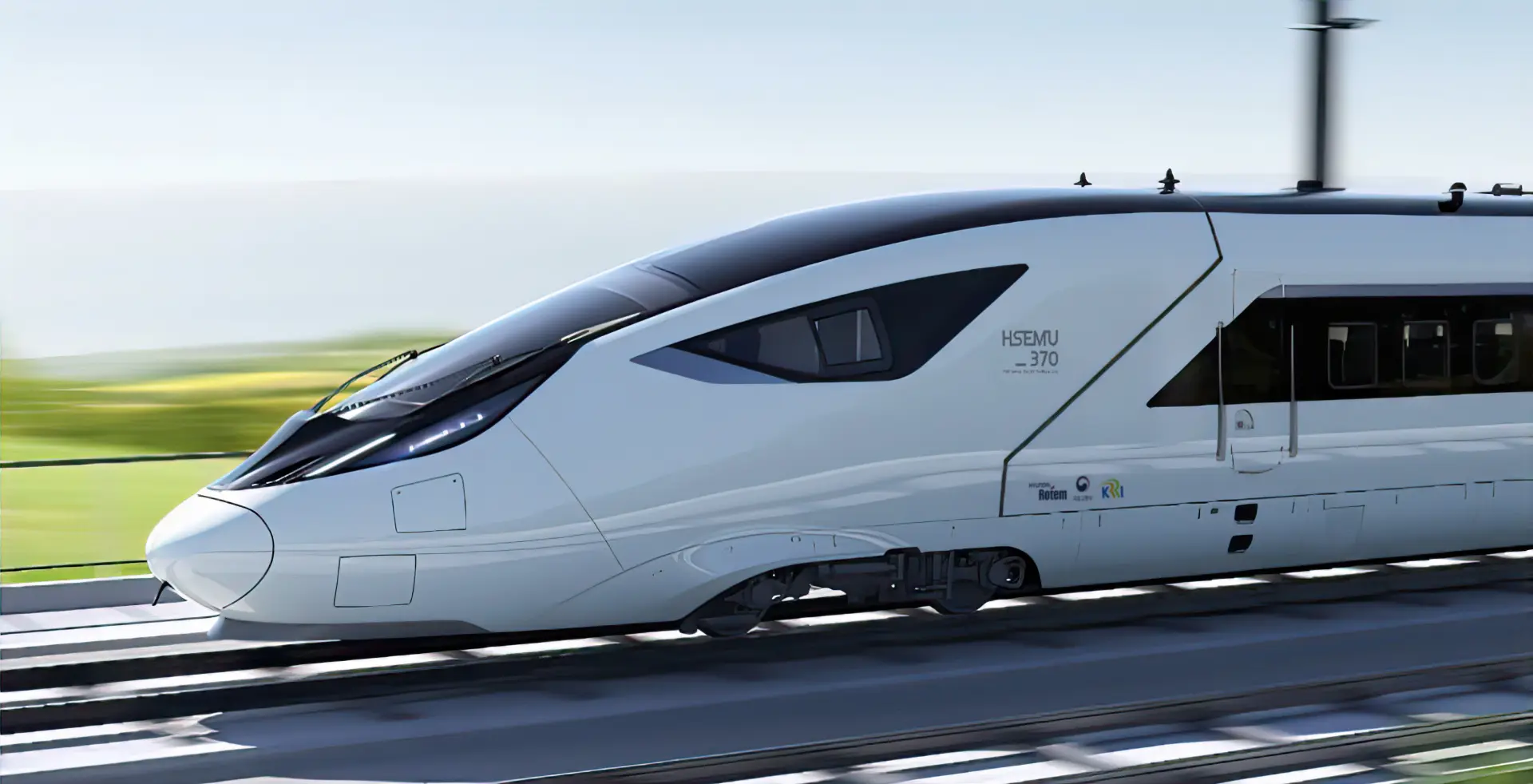
South Korea - 370 km/h EMU-370 Development
Hyundai Rotem is developing core technologies for a 370 km/h high-speed train system. The four-year project (2022-2025) focuses on railcar design, safety verification, and establishing new technical standards for speeds above 350 km/h.
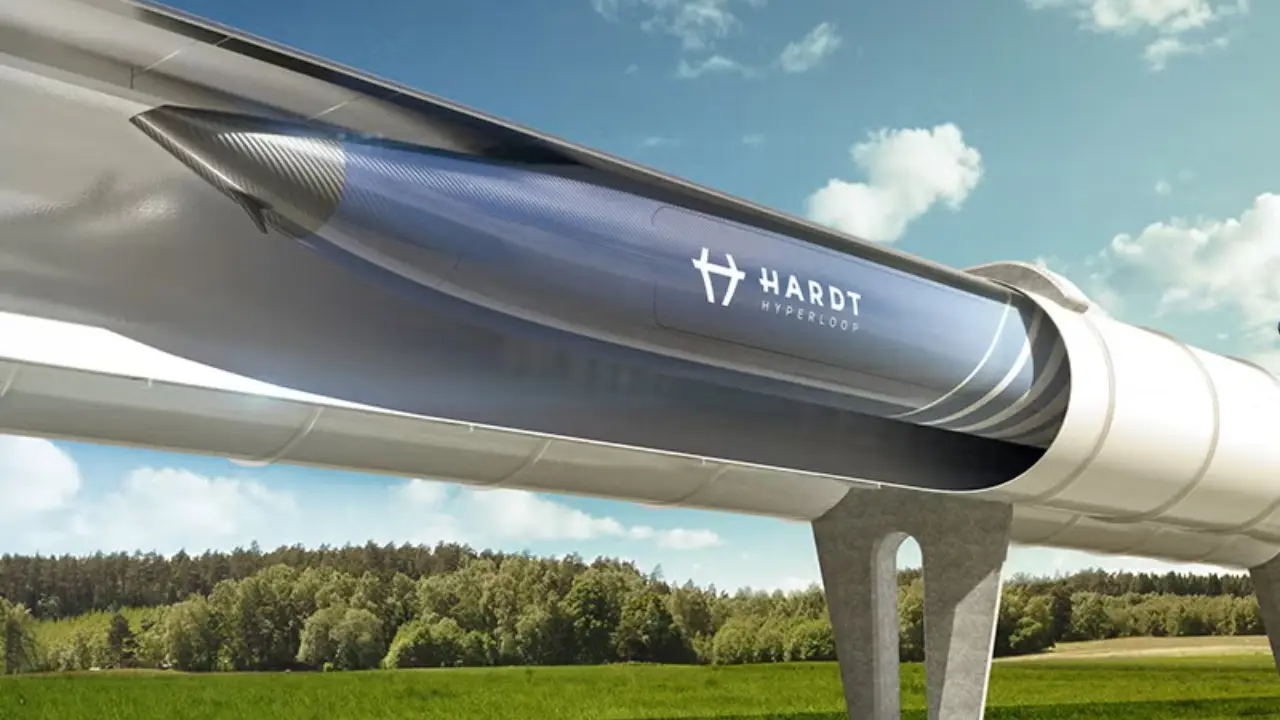
United States - Virgin Hyperloop and Amtrak
Virgin Hyperloop completed its first human trial in Nevada in 2020, reaching 172 km/h. The company now prioritises freight applications. Meanwhile, Amtrak develops next-generation trains with better technology and increased speeds.
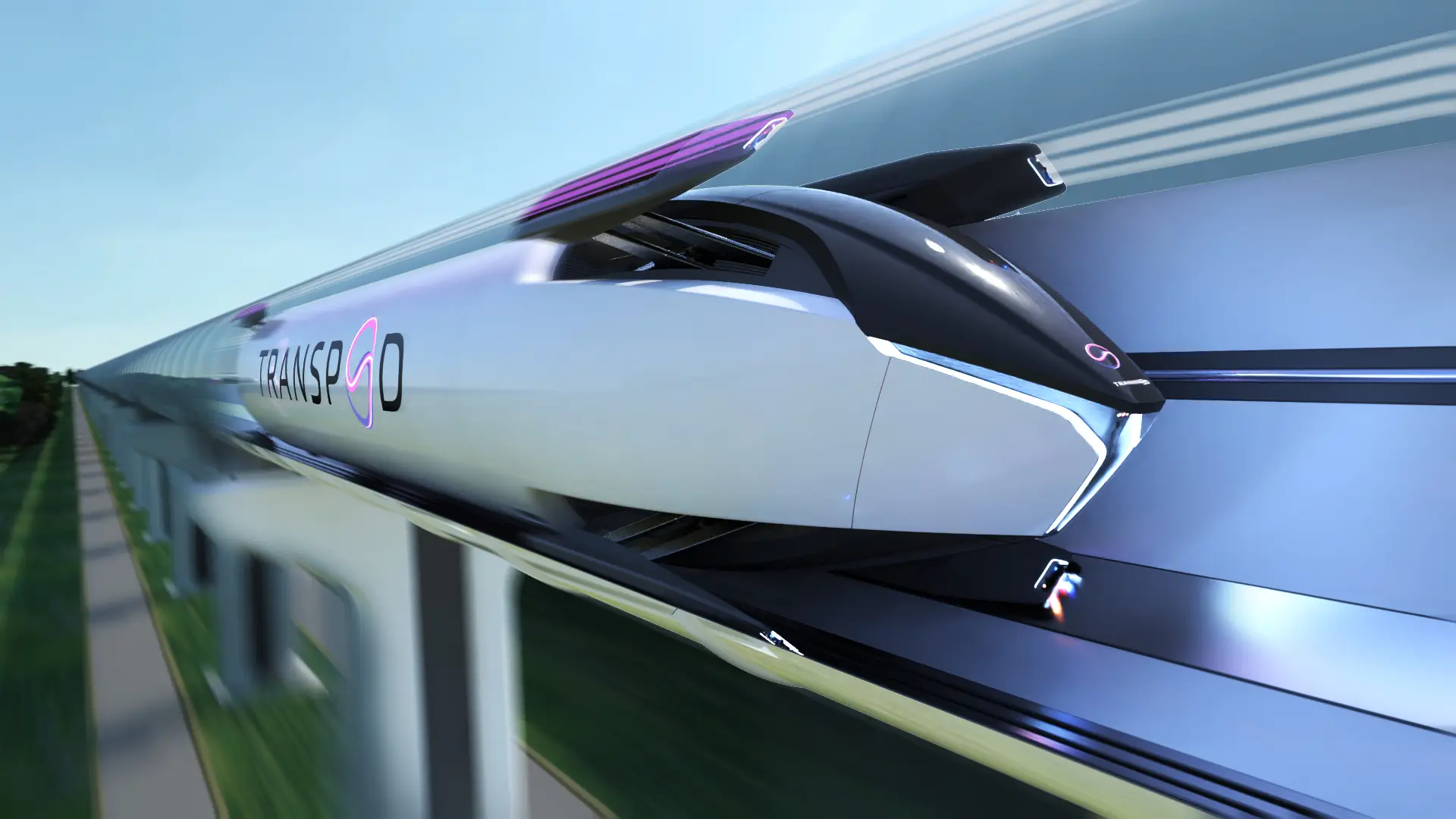
Canada - TransPod Hyperloop Development
TransPod is building a test facility to verify its unique propulsion and levitation system. The company aims for speeds up to 300 km/h on proposed routes connecting major Canadian cities, with C$3.9 billion government investment.
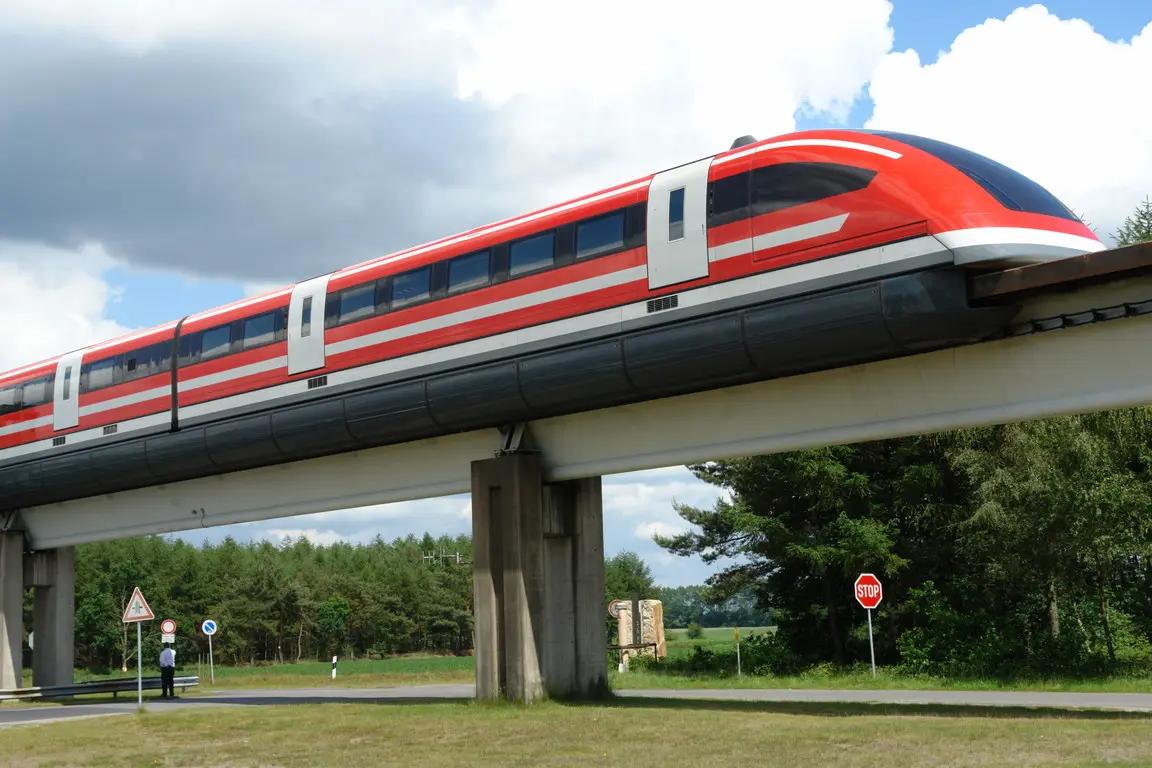
Germany - Transrapid Maglev Legacy
Although the Emsland test track closed in 2011, German technology powers the Shanghai Transrapid, which operates at 430 km/h. There is consideration to reopen facilities for next-generation testing.

Netherlands - European Hyperloop Centre
The first successful hyperloop vehicle test in Europe occurred at the European Hyperloop Centre in the Netherlands. The facility supports multiple European projects advancing towards commercial viability.
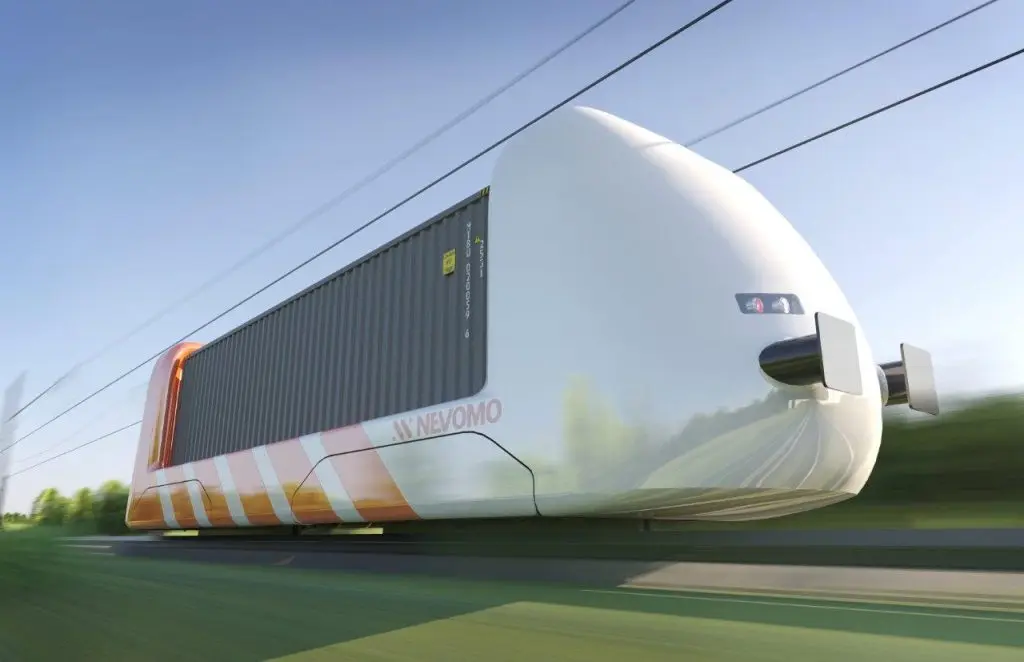
Poland - NEVOMO Passive Maglev
NEVOMO develops passive maglev technology for existing rail tracks, targeting speeds up to 550 km/h. This system offers an environmentally conscious, sustainable travel option across Europe.
)
)
)
)
)