'1 billion hits': How government's servers handled unprecedented traffic of the UFO declassification

The initial UAP data release drew over 1 billion hits. A deep dive into the massive digital infrastructure required to host the world's most anticipated declassified files.
The 1 Billion Hits Milestone
When the government launched the PURSUE initiative, officials underestimated public hunger. The initial May 8 portal launch registered an unprecedented 1 billion hits, testing the limits of federal IT infrastructure.
Server Load and Traffic Spikes
During the May 22 release of 64 new files, traffic spiked globally within seconds of the announcement. Government servers experienced load levels typically reserved for massive cyberattacks.

Hosting Uncompressed Video Data
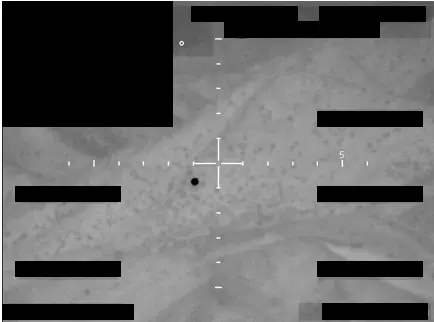
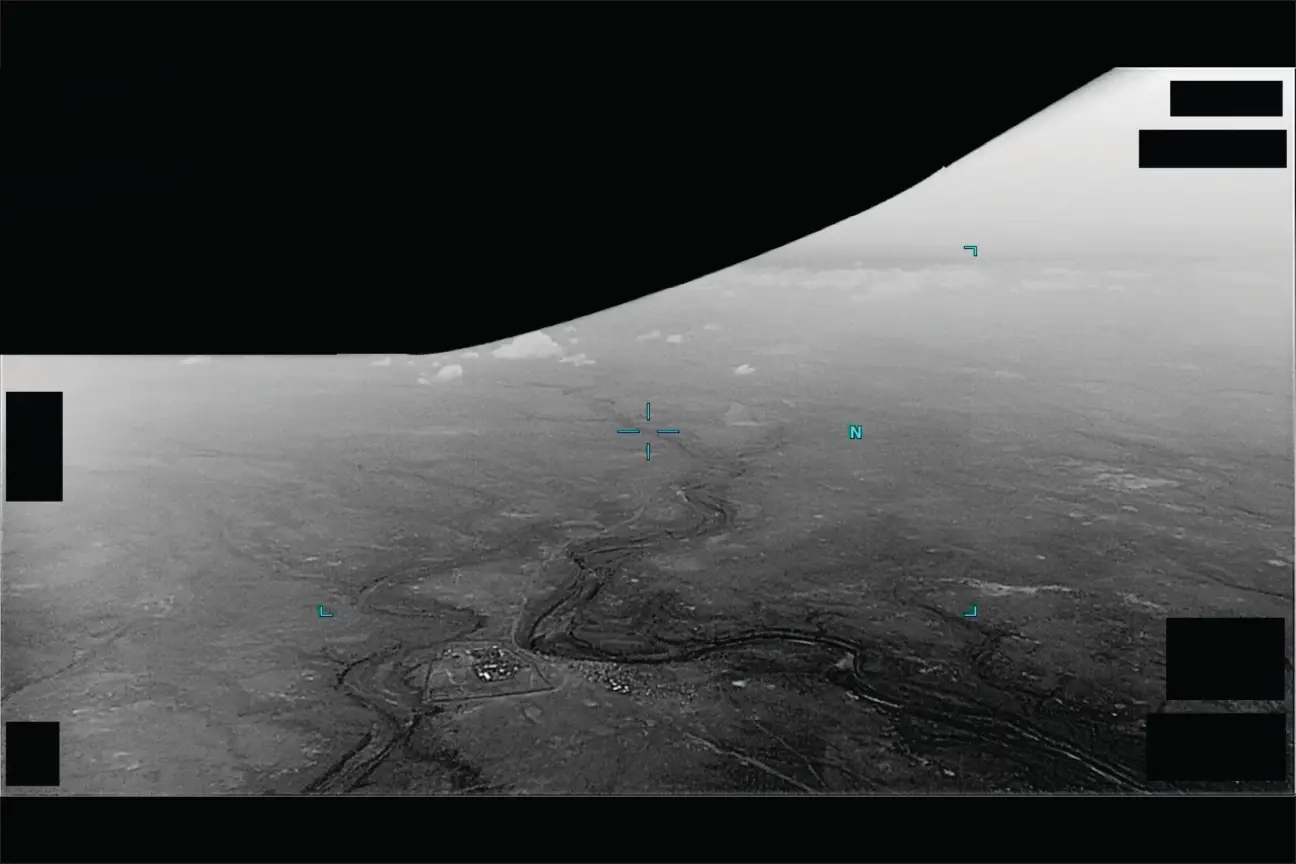
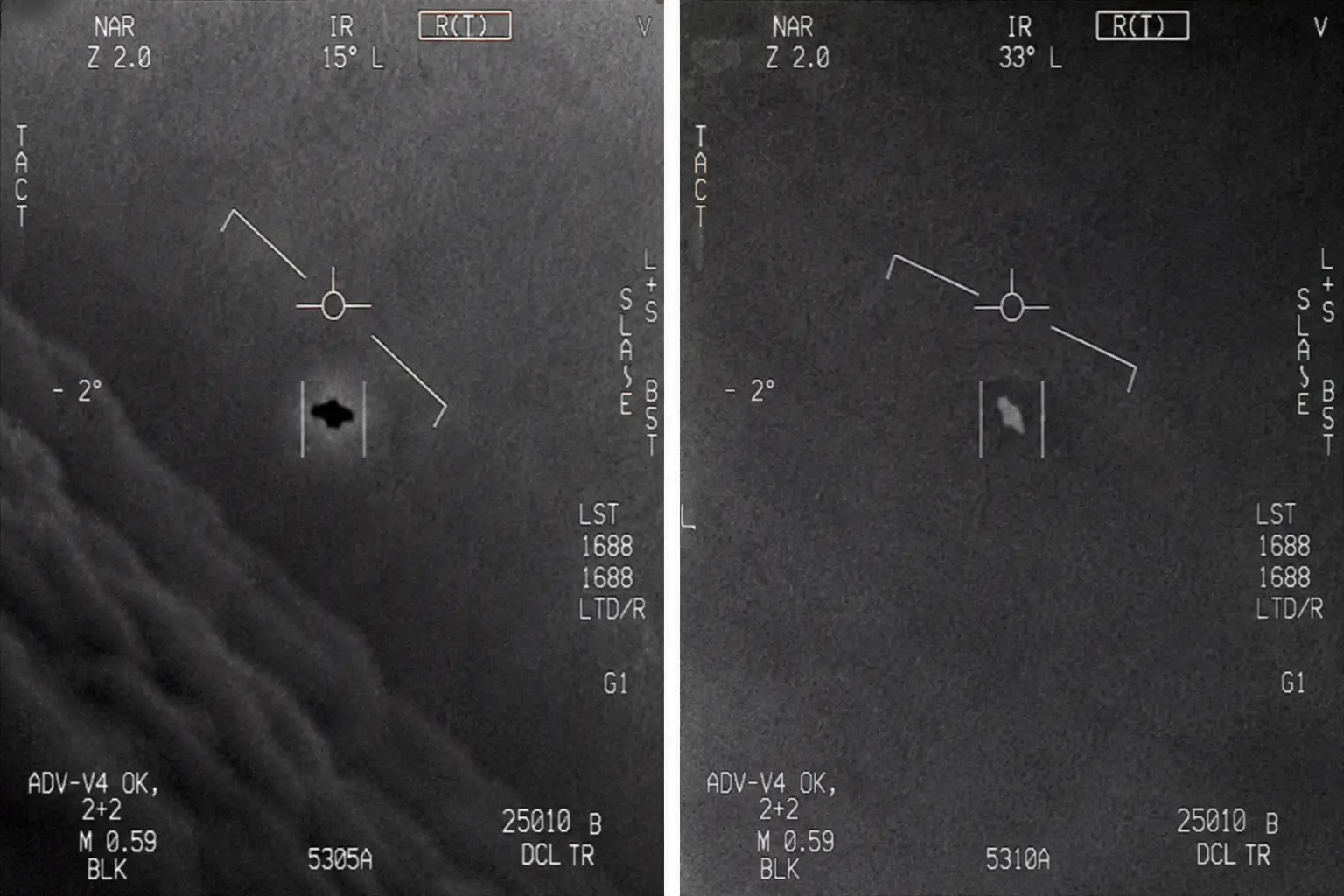
Unlike standard text releases, the UAP files contain 51 high-definition, military-grade infrared videos. Hosting and streaming petabytes of uncompressed telemetry required emergency bandwidth scaling.

A Global Audience
Analytics from the war.gov/ufo portal revealed the traffic wasn't just domestic. Millions of requests poured in from Europe, Asia, and South America, proving the UAP phenomenon is a globally unifying topic.

Preventing Portal Crashes
To prevent server failure, the Department of War had to partner with commercial content delivery networks (CDNs) to distribute the massive video files across global server nodes.

Transparency Meets Tech
The technical success of the database is a milestone in modern governance. It proves that radical transparency is possible on a massive scale if the digital infrastructure is properly funded.
Preparing for Tranche 3
With a third batch of files confirmed, IT administrators are actively expanding server capacity to ensure the next data dump doesn't result in a catastrophic digital bottleneck.
)
)
)
)
)