1.5 million litres of fresh water: How the USS Abraham Lincoln creates fresh water from the sea every day

The USS Abraham Lincoln uses nuclear reactors to convert seawater into 1.5 million litres of fresh water daily. This massive desalination capability supports 5,000 sailors, powers steam catapults, and maintains aircraft, ensuring total self-sufficiency at sea.
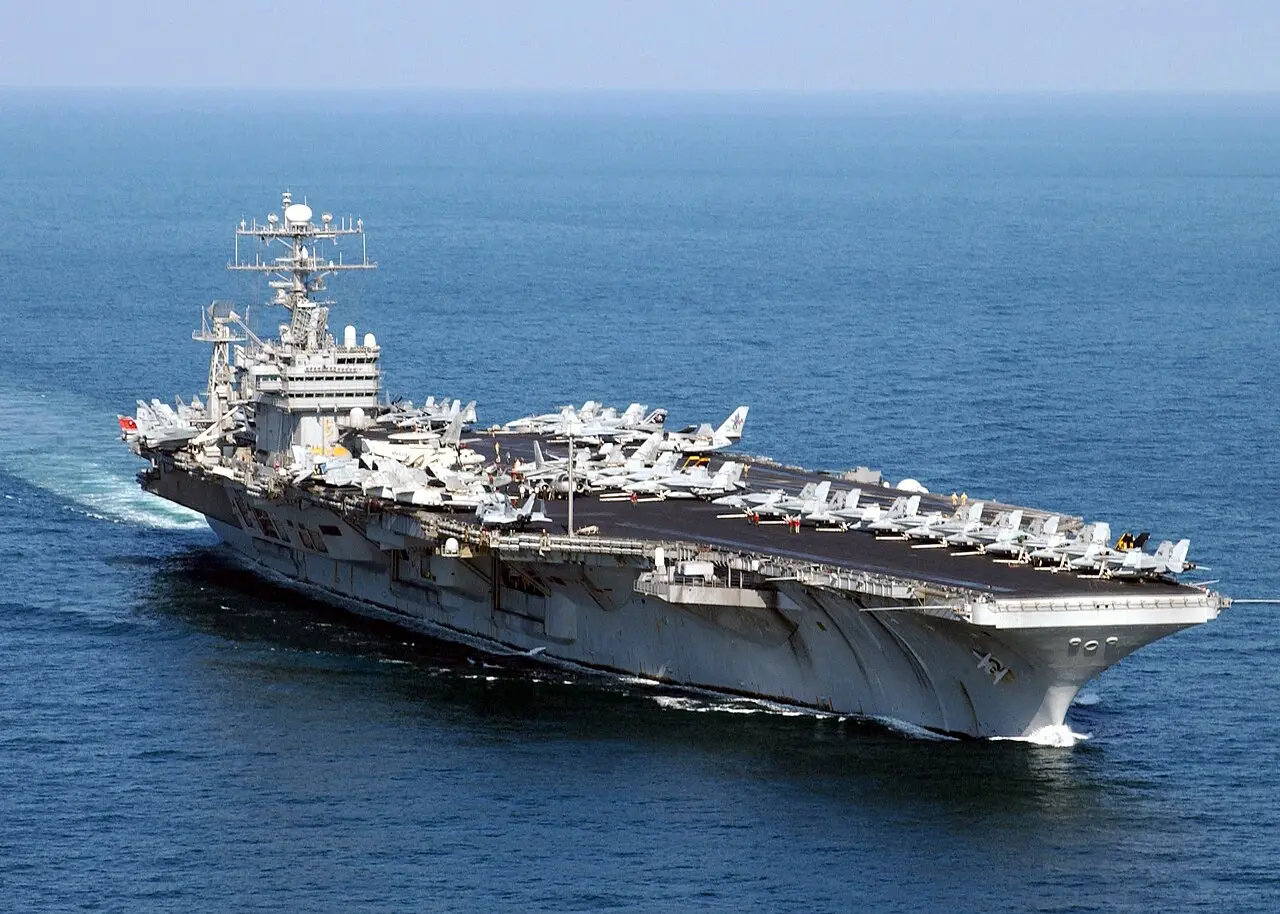
1.5 million litres produced daily
The USS Abraham Lincoln is capable of producing approximately 400,000 gallons of fresh water every single day. This converts to roughly 1.5 million litres, enough to supply a small town on land. This massive volume ensures the ship remains self-sufficient while deployed deep in the ocean.
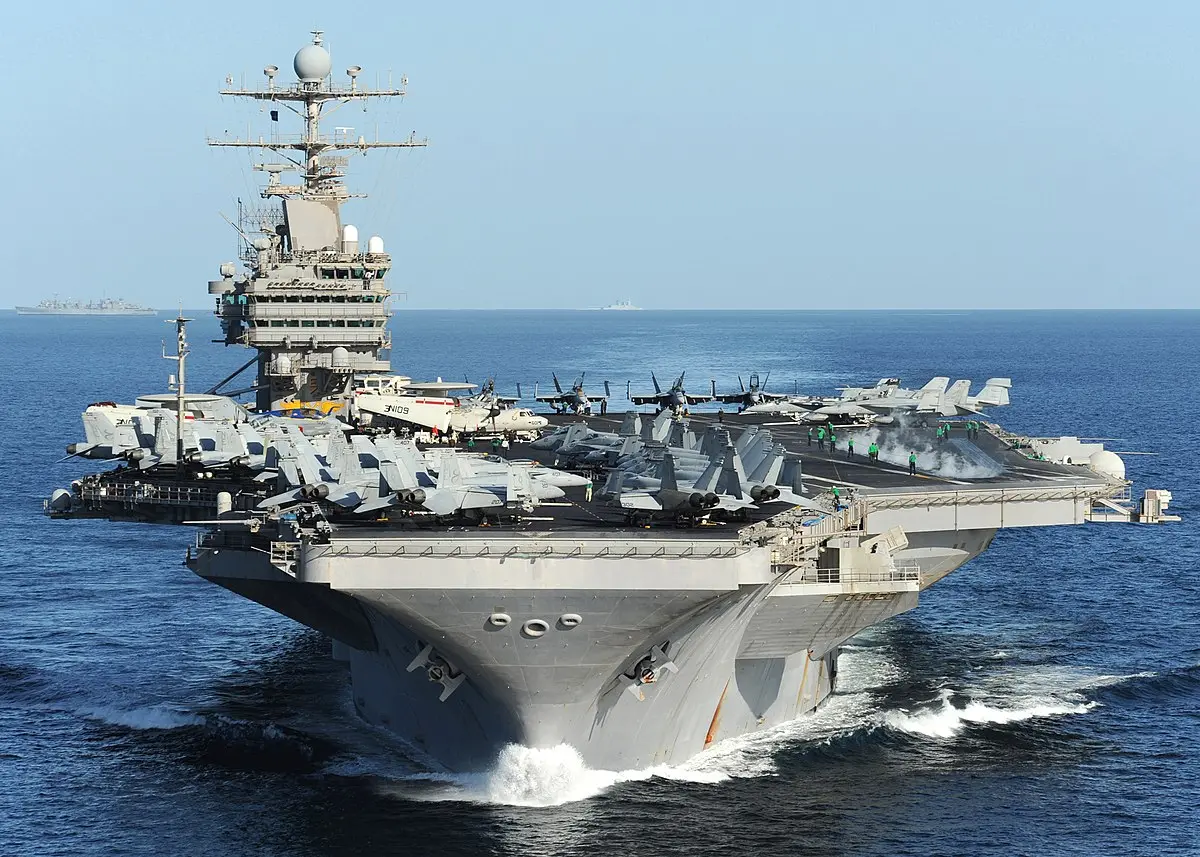
Two nuclear reactors provide power
The desalination process does not rely on traditional fuel but uses the ship’s two A4W nuclear reactors. These reactors generate massive amounts of heat, which is essential for boiling seawater. This method allows the carrier to produce water continuously without needing to refuel frequently.
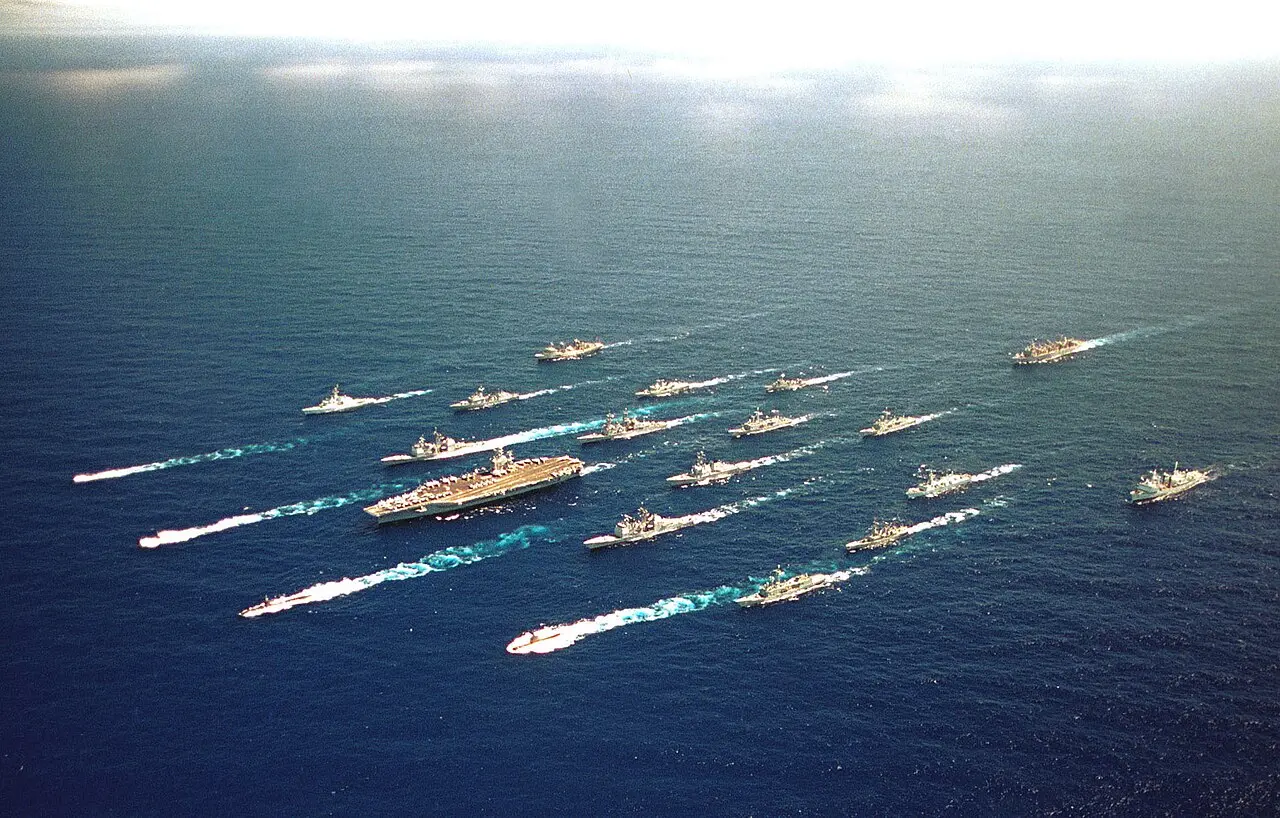
Flash type evaporators utilized
The ship uses a specific technology called flash-type evaporators to separate salt from water. Seawater is pumped into a chamber with lower pressure, causing it to boil instantly at lower temperatures. The rising steam is fresh water, while the heavy salt and impurities are left behind.
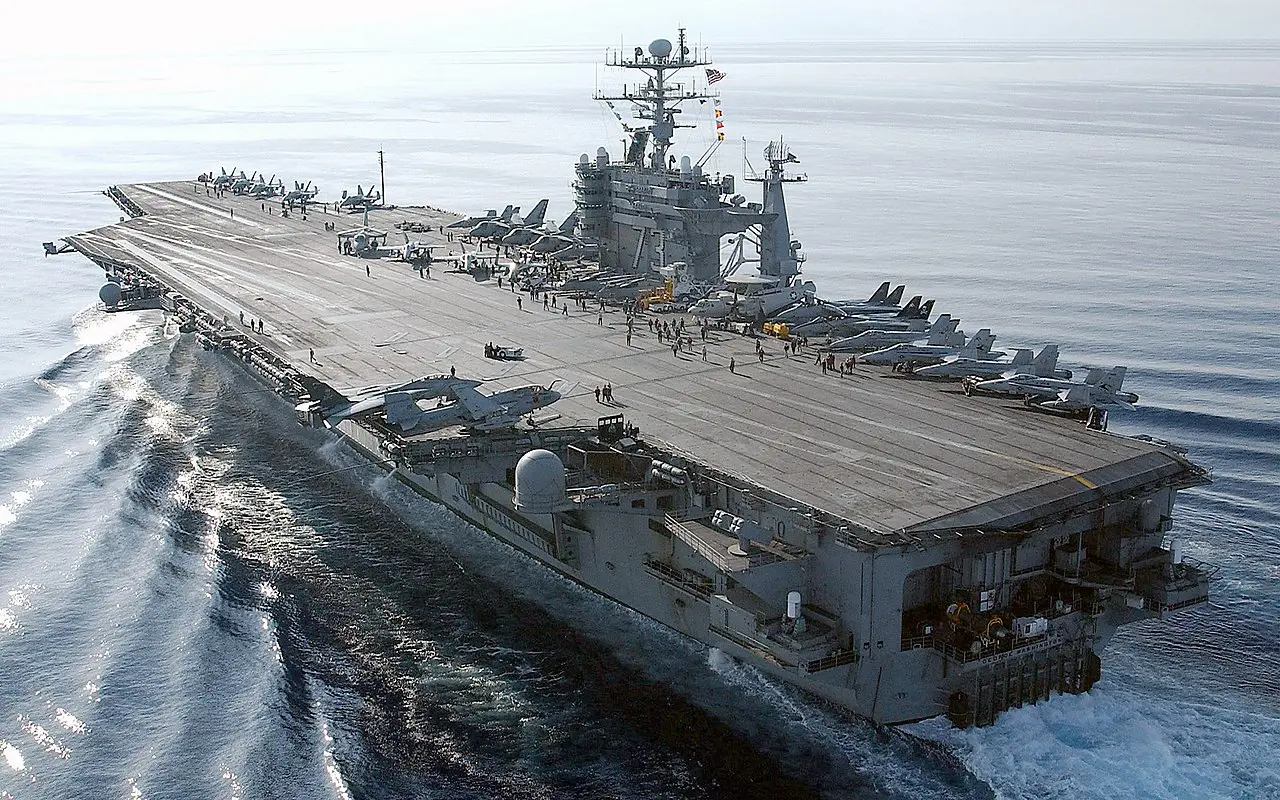
Sustaining 5,000 crew members
Living aboard the carrier are roughly 5,000 to 6,000 sailors and air wing personnel who need daily hydration. The water system provides for drinking fountains, showers, and restrooms across the massive vessel. Maintaining morale and health on long deployments depends entirely on this steady supply.
Critical for flight operations
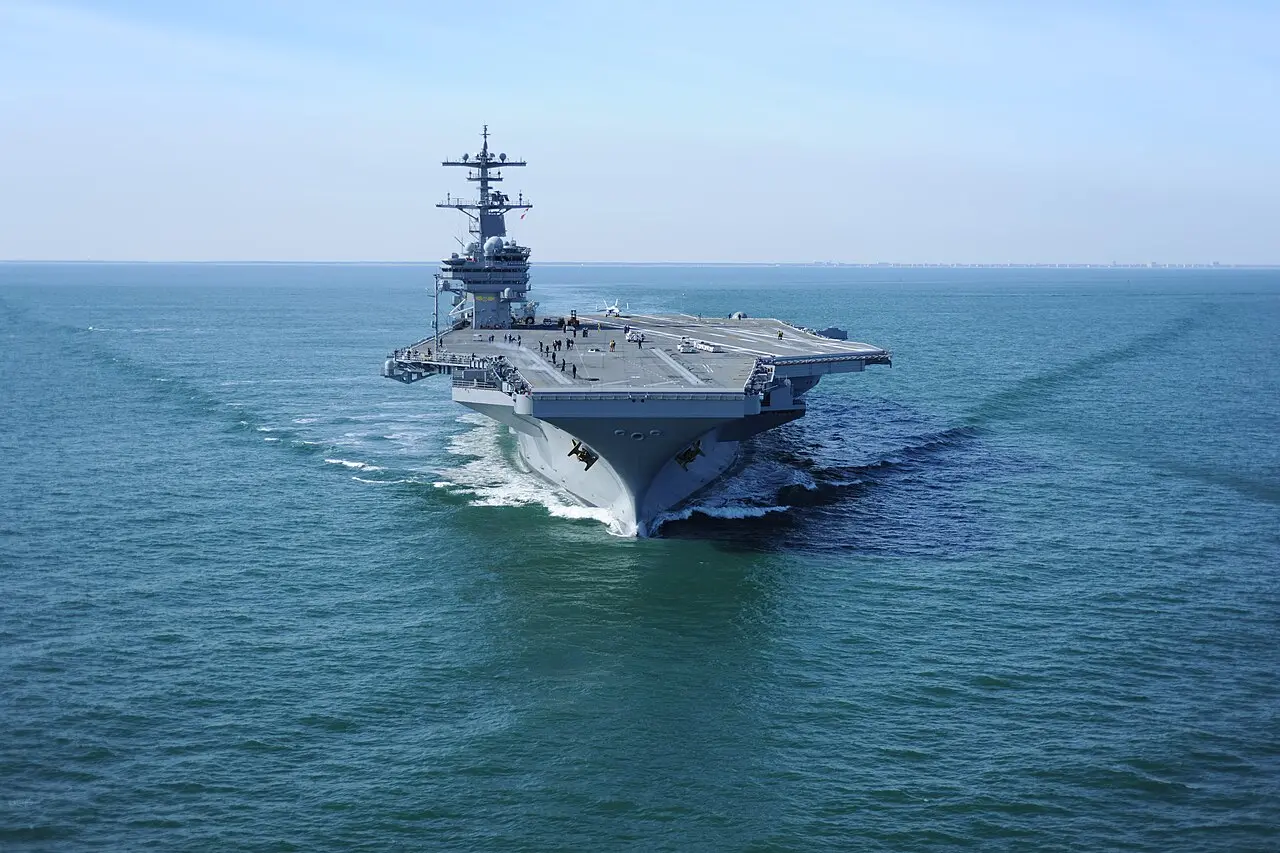
Fresh water is not just for the crew; the aircraft on board require it for maintenance. Salt spray from the ocean is highly corrosive to high-tech fighter jets and helicopters. Crews use thousands of litres to wash down aircraft daily, preventing rust and damage to sensitive equipment.
Steam catapults need water
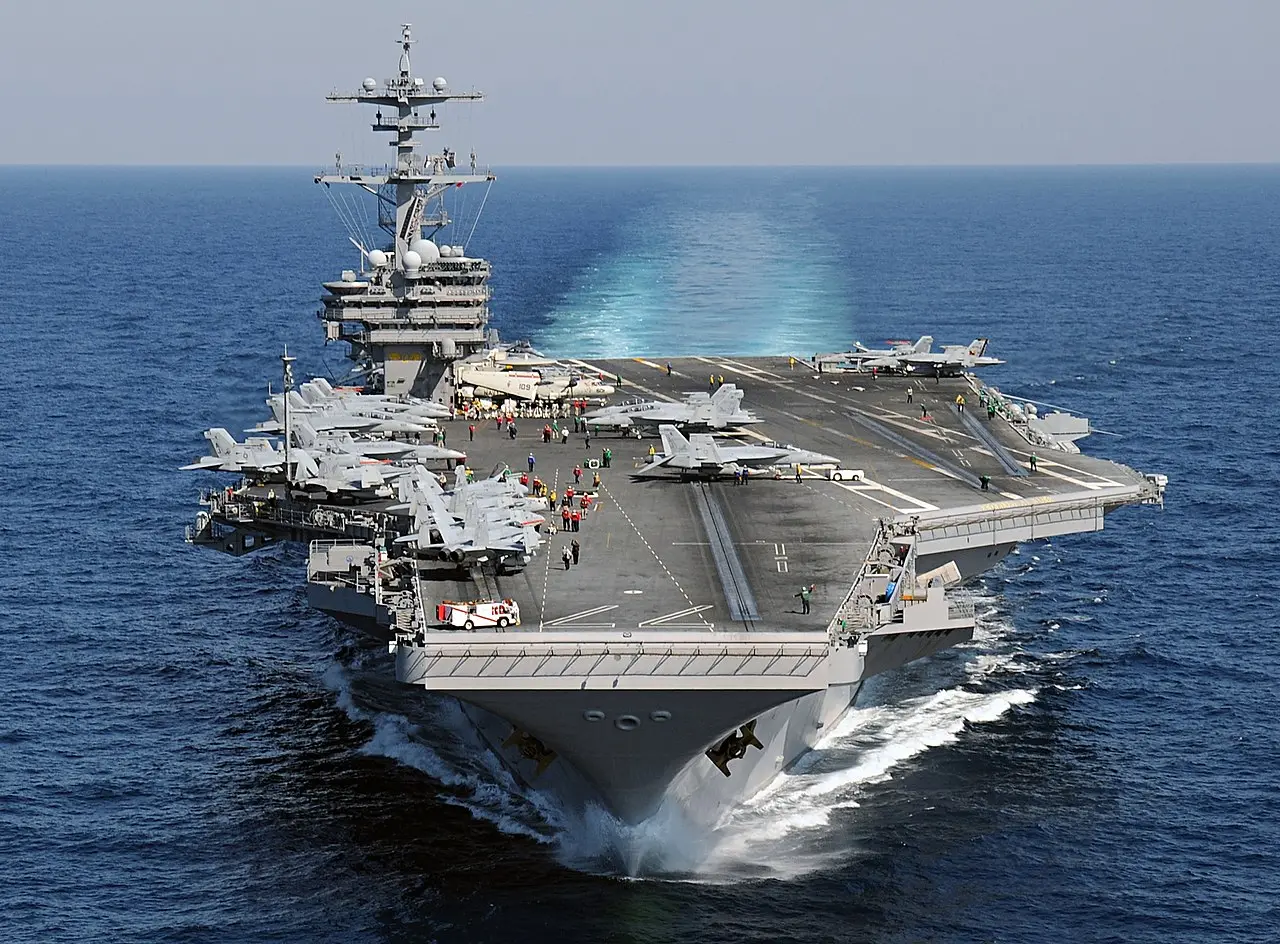
The carrier launches jets using steam-powered catapults that propel aircraft off the deck. This steam is generated from the ship's fresh water supply, not raw seawater. Each launch consumes a significant amount of water, making the desalination plant vital for combat readiness.
18,000 meals served daily
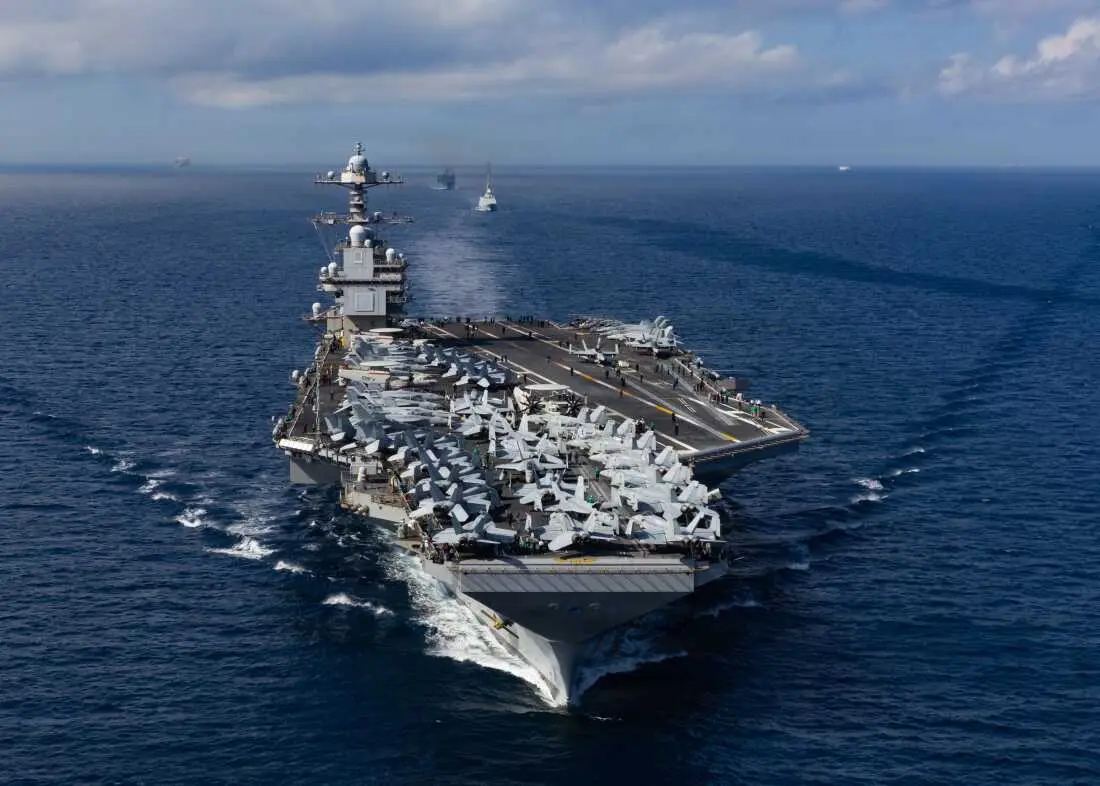
The ship’s galleys (kitchens) prepare approximately 18,000 meals every day for the hungry crew. This requires vast quantities of clean water for cooking ingredients, making soups, and cleaning massive pots and trays. Hygiene in the mess halls is maintained strictly with this treated water.
Distilled water for reactors
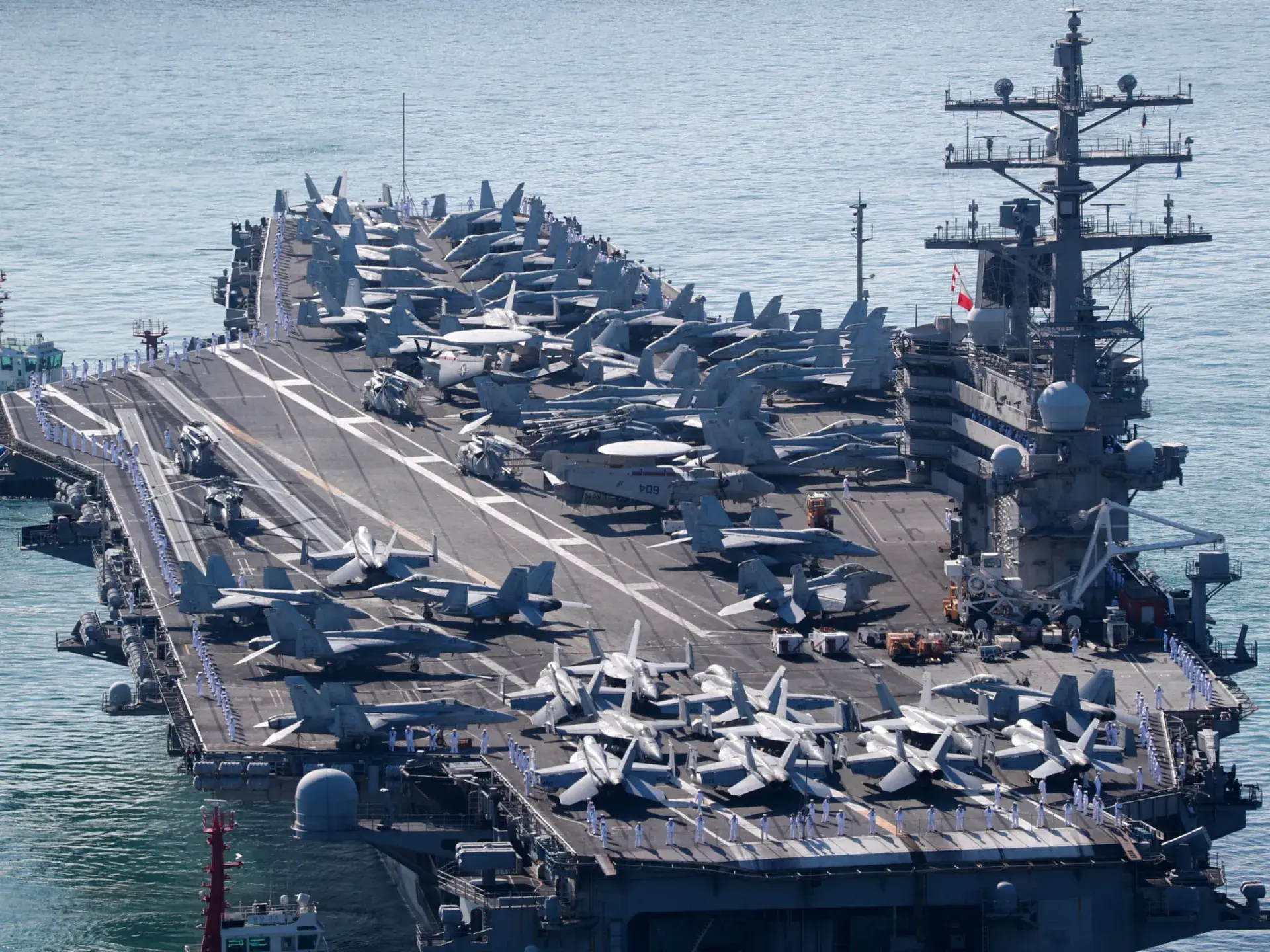
The nuclear reactors themselves require highly purified water to operate safely and efficiently. A portion of the distilled water creates steam to spin the turbines that drive the ship's propellers. This closed-loop system is the heart of the vessel's propulsion and electricity generation.
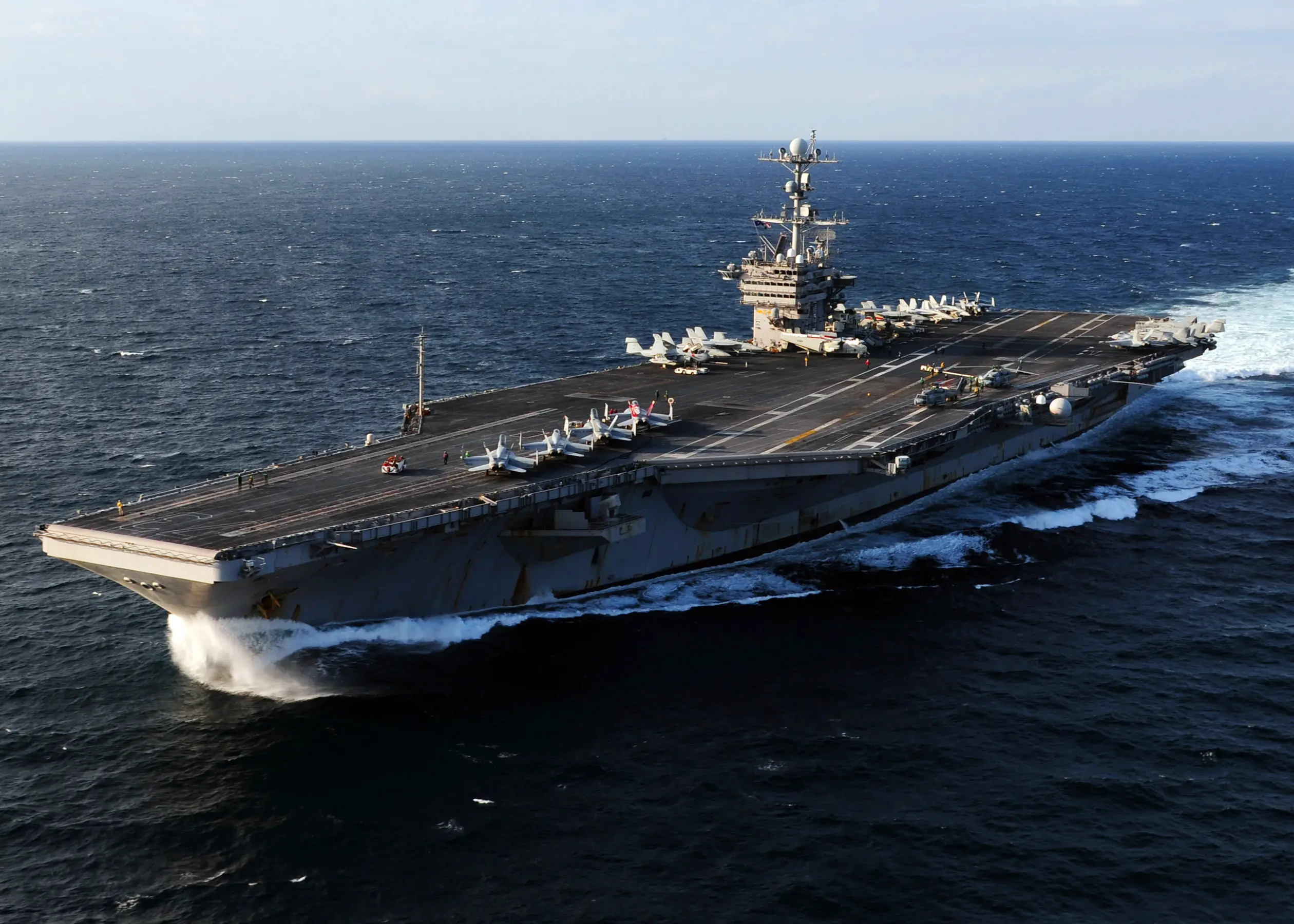
Storing 100 % capacity
While the ship produces water constantly, it also maintains large storage tanks to handle surge demand. These tanks ensure that even if the plants shut down briefly for maintenance, the crew has a reserve. The engineering department monitors levels carefully to keep them near 100 per cent capacity.
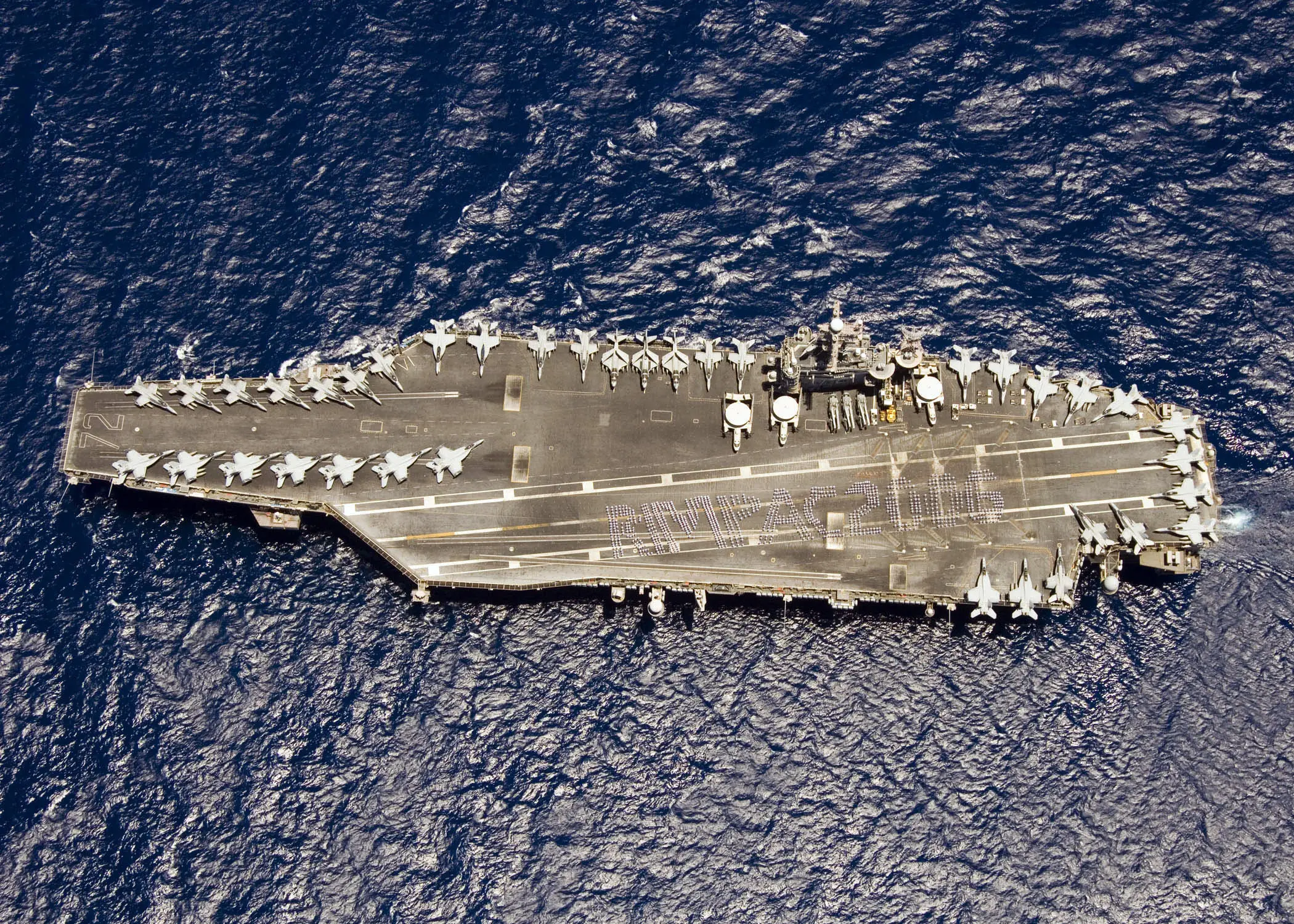
Avoiding plastic waste at sea
By generating its own potable water, the USS Abraham Lincoln reduces reliance on bottled water. This significantly cuts down on plastic waste generated by the thousands of sailors on board. It is a logistical advantage that keeps the ship lighter and more environmentally responsible during missions.
)
)
)
)
)