1,300 light-years away: Voyager 1 could reach the Orion Nebula in 23 million years! understanding Earth’s closest molecular cloud complex

Voyager 1 is over 13 billion miles from Earth and would take 23 million years to reach the Orion Molecular Cloud, a star-forming region 1,300 light-years away. Know about this cosmic distance and Voyager’s mission. Read more below.
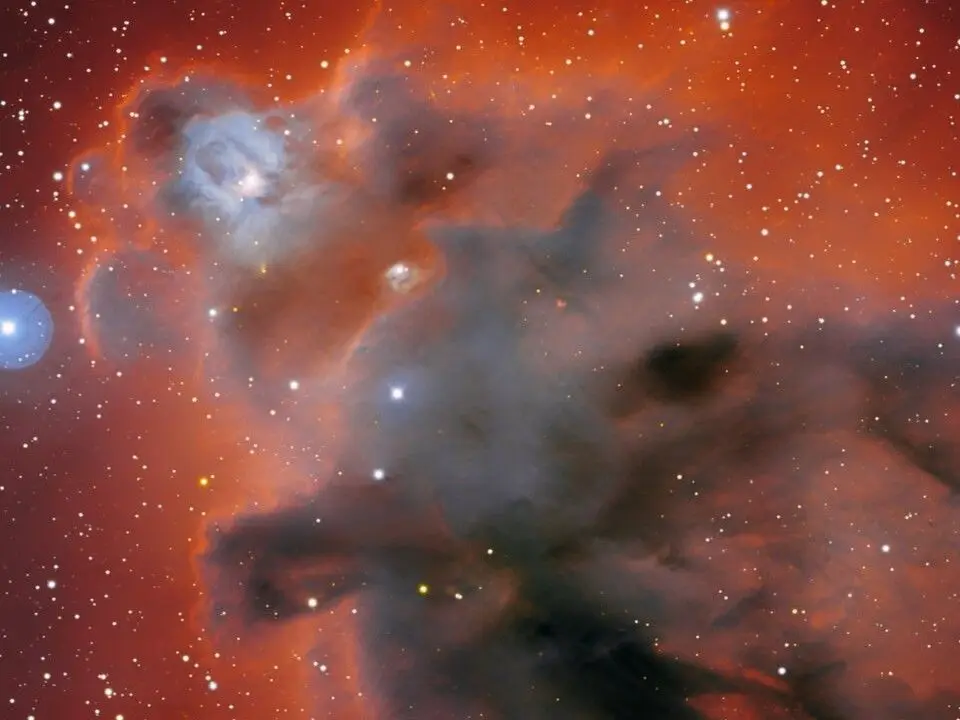
Voyager 1’s epic journey
Voyager 1 was launched by NASA in 1977. It has travelled more than 13 billion miles from Earth. This makes Voyager 1 the farthest human-made object from our planet.
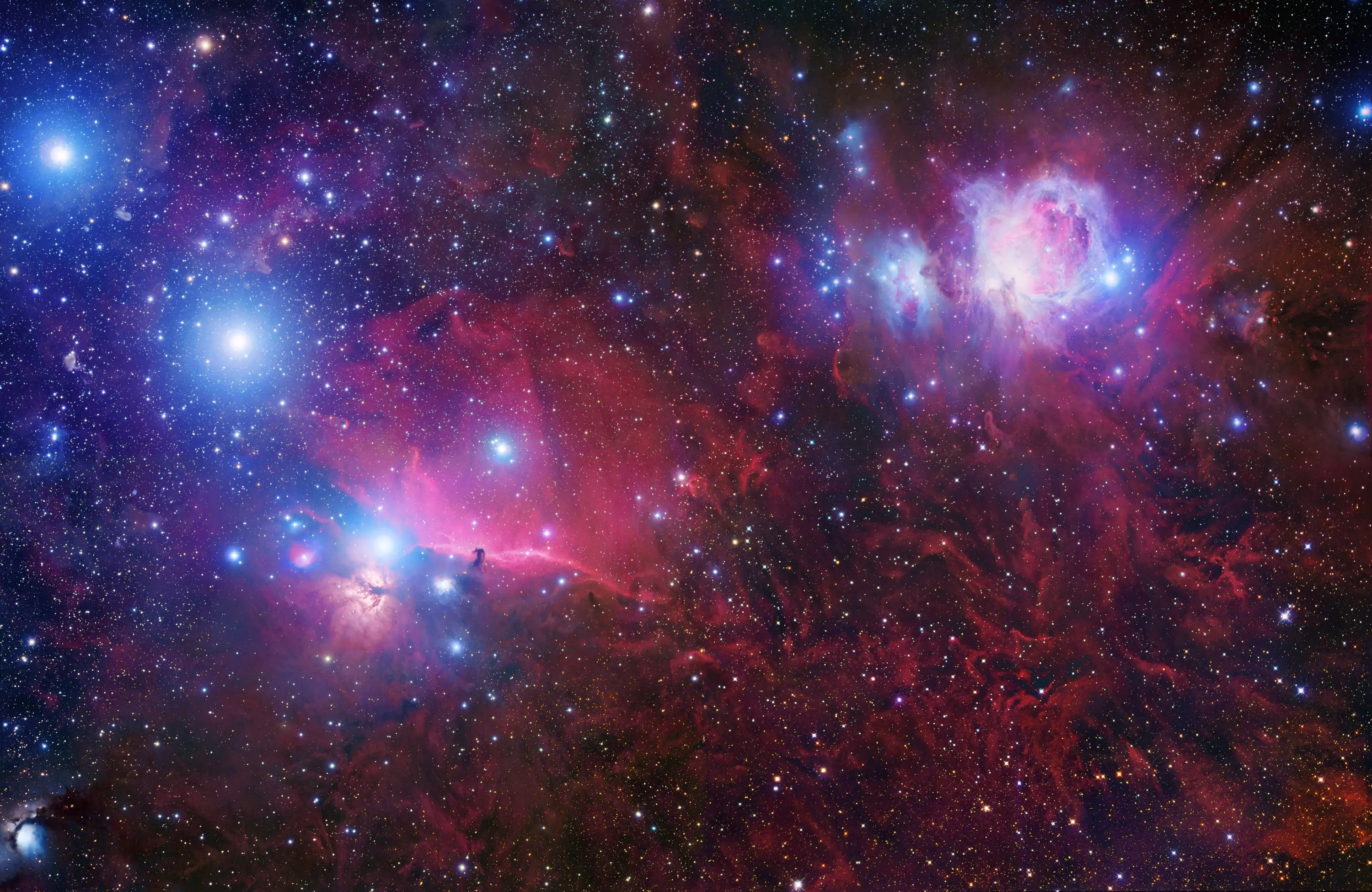
What is the Orion Molecular Cloud?
The Orion Molecular Cloud Complex is a massive cloud of gas and dust about 1,300 light years away. It is the nearest large group of clouds where stars and planets are born. The complex includes the famous Orion Nebula.
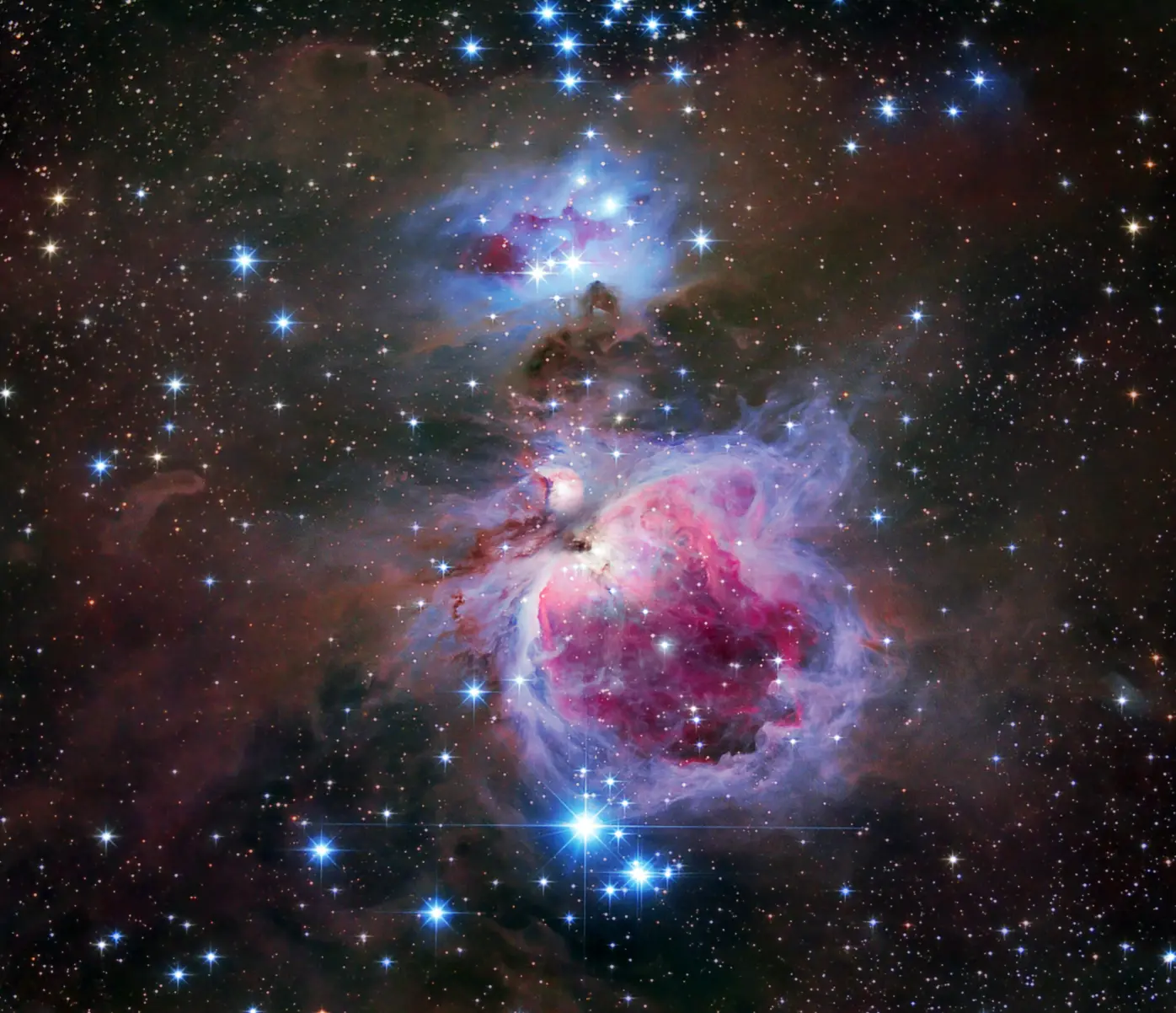
How far is 1,300 light years?
One light year is the distance light travels in one year about 9.46 trillion kilometres. So, 1,300 light years is around 12,300 trillion kilometres. This distance is far beyond anything that current spacecraft can cross quickly.

Voyager 1’s speed and travel time
Voyager 1 moves at about 38,000 miles per hour (about 61,000 km/h). At this speed, it would take roughly 23 million years to reach the Orion Molecular Cloud if it were heading straight there.
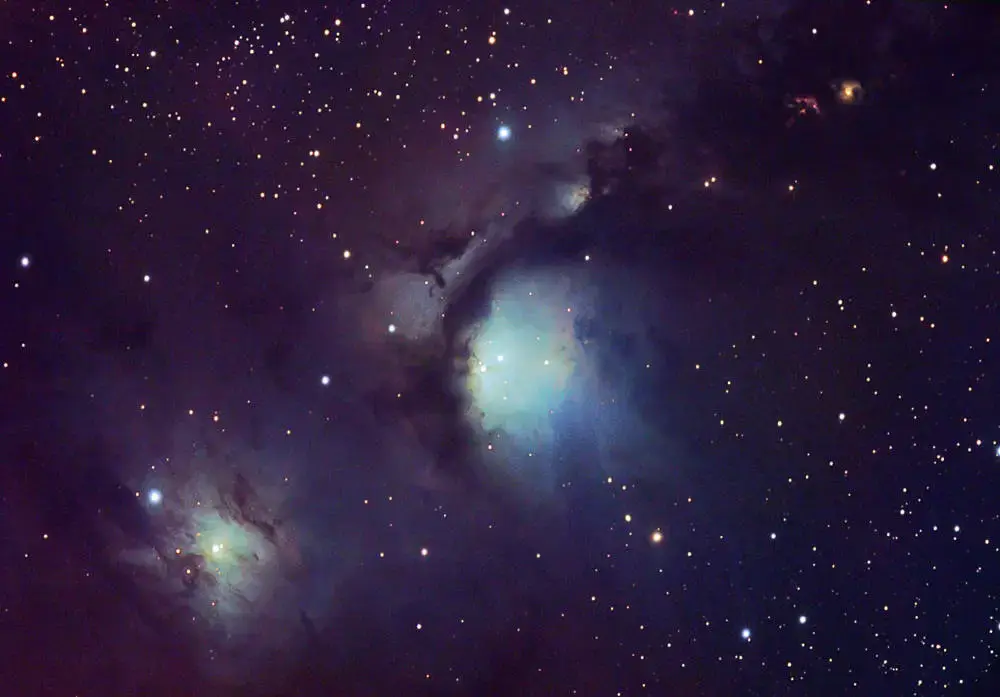
Why the Orion Molecular Cloud matters
This cloud complex is the closest place where new stars and solar systems form near Earth. By studying it, scientists understand how stars and planets are made and how our solar system may have begun billions of years ago.

Voyager 1’s current mission
Voyager 1 is not aimed at reaching this cloud but explores the space between stars. It sends data about the interstellar medium, the gas and particles between star systems, helping us learn about the universe’s vastness.
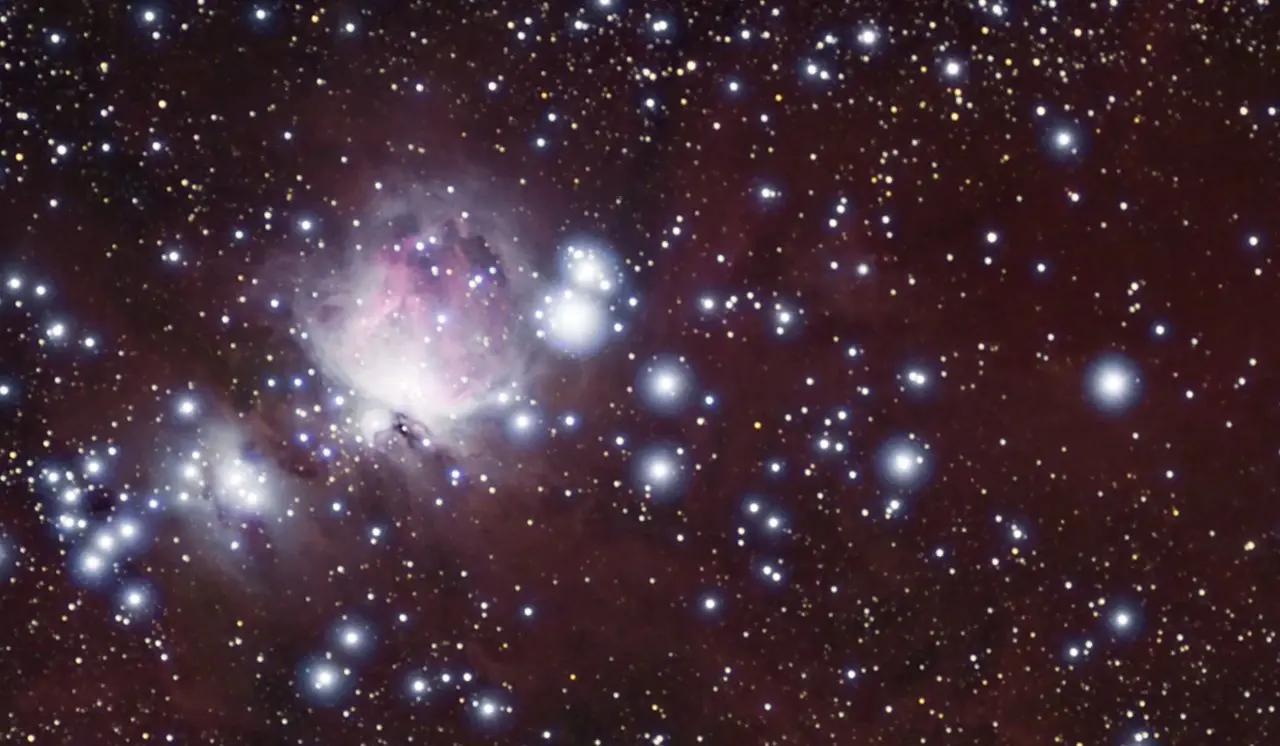
The vastness of space revealed
The enormous distance to the Orion Molecular Cloud shows how vast our galaxy is. Voyager 1’s slow journey teaches us patience and the limits of space travel for now.
)
)
)
)
)