'0 to 150 in 3 seconds': USS Abraham Lincoln's terrifying physics of 'fat cat' catapults and arresting wires

Experience the brutal physics of the USS Abraham Lincoln's flight deck. From steam-powered launches to ‘controlled crashes,’ discover the tech that stops 30-ton jets in their tracks.
The Steam-Powered Punch
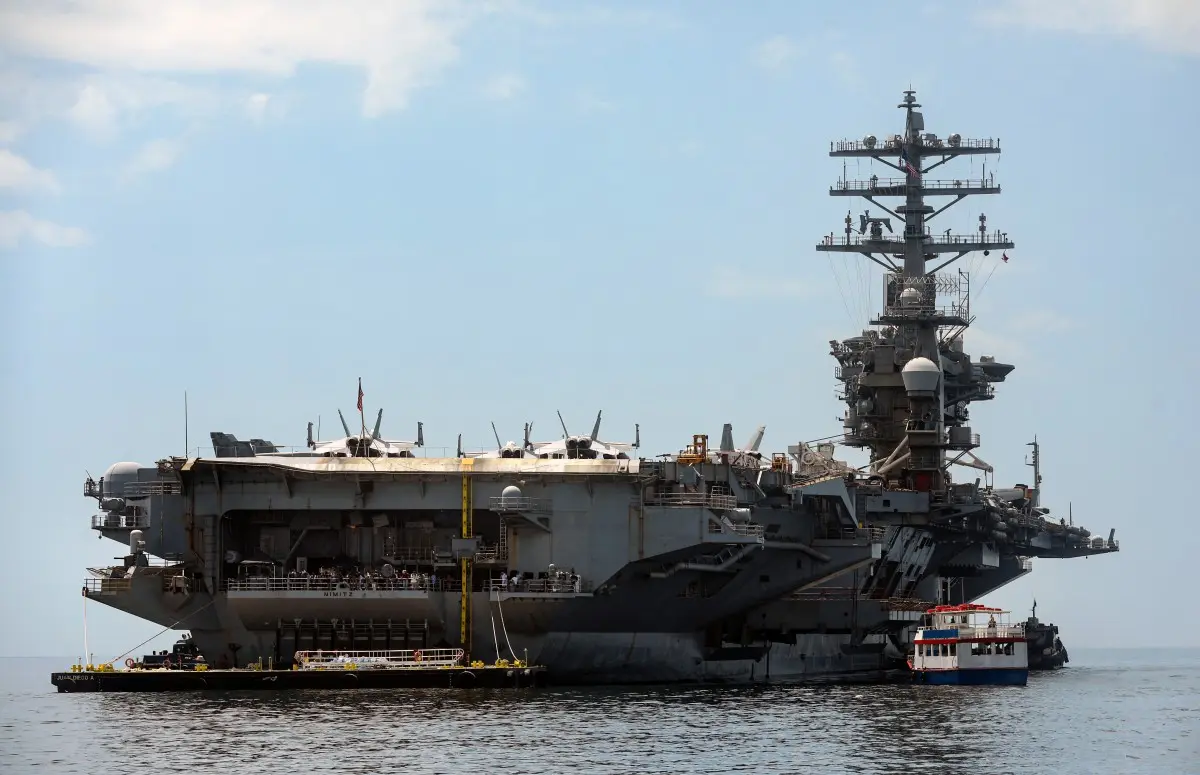
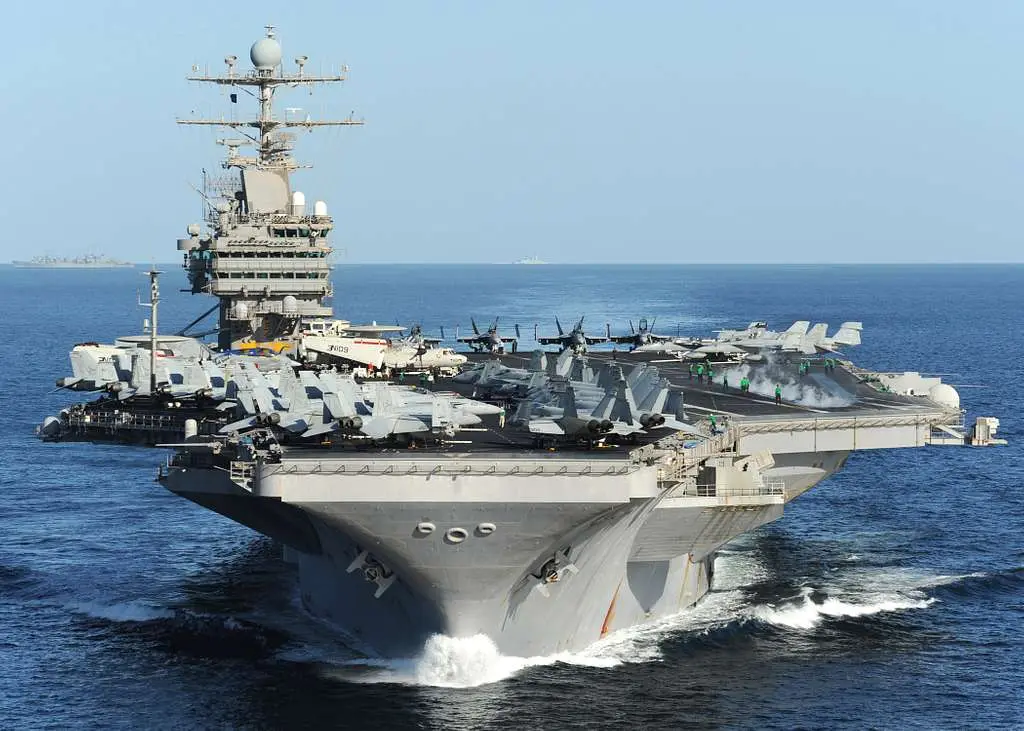
The Lincoln uses C-13 Mod 2 ‘Fat Cat’ steam catapults to launch aircraft. High-pressure steam, siphoned directly from the ship's A4W nuclear reactors, is stored in massive ‘accumulators.’ When the launch button is pressed, this steam is released instantly, acting like a giant, invisible piston that hurls aircraft into the sky.
0 to 150 in Two Seconds
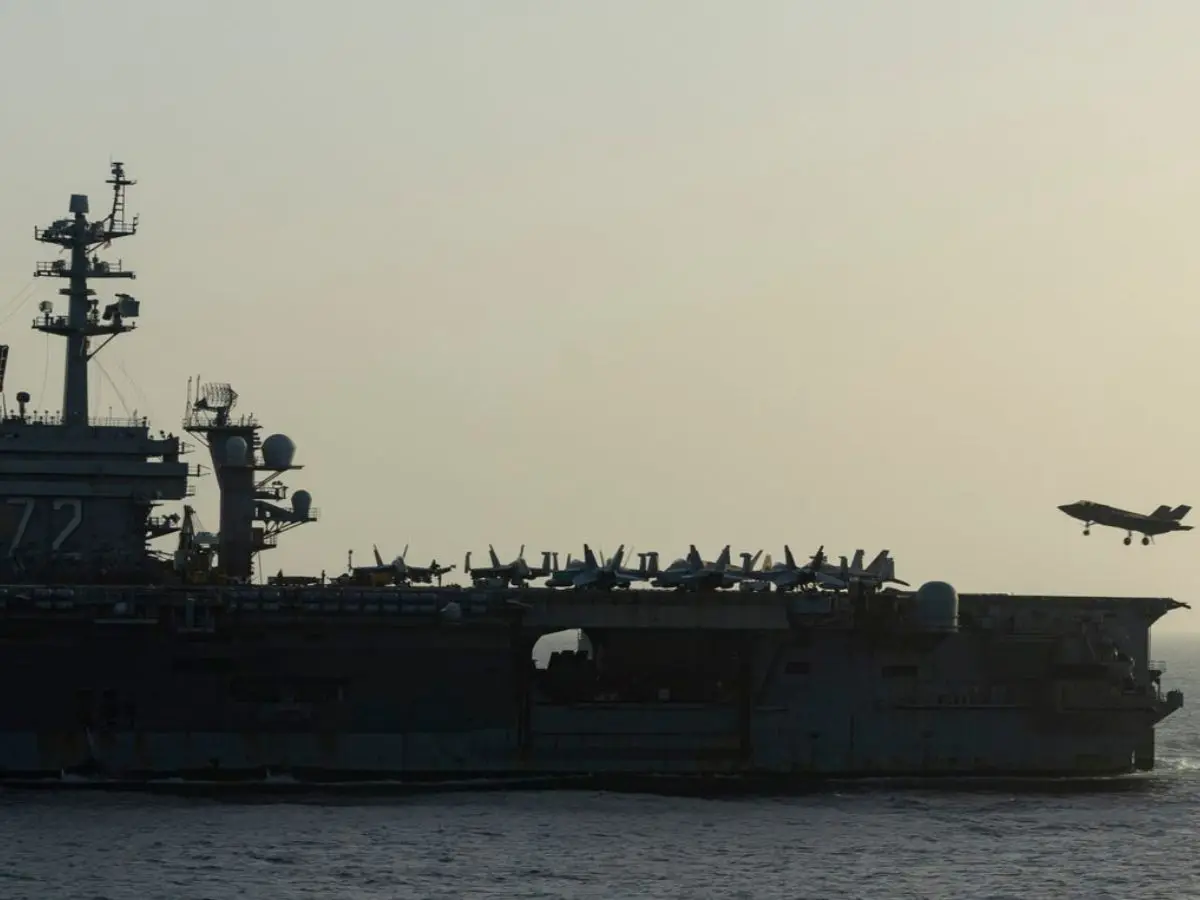
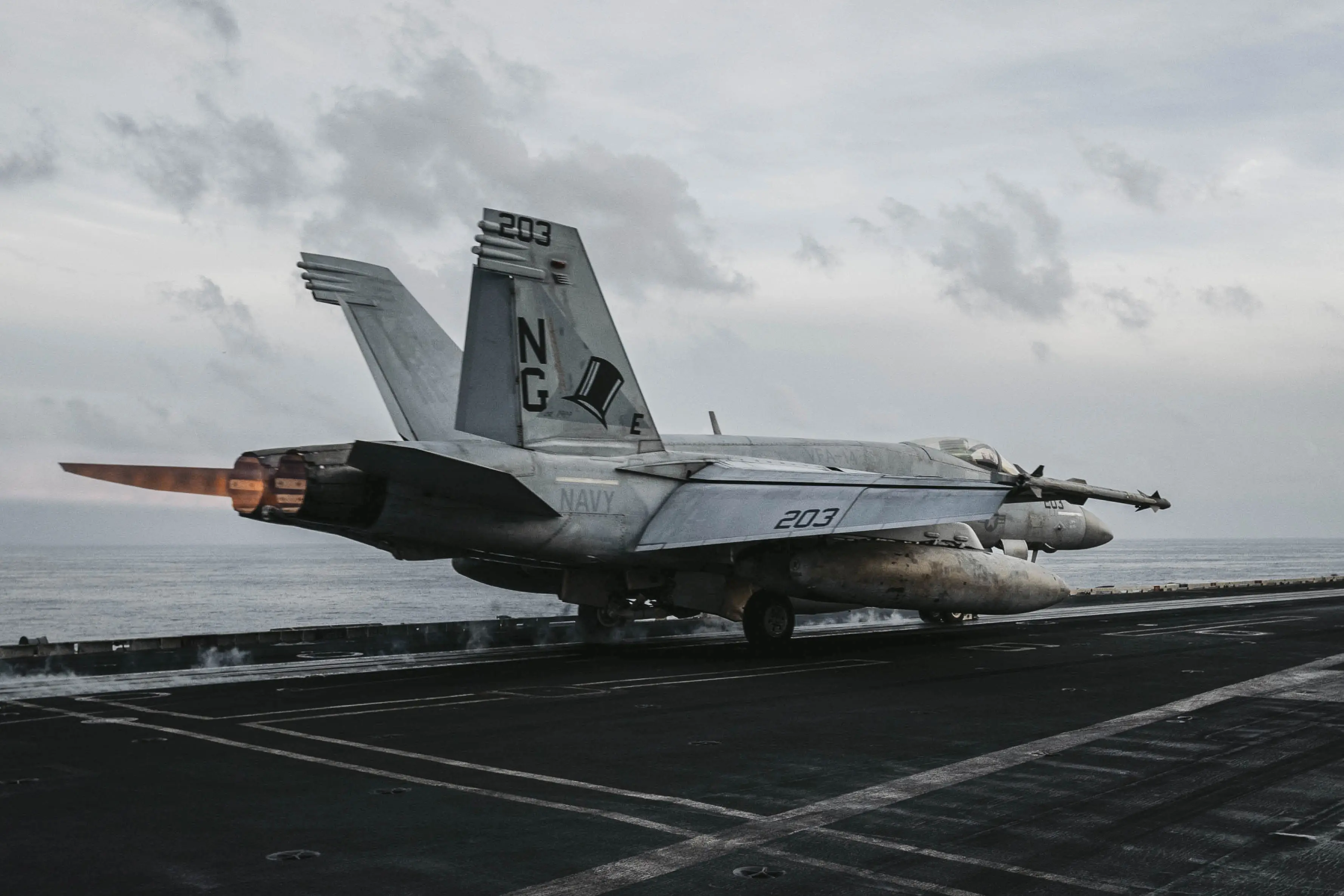
The acceleration on a carrier deck is violent. A pilot goes from a dead stop to 150 mph in roughly 300 feet. This puts approximately 4Gs of pressure on the human body—enough to make the blood rush to the back of the head and cause a temporary ‘grey-out’ if the pilot doesn't brace correctly.
The 'Controlled Crash'
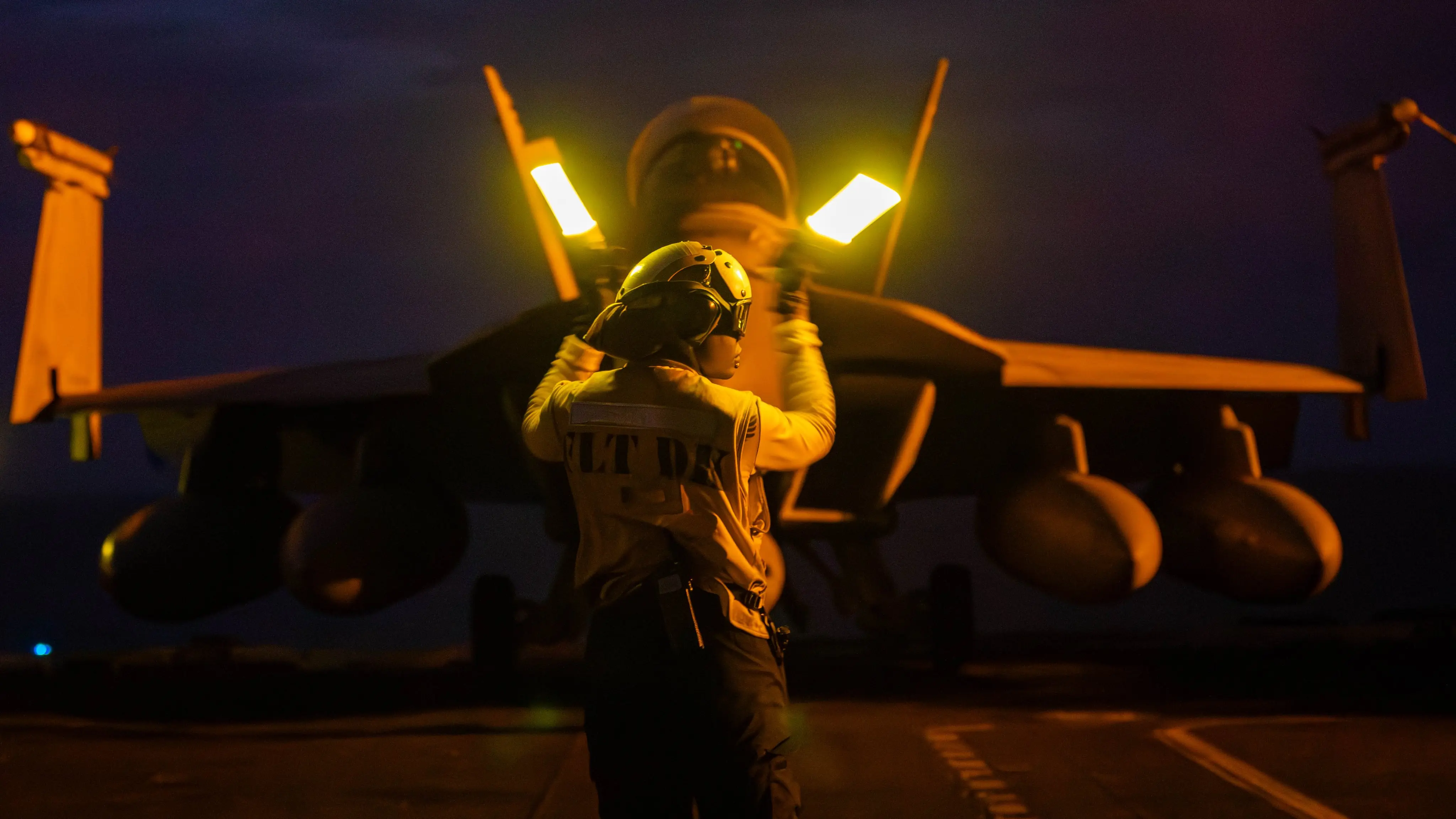
Unlike a smooth landing on a 10,000-foot civilian runway, a carrier landing is essentially a ‘controlled crash.’ Pilots must fly their aircraft into the deck at a steep angle, maintaining high engine power. They don't flare the plane; they ‘trap’ it, aiming for a specific 30-foot target area while moving at 140 mph.
The Two-Inch Steel Lifeline
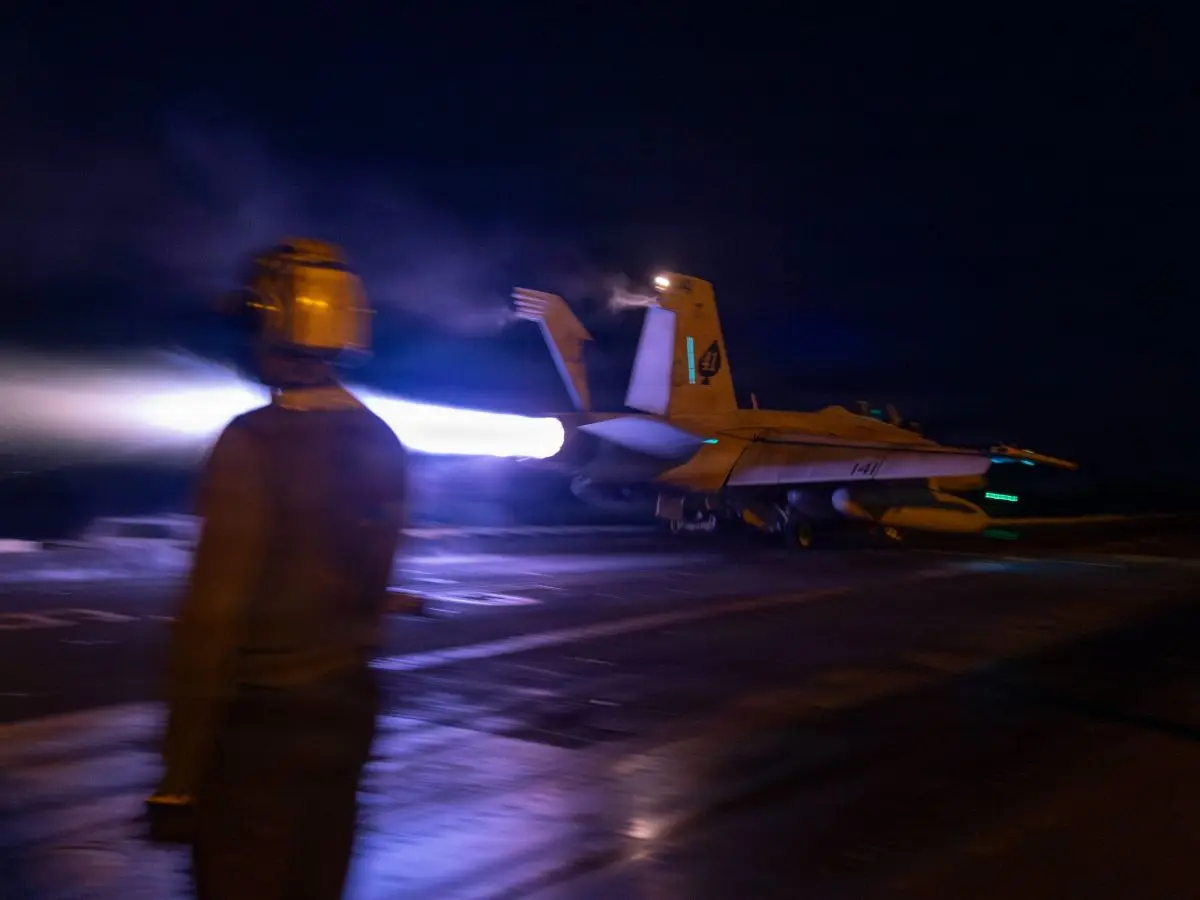
To stop a 60,000-pound F/A-18 Super Hornet in under 350 feet, the Lincoln utilizes the MK-7 arresting gear. These are two-inch-thick steel cables stretched across the deck. They are connected to massive hydraulic engines below deck that absorb millions of foot-pounds of kinetic energy in a split second.
Hook, Line, and Sinker
Every carrier jet is equipped with a ‘tailhook’—a high-strength steel bar designed to snag one of the four arresting wires. If the pilot misses all four (a ‘bolter’), the high engine power maintained during the landing allows them to accelerate instantly off the end of the deck and try again.
The 'Groove' and the Meatball
Landing is a feat of visual physics. Pilots follow the ‘Optical Landing System,’ or ‘the meatball.’ This series of lights tells the pilot if they are too high, too low, or perfectly on the ‘glide slope.’ At night or in heavy seas, this becomes one of the most psychologically demanding tasks in all of aviation.
Heat, Friction, and Metal Fatigue
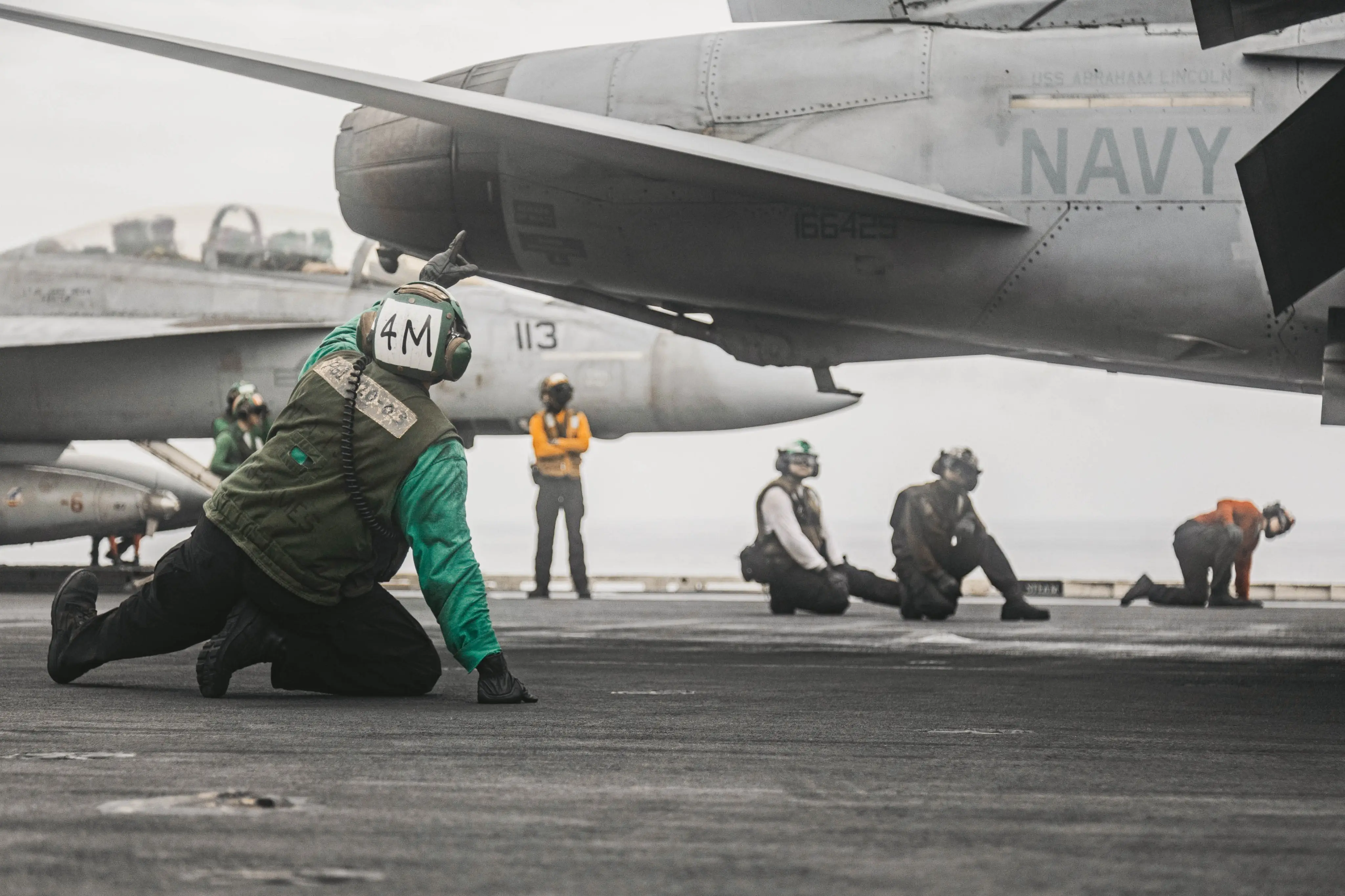
The sheer violence of these operations means the deck is a zone of constant maintenance. The friction of the arresting wires creates intense heat, and the cables must be replaced every few hundred ‘traps’ to prevent metal fatigue. On the Lincoln, the deck crew lives in a world of high-tension steel and supersonic exhaust.
)
)
)
)
)