‘World’s largest US carrier’: How it could target Iran’s safe bunkers

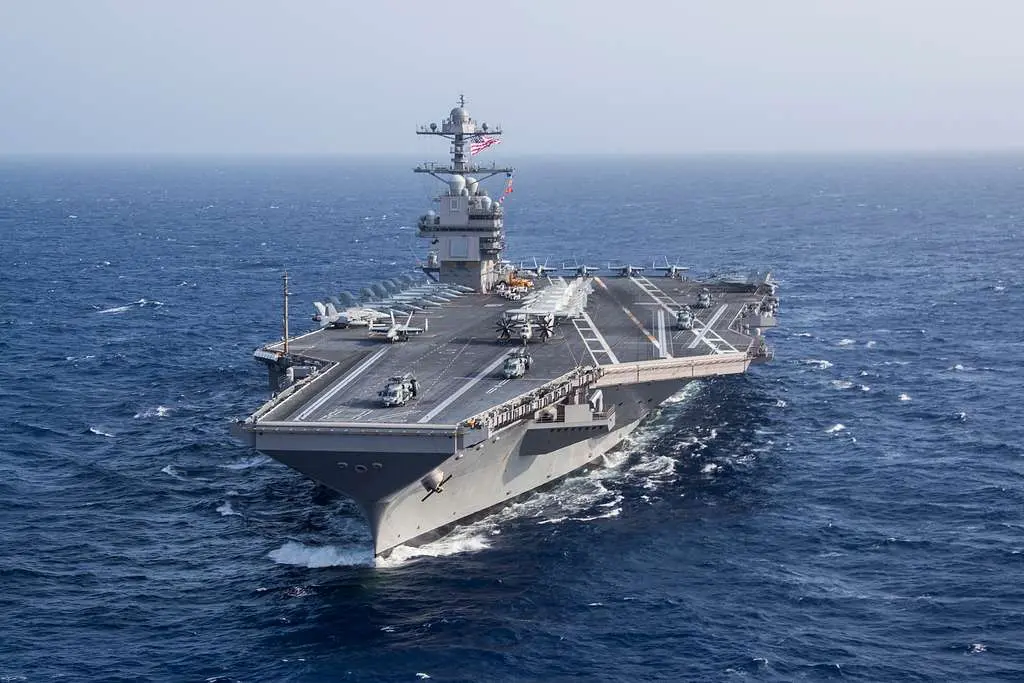
The USS Gerald R. Ford is joining the USS Abraham Lincoln in the Middle East. Carrying F-35C stealth fighters armed with 2,000-lb smart bunker busters, this 100,000-tonne carrier can execute precise, continuous strikes on Iran's underground sites.
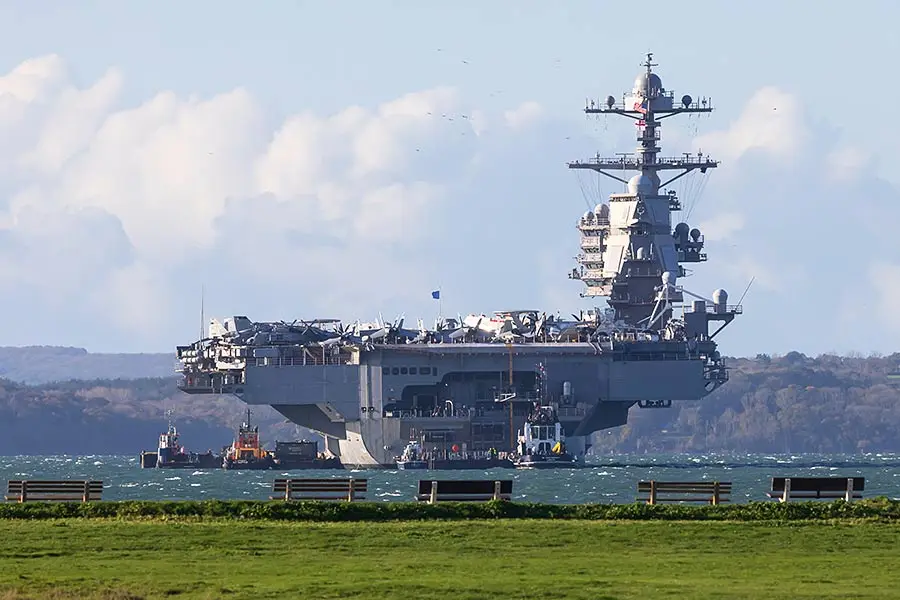
USS Gerald R. Ford: A 100,000-Tonne Giant
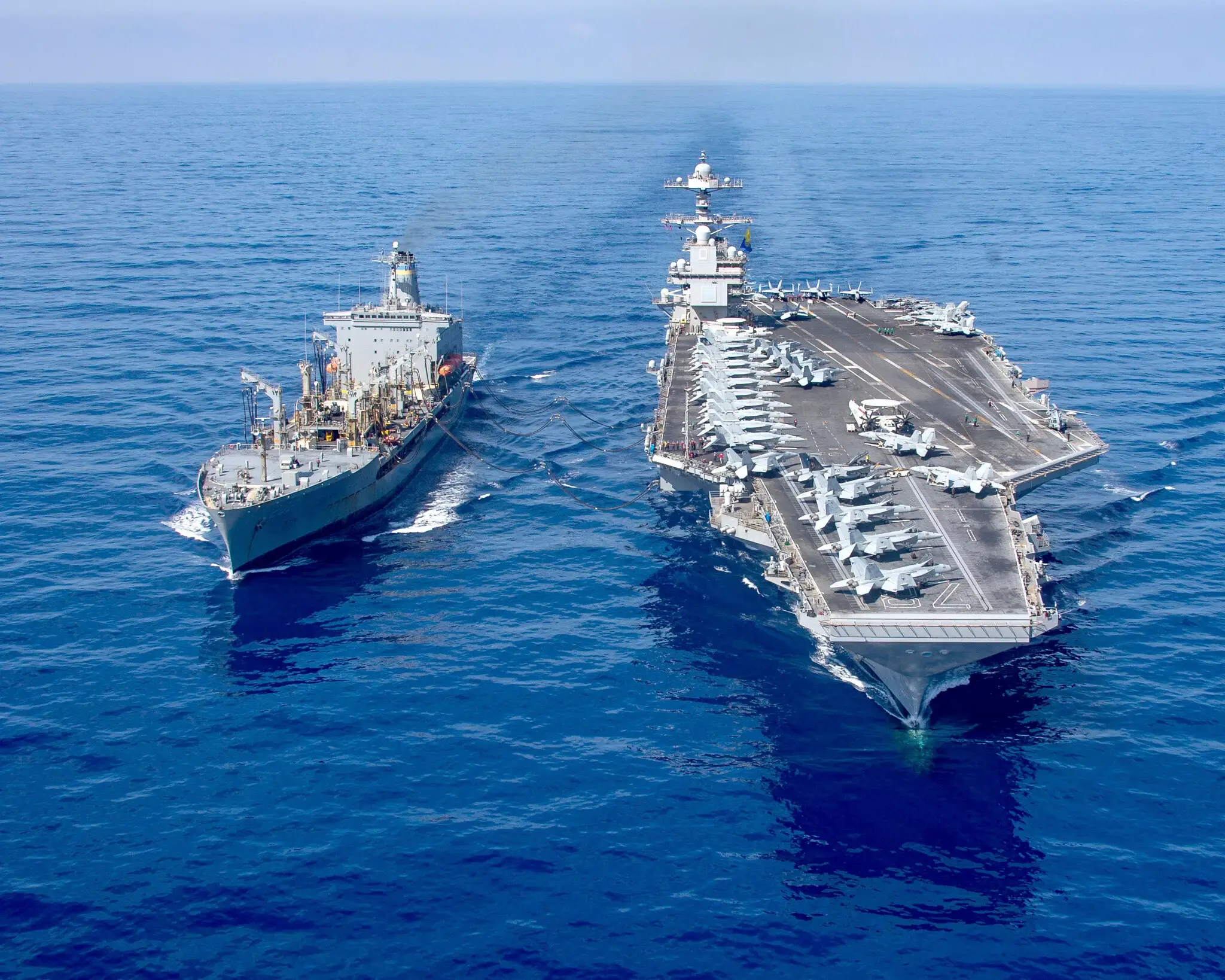
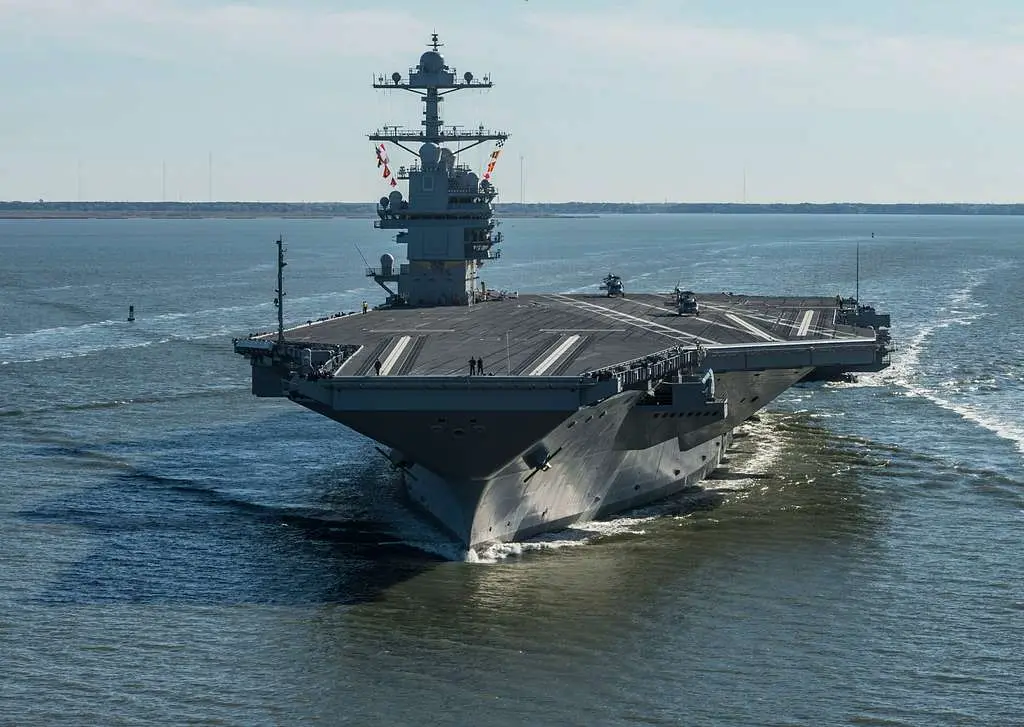
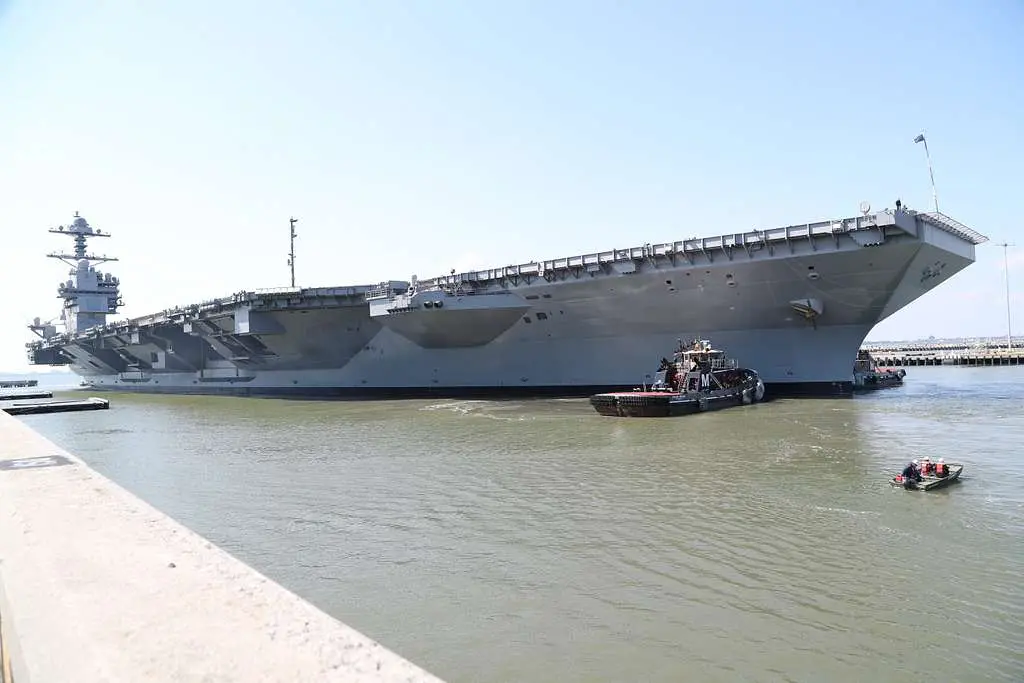
Weighing over 100,000 tonnes, the USS Gerald R. Ford is the world's largest and most advanced aircraft carrier. It has been deployed to the Middle East to join the USS Abraham Lincoln, creating a rare dual-carrier presence to apply pressure on Tehran.
F-35C Fighters: Mach 1.6 Stealth Penetration
To strike deep inside Iran, the carrier relies on the F-35C Lightning II, which flies at speeds of up to Mach 1.6. Its low-observable stealth design allows pilots to slip past advanced Iranian air defences to reach fortified underground facilities.
2,000-Pound BLU-109 Bombs
Carrier-based jets cannot carry the massive 30,000-pound GBU-57 bombs used by heavy land-based bombers. Instead, F-35Cs and F/A-18 Super Hornets carry 2,000-pound BLU-109 penetrating warheads equipped with precision JDAM guidance.
Sequential Strikes
What carrier-launched bunker busters lack in raw weight, they make up for with extreme precision. Pilots use advanced targeting pods to drop multiple bombs into the exact same crater, effectively drilling through metres of rock and concrete.
Smart Fuzes: Delaying the 900-Kg Blast
These penetrator bombs are equipped with advanced delay and 'void-sensing' electronic fuzes. A microcontroller counts the layers of concrete and delays the 900-kilogram bomb's detonation until it reaches an open room inside the bunker.
EA-18G Growlers
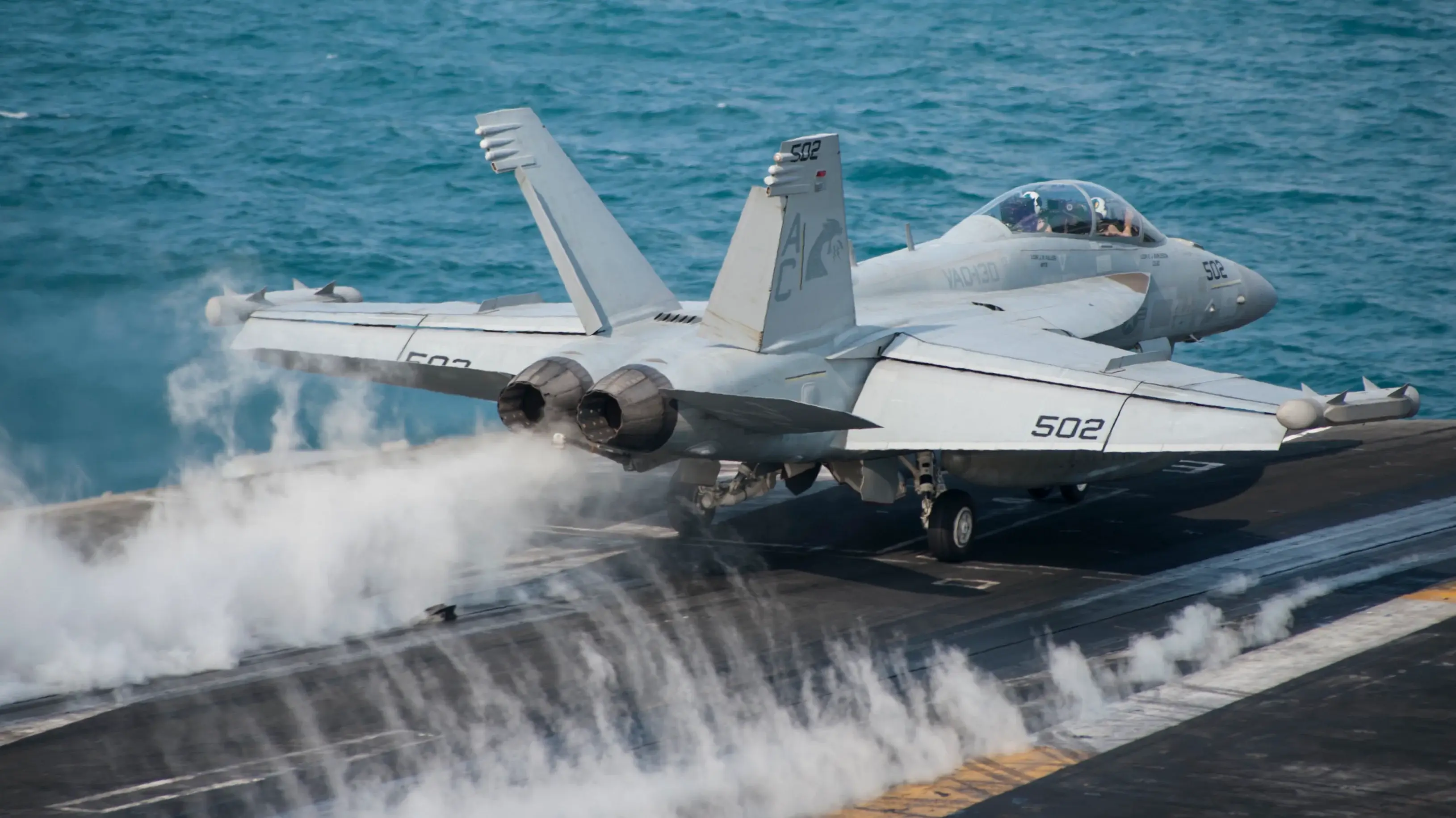
Before the stealth jets drop their bombs, EA-18G Growler electronic warfare aircraft take flight. They blast powerful jamming signals to blind Iranian surface-to-air missile radars from hundreds of miles away, protecting the strike package.
24-hour bombing capabilities
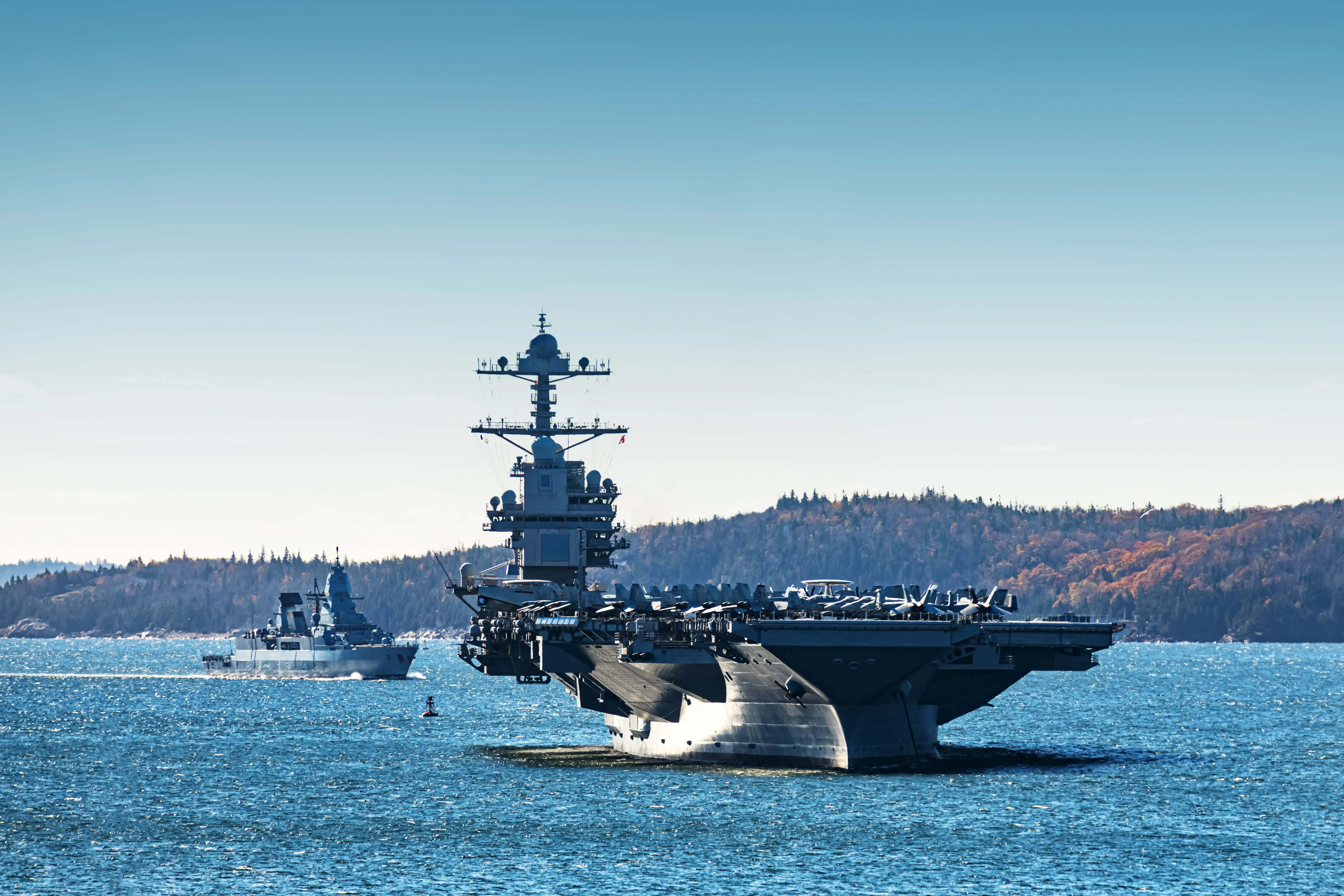
Unlike land-based bombers that strike and leave, a carrier parks a permanent strike force directly off the coast. With an air wing of fighter jets, the USS Gerald R. Ford can maintain a relentless, 24-hour bombing campaign against bunker networks.
)
)
)
)
)