'World’s largest island, 56,000 residents and more': Top 8 facts about Greenland you didn’t know

Understanding Greenland’s place within the Kingdom of Denmark requires a look at its people, governance, geography and global role. Here are eight facts about Greenland you probably didn’t know.
A unique place in a changing world
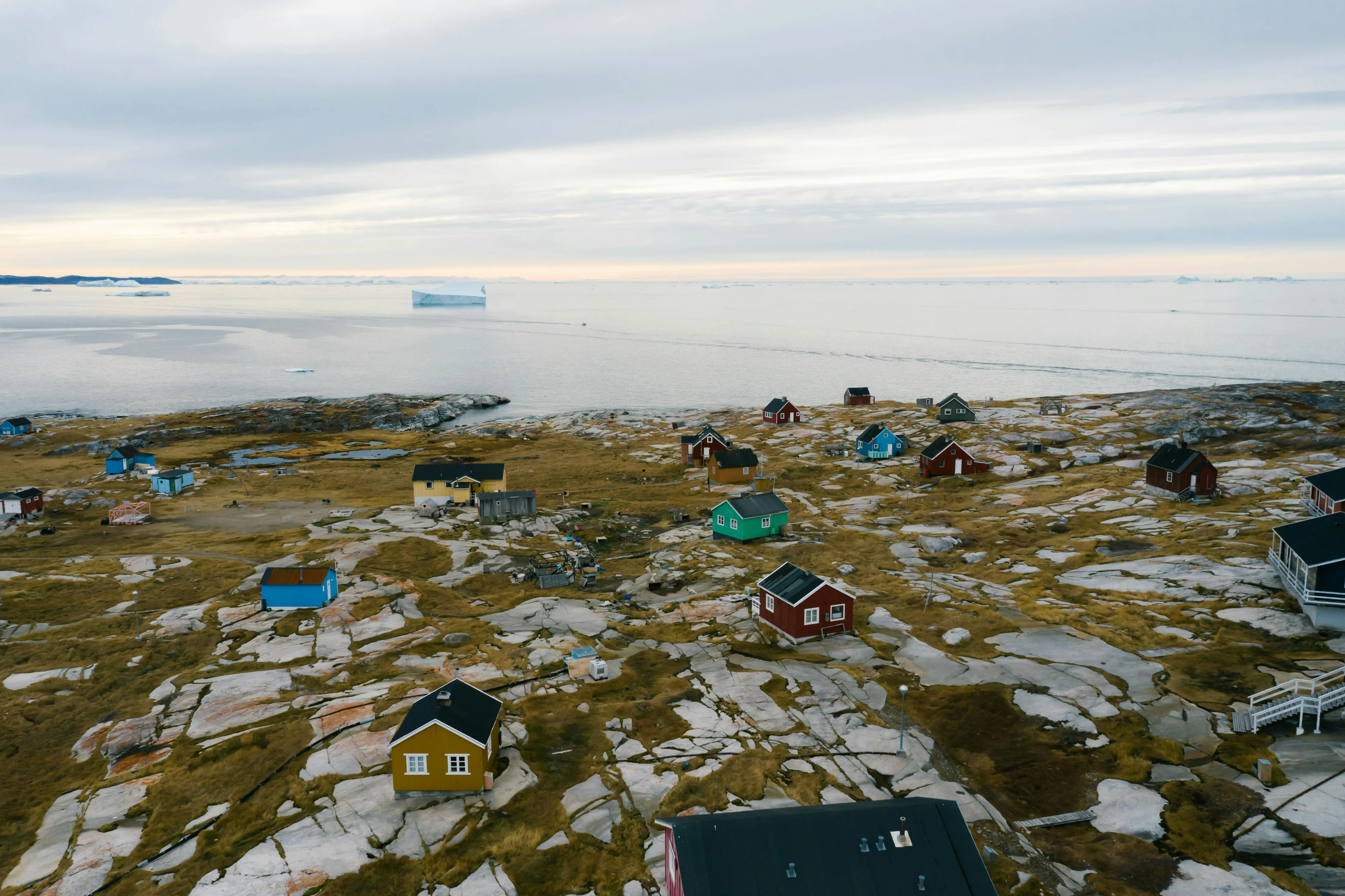
Greenland is the world’s largest island yet one of the least densely populated places on Earth. Though geographically, the island is a part of North America, it has a long political relationship with Denmark that has shaped its status today. Recent renewed interest from the United States over Greenland’s future has brought the island’s history and rights under fresh scrutiny. Donald Trump wants to take the Arctic island and the White House has confirmed that all options are on the table, including the use of force. Understanding Greenland’s place within the Kingdom of Denmark requires a look at its people, governance, geography and global role. Here are eight facts about Greenland you probably didn’t know.
1. Ancient settlement and modern population
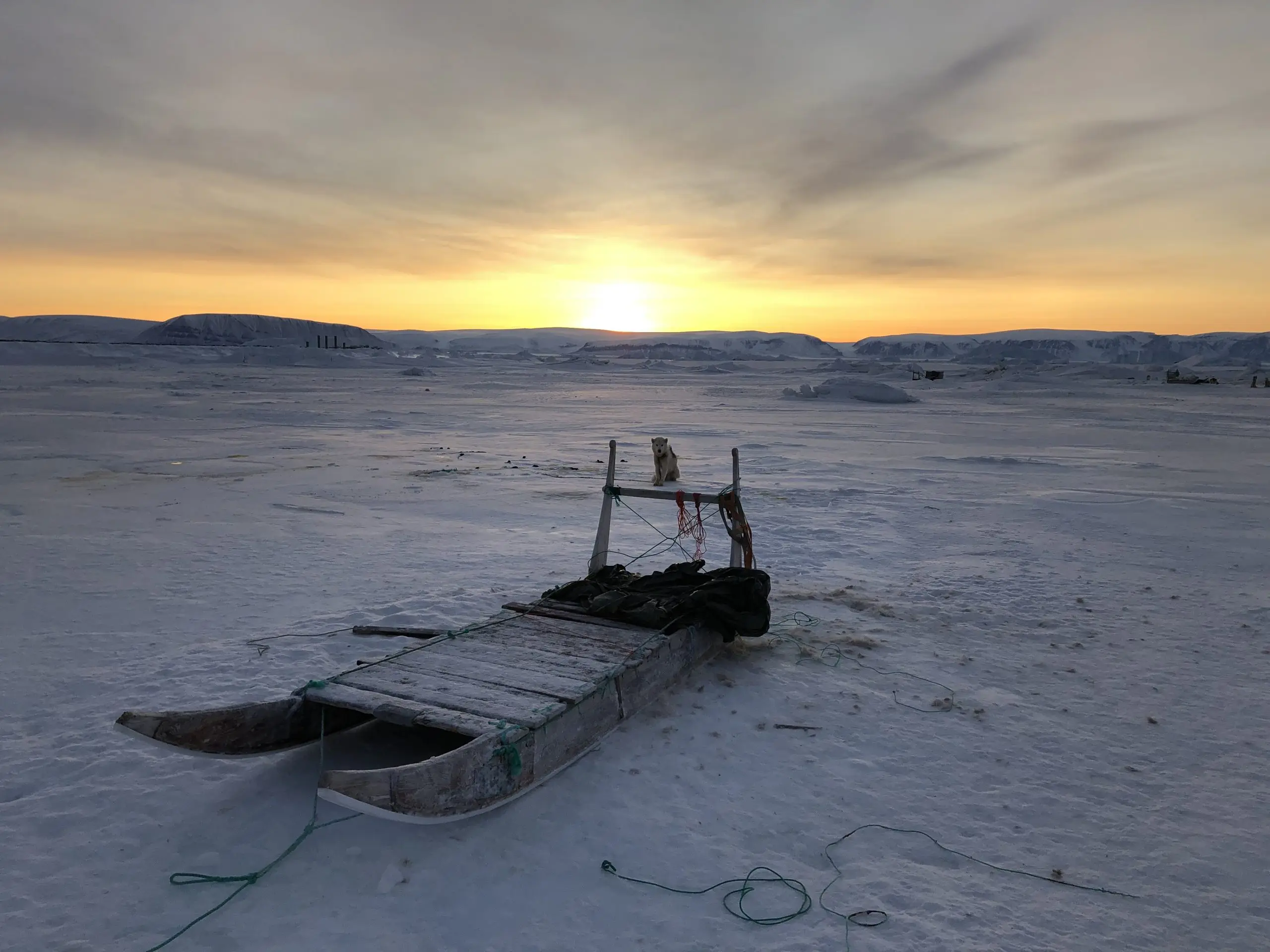
Greenland has been inhabited for at least 4,500 years by peoples migrating from Arctic regions and North America. Today, its population is about 56,600-57,000, with at least 19,600 people residing in the capital, Nuuk. The people of Greenland are primarily Inuit, and Greenlandic is the official language. The Inuit people, depending on the region they are from, call themselves Kalaallit (West Greenlanders), Inugguit (from Thule district), or Iit (East Greenlanders).
2. A vast physical presence
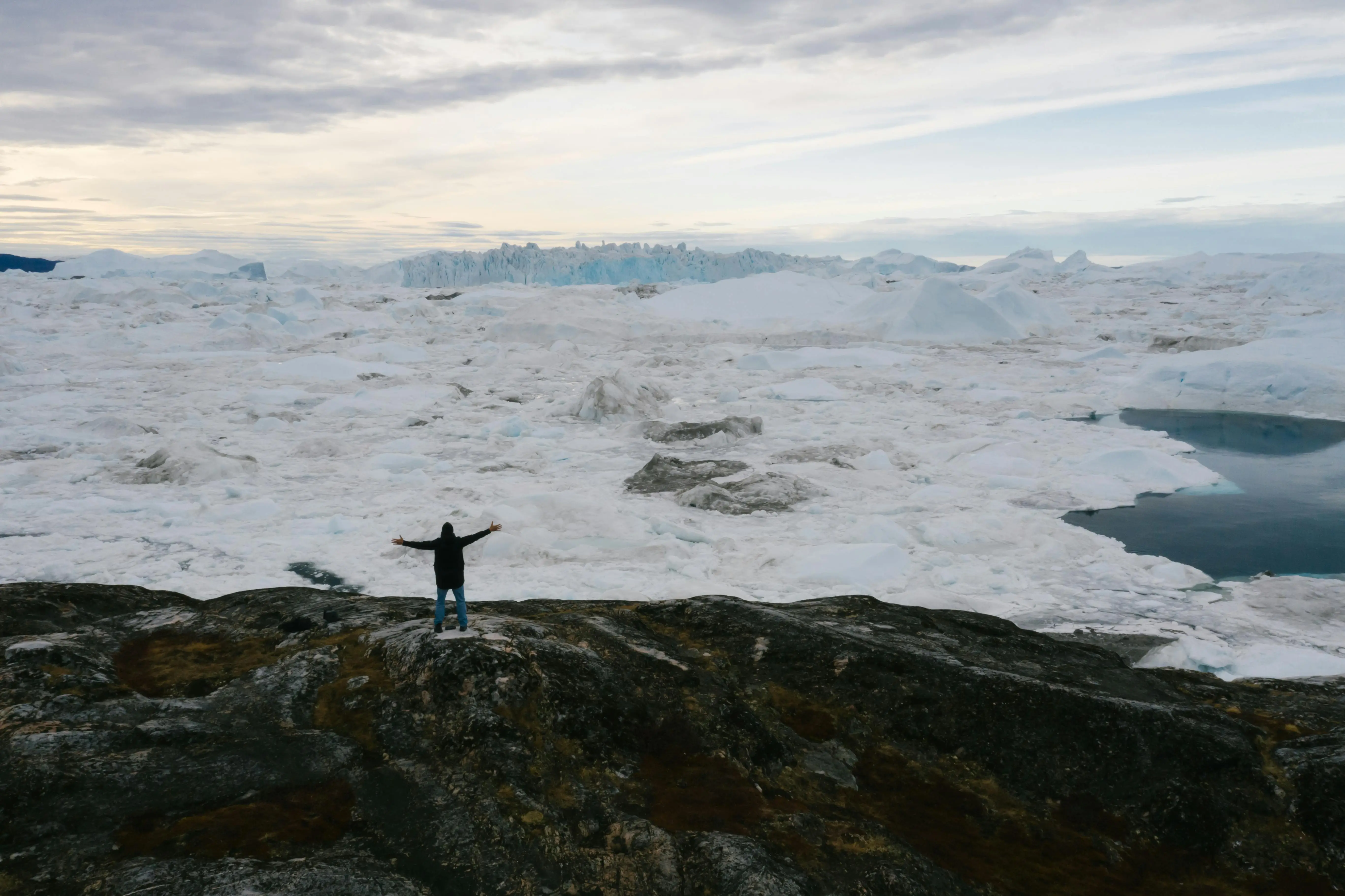
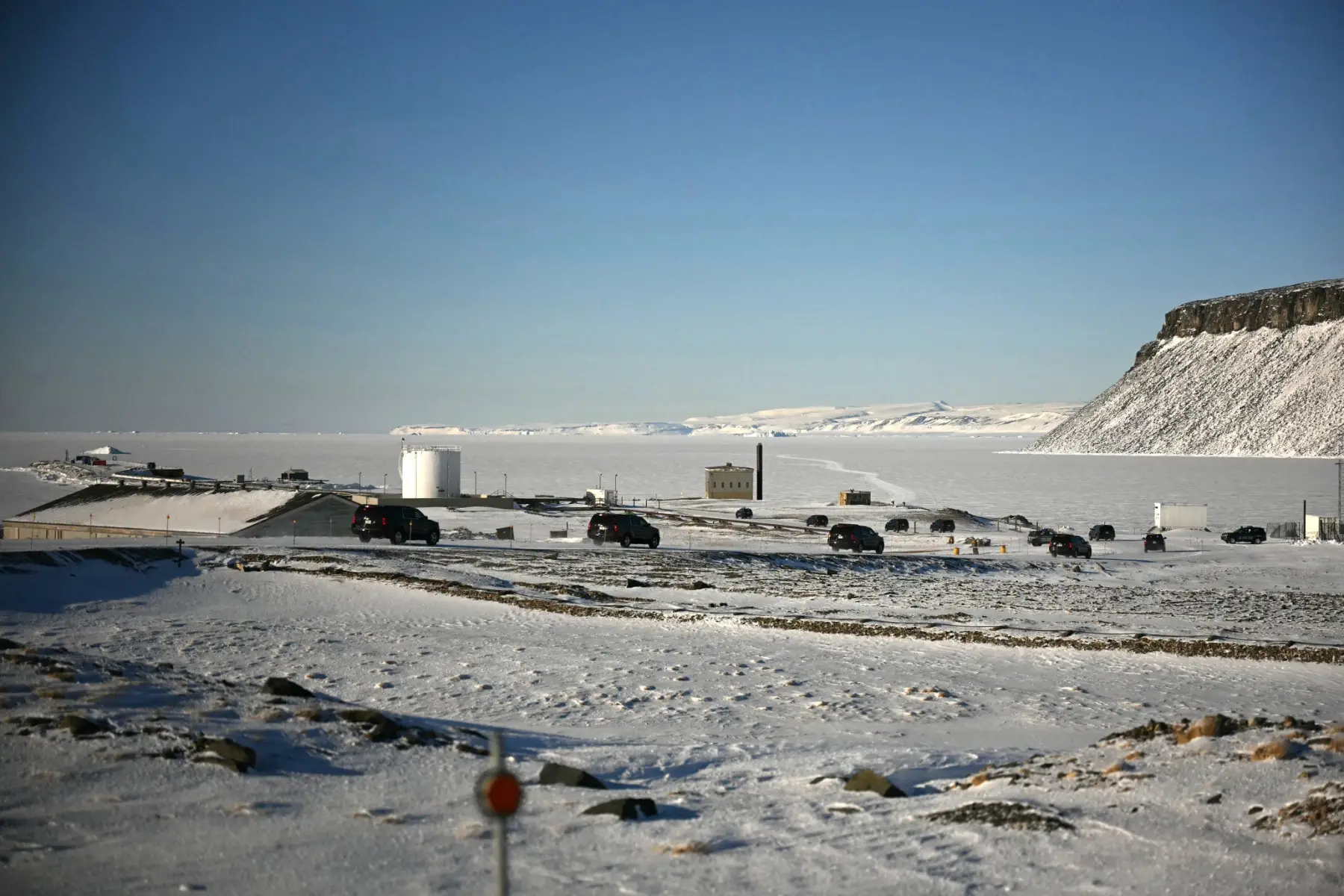
Covering more than 2.16 million square kilometres (over 8,36,000 sq miles), Greenland is the largest island in the world. The island is nearly two-thirds the size of India. Around 80 per cent of its landmass is covered by the Greenland Ice Sheet, which plays a crucial role in global climate systems. The ice-free zones, largely coastal, support settlements and wildlife, while temperatures range from extreme cold in winter to modest warmth on rare summer days.
3. Government structure and autonomy
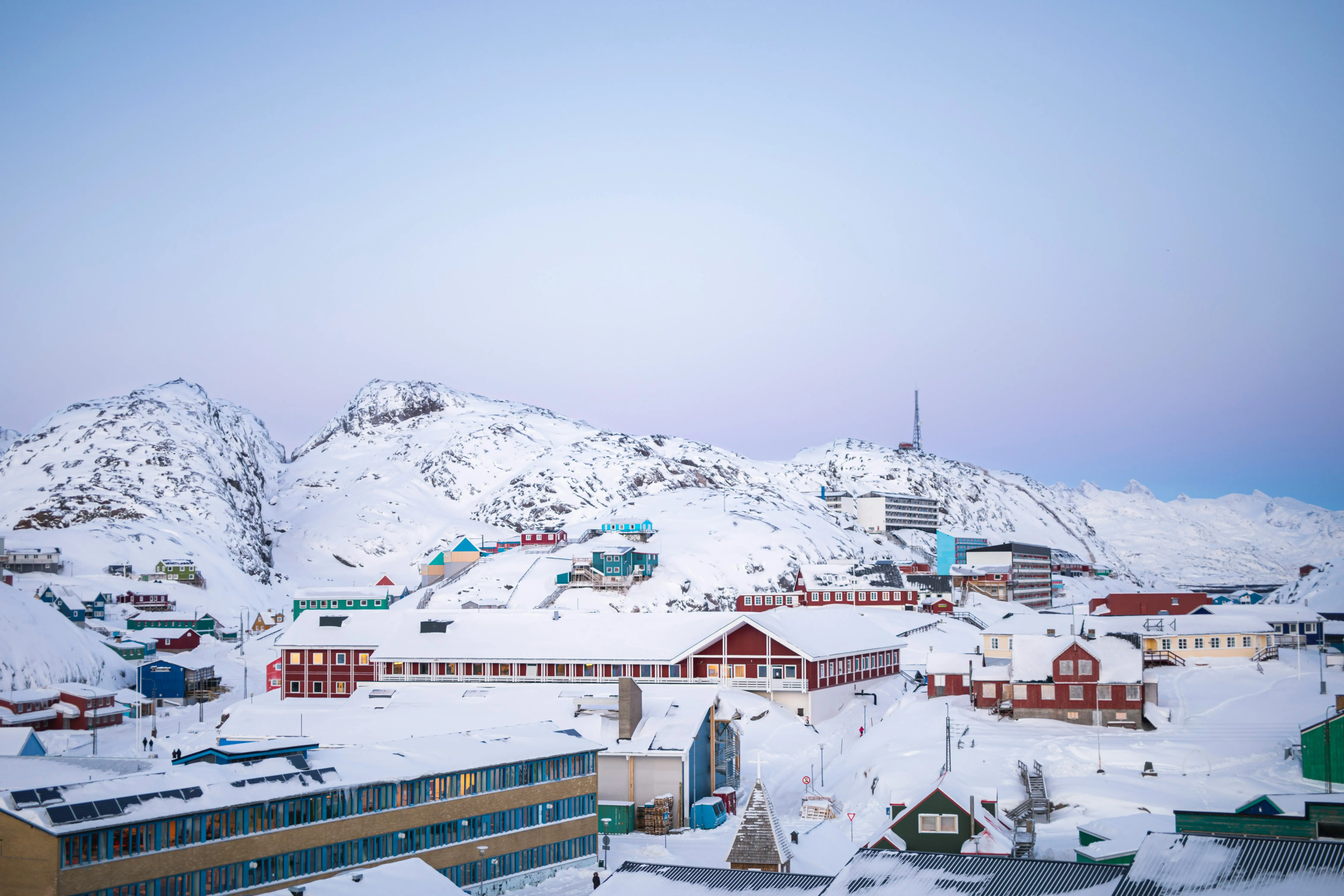
Greenland is a self-governing territory within the Kingdom of Denmark. Its parliament or Inatsisartut, handles most of the domestic matters, while Denmark retains authority over foreign policy, defence and security, after the 2009 Self-Government Act. Greenland was once briefly an EU member through Denmark but left in 1985; it maintains a special relationship with the EU, particularly for fisheries.
4. Economy and livelihood
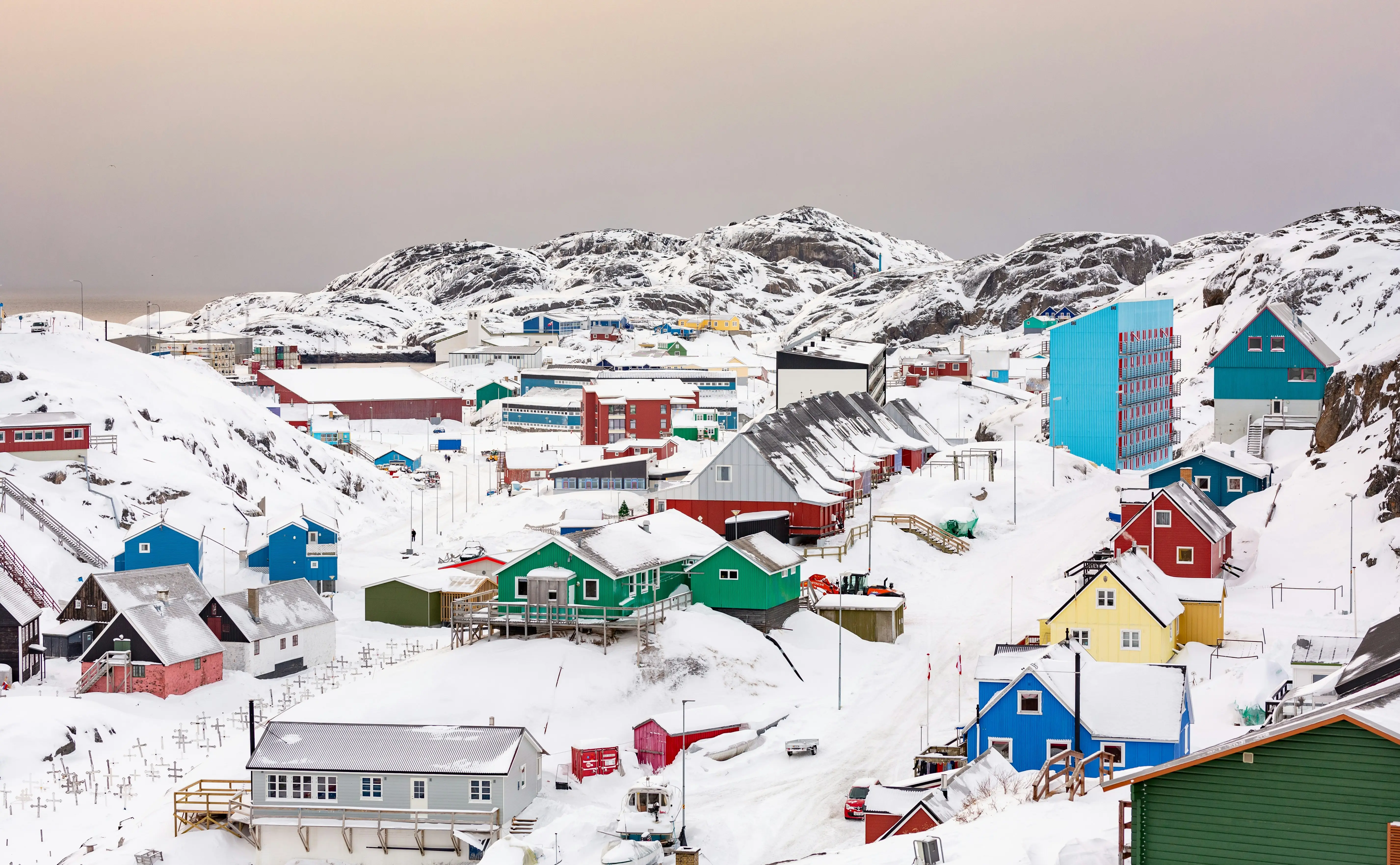
Greenland’s economy has long been based on fishing. Sealing, whaling and hunting, once major contributors, have declined drastically and were replaced by the fishing, canning and freezing of cod, shrimp and other marine life. Tourism has grown significantly, driven by visitors drawn to icebergs, wildlife and the Arctic landscape. Efforts are underway to develop mineral and resource industries, including gold, natural gas and rare earth elements. Greenland shares its currency, the Danish Krone (DKK) with the Faroe Islands and Denmark.
5. Natural resources
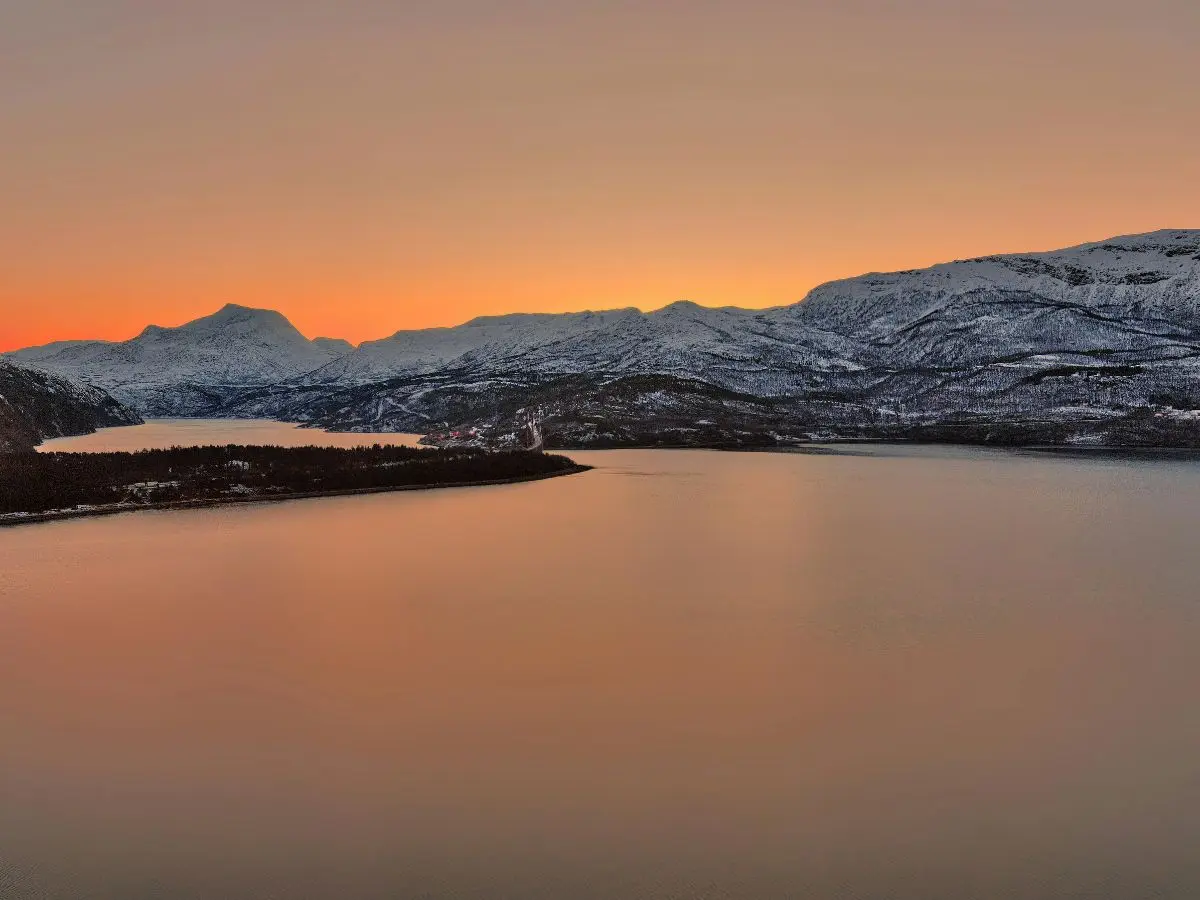
Greenland is rich in mineral resources. A 2023 survey showed that 25 of 34 minerals deemed "critical raw materials" by the European Commission were found in Greenland. The extraction of oil and natural gas is banned in Greenland for several environmental reasons, and development of its mining sector has also been snarled in red tape and opposition from indigenous people, according to the Reuters. Rare earth minerals like Graphite, copper, nickel, zinc, gold, diamonds, iron ore, titanium-vanadium, tungsten and uranium are present here.
6. Strategic Arctic location
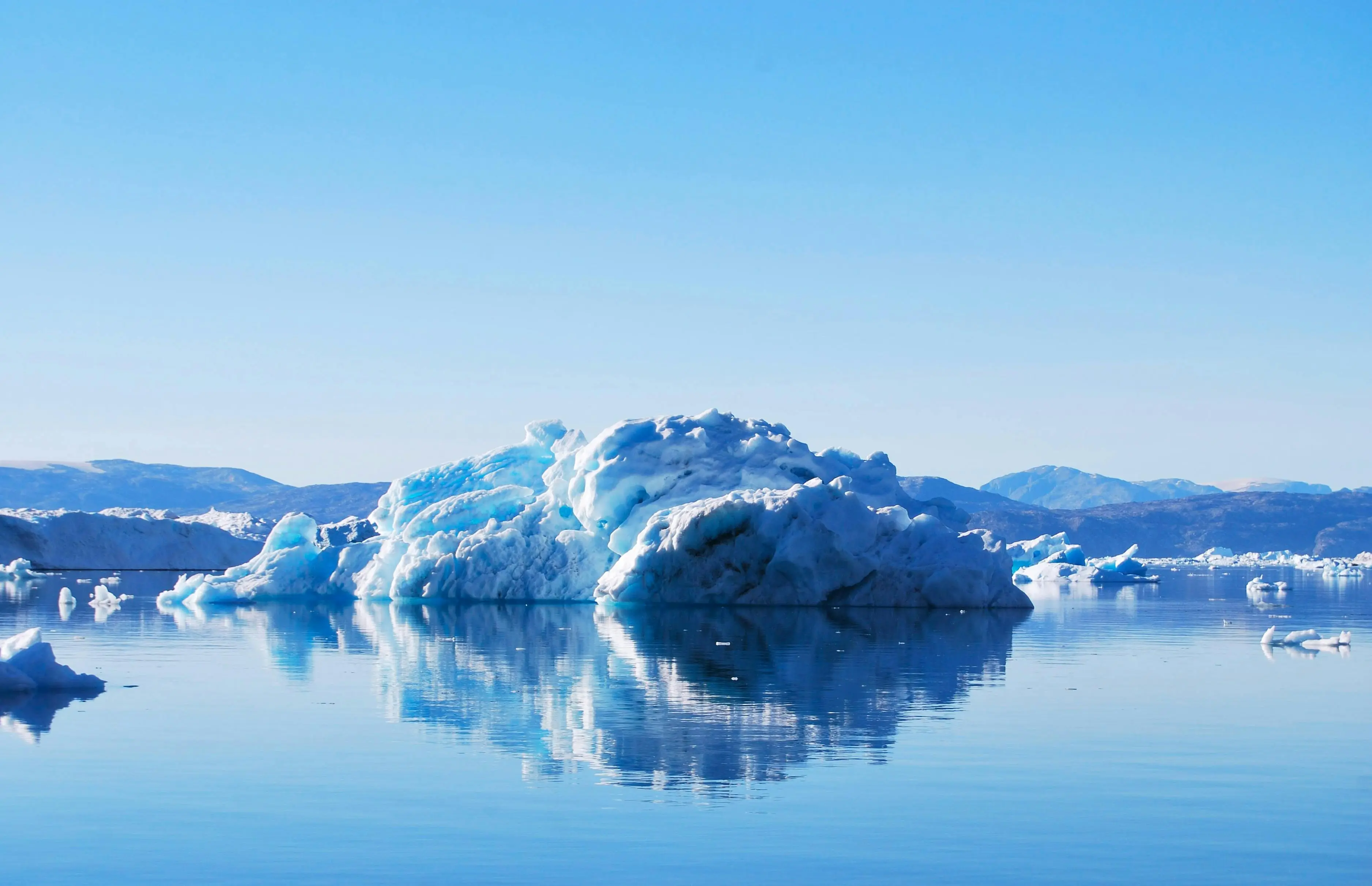
Greenland’s position between Europe and North America makes it geopolitically significant. The island holds strategic value for defence and climate research. Because of its location and resources, Greenland has attracted global attention from major powers, including recent interest from the United States.
7. NATO and international status
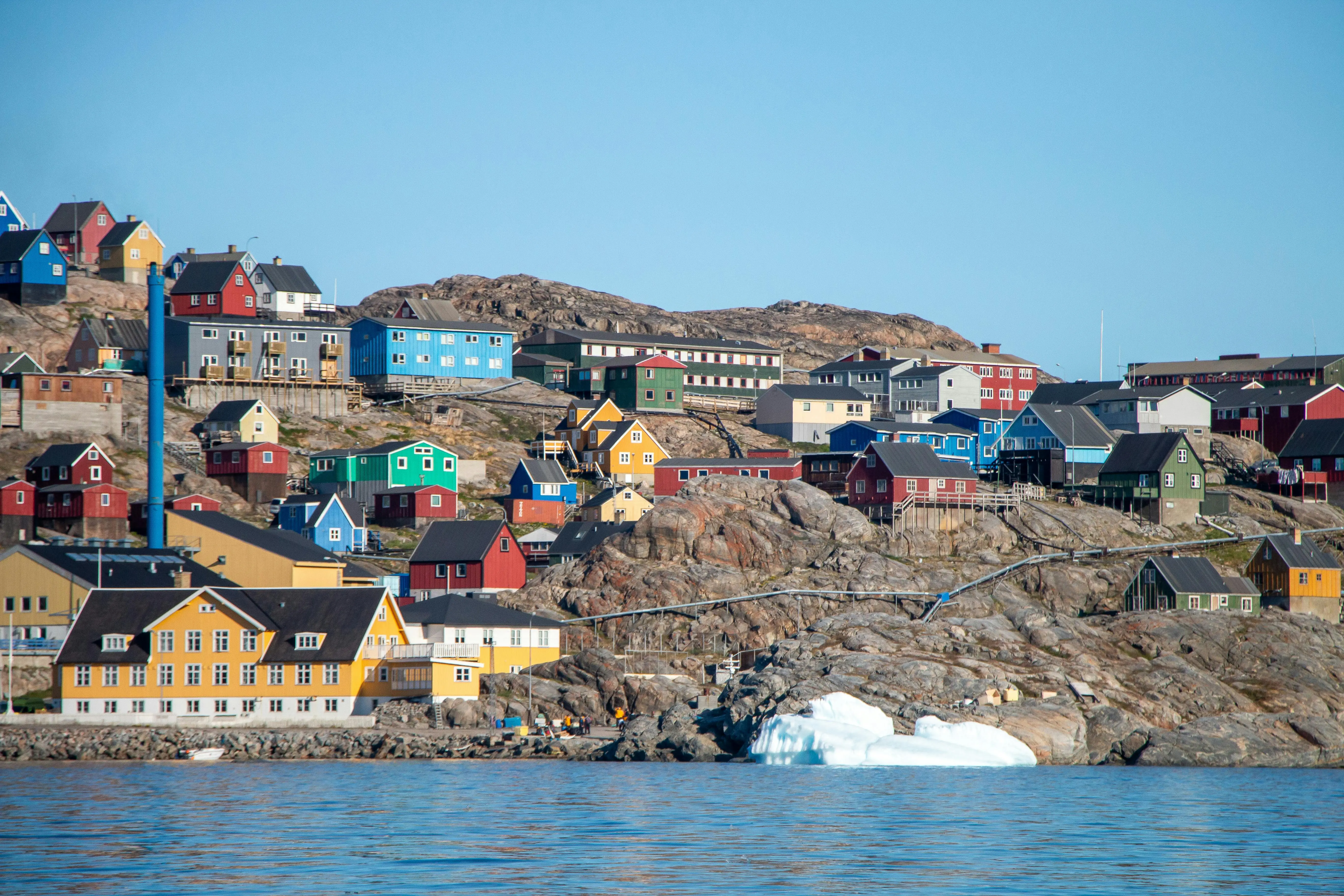
Greenland is part of the North Atlantic Treaty Organisation (NATO) through Denmark. Greenland maintains close relations to the Union, secured in a number of bilateral agreements. European leaders and Denmark have made clear that Greenland’s sovereignty rests with its people and Danish constitutional arrangements, rejecting coercive external claims.
8. Climate change impact
Greenland’s ice sheet is melting faster than in past decades, exposing land and potential mineral wealth, but also contributing to rising sea levels. These environmental changes are altering local ecosystems and drawing scientific and economic interest. Although Greenland enjoys self-government in many areas, any change to full independence would require a local referendum and extensive planning, particularly regarding economic self-sufficiency and defence arrangements.
)
)
)
)
)