‘World’s deadliest conventional weapon’: How Russia’s ‘Father of All Bombs’ can devastate cities without nuclear warhead

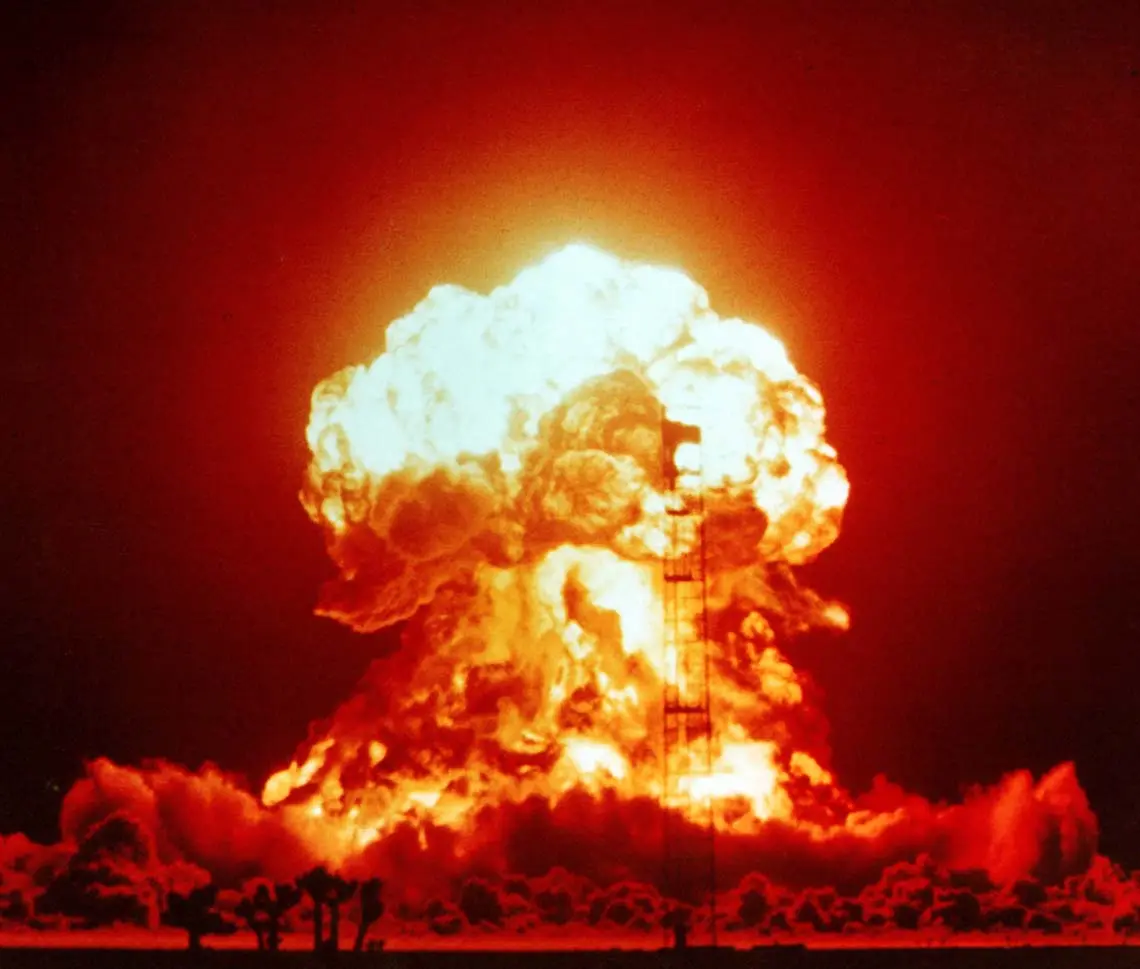
The detonation of this bomb would instantly vaporise all living matter within its blast zone, making the FOAB an exceptionally devastating weapon.
Introduction: a bomb that redefined 'conventional'
In 2007, Russia revealed a weapon so powerful it blurred the line between conventional and nuclear arms. The Aviation Thermobaric Bomb of Increased Power (ATBIP), better known as the ‘Father of All Bombs’ or FOAB, is a massive thermobaric device designed to deliver destruction on an unprecedented scale. Claimed to produce a blast equivalent to 44 tonnes of TNT, it remains the most powerful non-nuclear explosive ever created, four times more potent than America’s ‘Mother of All Bombs’ (MOAB). It is also called AVBPM.
Origins and designation
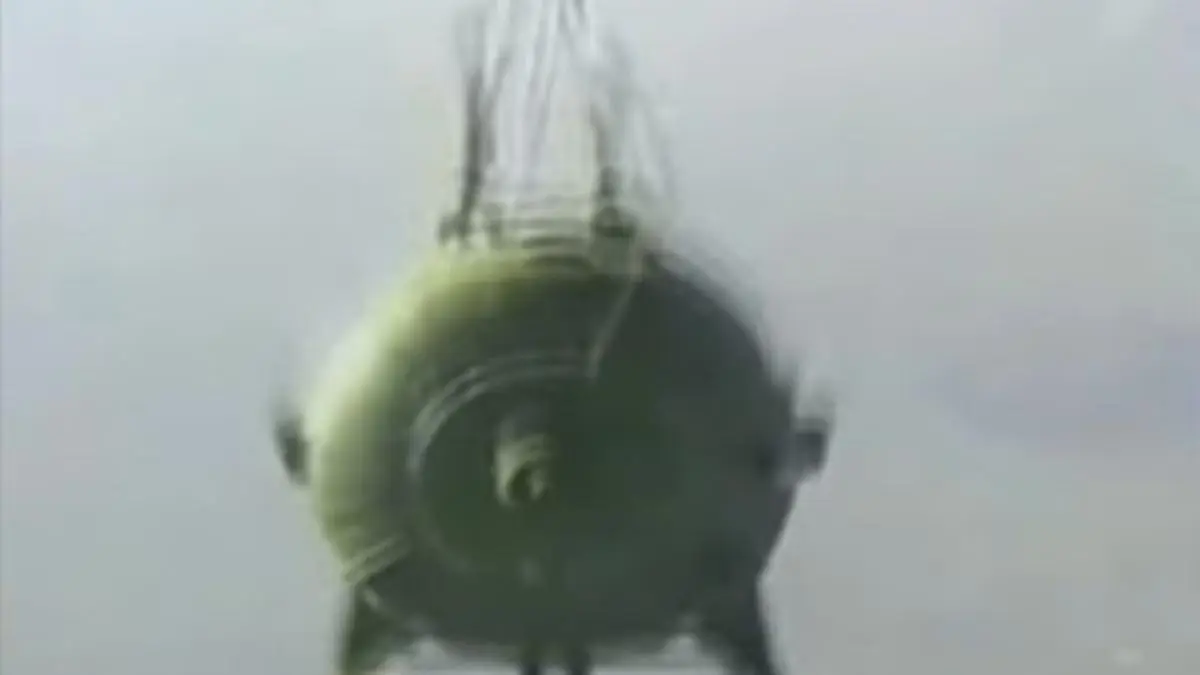
The FOAB was developed as part of Russia’s efforts to demonstrate technological parity, and psychological dominance, over US strategic capabilities. It was successfully field-tested in the late evening of 11 September 2007. The United States had tested its 9,800-kilogram MOAB in 2003, nicknamed the ‘Mother of All Bombs’. Four years later, Russia urevealed its own version, described officially as the Aviation Thermobaric Bomb of Increased Power. The name ‘Father of All Bombs’ was deliberately chosen to surpass the American device both in symbolism and explosive yield.
Mechanics of destruction
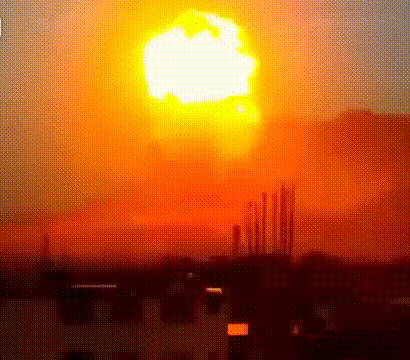
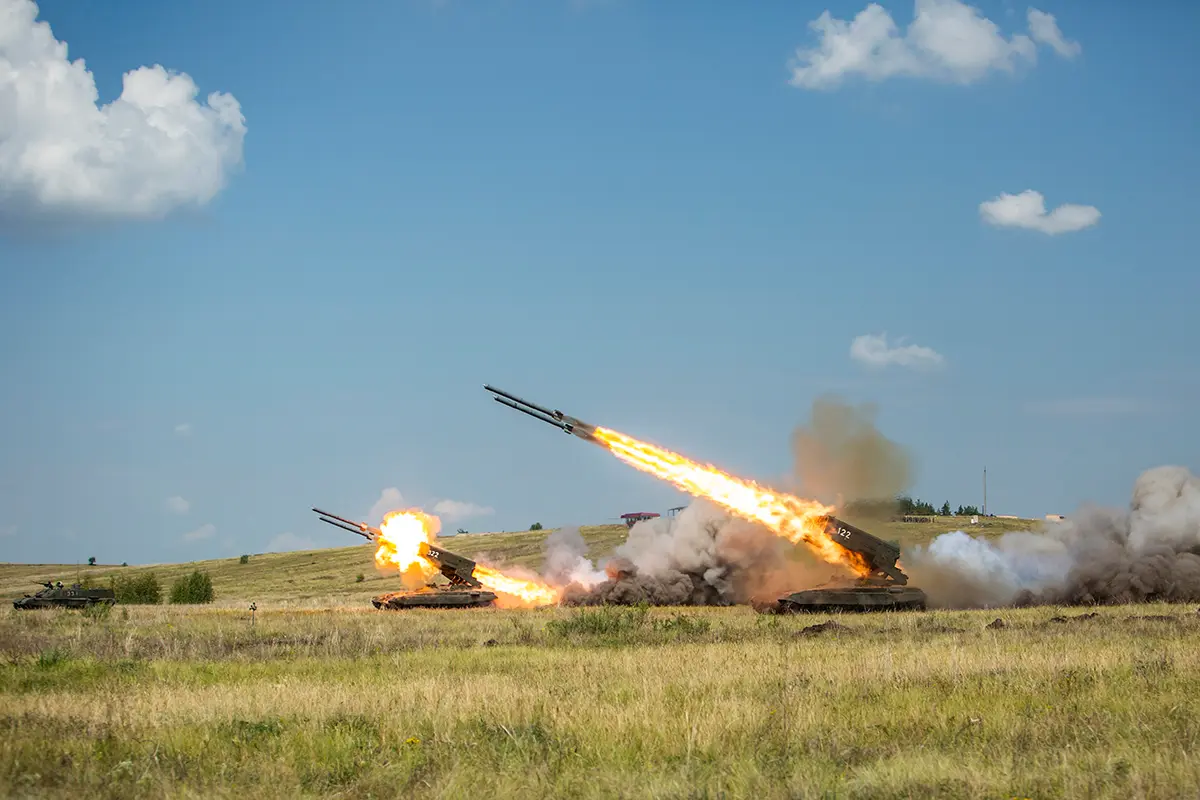
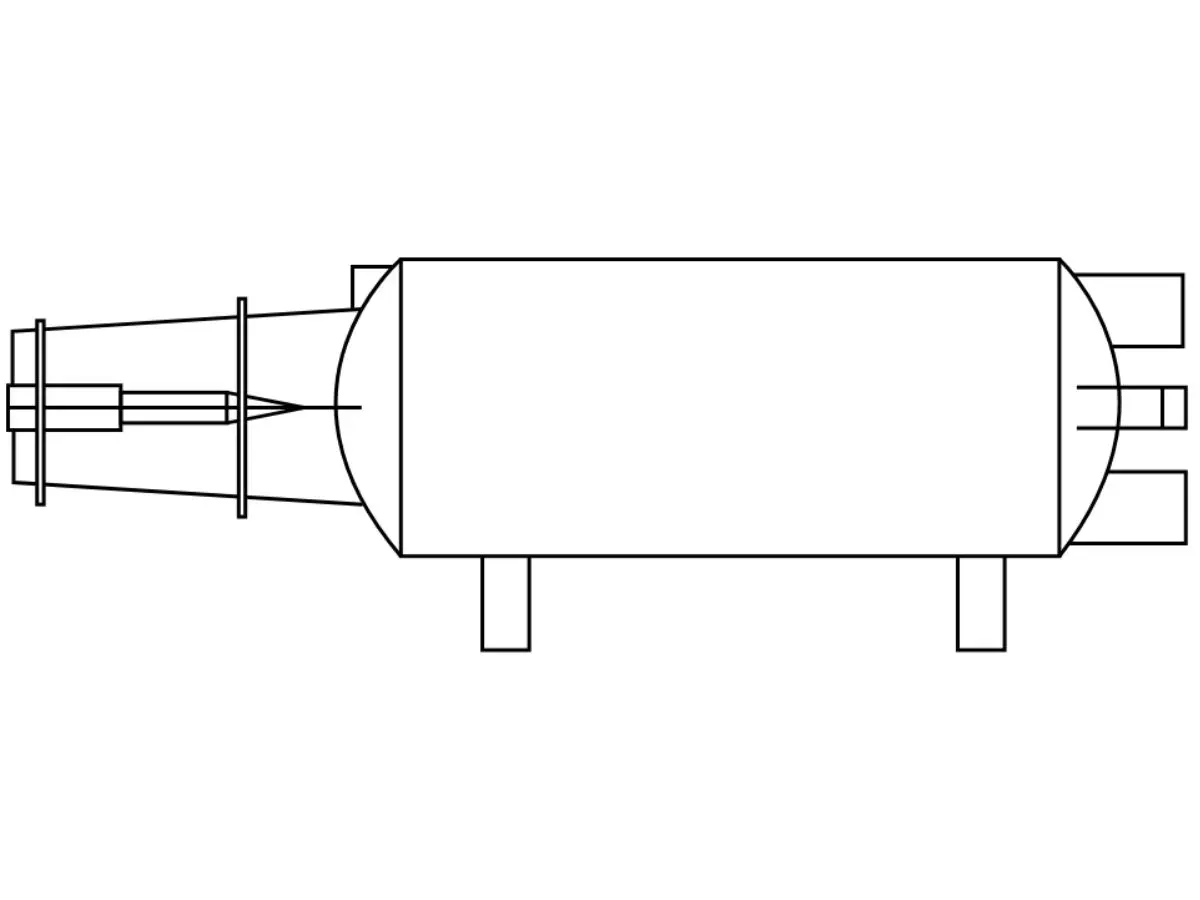
The FOAB operates on thermobaric, or fuel-air, principles. It disperses a fine cloud of high-energy fuel into the atmosphere, which then ignites, consuming ambient oxygen to sustain the explosion. The result is a vast, high-temperature fireball and a prolonged pressure wave that destroys everything within its radius. Unlike conventional explosives, which rely on chemical compounds within the bomb itself, thermobaric weapons weaponise the air around them, literally turning the atmosphere into part of the blast.
Yield, radius and comparison
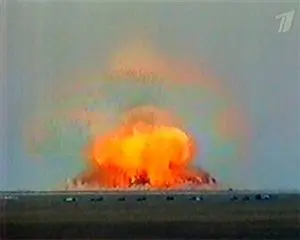
According to the Russian Defence Ministry, the FOAB generates a blast equivalent to 44 tonnes of TNT, while the US MOAB produces about 11 tonnes. The explosion reportedly creates a fireball radius of around 300 metres, with secondary damage extending far beyond. Although it remains weaker than even a small tactical nuclear warhead, in conventional terms it stands unrivalled. Its destructive reach, coupled with the thermal and pressure effects, makes it uniquely lethal against surface and underground targets alike.
Strategic purpose and deployment
The FOAB was designed to annihilate fortified defences, bunkers and troop concentrations, or to obliterate key infrastructure without crossing the nuclear threshold. Delivered by a strategic bomber, it would be dropped from high altitude and detonated mid-air to maximise overpressure and thermal effects. However, its immense size and weight limit deployment options, meaning it serves more as a deterrent and demonstration of power than a routine battlefield weapon. The detonation of this bomb would instantly vaporise all living matter within its blast zone, making the FOAB an exceptionally devastating weapon.
Doubts and controversies
Western analysts have questioned the credibility of some of Russia’s claims. The only known FOAB test video released in 2007 lacked clear visual verification, and no independent sources have confirmed its yield. Some defence experts suggest the device might be a scaled-up thermobaric bomb rather than an entirely new design. Despite this, the weapon’s potential remains enough to command attention and caution.
Implications for warfare
The development of the FOAB underlines a strategic evolution in modern arsenals: the pursuit of overwhelming conventional weapons that rival low-yield nuclear devices. Such munitions expand a country’s strike options, allowing devastating attacks without triggering nuclear escalation. They also serve political and psychological functions, reinforcing deterrence and national prestige.
)
)
)
)
)