'Wi-fi is dead': Why Iran-bound USS Abraham Lincoln is now cut-off from the entire world?

Finally, the silence itself is a weapon. When a US Carrier Strike Group goes "comm dark," it is a universally recognised signal of intent. It tells the Iranian leadership that the time for diplomacy and posturing is over, and the time for kinetic action has begun.
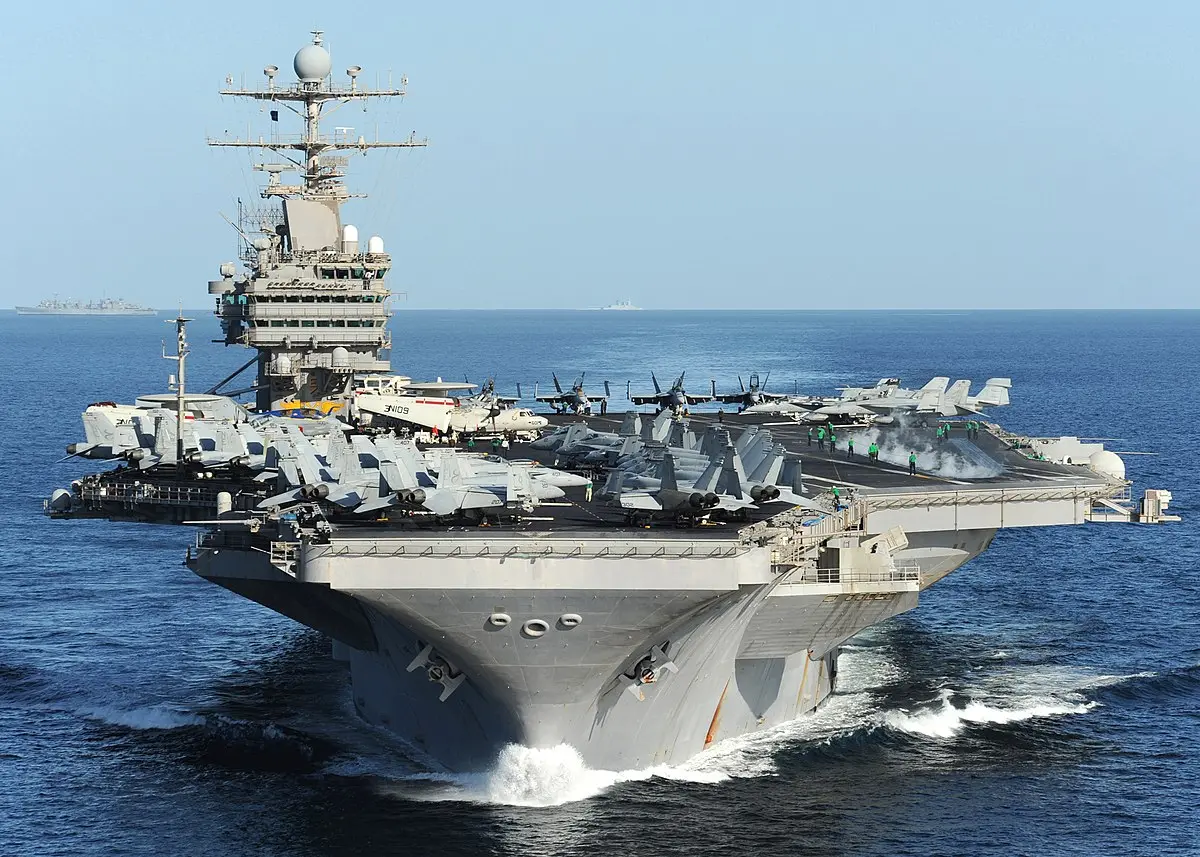
1. The "River City 1" Lockdown
The primary reason for the blackout is a condition known as "River City." It is the Navy’s highest level of digital containment. When the "1" setting is activated, all non-mission-essential communication channels are physically severed. This isn't a malfunction; it is a tactical switch flipped by the Admiral. It ensures that no accidental digital emission, an auto-updating app, a rogue text message, or an unauthorised email, can betray the ship’s location or operational intent to Iranian intelligence.
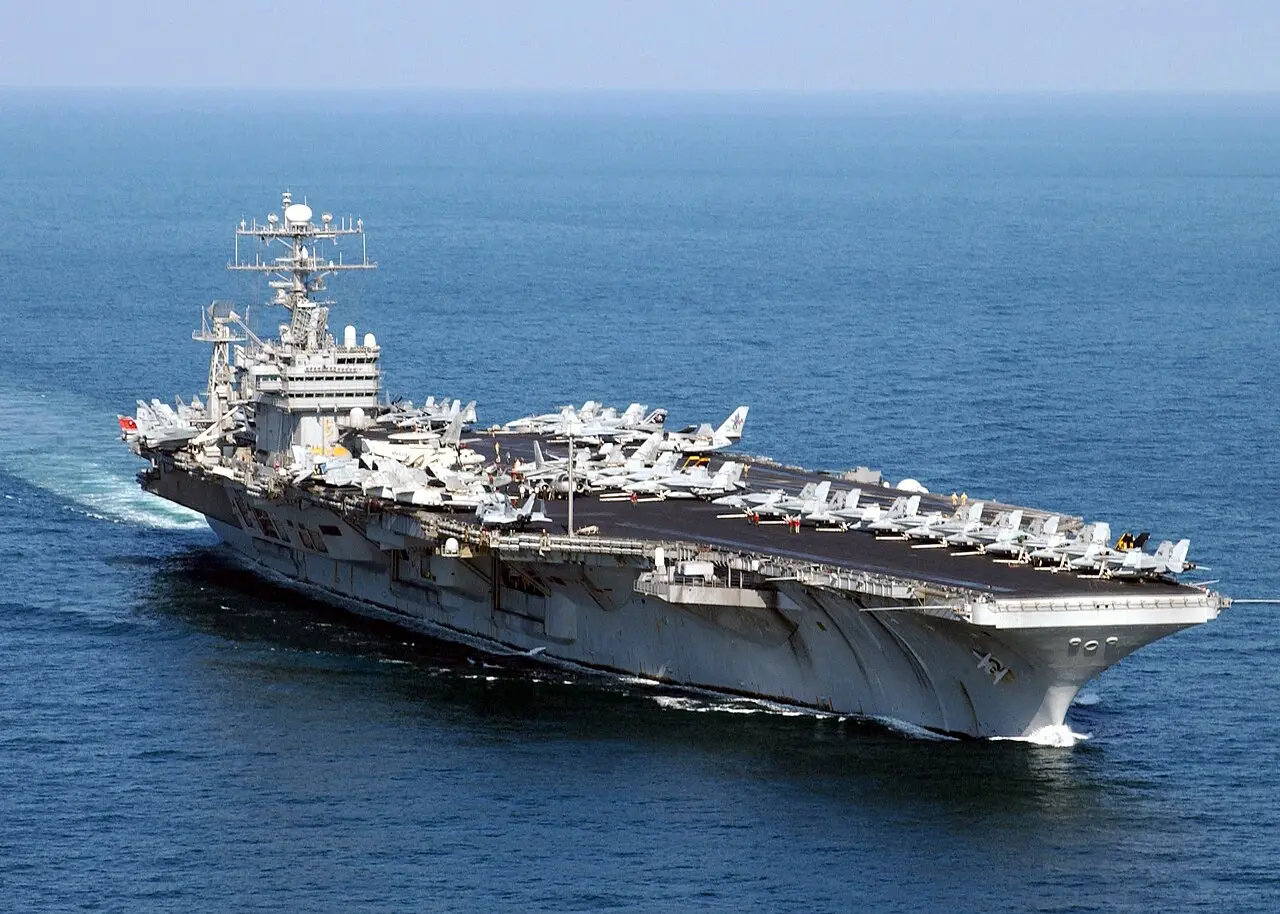
2. The "Fitbit" Threat: Hiding the Digital Footprint
In 2026, a carrier is tracked not just by radar, but by the "digital exhaust" of its crew.
The Danger: 6,000 smartwatches, Fitbits, and smartphones create a massive electronic blob that can be seen from space. Intelligence analysts can track a ship simply by seeing a cluster of GPS signals moving at 30 knots in the middle of the ocean.
The Fix: By killing the Wi-Fi and ordering devices into "Airplane Mode" (or confiscating them), the Lincoln effectively "turns off the lights," making the massive ship disappear from the commercial data marketplace that Iran uses for targeting.
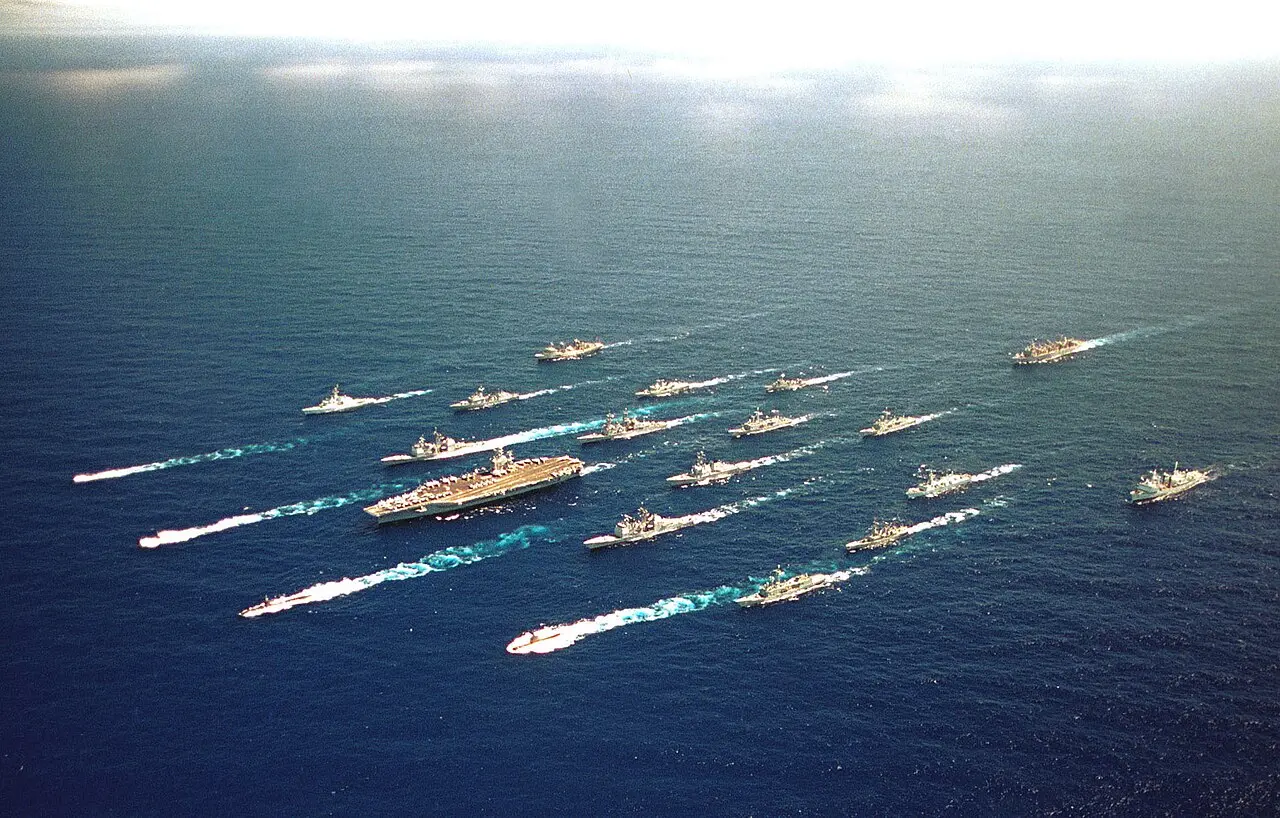
3. "Loose Lips Sink Ships" (The Modern Version)
The blackout is the ultimate guard against leaks. In the age of instant social media, a single sailor posting "Getting ready for a busy night!" on Instagram could alert the IRGC that a strike is imminent hours before the first jet launches. "River City" eliminates this variable. By cutting off the internet, the command ensures that the only information leaving the ship is what they want the enemy to know, maintaining the element of surprise for “Day One.”

4. Bandwidth for "Beast Mode"
Warfare in 2026 is data-heavy. The F-35C Lightning II and EA-18G Growler require massive amounts of satellite bandwidth to share targeting data, download mission maps, and coordinate with the Pentagon.
The Priority: The ship’s satellite pipes are finite. By cutting off Netflix, FaceTime, and YouTube for the crew, the ship repurposes 100% of its bandwidth for the "Kill Chain." Every bit of data is now reserved for finding and fixing targets in Tehran, ensuring the combat systems run without lag.
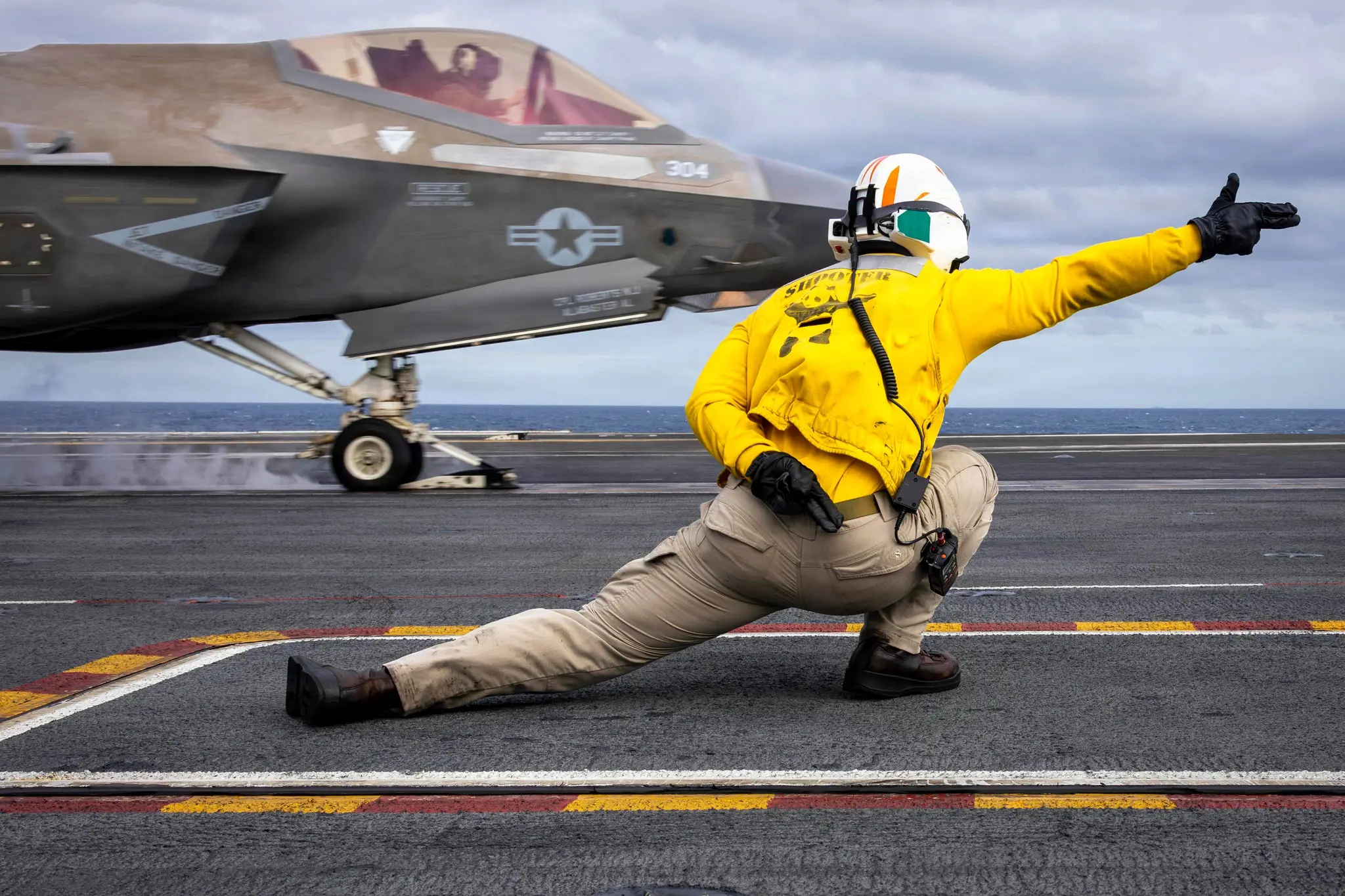
5. The Psychological "War Bubble"
The blackout serves a grim psychological purpose: it forces the crew to focus.
The Effect: When the Wi-Fi dies, the distraction of the outside world vanishes. There are no bills to pay, no family drama to manage, and no terrifying news headlines to read. The crew enters a "War Bubble," where their entire reality becomes the ship, their shipmates, and the mission. This heightened state of alertness is critical for the dangerous "12-on, 12-off" shifts required to sustain a "1,000-Aimpoint Day."
6. Preventing "Catfish" Espionage
Iranian cyber-intelligence is notorious for targeting sailors online. Agents often pose as attractive women or journalists on social media to trick lonely sailors into revealing the ship's schedule or morale. By severing the connection, the Navy instantly neutralizes this vector of espionage. There can be no "honey trap" if the target cannot get online to take the bait.

7. The "Silent" Signal to Tehran
Finally, the silence itself is a weapon. When a US Carrier Strike Group goes "comm dark," it is a universally recognized signal of intent. It tells the Iranian leadership that the time for diplomacy and posturing is over, and the time for kinetic action has begun. The sudden drop in electronic noise from the North Arabian Sea is often more terrifying to a rival military commander than a public threat, as it indicates the "Armada" has moved into its final attack posture.
)
)
)
)
)