Why is petrol costlier than CNG?

Petrol is costlier than CNG due to heavy central excise duties, high state VAT, and expensive crude oil refining processes. The government actively keeps CNG cheaper through tax concessions and domestic gas allocation to promote eco-friendly fuels.
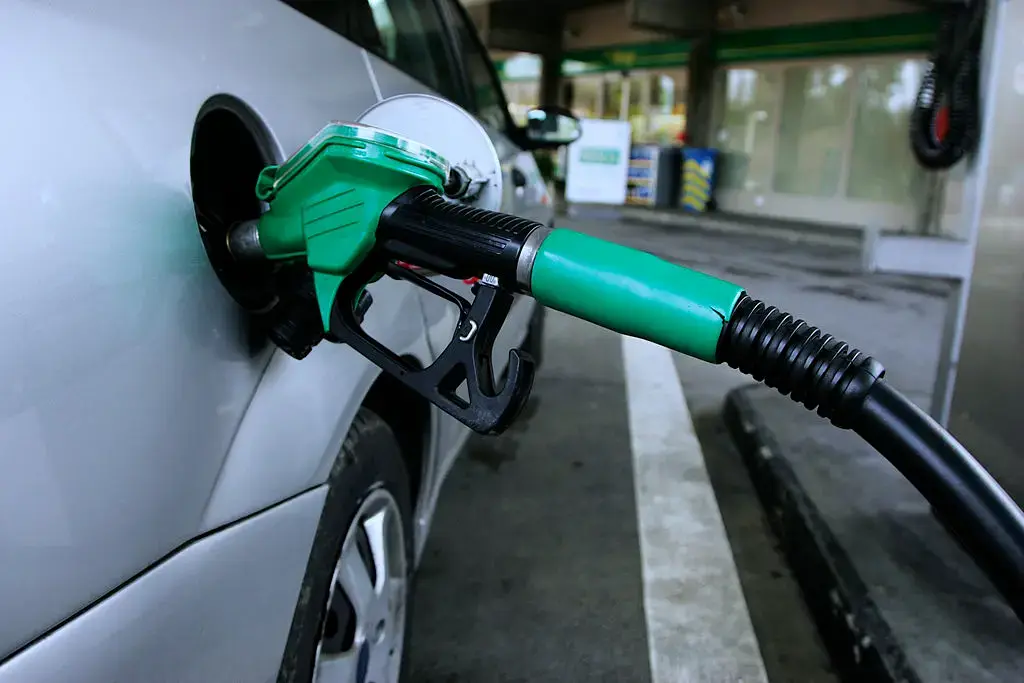
Tax
Central excise duty and state Value Added Tax (VAT) constitute nearly half of the retail price of petrol in India. Conversely, the government applies highly concessional excise duties and lower VAT rates to CNG to encourage its rapid public adoption.
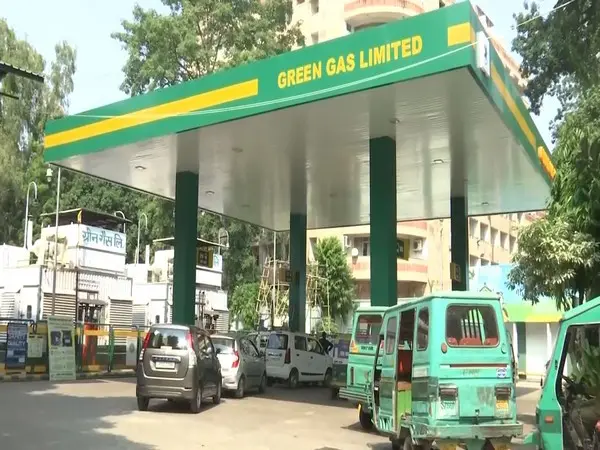
Refining vs Compressing
Manufacturing petrol involves extracting crude oil and running it through highly complex, expensive fractional distillation refineries. CNG simply requires purifying and compressing naturally occurring gas, making its overall production cycle significantly cheaper.
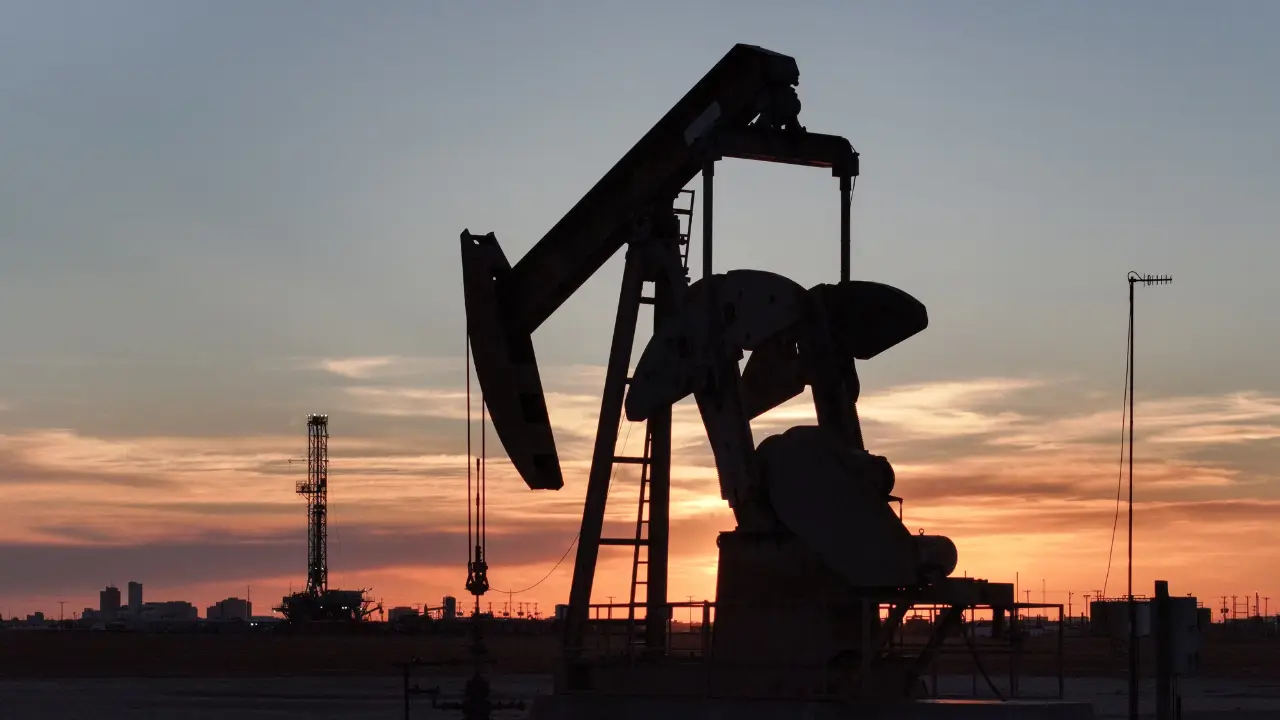
The Import Dependency Factor
India imports roughly 85 per cent of its crude oil, leaving petrol prices highly vulnerable to global market volatility and exchange rates. While India also imports natural gas, the government specifically shields CNG prices by allocating cheaper domestic gas to City Gas Distribution networks.
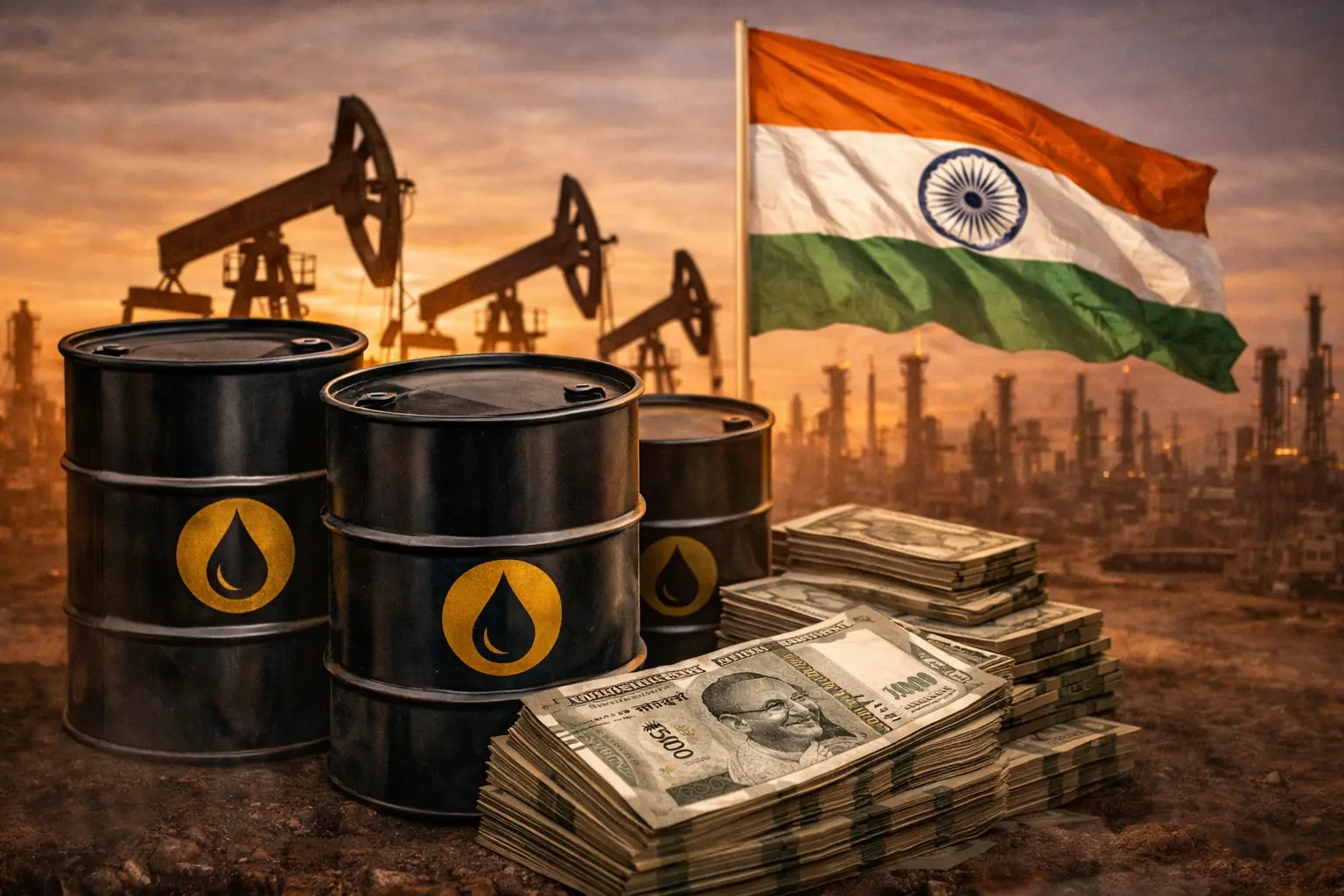
Government Green Incentives
To aggressively combat severe urban air pollution, authorities strategically position CNG as an eco-friendly alternative to traditional fossil fuels. This environmental policy ensures CNG is deliberately insulated from the aggressive revenue-generating taxes applied to petrol.
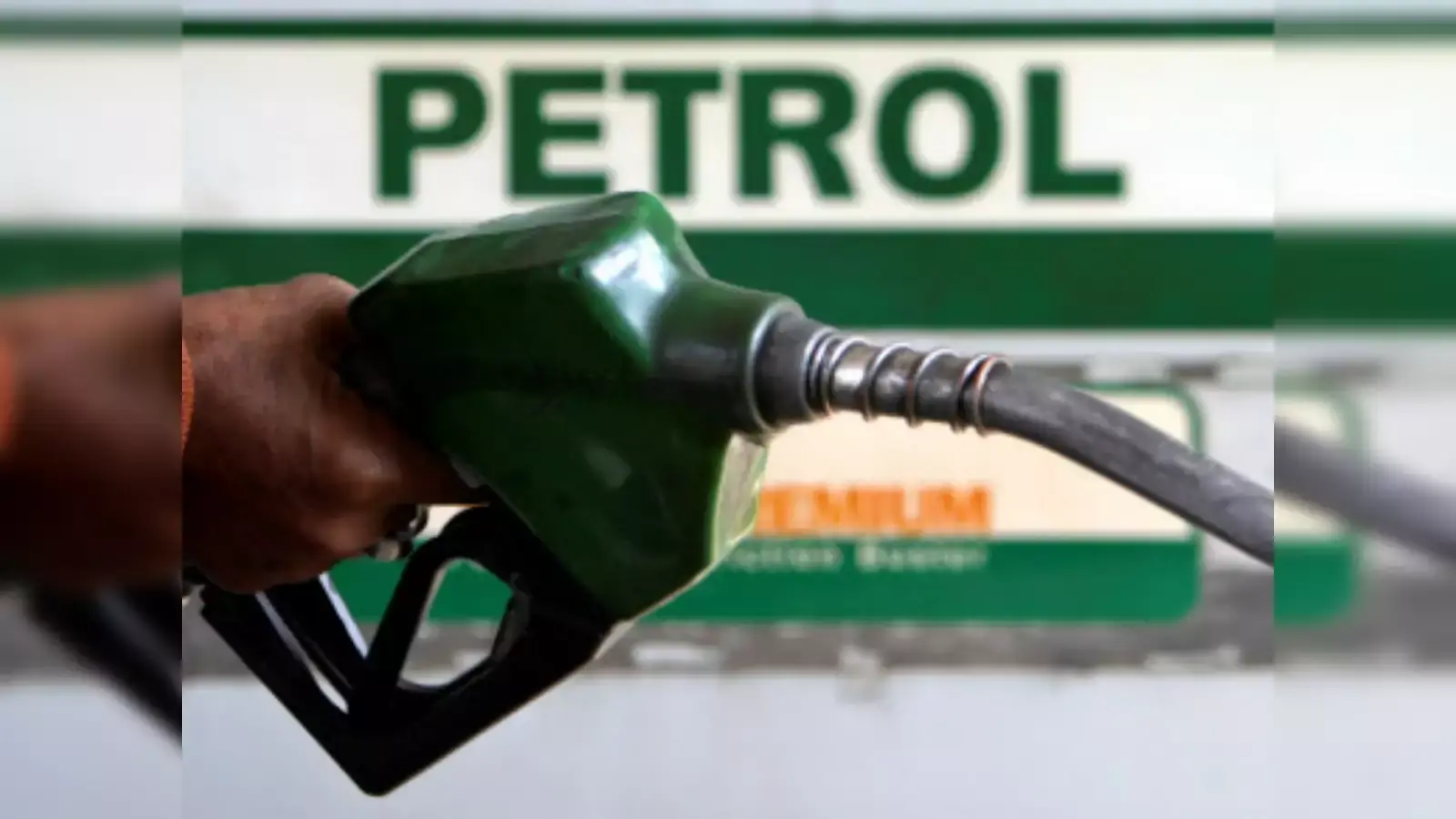
Litre vs Kilogram Pricing
Petrol is priced by volume per litre, whereas CNG is measured and sold by weight per kilogram. Because a kilogram of CNG is denser in energy, it inherently provides significantly higher mileage per unit compared to a litre of liquid petrol.
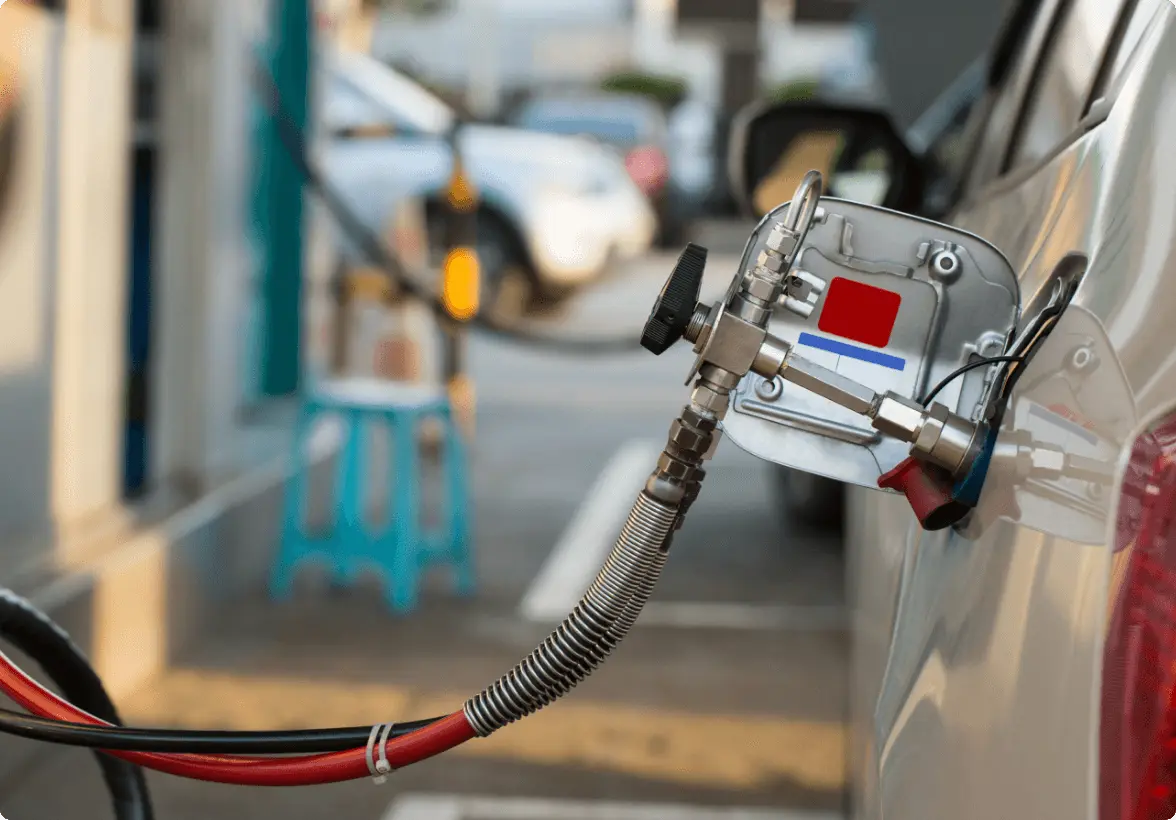
Freight and Logistics Costs
Distributing petrol requires an immense logistical network of specialised tanker trucks, which continuously add high freight and insurance charges to the final cost. CNG is increasingly transported through a highly efficient underground pipeline grid directly to city dispensing stations.
Dealer Commissions and Margins
Due to the volatile nature of liquid fuels and the massive infrastructure of petrol pumps, oil marketing companies allocate higher dealer commissions for petrol. CNG stations, largely operated by city gas entities, operate on a different margin structure that keeps end-consumer prices lower.
)
)
)
)
)