'White Hoods': Why USS Abraham Lincoln sailors wear fireproof masks in combat

US Navy sailors wear fireproof white hoods made of Nomex during combat. This anti-flash gear withstands 370°C heat, protecting crews from explosive flash burns and ensuring warship survival.
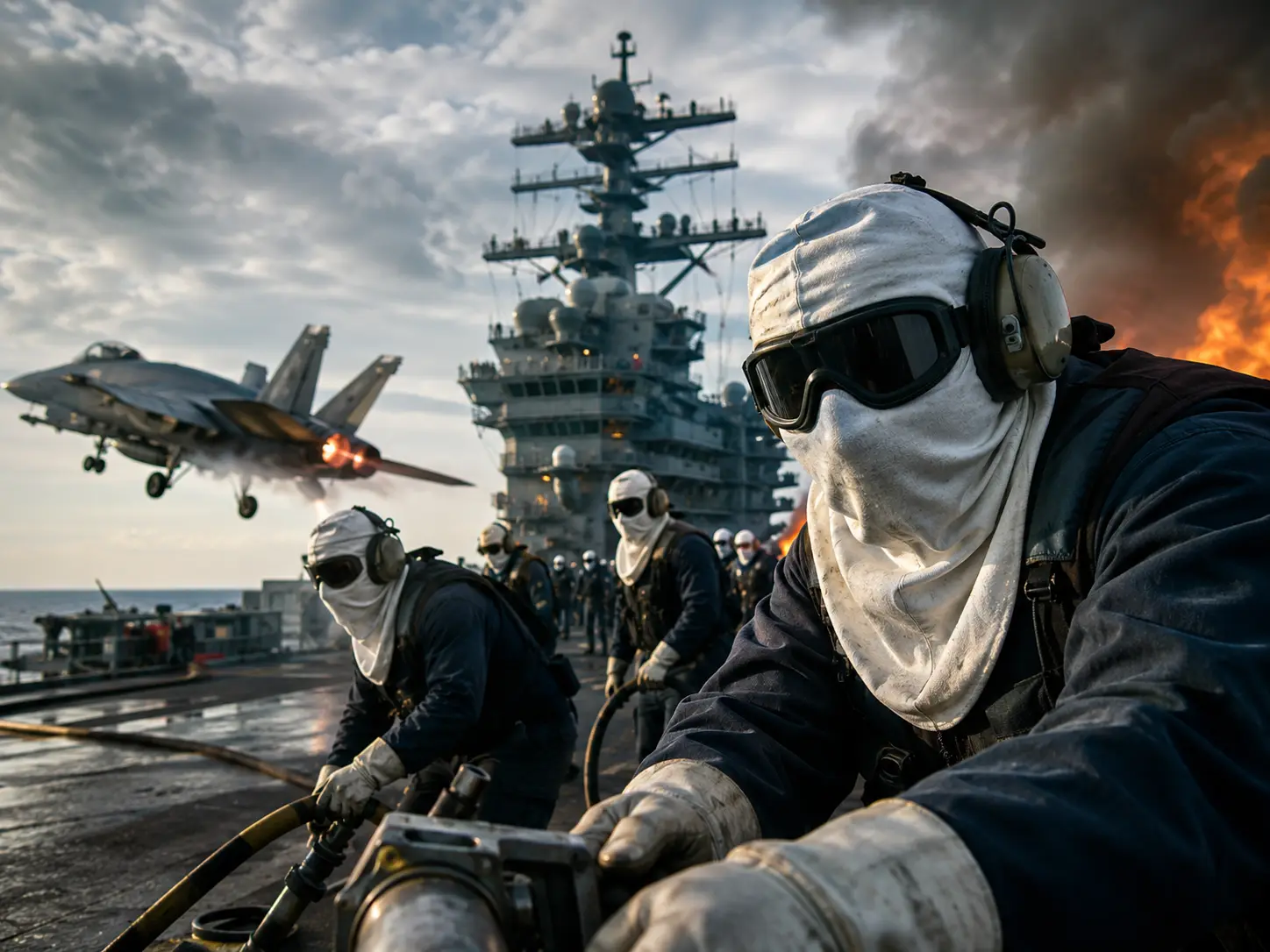
Protects Sailors
When the USS Abraham Lincoln enters a combat zone, its massive crew of over 5,680 personnel must don distinctive white hoods. This anti-flash gear is an absolute mandatory requirement during high-alert deployments. It provides the crucial first line of defence against sudden onboard explosions.
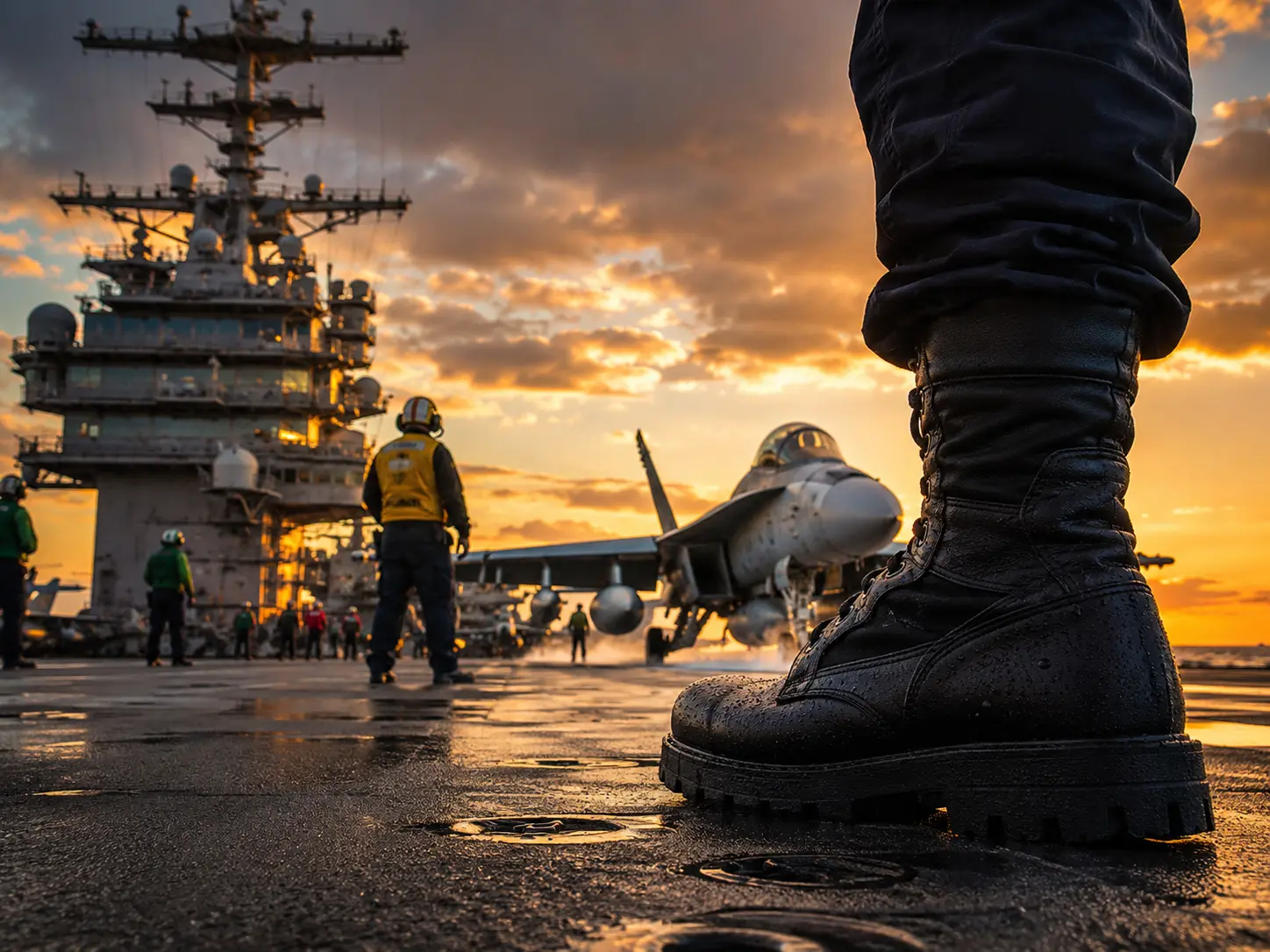
Advanced Nomex Blends
While historically made of 100 per cent Nomex, today's specialised white hoods often utilise advanced blends of Nomex, Kevlar, and other meta-aramid fibres to improve elasticity and breathability. Unlike standard fabrics, these aerospace-grade materials possess inherent flame-resistant properties that cannot be washed away. This ensures that the protective barrier remains completely intact during severe combat emergencies.
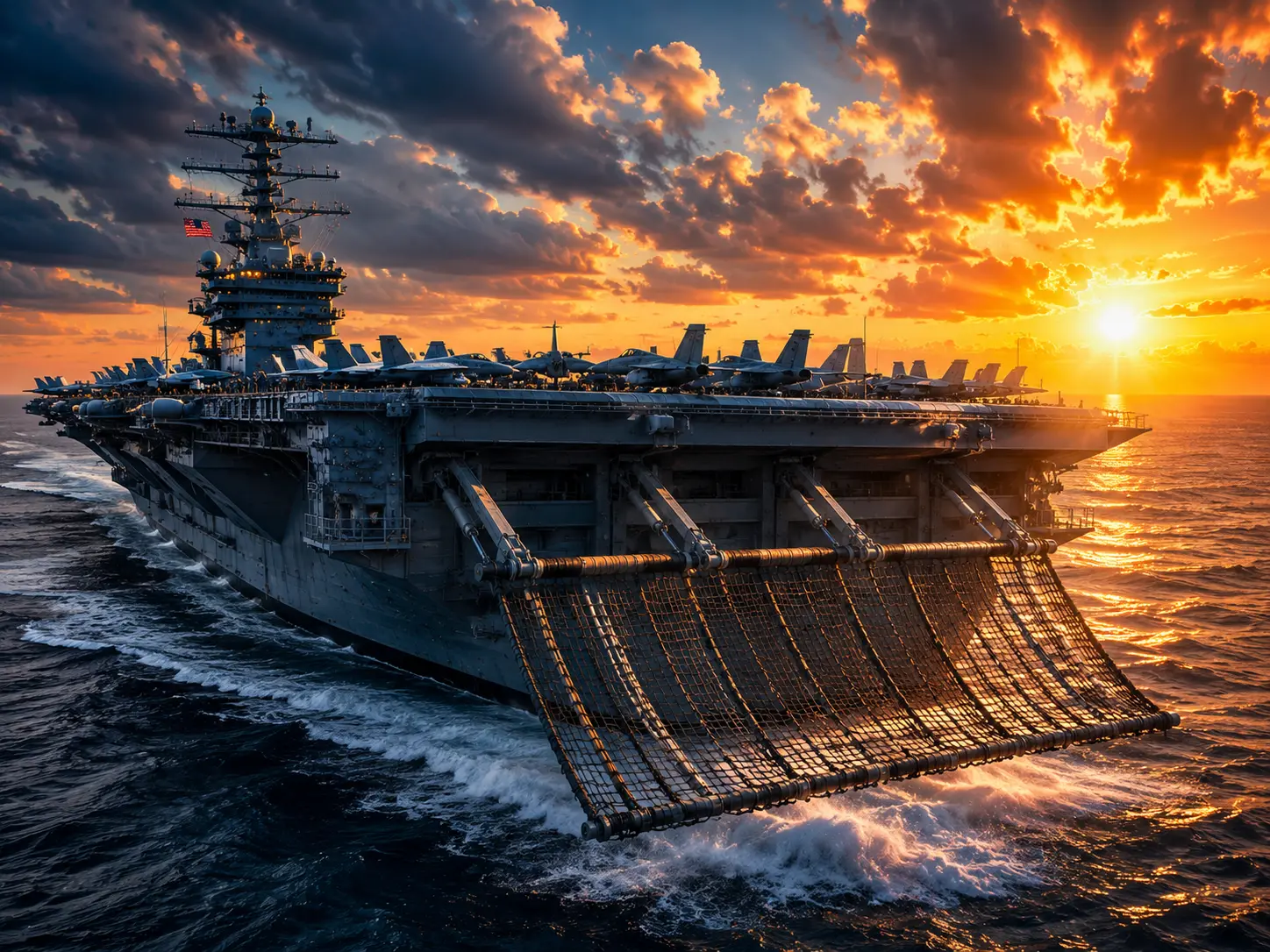
Withstands 370°C Radiant Heat
The primary scientific advantage of this gear is its extreme thermal threshold. The rigid polymer structure of the fabric can withstand direct radiant heat temperatures of up to 370°C. This capability prevents catastrophic thermal injuries when missiles or shells trigger short-duration fireballs.
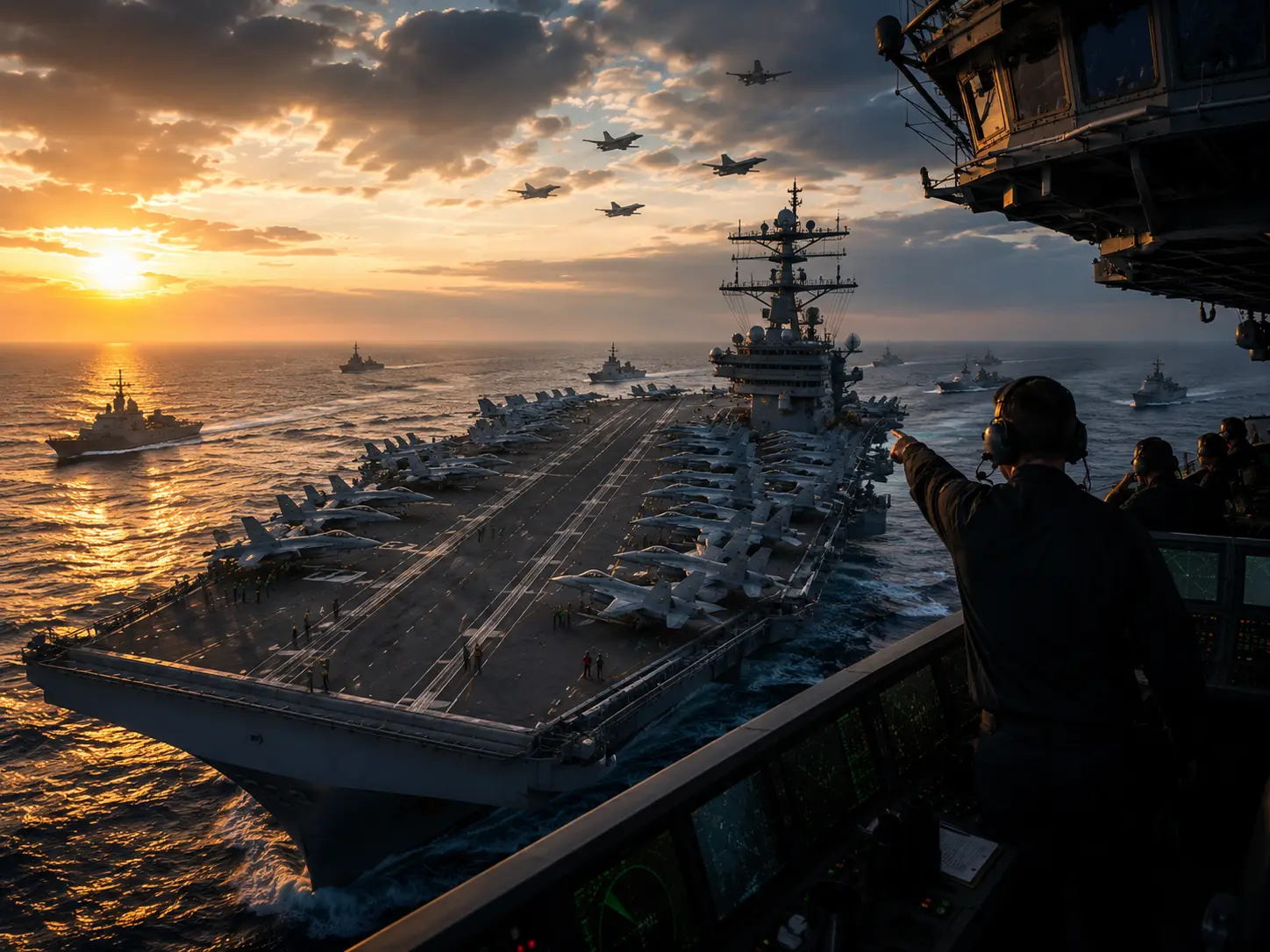
2 Critical Protective Pieces
A complete anti-flash suit consists of two separate but equally important components. Sailors wear the full-head white hood alongside thick, fire-resistant gauntlet gloves. This combination shields the highly exposed skin of the face, neck, and hands from severe flash burns.
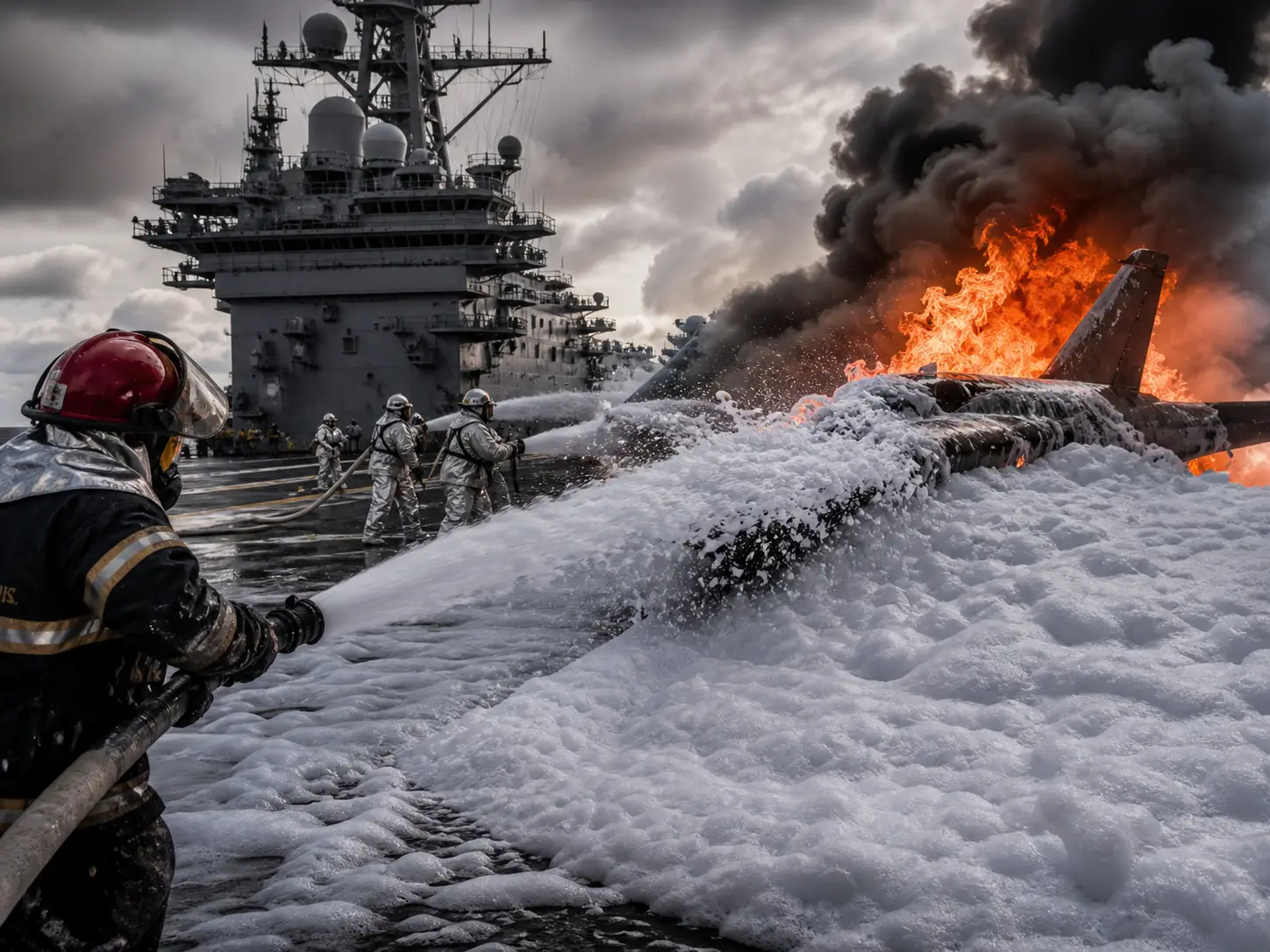
Over 100 Years Old
The concept of anti-flash gear first emerged over a century ago during the First World War. The British Royal Navy introduced basic borax-treated cotton hoods after suffering heavy casualties from propellant explosions. Today, modern navies utilise the exact same survival concept but with vastly superior aerospace-grade materials.
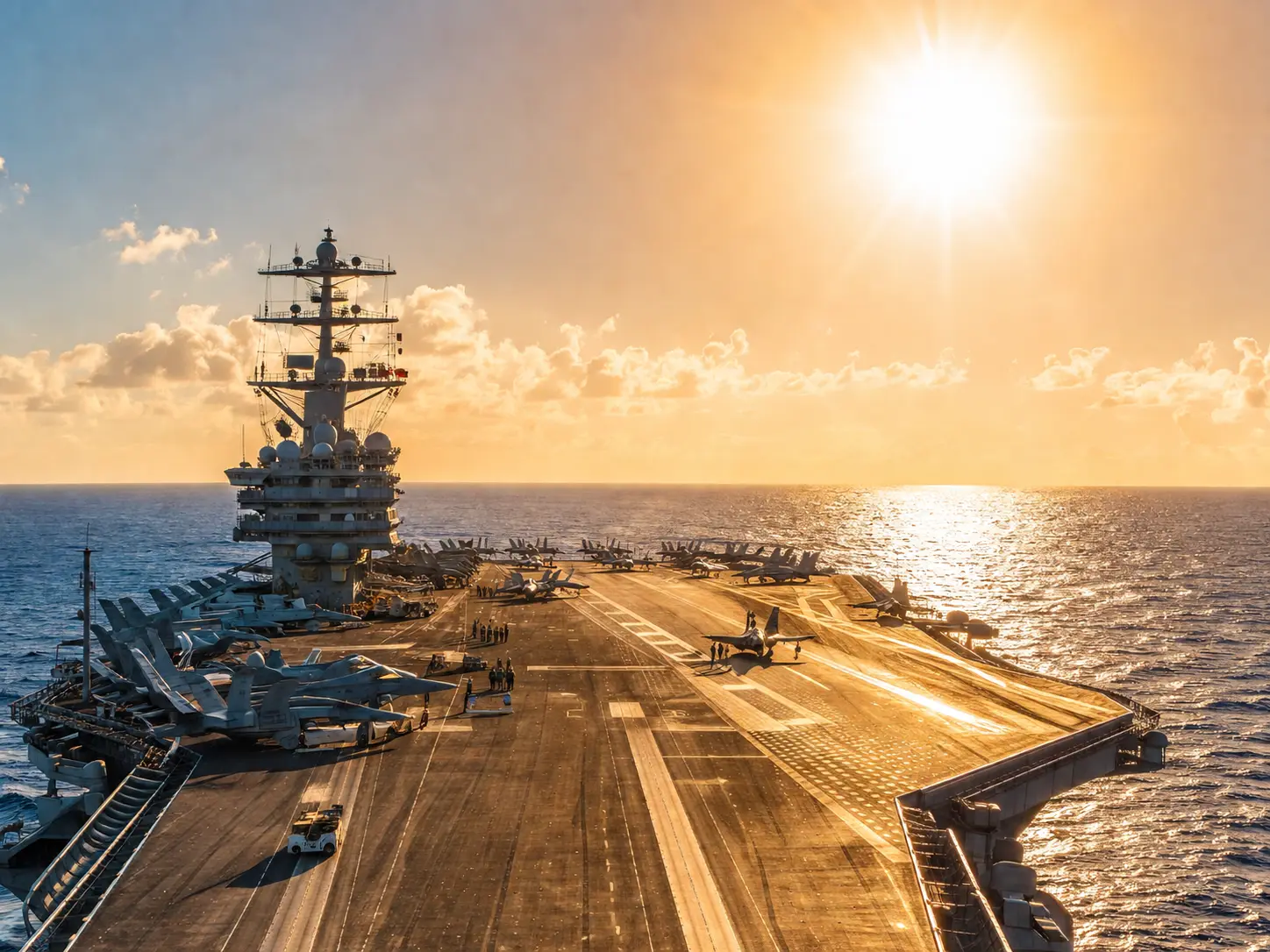
Zero Melting Or Dripping
Synthetic clothing poses a massive danger in naval warfare because it can melt directly into human skin. The Nomex composition of the white hoods ensures zero melting or dripping during combustion events. Instead, the fabric simply degrades into a friable char, giving sailors critical seconds to escape.
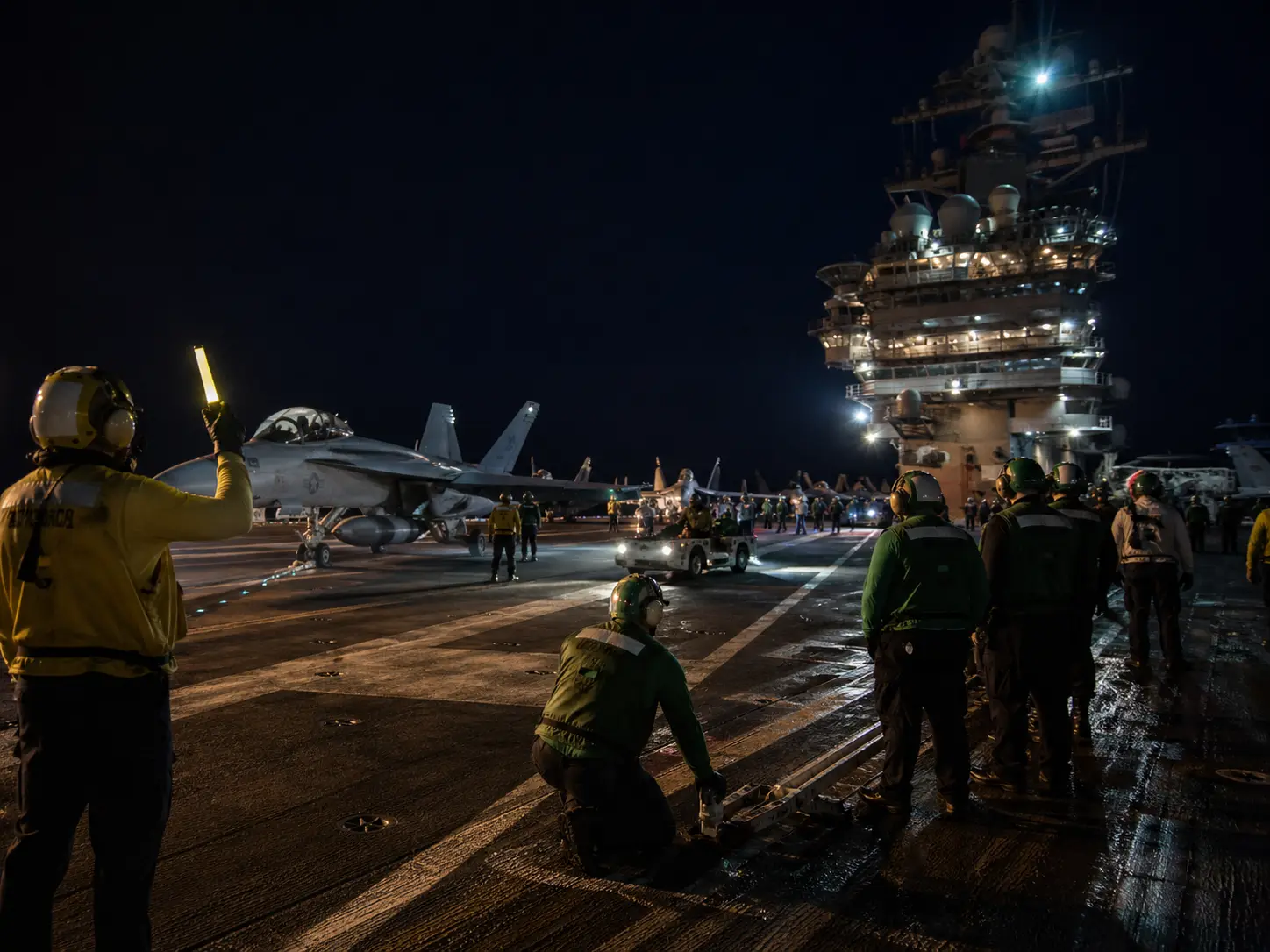
Donned Under 10 Seconds
Whenever a warship alarm signals an incoming threat or onboard fire, crews must react instantly. Sailors can rapidly pull the white hoods over their heads in a matter of seconds. To ensure clear audio, sailors will momentarily lift their vital communication headsets, don the hood over their ears, and immediately replace the headset over the fabric, allowing them to transition straight into damage control and save the vessel.
)
)
)
)
)