‘White Dome’: How does the robot gun protect the USS Abraham Lincoln from missiles?

The Phalanx CIWS is an automated 20mm Gatling gun that defends the USS Abraham Lincoln. Firing 4,500 armour-piercing rounds per minute, its dual-radar system autonomously tracks and destroys anti-ship missiles at close range.
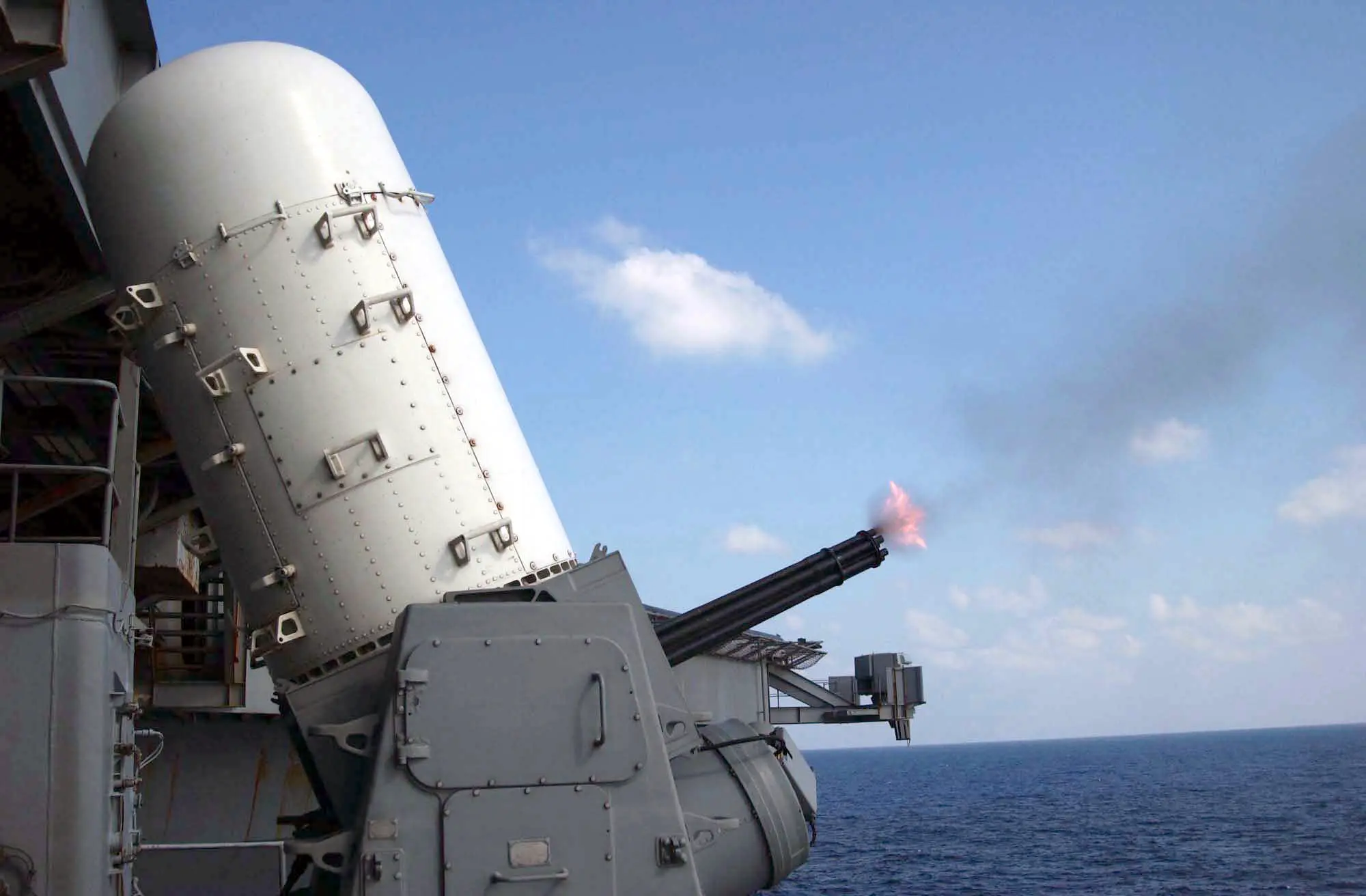
The Last Defence Line
The Phalanx Close-In Weapon System acts as the final shield for the USS Abraham Lincoln. If long-range interceptors fail to stop an anti-ship missile, this automated gun engages the threat at close range. It is designed to intercept targets up to five nautical miles away.

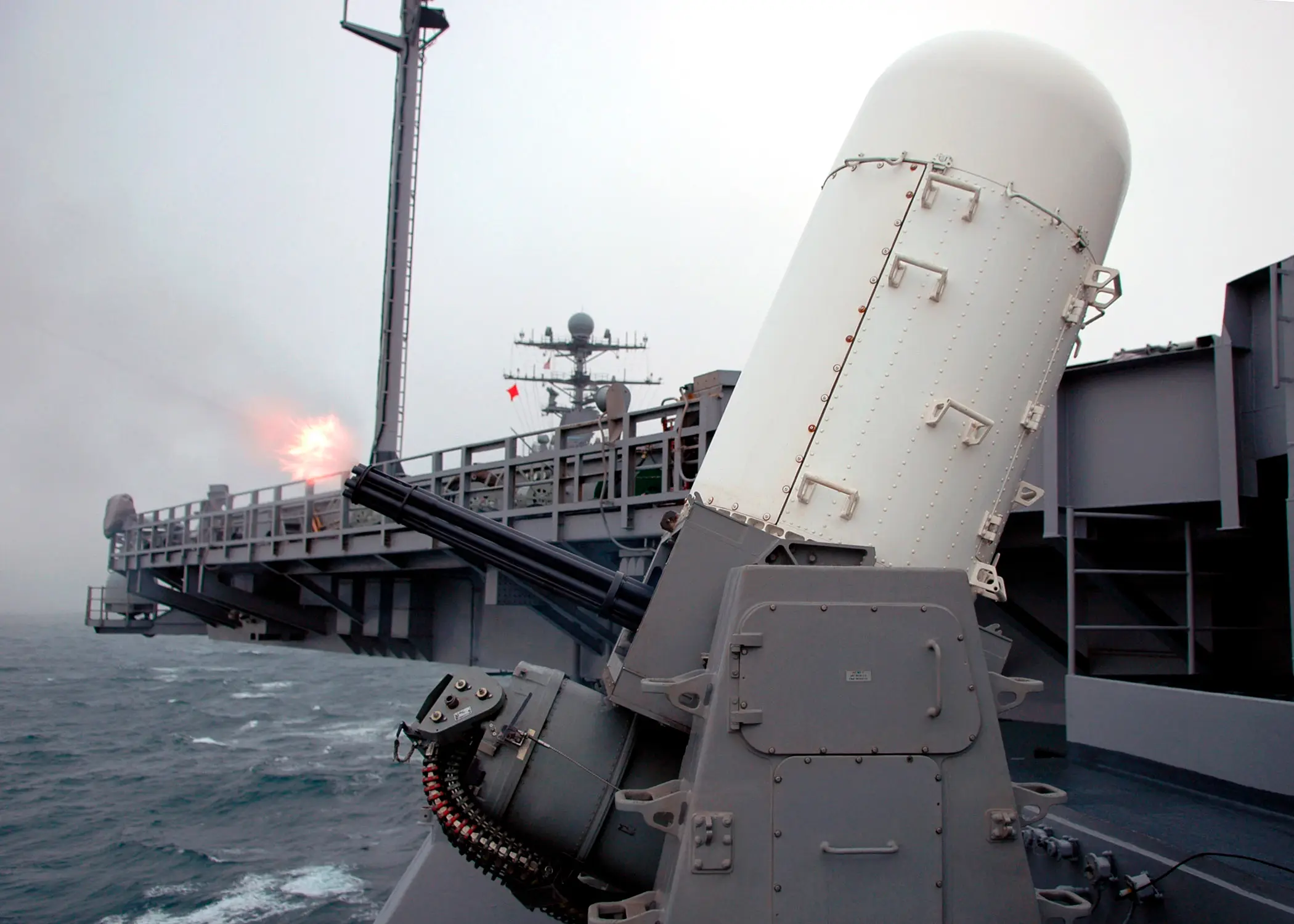
The Iconic White Dome
The distinctive white radome houses two separate radar antennas that work together. The top section continuously scans the sky and sea for potential threats. Once a target is detected, the lower tracking radar takes over to lock onto the incoming missile.
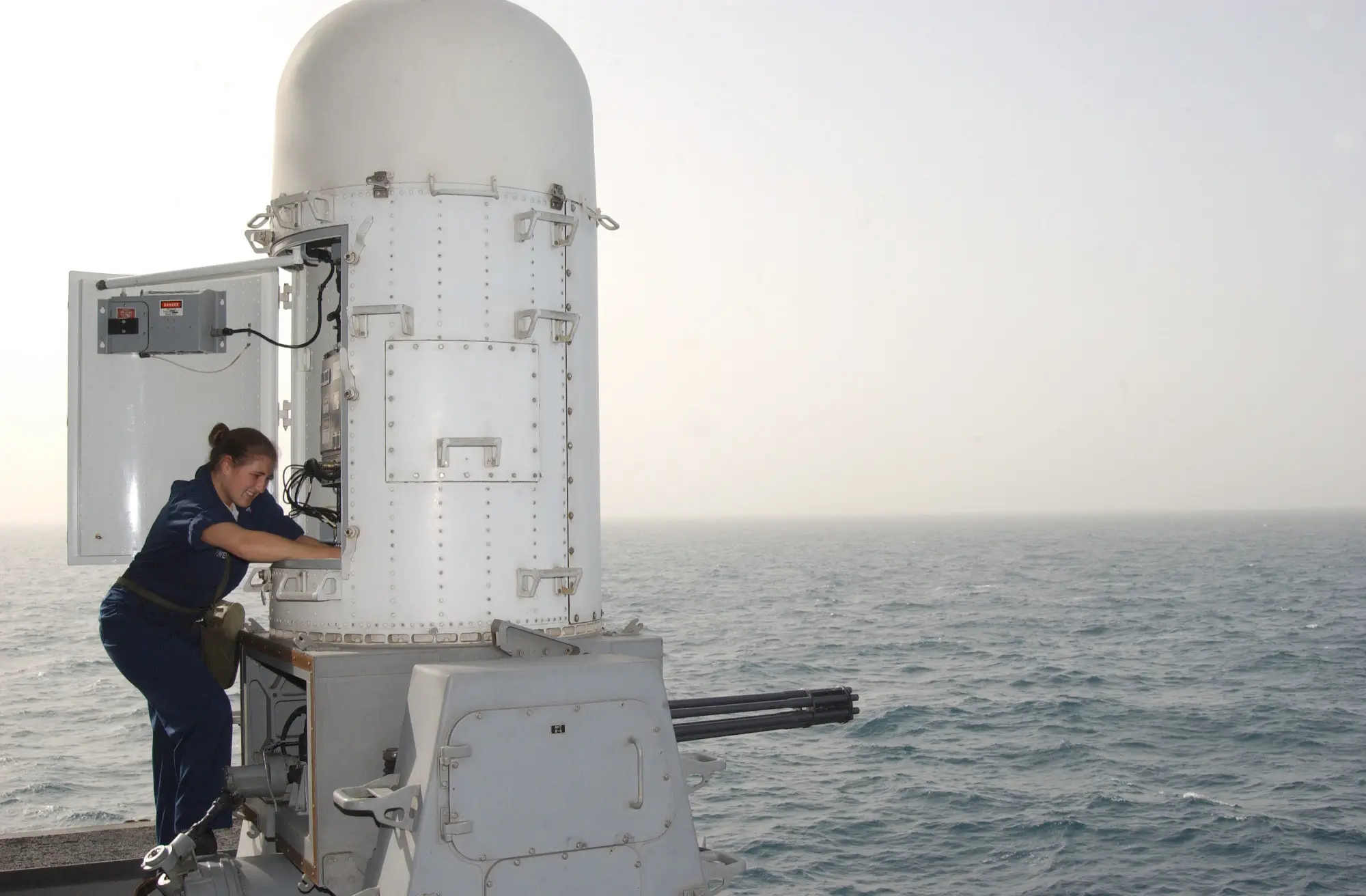
An Autonomous Robot Gun
Phalanx operates completely autonomously, meaning it requires almost zero human intervention to fire. Its internal computer processes radar data instantly to calculate speed, altitude, and trajectory. It detects, tracks, and engages the target in a matter of seconds.
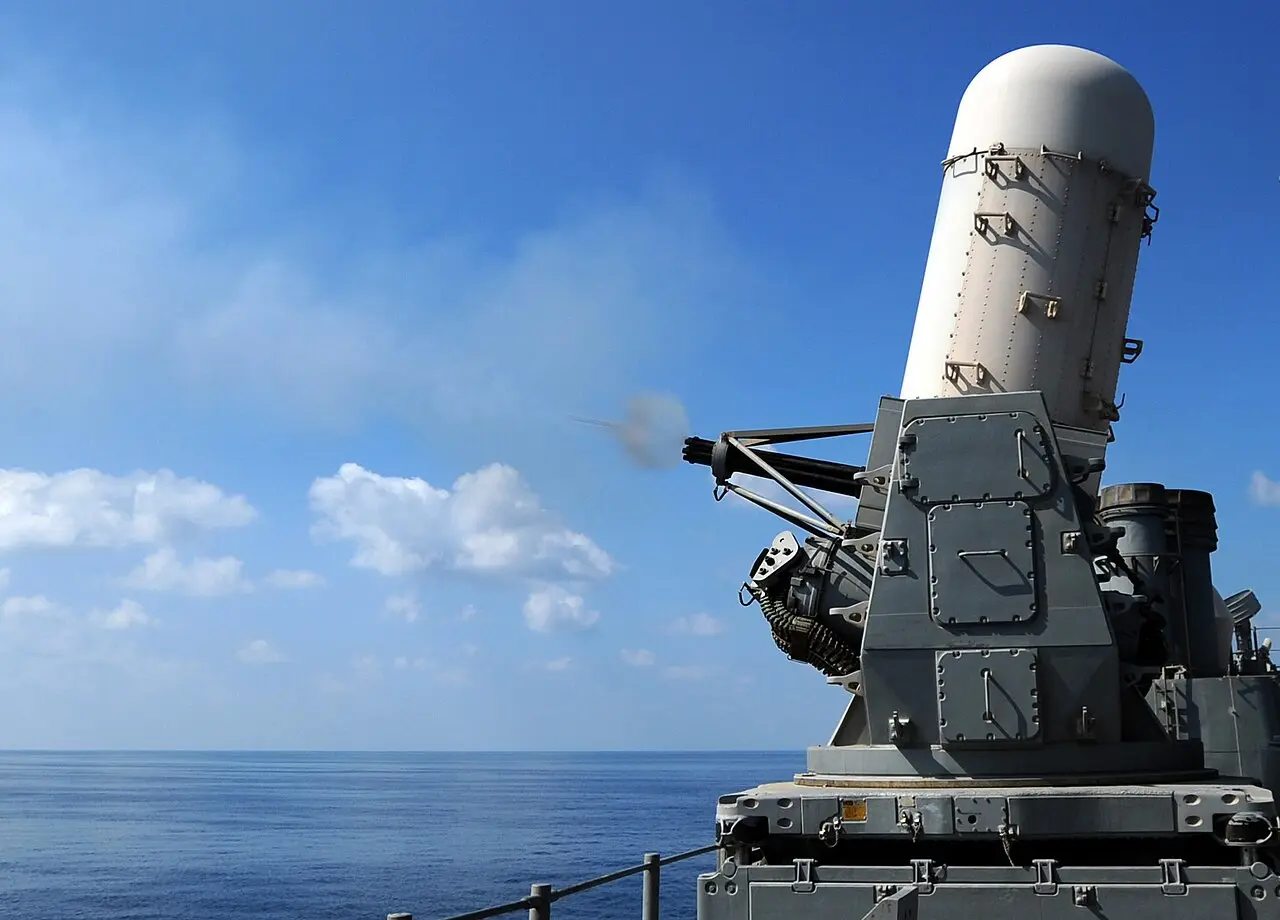
Firing 4,500 Rounds
At the heart of the system is a 20mm M61A1 Vulcan Gatling gun. The pneumatically driven barrels can fire an astonishing 4,500 rounds per minute. This intense rate of fire creates a thick wall of bullets to shred incoming projectiles.

Armour-Piercing Projectiles
The system fires 20mm armour-piercing tungsten penetrator rounds encased in plastic sabots. These projectiles leave the barrel at a velocity of 1,100 metres per second. They are specifically engineered to destroy a missile's airframe and render it non-aerodynamic.

Massive Ammunition Magazine
To sustain its rapid fire, the gun is equipped with an extended magazine drum holding 1,550 rounds. A dual-conveyor belt system constantly feeds live ammunition while returning empty casings to the drum. The system usually fires over 100 rounds per engagement.

Walking The Bullets
The advanced tracking system observes both the incoming threat and the outgoing bullets. By continuously comparing their positions, the computer 'walks' the stream of fire directly onto the target. This ensures maximum accuracy against fast-moving supersonic missiles.

Upgraded Infrared Sensors
The newer Block 1B variants feature an integrated forward-looking infrared sensor mounted alongside the radome. This thermal camera allows the system to detect heat signatures from low-flying helicopters and high-speed surface craft. It proves highly effective against asymmetric naval threats.

Protecting 5,000 Sailors
The USS Abraham Lincoln carries roughly 3,200 ship crew members and a 2,480-strong air wing. The Phalanx CIWS ensures these personnel remain safe during combat deployments. It acts as a highly reliable, always-alert guardian against lethal aerial attacks.
Minimal Secondary Damage
Instead of blowing up the warhead, the tungsten rounds aim to physically shatter the missile. By destroying the aerodynamic shape, the debris falls harmlessly into the ocean. This prevents large shrapnel fragments from striking the flight deck of the carrier.
)
)
)
)
)