'Where humans die, fungus thrives': Something very strange is happening in Chernobyl

Studies comparing fungal growth under radiation with control environments found that melanised fungi like C. sphaerospermum accumulate biomass faster when exposed to gamma or ionising radiation than under normal, non-radioactive conditions.
1. A Black Fungus Thrives Where Radiation Should Be Deadly
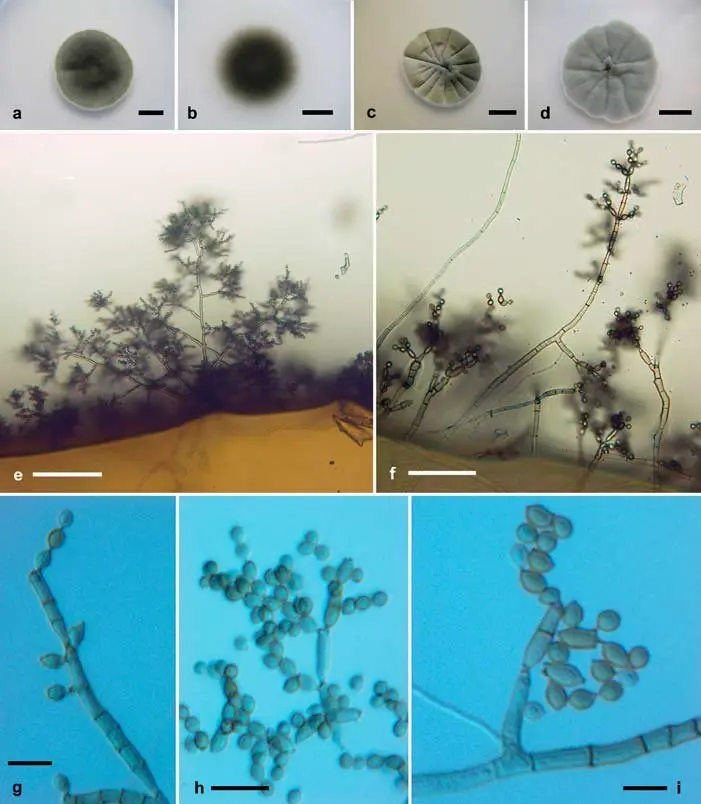
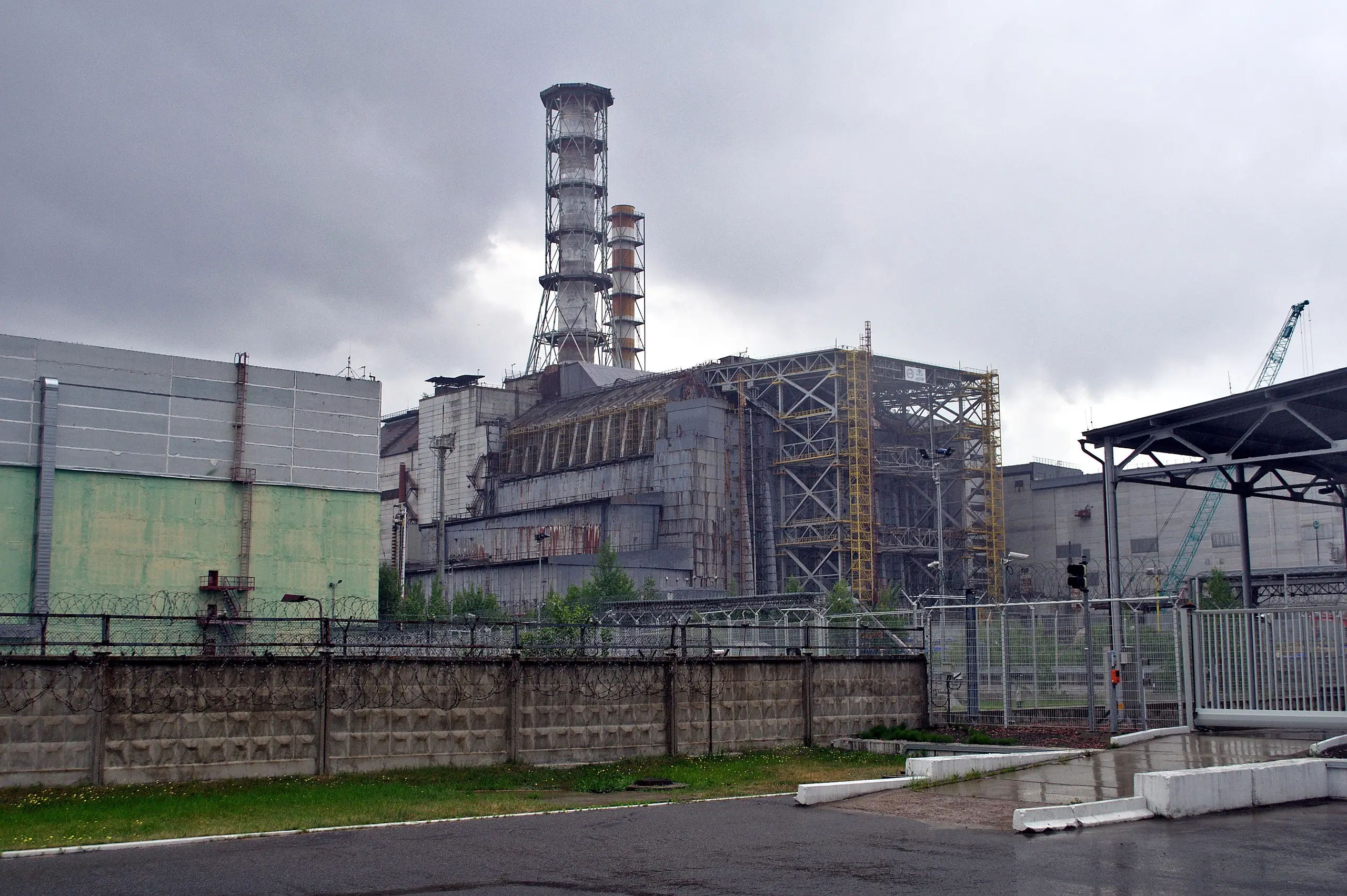
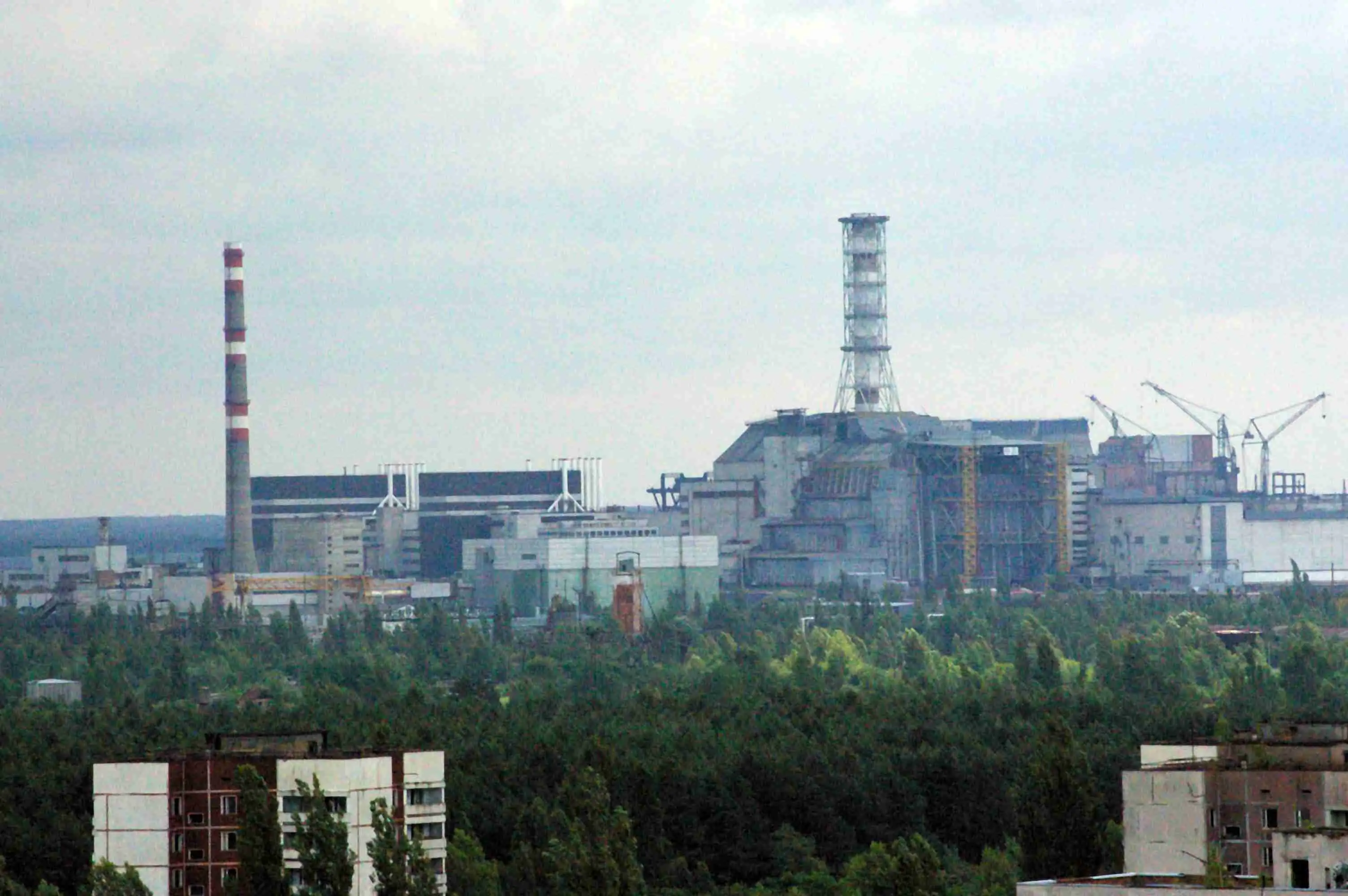
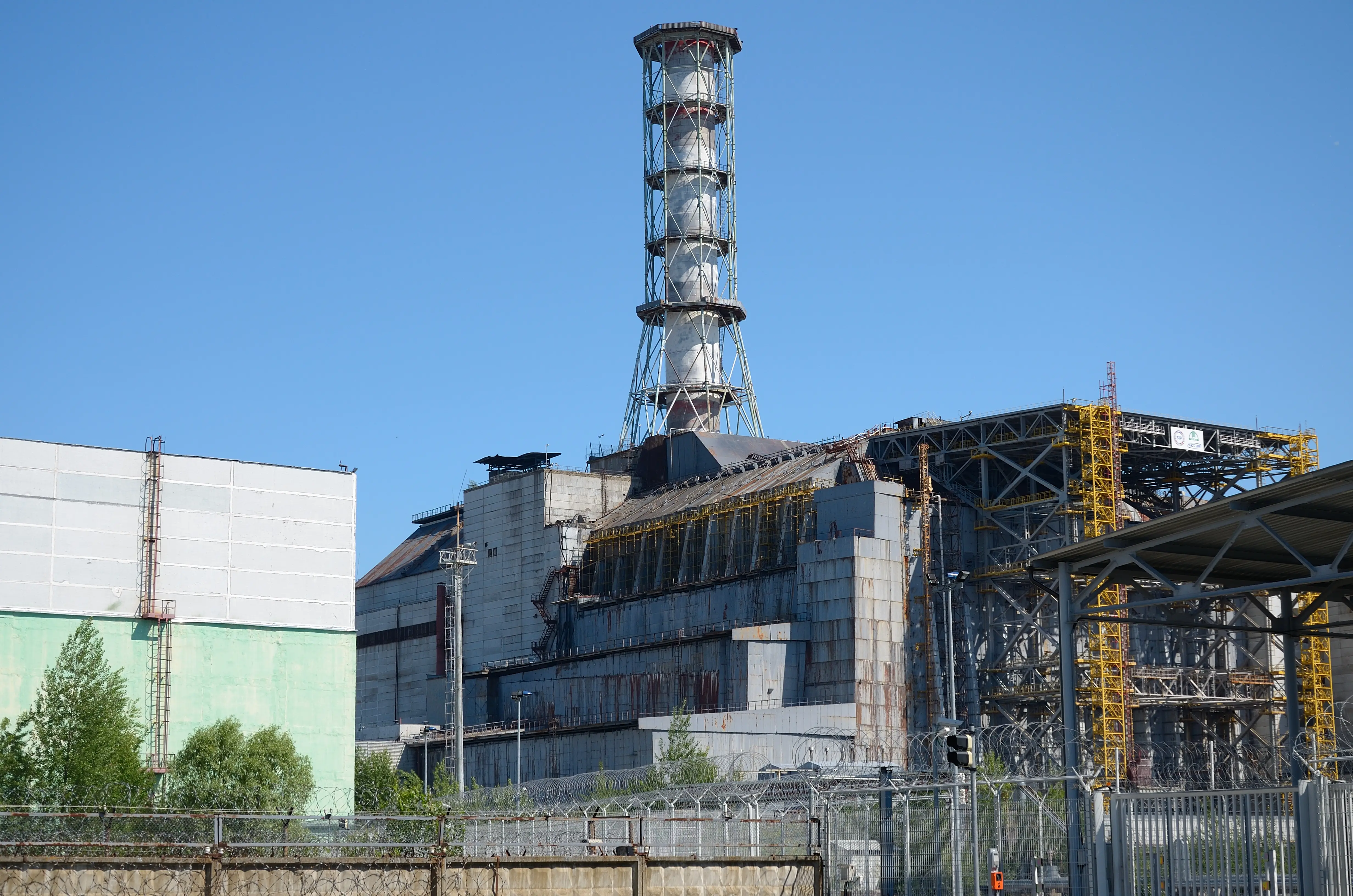
Deep inside the ruined reactor of Chernobyl, scientists discovered a black fungus, Cladosporium sphaerospermum, growing on walls and surfaces exposed to intense radiation. Despite gamma rays, high radioactivity and decades of decay, this fungus not only survives, it grows. Researchers first noted its presence in reactor corridors and other radioactive zones, raising immediate curiosity about how any life could endure there.
2. This Fungus Uses Melanin to Cope — And Possibly Convert — Radiation
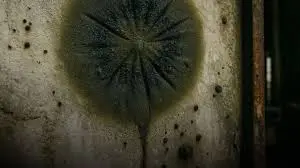
What makes these fungi extraordinary is their high content of melanin, the same pigment that gives colour to human skin, hair, and eyes. In these fungi, melanin appears to absorb ionizing radiation, protecting cellular structures. Laboratory studies have shown radiation can trigger biochemical reactions in melanin-containing fungi, boosting their metabolic activity and growth rates under radiation, a process sometimes called “radiosynthesis”.
3. Their Growth Seems Directed Toward Stronger Radiation — A Case of “Radiotropism”
Interesting observations show that some fungi colonies grow toward sources of radiation, not away. This directional growth, akin to how plants grow toward light, is known as radiotropism. In reactor ruins where radiation varies significantly, fungal hyphae have been observed expanding preferentially toward “hotter” zones.
4. It’s Not Just Survival — Radiation Seems to Fuel Their Growth Compared to Normal Conditions
Studies comparing fungal growth under radiation with control environments found that melanized fungi like C. sphaerospermum accumulate biomass faster when exposed to gamma or ionizing radiation than under normal, non-radioactive conditions. This suggests that radiation may enhance or even act as a source of energy, analogous (though not identical) to how plants use sunlight.
5. The Discovery Challenges Our Ideas of Where Life Can Survive
The fact that living organisms not only survive but potentially thrive in one of the most radioactive places on Earth rewrites our assumptions about the limits of life. It shows that extremophiles, lifeforms adapted to extreme conditions, might be far more resilient than previously believed. For astrobiology, this suggests that life might exist in harsher environments, even outside Earth, such as on planets or moons with high radiation levels.
6. Potential Applications — Radiation Shielding, Bioremediation & Space Exploration
Scientists are excited about possible harnessing of radiation-eating fungi for real-world applications. Because they absorb radiation and resist damage, such fungi could help in bioremediation of radioactive waste zones, using living organisms to stabilise or shield radioactive materials. Researchers also see potential for space exploration: growing or using melanin-rich fungi as part of radiation protection for astronauts facing cosmic radiation during deep-space missions.
7. The Phenomenon is Still Under Study — What We Know vs What Is Hypothesis
While the evidence for radiation-tolerant and possibly radiation-assimilating, fungi is growing, scientists remain cautious. The exact biochemical mechanism behind “using” radiation as energy isn’t fully proven; increased fungal growth under radiation may sometimes reflect more efficient use of available nutrients under stress rather than classic energy conversion. What is clear: melanin-rich fungi survive and even thrive under radiation that devastates most other life and that alone makes them extraordinary.
)
)
)
)
)