'When energy becomes weapon': Are attacks on Middle East energy infrastructure pushing world towards energy war?

Attacks on Middle East energy infrastructure, including Qatar’s Ras Laffan LNG hub and Saudi and Kuwaiti refineries, have sent oil and gas prices soaring. Experts warn the conflict is evolving into a full-scale energy war with global economic repercussions.
Energy at the centre of conflict
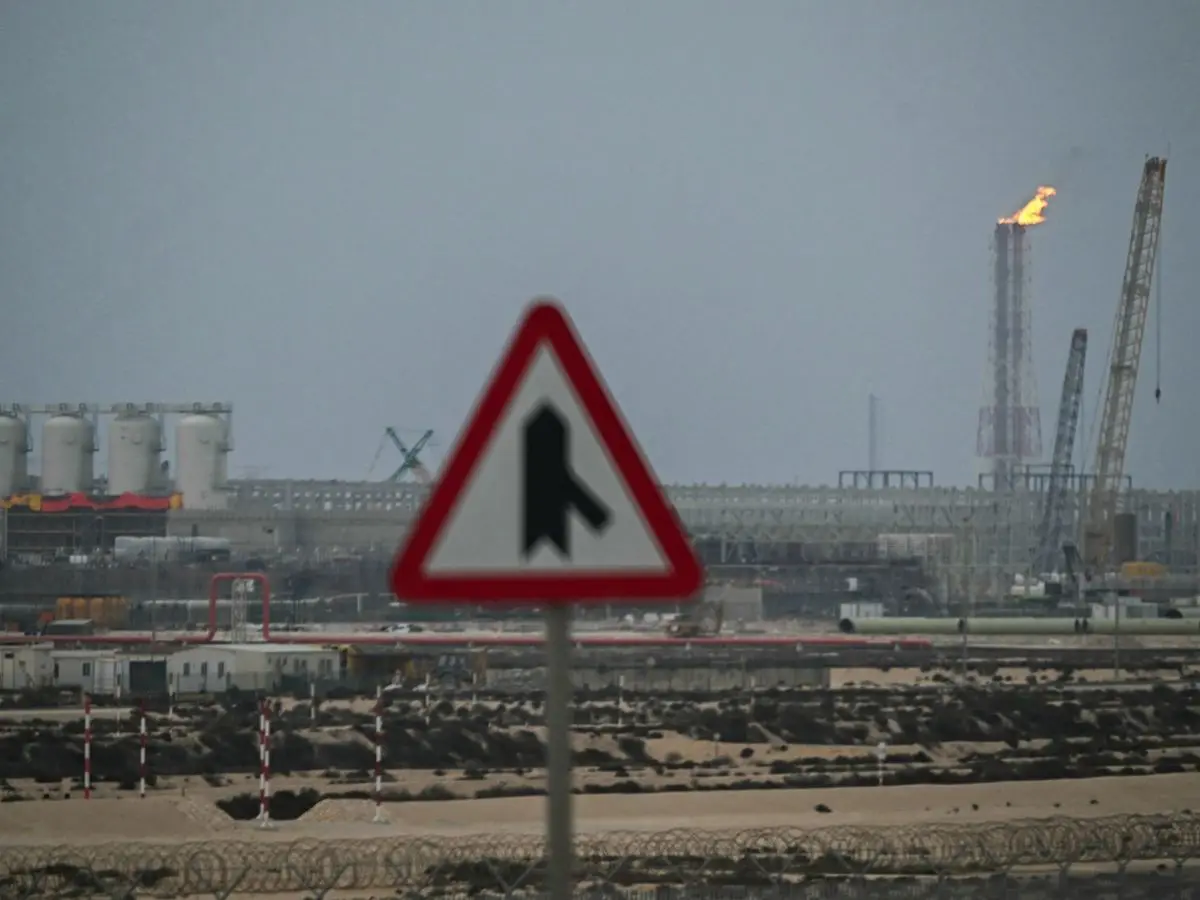
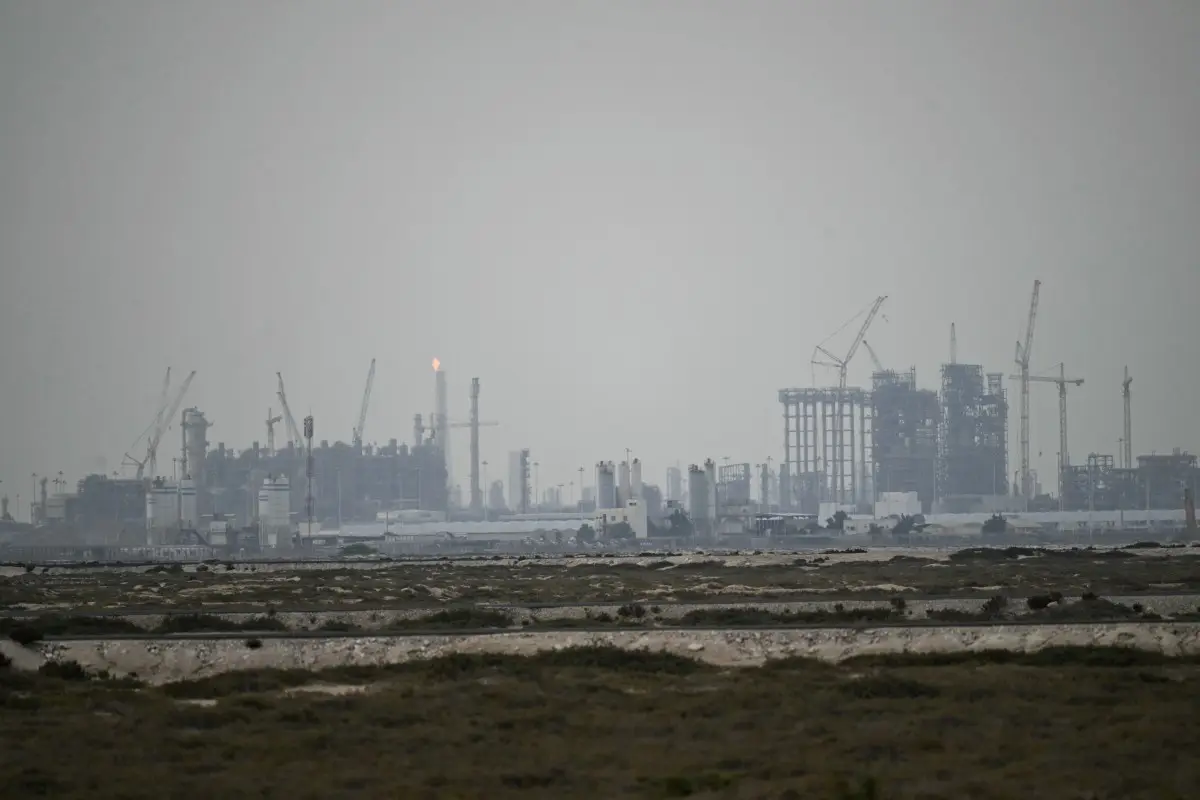
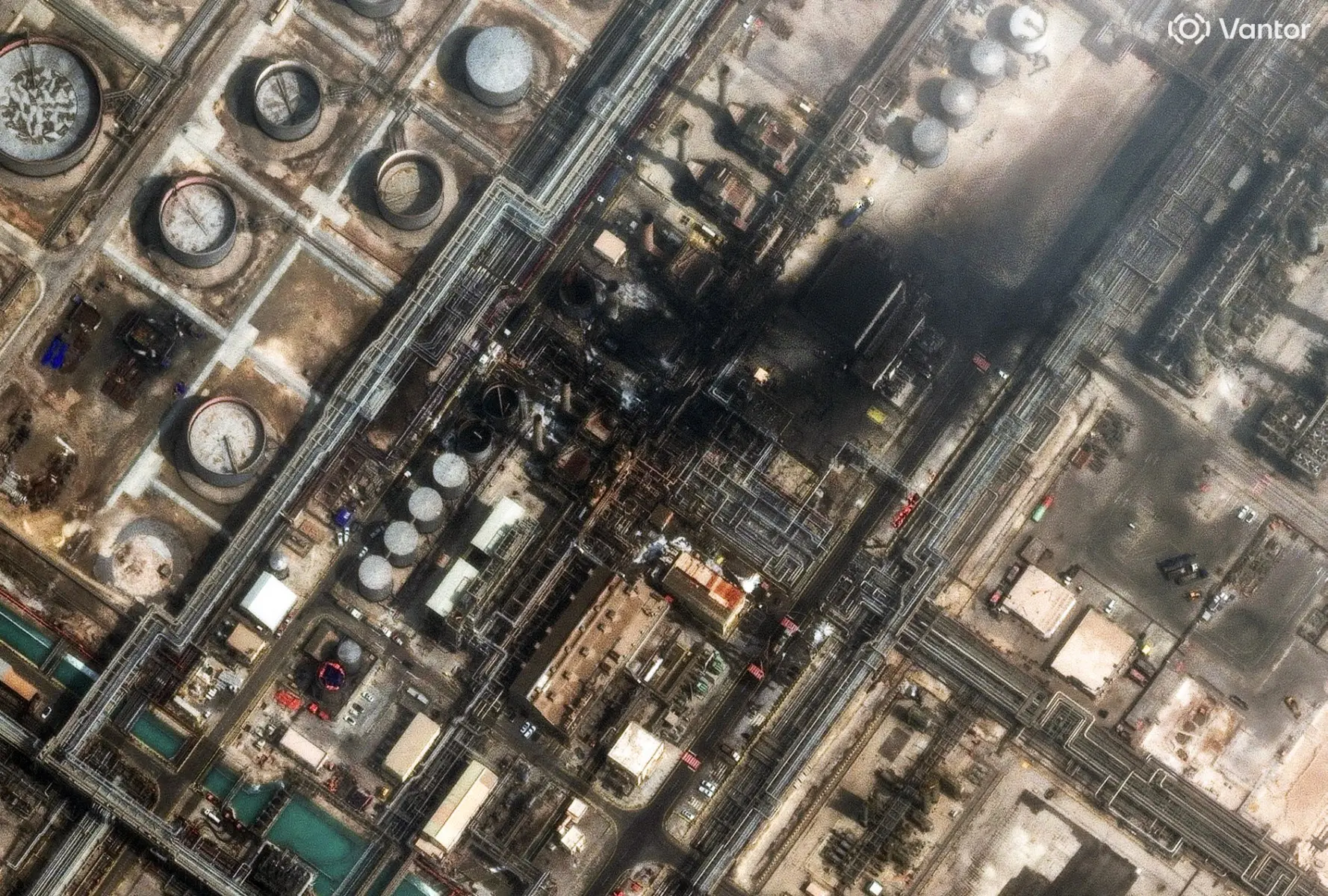
West Asia is no longer merely a military battleground; the conflict has escalated into an energy war, and global markets are already feeling the consequences. On March 18, Israel struck the South Pars gas field off Iran’s southern coast, the world’s largest natural gas reservoir. Within hours, Iran retaliated with multiple missile strikes Qatar’s Ras Laffan Industrial City, home to the largest LNG export plant globally. Attacks on energy infrastructure this week have sent oil and gas prices soaring, raising concerns about a prolonged energy war with significant economic consequences.
What has happened
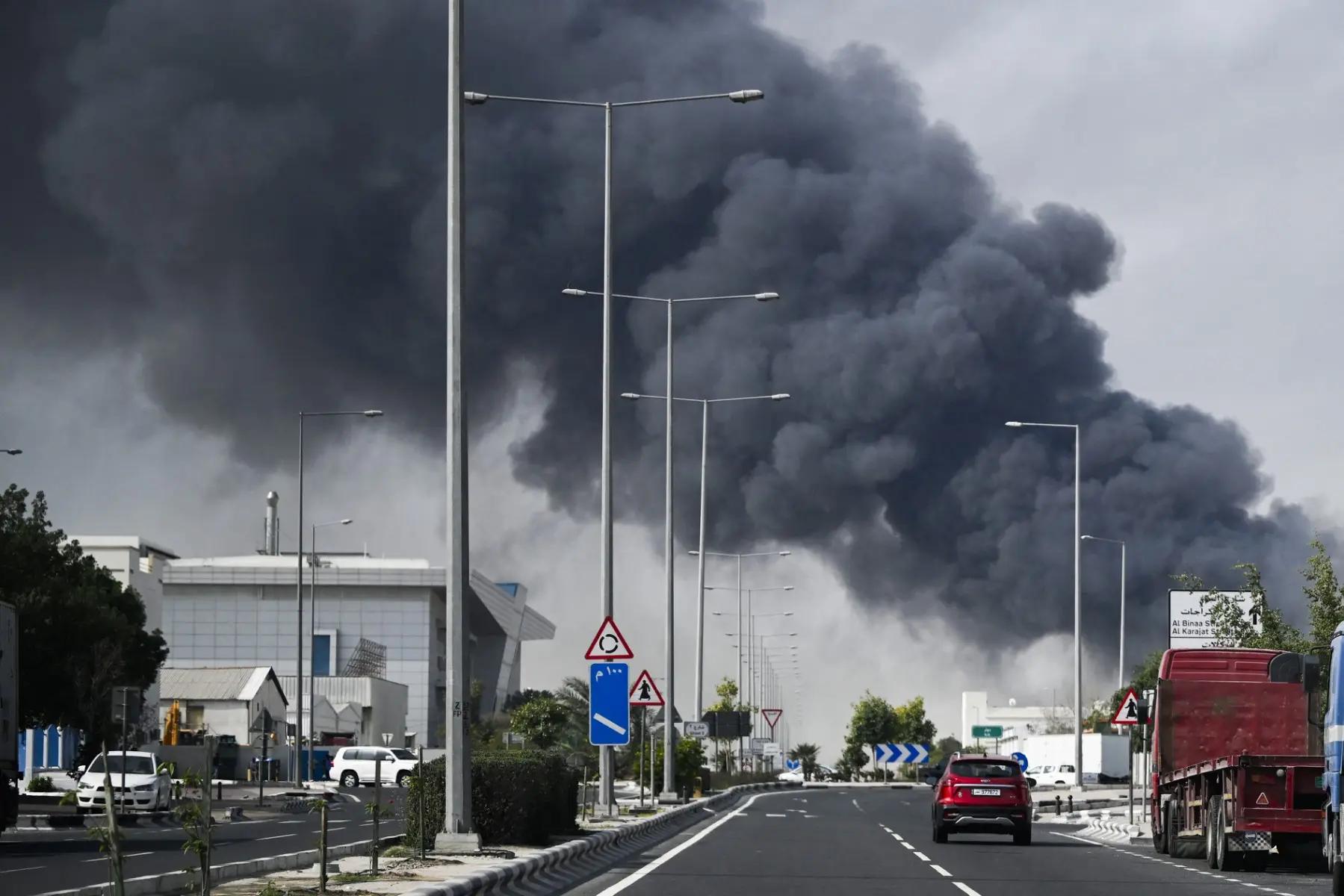
Following the Israeli strike on South Pars, Tehran vowed to retaliate against Gulf energy facilities. Iran targeted Qatar’s Ras Laffan LNG hub, Saudi Arabia’s SAMREF refinery on the Red Sea, and two Kuwaiti oil refineries. State-run QatarEnergy reported ‘sizeable fires and extensive further damage’ to multiple LNG facilities. These actions came after Israel killed Iranian security chief Ali Larijani and Basij commander Gholamreza Soleimani.
Impact on key facilities
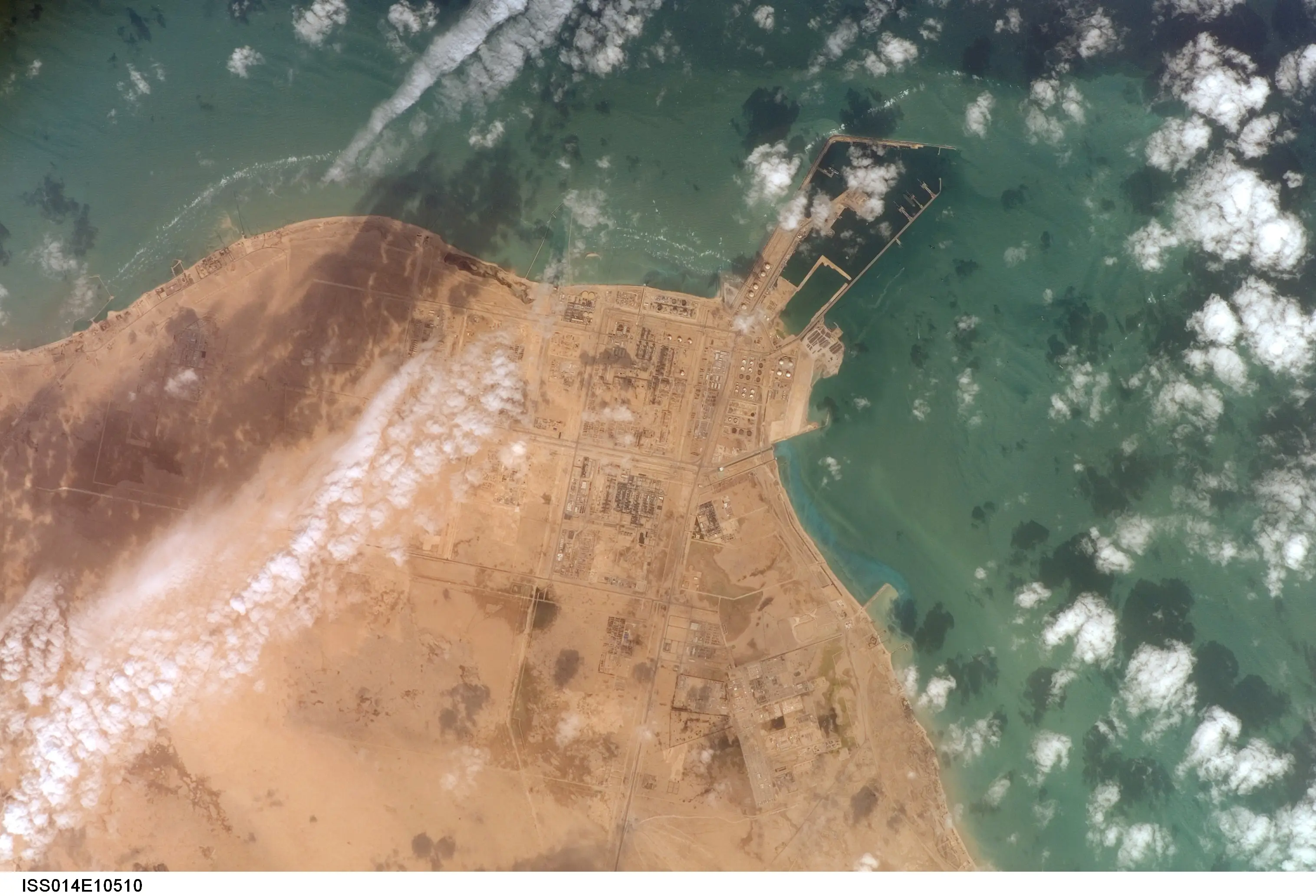
South Pars and the onshore Asaluyeh hub were the first direct targets of Israeli forces since the conflict began, marking a turning point in the war. Ras Laffan, Qatar’s LNG hub, handles nearly 20 per cent of global LNG trade, supplying Europe and Asia. Saudi Arabia’s SAMREF refinery and Kuwait’s Mina Al-Ahmadi and Mina Abdullah facilities form part of the Gulf’s strategic energy export network, which Iran’s actions now threaten.
Supply and transport concerns
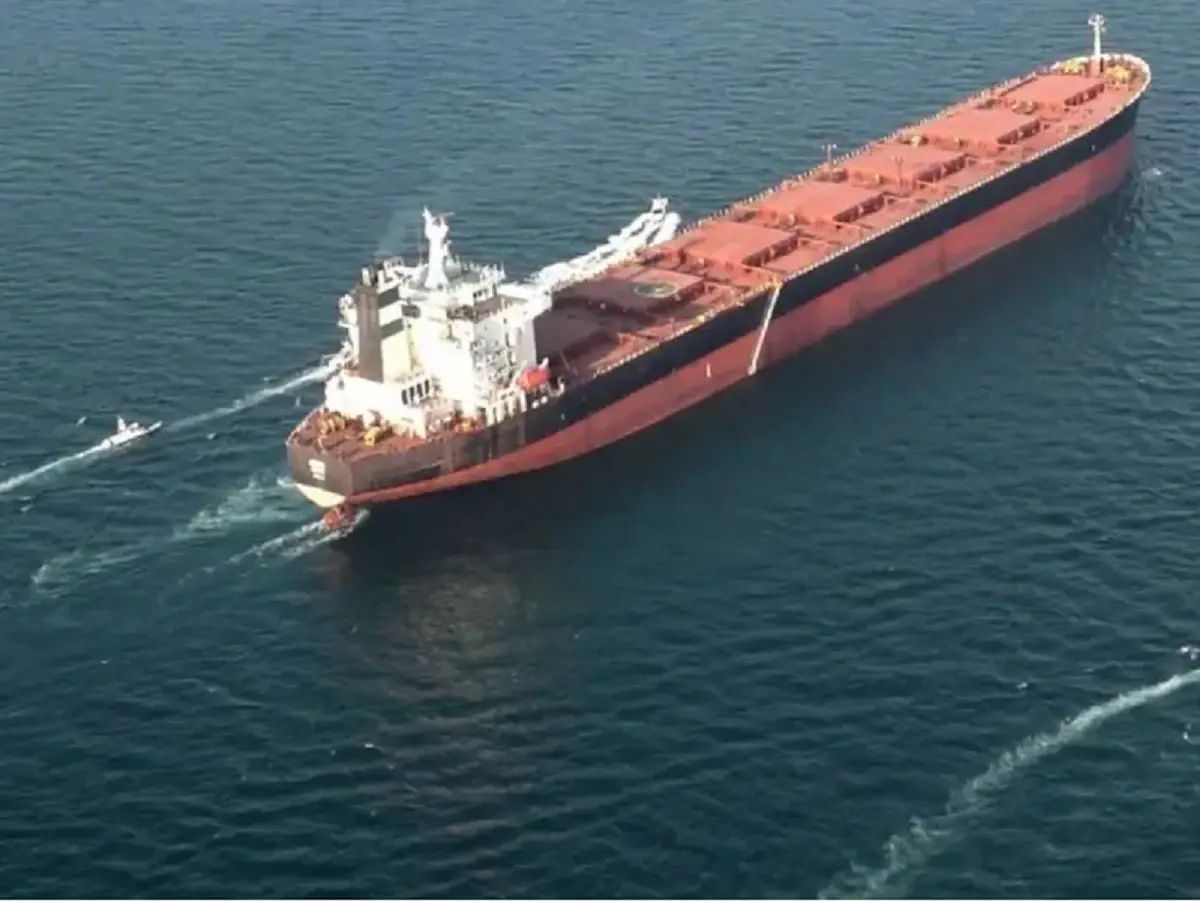
Iran has effectively closed the Strait of Hormuz, through which a fifth of pre-conflict global crude and LNG flowed. Brent crude briefly rose above $119 per barrel, and European gas prices jumped 35 per cent before settling around €70 per megawatt-hour, said AFP. Analysts warn that the conflict has moved beyond transport disruptions toward structural energy supply risks.
Escalation into an Energy War
Quoting John Plassard, head of investment strategy at Cité Gestion Private Bank, AFP reported that the attacks signal a “shift towards total energy war.” The strikes suggest the conflict is increasingly targeting energy infrastructure, where damage and destruction could trigger a prolonged supply crisis with far-reaching consequences for the global economy.
Market and economic consequences
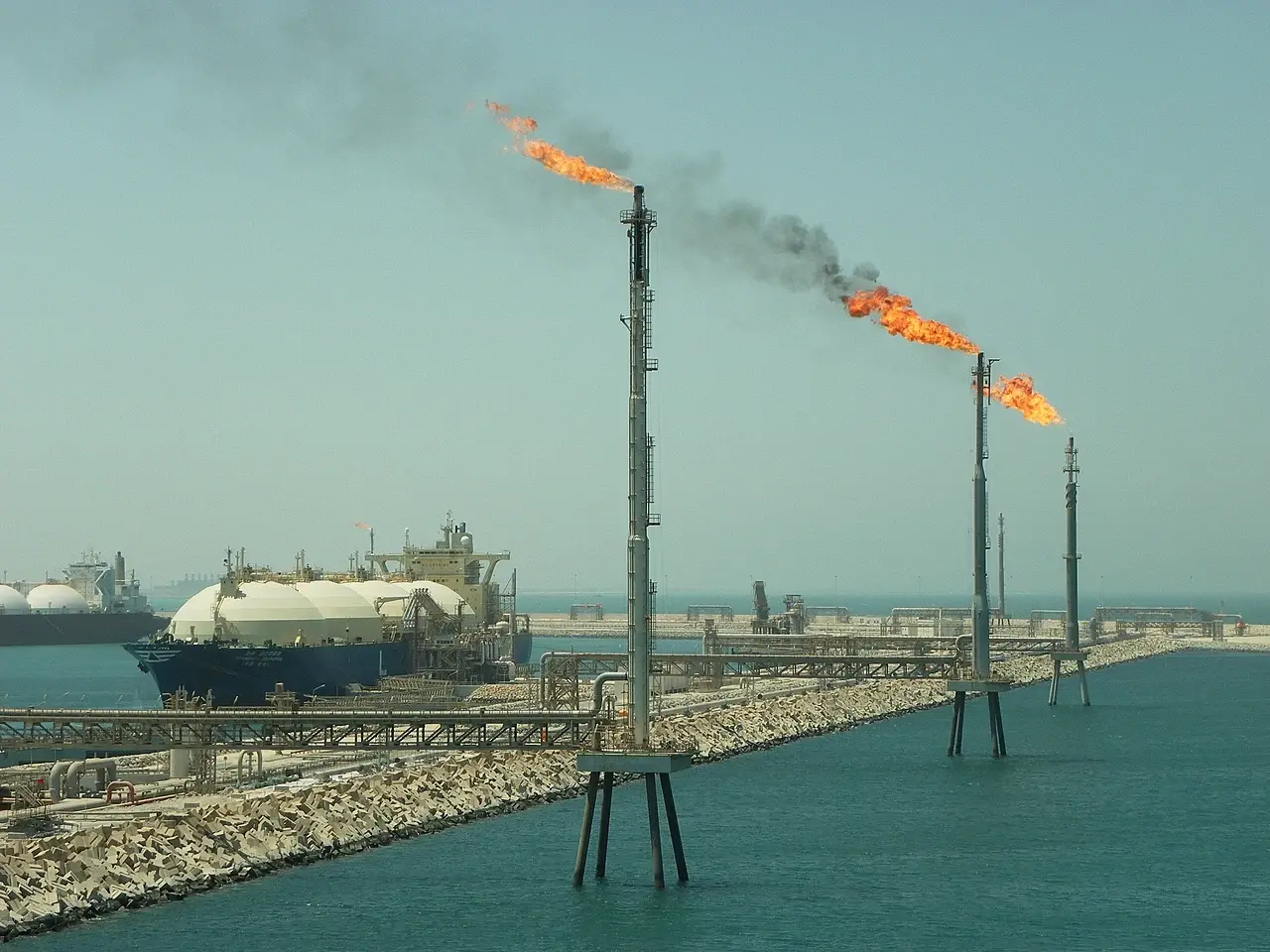
Kristy Kramer of Wood Mackenzie told AFP that expectations for a brief disruption are now “increasingly unlikely.” Analysts at EnergyScan also warned the situation is approaching a worst-case scenario. In fact, the European Central Bank also noted that the conflict “will have a material impact on near-term inflation through higher energy prices.”
Global LNG at risk
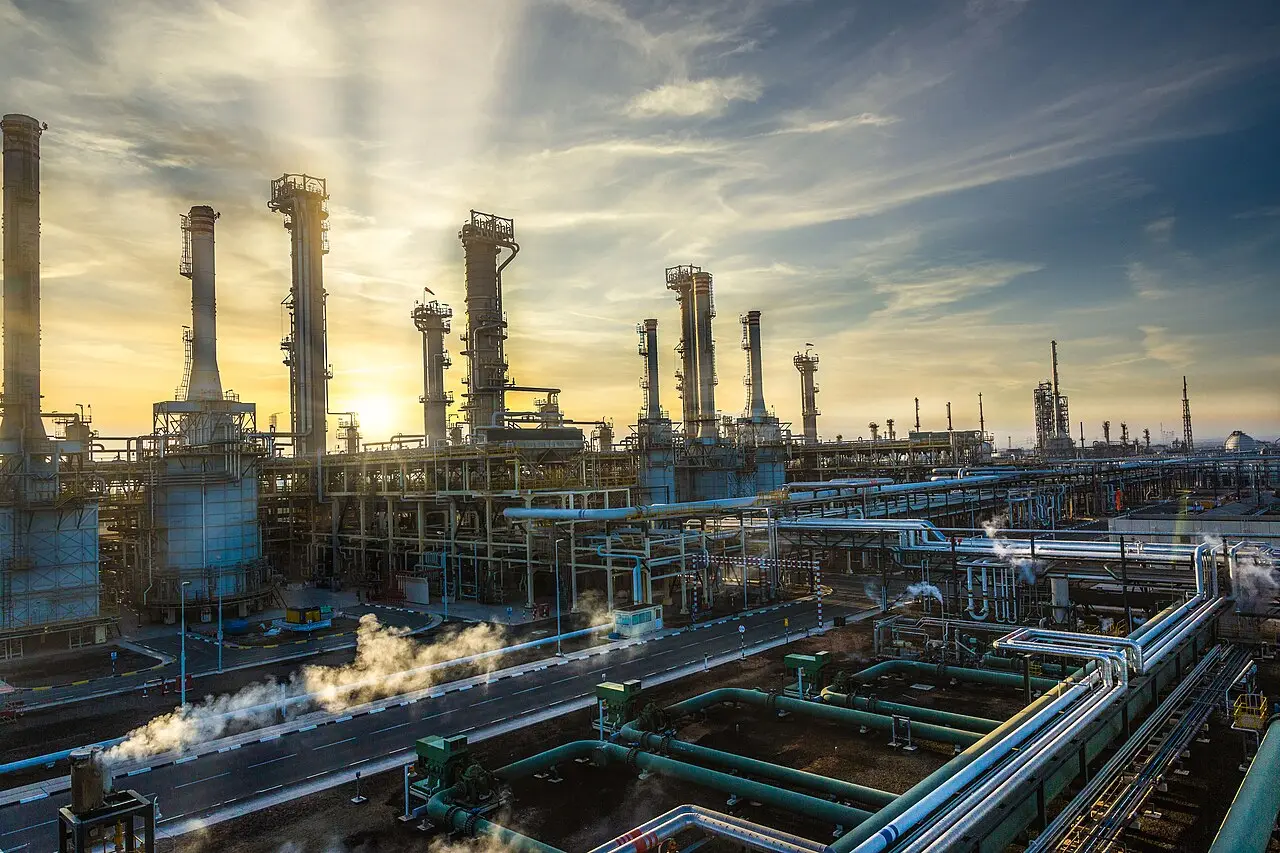
Disruption to Qatari LNG could threaten long-term supply contracts for Europe, Japan, South Korea, and China. Seb Kennedy at Energy Flux told AFP that "the idea that Qatari LNG volumes will return to pre-war levels this year is rapidly becoming a fantasy."
Diplomatic fallout
In response to Ras Laffan strikes, Qatar expelled Iranian military and security attachés. US President Donald Trump had threatened further action against Iran, while senior US counterterrorism official Joe Kent resigned on Tuesday, citing opposition to escalation. The attacks have amplified geopolitical tensions and underscored the strategic vulnerability of Gulf energy infrastructure.
)
)
)
)
)