'Weight Limit': Why jets dump fuel before landing on the USS Abraham Lincoln

Fighter jets landing on the USS Abraham Lincoln dump fuel to meet a strict 34,000-pound max trap weight. Shedding this fuel protects the landing gear from a harsh 750 fpm impact and prevents the arresting cables from snapping.
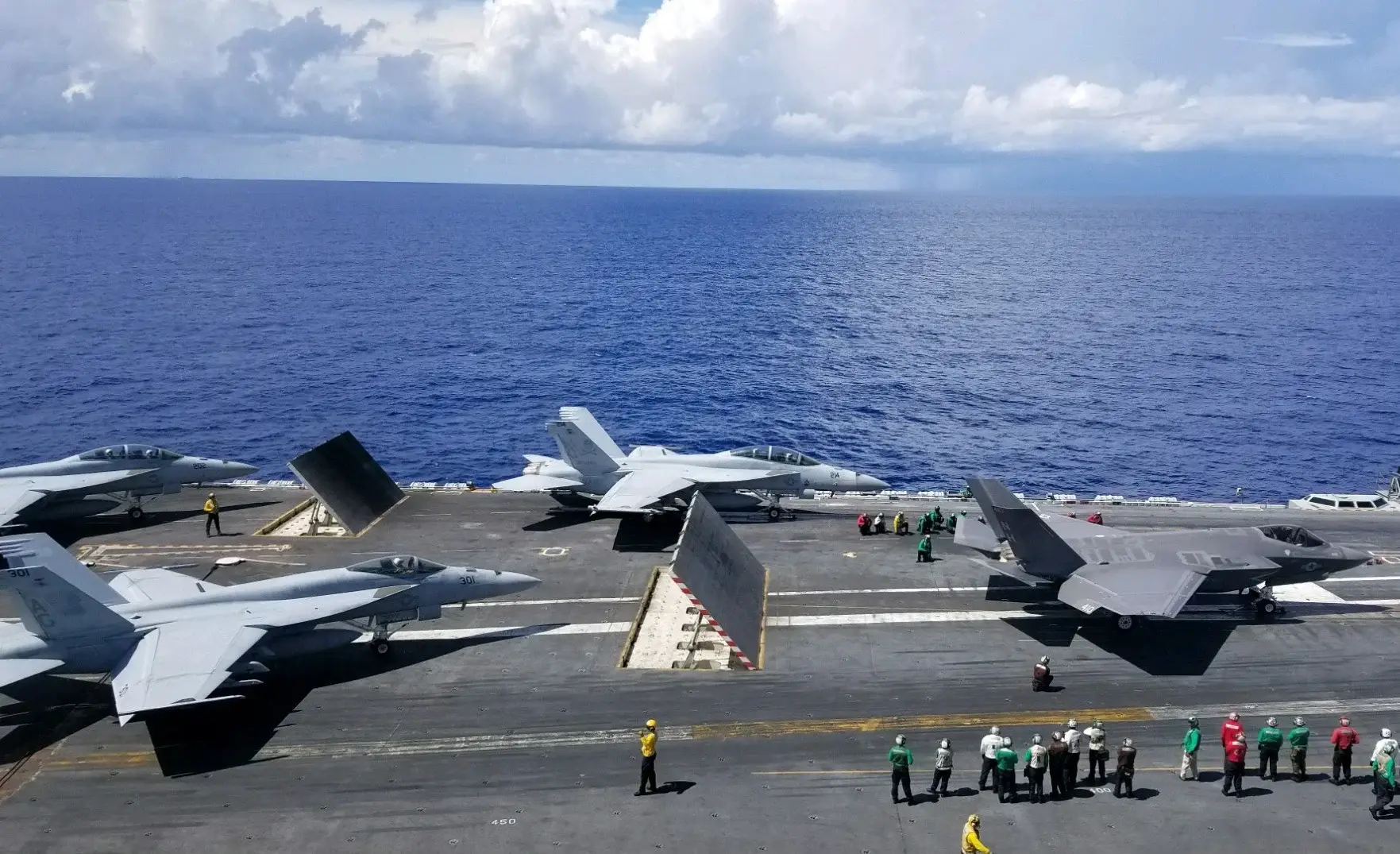
Landing at 34,000 lbs
Fighter jets operating from the USS Abraham Lincoln must obey a strict maximum landing weight, known as the max trap. For an F/A-18 Hornet, this limit is around 34,000 pounds. Attempting to land above this precise weight severely compromises the safety of both the pilot and the flight deck crew.
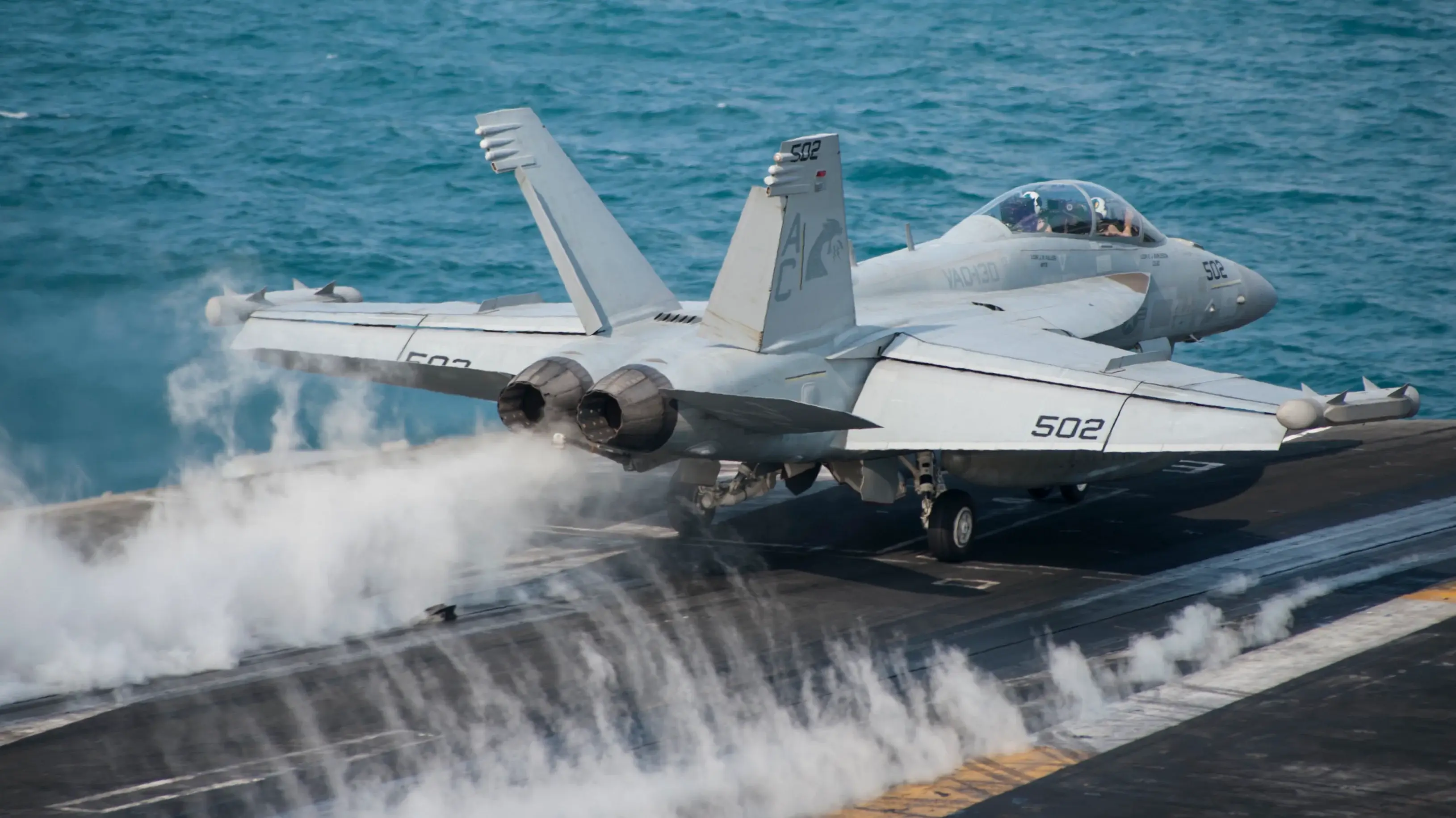
Stopping 150 mph Speeds
Naval jets approach the moving carrier deck at high speeds. Catching an arresting wire at this velocity puts heavy kinetic stress on the aircraft and the deck equipment. Reducing weight by dumping fuel is the most practical way to lower the incoming momentum safely.
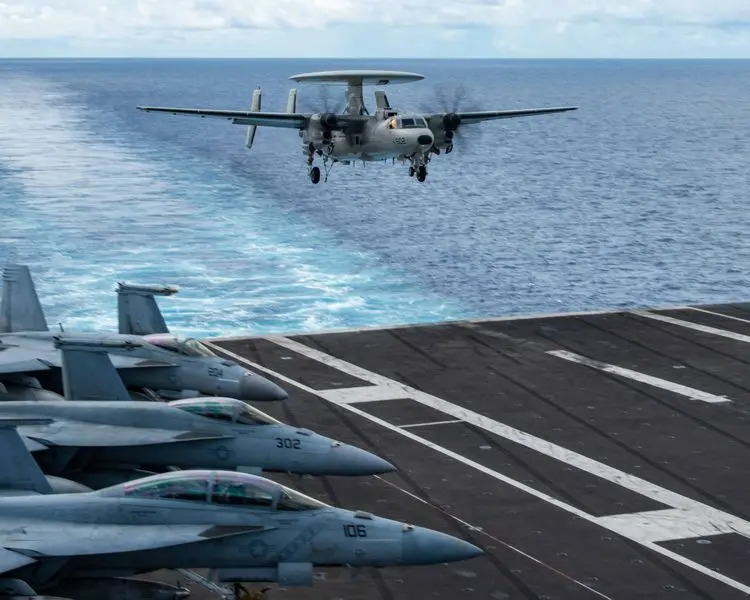
Below 750 fpm Sink Rate
Unlike normal runways, aircraft carrier landings require pilots to drive the jet onto the deck without flaring. An F/A-18 has a strict sink rate limit of around 750 feet per minute. A heavy aircraft drops much faster, which can easily shatter the landing gear upon impact.
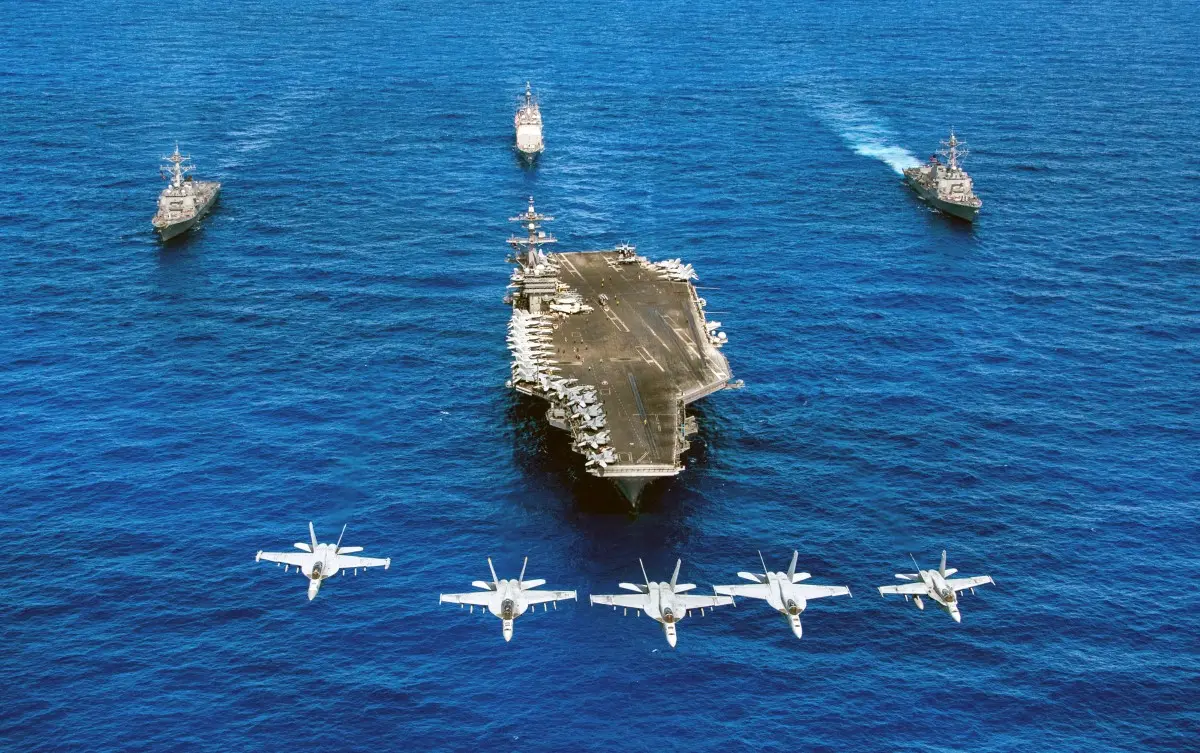
Carrying 2,000-lb Bombs
Fighters often launch with thousands of pounds of heavy missiles and guided bombs. If they return without dropping these munitions, the overall aircraft weight remains too high to land. Because weapons are expensive and risky to jettison, pilots prefer to dump their excess aviation fuel instead.Absorbing 47.5m Foot-Pounds
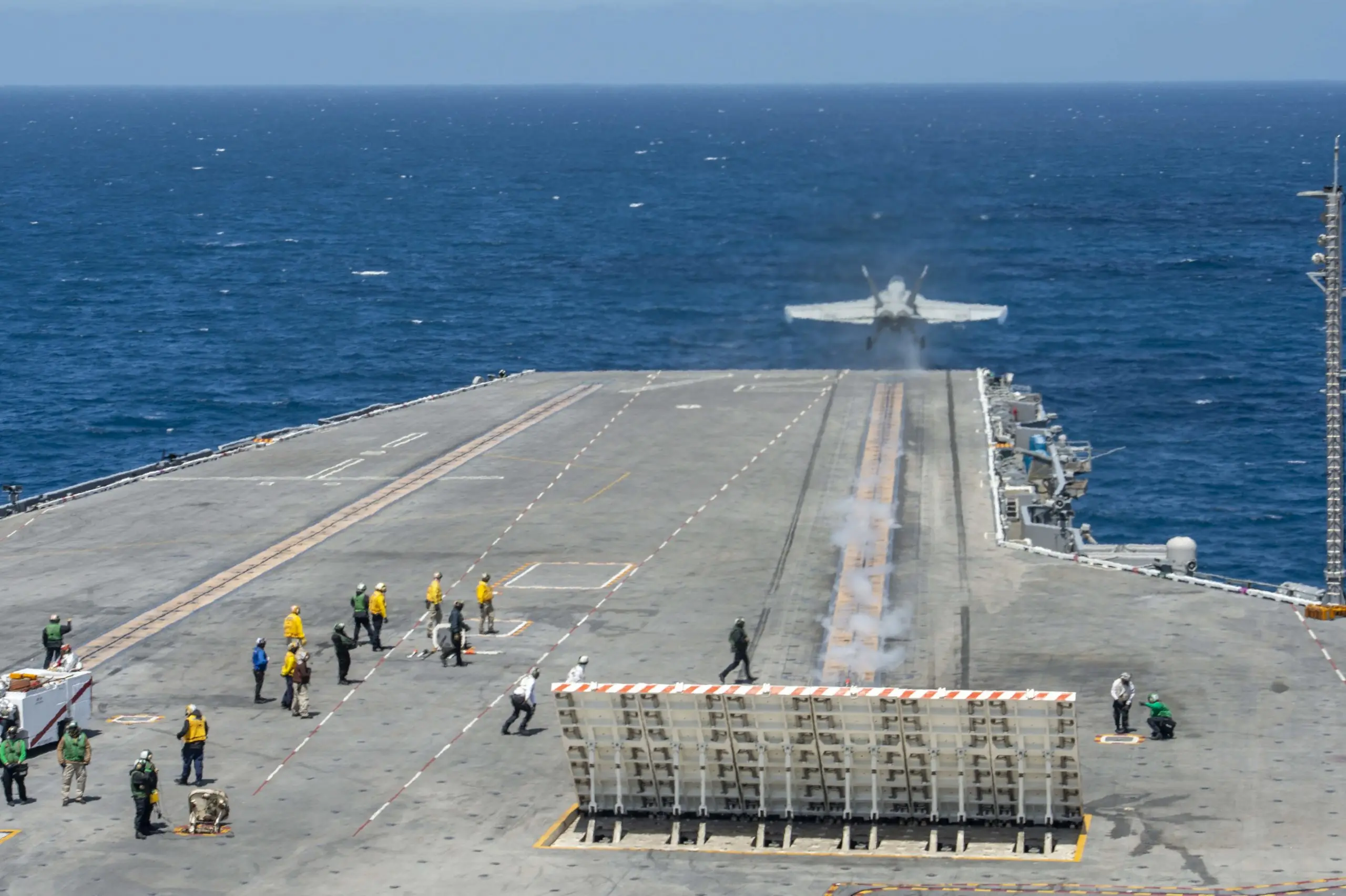
Venting 1,000s of Pounds
To reach a safe recovery weight, modern naval aircraft use specialised valves to rapidly eject fuel mid-air. Dumping just a few hundred gallons of gas allows the jet to shed several thousand pounds in just minutes. This is usually done at high altitudes so the liquid evaporates before reaching the ocean.
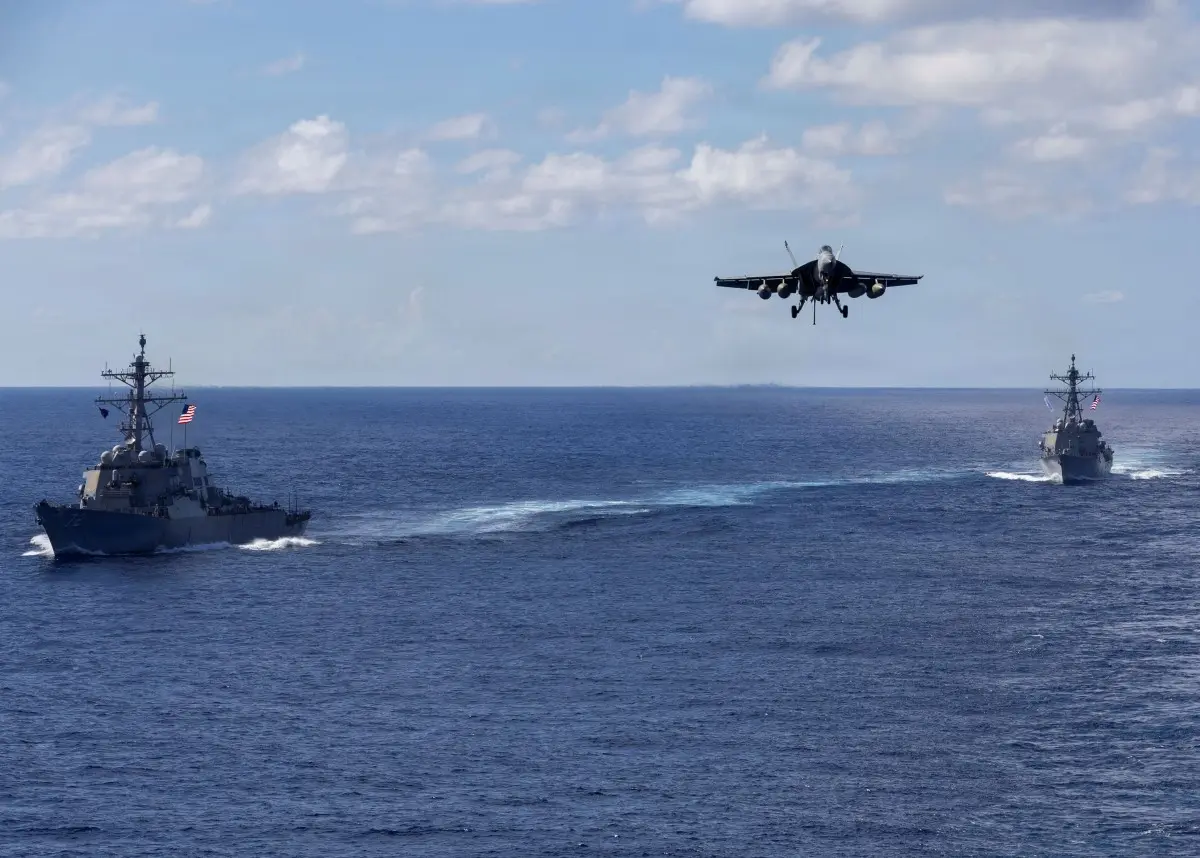
Absorbing 47.5m Foot-Pounds
Carrier arresting systems are engineered to absorb a maximum energy of 47.5 million foot-pounds during a landing. However, an overweight jet dramatically increases the tension on the steel cables. Dumping fuel ensures the aircraft does not exceed the mechanical limits, preventing a catastrophic wire snap.
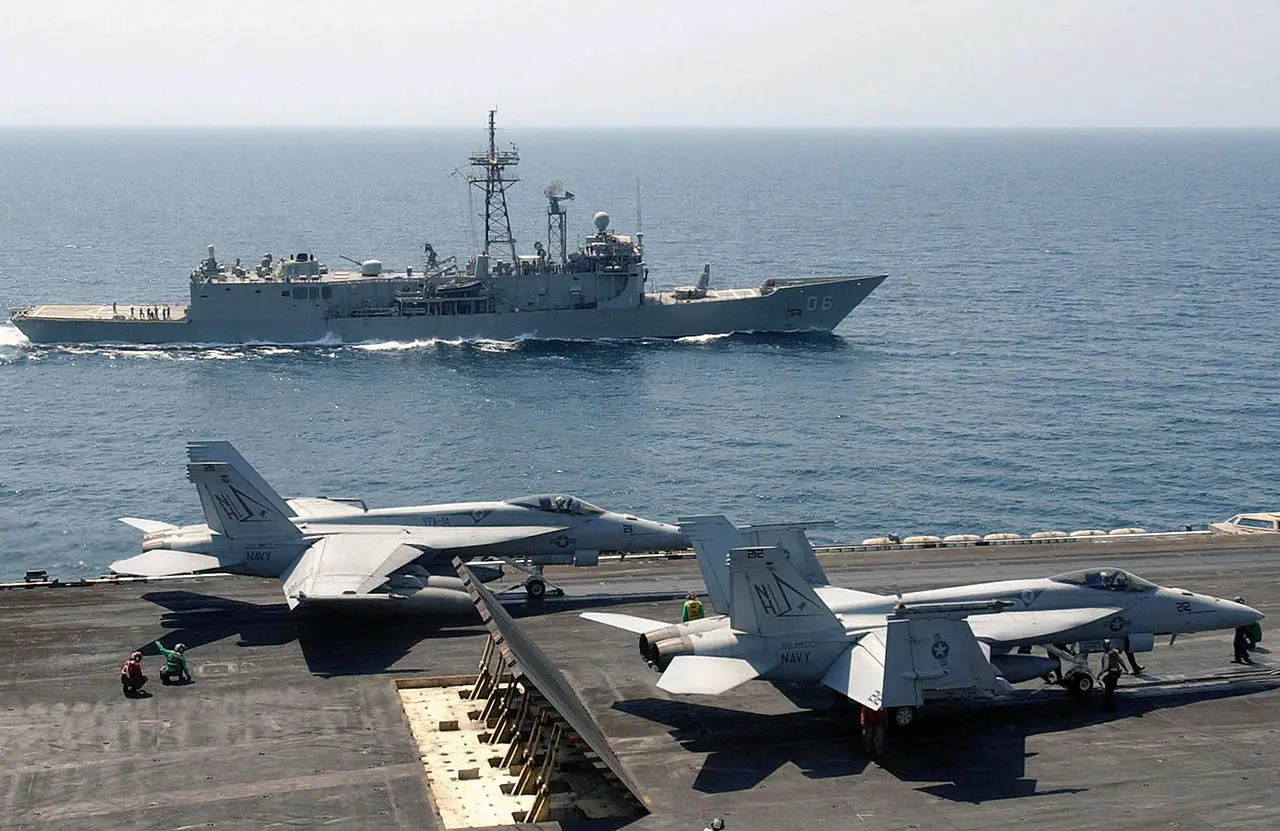
100,000-Tonne Carrier Limits
The USS Abraham Lincoln is a 100,000-tonne Nimitz-class floating airfield where mathematics cannot be ignored. Deck crews must precisely calibrate the arresting engines based on the exact weight of the incoming jet. By dumping fuel to hit a specific weight target, pilots ensure the arresting gear functions flawlessly.
)
)
)
)
)