'Weighs 100,000 tons': How does the USS Abraham Lincoln still float without sinking?

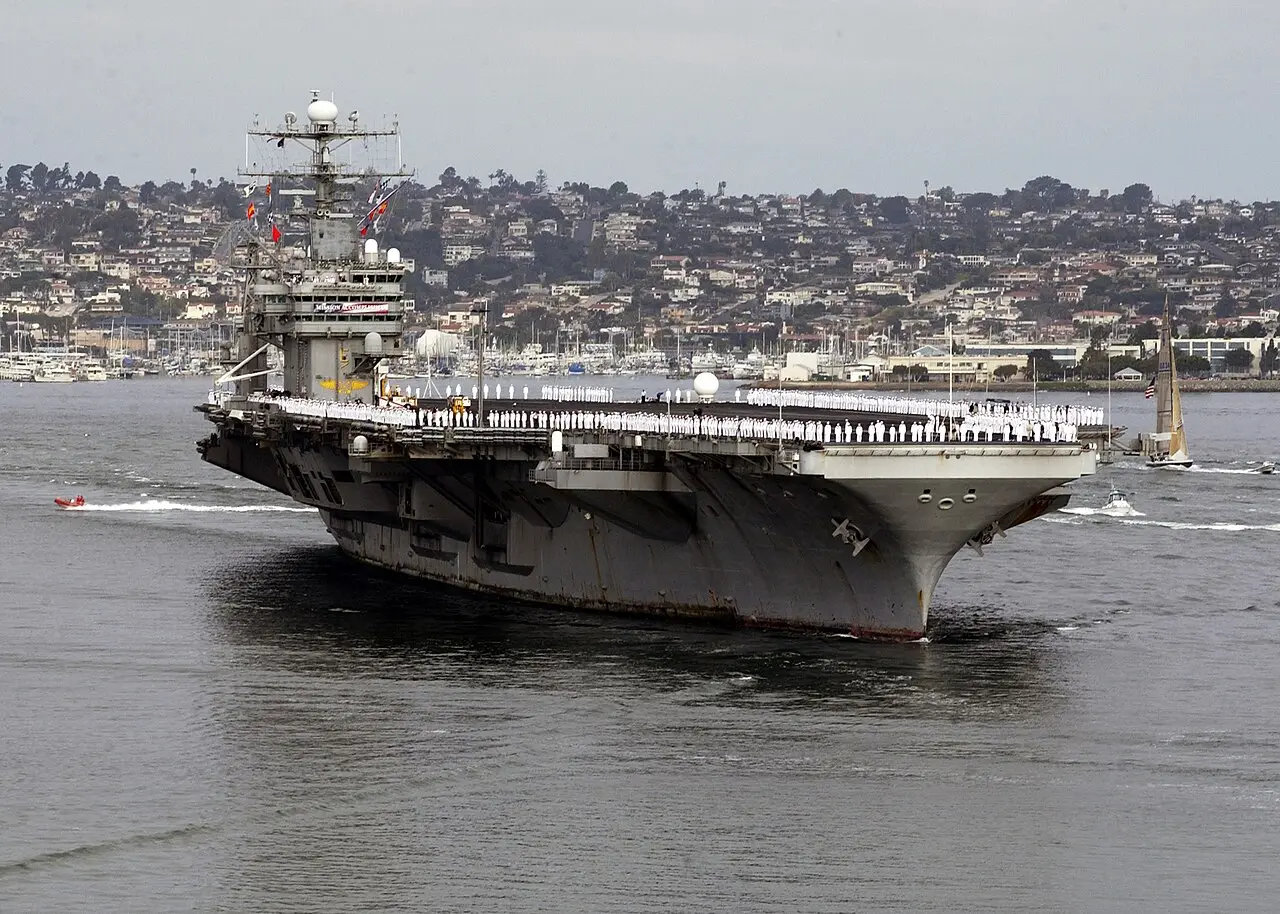
The 100,000-tonne USS Abraham Lincoln floats because its average density is lower than water. Using Archimedes' principle, its wide hull displaces enough water to create an upward force matching its immense weight.
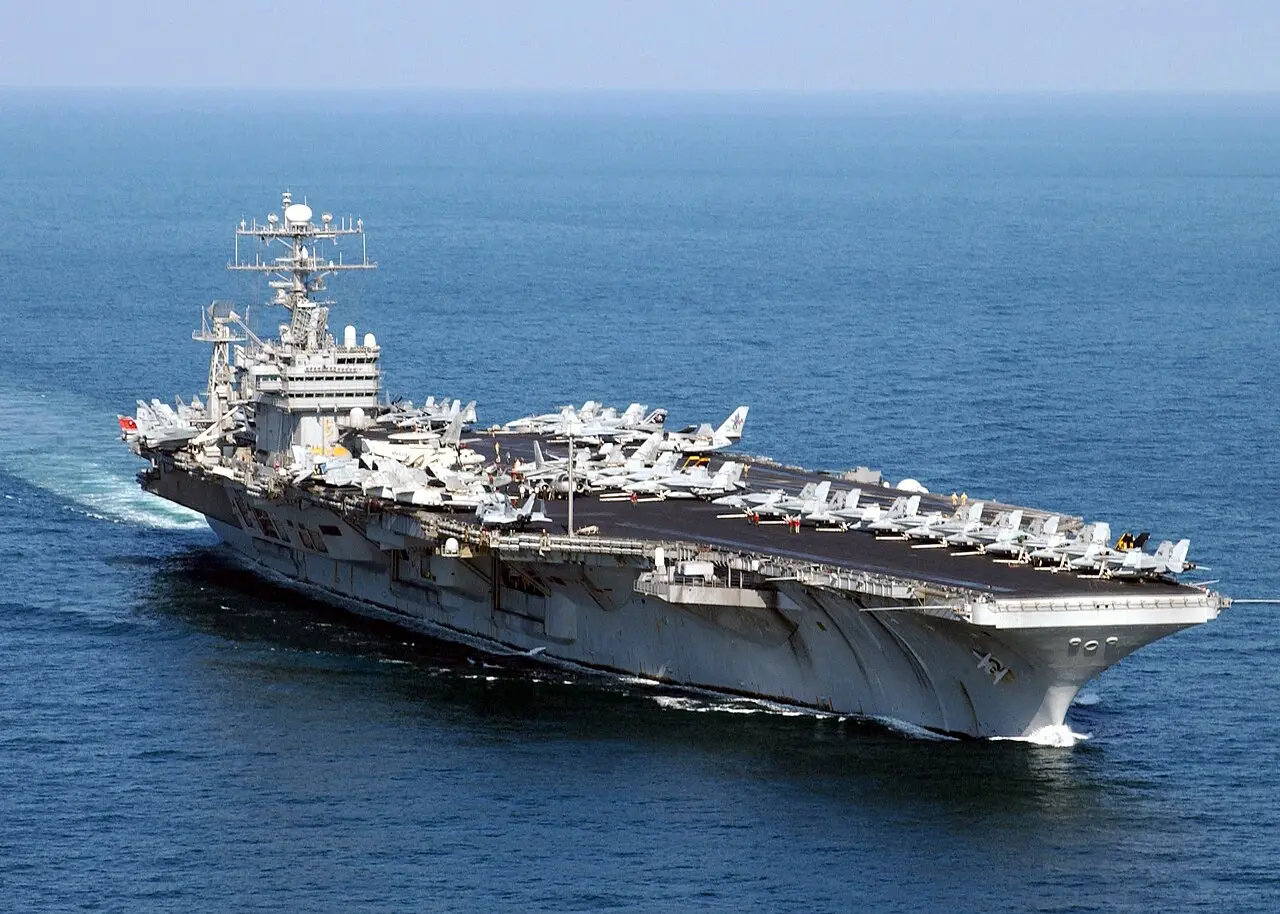
100,000 tonnes displacement
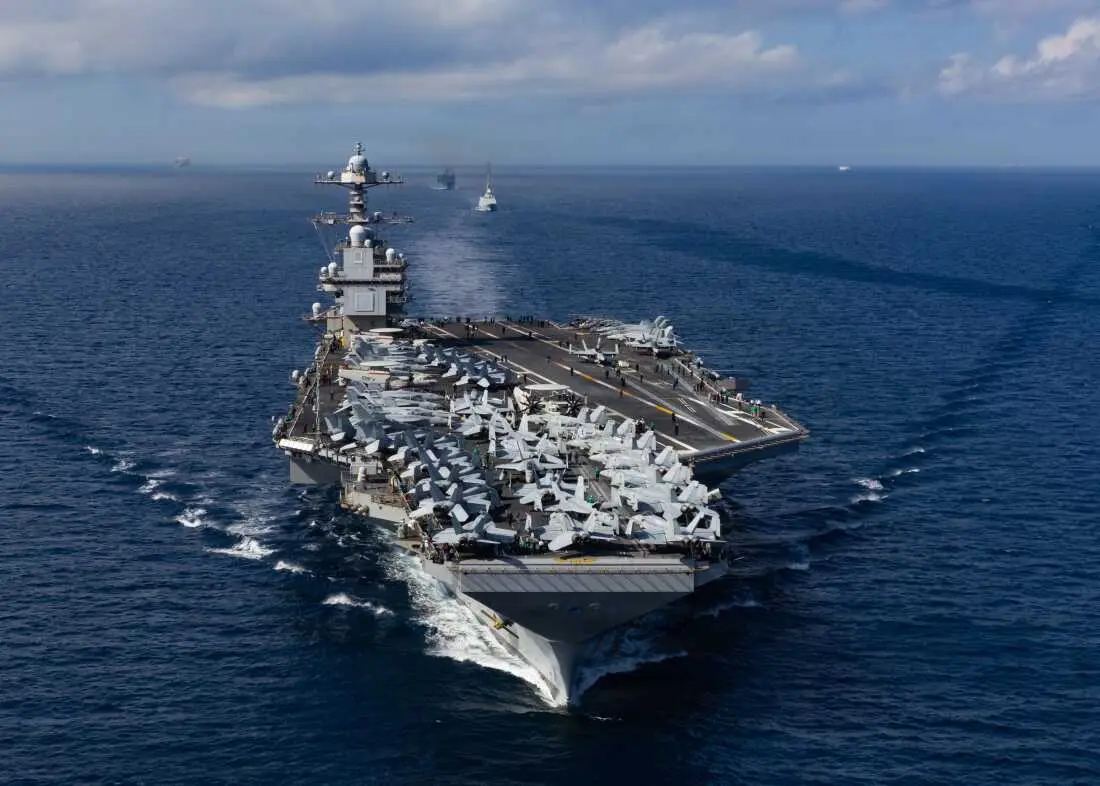
The USS Abraham Lincoln is one of the world's largest warships, with a full-load displacement of roughly 100,000 tonnes. Despite this immense weight, the ship floats because it is designed to displace a volume of water equal to its own mass. This balance is critical for its operation at sea.
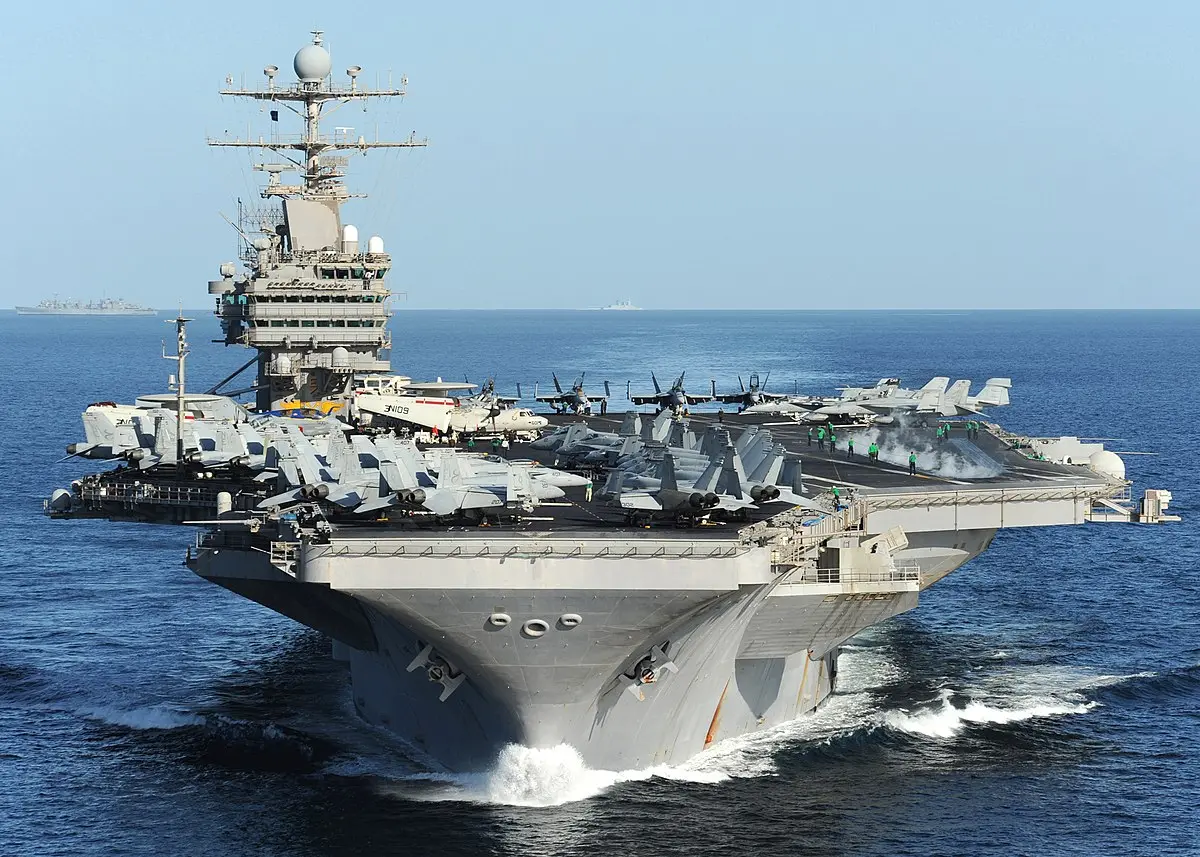
Archimedes' buoyancy principle
The primary reason this steel giant floats is Archimedes' principle. The physical law states that the upward buoyant force exerted on a body immersed in a fluid is equal to the weight of the fluid usually displaced. This upward force counters the ship's downward gravity.
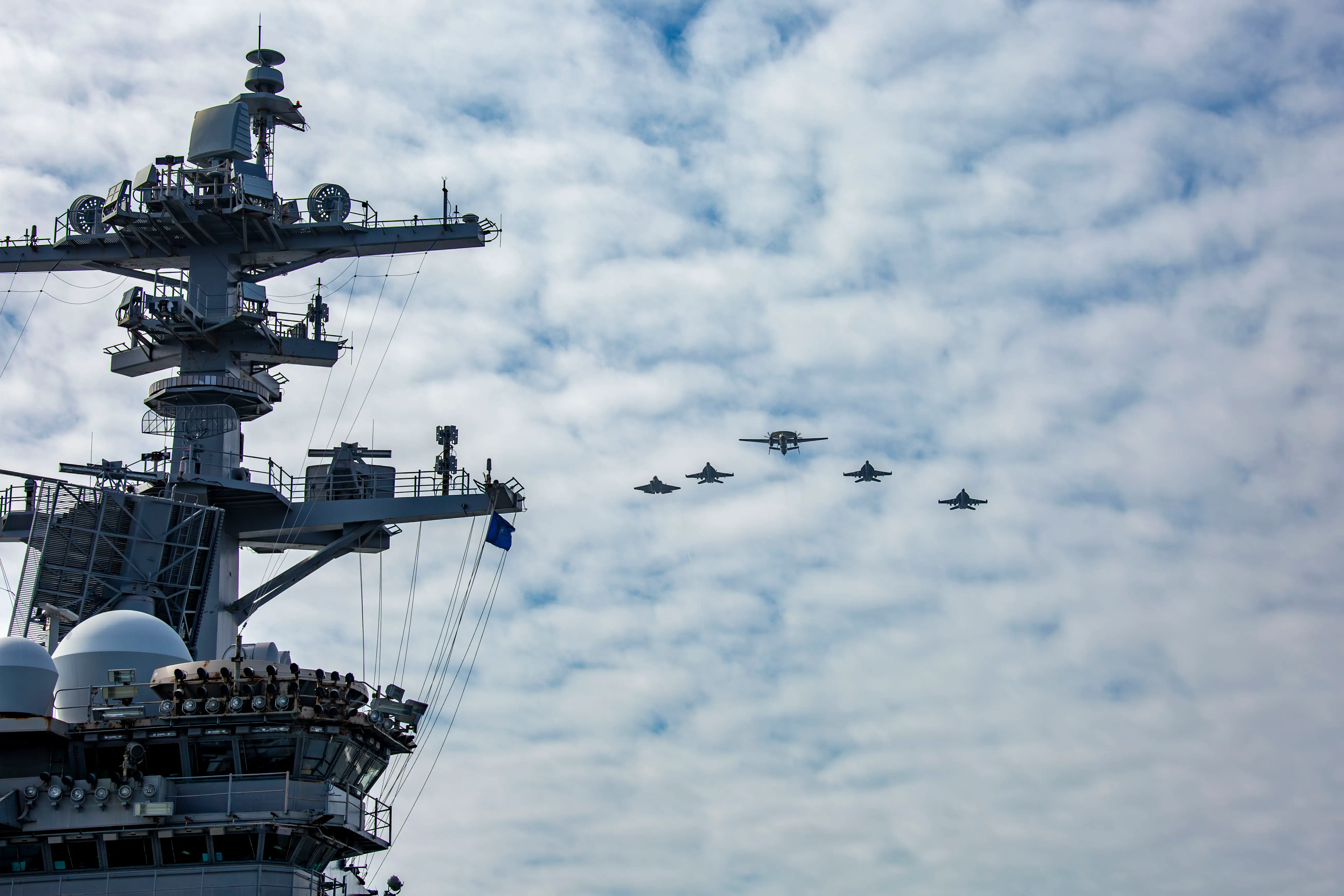
Average density factor
While steel is denser than water, the ship itself is not a solid block of metal. It contains vast open spaces, air pockets, hangars, and cabins, making its average density significantly lower than that of the ocean water. This low density allows it to rest on the surface.
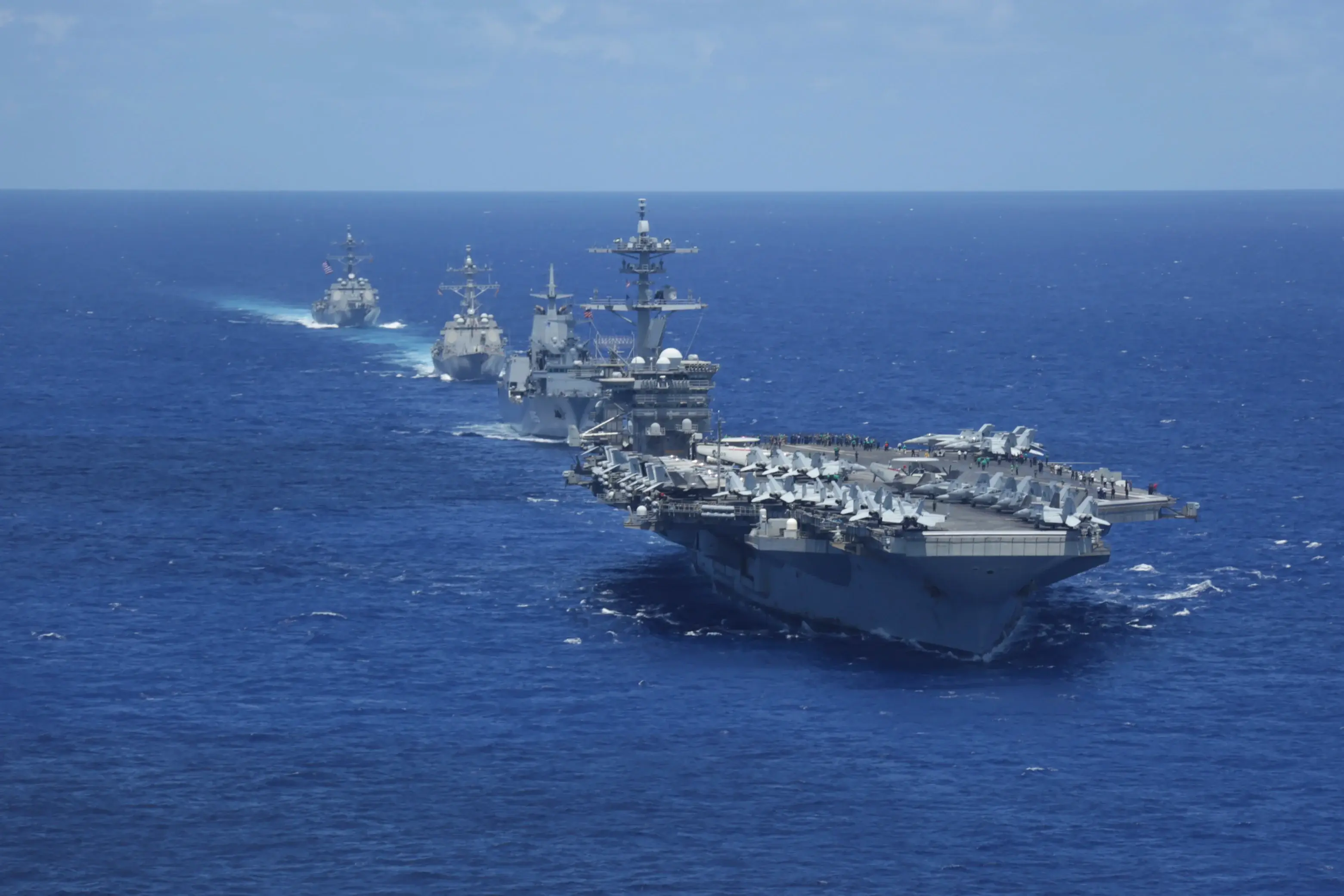
Wide hull design
The shape of the hull plays a vital role in stability and displacement. The carrier features a wide, flat bottom that pushes away a massive amount of water as it settles. By spreading the weight over a larger area, the ship maximizes the upward buoyant force keeping it afloat.
90 aircraft capacity
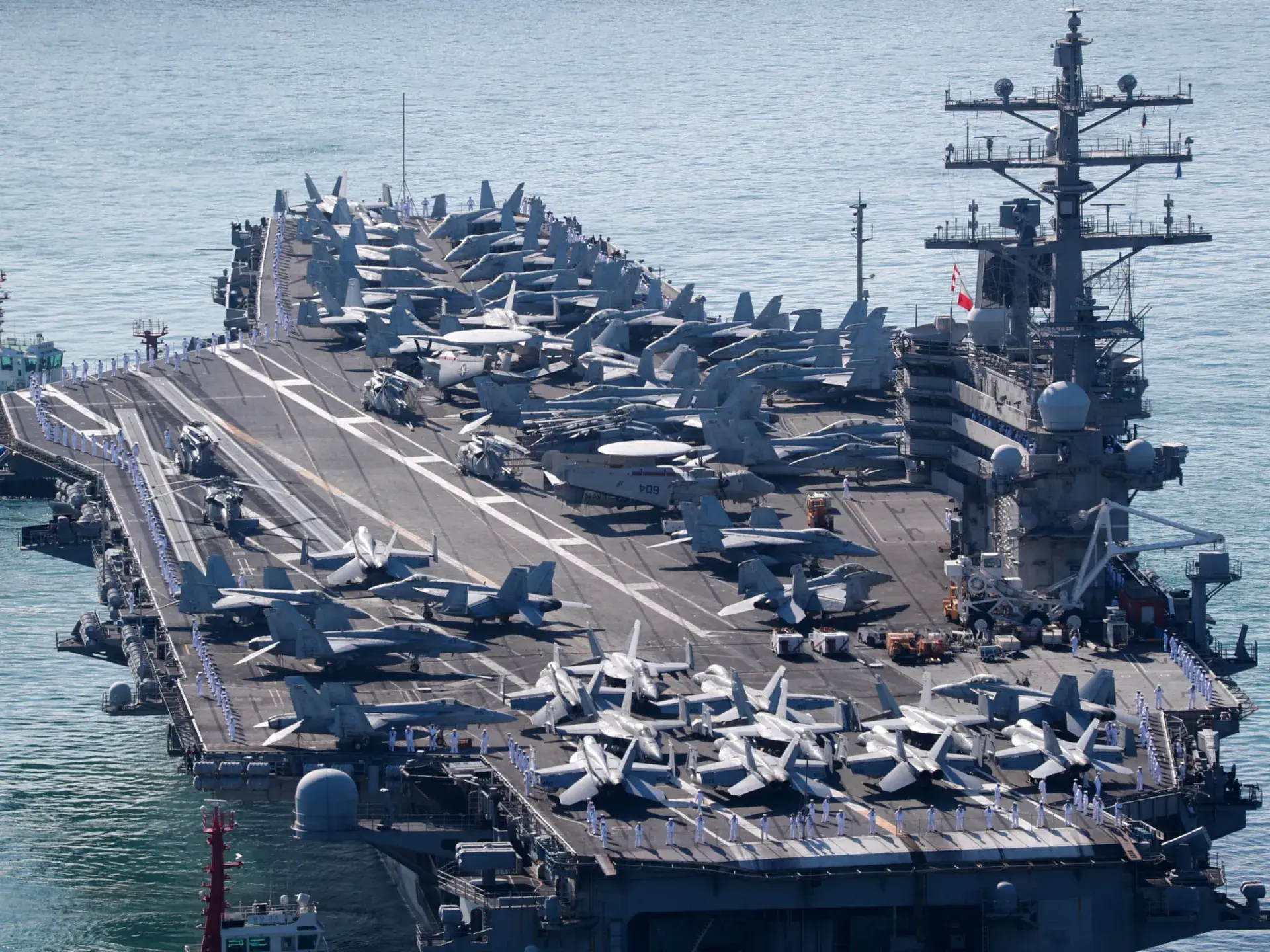
This floating airbase can carry up to 90 fixed-wing aircraft and helicopters without compromising stability. The flight deck and hangars are positioned to distribute this heavy load evenly. Engineers calculate the weight of every jet and fuel litre to ensure the ship remains perfectly balanced.
Two nuclear reactors
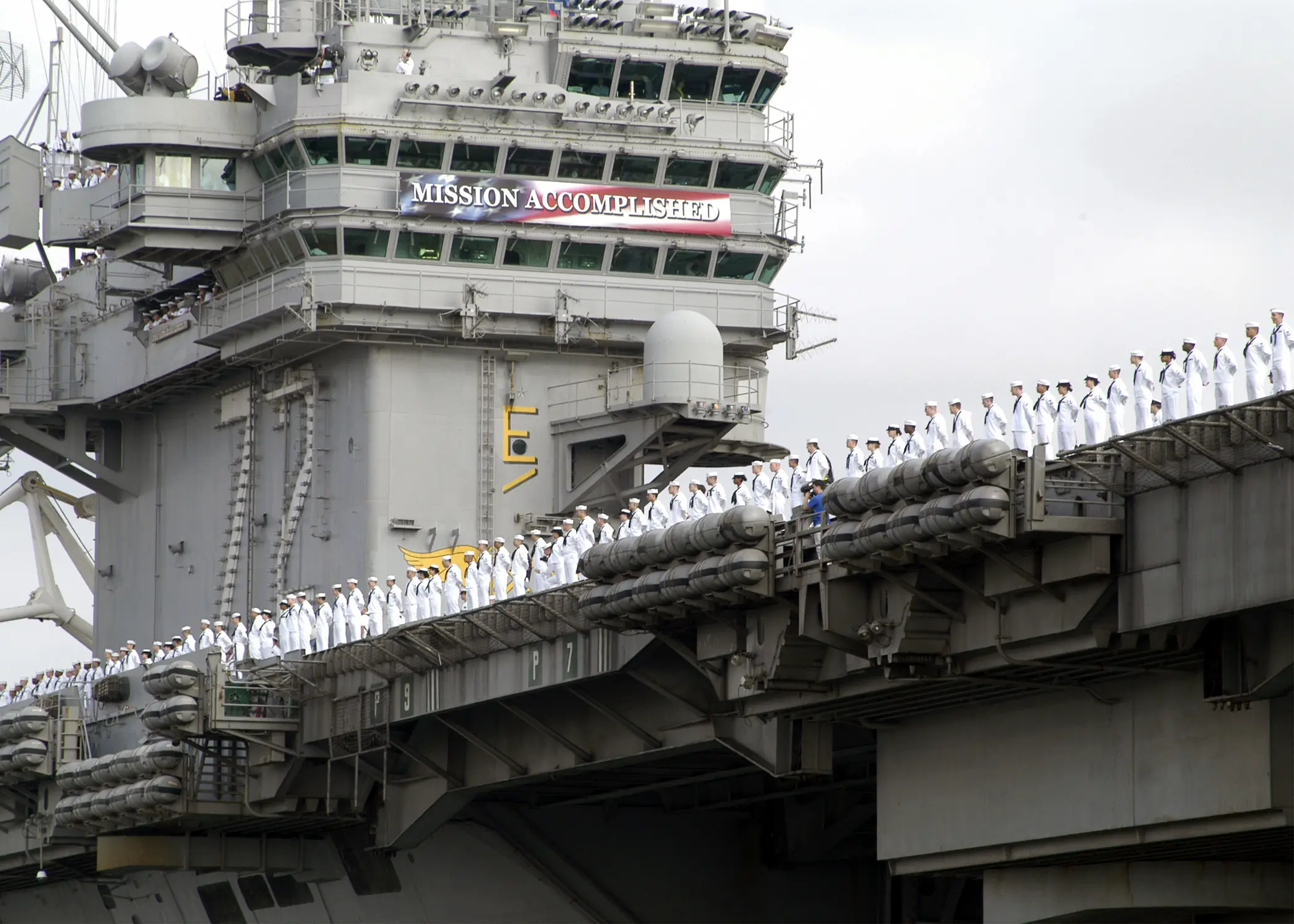
The ship is powered by two A4W nuclear reactors instead of heavy fuel oil tanks. This significantly reduces the variable weight the ship must carry compared to traditional oil-fired vessels. The reactors allow it to operate for over 20 years without refuelling, maintaining consistent displacement.
Water tight compartments
To prevent sinking during damage, the hull is divided into hundreds of watertight compartments. If the outer shell is breached, these sections can be sealed off individually. This design preserves the ship's overall buoyancy even if specific areas take on water.
Low centre of gravity
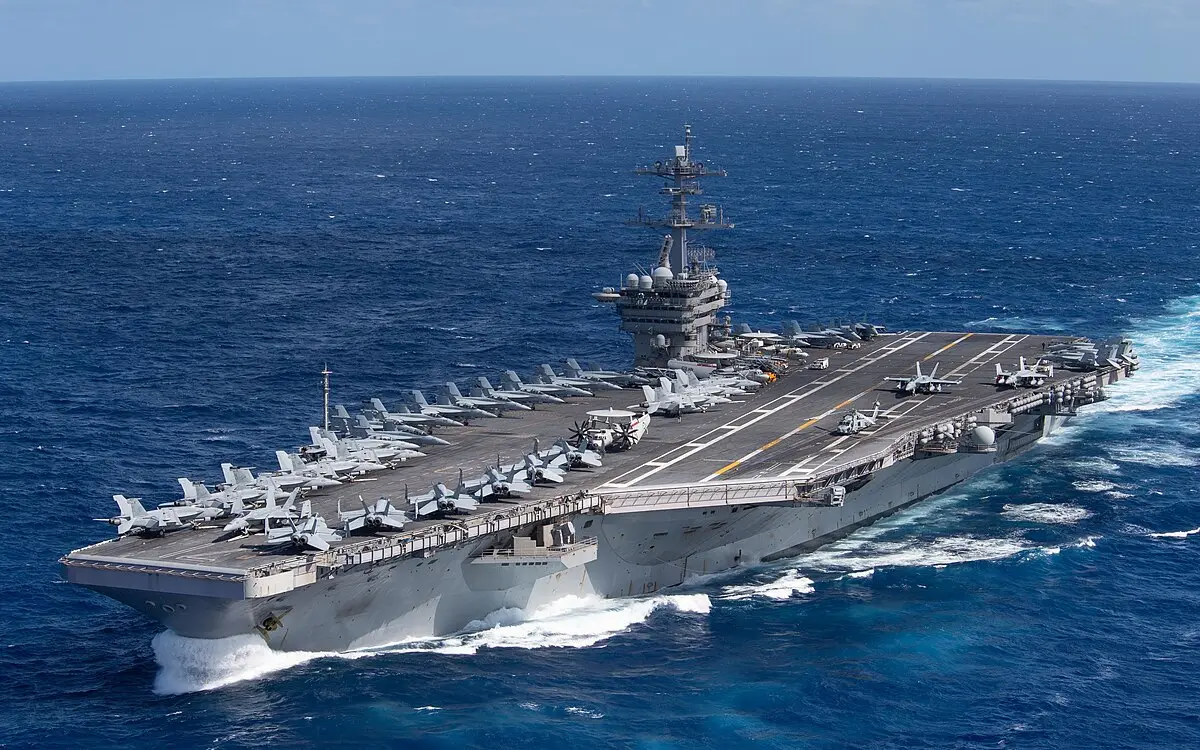
Stability is crucial for a vessel that operates in rough seas with aircraft on deck. Heavy machinery and propulsion systems are placed deep inside the hull to keep the centre of gravity low. This prevents the ship from capsizing during sharp turns or high winds.

30 knots speed
The carrier is not just a stationary platform; it moves at speeds exceeding 30 knots (56 km/h). The hydrodynamic design of the hull reduces drag and allows the ship to cut through water efficiently. This forward motion also generates a small amount of dynamic lift.
4.5 acres sovereign territory
The flight deck alone covers 4.5 acres, acting as sovereign US territory anywhere in the ocean. Maintaining this massive platform requires constant monitoring of weight distribution. Crew members meticulously track every piece of equipment moved on board to ensure the ship never lists dangerously.
)
)
)
)
)