‘Weighing only 2.4 kg’: The world’s smallest missile and who uses it?

The U.S. Navy’s Spike missile, developed by the Naval Air Warfare Center Weapons Division, is often cited as the world’s smallest guided missile. Weighing just 2.4 kilograms, it uses smartphone camera tech for guidance. Designed for Navy SEALs and Marines.
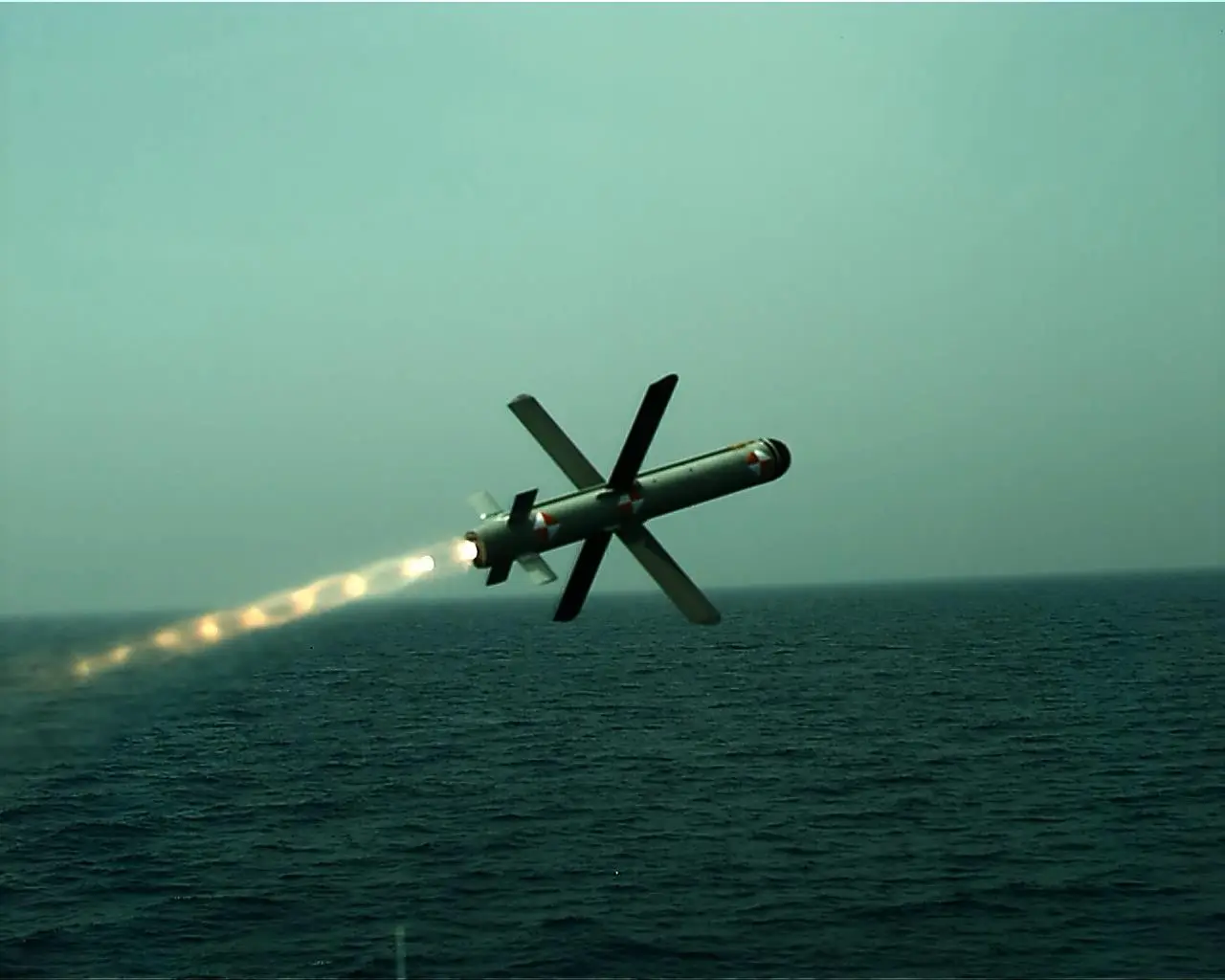
The world’s smallest guided missile Fits in a standard backpack
The Spike missile is incredibly compact, measuring just 25 inches (63.5 cm) in length and 2.25 inches in diameter. At only 2.4 kilograms, it is significantly lighter than the 22-kilogram Javelin, allowing a single soldier to carry a launcher and multiple rounds easily.
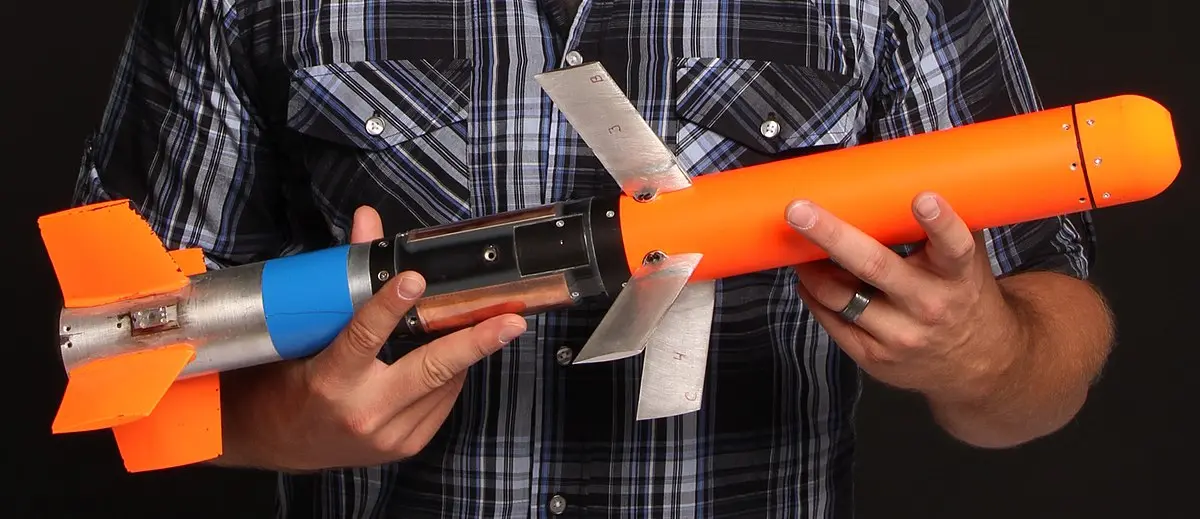
Cost Only $5,000 per unit
While traditional guided missiles like the Hellfire or Javelin cost over $100,000 each, the Spike was designed with a target cost of just $5,000. The Navy achieved this by using commercial off-the-shelf components, making it affordable for widespread use against lower-value targets.
Smartphone technology Guided by a 1-megapixel camera
To keep costs low, the missile uses an electro-optical image seeker derived from standard mobile phone camera technology. This allows the operator to lock onto a target visually, granting it 'fire-and-forget' capability without expensive military-grade sensors.
Deadly accuracy Explosively Formed Projectile (EFP)
Despite its small size, the Spike packs a punch with a 1-pound (0.45 kg) warhead. It uses an Explosively Formed Projectile (EFP) designed to penetrate light armour, making it highly effective against trucks, small boats, and machine gun nests.
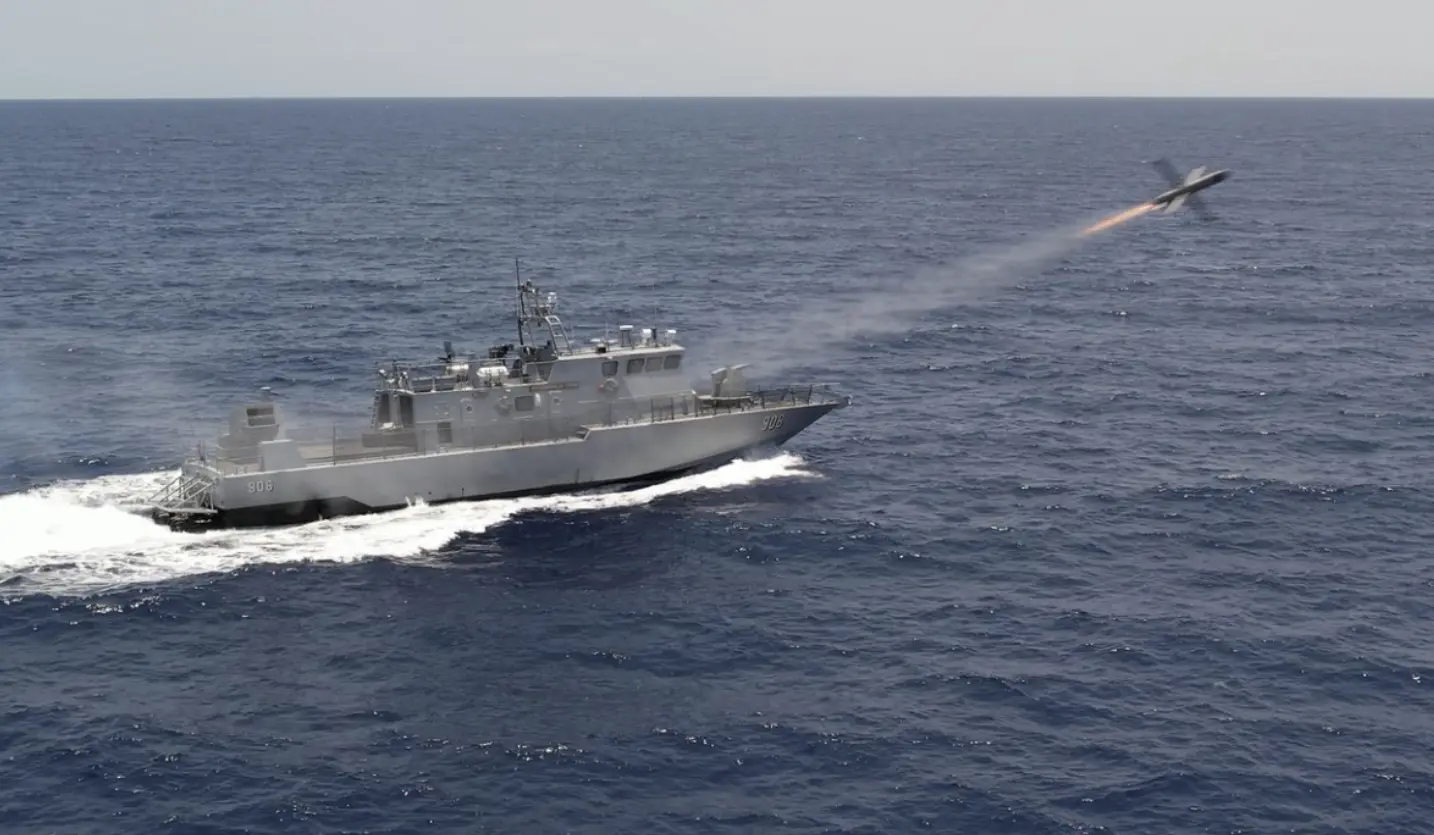
Versatile launch platforms From drones to shoulders
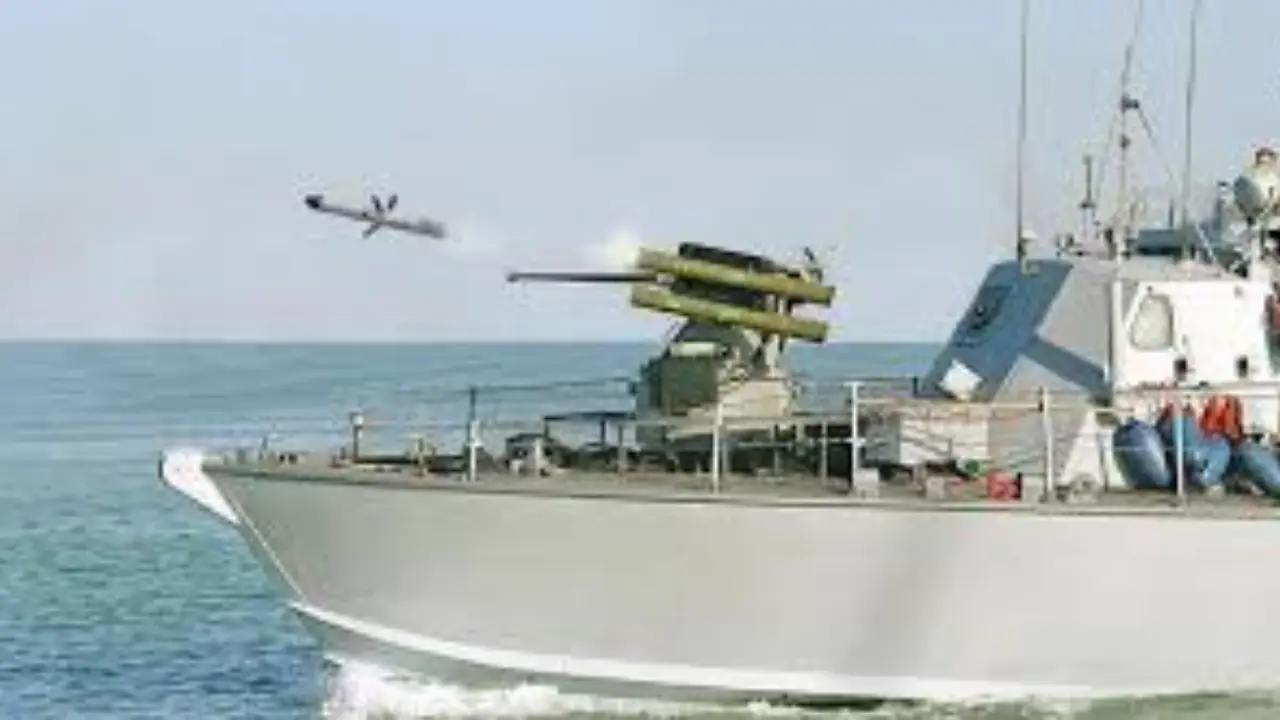
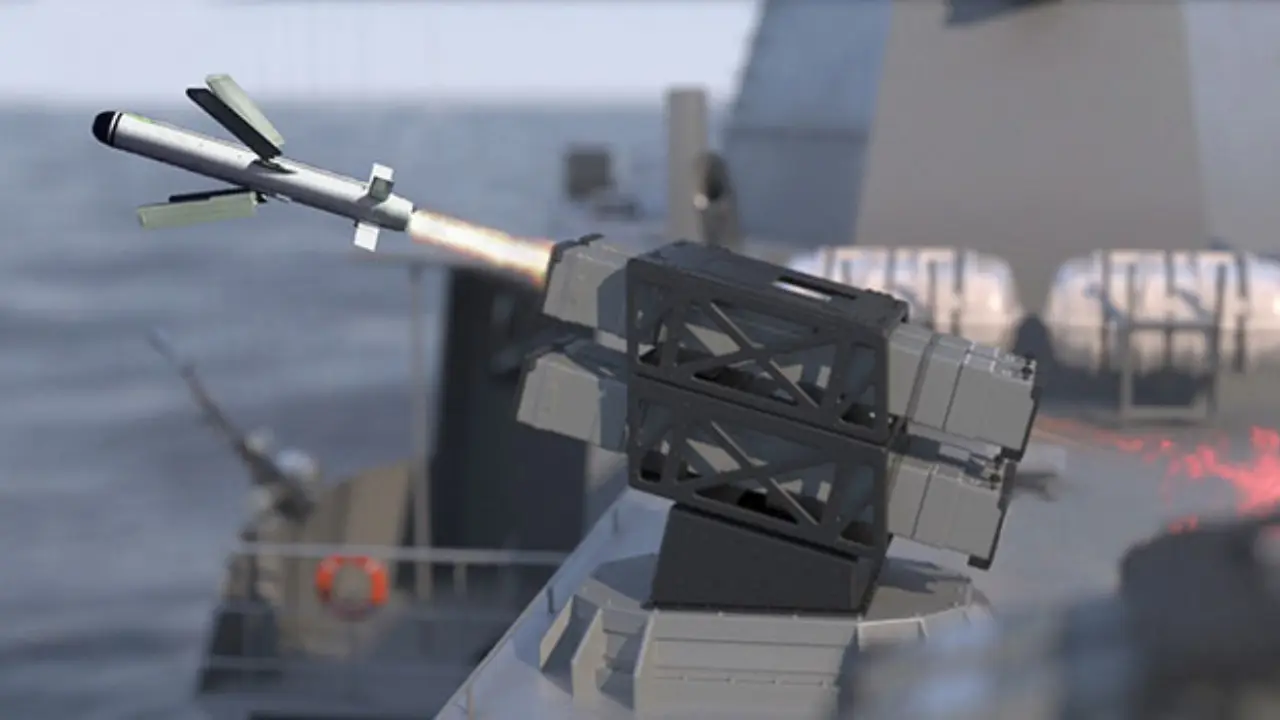
The missile’s lightweight design means it can be fired from almost anywhere. It was developed to be shoulder-launched by infantry, mounted on small unmanned aerial vehicles (UAVs), or deployed from rigid-hull inflatable boats (RHIBs) for coastal defence.
Innovation by NAWCWD
The weapon was created in-house by the Naval Air Warfare Center Weapons Division at China Lake, California. Unlike major defence contractor projects, this was a government-led initiative to rapidly field a solution for asymmetric warfare threats faced by US troops.
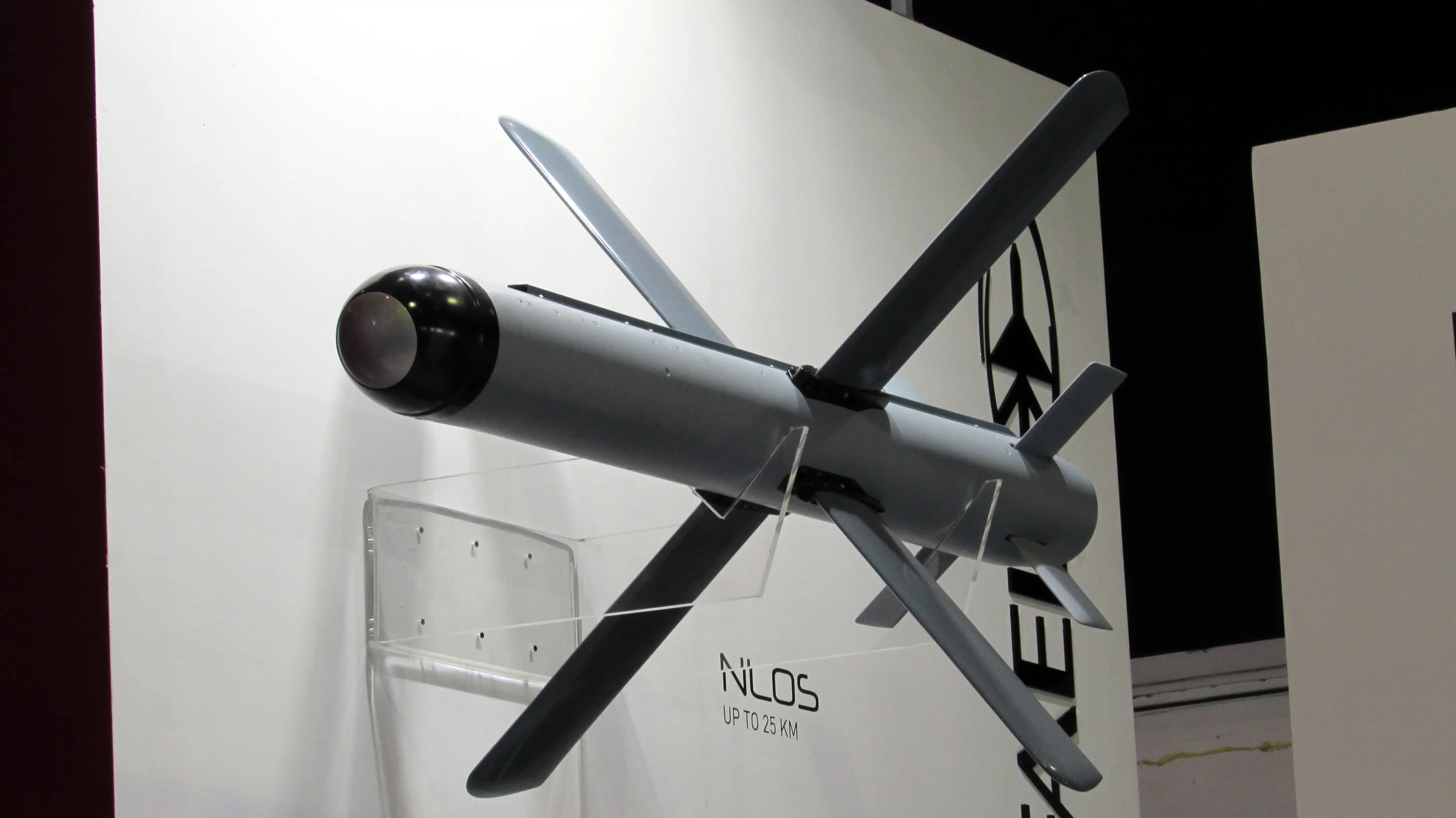
Who is it for? US Navy SEALs and Marines
The primary intended users for the Spike are US Navy SEALs and Marine Corps infantry. Its portability makes it ideal for special operations forces who need precision firepower on the move without being weighed down by heavy logistical support.
)
)
)
)
)