'Weapons of fear': Terrifying science behind thermobaric, radiological and chemical arms

Together, these weapons challenge medical response, legal norms and public trust in ways that conventional munitions do not.
Introduction: fear beyond the blast
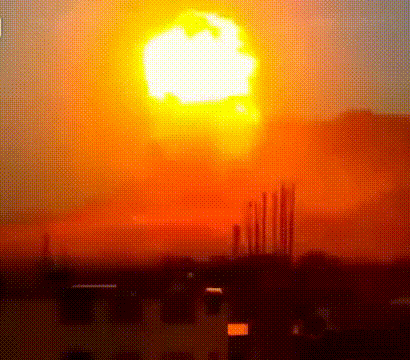
Public terror of modern weapons is not only about how much they destroy, but how they destroy, silently, lingeringly or in ways that defy easy mitigation. Thermobaric explosives sear and suffocate; radiological dispersal spreads contamination; chemical agents inflict invisible, lasting harm. Together, these weapons challenge medical response, legal norms and public trust in ways that conventional munitions do not. Let's understand why they provoke such deep alarm, and what that means for policy and preparedness.
Thermobarics: how air becomes the weapon
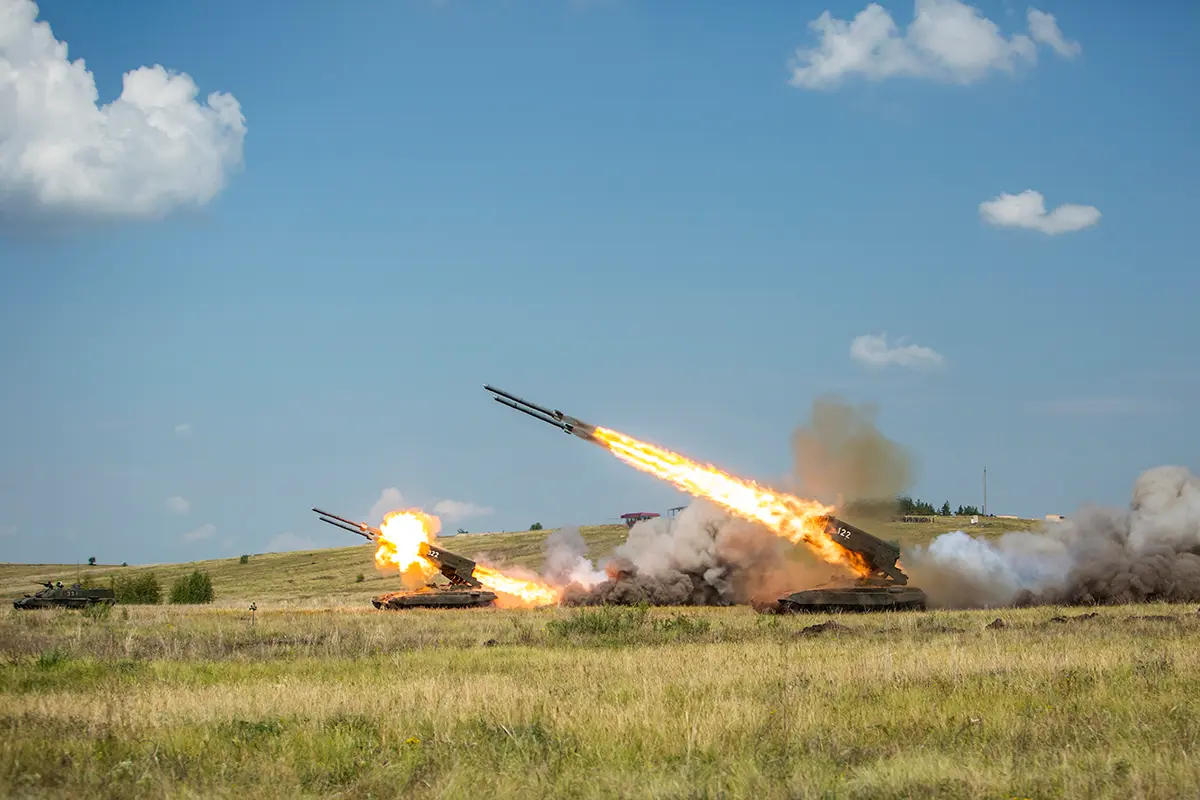
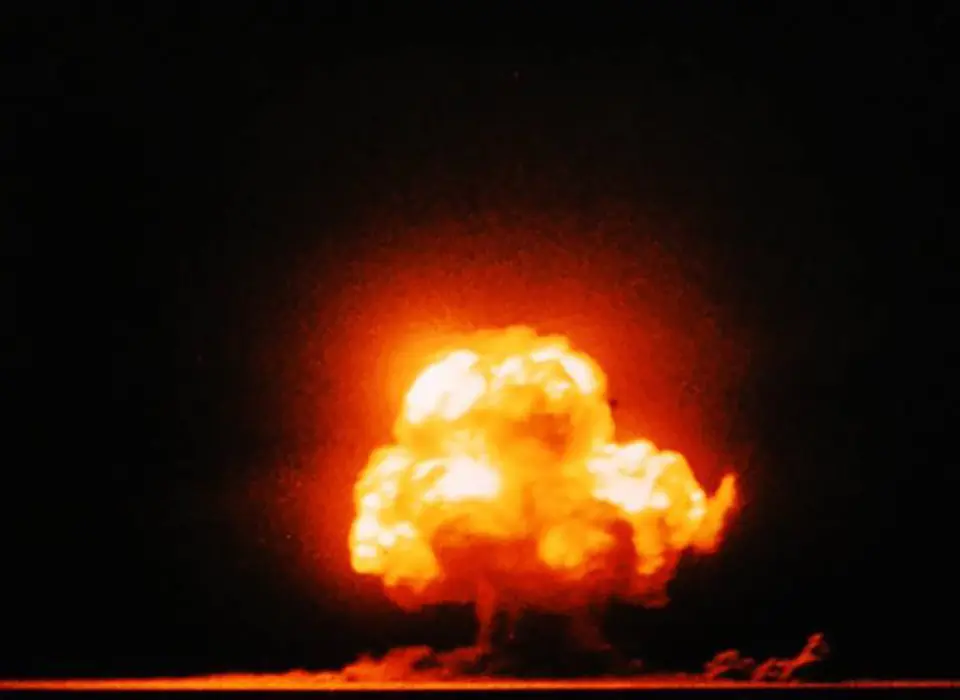
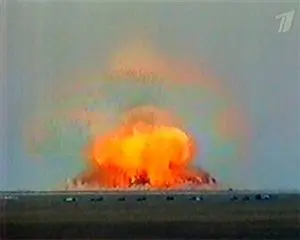
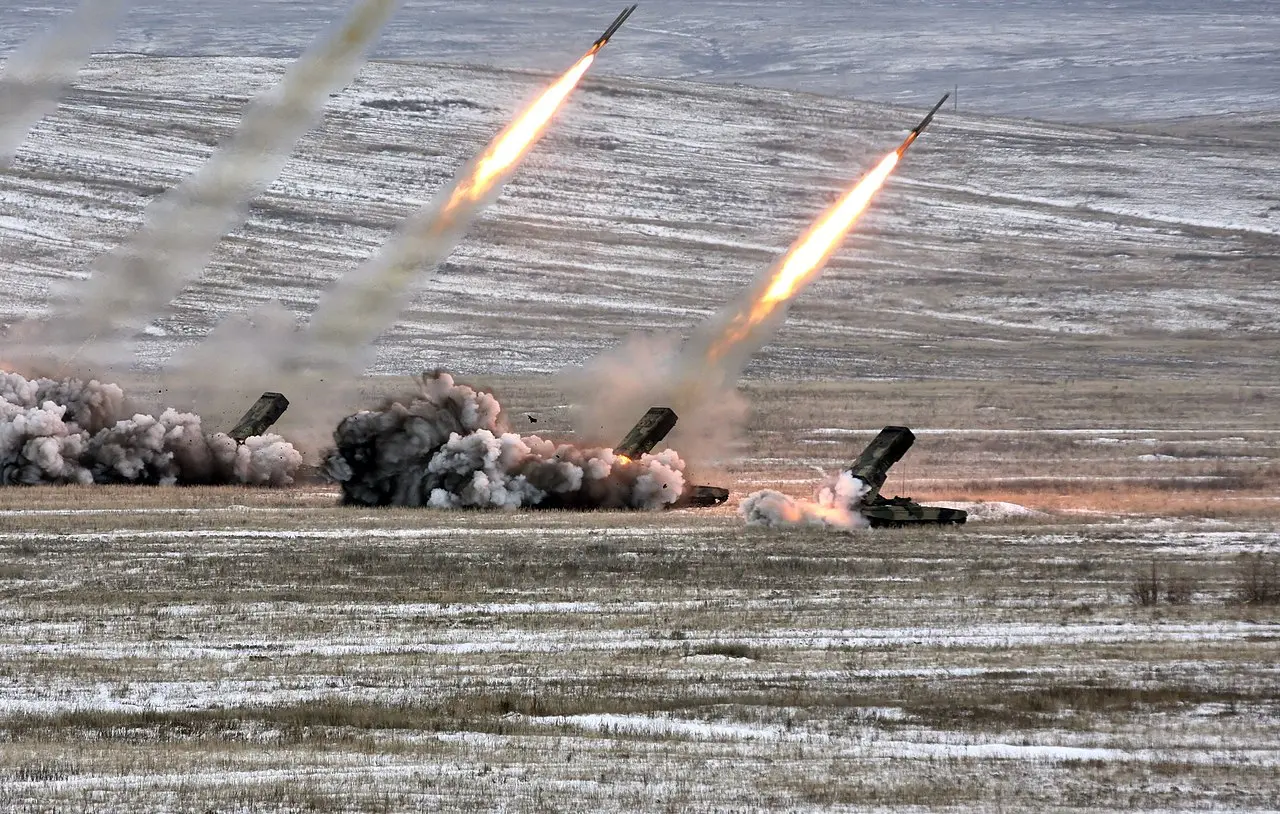
Thermobaric munitions disperse a fine fuel cloud and then ignite it, using atmospheric oxygen to sustain a high-temperature blast and an extended overpressure wave. The effect is especially destructive in confined spaces, bunkers, tunnels and buildings, where pressure and heat reflect and intensify the damage. Their mechanism makes them qualitatively different from standard high explosives, and their capacity to consume the air around victims gives them their chilling nickname: 'vacuum bombs'.
Medical horror: injuries that defy quick rescue
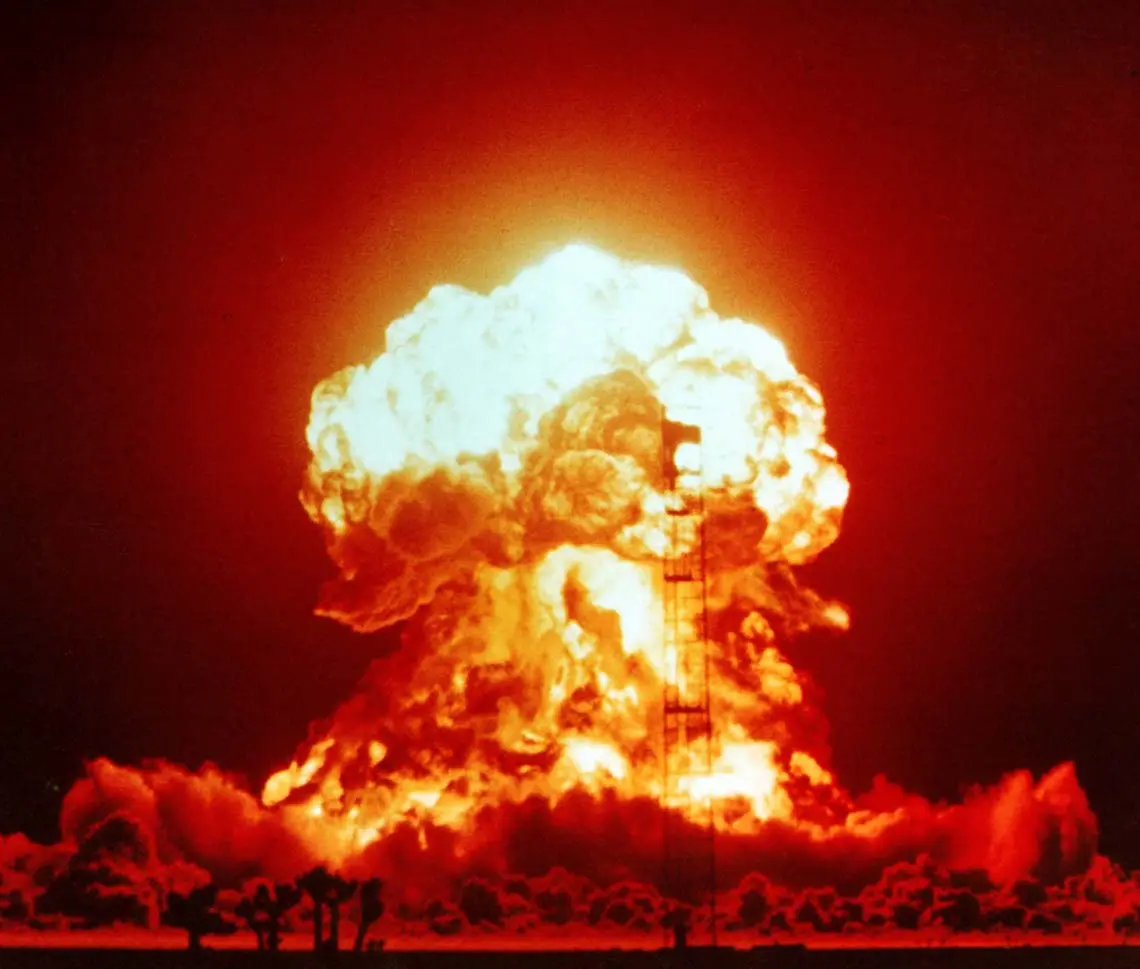
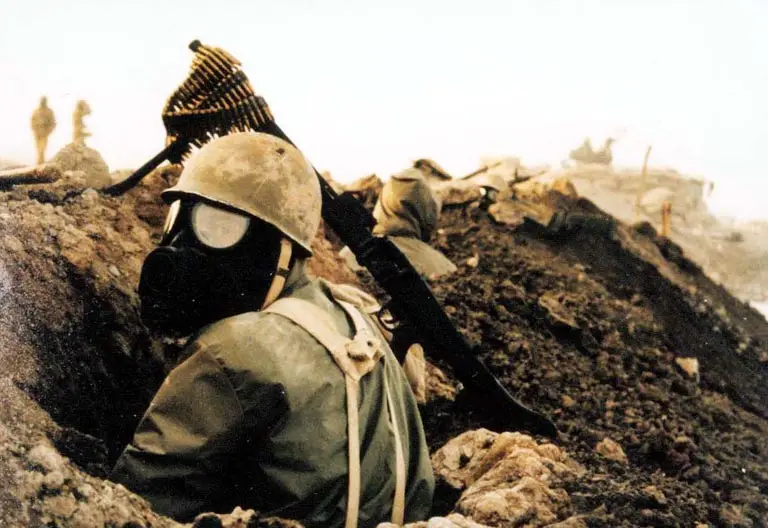
Victims of thermobaric blasts may suffer ruptured lungs, internal haemorrhage and burns with little external sign. 'Blast lung' can kill in minutes, even when there are no visible wounds. Chemical agents add another layer of devastation: nerve agents can paralyse breathing, choking gases burn airways, and blistering agents maim skin and eyes. Treating such injuries demands specialised equipment, antidotes and decontamination, resources often scarce in conflict zones.
Radiological risk: the dirty bomb fear
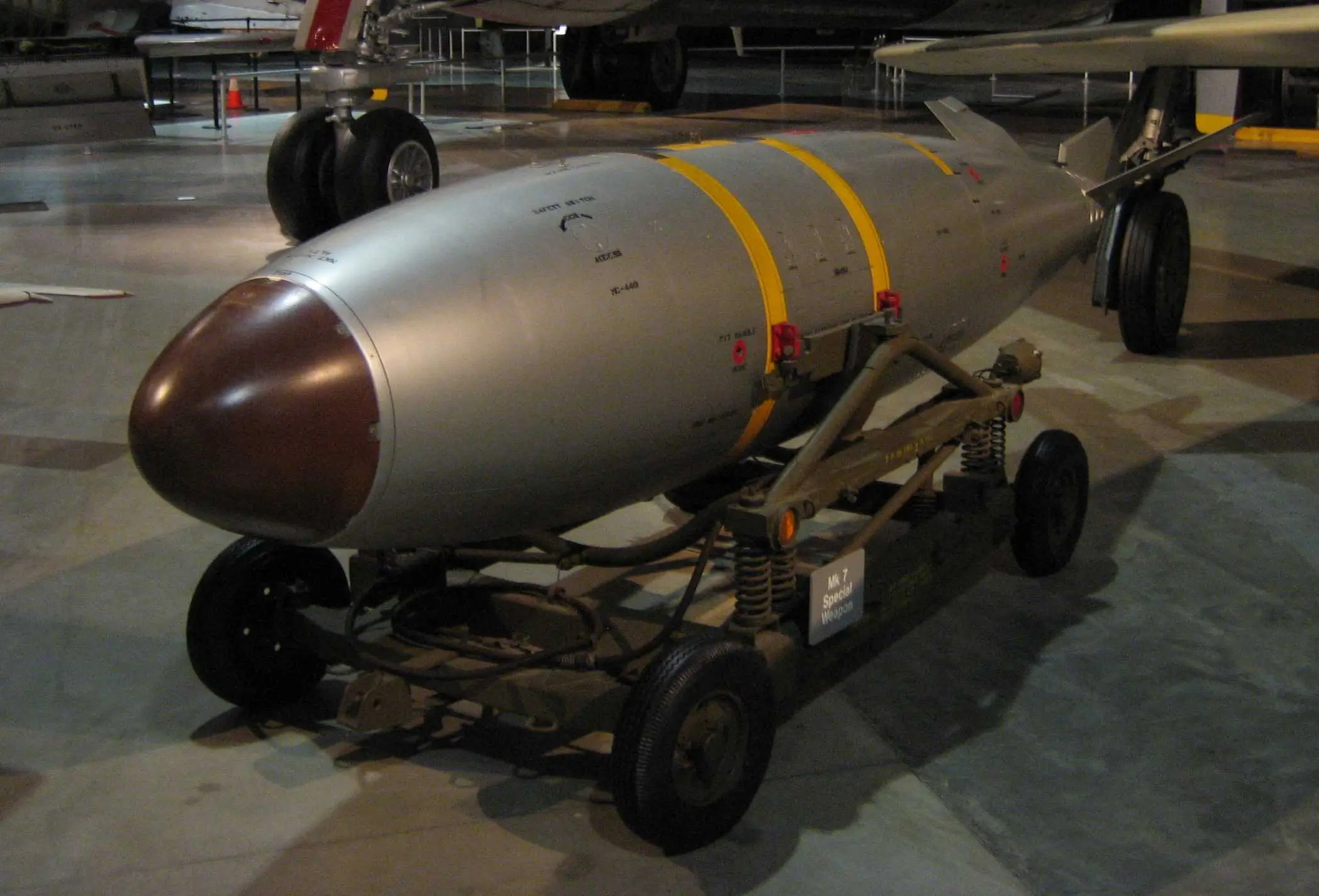
Radiological dispersal devices, or 'dirty bombs', spread radioactive material without a nuclear explosion. They are unlikely to cause mass fatalities but can contaminate large areas, forcing evacuations and triggering panic. The greater danger lies in unsecured medical and industrial radioactive sources, which have been lost or stolen multiple times worldwide. Each incident reveals how easily materials designed for peaceful use can be turned into tools of terror.
Legal and ethical grey areas
Chemical weapons are banned under international law, but enforcement has often proved uneven. Thermobaric weapons, by contrast, are not explicitly prohibited, leaving their use governed by broader humanitarian principles, distinction, proportionality and the avoidance of unnecessary suffering. Radiological weapons exist in a similar grey zone, where no single treaty directly addresses their use. This ambiguity fuels public unease, as legality does not necessarily equal safety.
Real-world use and evidence
Recent conflicts have seen the re-emergence of these weapon types. Chemical agents have been used in Syria, causing civilian casualties and global outrage. Thermobaric systems have appeared in urban combat zones, where their pressure effects are magnified. Radiological thefts and attempted smuggling incidents continue to surface. Each episode underscores how easily such weapons cross from theoretical threat to real-world consequence.
Policy responses and limits of protection
Global agencies and humanitarian groups continue to call for tighter control and oversight. Efforts focus on securing radioactive sources, enforcing chemical-weapon bans, and examining the lawful use of thermobaric arms. Yet, even the best security systems cannot fully eliminate fear. Governments must also invest in emergency medical capacity, detection networks and public communication to manage the psychological impact of potential use.
Conclusion: fear as a measure of power
These weapons terrify not only because of what they destroy, but because of what they leave behind, radiation, toxins, trauma and uncertainty. They shift the consequences of war from soldiers to civilians, from the front line to hospitals and cities.
)
)
)
)
)