'Weapon with a soul': BrahMos missile and the tale of two rivers! Understanding the mystery behind the name

When India’s DRDO and Russia’s NPO Mashinostroyeniya formed the joint venture in 1998, they wanted a name that wasn’t just technical, it needed identity.
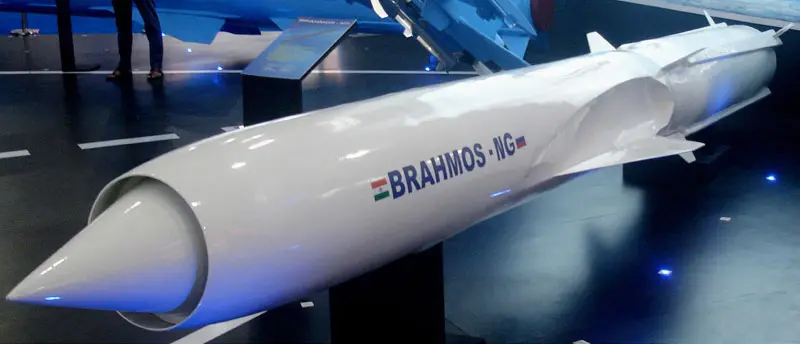
1. A Missile Named After Two Rivers — Not Engineers or Generals
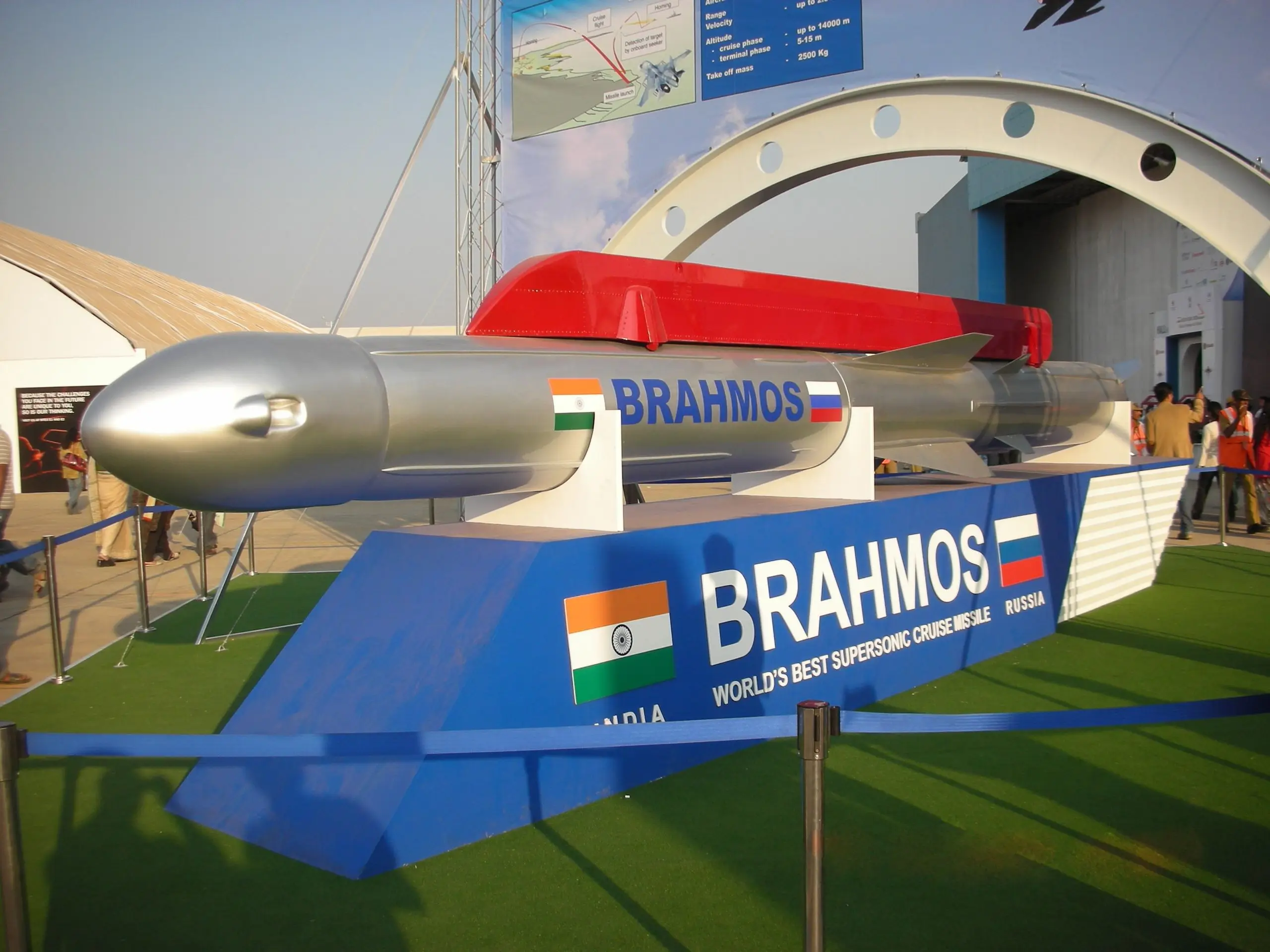
Most missiles are named after gods, warriors, or military legends. BrahMos isn’t. Its creators picked two rivers, India’s Brahmaputra and Russia’s Moskva, as a symbolic way to say: this weapon flows from two nations, not one. At a time when defence collaborations rarely got poetic, this name stood out as a quiet diplomatic flex.
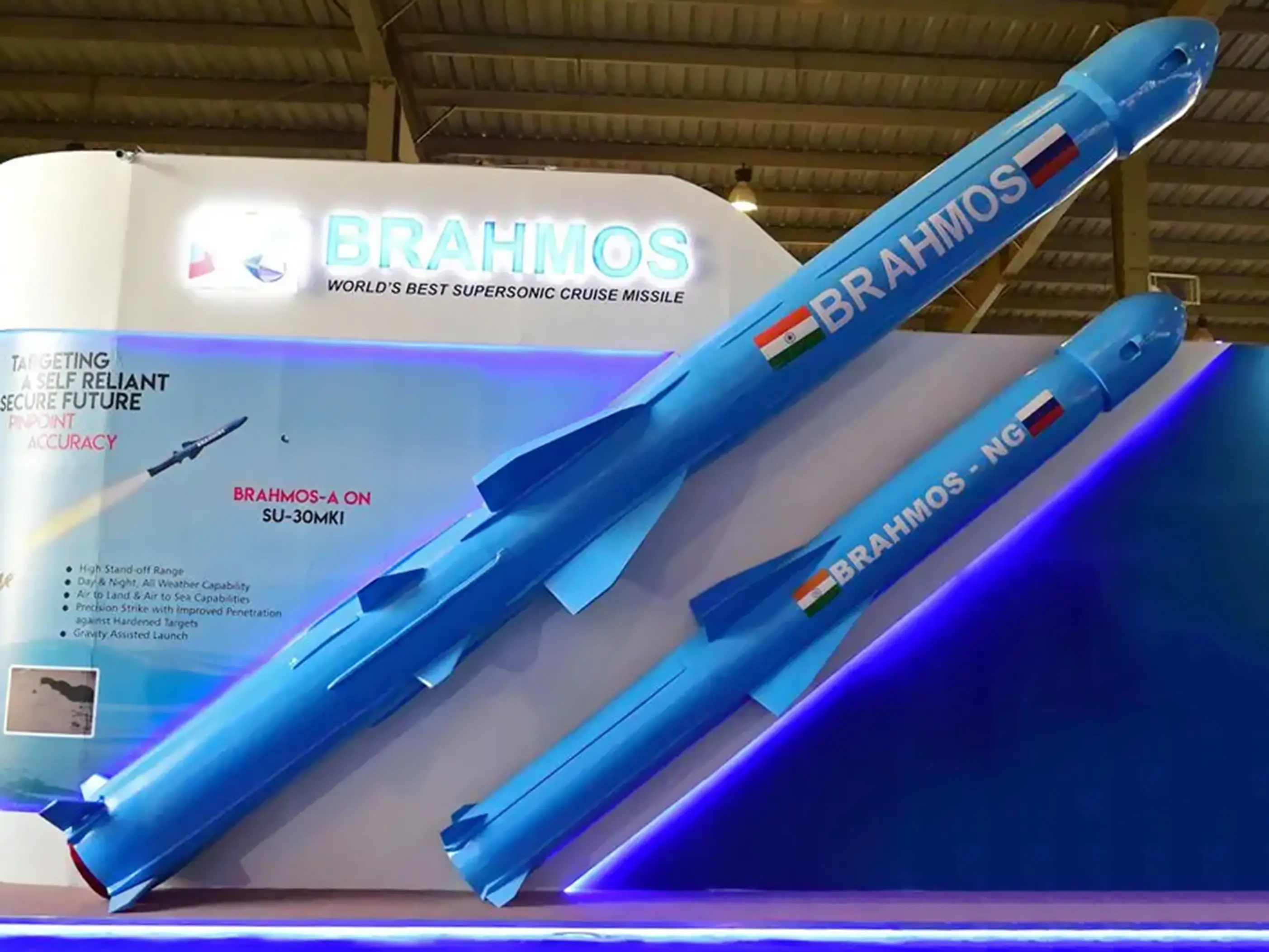
2. The Name Was Chosen to Capture the Spirit of the Partnership
When India’s DRDO and Russia’s NPO Mashinostroyeniya formed the joint venture in 1998, they wanted a name that wasn’t just technical, it needed identity. “BrahMos” was picked to represent an equal partnership, blending Indian and Russian roots into a single word that sounded both powerful and futuristic.
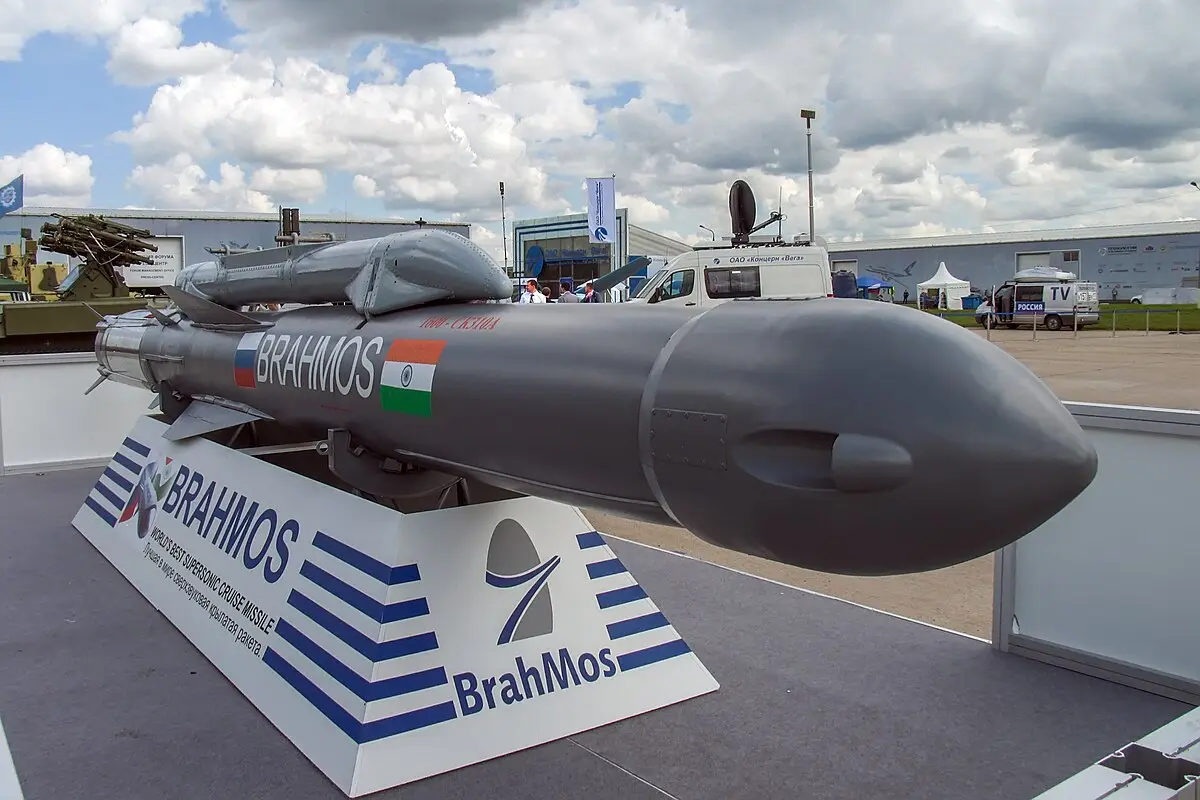
3. Brahmaputra Represents India’s Scale and Energy
The Brahmaputra is one of India’s most forceful rivers, unpredictable, mighty, and capable of carving geography. Naming half the missile after it was a nod to India’s growing confidence in defence R&D, especially in missile guidance, electronics, and fire-control systems.
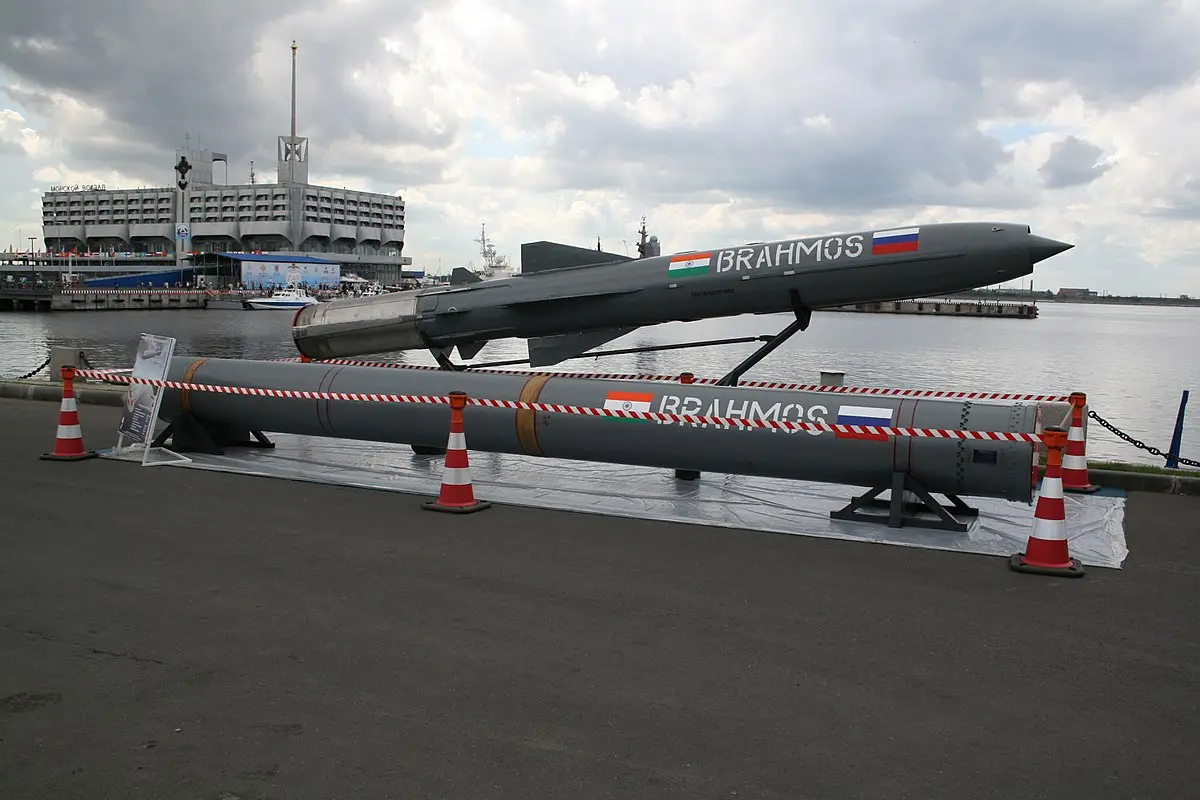
4. Moskva Stands for Russia’s Missile Heritage
The Moskva River flows through Moscow, home to Russia’s storied aerospace and missile design ecosystem. It symbolises the foundation on which BrahMos was built: Russia’s expertise in high-speed aerodynamics, ramjet propulsion, and the P-800 Oniks platform that became the missile’s starting point.
5. Two Rivers, One Missile — A Perfect Metaphor
A river doesn’t start strong. It gathers force as it flows. That’s exactly how the BrahMos project worked. India brought new-age electronics, software and systems integration. Russia brought propulsion, engineering pedigree, and production experience. The “meeting of rivers” became a meeting of technologies.
6. The Name Was Also a Signal to the World
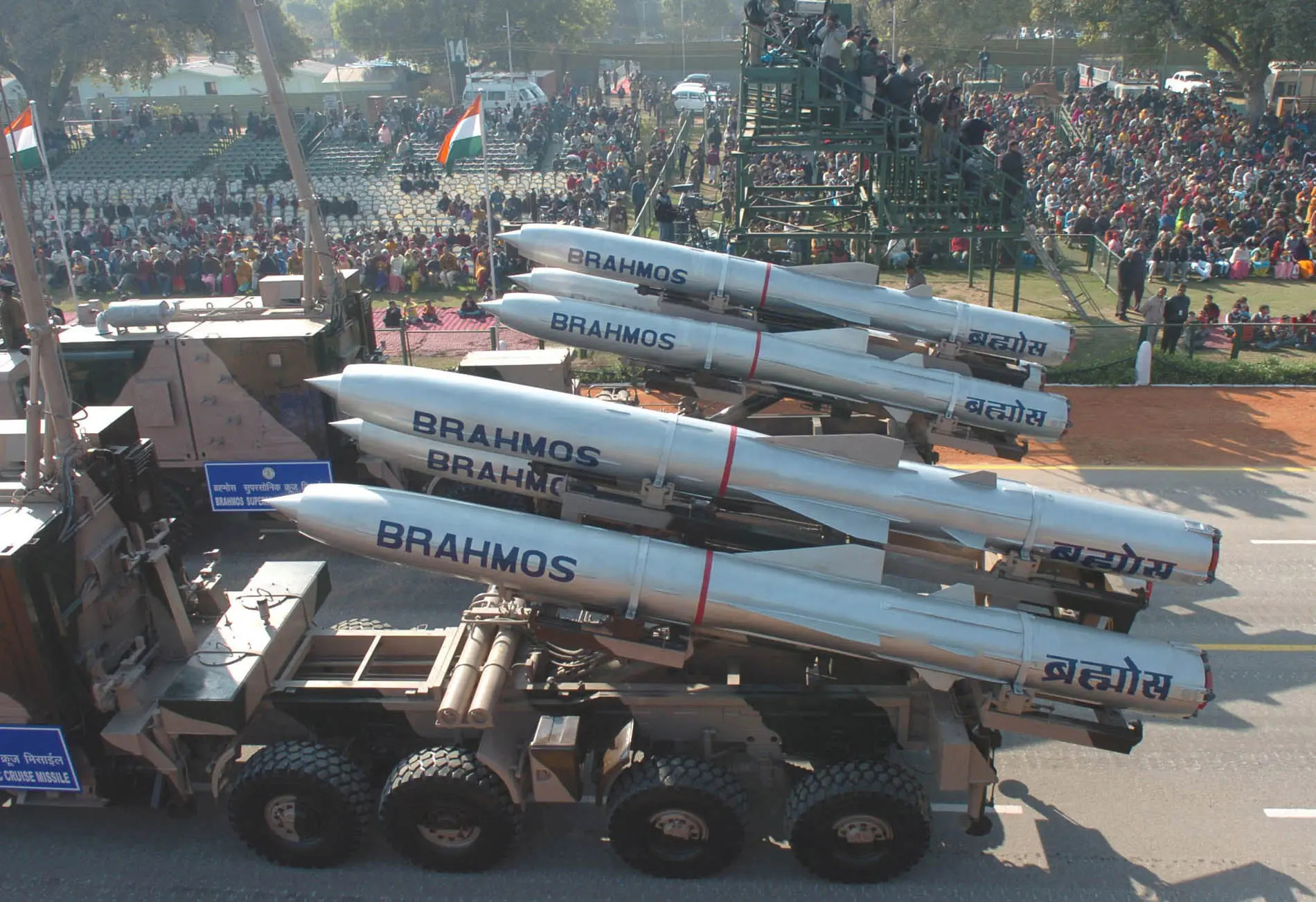
By choosing a name born from geography, not mythology, India and Russia subtly told the global defence community: this is not a rebranded import; it’s a co-created system. The missile’s rapid evolution, land, sea, air versions, proved the symbolism accurate.
7. BrahMos Became More Than a Missile — It Became a Brand
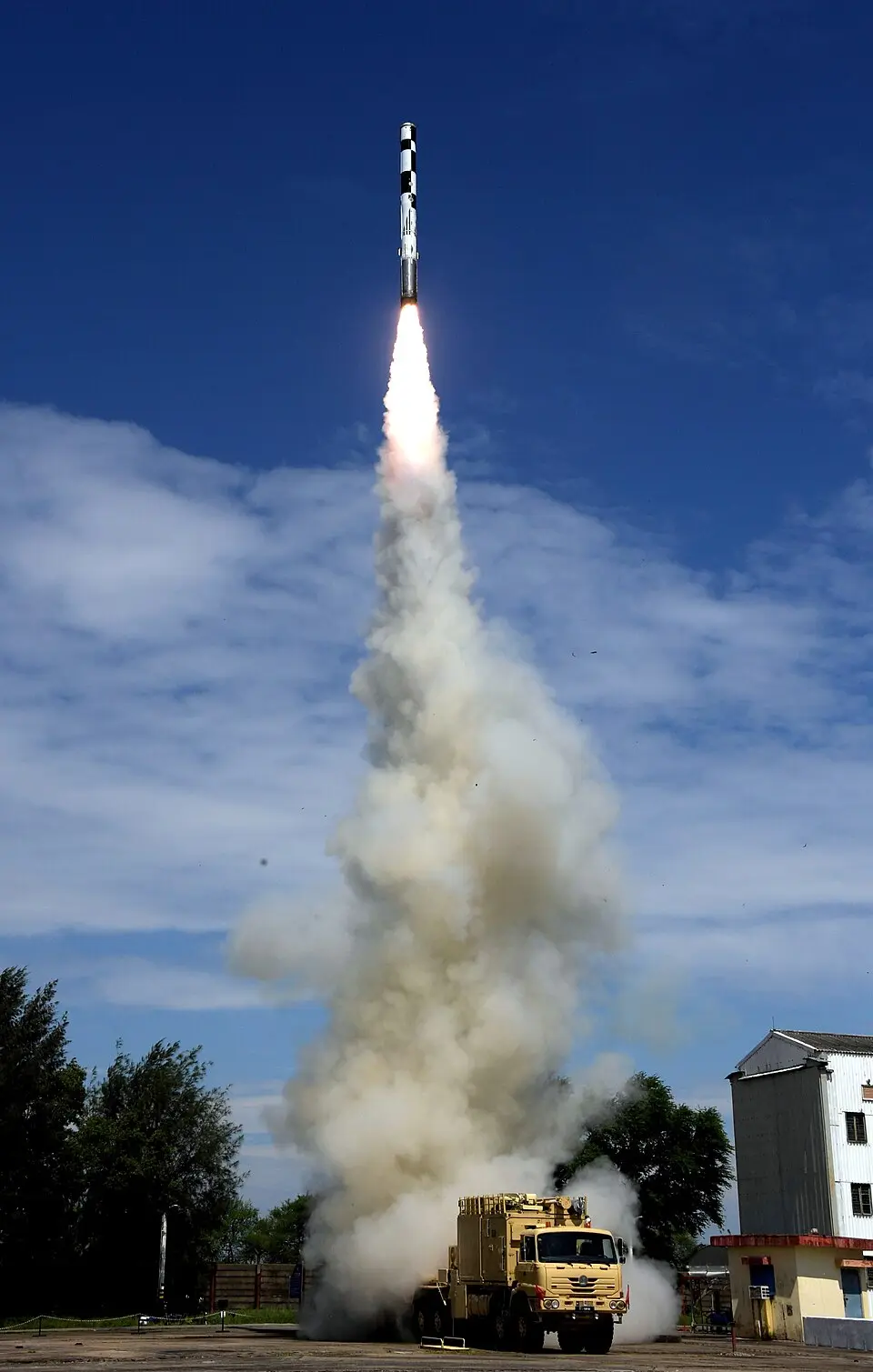
Today, “BrahMos” is recognised worldwide, not just as a weapon but as a successful model of international co-development. The rivers in its name weren’t a creative gimmick, they were a blueprint for synergy. From those two rivers came a missile that reshaped India’s strike capability and became one of the world’s fastest operational cruise missiles.
)
)
)
)
)