'We are seeing an EXISTENTIAL THREAT..': Are Iranian strikes really pushing Gulf states to the brink?

The warnings follow nearly a month of military escalation after the US-Israeli strikes on Iran on February 28, which provoked extensive Iranian retaliation.
Regional War
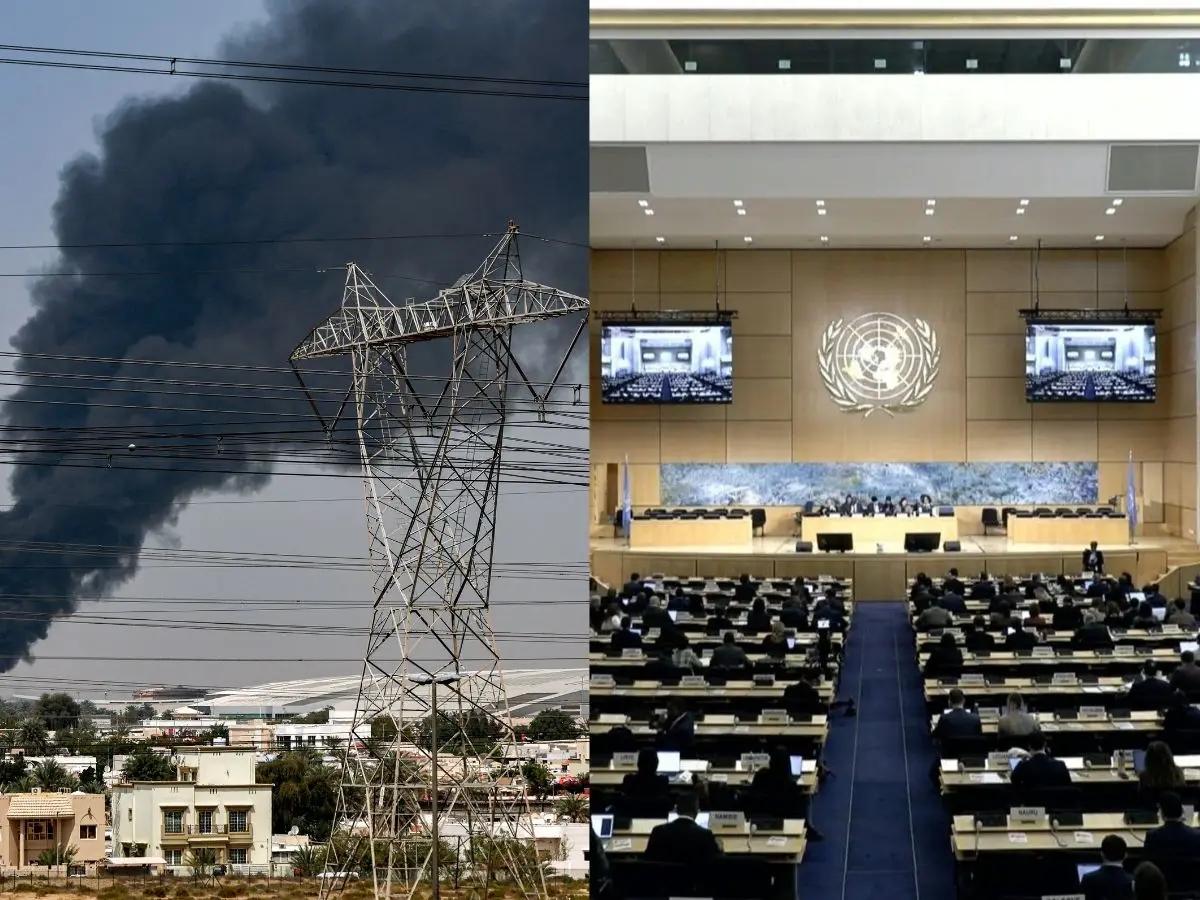
Gulf Arab states told the United Nations Human Rights Council on Wednesday that they face an existance threat from Iranian attacks on their infrastructure. Kuwait’s ambassador Naser Abdullah H M Alhayen said, “We are seeing an existential threat to international and regional security. This aggressive approach is undermining international law and sovereignty.” The warnings follow nearly a month of military escalation after the US-Israeli strikes on Iran on February 28, which provoked extensive Iranian retaliation.
US warship under threat?
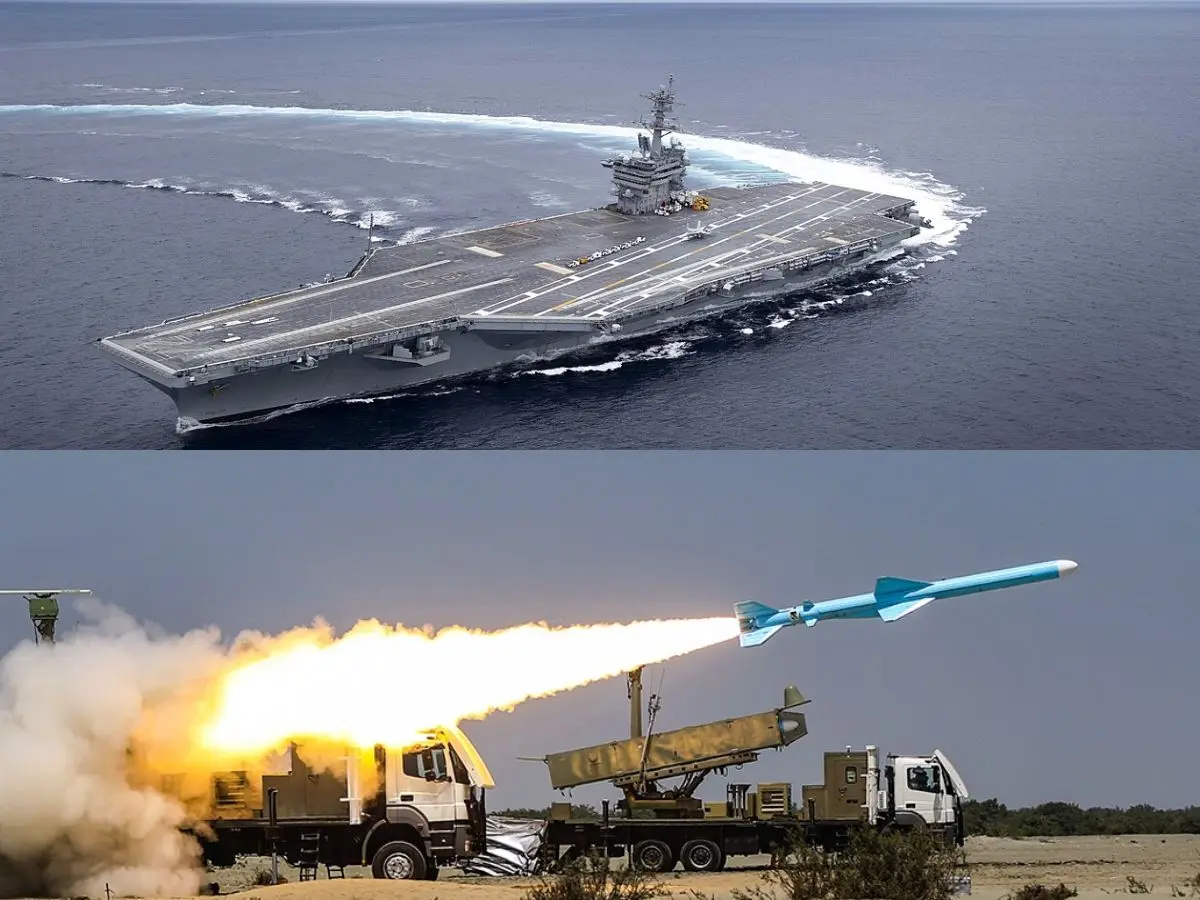
Iran announced on Wednesday that it fired a volley of cruise missiles at a US aircraft carrier, as military strikes continued across the Middle East despite back-channel diplomacy. It also claimed that the attack had “forced it to change its position”, warning of “powerful strikes” when the “hostile fleet” comes into range. Hostilities in the West Asia shows no signs of easing, with strikes reported across multiple countries including Iran, Israel, Lebanon, Bahrain, Kuwait, Jordan and Saudi Arabia.
Attacks on Civil Infrastructure
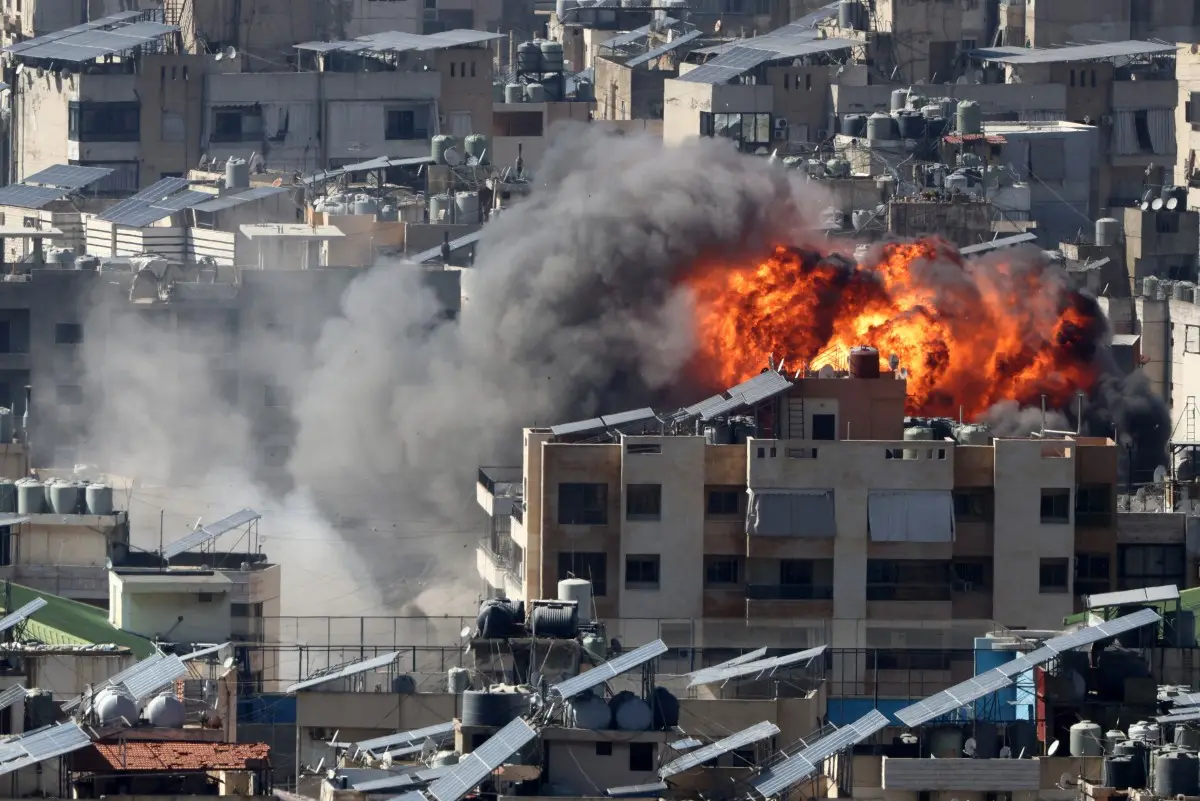
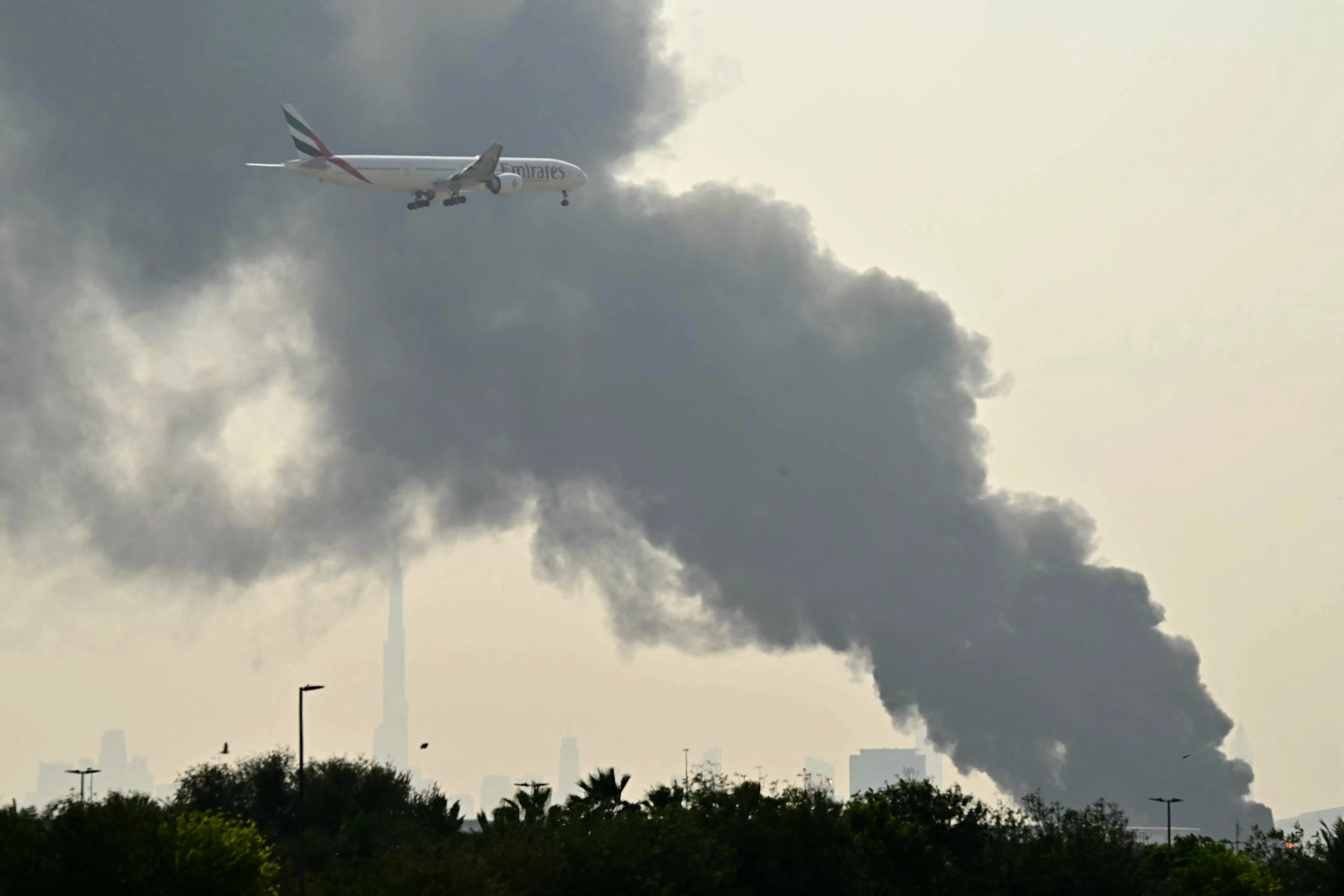
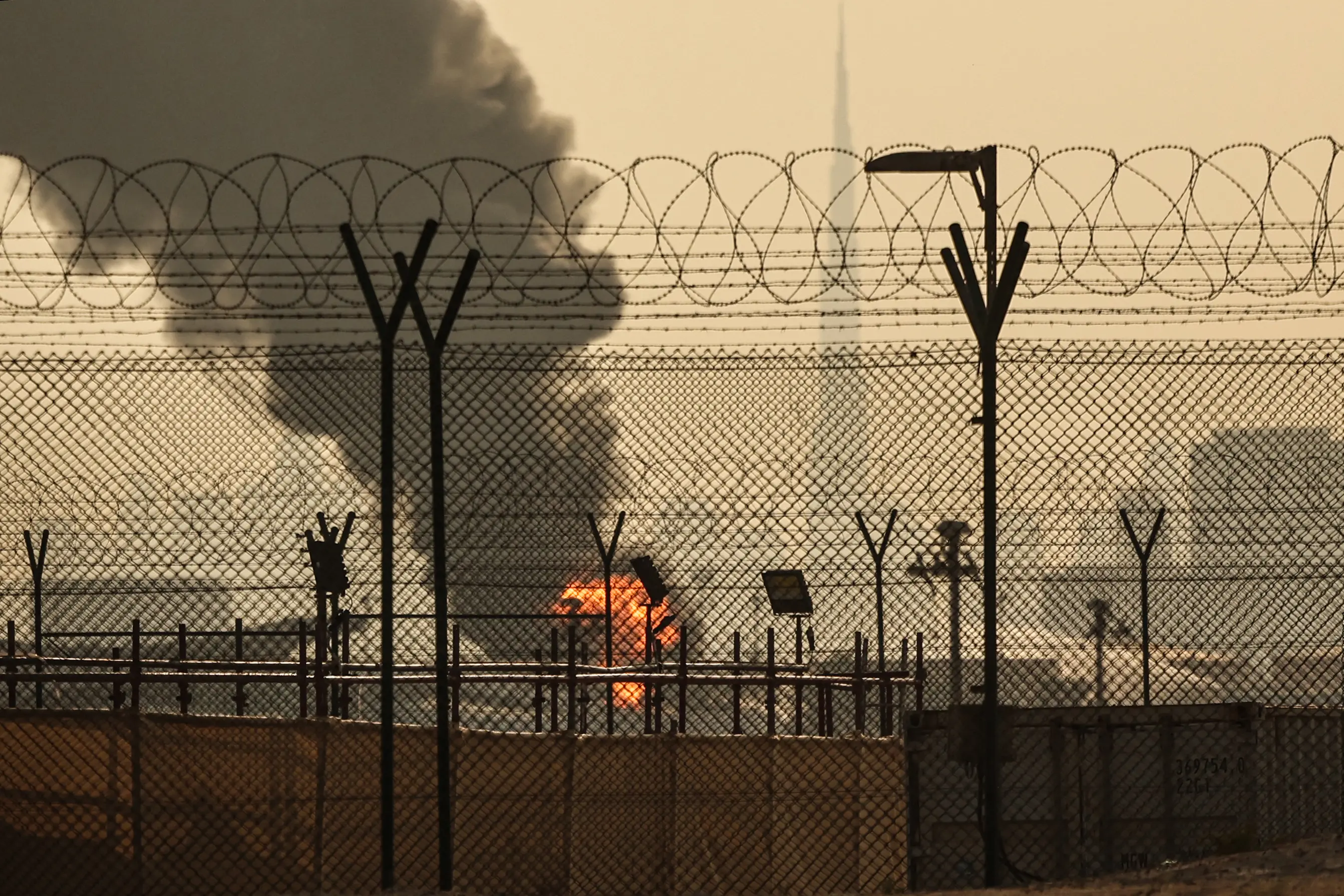
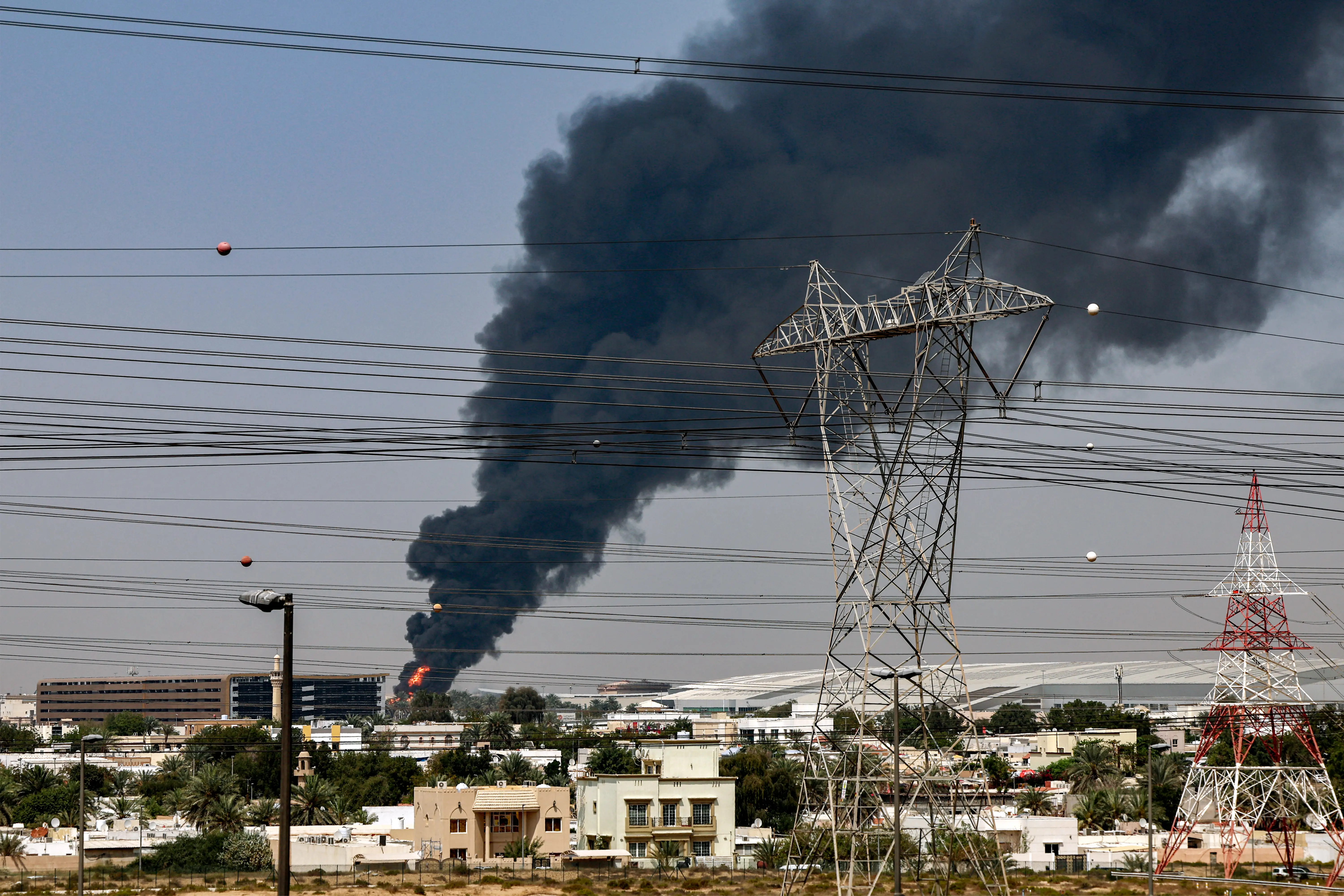
Iran has launched drones and cruise missiles targeting energy and civilian infrastructure across Gulf countries. Reports indicate civilian casualties and disruptions to oil production, contributing to surging global oil prices. Other Gulf states, including the United Arab Emirates, have condemned Iran’s actions. UAE ambassador Jamal Jama al Musharakh described them as “an attempt to destabilise the international order through reckless adventures of expansionism.”
UN Condemns Attacks
Countries at the 47-member council adopted a consensus motion condemning Iran’s “unprovoked and deliberate” strikes. The resolution seeks reparations and requests the UN rights chief, Volker Turk, to monitor the situation closely. Turk emphasised, “Attacks on civilians and civilian infrastructure must end. If they are deliberate, such attacks may constitute war crimes.”
Iran Defends Its Strikes
Iran’s ambassador to the UN in Geneva, Ali Bahreini, defended the attacks, stating that more than 1,500 civilians have been killed in US-Israeli strikes. “We fight on behalf of all of you against an enemy that, if not restrained today, will be beyond containment tomorrow,” he said, referring to Israel.
Humanitarian Concerns
The International Service for Human Rights, an independent NGO, warned against selective outrage, urging the council to examine violations by all parties. The conflict has intensified hatred and violence across the region, compounding the humanitarian crisis. Oman, which had previously mediated between the US and Iran, noted that US-Israeli strikes sparked the current escalation. Ambassador Idris Abdul Rahman Al Khanjari said, “The consequences are threatening states and their vital economic interests and their security and stability.”
Energy Under Siege
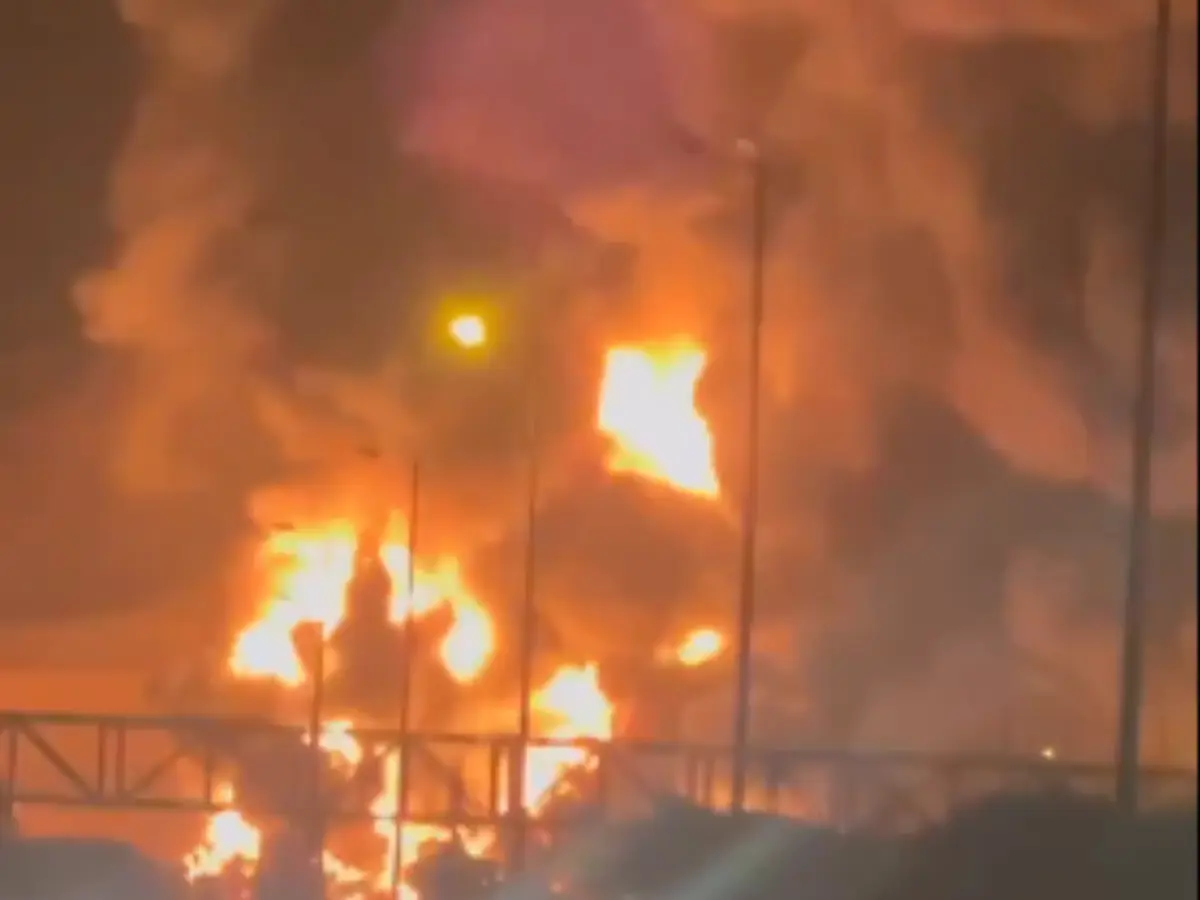
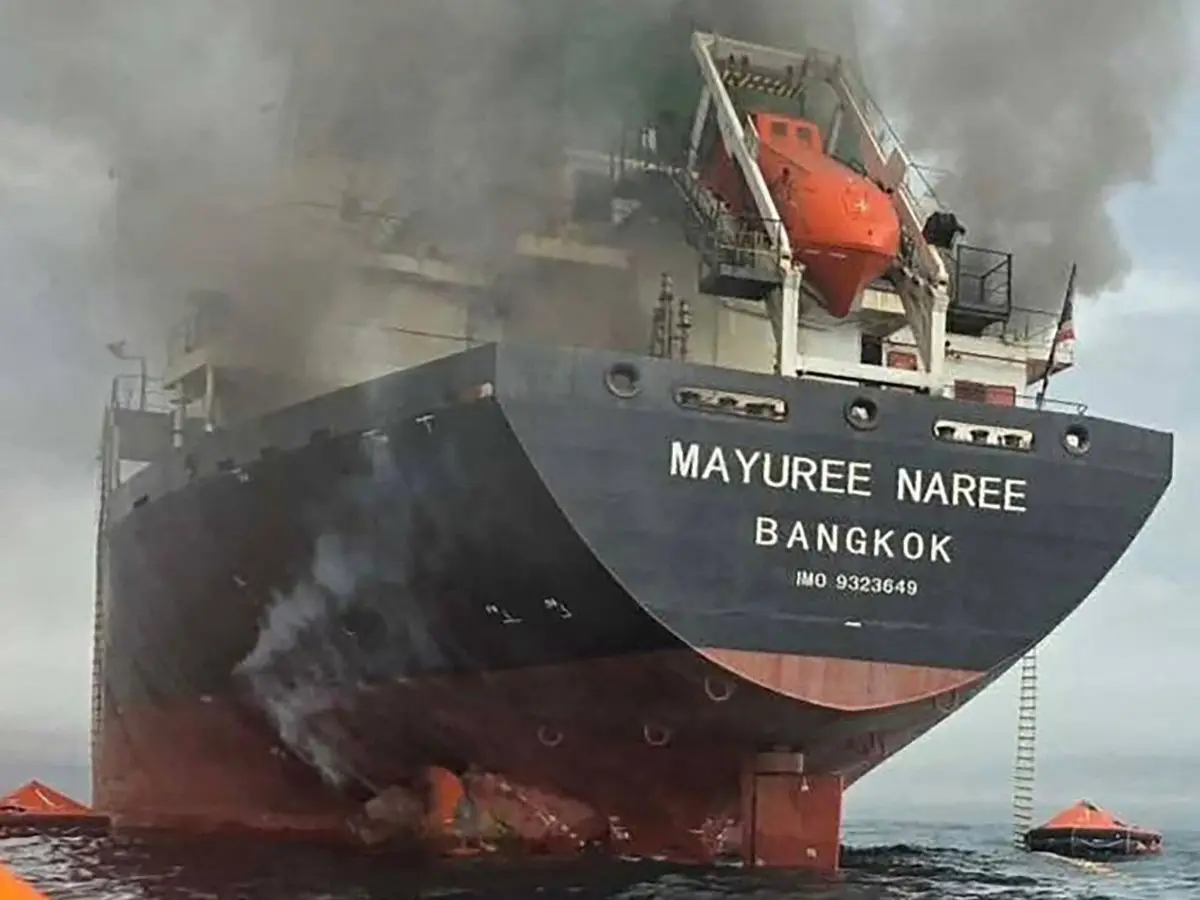
The intensification of the West Asia conflict transitioned into a systematic campaign against the world’s most critical energy infrastructure. Beyond the South Pars gas field and Iran’s Khorramshahr pipeline, retaliatory strikes severely damaged Qatar’s Ras Laffan LNG hub and the UAE’s Habshan facility. Further drone swarms damaged SAMREF refinery in Saudi Arabia and Kuwait’s Mina al-Ahmadi complex. This shift from military to economic targets threatens the foundational ‘rentier’ structures of Middle Eastern states, destabilising the global economy and posing an existential risk to regional statehood and international energy security.
Diplomatic Channels Active
Diplomats report ongoing behind-the-scenes efforts to exchange messages between Iran and the US-led coalition. These back-channel communications aim to explore potential de-escalation measures, although public statements from the warring parties remain contradictory, leaving the prospects of immediate talks unclear.
Disclaimer: WION takes utmost care to accurately and responsibly report ongoing conflicts in West Asia involving Israel, Iran, US, Gulf nations and non-state actors like Hezbollah, Hamas, Houthis, Islamic State, and others. Claims and counterclaims, disinformation and misinformation are being made online and offline. Given this context, WION cannot independently verify the authenticity of all statements, social media posts, photos and videos.
)
)
)
)
)