'Water war': Trump threatens to blow up Iran’s desalination plants. How could retaliation leave Gulf cities thirsty?

Trump’s comments came as the conflict intensified, with Tehran striking a key water and electrical plant in Kuwait, resulting in the death of an Indian worker and significant damage.
A threat that widens the stakes
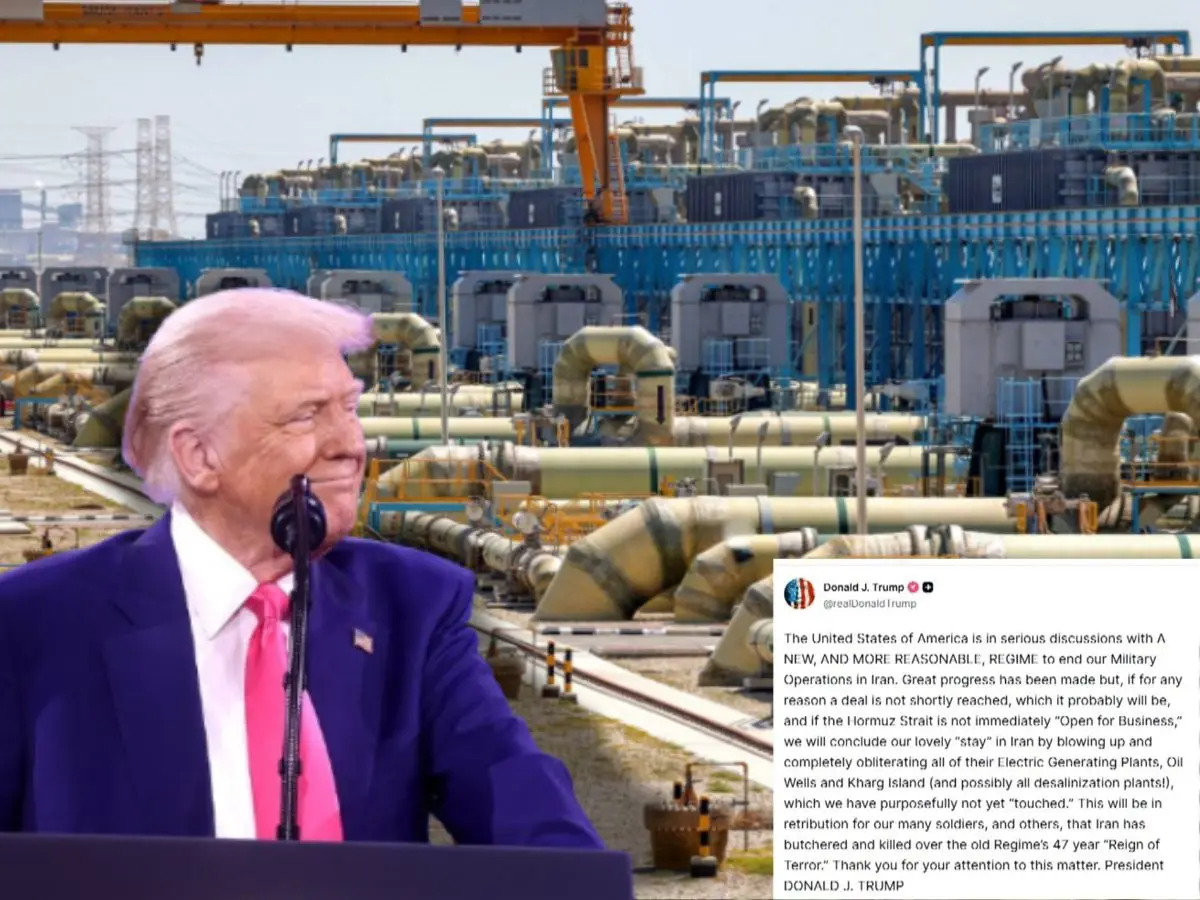
US President Donald Trump has threatened to strike Iran’s critical infrastructure, including desalination plants, in a post on Truth Social, warning that if a deal to end the war is not reached and the Strait of Hormuz is not reopened, the United States would “blow up and completely obliterate” Iran’s power plants, “oil wells and Kharg Island (and possibly all desalination plants), which we have purposefully not yet ‘touched’.” Trump’s comments came as the conflict intensified, with Tehran striking a key water and electrical plant in Kuwait, resulting in the death of an Indian worker and significant damage, while an oil refinery in Israel also came under attack, even as US and Israeli forces launched a fresh wave of strikes on Iran.
Water emerges as a strategic vulnerability
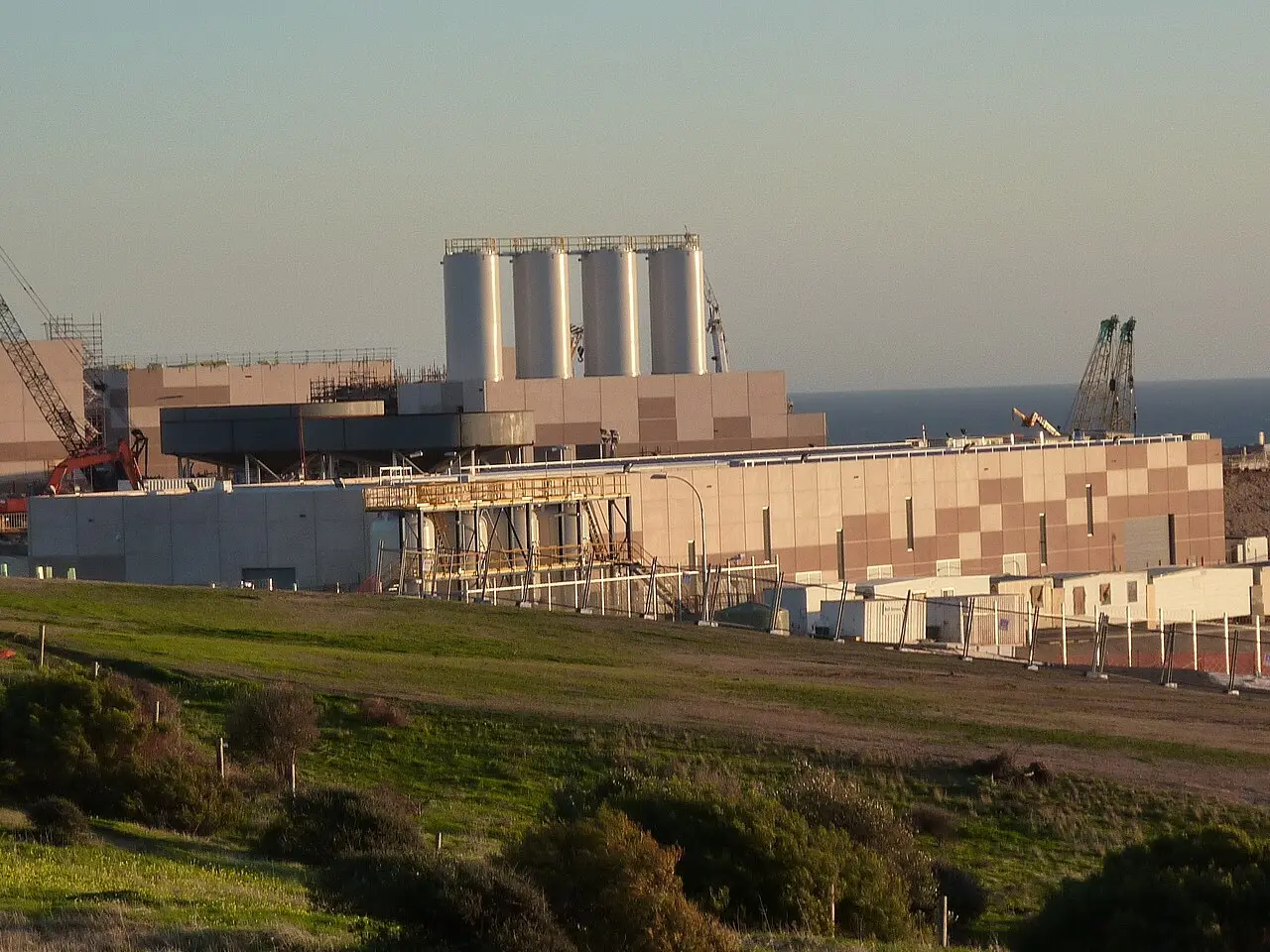
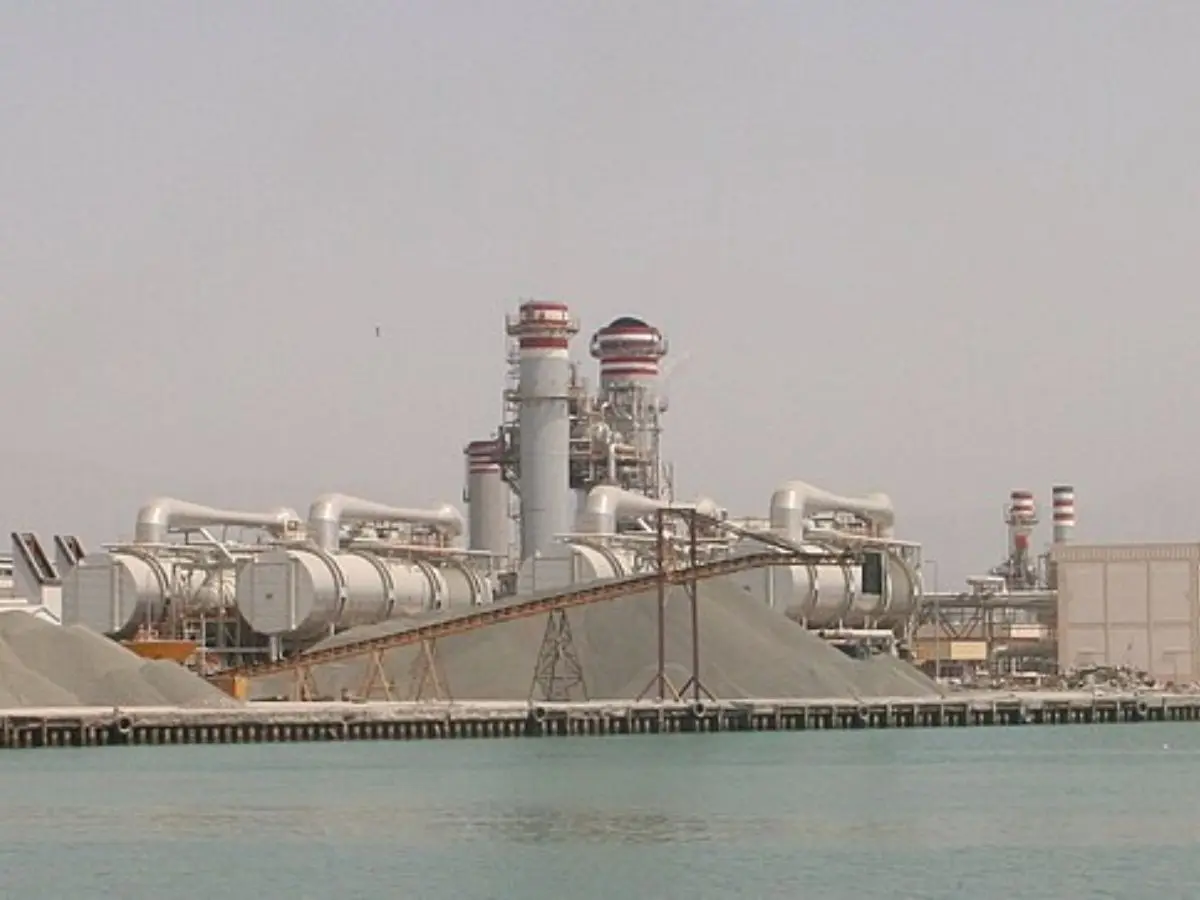
While the threat is directed at Iran, analysts say the greater danger lies in how Tehran might respond. Iran relies on desalination for only a small share of its water supply, whereas Gulf Arab states depend on it for the vast majority, according to the Associated Press. Across the Gulf, desalination is not optional but essential. Hundreds of plants line the coastline, supplying water to millions in cities such as Dubai, Abu Dhabi and Doha, and placing these critical systems within range of Iranian missile or drone strikes. Any disruption could quickly escalate into a humanitarian crisis.
A stark imbalance in dependence
Iran relies only marginally on desalination, drawing most of its water from rivers, reservoirs and aquifers. However, satellite images analysed by the Associated Press show that reservoirs are noticeably depleted. By contrast, Gulf states depend on desalination for the vast majority of their drinking water, around 90 per cent in Kuwait, 86 per cent in Oman and about 70 per cent in Saudi Arabia. This dependance creates a significant vulnerability that, as David Michel of the Center for Strategic and International Studies explained AP, offers Iran an “asymmetrical tactic” to impose costs on Gulf countries and potentially push them to intervene or call for a cessation of hostilities.
What are desalination plants?
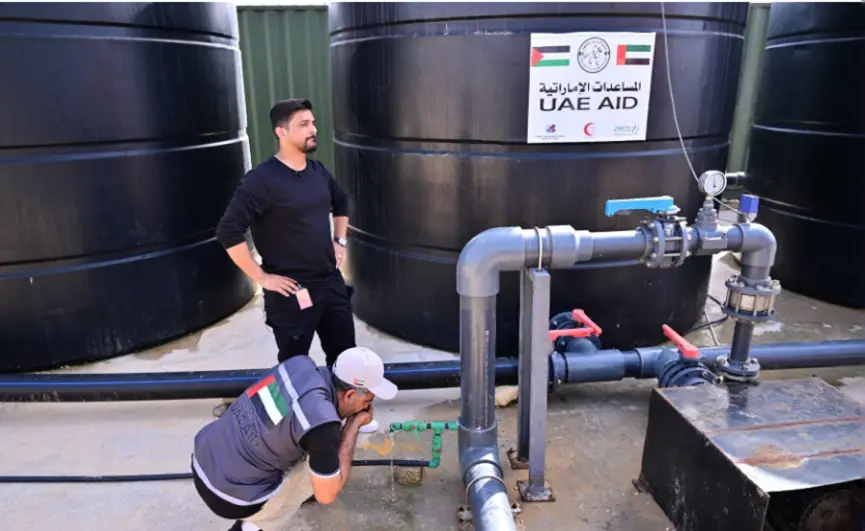
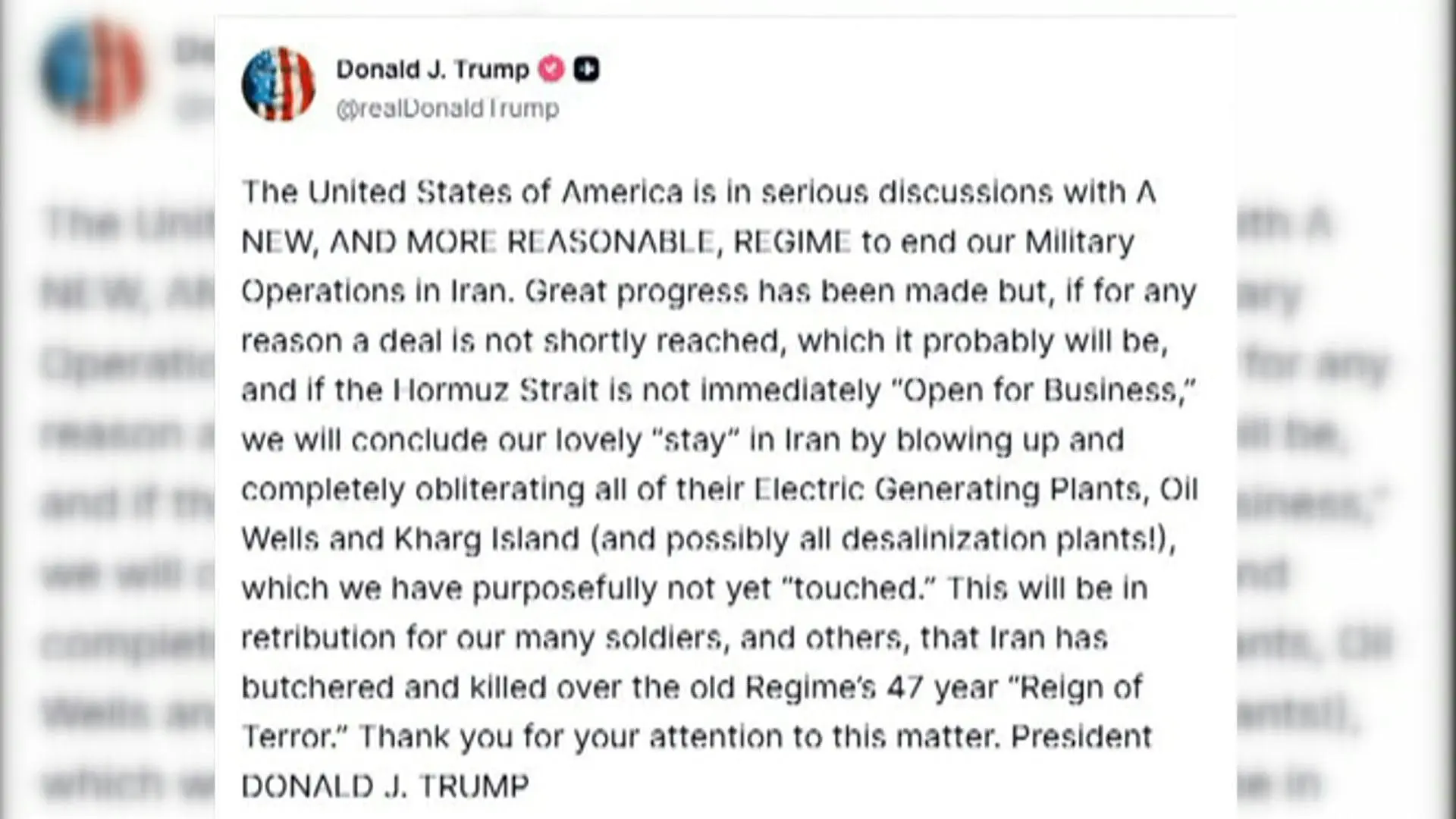
Desalination plants are facilities that convert seawater into freshwater by removing salt, most commonly through a process known as reverse osmosis, in which water is forced through ultrafine membranes. The freshwater produced sustains cities, industry, hotels and some agriculture across one of the world’s driest regions. These plants operate through multiple stages, including seawater intake, treatment and energy supply, and damage to any part of this chain can disrupt production, according to Ed Cullinane, Middle East editor at Global Water Intelligence.
Experts warn of legal and humanitarian risks
“Desalination facilities are oftentimes necessary for the survival of the civilian population and intentional destruction of those types of facilities is a war crime,” Niku Jafarnia of Human Rights Watch said, according to AP. She added that even a single strike could be devastating in a region already facing acute water scarcity.
Fragile systems under threat
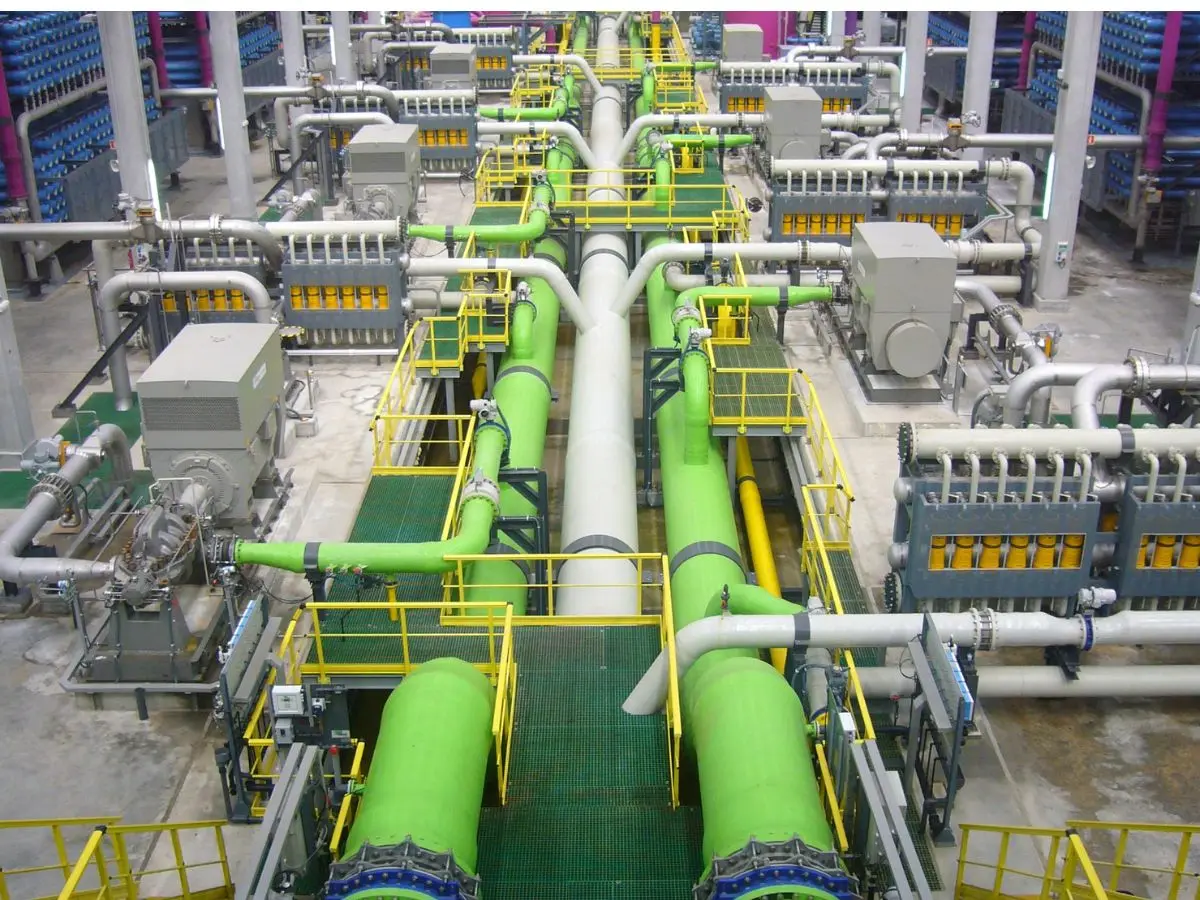
Many desalination plants are integrated with power stations, meaning that damage to energy infrastructure can halt water production. Ed Cullinane of Global Water Intelligence noted that no part of the system is fully protected from missile or drone attacks. Desalination has expanded in part because climate change is intensifying drought across the region. The plants are highly energy-intensive and generate significant carbon emissions, while their coastal locations leave them exposed to extreme weather and rising sea levels.
A region built on desalination
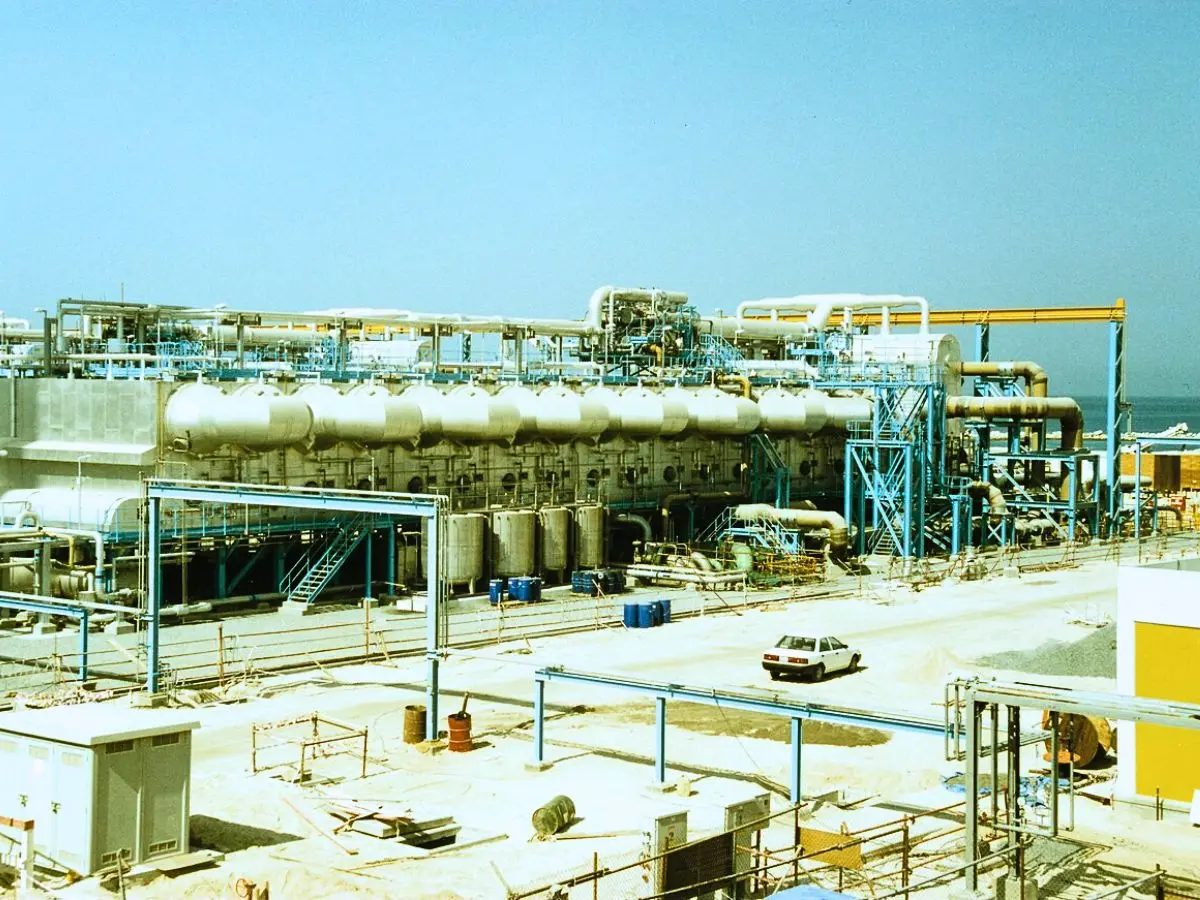
The Gulf produces roughly a third of the world’s crude exports, yet its survival depends on desalinated seawater. “They’re human-made fossil-fuelled water superpowers,” said Michael Christopher Low of the University of Utah, according to AP, describing both an engineering achievement and a structural weakness.
Longstanding warnings and past precedents
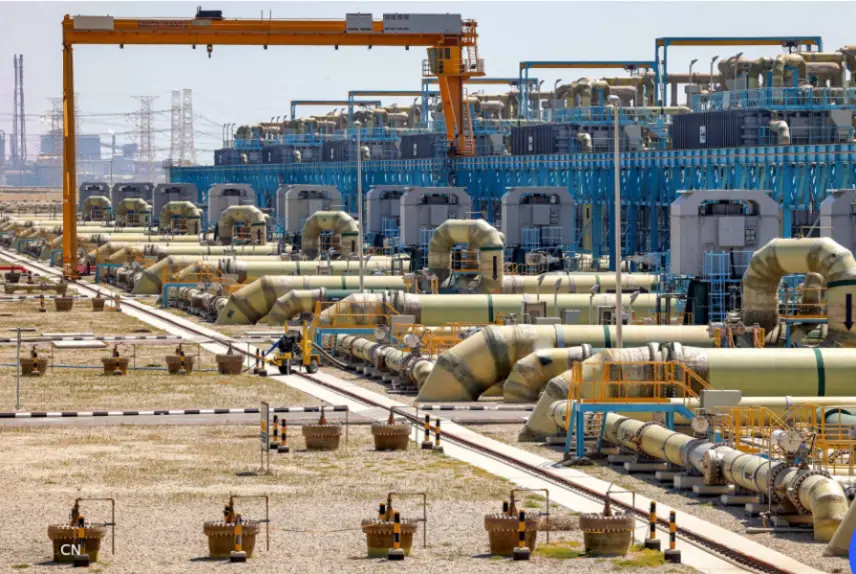
Risks to desalination infrastructure have long been recognised. A 2010 CIA report warned that attacks could trigger national crises, with outages potentially lasting months. More than 90 per cent of the Gulf’s desalinated water comes from just 56 plants, the report noted, adding that “each of these critical plants is extremely vulnerable to sabotage or military action,” according to the Associated Press. Past conflicts, including Iraq’s invasion of Kuwait in 1990–91, saw desalination facilities targeted, leaving the country reliant on emergency water supplies. As climate pressures intensify, the stakes of any such disruption are higher than ever.
)
)
)
)
)