'Water Walls': How the USS Abraham Lincoln deck survives 2,000-degree heat

USS Abraham Lincoln uses Jet Blast Deflectors with internal seawater cooling. This hidden system safely dissipates 2,000-degree exhaust, stopping deck damage.
Beating 2,000-Degree Heat
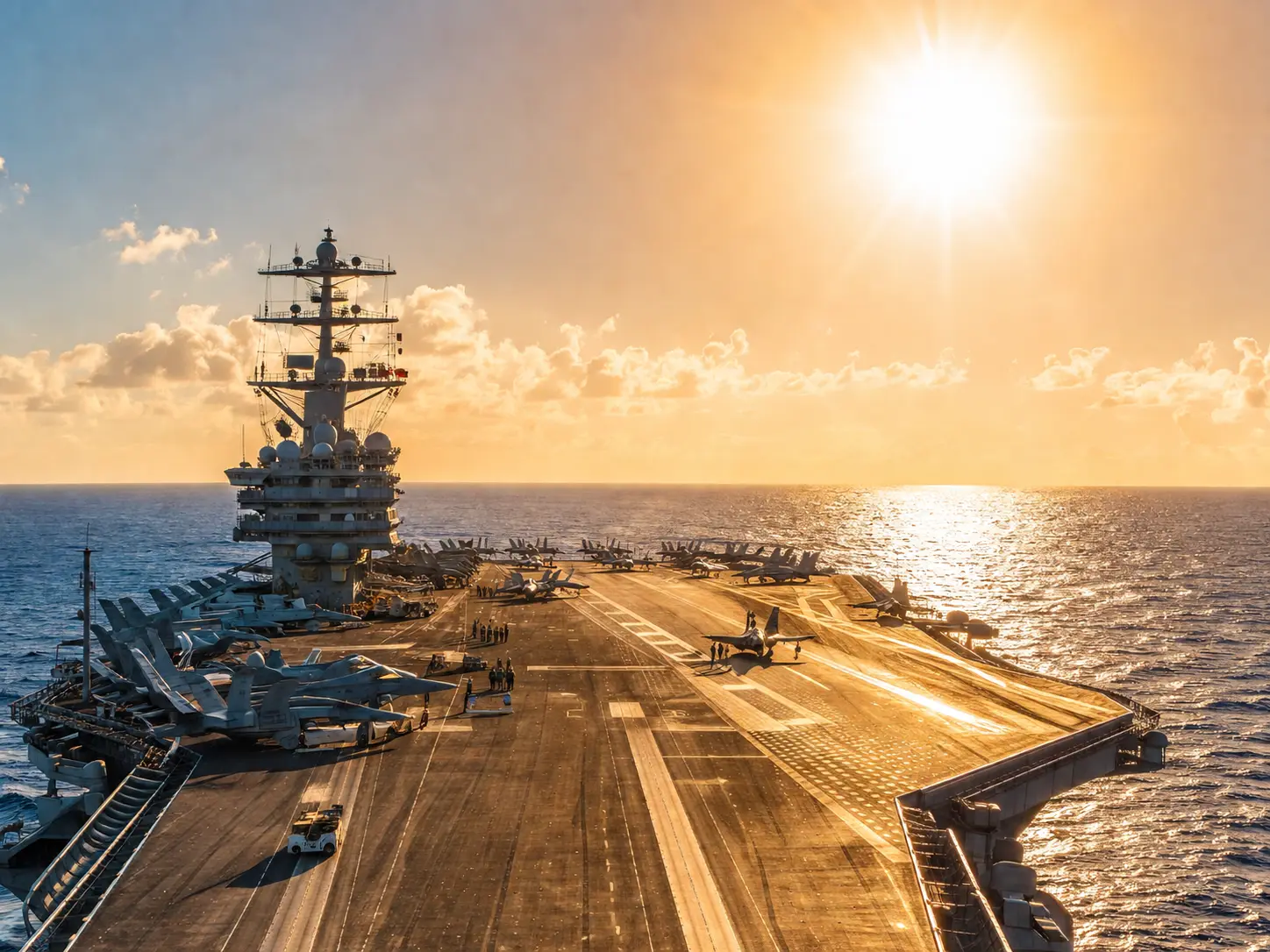
Modern fighter jets produce massive thrust during catapult take-offs on aircraft carriers. The exhaust temperatures from these aircraft can easily reach over 2,000 degrees Fahrenheit. Without protection, this intense thermal flux would severely damage the flight deck and endanger the crew of the USS Abraham Lincoln.
14-Foot Metal Deflectors
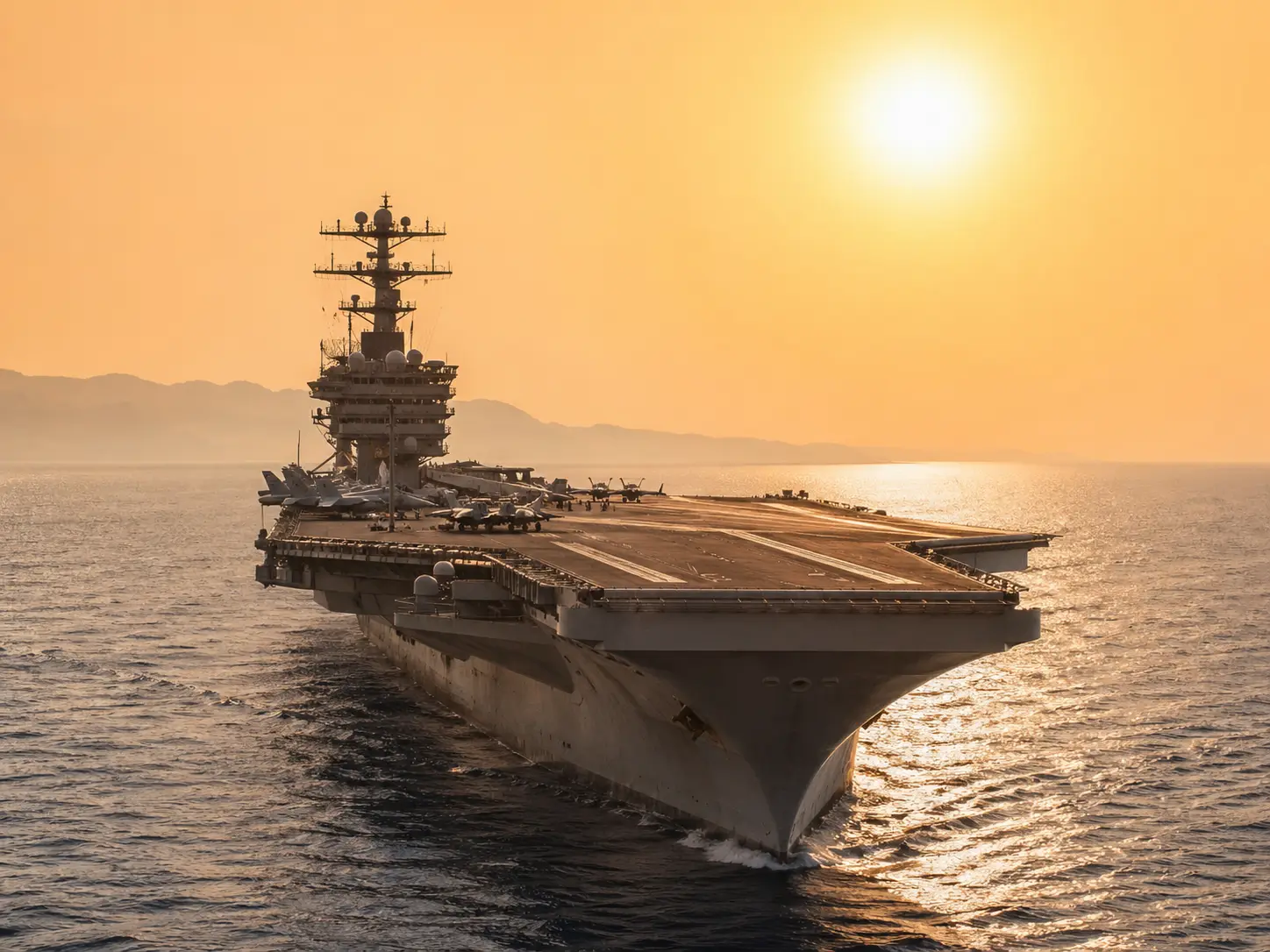
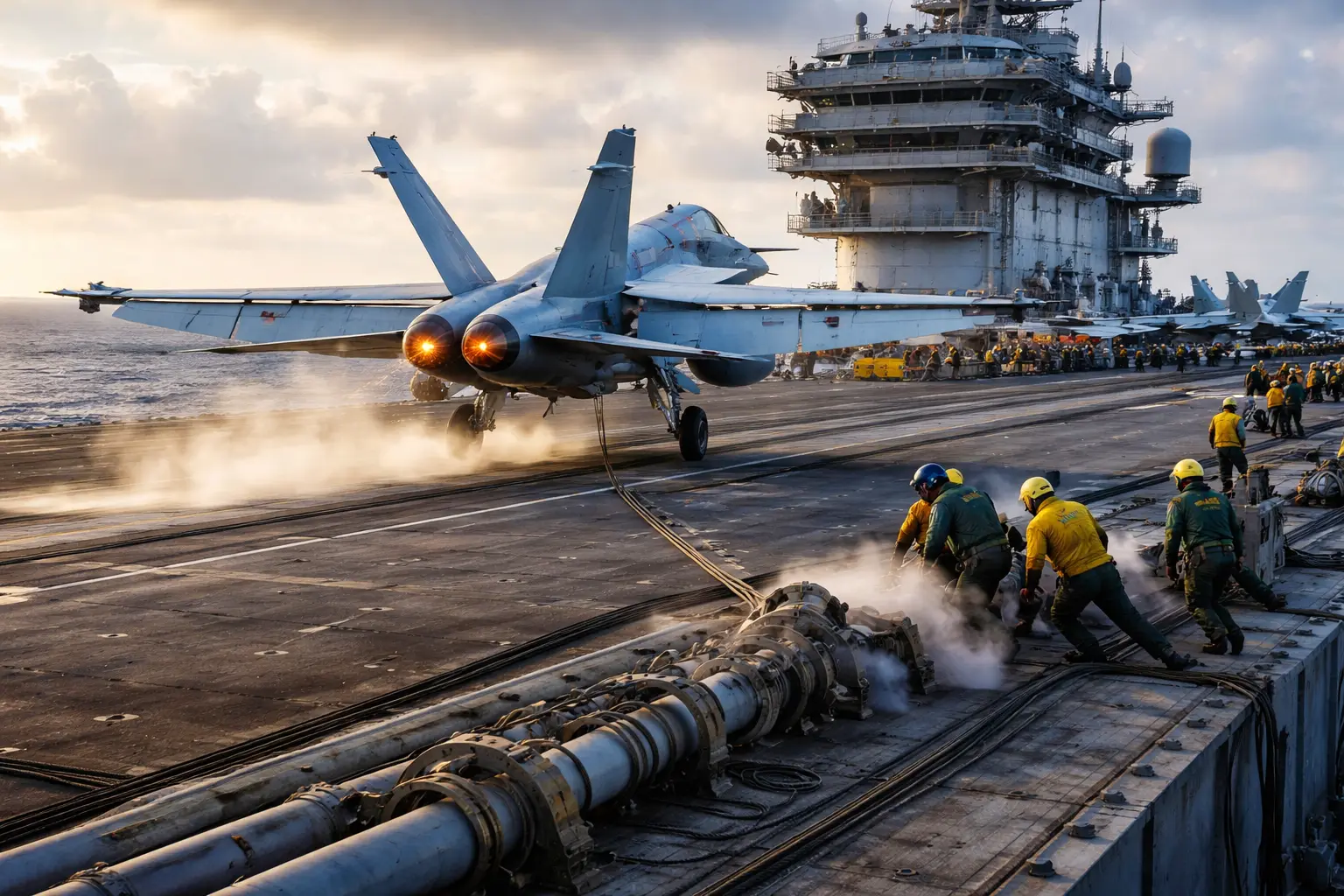
The warship relies on heavy-duty Jet Blast Deflectors to safely redirect the hot exhaust upwards and protect surrounding planes. These 14-foot panels rise to a 50-degree angle from the deck just behind the catapults. The metal panels lie completely flush with the deck when not in use.
Tapping 1 Fire System
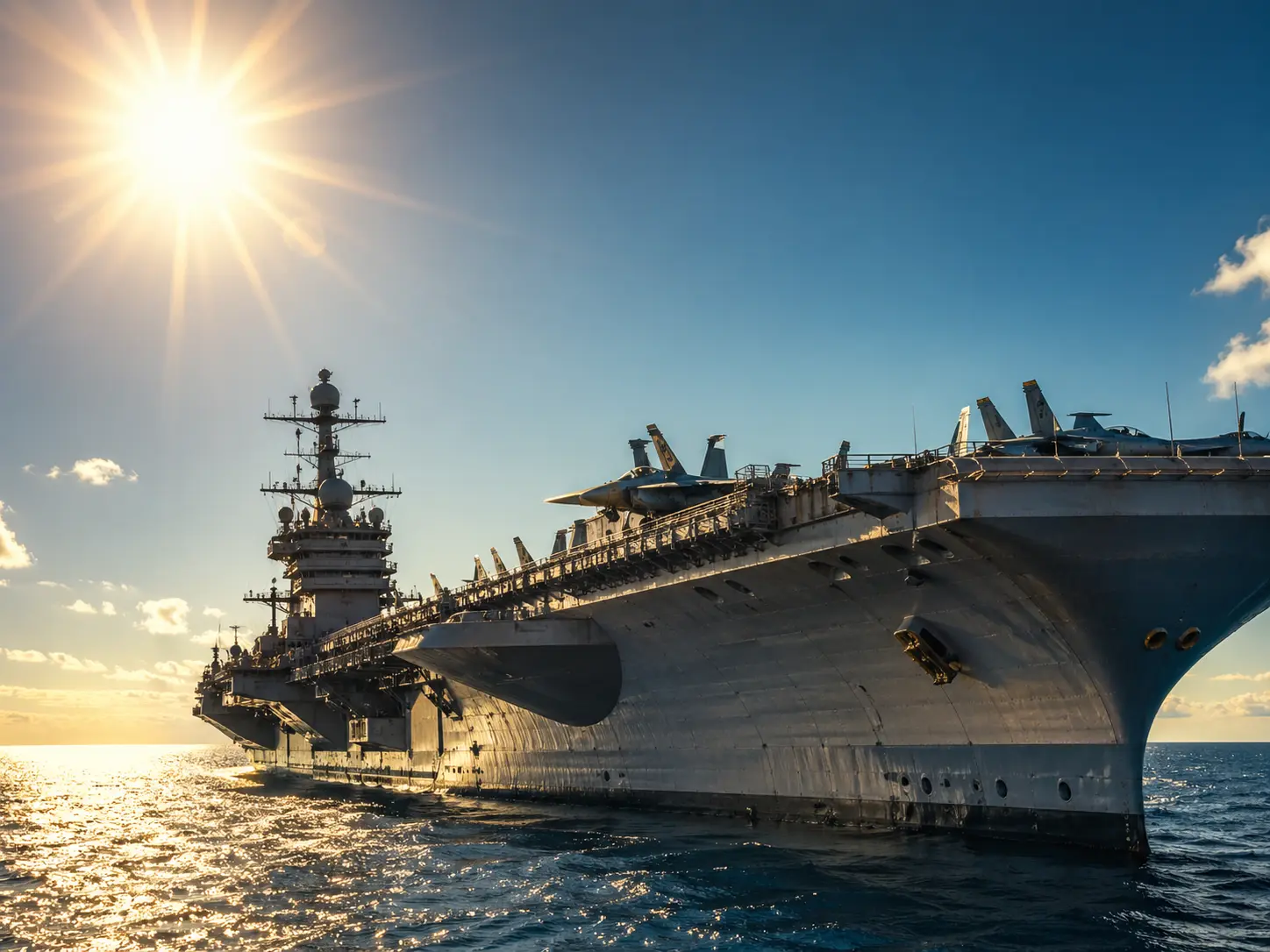
A simple metal shield cannot survive such repeated extreme temperatures on its own. These deflectors feature an active cooling mechanism that taps directly into the ship's fire suppression water system. It continuously pumps seawater through water lines hidden within the metal deflector panels.
100 Per Cent Seawater
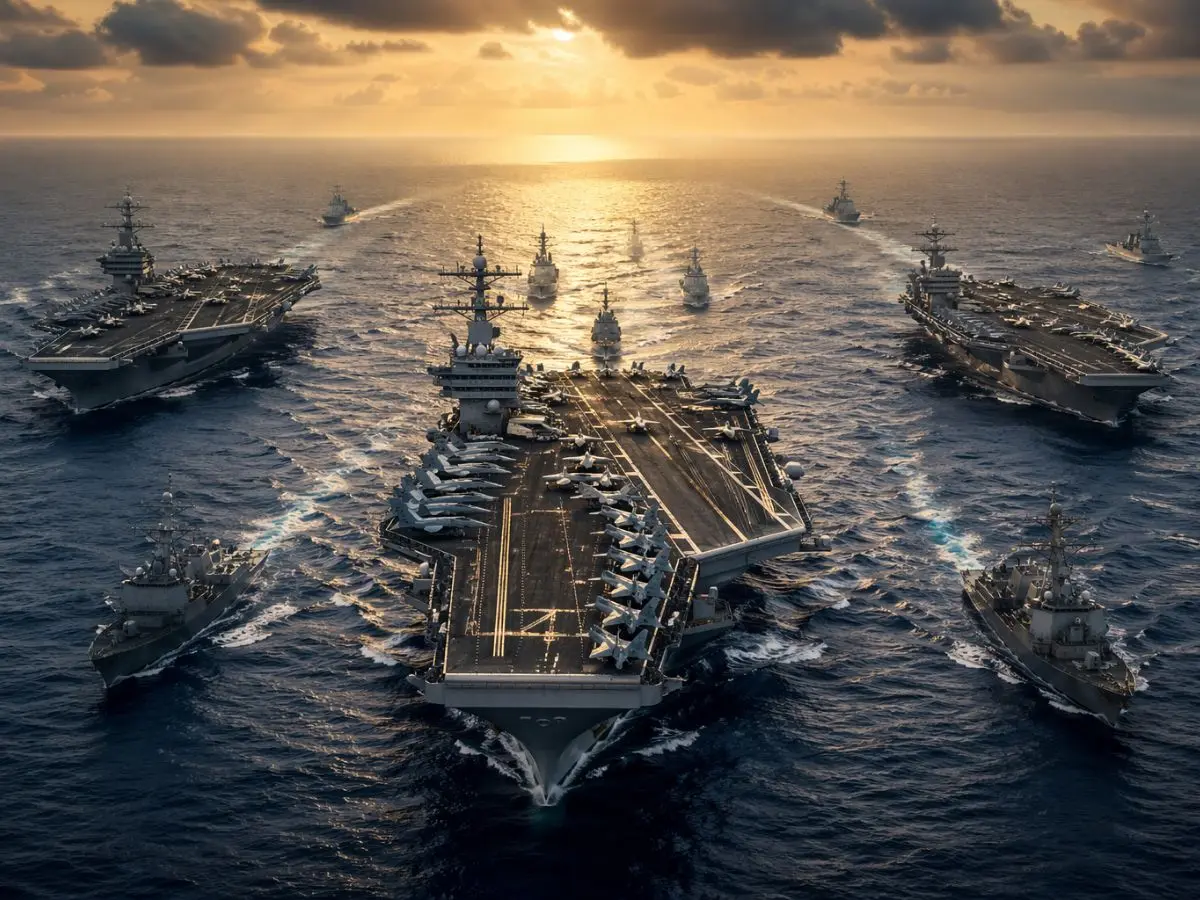
This internal seawater circulation acts as a hidden liquid wall, rapidly absorbing the heat from the jet engine plume. It safely dissipates the intense thermal energy away from the flight deck. The continuous water flow stops the surrounding steel structure from warping or failing under the high heat.
Cooling Under 10 Seconds
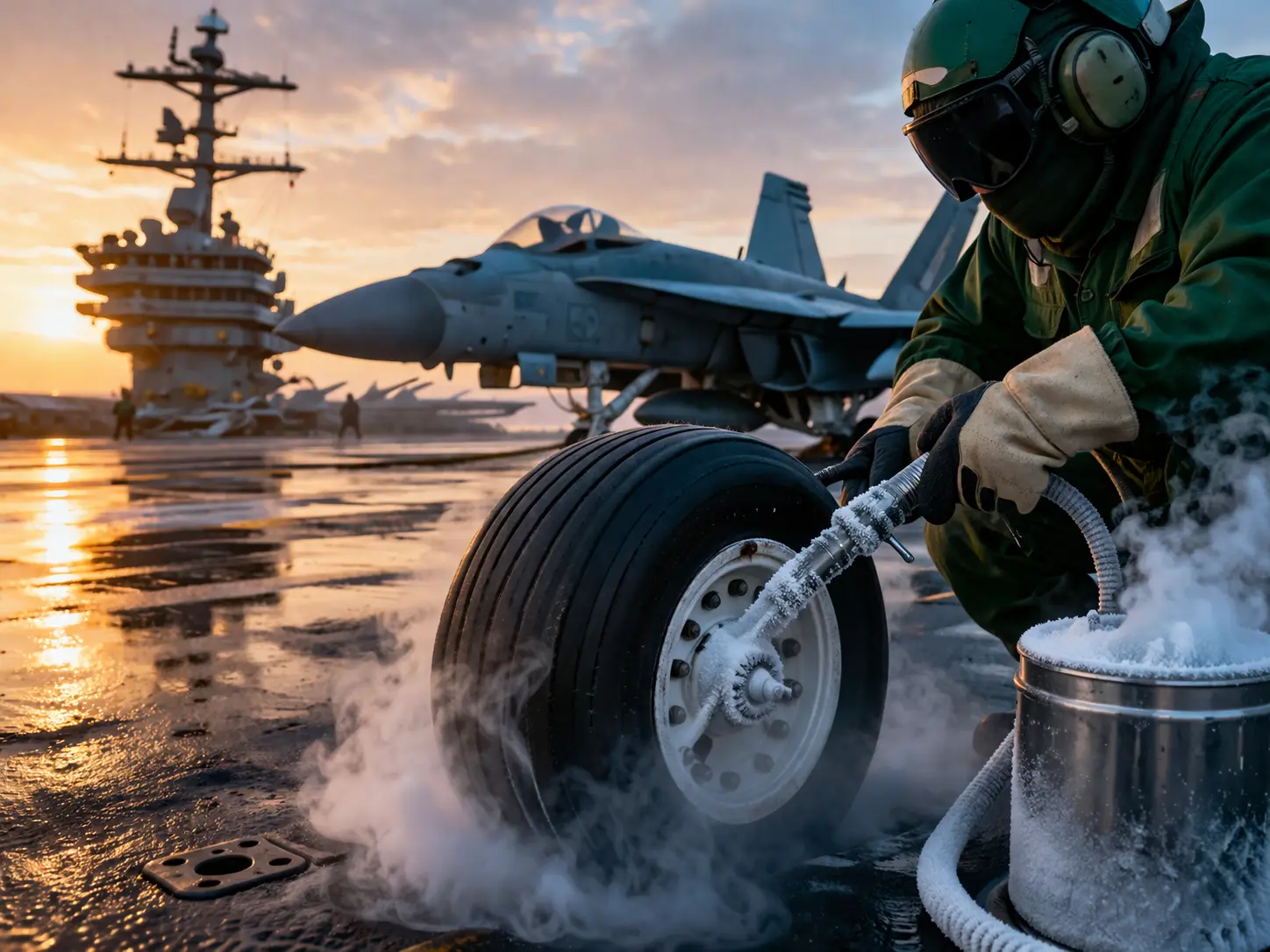
The deck must cool down instantly for the next aircraft to safely roll into the launch position. The water system rapidly drops the surface temperature to a safe 200 degrees Fahrenheit in under 10 seconds. This rapid cooling prevents the rubber tyres of approaching jets from melting.
1 Heavy Non-Skid Coating
The entire flight deck, including the deflector panels, is covered in a special non-skid compound made of abrasive particles. The active water cooling prevents this crucial traction surface from suffering severe heat damage. It ensures safe operations for the deck crew and aircraft in harsh marine environments.
Securing 100,000-Tonne Carrier
Fully armed fighter jets place immense compressive stress on the deck as they roll over the deflectors before take-off. The internal cooling allows the steel panels to maintain structural integrity under these heavy loads. This engineering keeps the supercarrier fully operational during continuous combat deployments.
)
)
)
)
)