'Water Brakes': How the USS Abraham Lincoln stops its massive catapults

The USS Abraham Lincoln uses a water brake system to halt its steam catapults. Tapered pistons plunge into fresh water cylinders, creating extreme hydraulic pressure that absorbs kinetic energy safely.
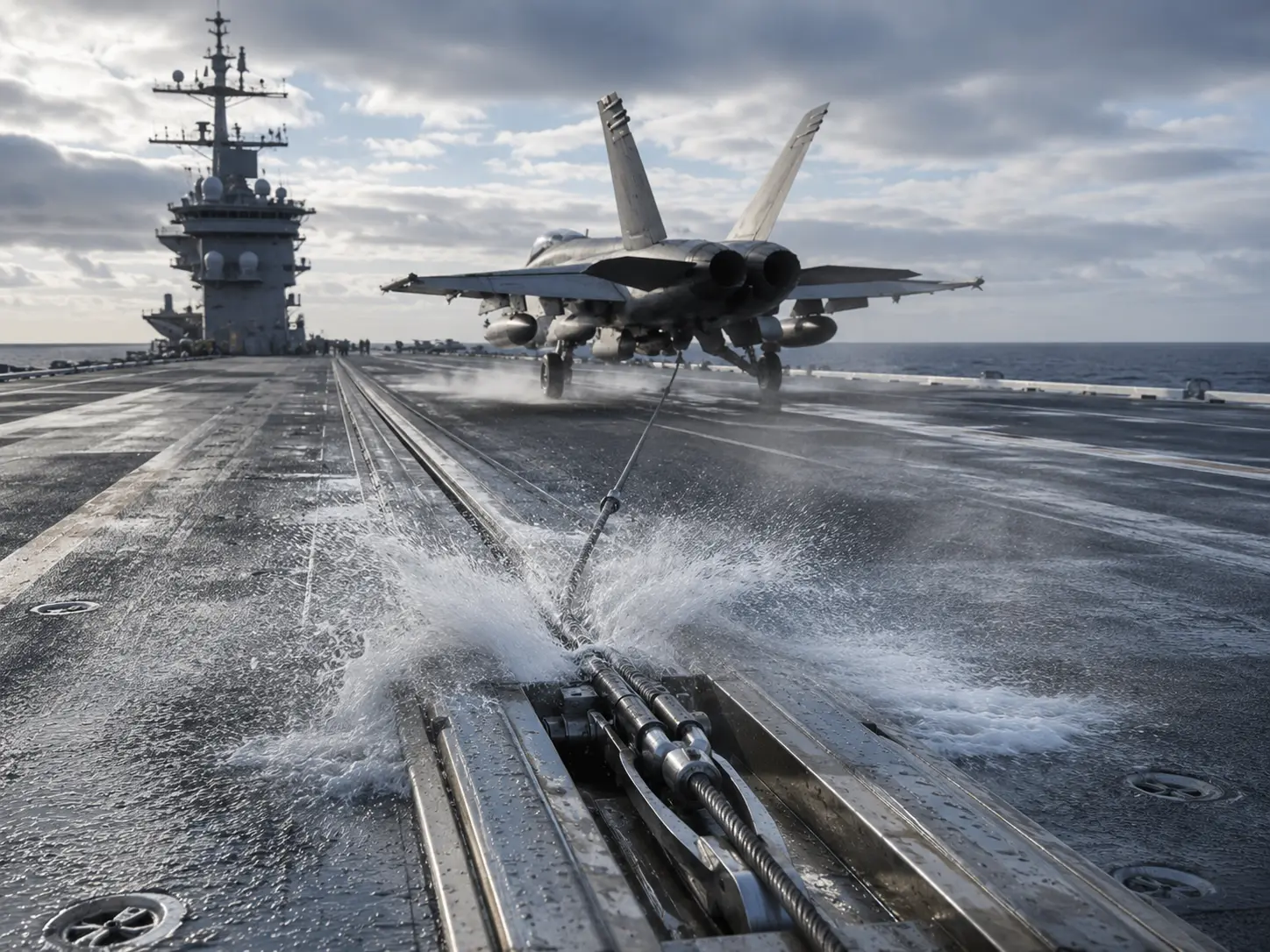
Launching 20,000 kg aircraft
The USS Abraham Lincoln utilises steam-powered catapults to launch heavy aircraft from its flight deck. High-pressure steam forces two massive pistons down long cylindrical tubes beneath the deck. These pistons pull a shuttle that accelerates a 20,000-kilogramme jet to flight speeds in just two seconds.
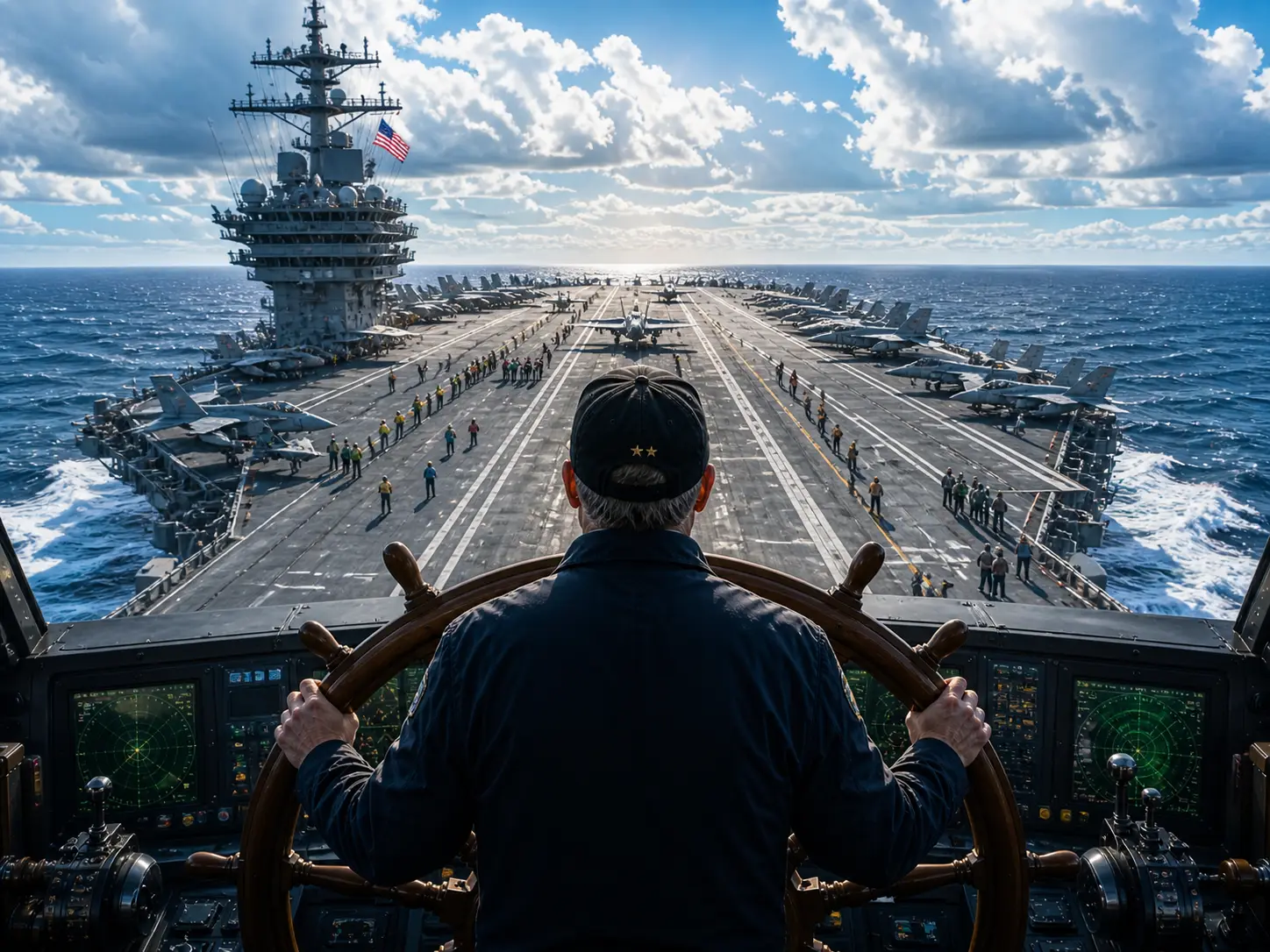
2 spear-shaped catapult pistons
The two massive pistons inside the catapult cylinders are specially designed with spear-shaped, tapered ends. As they travel down the track under extreme steam pressure, they accumulate a tremendous amount of kinetic energy. This explosive forward momentum must be completely absorbed at the end of the track.
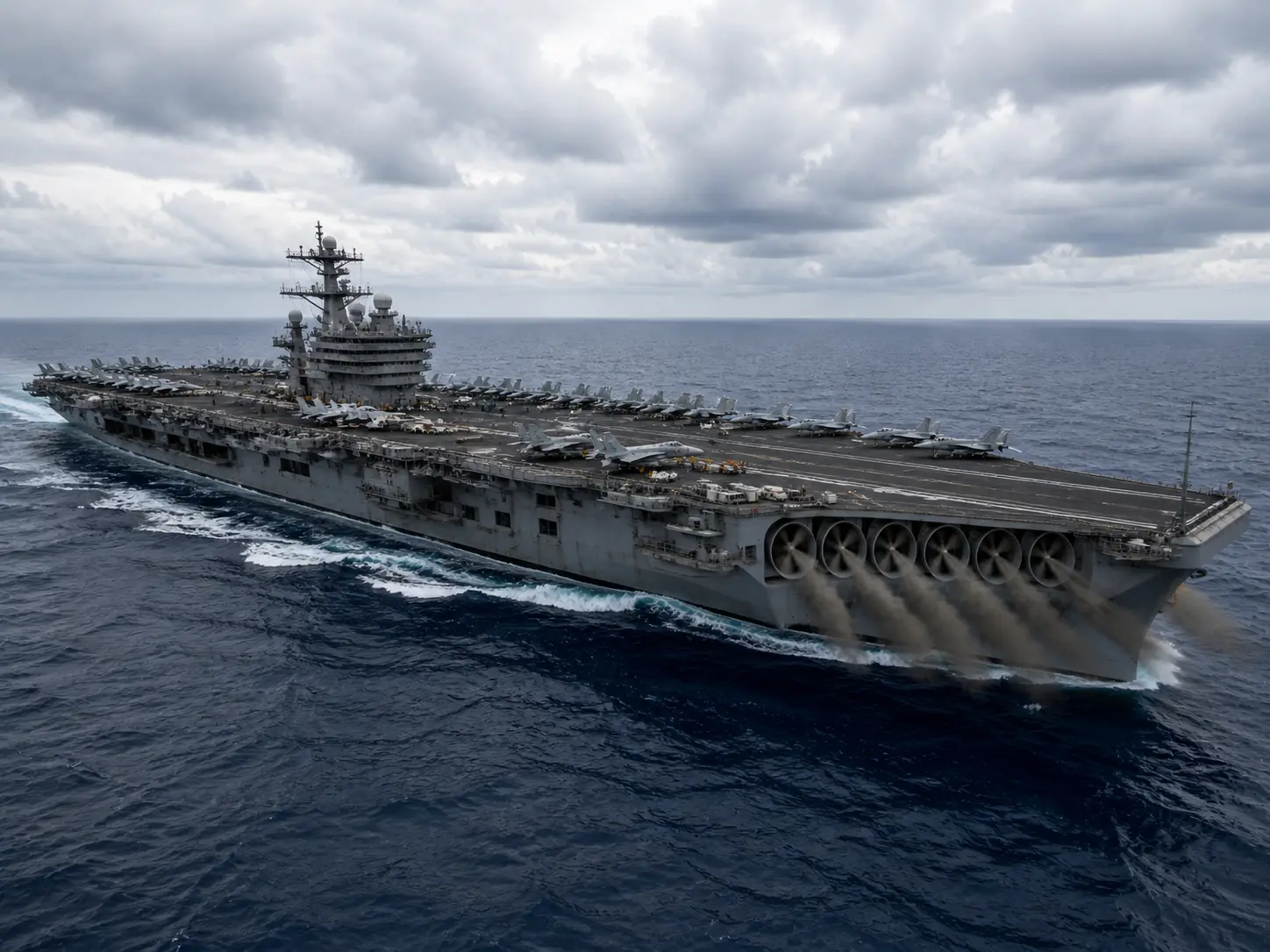
Reaching 265 km/h launch speeds
During a typical launch, the catapult accelerates a fighter jet to speeds of roughly 265 kilometres per hour. Once the shuttle releases the aircraft, the heavy pistons continue hurtling towards the edge of the ship. Without a specialised braking system, they would instantly tear through the carrier's bow.
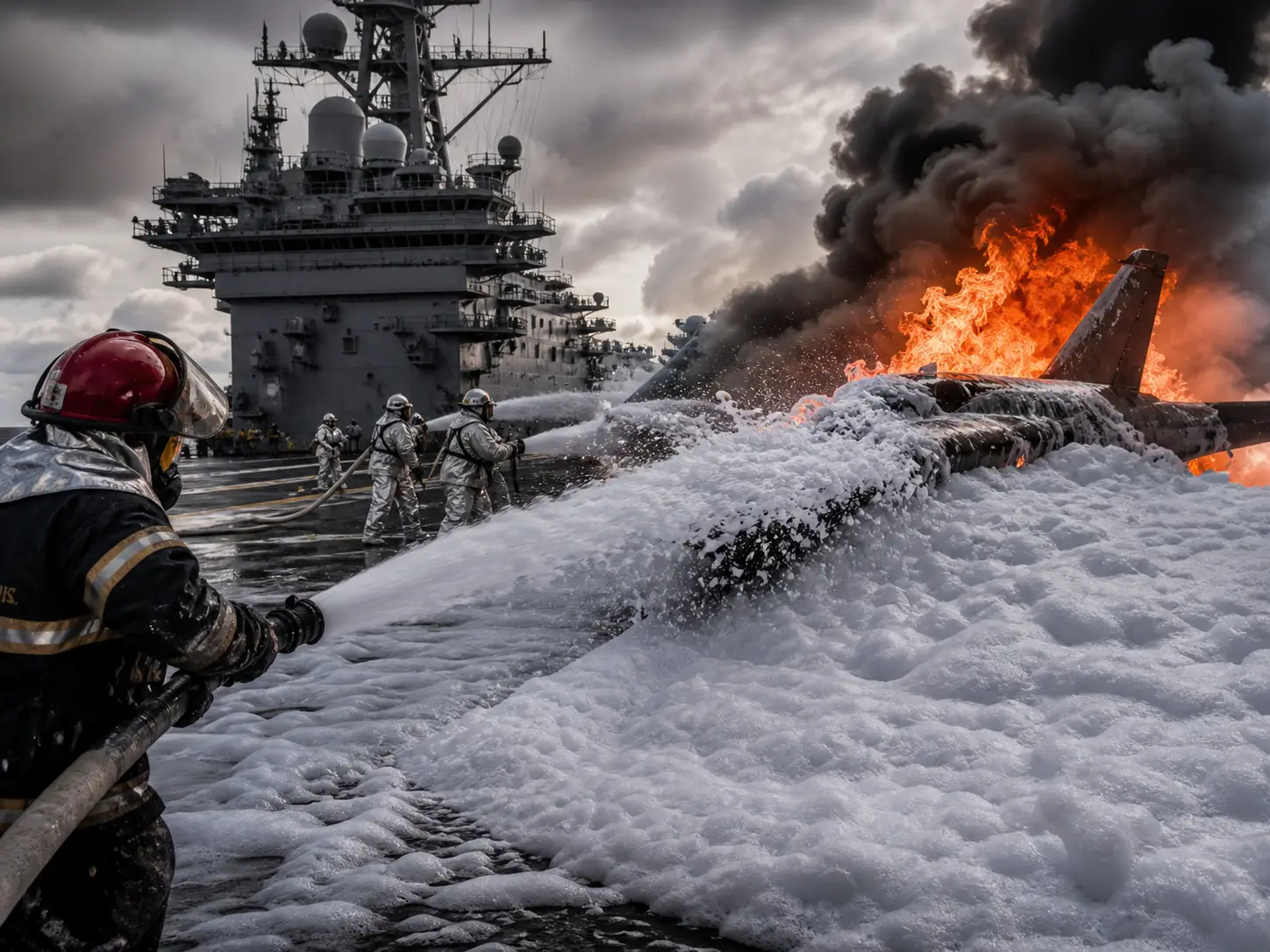
2 open-ended water cylinders
To safely stop the pistons, naval engineers use a highly effective water brake system located at the forward end. It consists of open-ended cylinders that are continuously filled with fresh, potable water. An array of high-velocity jets at the mouth of the cylinder keeps the chamber full.
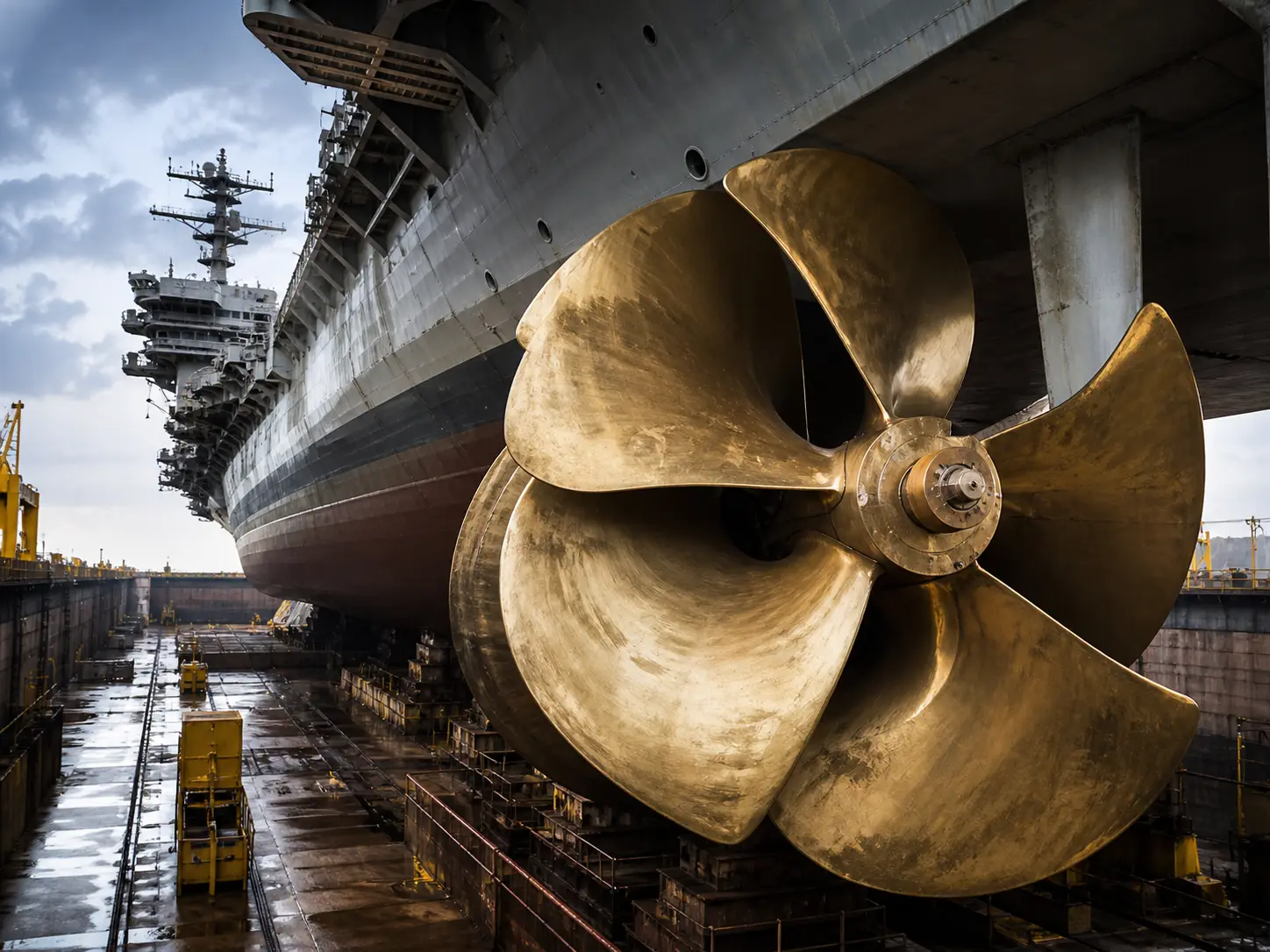
Plunging into massive water flow
When the launch stroke finishes, the spear-shaped ends of the pistons plunge directly into the water-filled cylinders. The sudden insertion of the metal spears rapidly displaces the fresh water inside. This extreme hydraulic resistance acts immediately to halt the forward motion of the catapult.
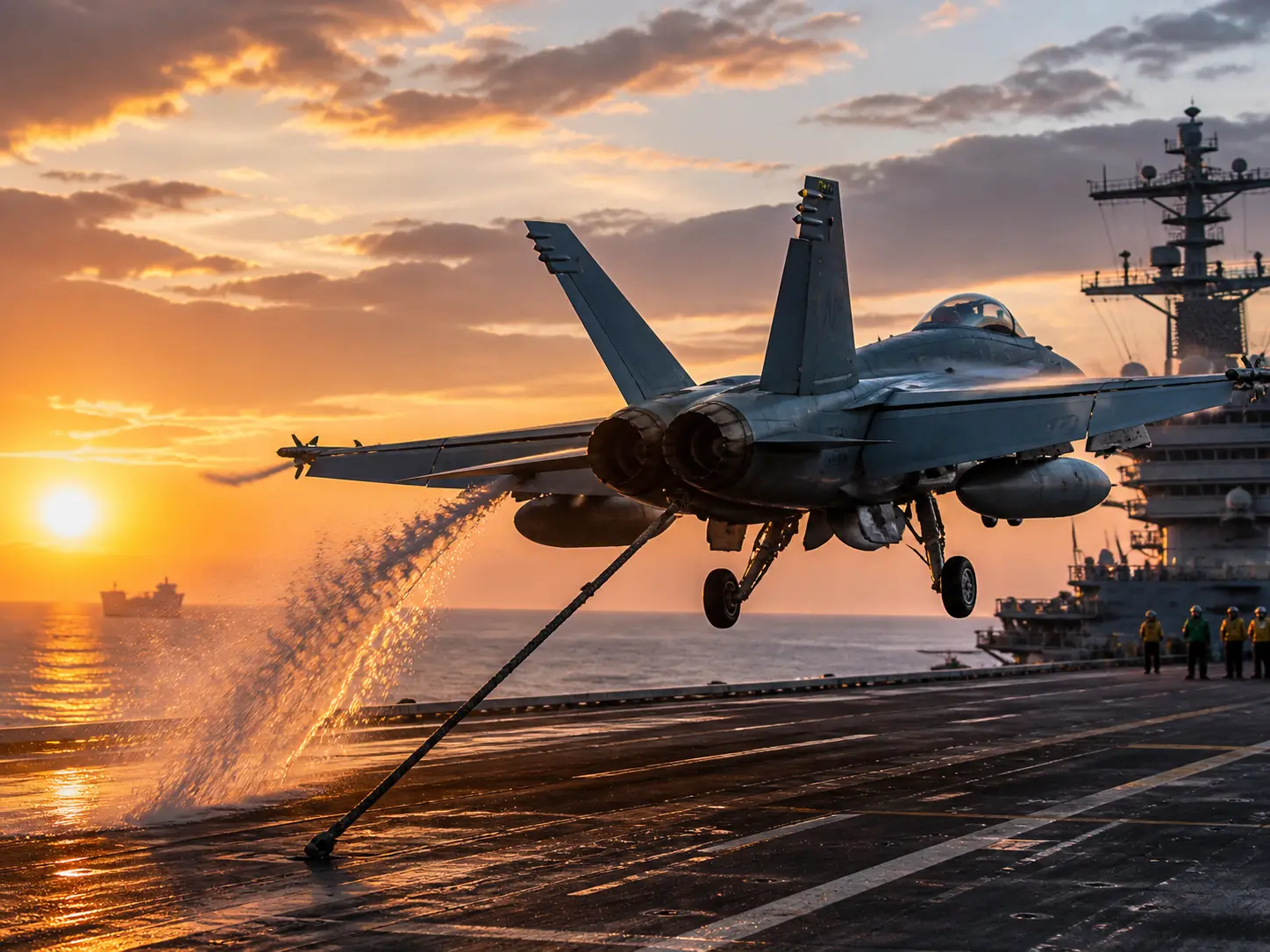
1 brass choke ring mechanism
Inside the water brake cylinder is a precisely machined brass choke ring that acts like a speed bump. While the piston spear tries to force its way in, the trapped water forcefully tries to escape. This massive opposing pressure provides 100 per cent of the necessary stopping power.
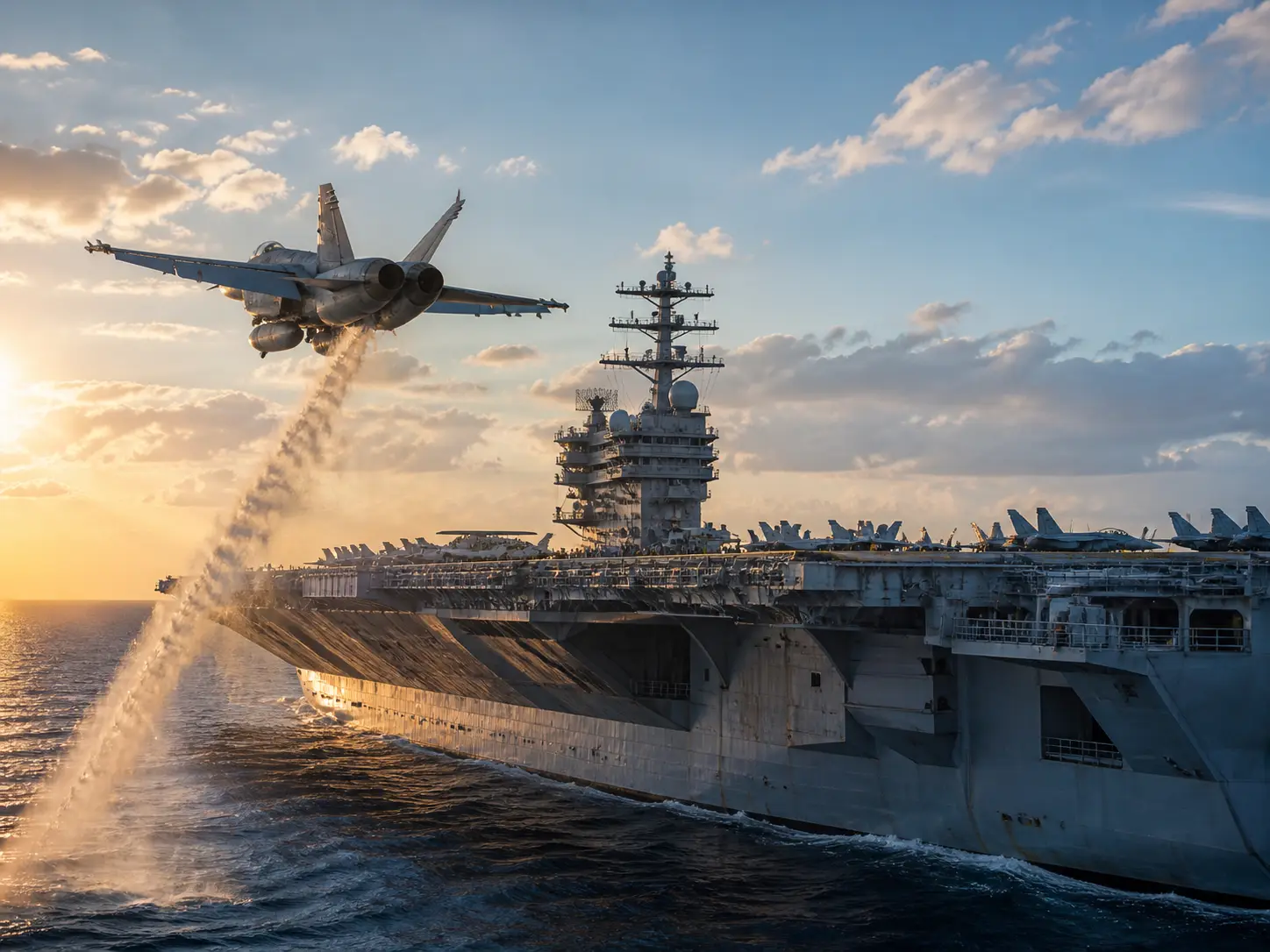
100 per cent safe deceleration
The water brake safely halts the massive pistons with zero tolerance, preventing any structural impact. Following the rapid deceleration, the heated water is collected and managed within a storage tank. A hydraulic retraction engine then pulls the shuttle back, readying the system for the next launch.
)
)
)
)
)